

10 Best Dumbbell Reverse Grip Incline Bench One Arm Row Alternatives
The Dumbbell Reverse Grip Incline Bench One Arm Row is done lying face down with dumbbells. Ranked closest by our scoring: the Inverted Row Bent Knees, the Elbow Lift - Reverse Push-up and the Inverted Row On Bench.
Updated Ranked by our 12-factor similarity model How it works
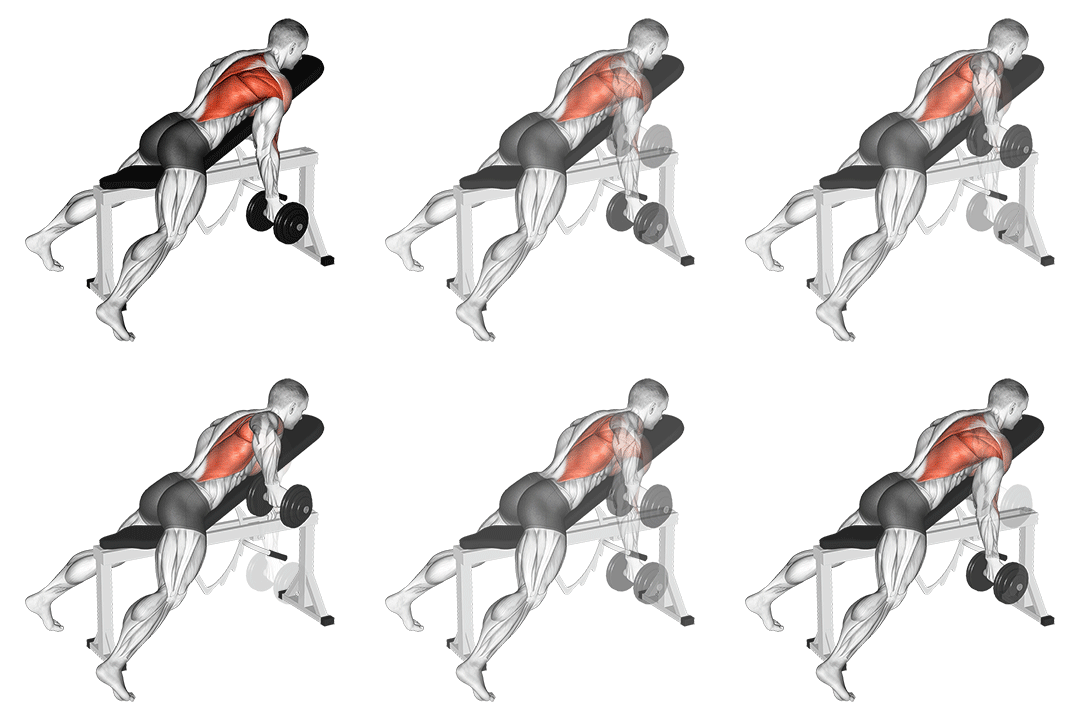
Original Exercise: Dumbbell Reverse Grip Incline Bench One Arm Row
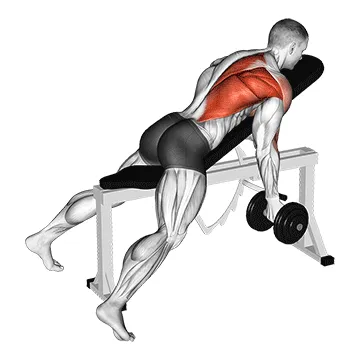
- Primary muscle
- Upper Back
- Equipment
- Dumbbell
- Difficulty
- Intermediate
- Type
- Compound
Secondary muscles: Biceps, Shoulders
How to perform Dumbbell Reverse Grip Incline Bench One Arm Row
- Set up an incline bench at a 45-degree angle.
- Place a dumbbell on the floor next to the bench.
- Stand facing the bench with your feet shoulder-width apart.
- Bend at the waist and place your left knee and left hand on the bench for support.
- Pick up the dumbbell with your right hand using a reverse grip (palm facing down).
- Keep your back straight and your core engaged.
- Pull the dumbbell up towards your chest, keeping your elbow close to your body.
- Squeeze your back muscles at the top of the movement.
- Lower the dumbbell back down to the starting position in a controlled manner.
- Repeat for the desired number of repetitions.
- Switch sides and repeat the exercise with your left arm.
Ranked Dumbbell Reverse Grip Incline Bench One Arm Row Alternatives
10 substitutes, ranked by how closely each one matches the Dumbbell Reverse Grip Incline Bench One Arm Row on movement pattern, muscles worked, equipment and body position. The higher the score, the less you change. Open "How to perform this exercise" on a card for the steps; every card title links to that exercise's own alternatives page.
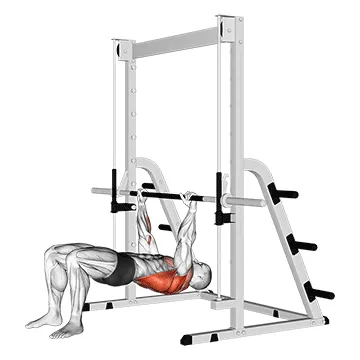
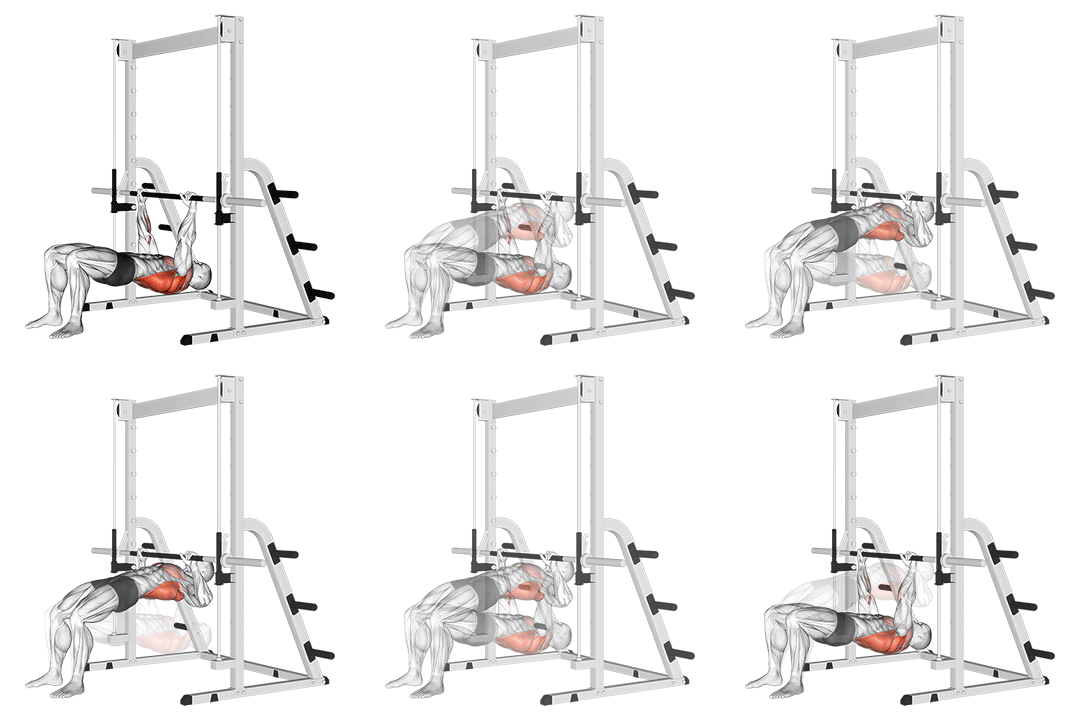
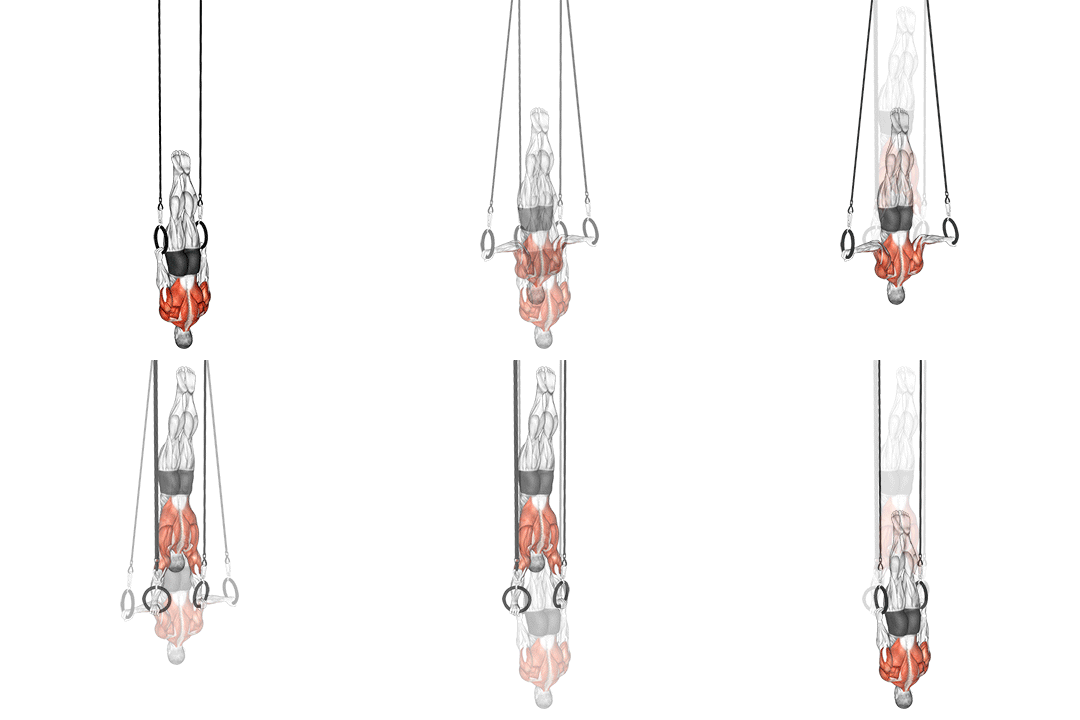
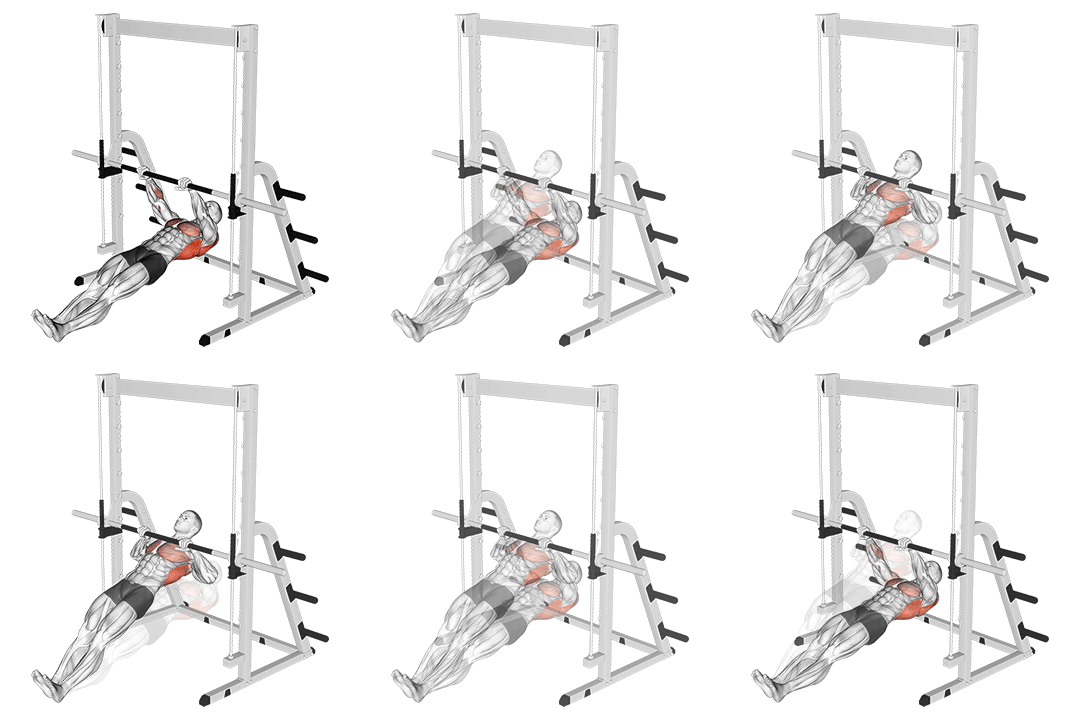
Best match 1. Inverted Row Bent Knees
69% match- Upper Back
- Bodyweight
- Beginner
- Compound
Use this when you have nothing to train with, because it works the upper back with bodyweight alone.
How to perform this exercise
- Set up a bar at waist height and lie underneath it.
- Grab the bar with an overhand grip, slightly wider than shoulder-width apart.
- Position your body so that your heels are on the ground and your body is straight.
- Pull your chest up towards the bar by squeezing your shoulder blades together.
- Pause for a moment at the top, then slowly lower your body back down to the starting position.
- Repeat for the desired number of repetitions.
Sets and reps: 3 sets of 8 to 12 reps, and add reps before you add load.
Why this matches
- Primary muscle: upper back, the same as the Dumbbell Reverse Grip Incline Bench One Arm Row
- Equipment: bodyweight only, not free weights
- Body position: hanging, not lying face down
- Balance: harder to stay steady on than the Dumbbell Reverse Grip Incline Bench One Arm Row
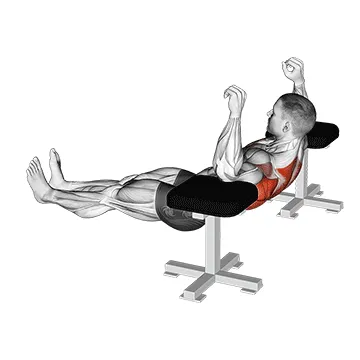
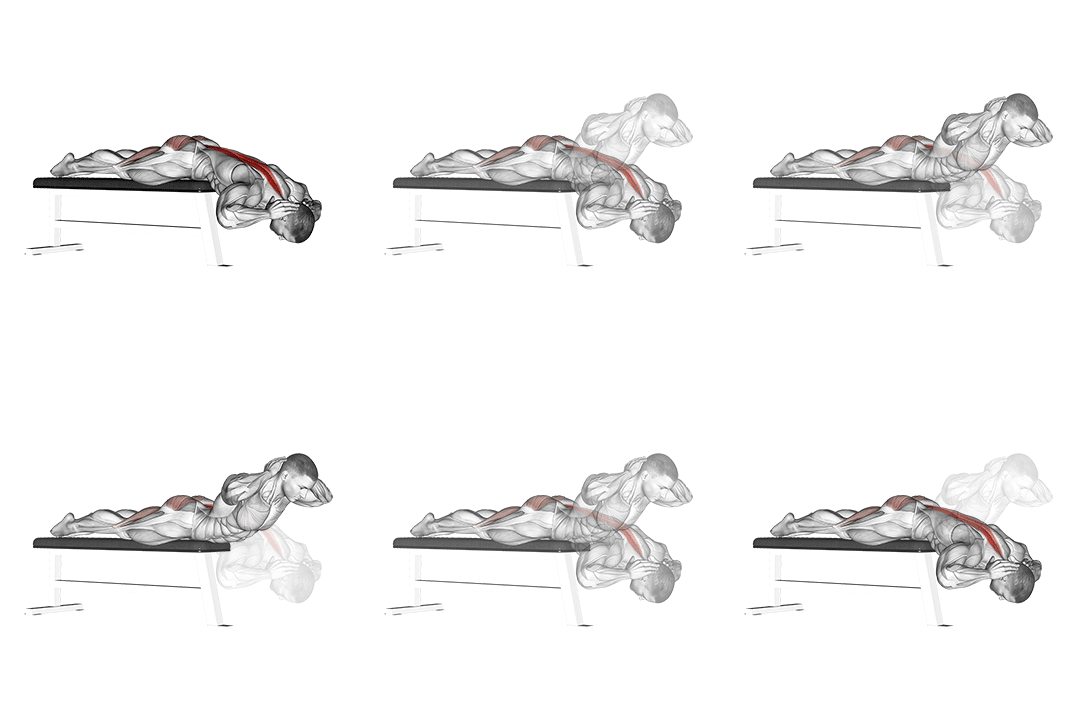
2. Elbow Lift - Reverse Push-up
69% match- Upper Back
- Bodyweight
- Intermediate
- Compound
How to perform this exercise
- Start by lying face down on the ground with your legs extended and your hands placed directly under your shoulders.
- Engage your core and press through your palms to lift your upper body off the ground, keeping your elbows close to your sides.
- Pause at the top for a moment, squeezing your upper back muscles.
- Slowly lower your body back down to the starting position.
- Repeat for the desired number of repetitions.
Sets and reps: 3 or 4 sets of 6 to 10 reps.
Why this matches
- Primary muscle: upper back, the same as the Dumbbell Reverse Grip Incline Bench One Arm Row
- Equipment: bodyweight only, not free weights
- Body position: lying on your back, not lying face down
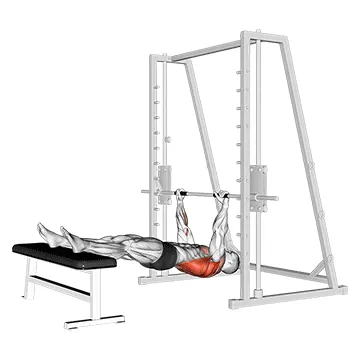
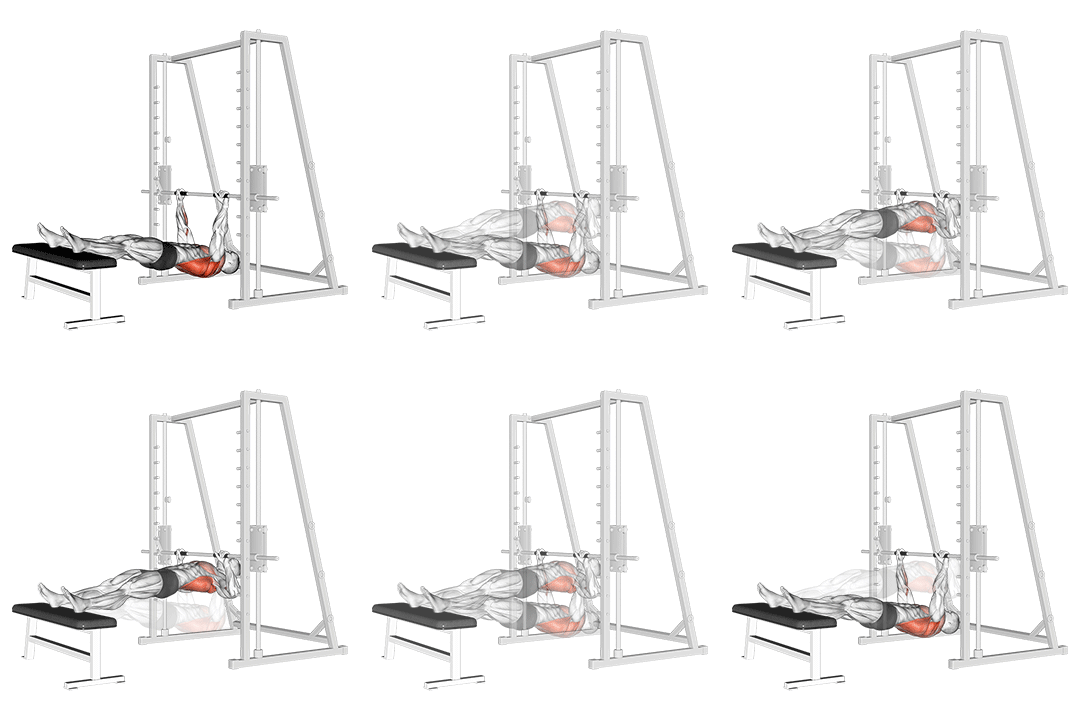
3. Inverted Row On Bench
68% match- Upper Back
- Bodyweight
- Intermediate
- Compound
How to perform this exercise
- Set up a bench at a height that allows your body to hang freely underneath it.
- Lie face up on the ground with your head towards the bench.
- Reach up and grab the bench with an overhand grip, slightly wider than shoulder-width apart.
- Position your body so that your heels are on the ground and your arms are fully extended.
- Engage your core and squeeze your shoulder blades together as you pull your chest up towards the bench.
- Pause for a moment at the top of the movement, then slowly lower your body back down to the starting position.
- Repeat for the desired number of repetitions.
Sets and reps: 3 or 4 sets of 6 to 10 reps.
Why this matches
- Primary muscle: upper back, the same as the Dumbbell Reverse Grip Incline Bench One Arm Row
- Equipment: bodyweight only, not free weights
- Body position: hanging, not lying face down
- Balance: harder to stay steady on than the Dumbbell Reverse Grip Incline Bench One Arm Row
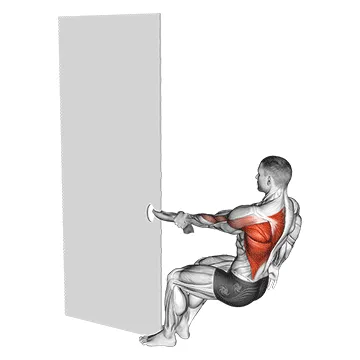
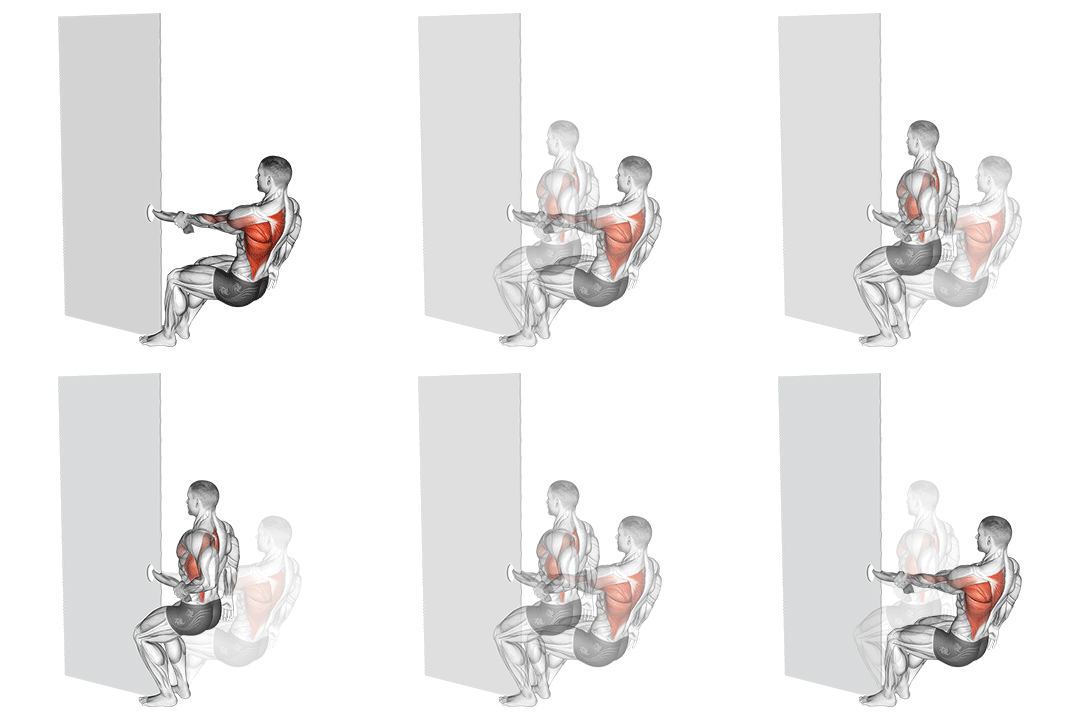
4. One Arm Towel Row
64% match- Upper Back
- Bodyweight
- Intermediate
- Compound
How to perform this exercise
- Stand with your feet shoulder-width apart, knees slightly bent, and hold a towel with one hand.
- Bend forward at the waist, keeping your back straight and your core engaged.
- Extend your arm fully, allowing the towel to hang in front of you.
- Pull the towel towards your chest, squeezing your shoulder blades together.
- Pause for a moment at the top, then slowly lower the towel back to the starting position.
- Repeat for the desired number of repetitions, then switch arms.
Sets and reps: 3 or 4 sets of 6 to 10 reps on each side.
Why this matches
- Primary muscle: upper back, the same as the Dumbbell Reverse Grip Incline Bench One Arm Row
- Equipment: bodyweight only, not free weights
- Body position: standing, not lying face down
- Balance: harder to stay steady on than the Dumbbell Reverse Grip Incline Bench One Arm Row
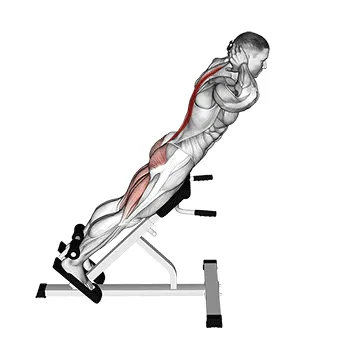
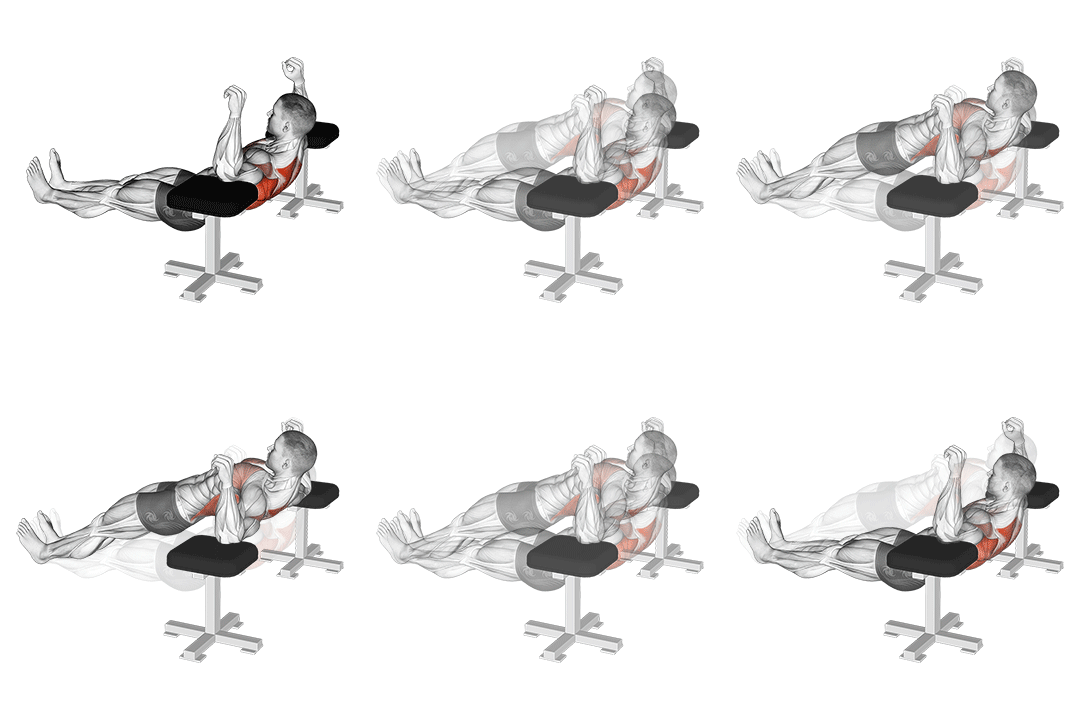
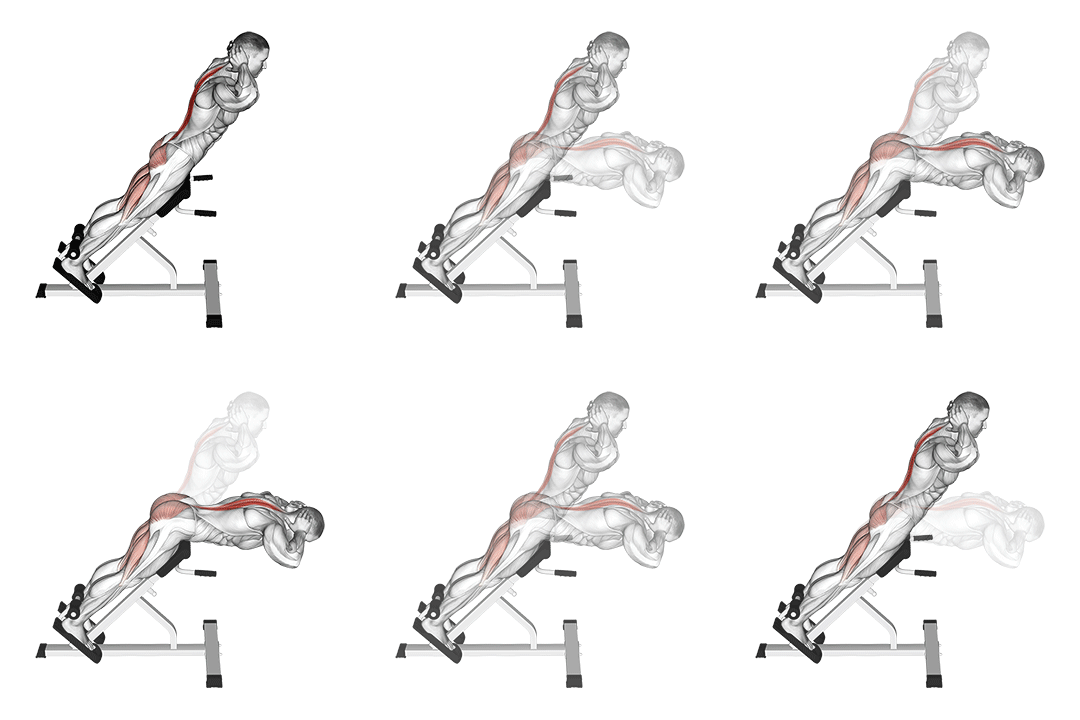
5. Hyperextension
63% match- Spine
- Bodyweight
- Intermediate
- Compound
A looser match: it works the spinal erectors rather than the upper back.
How to perform this exercise
- Adjust the hyperextension bench so that your upper thighs are resting on the pad and your feet are secured.
- Cross your arms over your chest or place your hands behind your head.
- Lower your upper body towards the ground while keeping your back straight.
- Pause for a moment at the bottom, then raise your upper body back up until it is in line with your legs.
- Repeat for the desired number of repetitions.
Sets and reps: 3 or 4 sets of 6 to 10 reps.
Why this matches
- Primary muscle: spine, not upper back
- Equipment: bodyweight only, not free weights
- Body position: lying face down, the same as the Dumbbell Reverse Grip Incline Bench One Arm Row
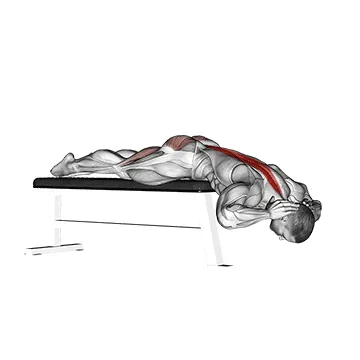
6. Hyperextension (On Bench)
63% match- Spine
- Bodyweight
- Intermediate
- Compound
How to perform this exercise
- Adjust the hyperextension bench so that your hips are resting comfortably on the pad and your feet are secured.
- Cross your arms over your chest or place your hands behind your head.
- Slowly lower your upper body towards the ground while keeping your back straight.
- Pause for a moment at the bottom, then raise your upper body back up until it is in line with your legs.
- Repeat for the desired number of repetitions.
Sets and reps: 3 or 4 sets of 6 to 10 reps.
Why this matches
- Primary muscle: spine, not upper back
- Equipment: bodyweight only, not free weights
- Body position: lying face down, the same as the Dumbbell Reverse Grip Incline Bench One Arm Row
7. Elevator
59% match- Upper Back
- Bodyweight
- Intermediate
- Compound
How to perform this exercise
- Stand with your feet shoulder-width apart and your knees slightly bent.
- Place your hands on your hips or cross them in front of your chest.
- Keeping your back straight, slowly bend forward at the waist, lowering your upper body towards the ground.
- Pause for a moment at the bottom, then slowly raise your upper body back up to the starting position.
- Repeat for the desired number of repetitions.
Sets and reps: 3 or 4 sets of 6 to 10 reps.
Why this matches
- Primary muscle: upper back, the same as the Dumbbell Reverse Grip Incline Bench One Arm Row
- Equipment: bodyweight only, not free weights
- Body position: standing, not lying face down
- Balance: harder to stay steady on than the Dumbbell Reverse Grip Incline Bench One Arm Row
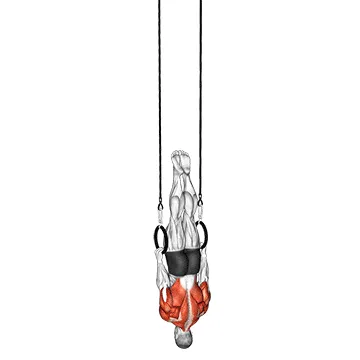
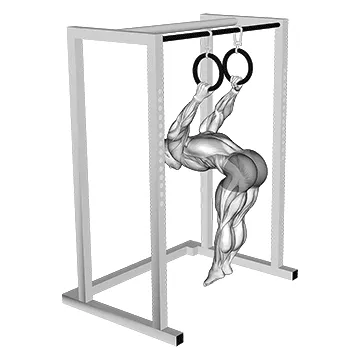
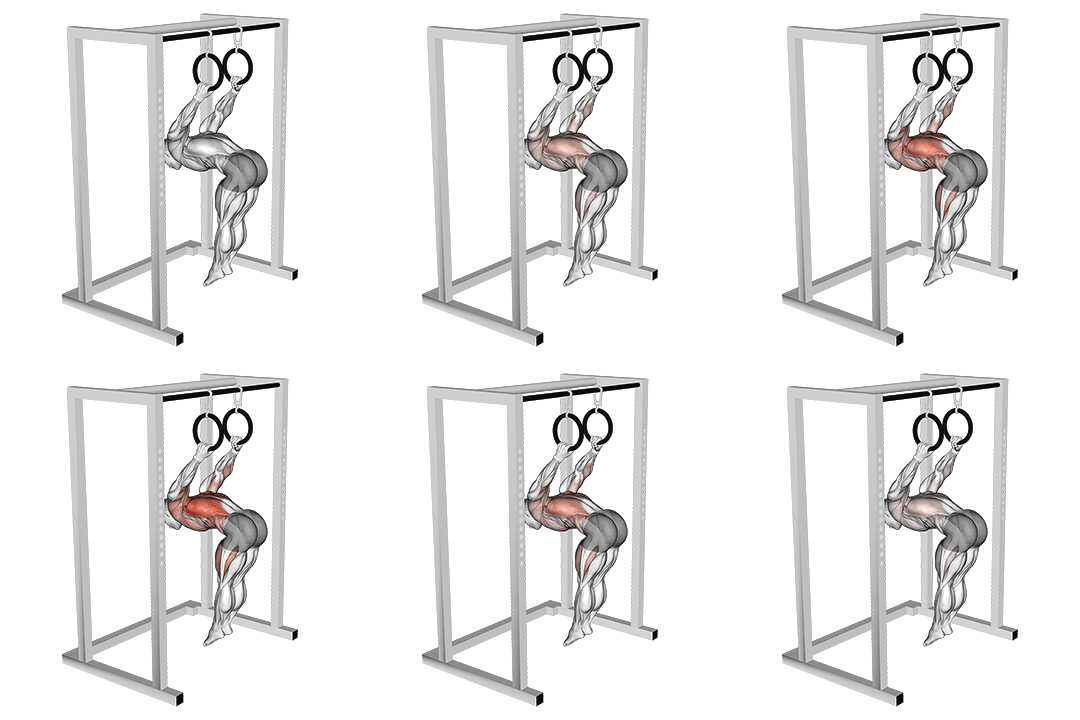
8. Skin The Cat
56% match- Upper Back
- Bodyweight
- Intermediate
- Compound
How to perform this exercise
- Start by hanging from a bar with your arms fully extended and your body relaxed.
- Engage your core and lift your legs up, bringing your knees towards your chest.
- Continue to lift your legs up and over your head, allowing your body to pass through the arms.
- Once your legs are fully extended over your head, begin to lower them back down towards the starting position.
- As you lower your legs, allow your body to pass back through the arms until you are hanging with your arms fully extended again.
- Repeat for the desired number of repetitions.
Sets and reps: 3 or 4 sets of 6 to 10 reps.
Why this matches
- Primary muscle: upper back, the same as the Dumbbell Reverse Grip Incline Bench One Arm Row
- Equipment: bodyweight only, not free weights
- Body position: hanging, not lying face down
- Balance: harder to stay steady on than the Dumbbell Reverse Grip Incline Bench One Arm Row
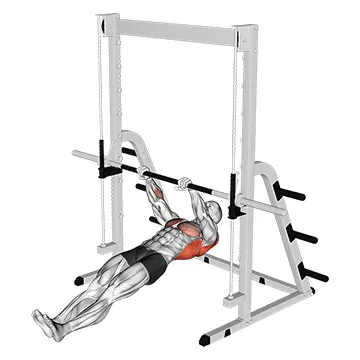
9. Inverted Row
54% match- Lats
- Bodyweight
- Intermediate
- Compound
How to perform this exercise
- Set up a bar at waist height or use a suspension trainer.
- Stand facing the bar or suspension trainer, with your feet shoulder-width apart.
- Grab the bar or handles with an overhand grip, slightly wider than shoulder-width apart.
- Lean back, keeping your body straight and your heels on the ground.
- Pull your chest towards the bar or handles, squeezing your shoulder blades together.
- Pause for a moment at the top, then slowly lower yourself back to the starting position.
- Repeat for the desired number of repetitions.
Sets and reps: 3 or 4 sets of 6 to 10 reps.
Why this matches
- Primary muscle: lats, not upper back
- Equipment: bodyweight only, not free weights
- Body position: hanging, not lying face down
- Balance: harder to stay steady on than the Dumbbell Reverse Grip Incline Bench One Arm Row
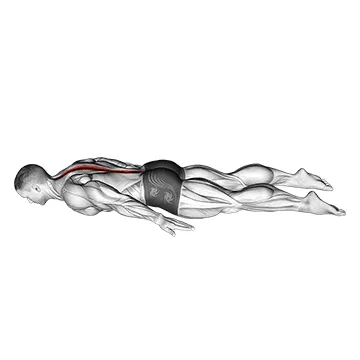
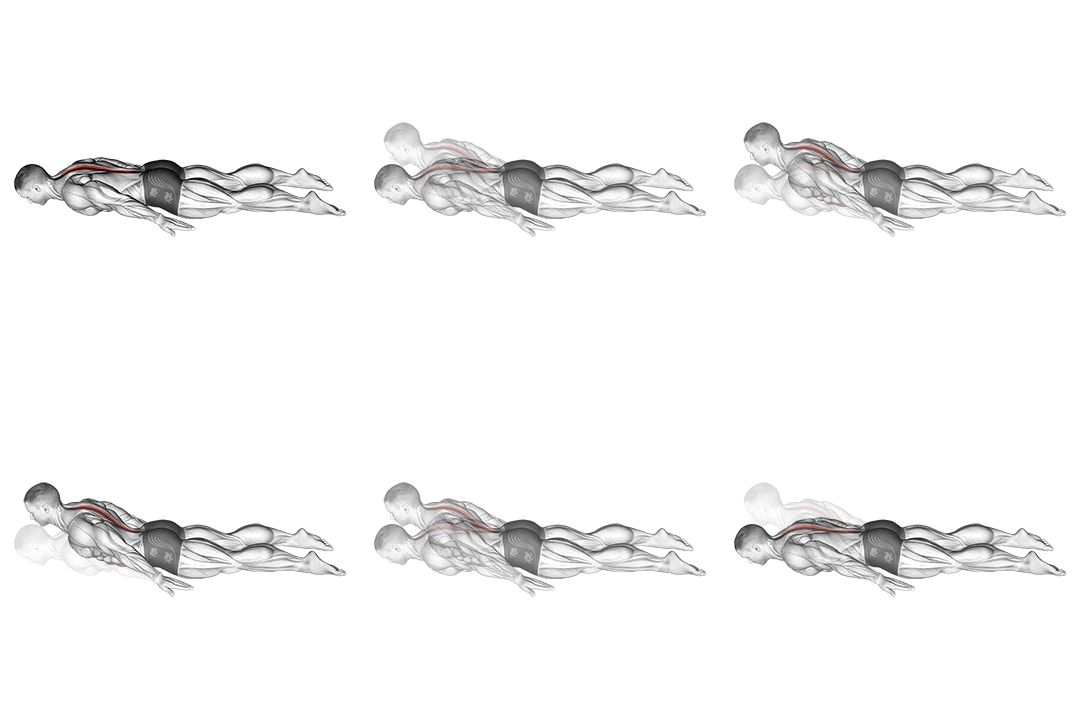
10. Lower Back Curl
54% match- Spine
- Bodyweight
- Intermediate
- Isolation
How to perform this exercise
- Lie flat on your stomach with your legs extended and your arms by your sides.
- Engage your glutes and hamstrings, and slowly lift your upper body off the ground, curling your back upwards.
- Pause for a moment at the top, then slowly lower your upper body back down to the starting position.
- Repeat for the desired number of repetitions.
Sets and reps: 3 sets of 10 to 15 reps.
Why this matches
- Primary muscle: spine, not upper back
- Equipment: bodyweight only, not free weights
- Body position: lying face down, the same as the Dumbbell Reverse Grip Incline Bench One Arm Row
Why You Might Need a Dumbbell Reverse Grip Incline Bench One Arm Row Alternative
You might substitute this move for pain, limited equipment, or to change loading and stability demands. The incline chest-supported position reduces lumbar load and lets you emphasize scapular retraction; a reverse (supinated) grip increases biceps involvement and alters forearm/shoulder mechanics. If you have wrist or elbow irritation, choose a neutral-grip alternative. If a bench isn’t available, pick an inverted or kneeling row to preserve the horizontal pull pattern. Technique cue: maintain a flat thorax on support, lead the pull with the elbow and hold a 1–2 second scapular squeeze to target the mid‑traps and rhomboids.
How to Choose the Right Dumbbell Reverse Grip Incline Bench One Arm Row Substitute
Select a substitute based on equipment, desired muscle emphasis, and stability. For maximal upper‑back isolation choose chest‑supported rows to remove lumbar stabilization; cue chest contact and full scapular retraction. For functional carrying strength or core demand pick inverted rows or bent‑over variations and keep a rigid plank line. If you want more biceps involvement use a supinated or neutral handle and pull with the elbow close to your body. Consider range of motion, unilateral vs bilateral loading, and progressive overload potential, choose an exercise that lets you increase load or reps while maintaining clean scapular mechanics.
Dumbbell Reverse Grip Incline Bench One Arm Row FAQ
What muscles does Dumbbell Reverse Grip Incline Bench One Arm Row work?
It targets the upper back, rhomboids, middle and lower trapezius, and posterior deltoid, with secondary latissimus and biceps involvement. Biomechanically, the incline chest support reduces lumbar demand and forces the scapula to drive the movement; cue: pull the elbow back and squeeze between the shoulder blades.
What is the best bodyweight alternative to Dumbbell Reverse Grip Incline Bench One Arm Row?
The inverted row (body row) is the top bodyweight substitute because it preserves the horizontal pulling plane and scapular retraction. Setup under a bar, keep your body straight, pull your chest to the bar and squeeze the scapula; elevate your feet to increase difficulty and maintain upper‑back activation.
Find Alternatives for Any Exercise
Search the exercise database and filter the ranked substitutes by the equipment you own.
Similarity scores compare exercise metadata such as movement pattern, muscles, equipment and body position. They are not a safety rating or a check that you own the equipment. Learn about our methodology