

10 Best Isometric Wipers Alternatives for Bodyweight Chest Training
Isometric Wipers are done lying face down. Ranked closest by our scoring: the Push Up On Bosu Ball, the Push-up (Bosu Ball) and Push-ups With Feet On An Exercise Ball. Three harder versions, the Plyo Push-up, the Chest Tap Push-up and the Clap Push Up, are listed below as progressions rather than swaps.
Updated Ranked by our 12-factor similarity model How it works
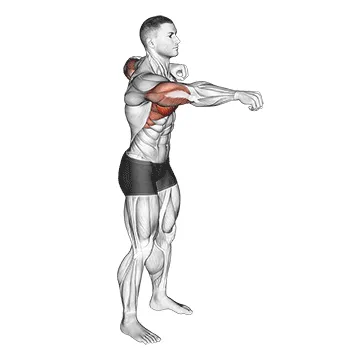
Original Exercise: Isometric Wipers
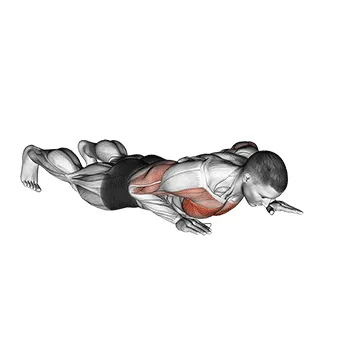
- Primary muscle
- Pectorals
- Equipment
- Bodyweight
- Difficulty
- Intermediate
- Type
- Compound
Secondary muscles: Shoulders, Triceps, Core
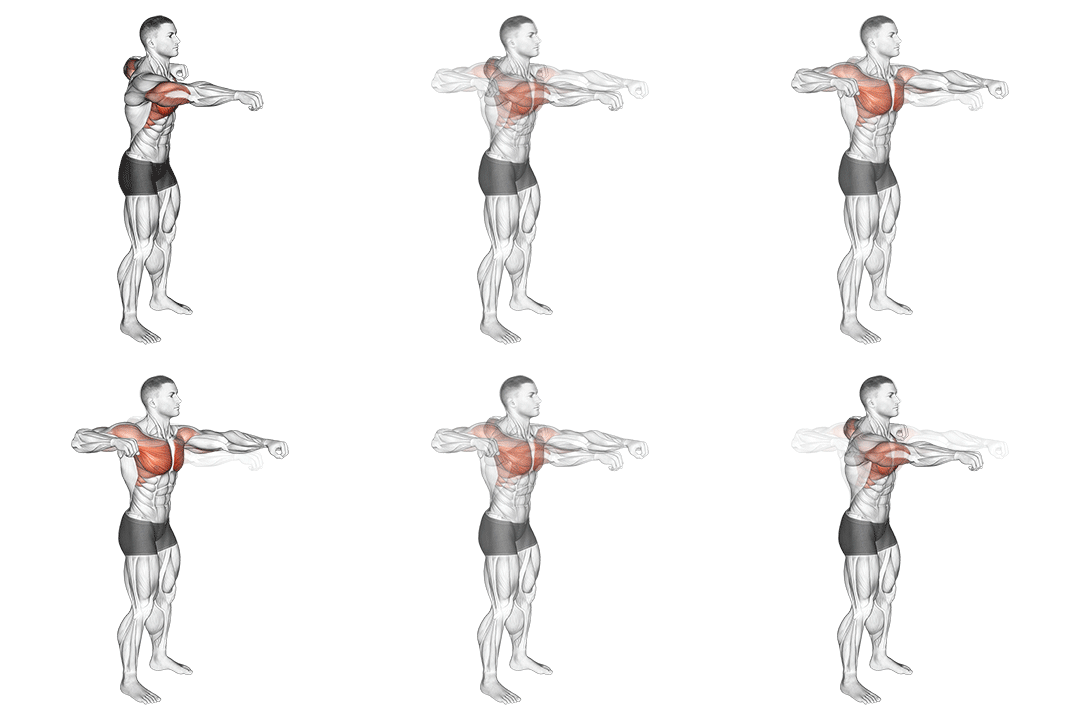
How to perform Isometric Wipers
- Start by lying flat on your back on a mat or bench.
- Extend your arms straight out to the sides, perpendicular to your body.
- Engage your core and lift both legs off the ground, keeping them together and straight.
- Slowly lower your legs to one side, aiming to touch the ground with your feet while maintaining control.
- Pause for a moment, then use your core to lift your legs back to the starting position.
- Repeat the movement, this time lowering your legs to the opposite side.
- Continue alternating sides for the desired number of repetitions.
Ranked Isometric Wipers Alternatives
10 substitutes, ranked by how closely each one matches Isometric Wipers on movement pattern, muscles worked, equipment and body position. The higher the score, the less you change. Open "How to perform this exercise" on a card for the steps; every card title links to that exercise's own alternatives page. Harder versions are tagged as progressions and kept out of the top spot even when they score higher.
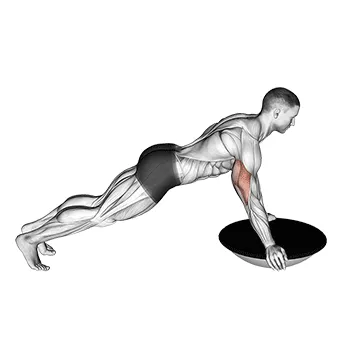
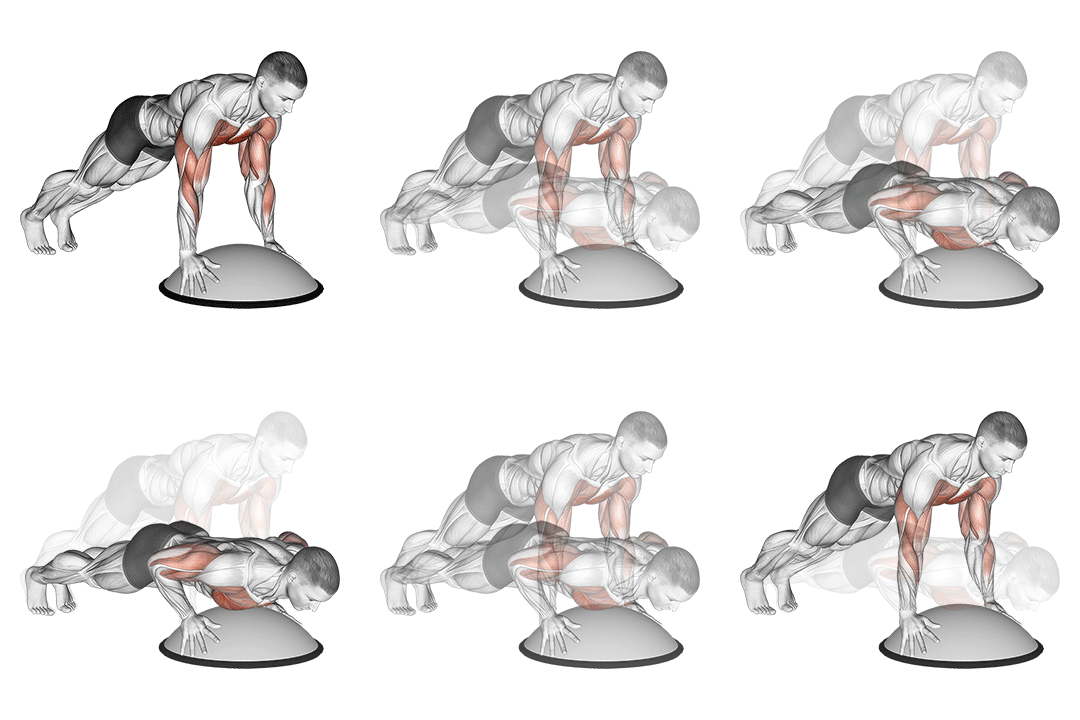
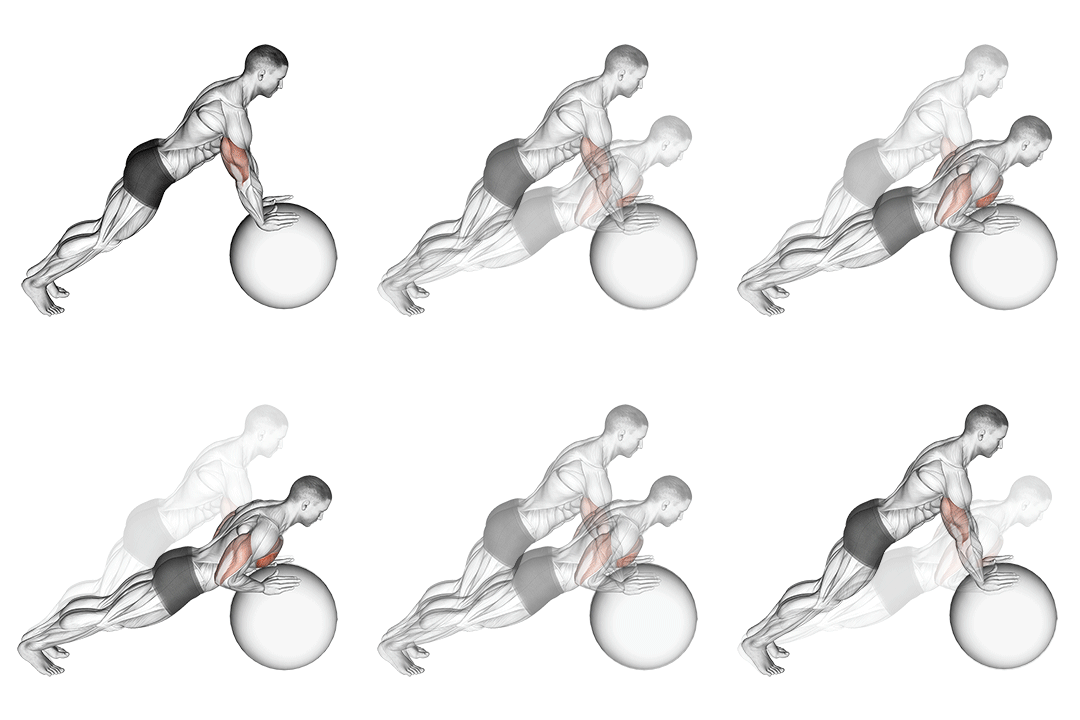
Best match 1. Push Up On Bosu Ball
86% match- Pectorals
- Stability-ball
- Intermediate
- Compound
A good swap when you have a stability ball to work with, and it still works the pectorals.
How to perform this exercise
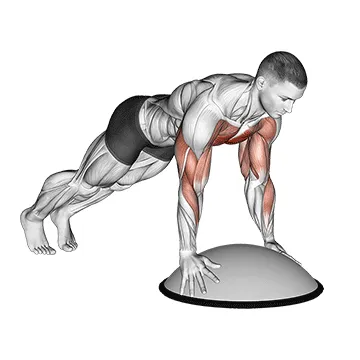
- Place the bosu ball on the ground with the flat side facing up.
- Position yourself in a push-up position with your hands on the outer edges of the bosu ball.
- Engage your core and lower your body down towards the bosu ball by bending your elbows.
- Push yourself back up to the starting position by extending your arms.
- Repeat for the desired number of repetitions.
Sets and reps: 3 or 4 sets of 6 to 10 reps.
Why this matches
- Primary muscle: pectorals, the same as Isometric Wipers
- Equipment: bodyweight only, the same as Isometric Wipers
- Body position: lying face down, the same as Isometric Wipers
Progression
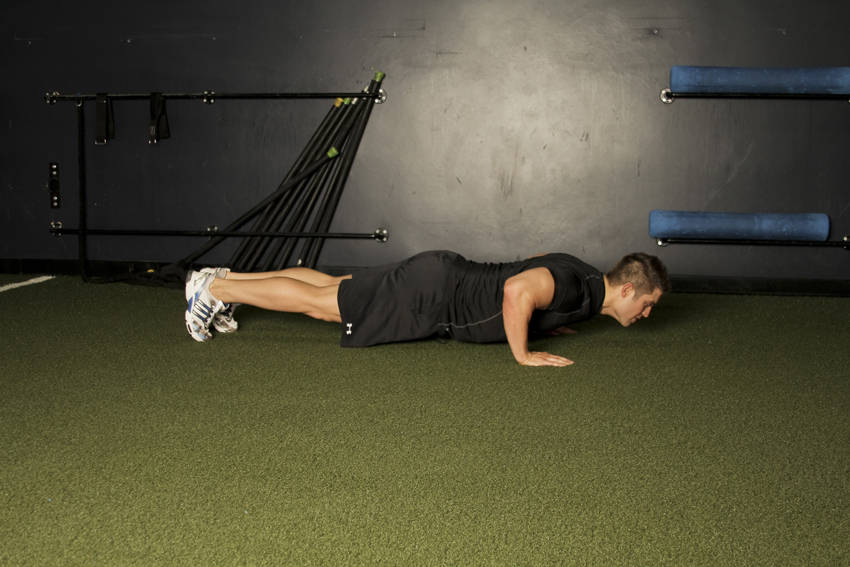
2. Plyo Push-up
85% match- Pectorals
- Bodyweight
- Advanced
- Compound
Pick this when you want a harder version that still works the pectorals.
How to perform this exercise
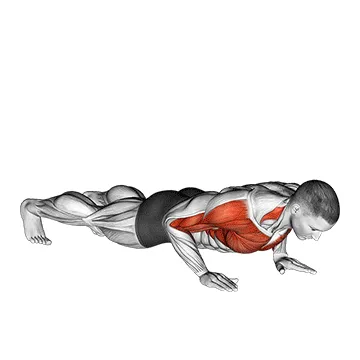
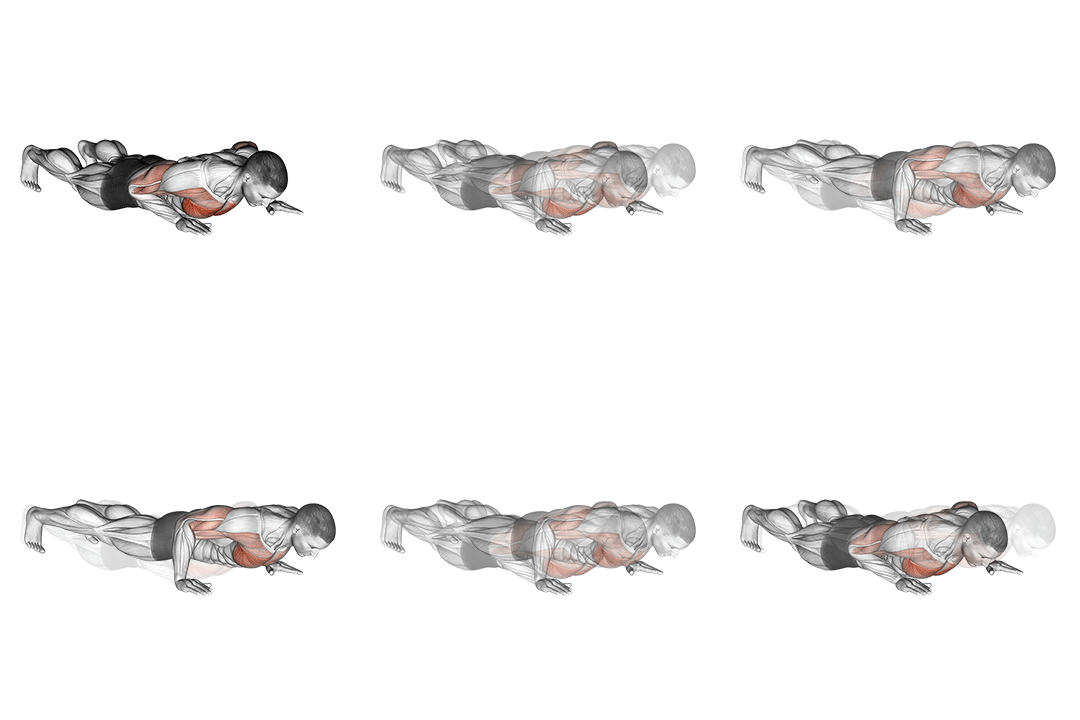
- Move into a prone position on the floor, supporting your weight on your hands and toes.
- Your arms should be fully extended with the hands around shoulder width. Keep your body straight throughout the movement. This will be your starting position.
- Descend by flexing at the elbow, lowering your chest towards the ground.
- At the bottom, reverse the motion by pushing yourself up through elbow extension as quickly as possible. Attempt to push your upper body up until your hands leave the ground.
- Return to the starting position and repeat the exercise.
- For added difficulty, add claps into the movement while you are air borne.
Sets and reps: 3 or 4 sets of 6 to 10 reps.
Why this matches
- Primary muscle: pectorals, the same as Isometric Wipers
- Equipment: bodyweight only, the same as Isometric Wipers
- Body position: lying face down, the same as Isometric Wipers
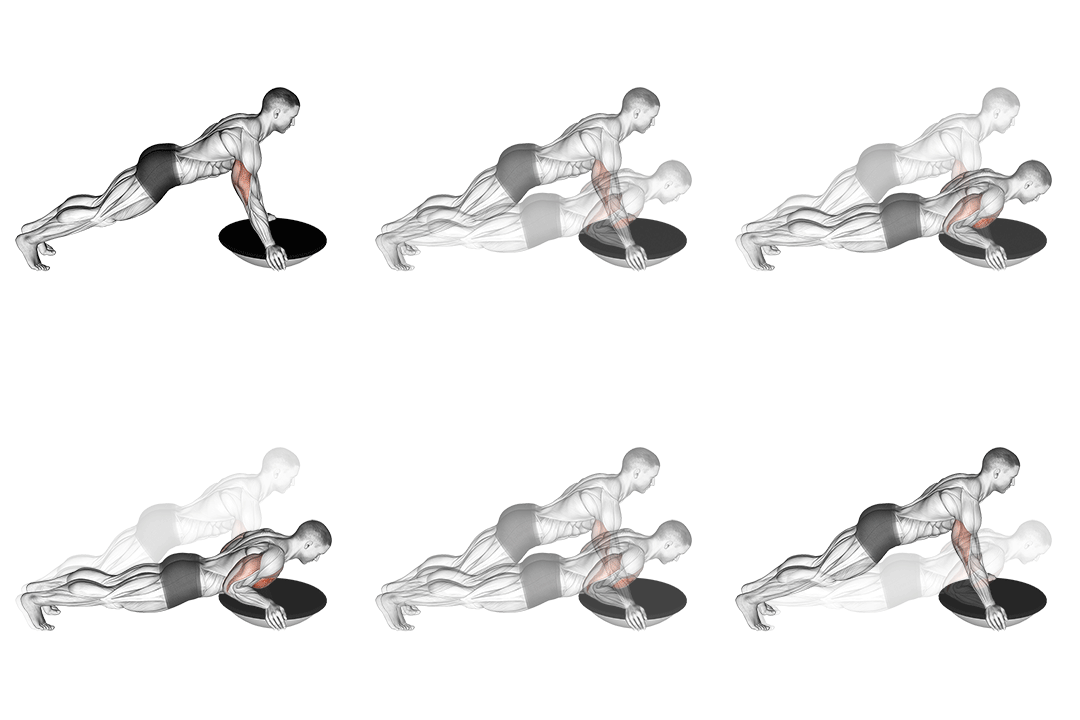
3. Push-up (Bosu Ball)
85% match- Pectorals
- Stability-ball
- Intermediate
- Compound
How to perform this exercise
- Place the bosu ball on the ground with the flat side facing up.
- Position yourself in a push-up position with your hands on the outer edges of the bosu ball.
- Engage your core and lower your body down towards the bosu ball by bending your elbows.
- Push yourself back up to the starting position by extending your arms.
- Repeat for the desired number of repetitions.
Sets and reps: 3 or 4 sets of 6 to 10 reps.
Why this matches
- Primary muscle: pectorals, the same as Isometric Wipers
- Equipment: bodyweight only, the same as Isometric Wipers
- Body position: lying face down, the same as Isometric Wipers
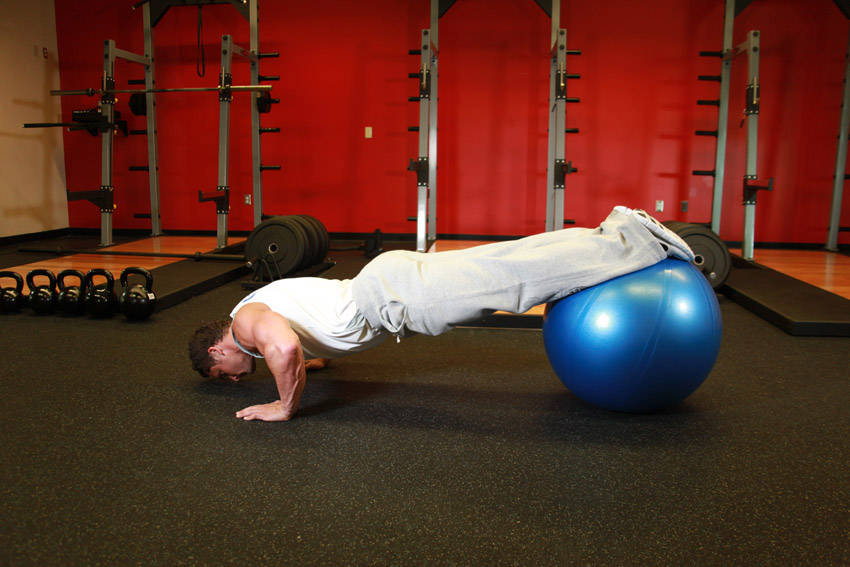
- Pectorals
- Stability-ball
- Intermediate
- Compound
How to perform this exercise
- Lie on the floor face down and place your hands about 36 inches apart from each other holding your torso up at arms length.
- Place your toes on top of an exercise ball. This will allow your body to be elevated.
- Lower yourself until your chest almost touches the floor as you inhale.
- Using your pectoral muscles, press your upper body back up to the starting position and squeeze your chest. Breathe out as you perform this step.
- After a second pause at the contracted position, repeat the movement for the prescribed amount of repetitions.
Sets and reps: 3 or 4 sets of 6 to 10 reps.
Why this matches
- Primary muscle: pectorals, the same as Isometric Wipers
- Equipment: bodyweight only, the same as Isometric Wipers
- Body position: lying face down, the same as Isometric Wipers
Progression
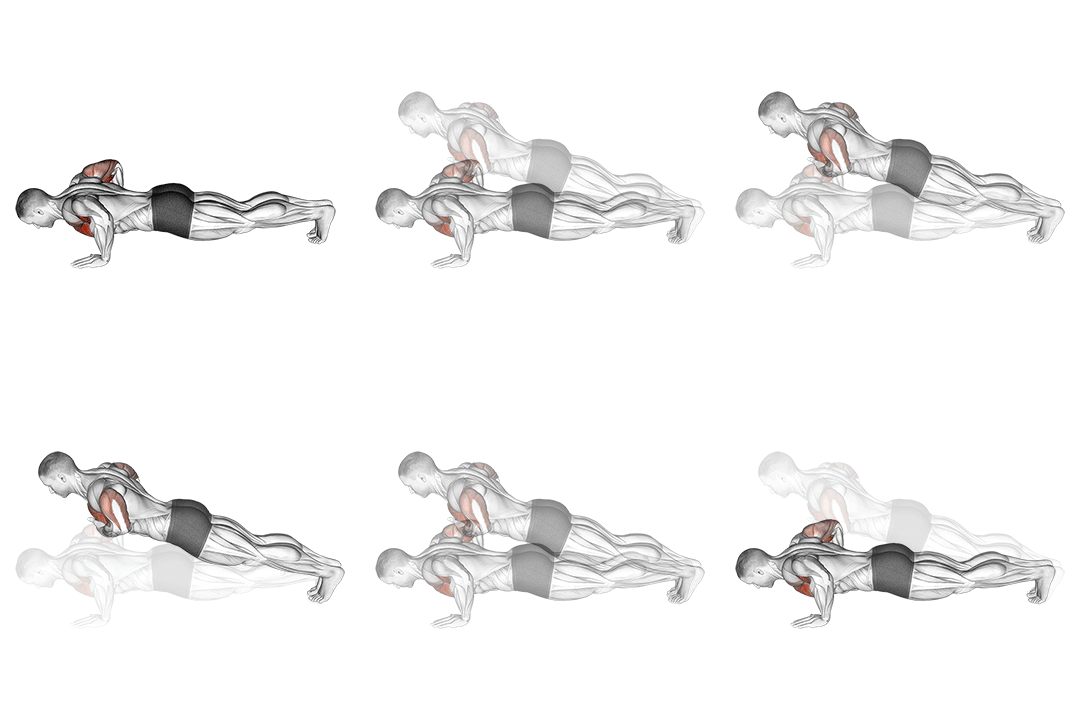
5. Chest Tap Push-up
85% match- Pectorals
- Bodyweight
- Advanced
- Compound
How to perform this exercise
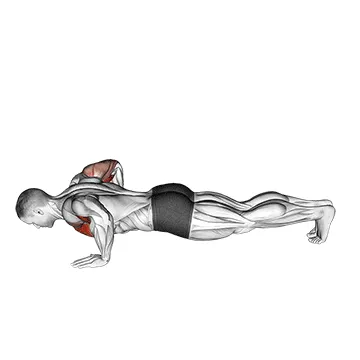
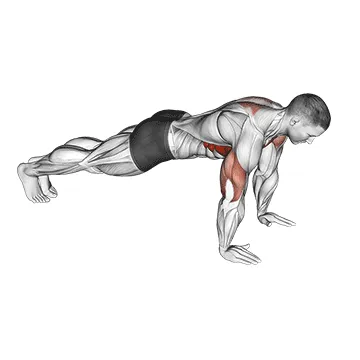
- Start in a high plank position with your hands slightly wider than shoulder-width apart and your body in a straight line.
- Lower your body towards the ground by bending your elbows, keeping them close to your sides.
- As you lower yourself, tap your chest with your right hand.
- Push yourself back up to the starting position.
- Repeat the movement, this time tapping your chest with your left hand.
- Continue alternating sides for the desired number of repetitions.
Sets and reps: 3 or 4 sets of 6 to 10 reps.
Why this matches
- Primary muscle: pectorals, the same as Isometric Wipers
- Equipment: bodyweight only, the same as Isometric Wipers
- Body position: lying face down, the same as Isometric Wipers
Progression
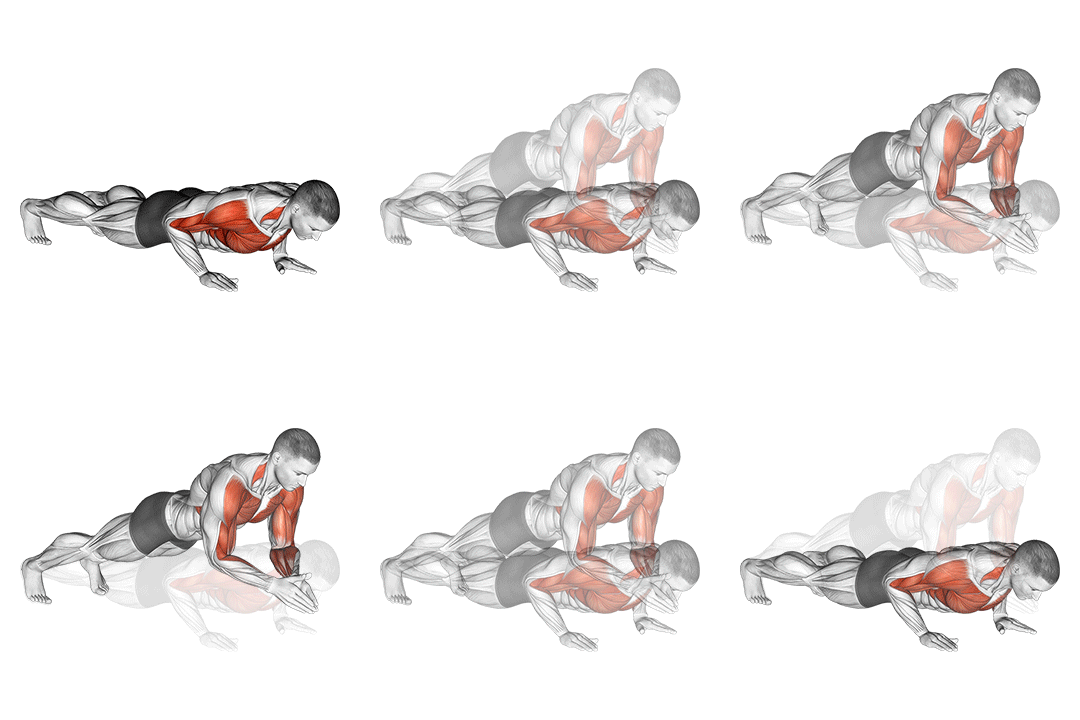
6. Clap Push Up
85% match- Pectorals
- Bodyweight
- Advanced
- Compound
How to perform this exercise
- Start in a high plank position with your hands slightly wider than shoulder-width apart.
- Lower your body towards the ground by bending your elbows, keeping your core engaged.
- Push through your palms explosively to propel your body off the ground.
- While in mid-air, clap your hands together before landing back in the starting position.
- Repeat for the desired number of repetitions.
Sets and reps: 3 or 4 sets of 6 to 10 reps.
Why this matches
- Primary muscle: pectorals, the same as Isometric Wipers
- Equipment: bodyweight only, the same as Isometric Wipers
- Body position: lying face down, the same as Isometric Wipers
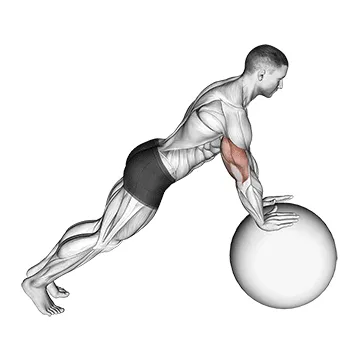
7. Push-up (On Stability Ball)
85% match- Pectorals
- Stability-ball
- Intermediate
- Compound
How to perform this exercise
- Place the stability ball on the ground and position yourself facing down with your hands on the ball, shoulder-width apart.
- Extend your legs straight out behind you, balancing on your toes.
- Engage your core and lower your chest towards the ball by bending your elbows, keeping your body in a straight line.
- Pause for a moment at the bottom, then push yourself back up to the starting position by straightening your arms.
- Repeat for the desired number of repetitions.
Sets and reps: 3 or 4 sets of 6 to 10 reps.
Why this matches
- Primary muscle: pectorals, the same as Isometric Wipers
- Equipment: bodyweight only, the same as Isometric Wipers
- Body position: lying face down, the same as Isometric Wipers
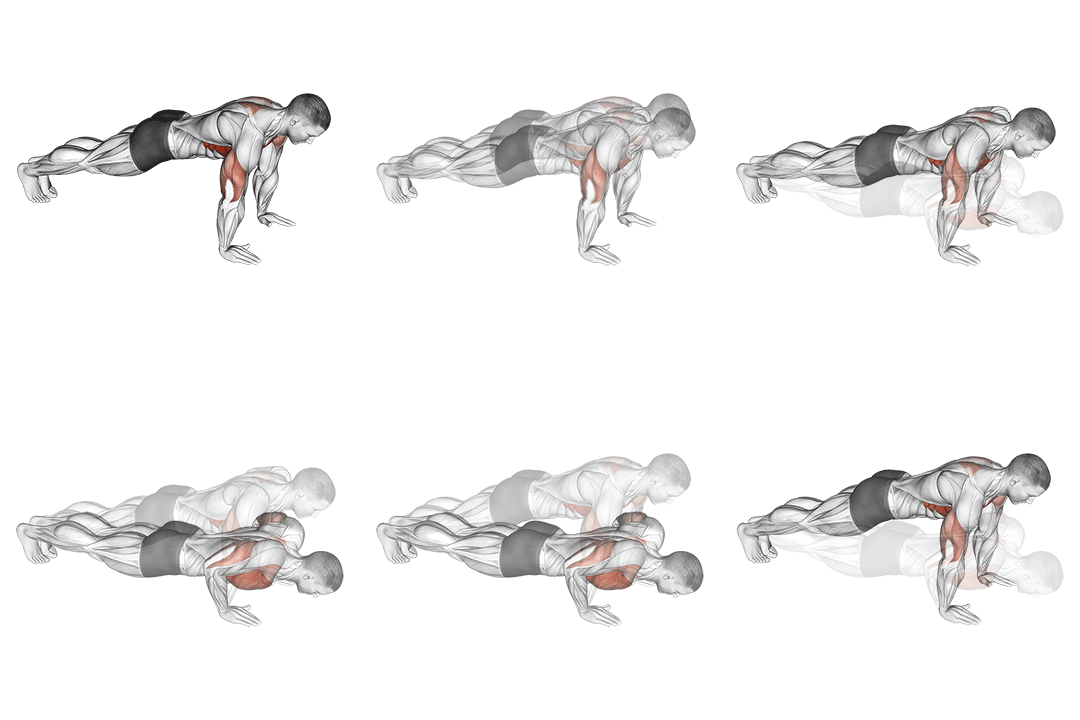
8. Push And Pull Bodyweight
84% match- Pectorals
- Bodyweight
- Intermediate
- Compound
How to perform this exercise
- Start in a push-up position with your hands slightly wider than shoulder-width apart and your body in a straight line.
- Lower your chest towards the ground by bending your elbows, keeping your body straight.
- Push through your palms to extend your arms and return to the starting position.
- From the push-up position, pull your chest towards the ground by bending your elbows, keeping your body straight.
- Push through your palms to extend your arms and return to the starting position.
- Repeat for the desired number of repetitions.
Sets and reps: 3 or 4 sets of 6 to 10 reps.
Why this matches
- Primary muscle: pectorals, the same as Isometric Wipers
- Equipment: bodyweight only, the same as Isometric Wipers
- Body position: lying face down, the same as Isometric Wipers
- Balance: easier to stay steady on than Isometric Wipers
9. Push-up Plus
84% match- Pectorals
- Bodyweight
- Intermediate
- Compound
How to perform this exercise
- Start in a high plank position with your hands slightly wider than shoulder-width apart and your body in a straight line from head to heels.
- Lower your body towards the ground by bending your elbows, keeping them close to your sides.
- Once your chest is just above the ground, push through your hands to extend your arms and lift your upper body up.
- At the top of the movement, protract your shoulder blades by pushing your upper back towards the ceiling.
- Pause for a moment, then reverse the movement by retracting your shoulder blades and lowering your body back down to the starting position.
- Repeat for the desired number of repetitions.
Sets and reps: 3 or 4 sets of 6 to 10 reps.
Why this matches
- Primary muscle: pectorals, the same as Isometric Wipers
- Equipment: bodyweight only, the same as Isometric Wipers
- Body position: lying face down, the same as Isometric Wipers
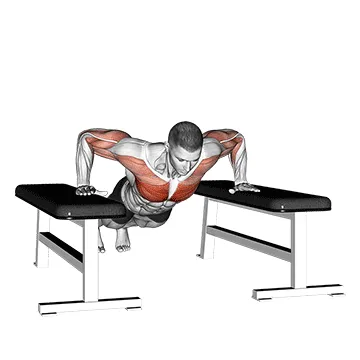
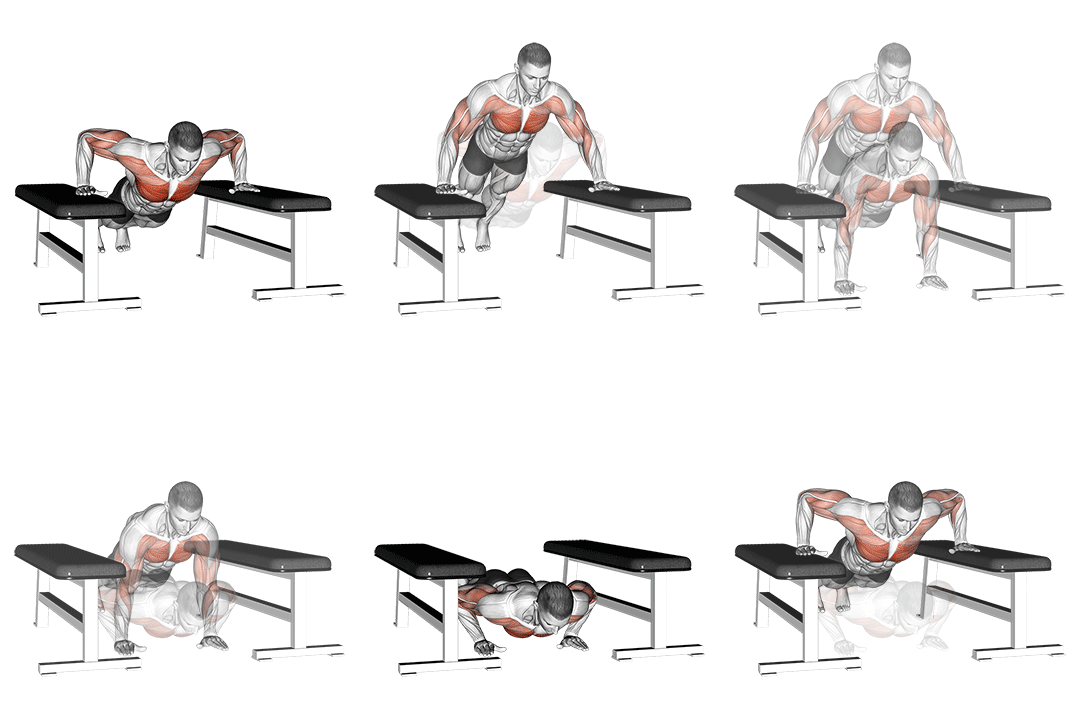
10. Drop Push Up
84% match- Pectorals
- Bodyweight
- Intermediate
- Compound
How to perform this exercise
- Start in a high plank position with your hands slightly wider than shoulder-width apart.
- Lower your chest towards the ground, keeping your elbows close to your body.
- Once your chest is just above the ground, quickly drop your knees to the ground.
- Push yourself back up to the starting position by extending your arms.
- Repeat for the desired number of repetitions.
Sets and reps: 3 or 4 sets of 6 to 10 reps.
Why this matches
- Primary muscle: pectorals, the same as Isometric Wipers
- Equipment: bodyweight only, the same as Isometric Wipers
- Body position: lying face down, the same as Isometric Wipers
Isometric Wipers FAQ
What muscles does Isometric Wipers work?
Isometric Wipers primarily target the pectoralis major via sustained horizontal adduction and isometric tension, with secondary activation of the anterior deltoid and serratus anterior for scapular control. Keep a packed shoulder and slight scapular retraction to bias pec loading and limit deltoid takeover.
Find Alternatives for Any Exercise
Search the exercise database and filter the ranked substitutes by the equipment you own.
Similarity scores compare exercise metadata such as movement pattern, muscles, equipment and body position. They are not a safety rating or a check that you own the equipment. Learn about our methodology