

10 Best Kettlebell Alternating Row Alternatives for Strength & Rehab
The Kettlebell Alternating Row is done standing with a kettlebell. Ranked closest by our scoring: the Kettlebell Two Arm Row, the Lever One Arm Bent Over Row and the Barbell Bent Over Row.
Updated Ranked by our 12-factor similarity model How it works
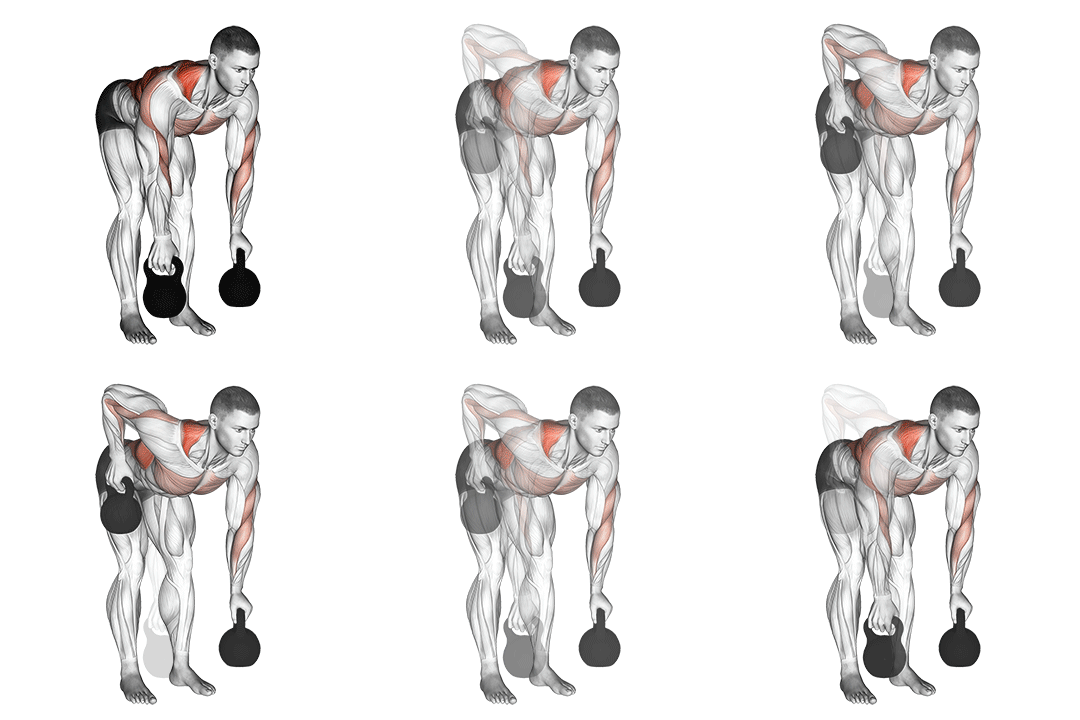
Original Exercise: Kettlebell Alternating Row
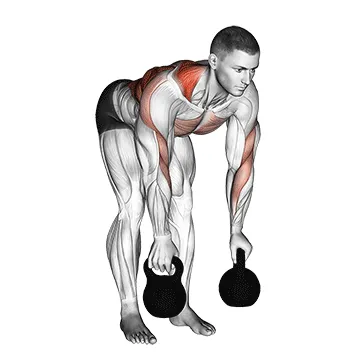
- Primary muscle
- Upper Back
- Equipment
- Kettlebell
- Difficulty
- Intermediate
- Type
- Compound
Secondary muscles: Biceps, Forearms
How to perform Kettlebell Alternating Row
- Stand with your feet shoulder-width apart, knees slightly bent, and hold a kettlebell in each hand with your palms facing your body.
- Bend forward at the hips, keeping your back straight and your core engaged.
- Pull one kettlebell up towards your chest, keeping your elbow close to your body and squeezing your shoulder blades together.
- Lower the kettlebell back down to the starting position and repeat with the other arm.
- Continue alternating arms for the desired number of repetitions.
Ranked Kettlebell Alternating Row Alternatives
10 substitutes, ranked by how closely each one matches the Kettlebell Alternating Row on movement pattern, muscles worked, equipment and body position. The higher the score, the less you change. Open "How to perform this exercise" on a card for the steps; every card title links to that exercise's own alternatives page.
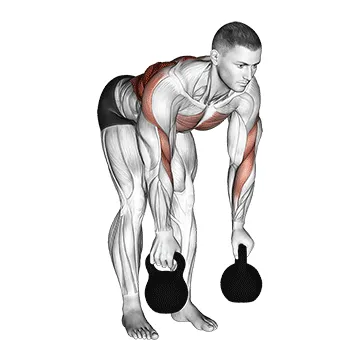
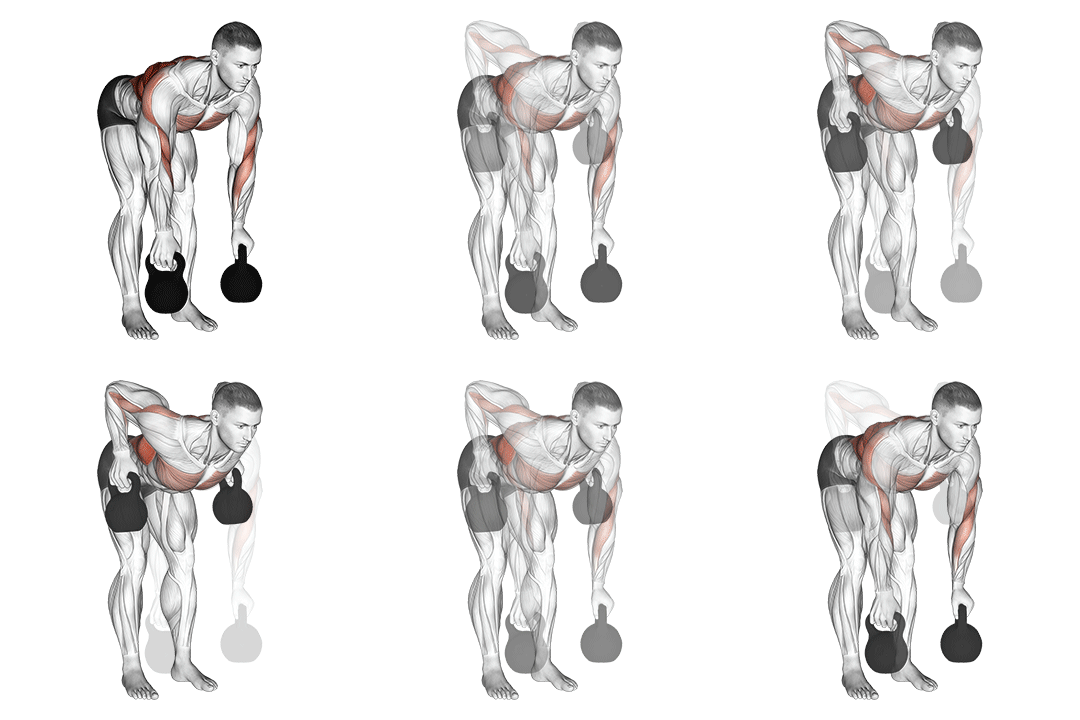
Best match 1. Kettlebell Two Arm Row
92% match- Upper Back
- Kettlebell
- Intermediate
- Compound
It uses the same equipment and still works the upper back.
How to perform this exercise
- Stand with your feet shoulder-width apart, knees slightly bent, and hold a kettlebell in each hand with your palms facing your body.
- Bend forward at the hips, keeping your back straight and your core engaged.
- Pull the kettlebells up towards your chest, squeezing your shoulder blades together.
- Pause for a moment at the top, then slowly lower the kettlebells back down to the starting position.
- Repeat for the desired number of repetitions.
Sets and reps: 3 or 4 sets of 6 to 10 reps.
Why this matches
- Primary muscle: upper back, the same as the Kettlebell Alternating Row
- Equipment: free weights, the same as the Kettlebell Alternating Row
- Body position: standing, the same as the Kettlebell Alternating Row
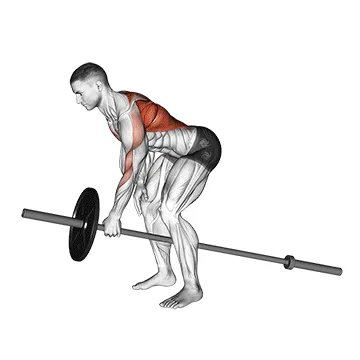
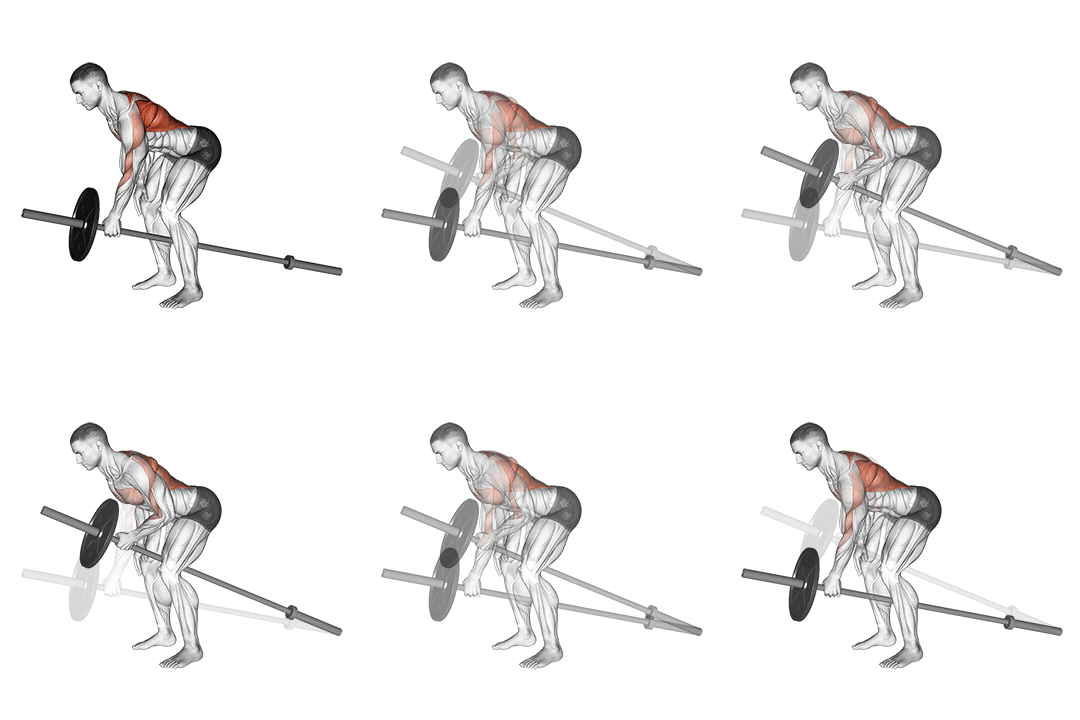
2. Lever One Arm Bent Over Row
89% match- Upper Back
- Barbell
- Intermediate
- Compound
A good swap when you have a barbell to work with, and it still works the upper back.
How to perform this exercise
- Stand with your feet shoulder-width apart, knees slightly bent, and hold a barbell with an overhand grip.
- Bend forward at the hips, keeping your back straight and your head up.
- Let the barbell hang in front of you with your arms fully extended.
- Pull the barbell up towards your chest, keeping your elbows close to your body.
- Squeeze your shoulder blades together at the top of the movement.
- Lower the barbell back down to the starting position.
- Repeat for the desired number of repetitions.
Sets and reps: 3 or 4 sets of 6 to 10 reps on each side.
Why this matches
- Primary muscle: upper back, the same as the Kettlebell Alternating Row
- Equipment: free weights, the same as the Kettlebell Alternating Row
- Body position: standing, the same as the Kettlebell Alternating Row
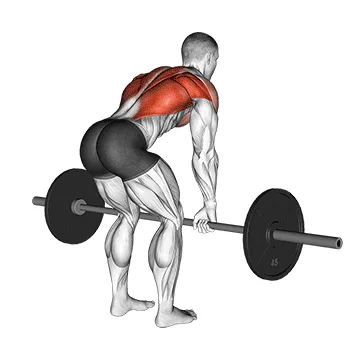
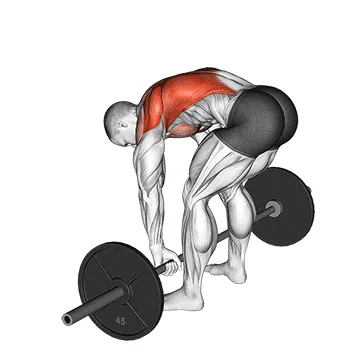
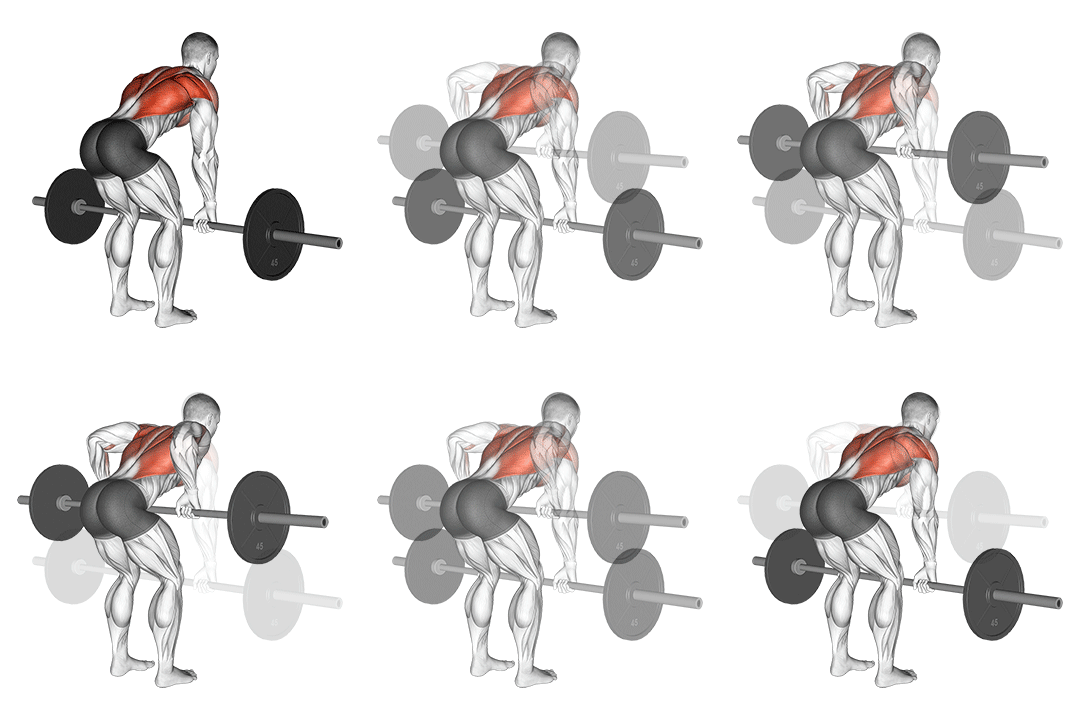
3. Barbell Bent Over Row
88% match- Upper Back
- Barbell
- Intermediate
- Compound
How to perform this exercise
- Stand with your feet shoulder-width apart and knees slightly bent.
- Bend forward at the hips while keeping your back straight and chest up.
- Grasp the barbell with an overhand grip, hands slightly wider than shoulder-width apart.
- Pull the barbell towards your lower chest by retracting your shoulder blades and squeezing your back muscles.
- Pause for a moment at the top, then slowly lower the barbell back to the starting position.
- Repeat for the desired number of repetitions.
Sets and reps: 3 to 5 sets of 5 to 8 reps.
Why this matches
- Primary muscle: upper back, the same as the Kettlebell Alternating Row
- Equipment: free weights, the same as the Kettlebell Alternating Row
- Body position: standing, the same as the Kettlebell Alternating Row
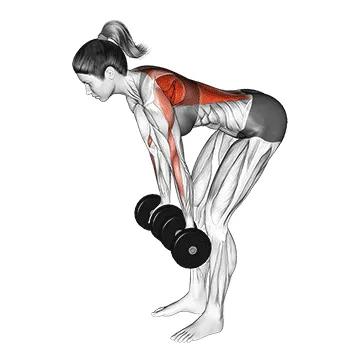
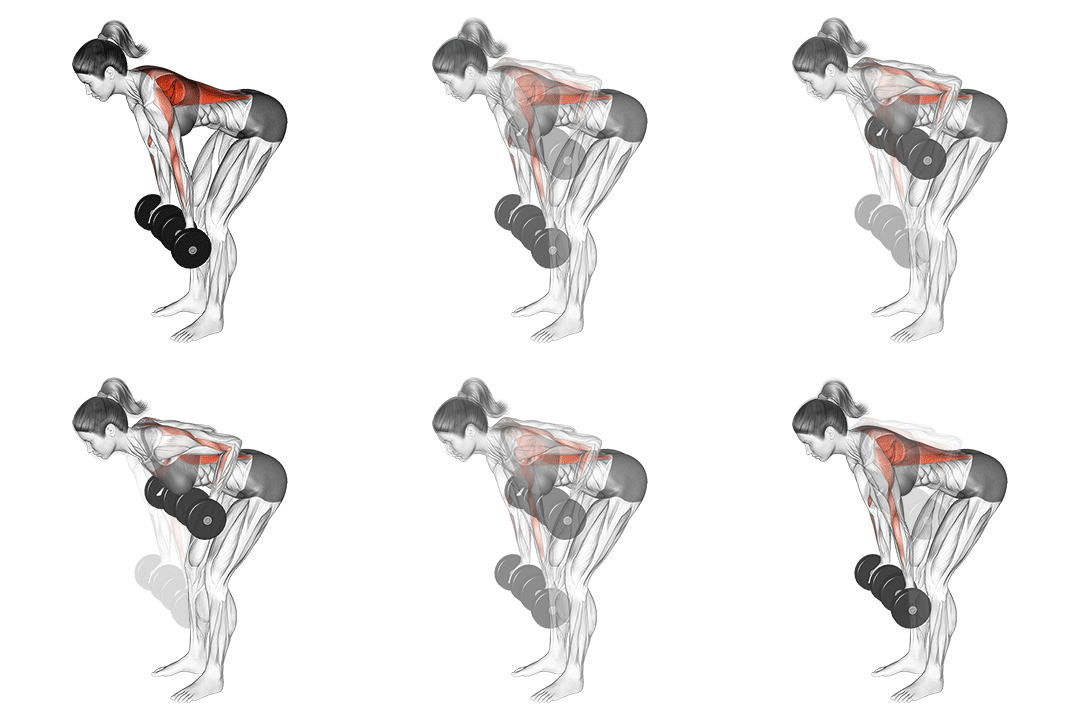
4. Dumbbell Reverse Grip Row
88% match- Upper Back
- Dumbbell
- Intermediate
- Compound
A good swap when you have dumbbells to work with, and it still works the upper back.
How to perform this exercise
- Stand with your feet shoulder-width apart and knees slightly bent.
- Hold a dumbbell in each hand with an overhand grip, palms facing your body.
- Bend forward at the waist, keeping your back straight and your core engaged.
- Let your arms hang straight down, fully extended, with a slight bend in your elbows.
- Pull the dumbbells up towards your chest, squeezing your shoulder blades together.
- Pause for a moment at the top, then slowly lower the dumbbells back down to the starting position.
- Repeat for the desired number of repetitions.
Sets and reps: 3 or 4 sets of 6 to 10 reps.
Why this matches
- Primary muscle: upper back, the same as the Kettlebell Alternating Row
- Equipment: free weights, the same as the Kettlebell Alternating Row
- Body position: standing, the same as the Kettlebell Alternating Row
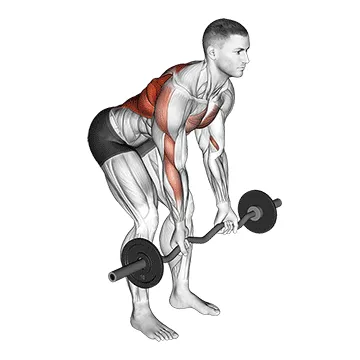
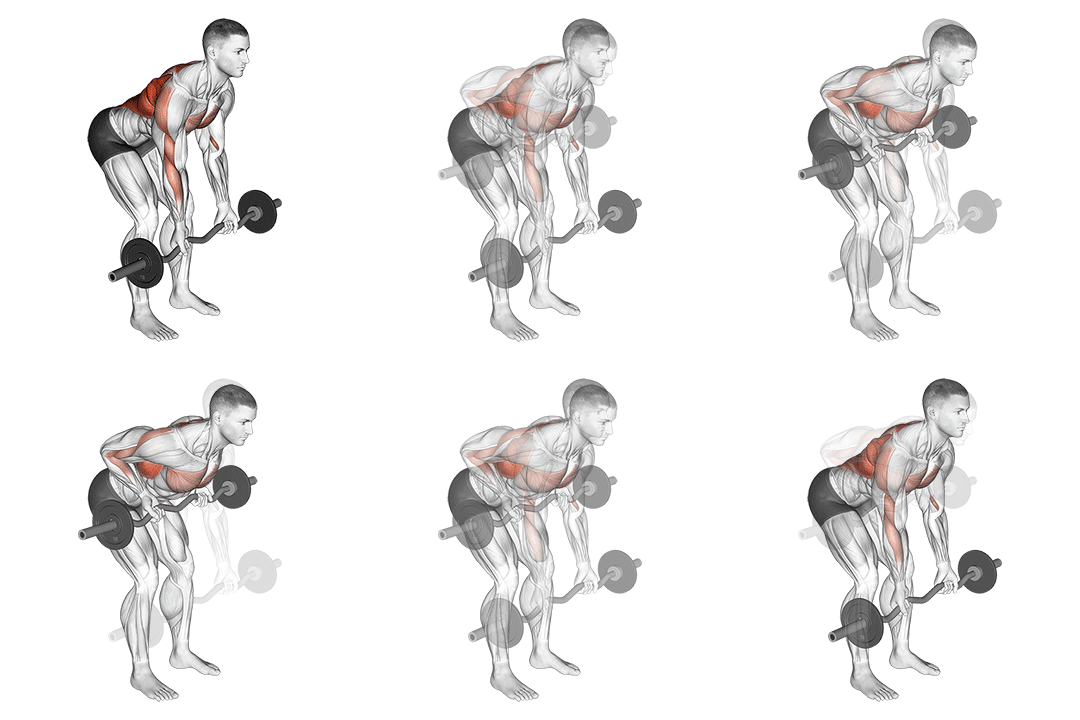
5. EZ Bar Reverse Grip Bent Over Row
88% match- Upper Back
- Ez-barbell
- Intermediate
- Compound
A good swap when you have an EZ bar to work with, and it still works the upper back.
How to perform this exercise
- Stand with your feet shoulder-width apart and knees slightly bent.
- Hold the ez barbell with an underhand grip, palms facing up, and hands shoulder-width apart.
- Bend forward at the hips, keeping your back straight and chest up, until your torso is almost parallel to the floor.
- Pull the ez barbell towards your lower chest, squeezing your shoulder blades together.
- Pause for a moment at the top, then slowly lower the ez barbell back to the starting position.
- Repeat for the desired number of repetitions.
Sets and reps: 3 or 4 sets of 6 to 10 reps.
Why this matches
- Primary muscle: upper back, the same as the Kettlebell Alternating Row
- Equipment: free weights, the same as the Kettlebell Alternating Row
- Body position: standing, the same as the Kettlebell Alternating Row
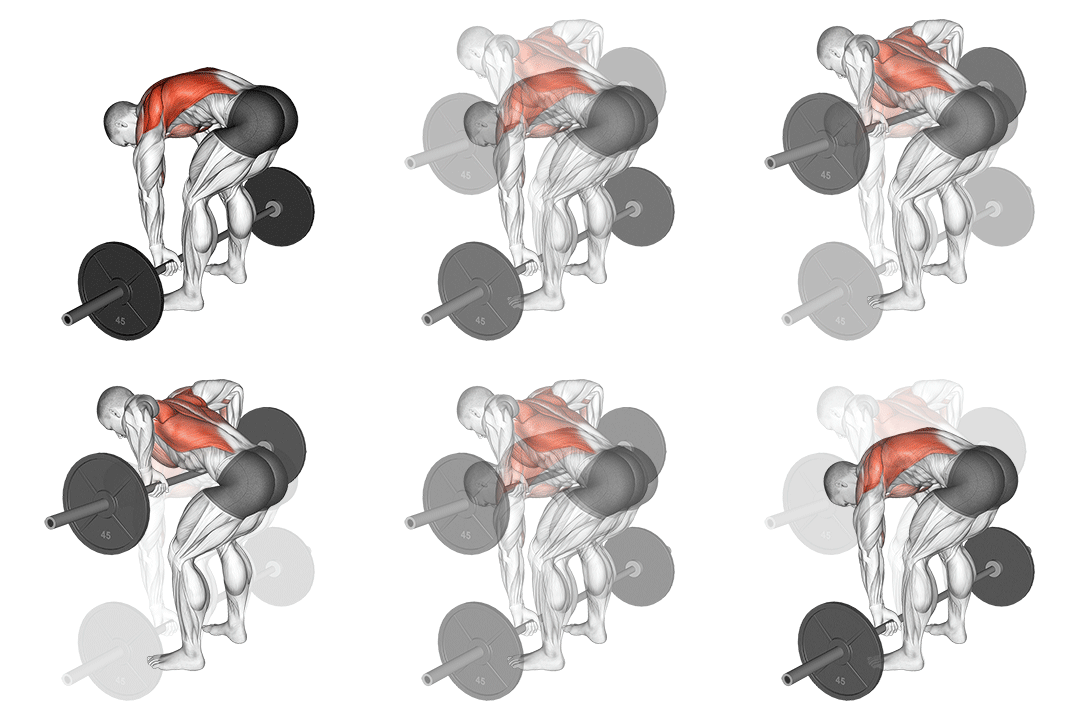
6. Barbell Pendlay Row
88% match- Upper Back
- Barbell
- Advanced
- Compound
How to perform this exercise
- Stand with your feet shoulder-width apart and your knees slightly bent.
- Bend forward at the hips, keeping your back straight and your chest up.
- Grasp the barbell with an overhand grip, slightly wider than shoulder-width apart.
- Pull the barbell towards your upper abdomen, squeezing your shoulder blades together.
- Lower the barbell back down to the starting position.
- Repeat for the desired number of repetitions.
Sets and reps: 3 to 5 sets of 5 to 8 reps.
Why this matches
- Primary muscle: upper back, the same as the Kettlebell Alternating Row
- Equipment: free weights, the same as the Kettlebell Alternating Row
- Body position: standing, the same as the Kettlebell Alternating Row
7. One Arm Towel Row
82% match- Upper Back
- Bodyweight
- Intermediate
- Compound
Use this when you have nothing to train with, because it works the upper back with bodyweight alone.
How to perform this exercise
- Stand with your feet shoulder-width apart, knees slightly bent, and hold a towel with one hand.
- Bend forward at the waist, keeping your back straight and your core engaged.
- Extend your arm fully, allowing the towel to hang in front of you.
- Pull the towel towards your chest, squeezing your shoulder blades together.
- Pause for a moment at the top, then slowly lower the towel back to the starting position.
- Repeat for the desired number of repetitions, then switch arms.
Sets and reps: 3 or 4 sets of 6 to 10 reps on each side.
Why this matches
- Primary muscle: upper back, the same as the Kettlebell Alternating Row
- Equipment: bodyweight only, not free weights
- Body position: standing, the same as the Kettlebell Alternating Row
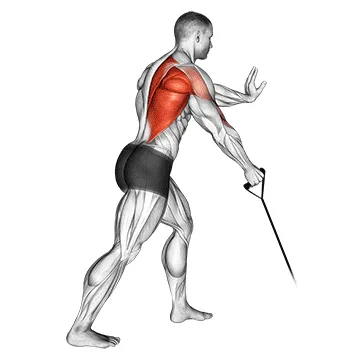
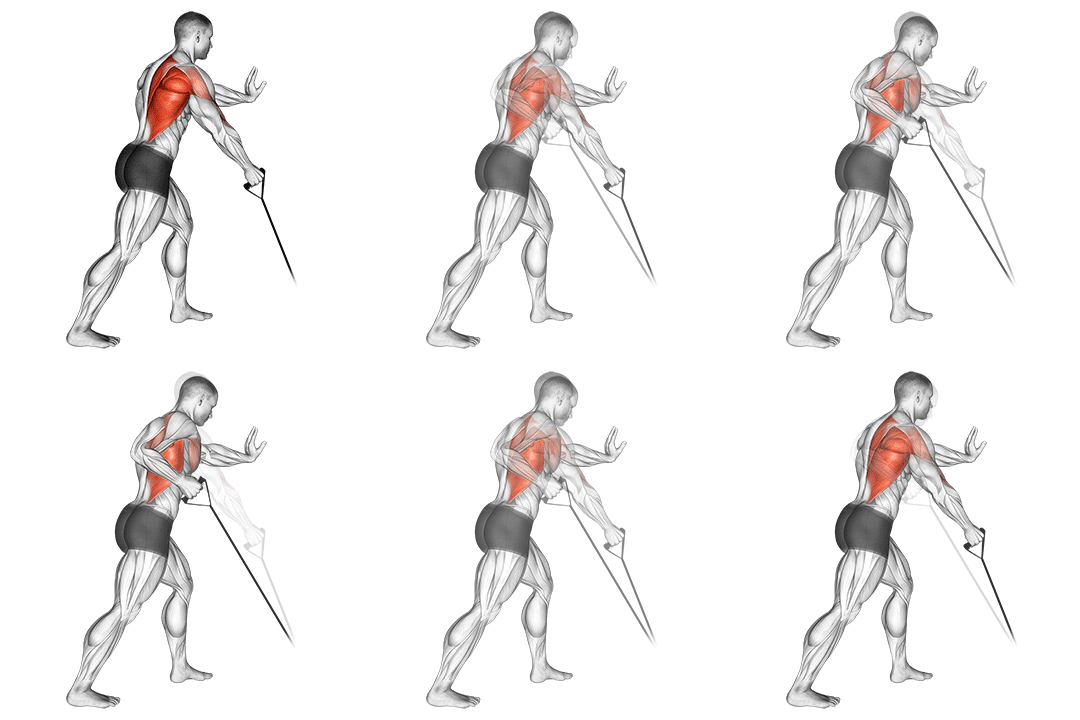
8. Band One Arm Standing Low Row
82% match- Upper Back
- Band
- Intermediate
- Compound
How to perform this exercise
- Attach the band to a stable anchor point at waist height.
- Stand facing the anchor point with your feet shoulder-width apart.
- Hold the band with one hand, palm facing inward, and step back to create tension in the band.
- Bend your knees slightly and hinge forward at the hips, keeping your back straight.
- Pull the band towards your waist, squeezing your shoulder blades together.
- Pause for a moment at the top of the movement, then slowly release the band back to the starting position.
- Repeat for the desired number of repetitions, then switch sides.
Sets and reps: 3 or 4 sets of 6 to 10 reps on each side.
Why this matches
- Primary muscle: upper back, the same as the Kettlebell Alternating Row
- Equipment: a band, not free weights
- Body position: standing, the same as the Kettlebell Alternating Row
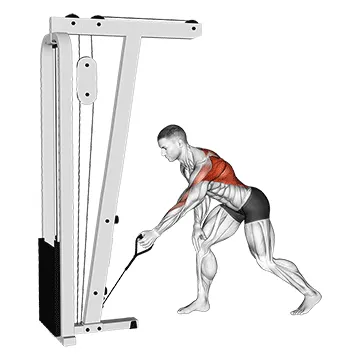
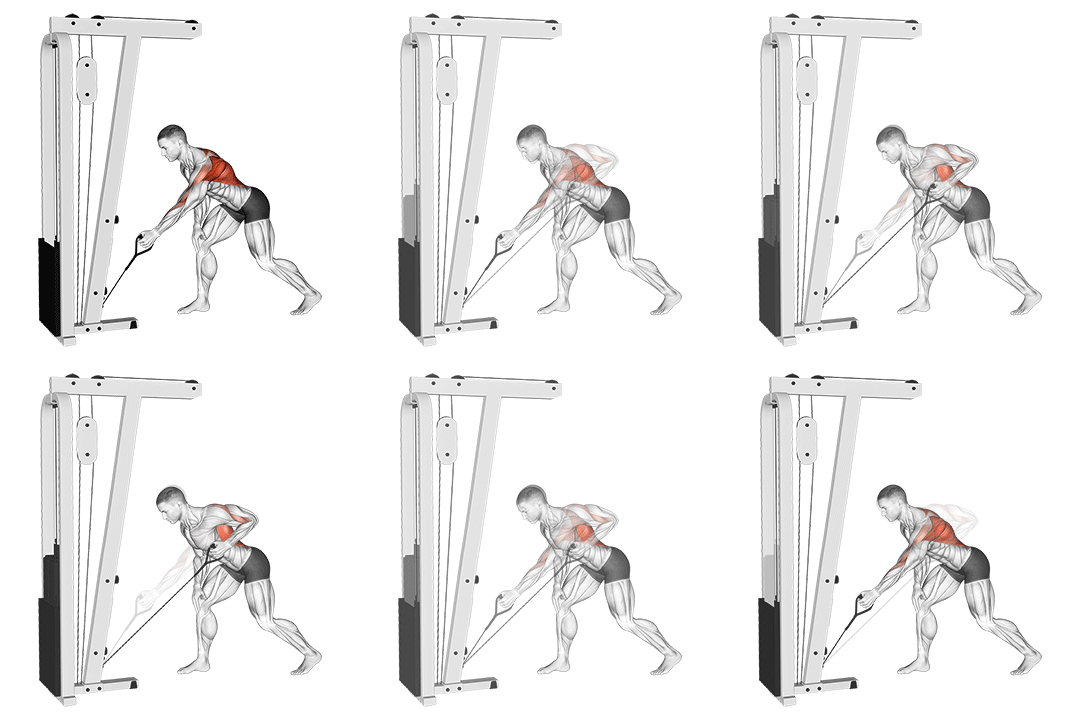
9. Cable One Arm Bent Over Row
82% match- Upper Back
- Cable
- Intermediate
- Compound
How to perform this exercise
- Stand facing a cable machine with your feet shoulder-width apart.
- Bend your knees slightly and hinge forward at the hips, keeping your back straight.
- Grasp the cable handle with one hand, palm facing inward, and extend your arm fully.
- Pull the cable handle towards your body, keeping your elbow close to your side, until your hand reaches your lower chest.
- Pause for a moment, then slowly extend your arm back to the starting position.
- Repeat for the desired number of repetitions, then switch sides.
Sets and reps: 3 or 4 sets of 6 to 10 reps on each side.
Why this matches
- Primary muscle: upper back, the same as the Kettlebell Alternating Row
- Equipment: a cable, not free weights
- Body position: standing, the same as the Kettlebell Alternating Row
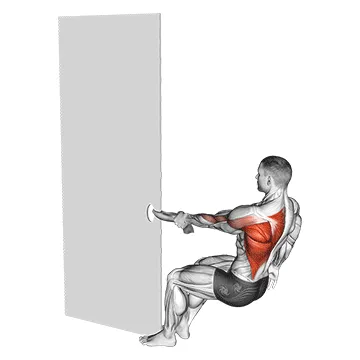
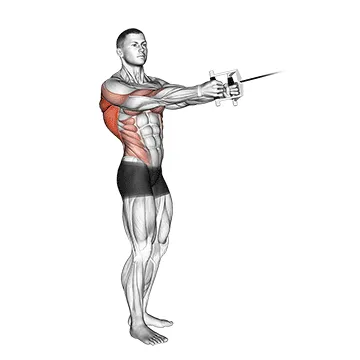
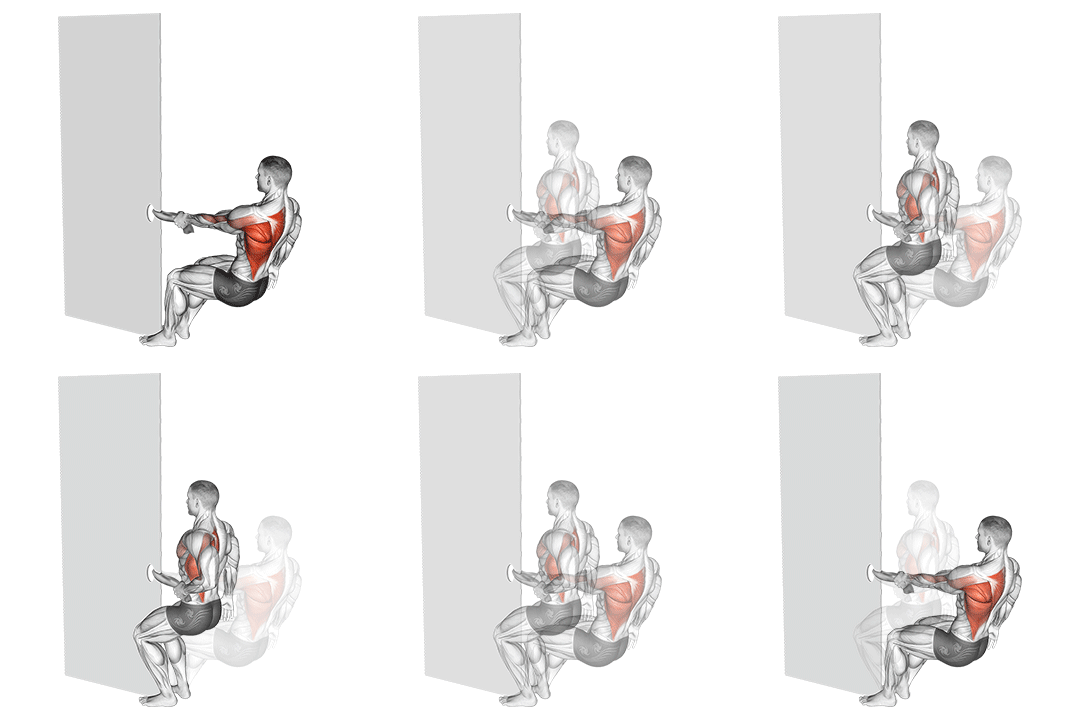
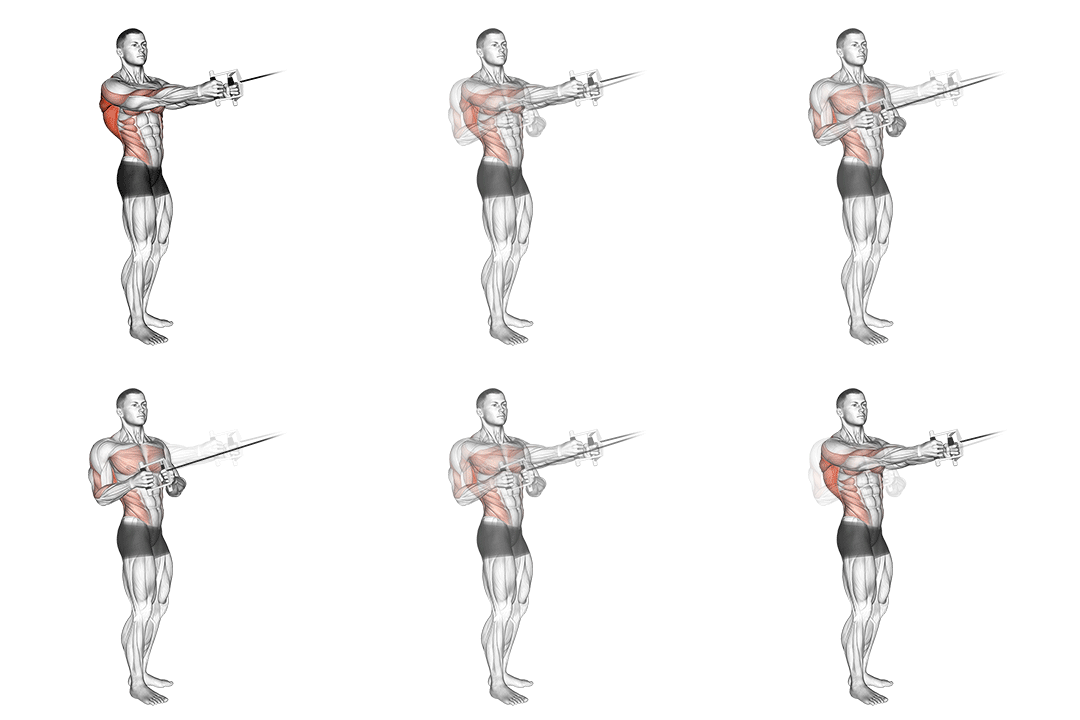
10. Cable Standing Twist Row (V-bar)
80% match- Upper Back
- Cable
- Intermediate
- Compound
How to perform this exercise
- Attach a v-bar attachment to a cable machine at chest height.
- Stand facing the cable machine with your feet shoulder-width apart.
- Grasp the v-bar with an overhand grip, palms facing down.
- Take a step back to create tension in the cable.
- Keep your back straight and core engaged throughout the exercise.
- Pull the v-bar towards your torso by retracting your shoulder blades and bending your elbows.
- As you pull, twist your torso to one side, squeezing your shoulder blades together.
- Pause for a moment at the top of the movement, feeling the contraction in your upper back.
- Slowly release the tension and return to the starting position, untwisting your torso.
- Repeat the movement for the desired number of repetitions, alternating the twisting direction with each rep.
Sets and reps: 3 or 4 sets of 6 to 10 reps on each side.
Why this matches
- Primary muscle: upper back, the same as the Kettlebell Alternating Row
- Equipment: a cable, not free weights
- Body position: standing, the same as the Kettlebell Alternating Row
Why You Might Need a Kettlebell Alternating Row Alternative
You may need substitutes for equipment gaps, acute joint pain, or spinal issues. A chest-supported row removes lumbar demand and suits low-back irritation; cue: keep the sternum on the pad and drive the elbow back to emphasize mid-traps. If you lack a kettlebell, a single-arm dumbbell row preserves unilateral loading and anti-rotation demands, brace your core and pull with the elbow to target lats and rhomboids. For wrist or shoulder discomfort, use a neutral-grip handle or a band row to reduce torque at the wrist and allow controlled scapular retraction. Substitutes also let you vary tempo and ROM to overload different upper-back fibers.
Kettlebell Alternating Row FAQ
What muscles does Kettlebell Alternating Row work?
The kettlebell alternating row targets the upper-back, lats, rhomboids, mid and lower trapezius, and recruits posterior deltoid and biceps as synergists. It also demands core and erector spinae engagement for anti-rotation and trunk stability when you hinge and pull one side at a time; cue: retract the scapula and pull the elbow back.
Find Alternatives for Any Exercise
Search the exercise database and filter the ranked substitutes by the equipment you own.
Similarity scores compare exercise metadata such as movement pattern, muscles, equipment and body position. They are not a safety rating or a check that you own the equipment. Learn about our methodology