

10 Best Cable Standing Twist Row (V-bar) Alternatives for Home & Gym
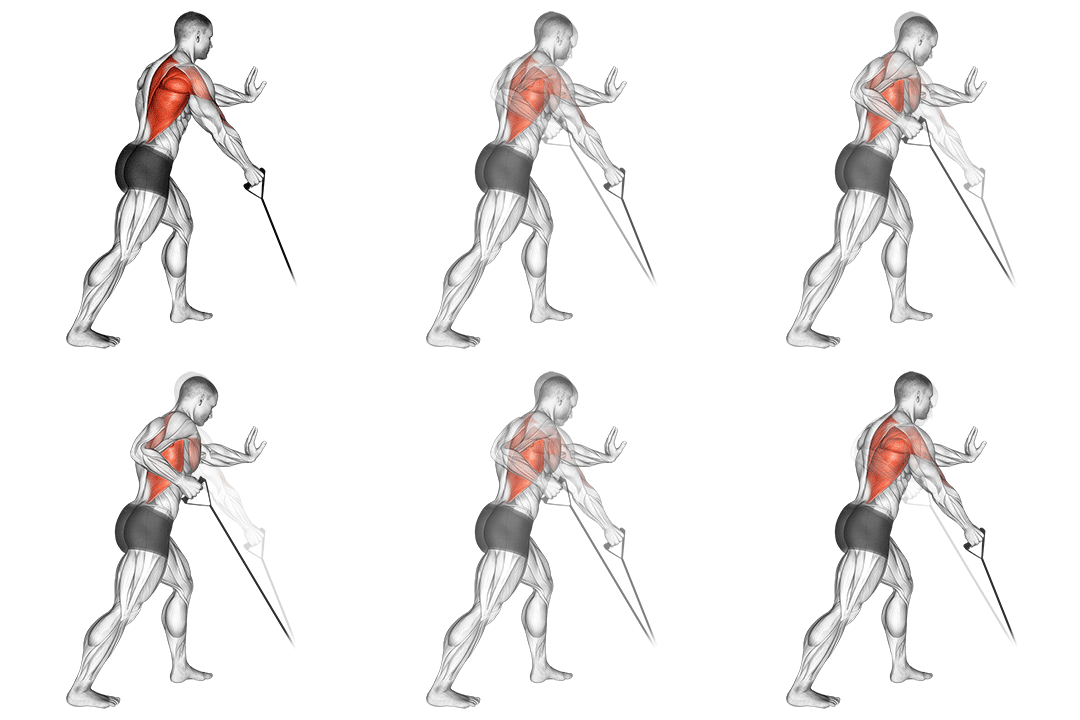
The Cable Standing Twist Row (V-bar) is done standing with a cable machine. Ranked closest by our scoring: the Cable Standing Row (V-bar), the Cable One Arm Bent Over Row and the Kettlebell Alternating Row.
Updated Ranked by our 12-factor similarity model How it works
Original Exercise: Cable Standing Twist Row (V-bar)
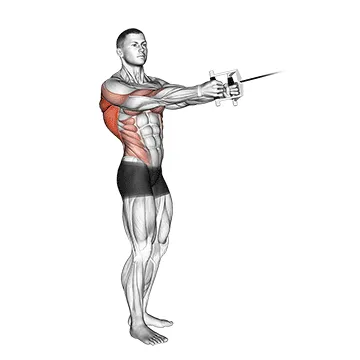
- Primary muscle
- Upper Back
- Equipment
- Cable
- Difficulty
- Intermediate
- Type
- Compound
Secondary muscles: Biceps, Shoulders
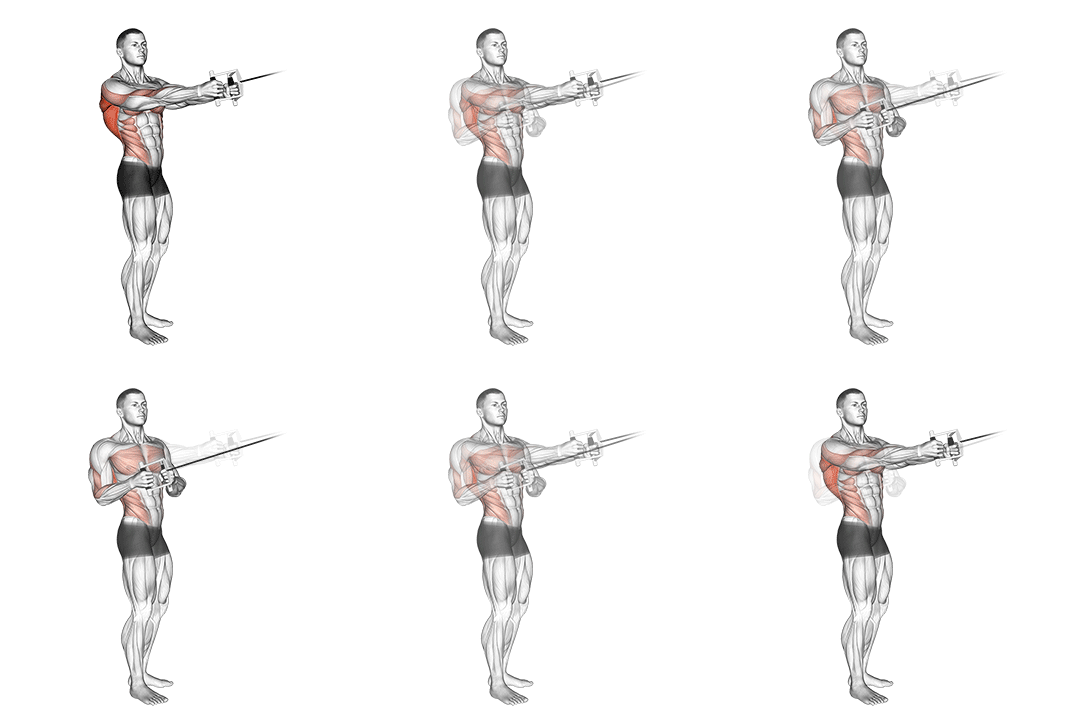
How to perform Cable Standing Twist Row (V-bar)
- Attach a v-bar attachment to a cable machine at chest height.
- Stand facing the cable machine with your feet shoulder-width apart.
- Grasp the v-bar with an overhand grip, palms facing down.
- Take a step back to create tension in the cable.
- Keep your back straight and core engaged throughout the exercise.
- Pull the v-bar towards your torso by retracting your shoulder blades and bending your elbows.
- As you pull, twist your torso to one side, squeezing your shoulder blades together.
- Pause for a moment at the top of the movement, feeling the contraction in your upper back.
- Slowly release the tension and return to the starting position, untwisting your torso.
- Repeat the movement for the desired number of repetitions, alternating the twisting direction with each rep.
Ranked Cable Standing Twist Row (V-bar) Alternatives
10 substitutes, ranked by how closely each one matches the Cable Standing Twist Row (V-bar) on movement pattern, muscles worked, equipment and body position. The higher the score, the less you change. Open "How to perform this exercise" on a card for the steps; every card title links to that exercise's own alternatives page.
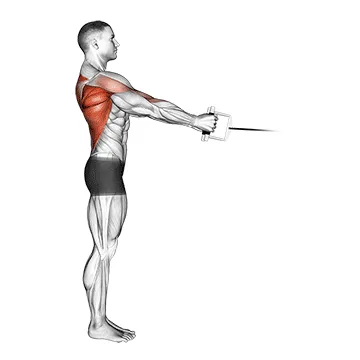
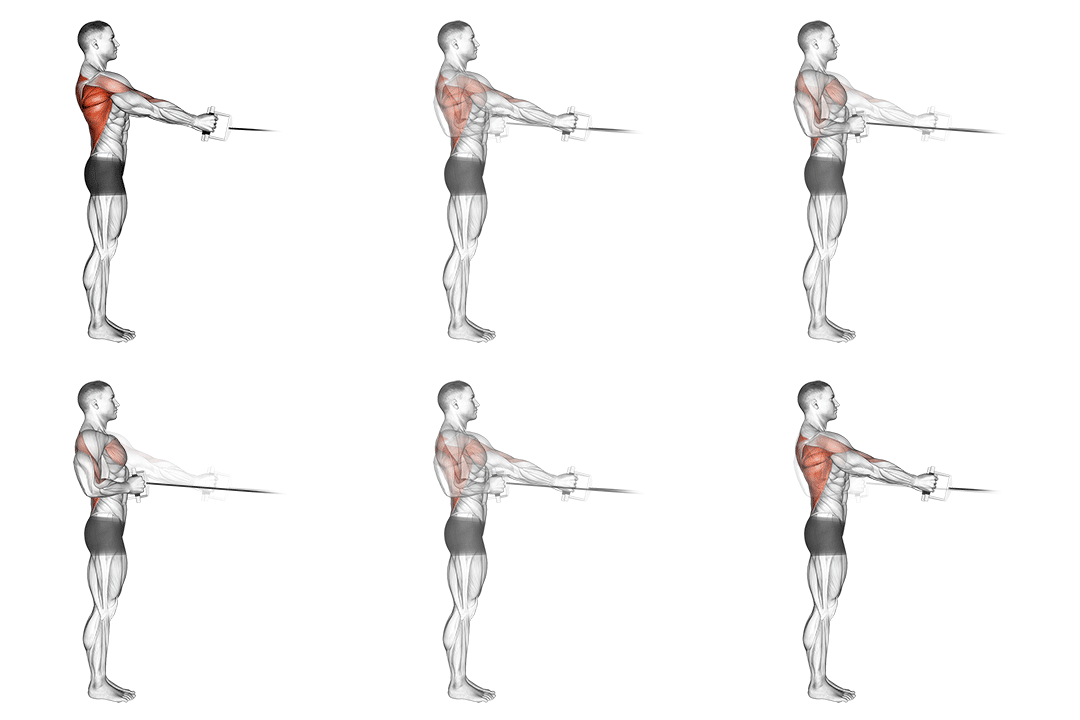
Best match 1. Cable Standing Row (V-bar)
93% match- Upper Back
- Cable
- Intermediate
- Compound
Pick this when you want an easier version that still works the upper back.
How to perform this exercise
- Stand facing the cable machine with your feet shoulder-width apart.
- Grasp the v-bar attachment with an overhand grip, palms facing down.
- Keep your back straight and your core engaged.
- Pull the v-bar towards your body, squeezing your shoulder blades together.
- Pause for a moment at the peak of the movement, then slowly release the tension and return to the starting position.
- Repeat for the desired number of repetitions.
Sets and reps: 3 or 4 sets of 6 to 10 reps.
Why this matches
- Primary muscle: upper back, the same as the Cable Standing Twist Row (V-bar)
- Equipment: a cable, the same as the Cable Standing Twist Row (V-bar)
- Body position: standing, the same as the Cable Standing Twist Row (V-bar)
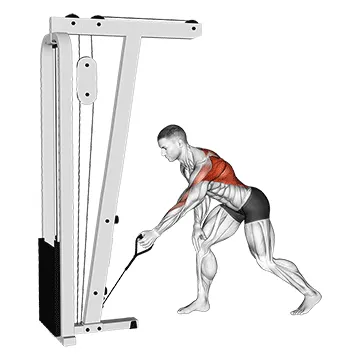
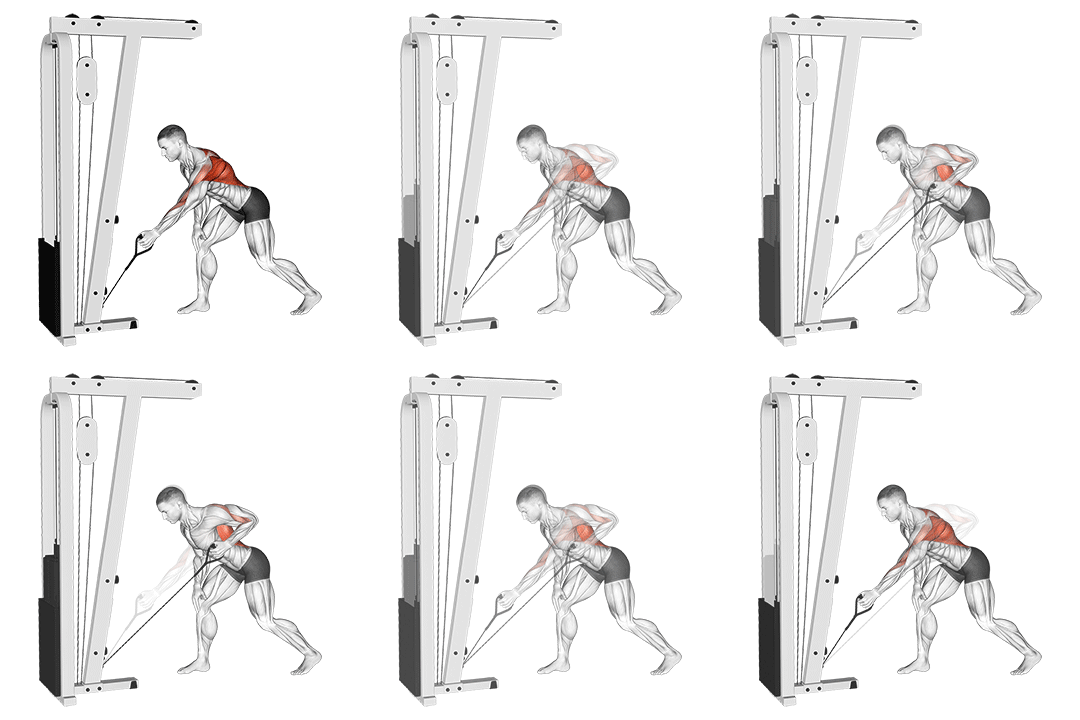
2. Cable One Arm Bent Over Row
83% match- Upper Back
- Cable
- Intermediate
- Compound
The same equipment, taken with a neutral grip.
How to perform this exercise
- Stand facing a cable machine with your feet shoulder-width apart.
- Bend your knees slightly and hinge forward at the hips, keeping your back straight.
- Grasp the cable handle with one hand, palm facing inward, and extend your arm fully.
- Pull the cable handle towards your body, keeping your elbow close to your side, until your hand reaches your lower chest.
- Pause for a moment, then slowly extend your arm back to the starting position.
- Repeat for the desired number of repetitions, then switch sides.
Sets and reps: 3 or 4 sets of 6 to 10 reps on each side.
Why this matches
- Primary muscle: upper back, the same as the Cable Standing Twist Row (V-bar)
- Equipment: a cable, the same as the Cable Standing Twist Row (V-bar)
- Body position: standing, the same as the Cable Standing Twist Row (V-bar)
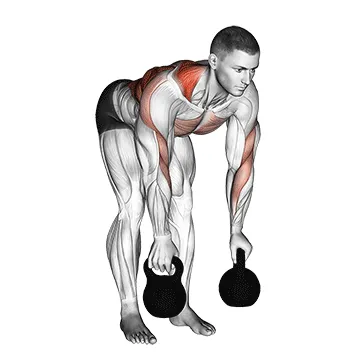
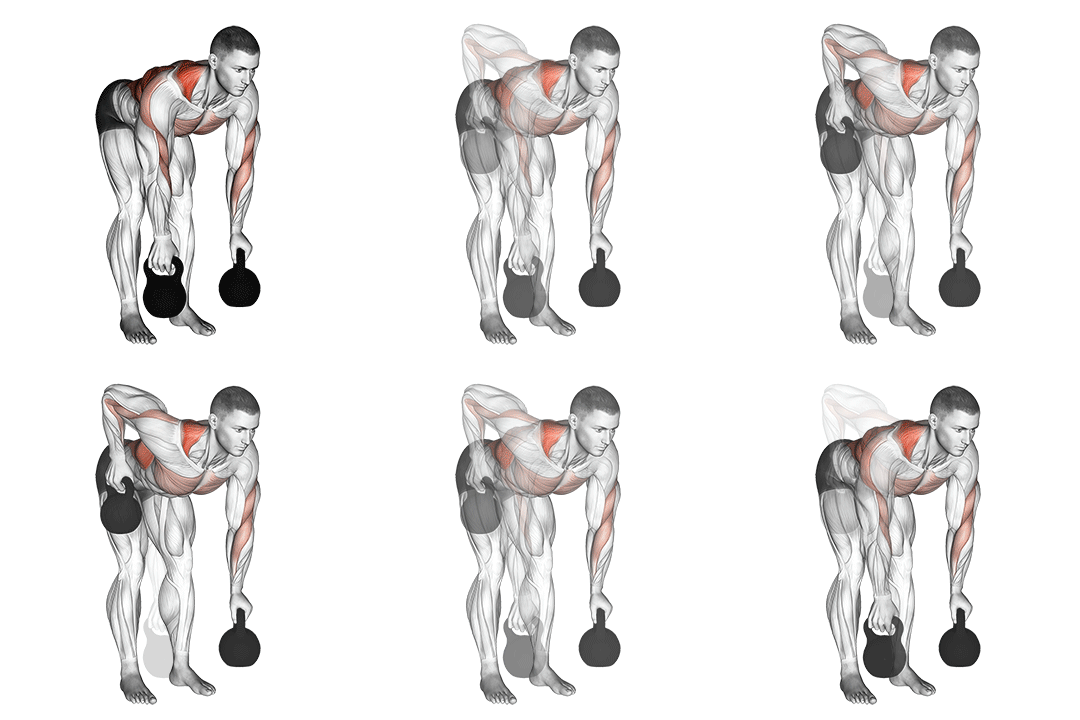
3. Kettlebell Alternating Row
80% match- Upper Back
- Kettlebell
- Intermediate
- Compound
A good swap when you have a kettlebell to work with, and it still works the upper back.
How to perform this exercise
- Stand with your feet shoulder-width apart, knees slightly bent, and hold a kettlebell in each hand with your palms facing your body.
- Bend forward at the hips, keeping your back straight and your core engaged.
- Pull one kettlebell up towards your chest, keeping your elbow close to your body and squeezing your shoulder blades together.
- Lower the kettlebell back down to the starting position and repeat with the other arm.
- Continue alternating arms for the desired number of repetitions.
Sets and reps: 3 or 4 sets of 6 to 10 reps on each side.
Why this matches
- Primary muscle: upper back, the same as the Cable Standing Twist Row (V-bar)
- Equipment: free weights, not a cable
- Body position: standing, the same as the Cable Standing Twist Row (V-bar)
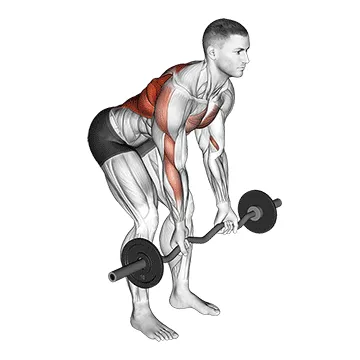
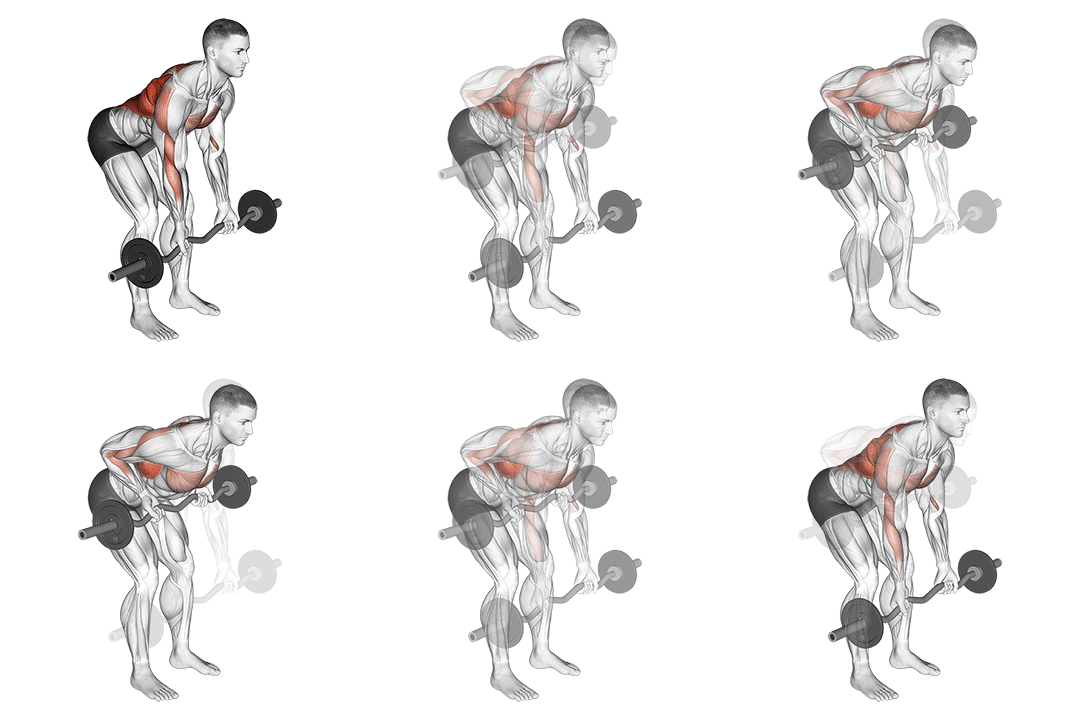
4. EZ Bar Reverse Grip Bent Over Row
76% match- Upper Back
- Ez-barbell
- Intermediate
- Compound
A good swap when you have an EZ bar to work with, and it still works the upper back.
How to perform this exercise
- Stand with your feet shoulder-width apart and knees slightly bent.
- Hold the ez barbell with an underhand grip, palms facing up, and hands shoulder-width apart.
- Bend forward at the hips, keeping your back straight and chest up, until your torso is almost parallel to the floor.
- Pull the ez barbell towards your lower chest, squeezing your shoulder blades together.
- Pause for a moment at the top, then slowly lower the ez barbell back to the starting position.
- Repeat for the desired number of repetitions.
Sets and reps: 3 or 4 sets of 6 to 10 reps.
Why this matches
- Primary muscle: upper back, the same as the Cable Standing Twist Row (V-bar)
- Equipment: free weights, not a cable
- Body position: standing, the same as the Cable Standing Twist Row (V-bar)
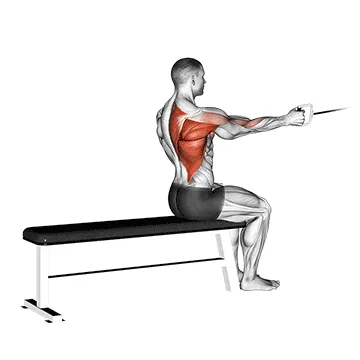
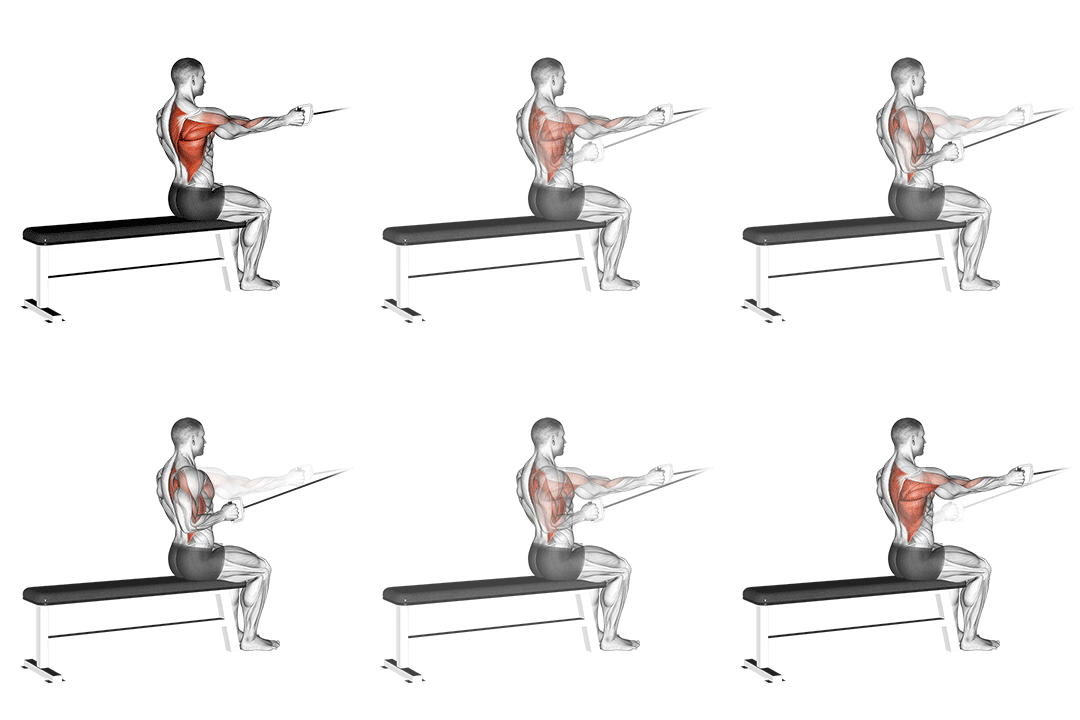
- Upper Back
- Cable
- Intermediate
- Compound
Pick this when you want to work the upper back with less balance to manage.
How to perform this exercise
- Sit on a bench facing a cable machine with your feet flat on the ground and knees slightly bent.
- Grasp the handle with one hand and keep your arm fully extended in front of you.
- Pull the handle towards your body, retracting your shoulder blade and keeping your elbow close to your side.
- Pause for a moment at the top of the movement, squeezing your back muscles.
- Slowly release the handle back to the starting position.
- Repeat with the other arm.
- Alternate between arms for the desired number of repetitions.
Sets and reps: 3 or 4 sets of 6 to 10 reps on each side.
Why this matches
- Primary muscle: upper back, the same as the Cable Standing Twist Row (V-bar)
- Equipment: a cable, the same as the Cable Standing Twist Row (V-bar)
- Body position: seated, not standing
- Balance: easier to stay steady on than the Cable Standing Twist Row (V-bar)
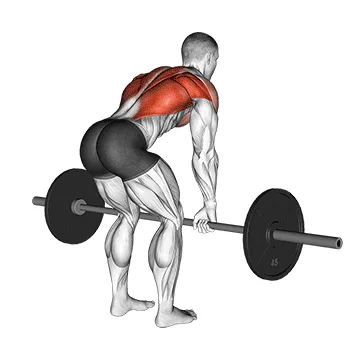
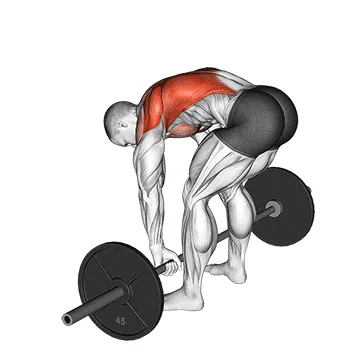
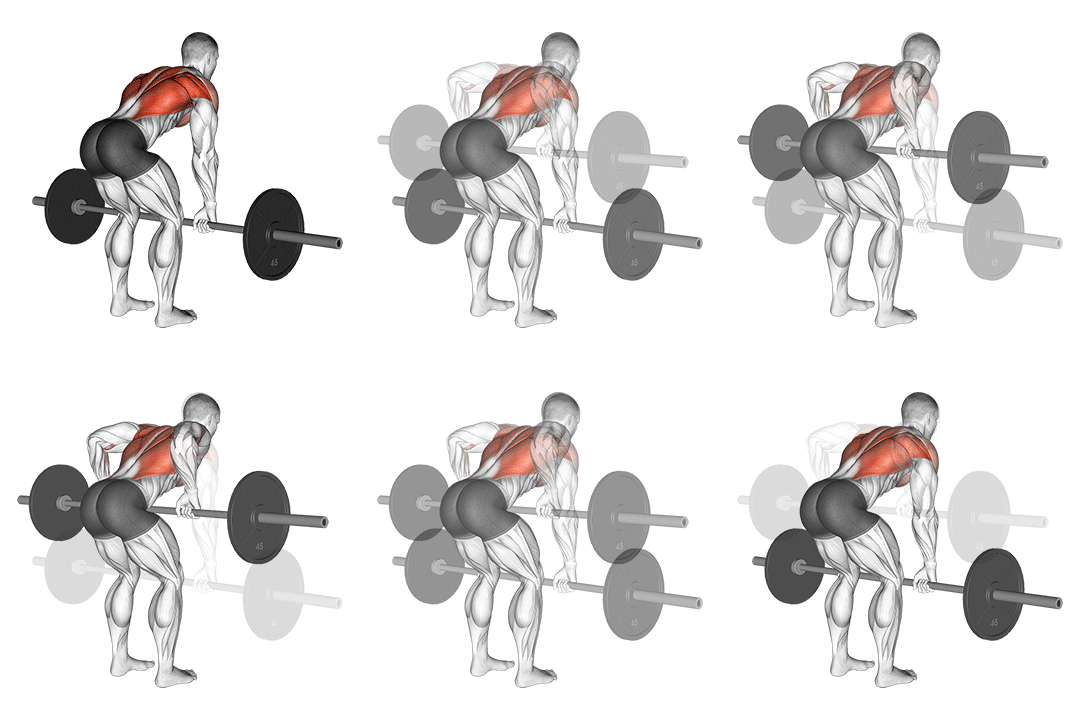
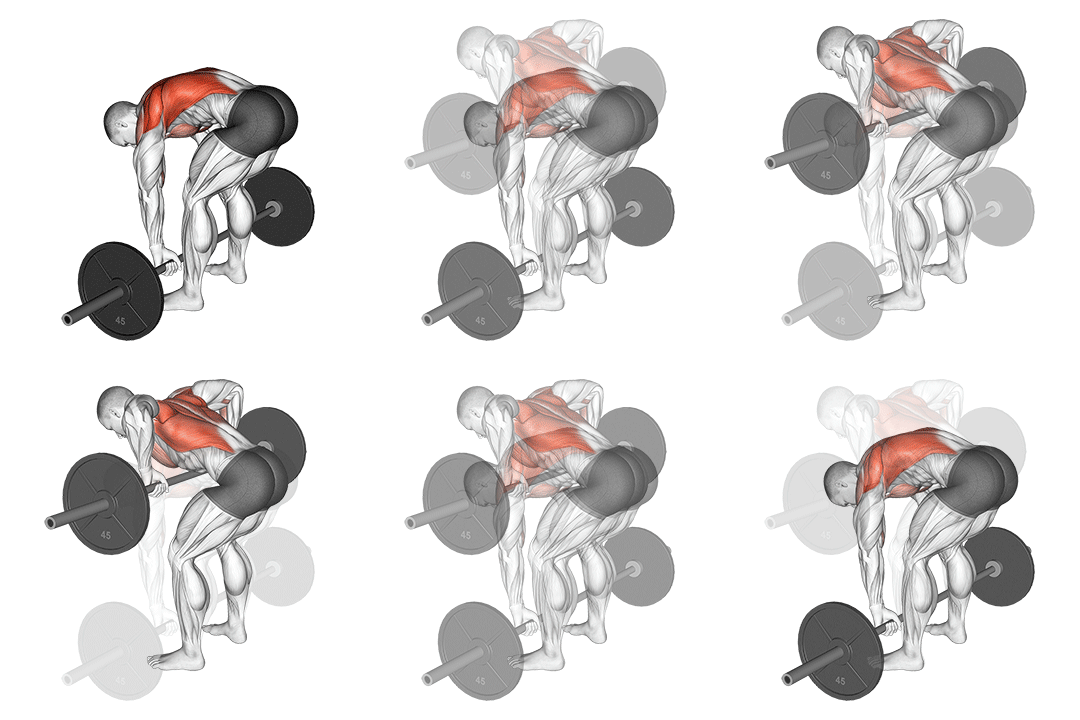
6. Barbell Bent Over Row
74% match- Upper Back
- Barbell
- Intermediate
- Compound
A good swap when you have a barbell to work with, and it still works the upper back.
How to perform this exercise
- Stand with your feet shoulder-width apart and knees slightly bent.
- Bend forward at the hips while keeping your back straight and chest up.
- Grasp the barbell with an overhand grip, hands slightly wider than shoulder-width apart.
- Pull the barbell towards your lower chest by retracting your shoulder blades and squeezing your back muscles.
- Pause for a moment at the top, then slowly lower the barbell back to the starting position.
- Repeat for the desired number of repetitions.
Sets and reps: 3 to 5 sets of 5 to 8 reps.
Why this matches
- Primary muscle: upper back, the same as the Cable Standing Twist Row (V-bar)
- Equipment: free weights, not a cable
- Body position: standing, the same as the Cable Standing Twist Row (V-bar)
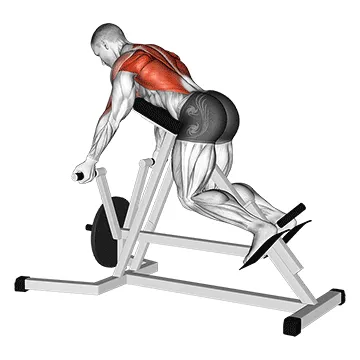
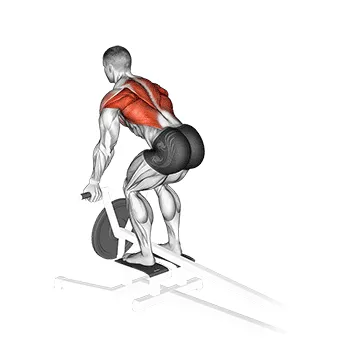
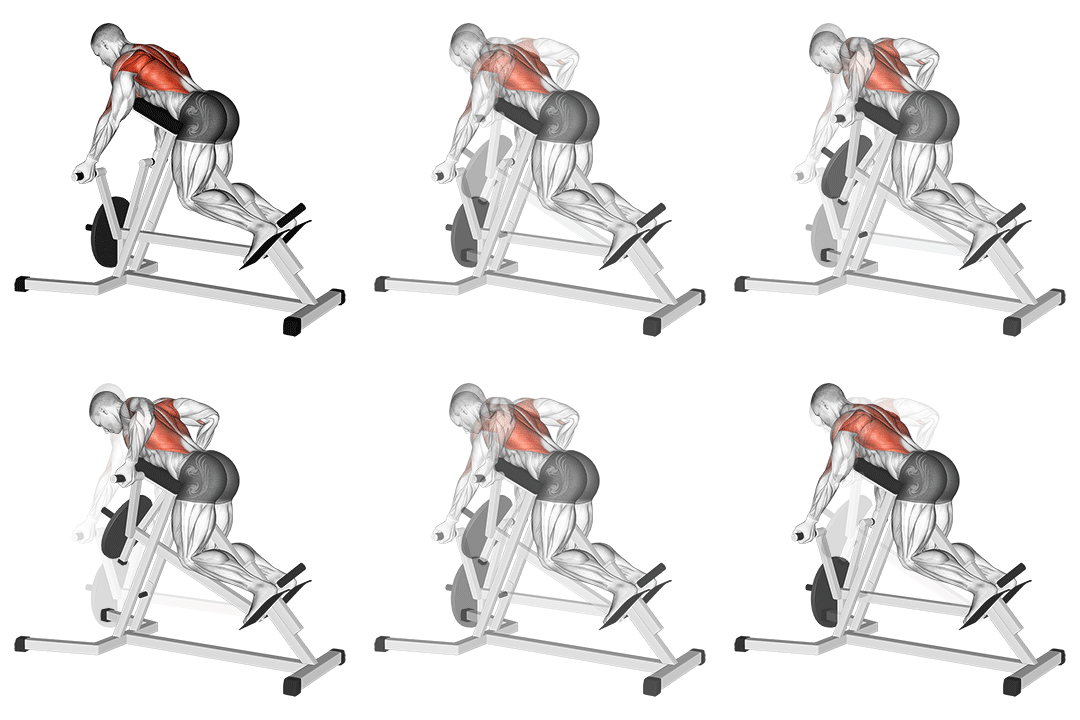
7. Lever Reverse T-Bar Row
74% match- Upper Back
- Lever
- Intermediate
- Compound
A good swap when you have a lever machine to work with, and it still works the upper back.
How to perform this exercise
- Adjust the seat height and footplate position on the leverage machine.
- Sit on the machine with your chest against the pad and your feet flat on the footplate.
- Grasp the handles with an overhand grip, slightly wider than shoulder-width apart.
- Keep your back straight and engage your core.
- Pull the handles towards your chest, squeezing your shoulder blades together.
- Pause for a moment at the top of the movement, then slowly release and extend your arms back to the starting position.
- Repeat for the desired number of repetitions.
Sets and reps: 3 or 4 sets of 6 to 10 reps.
Why this matches
- Primary muscle: upper back, the same as the Cable Standing Twist Row (V-bar)
- Equipment: a machine, not a cable
- Body position: standing, the same as the Cable Standing Twist Row (V-bar)
- Balance: easier to stay steady on than the Cable Standing Twist Row (V-bar)
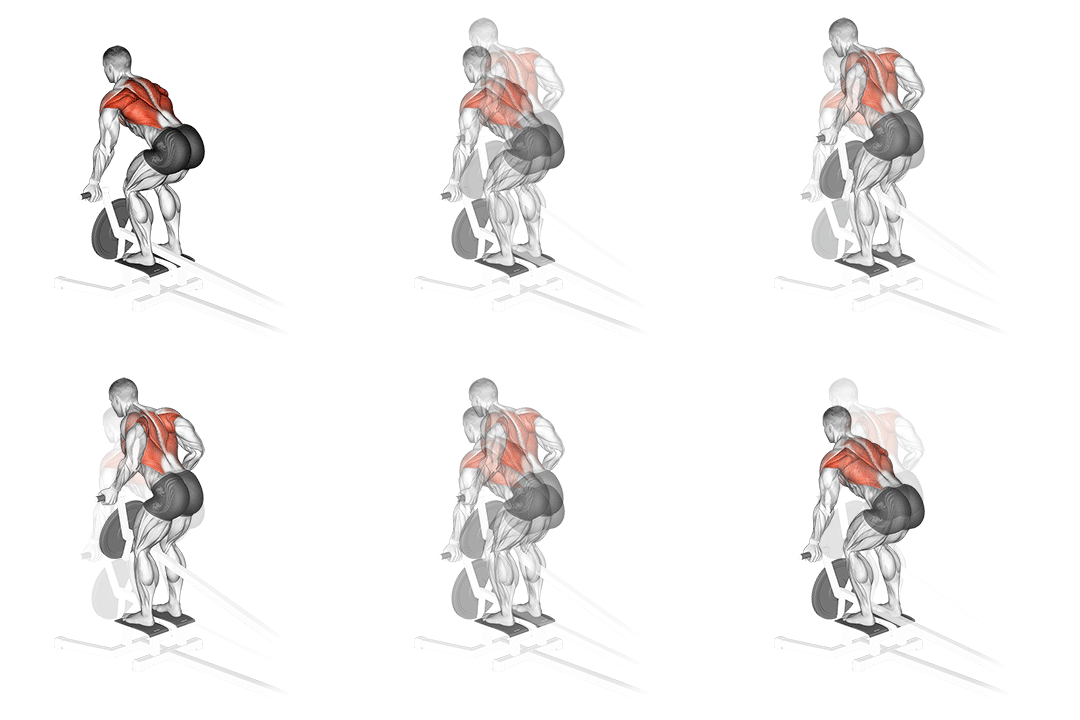
8. Lever T-Bar Reverse Grip Row
74% match- Upper Back
- Lever
- Intermediate
- Compound
How to perform this exercise
- Adjust the seat height and position yourself on the machine with your chest against the pad and your feet flat on the floor.
- Grasp the handles with an overhand grip, slightly wider than shoulder-width apart.
- Keep your back straight and engage your core.
- Pull the handles towards your chest, squeezing your shoulder blades together.
- Pause for a moment at the top of the movement, then slowly release and extend your arms back to the starting position.
- Repeat for the desired number of repetitions.
Sets and reps: 3 or 4 sets of 6 to 10 reps.
Why this matches
- Primary muscle: upper back, the same as the Cable Standing Twist Row (V-bar)
- Equipment: a machine, not a cable
- Balance: easier to stay steady on than the Cable Standing Twist Row (V-bar)
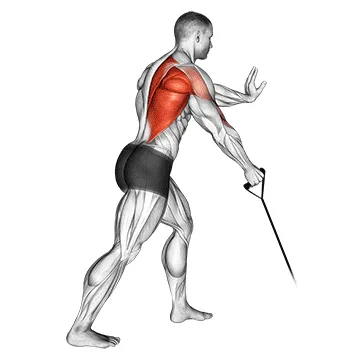
9. Band One Arm Standing Low Row
73% match- Upper Back
- Band
- Intermediate
- Compound
How to perform this exercise
- Attach the band to a stable anchor point at waist height.
- Stand facing the anchor point with your feet shoulder-width apart.
- Hold the band with one hand, palm facing inward, and step back to create tension in the band.
- Bend your knees slightly and hinge forward at the hips, keeping your back straight.
- Pull the band towards your waist, squeezing your shoulder blades together.
- Pause for a moment at the top of the movement, then slowly release the band back to the starting position.
- Repeat for the desired number of repetitions, then switch sides.
Sets and reps: 3 or 4 sets of 6 to 10 reps on each side.
Why this matches
- Primary muscle: upper back, the same as the Cable Standing Twist Row (V-bar)
- Equipment: a band, not a cable
- Body position: standing, the same as the Cable Standing Twist Row (V-bar)
10. Barbell Pendlay Row
73% match- Upper Back
- Barbell
- Advanced
- Compound
How to perform this exercise
- Stand with your feet shoulder-width apart and your knees slightly bent.
- Bend forward at the hips, keeping your back straight and your chest up.
- Grasp the barbell with an overhand grip, slightly wider than shoulder-width apart.
- Pull the barbell towards your upper abdomen, squeezing your shoulder blades together.
- Lower the barbell back down to the starting position.
- Repeat for the desired number of repetitions.
Sets and reps: 3 to 5 sets of 5 to 8 reps.
Why this matches
- Primary muscle: upper back, the same as the Cable Standing Twist Row (V-bar)
- Equipment: free weights, not a cable
- Body position: standing, the same as the Cable Standing Twist Row (V-bar)
Why You Might Need a Cable Standing Twist Row (V-bar) Alternative
You may substitute the Cable Standing Twist Row (v-bar) due to equipment limits, shoulder or elbow irritation, or to prioritize stability and different loading angles. The twist-row combines horizontal pull with transverse rotation, which recruits mid‑traps, rhomboids and obliques; some athletes swap it for chest-supported rows to remove lumbar stress or for single-arm rows to correct asymmetry. Pick alternatives when cables aren’t available, when you need a lower‑risk option for a rehabbing shoulder (use a chest-supported row and keep elbows tucked), or when you want stronger peak contraction by pausing for 1–2 seconds at full scapular retraction.
How to Choose the Right Cable Standing Twist Row (V-bar) Substitute
Match the substitute to the movement pattern and your limitation: if you need horizontal pulling with rotation, choose unilateral or anti-rotation single-arm cable rows; if lower‑back pain limits you, use chest-supported rows to isolate the upper back while keeping a neutral spine. Check biomechanics, ensure the exercise allows full scapular retraction and elbow travel toward the hip to target mid‑traps and rhomboids. For strength focus, pick barbell or landmine rows and load progressively; for rehab or stability, prefer controlled tempo (3–4 second eccentric) and pause at peak contraction to enhance muscle activation.
Cable Standing Twist Row (V-bar) FAQ
Can I build muscle without doing Cable Standing Twist Row (v-bar)?
Yes, muscle growth follows progressive overload and effective tension on the target fibers, not a single exercise. Use equivalent horizontal pulls (barbell rows, chest‑supported rows, single‑arm rows) and focus on full range, controlled eccentrics, and progressive load to stimulate the same upper‑back muscles.
Find Alternatives for Any Exercise
Search the exercise database and filter the ranked substitutes by the equipment you own.
Similarity scores compare exercise metadata such as movement pattern, muscles, equipment and body position. They are not a safety rating or a check that you own the equipment. Learn about our methodology