

10 Best Lever Seated Squat Calf Raise Alternatives
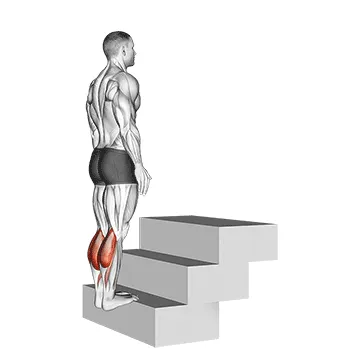
The Lever Seated Squat Calf Raise On Leg Press Machine is done seated with a lever machine. Ranked closest by our scoring: the Standing Calf Raise (On A Staircase), Standing Calves and the One Leg Floor Calf Raise.
Updated Ranked by our 12-factor similarity model How it works
Original Exercise: Lever Seated Squat Calf Raise On Leg Press Machine
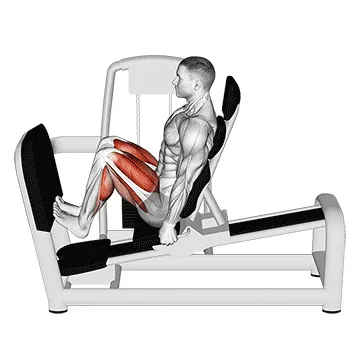
- Primary muscle
- Calves
- Equipment
- Lever
- Difficulty
- Beginner
- Type
- Isolation
Secondary muscles: Quadriceps, Hamstrings, Glutes
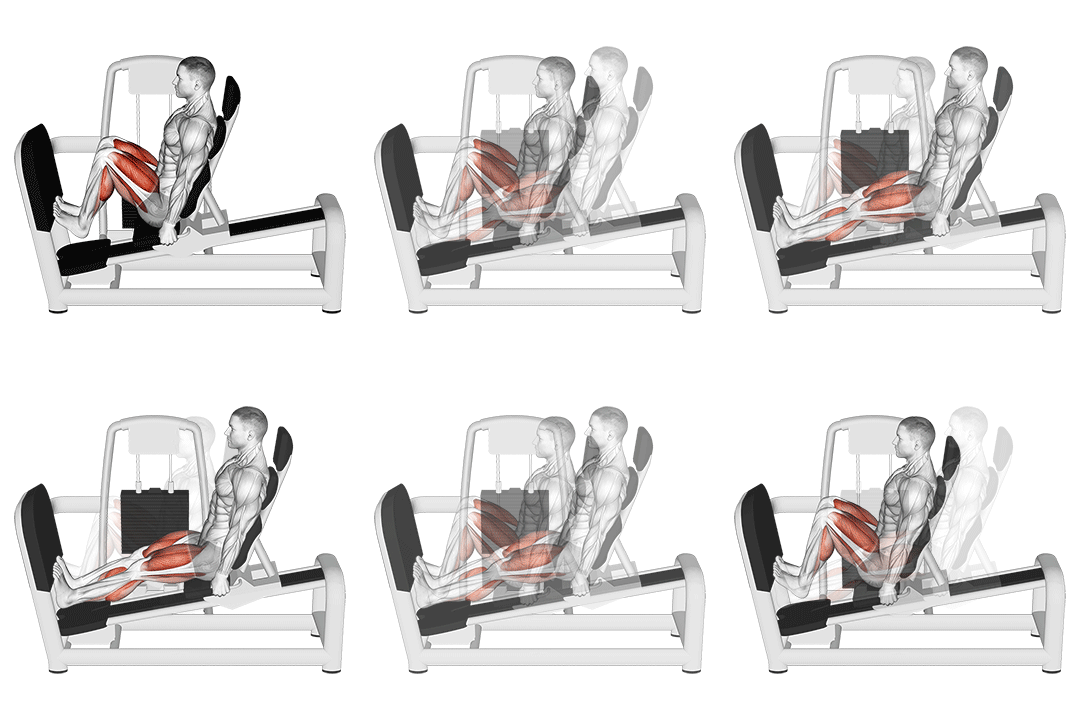
How to perform Lever Seated Squat Calf Raise On Leg Press Machine
- Adjust the seat of the leg press machine so that your knees are slightly bent when your feet are on the footplate.
- Sit on the machine with your back against the backrest and your feet flat on the footplate, shoulder-width apart.
- Place your toes and the balls of your feet on the footplate, keeping your heels off the edge.
- Release the safety handles and push the footplate away from you by extending your knees.
- Once your knees are fully extended, slowly lower your heels by flexing your calves.
- Pause for a moment at the bottom, then push the footplate back up by extending your calves.
- Repeat for the desired number of repetitions.
Ranked Lever Seated Squat Calf Raise On Leg Press Machine Alternatives
10 substitutes, ranked by how closely each one matches the Lever Seated Squat Calf Raise On Leg Press Machine on movement pattern, muscles worked, equipment and body position. The higher the score, the less you change. Open "How to perform this exercise" on a card for the steps; every card title links to that exercise's own alternatives page.
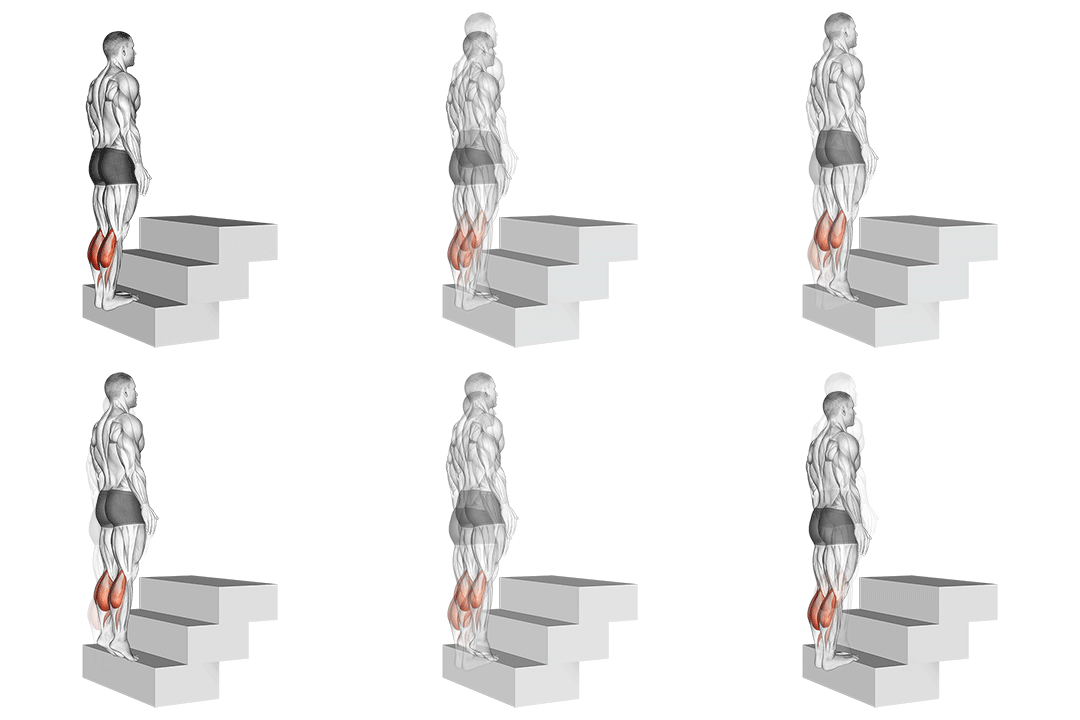
Best match - Calves
- Bodyweight
- Beginner
- Isolation
Use this when you have nothing to train with, because it works the calves with bodyweight alone.
How to perform this exercise
- Stand on the edge of a step or a sturdy platform with your heels hanging off and your toes on the step.
- Hold onto a railing or wall for balance if needed.
- Slowly raise your heels as high as possible, lifting your body weight onto the balls of your feet.
- Pause for a moment at the top, then slowly lower your heels back down to the starting position.
- Repeat for the desired number of repetitions.
Sets and reps: 3 sets of 8 to 12 reps, and add reps before you add load.
Why this matches
- Movement: raise, the same as the Lever Seated Squat Calf Raise On Leg Press Machine
- Primary muscle: calves, the same as the Lever Seated Squat Calf Raise On Leg Press Machine
- Equipment: bodyweight only, not a machine
- Body position: standing, not seated
- Balance: harder to stay steady on than the Lever Seated Squat Calf Raise On Leg Press Machine
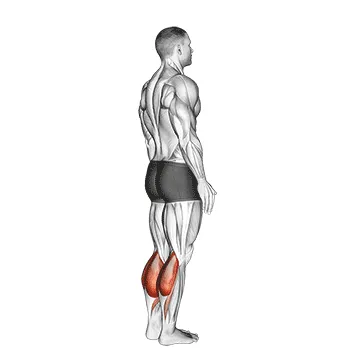
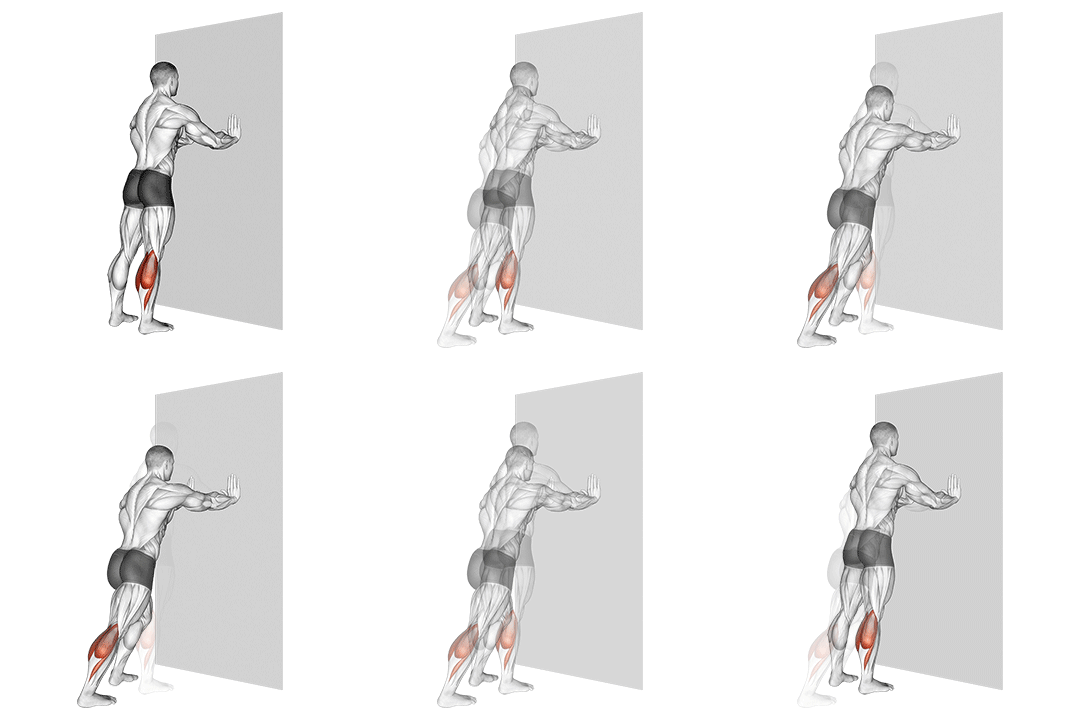
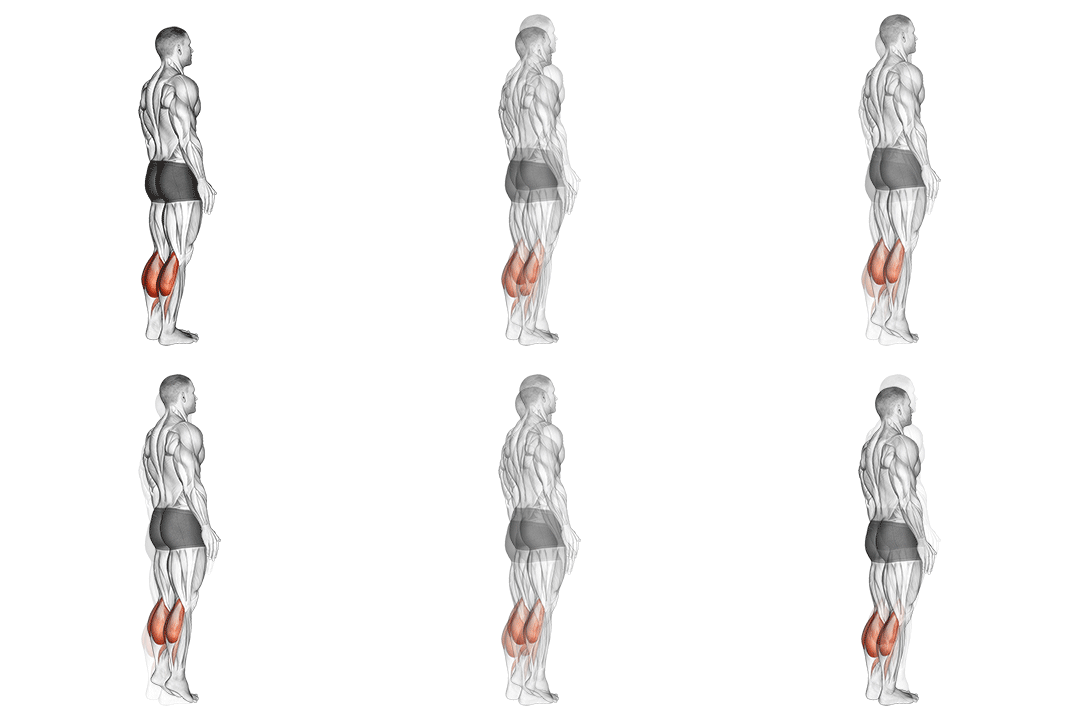
2. Standing Calves
74% match- Calves
- Bodyweight
- Beginner
- Isolation
How to perform this exercise
- Stand with your feet shoulder-width apart, toes pointing forward.
- Raise your heels off the ground as high as possible, standing on your toes.
- Hold the position for a moment, then slowly lower your heels back down to the starting position.
- Repeat for the desired number of repetitions.
Sets and reps: 3 sets of 8 to 12 reps, and add reps before you add load.
Why this matches
- Primary muscle: calves, the same as the Lever Seated Squat Calf Raise On Leg Press Machine
- Equipment: bodyweight only, not a machine
- Body position: standing, not seated
- Balance: harder to stay steady on than the Lever Seated Squat Calf Raise On Leg Press Machine
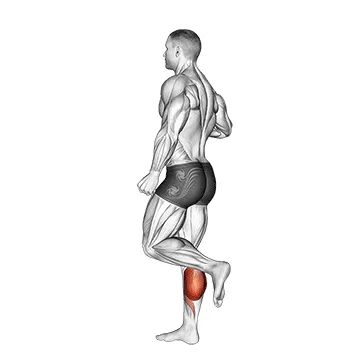
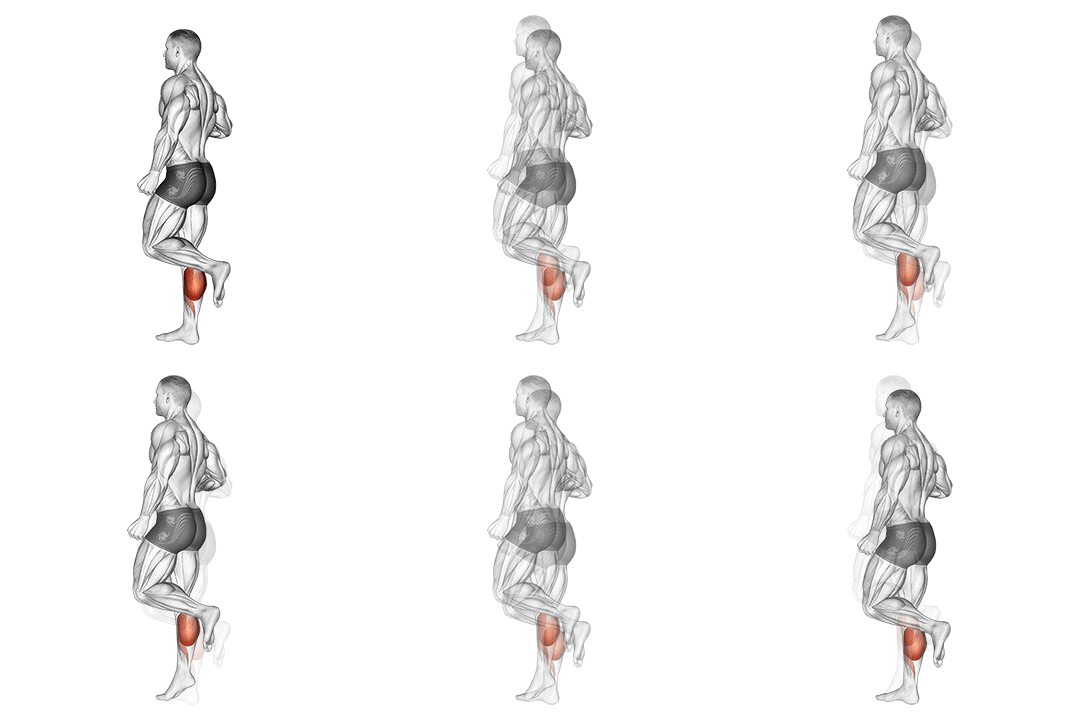
3. One Leg Floor Calf Raise
65% match- Calves
- Bodyweight
- Beginner
- Isolation
Pick this when you want to work the calves one side at a time.
How to perform this exercise
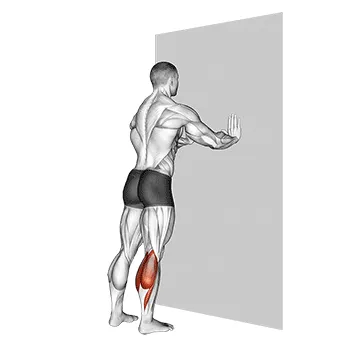
- Stand with your feet hip-width apart and place your hands on a wall or sturdy object for balance.
- Lift one foot off the ground and balance on the other foot.
- Slowly raise your heel off the ground, lifting your body up onto the ball of your foot.
- Pause for a moment at the top, then slowly lower your heel back down to the starting position.
- Repeat for the desired number of repetitions, then switch legs and repeat.
Sets and reps: 3 sets of 8 to 12 reps on each side, and add reps before you add load.
Why this matches
- Movement: raise, the same as the Lever Seated Squat Calf Raise On Leg Press Machine
- Primary muscle: calves, the same as the Lever Seated Squat Calf Raise On Leg Press Machine
- Equipment: bodyweight only, not a machine
- Body position: standing, not seated
- Balance: harder to stay steady on than the Lever Seated Squat Calf Raise On Leg Press Machine
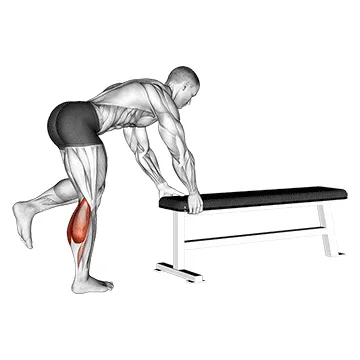
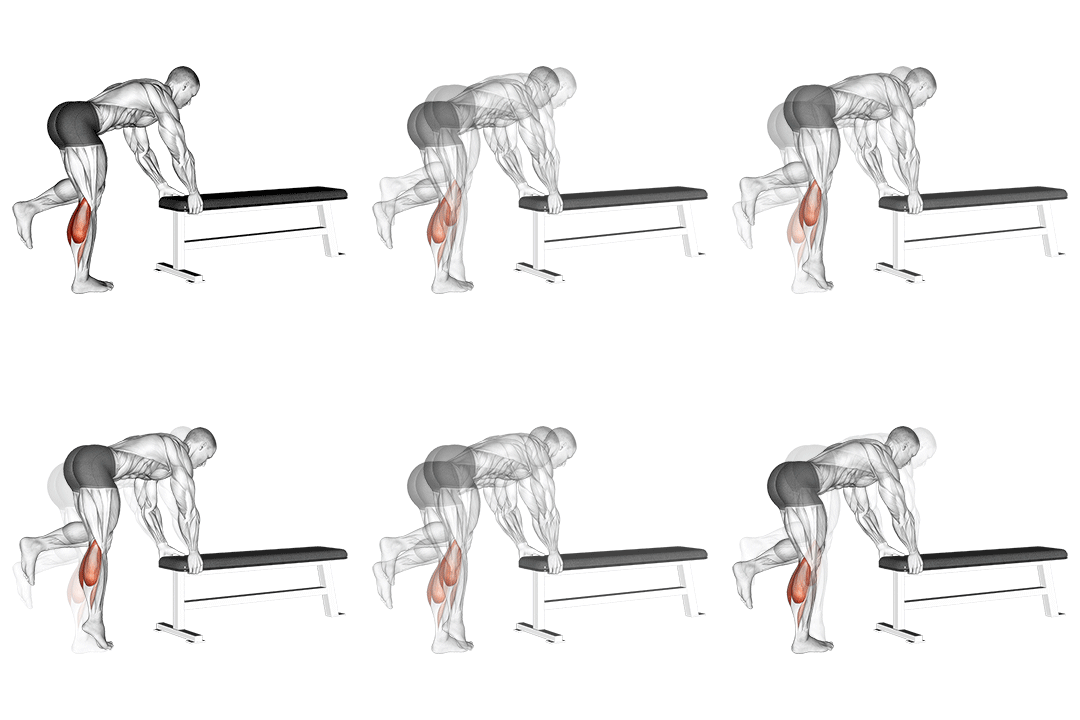
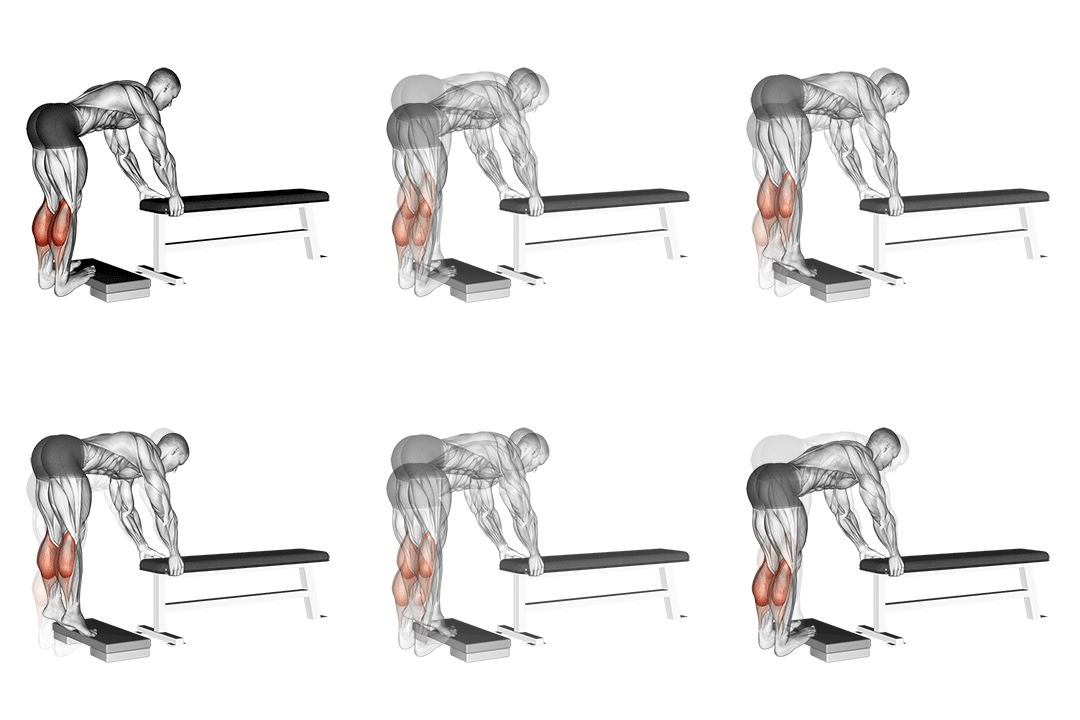
4. One Leg Donkey Calf Raise
64% match- Calves
- Bodyweight
- Beginner
- Isolation
How to perform this exercise
- Stand with your feet shoulder-width apart, toes pointing forward.
- Place your hands on a stable surface for support, such as a wall or a bar.
- Lift one leg off the ground, keeping your knee slightly bent.
- Raise your heel as high as possible, using your calf muscles.
- Pause for a moment at the top, then slowly lower your heel back down.
- Repeat for the desired number of repetitions, then switch legs.
Sets and reps: 3 sets of 8 to 12 reps on each side, and add reps before you add load.
Why this matches
- Movement: raise, the same as the Lever Seated Squat Calf Raise On Leg Press Machine
- Primary muscle: calves, the same as the Lever Seated Squat Calf Raise On Leg Press Machine
- Equipment: bodyweight only, not a machine
- Body position: standing, not seated
- Balance: harder to stay steady on than the Lever Seated Squat Calf Raise On Leg Press Machine
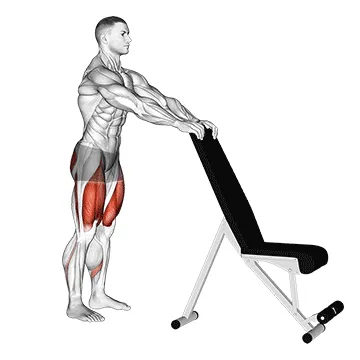
5. Bodyweight Standing Calf Raise
52% match- Calves
- Bodyweight
- Beginner
- Isolation
How to perform this exercise
- Stand with your feet shoulder-width apart, toes pointing forward.
- Place your hands on a wall or stable surface for balance.
- Slowly raise your heels off the ground, lifting your body weight onto the balls of your feet.
- Pause for a moment at the top, then slowly lower your heels back down to the starting position.
- Repeat for the desired number of repetitions.
Sets and reps: 3 sets of 8 to 12 reps, and add reps before you add load.
Why this matches
- Primary muscle: calves, the same as the Lever Seated Squat Calf Raise On Leg Press Machine
- Equipment: bodyweight only, not a machine
- Body position: standing, not seated
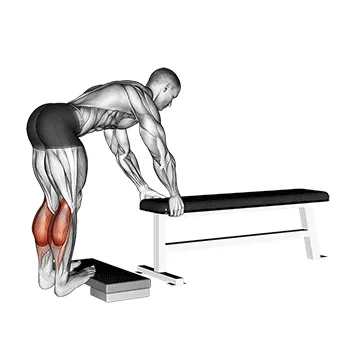
6. Donkey Calf Raise
52% match- Calves
- Bodyweight
- Beginner
- Isolation
How to perform this exercise
- Stand with your toes on an elevated surface, such as a step or block.
- Place your hands on a stable support, such as a wall or railing, for balance.
- Raise your heels as high as possible, lifting your body weight onto the balls of your feet.
- Pause for a moment at the top, then slowly lower your heels back down to the starting position.
- Repeat for the desired number of repetitions.
Sets and reps: 3 sets of 8 to 12 reps, and add reps before you add load.
Why this matches
- Primary muscle: calves, the same as the Lever Seated Squat Calf Raise On Leg Press Machine
- Equipment: bodyweight only, not a machine
- Body position: standing, not seated
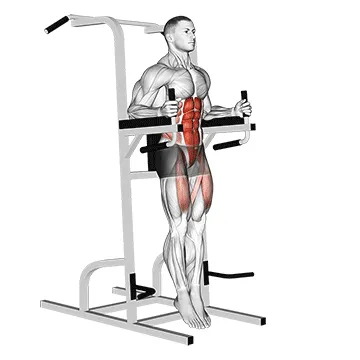
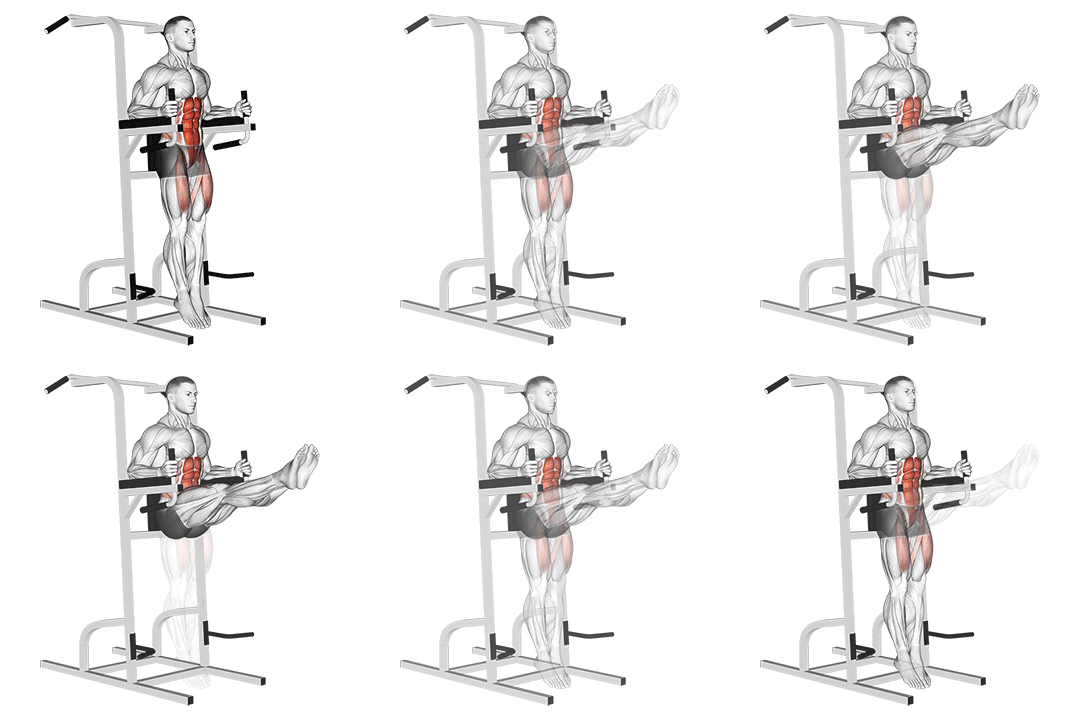
7. Captains Chair Straight Leg Raise
45% match- Abs
- Bodyweight
- Intermediate
- Compound
A looser match: it works the abs rather than the calves.
How to perform this exercise
- Sit on the captain's chair with your back against the backrest and your forearms resting on the arm pads.
- Keep your upper body stable and your back straight.
- Engage your abs and lift your legs up in front of you, keeping them straight.
- Continue lifting until your legs are parallel to the ground or as high as you can comfortably go.
- Pause for a moment at the top, then slowly lower your legs back down to the starting position.
- Repeat for the desired number of repetitions.
Sets and reps: 3 or 4 sets of 6 to 10 reps.
Why this matches
- Primary muscle: abs, not calves
- Equipment: bodyweight only, not a machine
- Body position: hanging, not seated
- Balance: harder to stay steady on than the Lever Seated Squat Calf Raise On Leg Press Machine
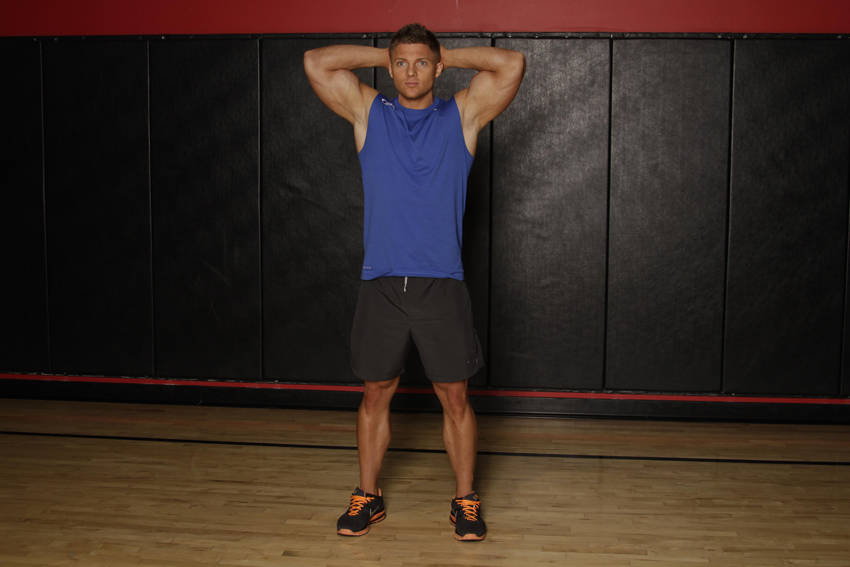
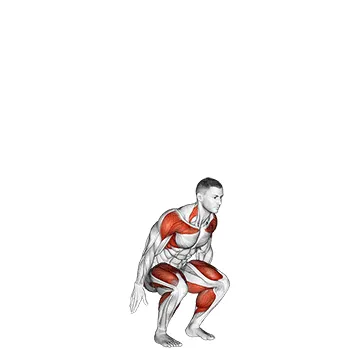
8. Bodyweight Squat
41% match- Quads
- Bodyweight
- Beginner
- Compound
How to perform this exercise
- Stand with your feet shoulder width apart. You can place your hands behind your head. This will be your starting position.
- Begin the movement by flexing your knees and hips, sitting back with your hips.
- Continue down to full depth if you are able,and quickly reverse the motion until you return to the starting position. As you squat, keep your head and chest up and push your knees out.
Sets and reps: 3 sets of 8 to 12 reps, and add reps before you add load.
Why this matches
- Primary muscle: quads, not calves
- Equipment: bodyweight only, not a machine
- Body position: standing, not seated
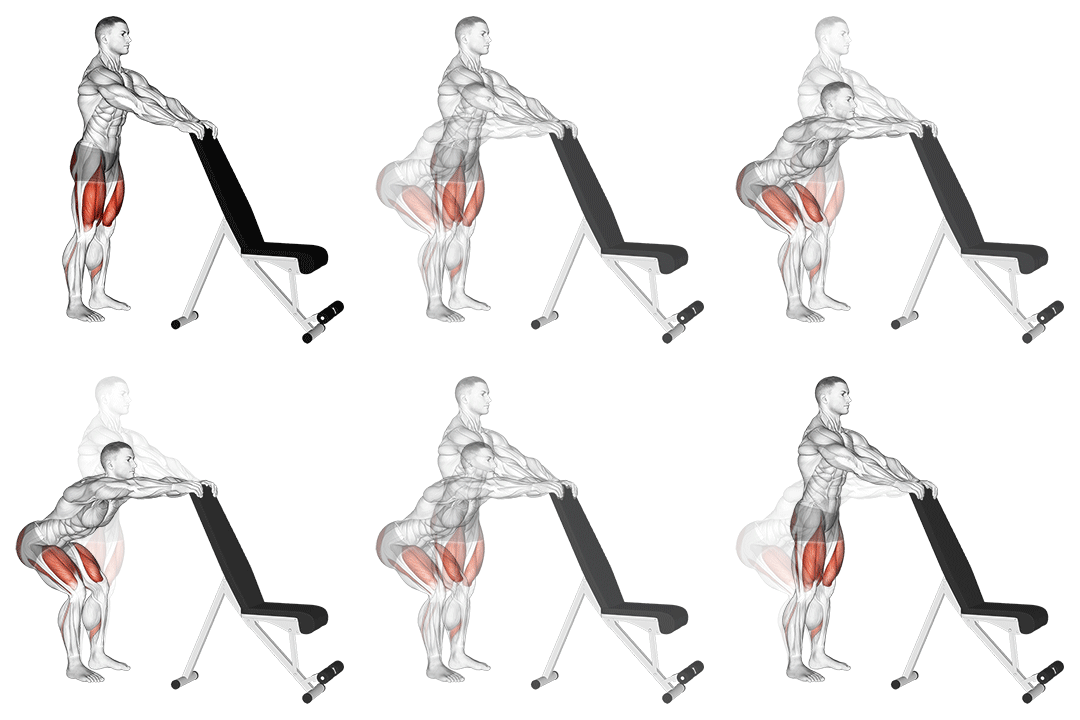
9. Potty Squat With Support
37% match- Glutes
- Bodyweight
- Beginner
- Compound
How to perform this exercise
- Stand with your feet shoulder-width apart, toes pointing slightly outward.
- Hold onto a stable support, such as a chair or wall, for balance.
- Lower your body down into a squat position by bending your knees and pushing your hips back.
- Keep your chest up and your back straight throughout the movement.
- Pause for a moment at the bottom, then push through your heels to return to the starting position.
- Repeat for the desired number of repetitions.
Sets and reps: 3 sets of 8 to 12 reps, and add reps before you add load.
Why this matches
- Primary muscle: glutes, not calves
- Equipment: bodyweight only, not a machine
- Body position: standing, not seated
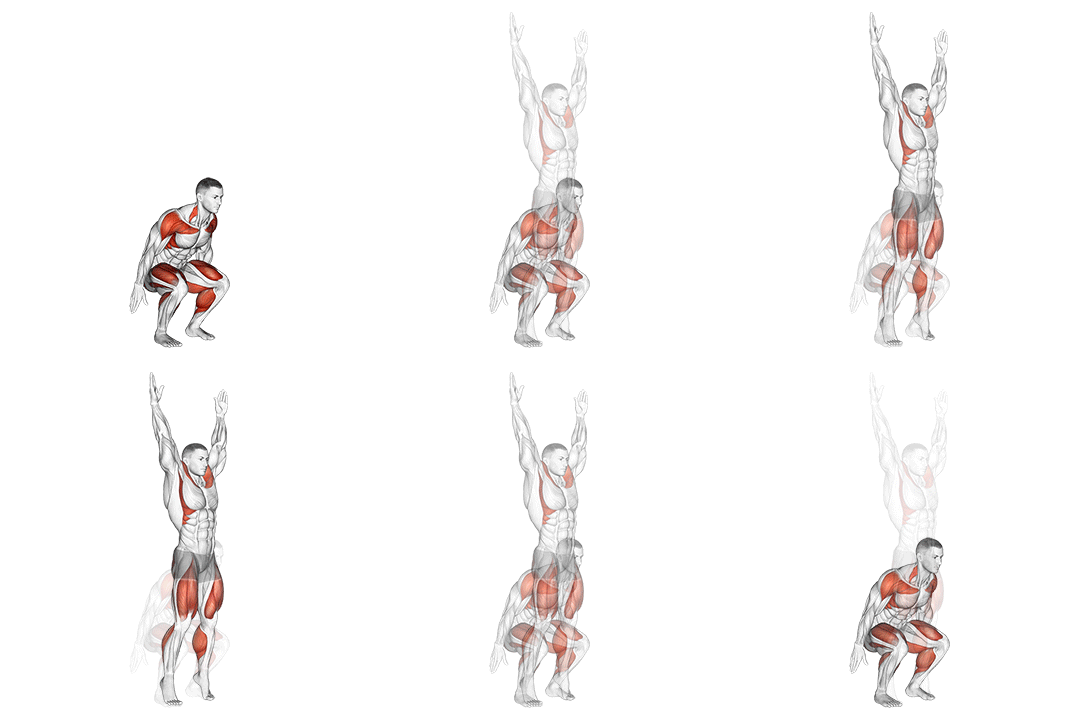
10. Squat To Overhead Reach
37% match- Quads
- Bodyweight
- Beginner
- Compound
How to perform this exercise
- Stand with your feet shoulder-width apart and toes slightly turned out.
- Lower your body down into a squat position by bending your knees and pushing your hips back.
- As you come up from the squat, extend your arms overhead, reaching towards the ceiling.
- Return to the starting position by lowering your arms and bending your knees to squat down again.
- Repeat for the desired number of repetitions.
Sets and reps: 3 sets of 8 to 12 reps, and add reps before you add load.
Why this matches
- Primary muscle: quads, not calves
- Equipment: bodyweight only, not a machine
- Body position: standing, not seated
- Balance: harder to stay steady on than the Lever Seated Squat Calf Raise On Leg Press Machine
How to Choose the Right Lever Seated Squat Calf Raise On Leg Press Machine Substitute
Select a substitute based on joint position, target muscle (soleus vs. gastrocnemius), and available resistance. If you want soleus emphasis, pick seated or bent-knee calf raises and keep knees ~90°; for gastrocnemius focus, choose standing straight-leg raises with the knee extended. Consider progressive overload options: can you add weight, manipulate tempo, or increase reps? Also assess stability, single-leg raises increase neural demand and unilateral strength. Cue: prioritize full plantarflexion under load and slow eccentric control (2–3 seconds) to maximize muscle activation and hypertrophy.
Lever Seated Squat Calf Raise On Leg Press Machine FAQ
What muscles does Lever Seated Squat Calf Raise On Leg Press Machine work?
It primarily targets the soleus and gastrocnemius through ankle plantarflexion, with the soleus emphasized when the knee is bent. You generate force through the triceps surae; hold the top contraction for 1 second to increase motor unit recruitment and tension.
What is the best bodyweight alternative to Lever Seated Squat Calf Raise On Leg Press Machine?
A single-leg standing calf raise is the best bodyweight option, stand on one foot, rise through the ball of the foot, and control the descent for 2–3 seconds. Keep the knee slightly bent if you want more soleus activation, or straight for more gastrocnemius work.
Can I build muscle without doing Lever Seated Squat Calf Raise On Leg Press Machine?
Yes. Use progressive overload with alternatives like weighted seated raises, barbell standing raises, or high-rep single-leg raises and increase load or time under tension. Focus on full-range plantarflexion, slow eccentrics, and consistent progressive loading to stimulate hypertrophy.
Find Alternatives for Any Exercise
Search the exercise database and filter the ranked substitutes by the equipment you own.
Similarity scores compare exercise metadata such as movement pattern, muscles, equipment and body position. They are not a safety rating or a check that you own the equipment. Learn about our methodology