

10 Best Lower Back-smr Alternatives for Limited Equipment
If you can’t do Lower Back-smr, use targeted mobility and activation to unload the lumbar spine. Try supine knee-to-chest holds, cat–cow spinal flexion, child’s pose with active breathing, piriformis ball release, or dead‑bug posterior pelvic tilts. Cue: draw your navel to the spine to engage the transverse abdominis and reduce lumbar shear.
Original Exercise: Lower Back-smr
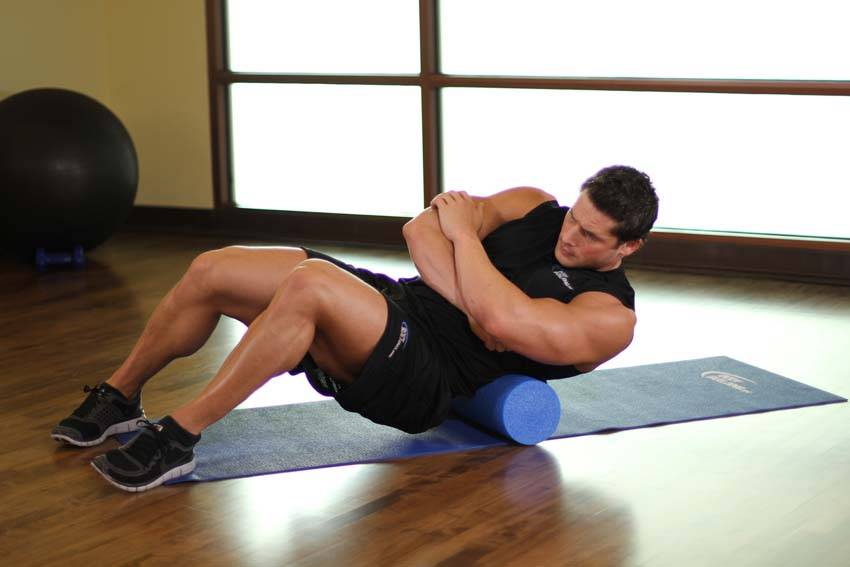
How to Perform Lower Back-smr
- In a seated position, place a foam roll under your lower back. Cross your arms in front of you and protract your shoulders. This will be your starting position.
- Raise your hips off of the floor and lean back, keeping your weight on your lower back. Now shift your weight slightly to one side, keeping your weight off of the spine and on the muscles to the side of it. Roll over your lower back, holding points of tension for 10-30 seconds. Repeat on the other side.
Pro Tips
- Category: Stretching
- Force: Static
Ranked Lower Back-smr Alternatives
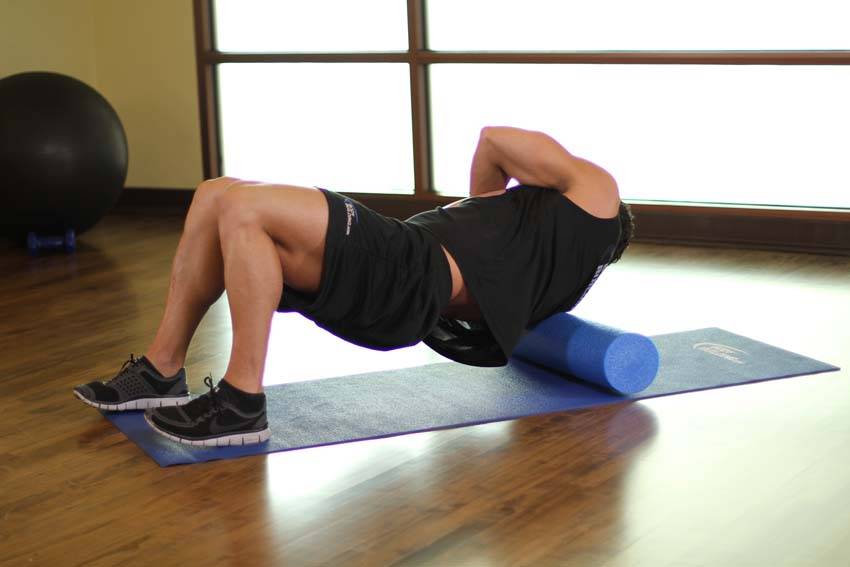
1. Rhomboids-SMR
81% MatchHow to perform this exercise
- Lay down with your back on the floor. Place a foam roll underneath your upper back, and cross your arms in front of you, protracting your shoulders. This will be your starting position.
- Raise your hips off of the ground, placing your weight onto the foam roll. Shift your weight to one side at a time, rolling over your middle and upper back. Pause at points of tension for 10-30 seconds.
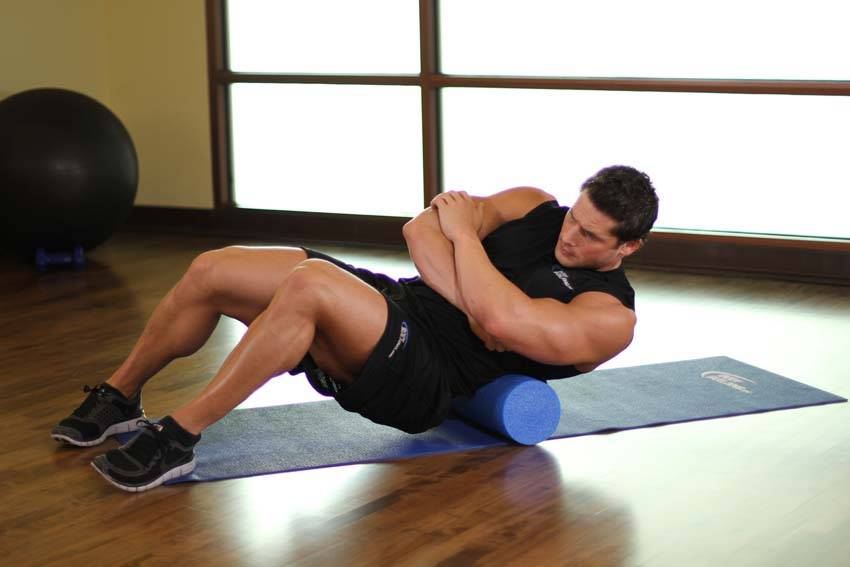
2. Latissimus Dorsi-SMR
77% MatchHow to perform this exercise
- While lying on the floor, place a foam roll under your back and to one side, just behind your arm pit. This will be your starting position.
- Keep the arm of the side being stretched behind and to the side of you as you shift your weight onto your lats, keeping your upper body off of the ground. Hold for 10-30 seconds, and switch sides.
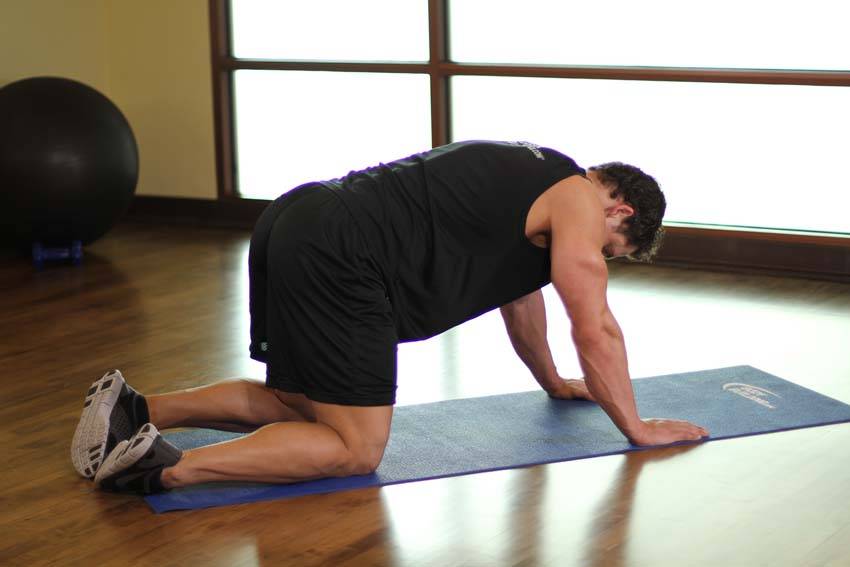
3. Cat Stretch
76.4% MatchHow to perform this exercise
- Position yourself on the floor on your hands and knees.
- Pull your belly in and round your spine, lower back, shoulders, and neck, letting your head drop.
- Hold for 15 seconds.
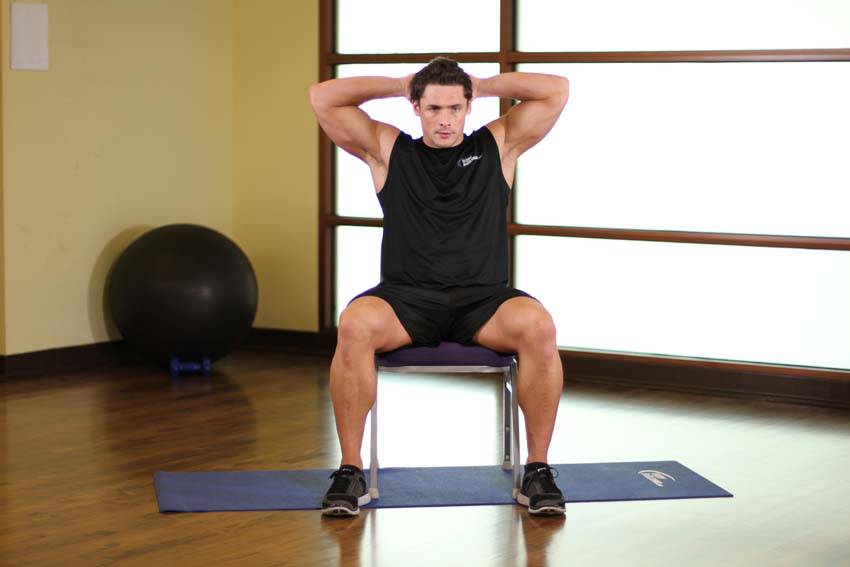
4. Spinal Stretch
73% MatchHow to perform this exercise
- Sit in a chair so your back is straight and your feet planted on the floor.
- Interlace your fingers behind your head, elbows out and your chin down.
- Twist your upper body to one side about 3 times as far as you can. Then lean forward and twist your torso to reach your elbow to the floor on the inside of your knee.
- Return to upright position and then repeat for your other side.
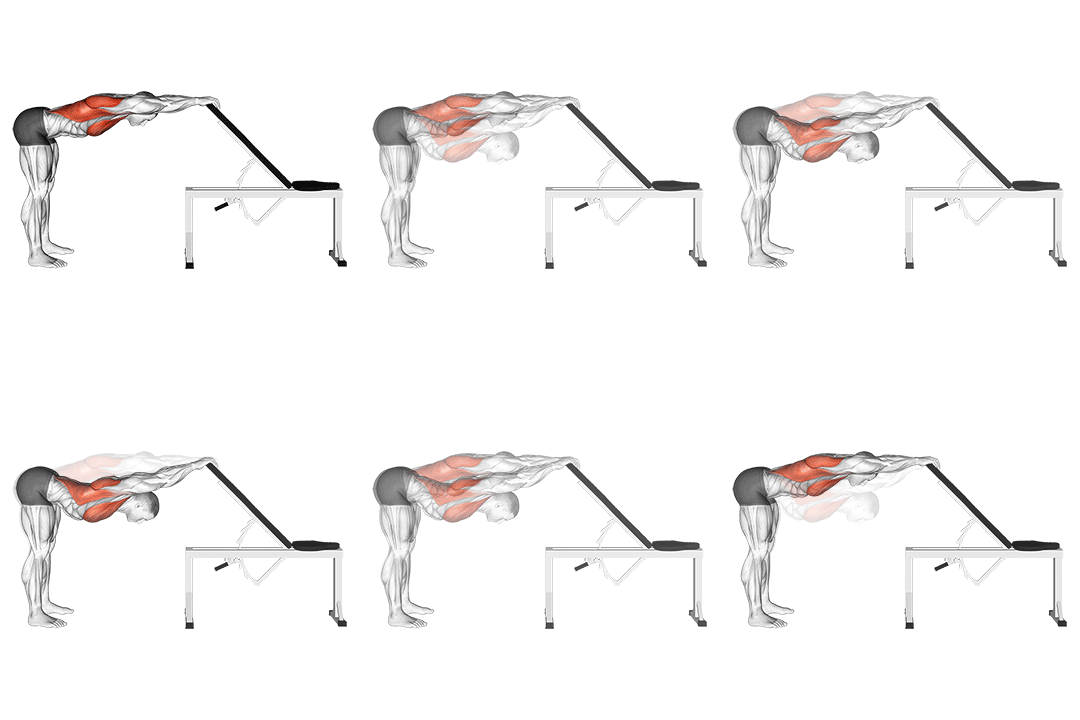
5. Back Pec Stretch
73% MatchHow to perform this exercise
- Stand tall with your feet shoulder-width apart.
- Extend your arms straight out in front of you, parallel to the ground.
- Cross your arms in front of your body, with your right arm over your left arm.
- Interlock your fingers and rotate your palms away from your body.
- Slowly raise your arms up and away from your body, feeling a stretch in your back and chest.
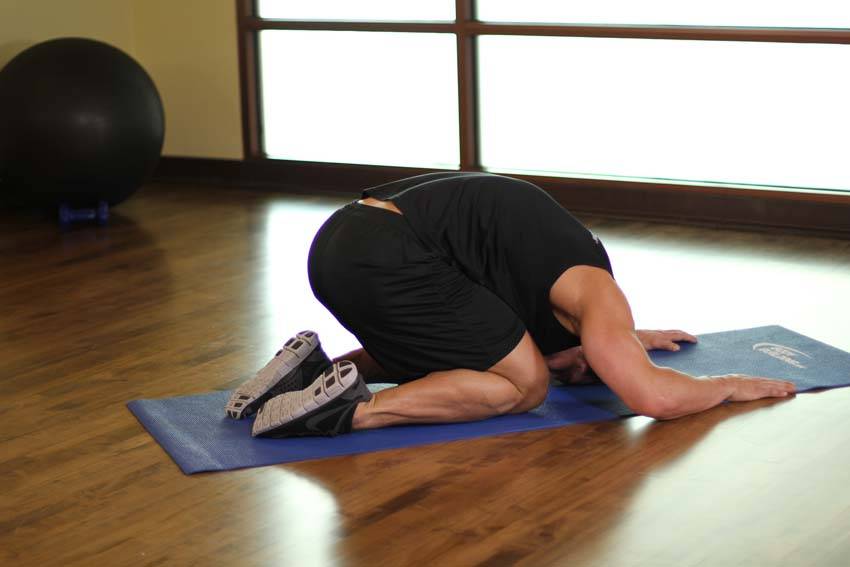
6. Child's Pose
73% MatchHow to perform this exercise
- Get on your hands and knees, walk your hands in front of you.
- Lower your buttocks down to sit on your heels. Let your arms drag along the floor as you sit back to stretch your entire spine.
- Once you settle onto your heels, bring your hands next to your feet and relax. "breathe" into your back. Rest your forehead on the floor. Avoid this position if you have knee problems.
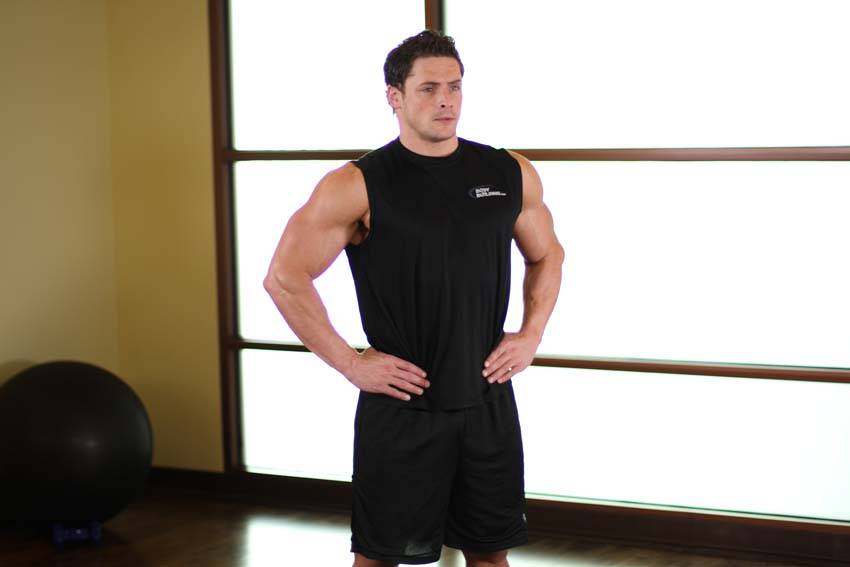
7. Middle Back Stretch
73% MatchHow to perform this exercise
- Stand so your feet are shoulder width apart and your hands are on your hips.
- Twist at your waist until you feel a stretch. Hold for 10 to 15 seconds, then twist to the other side.
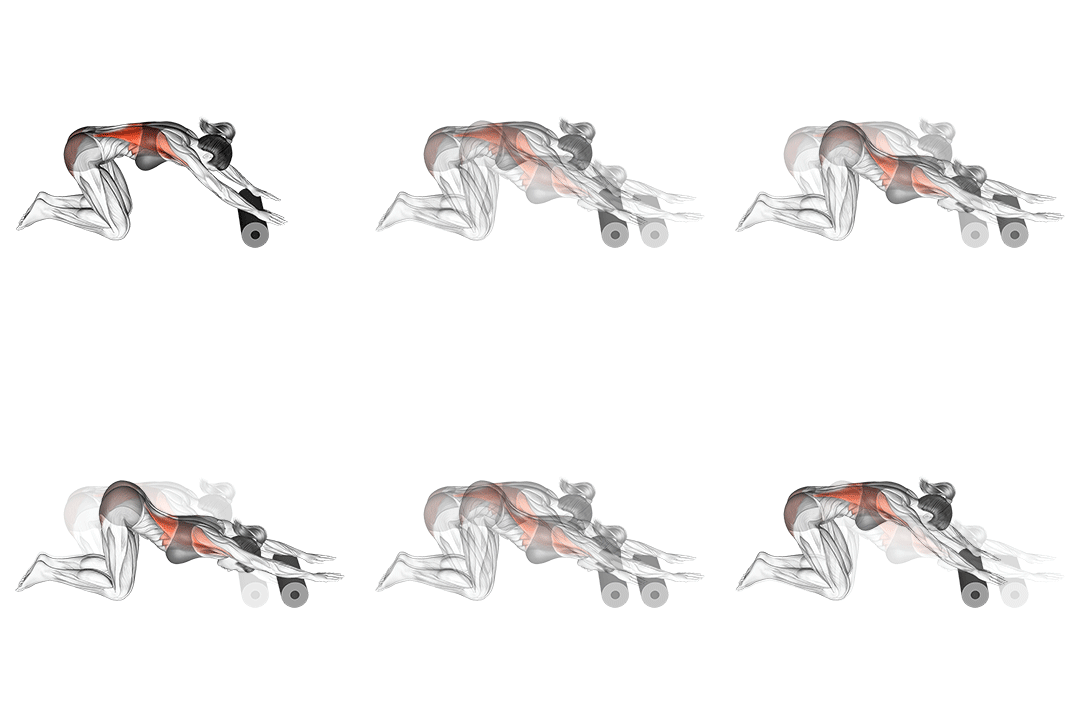
8. Roller Back Stretch
72.2% MatchHow to perform this exercise
- Start by sitting on the ground with your legs extended in front of you.
- Place the roller perpendicular to your body, just below your glutes.
- Slowly roll your body backwards, allowing the roller to move up your back.
- Continue rolling until the roller reaches your upper back.
- Pause for a moment, then slowly roll back to the starting position.
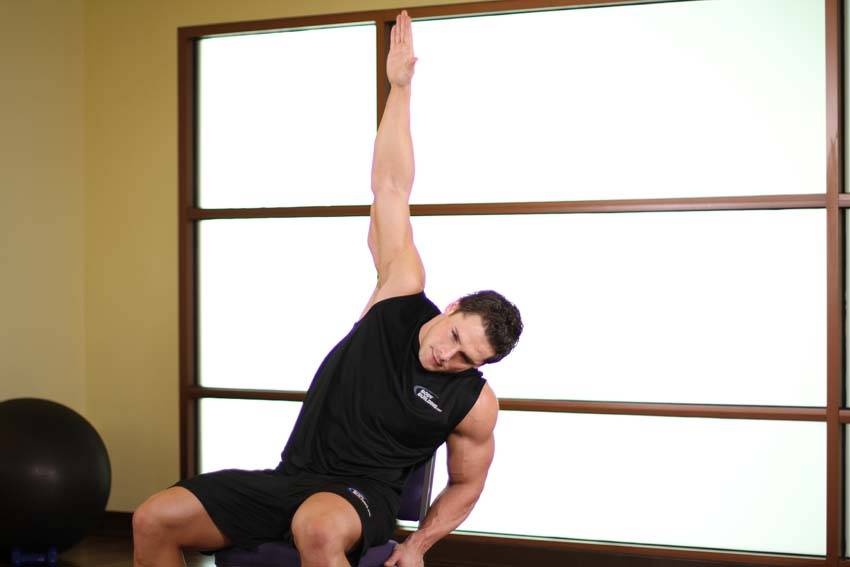
9. Chair Lower Back Stretch
72.2% MatchHow to perform this exercise
- Sit upright on a chair.
- Bend to one side with your arm over your head. You can hold onto the chair with your free hand.
- Hold for 10 seconds, and repeat for your other side.
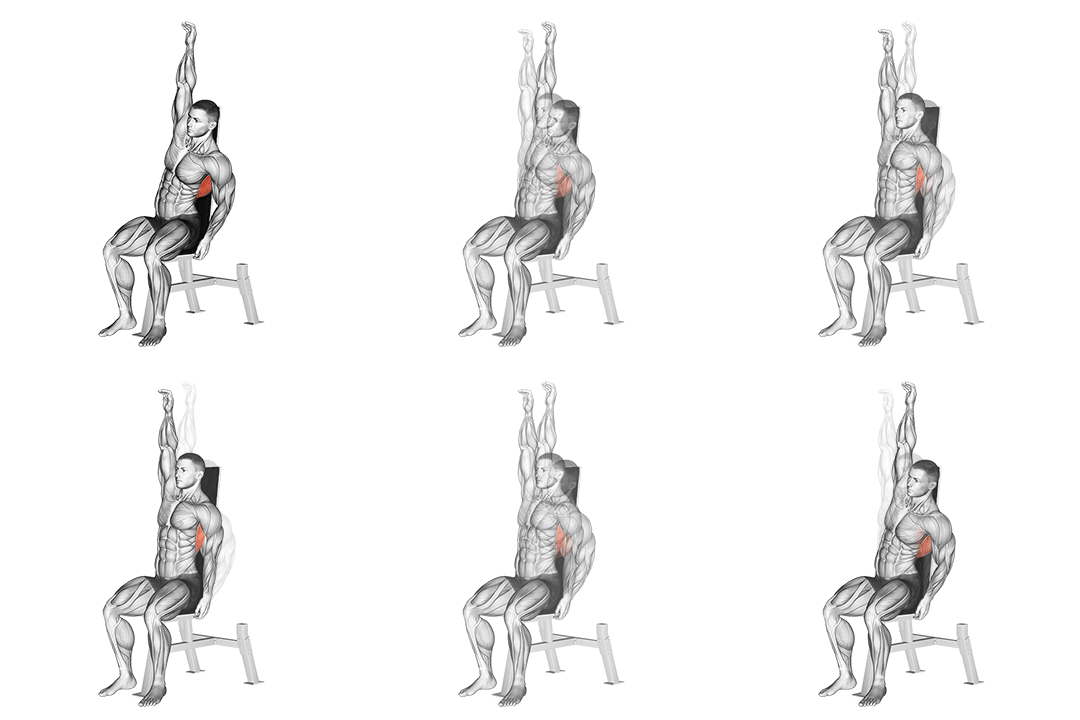
10. Seated Lower Back Stretch
72.2% MatchHow to perform this exercise
- Sit on the edge of a chair with your feet flat on the ground.
- Place your hands on your thighs or on the sides of the chair for support.
- Slowly lean forward from your hips, keeping your back straight.
- Feel the stretch in your lower back and hold for 20-30 seconds.
- Slowly return to the starting position and repeat for the desired number of repetitions.
Why You Might Need a Lower Back-smr Alternative
You may substitute Lower Back-smr for several reasons: acute lumbar pain, pregnancy, lack of a foam roller, or preference for activation-focused work. Direct foam rolling over the lumbar vertebrae can increase extension and shear on the discs; choosing mobility drills and core activation reduces compressive forces while addressing restricted tissues. For example, a pelvic‑tilt (posterior tilt) actively recruits the multifidus and transverse abdominis to stabilize the lumbar segments, while a glute release or piriformis ball technique addresses referral pain from the hips. Use alternatives that unload the spine and target surrounding muscles rather than forcing pressure directly onto the lumbar transverse processes.
How to Choose the Right Substitute
Select a substitute based on your goal: pain relief, mobility, or activation. If you need pain relief, choose passive stretches and gentle ball release for the glutes and QL; cue: exhale while holding a supine knee-to-chest for 20–30 seconds to reduce nerve tension. For mobility, use controlled spinal flexion/extension like cat–cow with a 3–5 second tempo to promote segmental movement. For stability and long‑term resilience pick activation drills (dead‑bug or bird‑dog) and progress to loaded hip hinges. Avoid direct lumbar pressure if you have radicular symptoms or an acute disc flare.
Frequently Asked Questions
What muscles does Lower Back-smr work?
Lower Back-smr primarily targets superficial tissues over the lumbar region: erector spinae and the thoracolumbar fascia, with indirect effects on the multifidus and quadratus lumborum. Because rolling applies pressure to soft tissue, you often get sensory input rather than deep muscle strengthening; to feel activation, perform a slow back extension and palpate the erector spinae contracting.
What is the best bodyweight alternative to Lower Back-smr?
A dead‑bug with posterior pelvic tilt is the best bodyweight alternative: lie supine, flatten the low back by drawing the navel toward the spine, then extend opposite arm and leg slowly while keeping the lumbar glued to the mat. This engages the transverse abdominis and multifidus to stabilize the lumbar spine without compressive rolling.
Can I build muscle without doing Lower Back-smr?
Yes, Lower Back-smr is a recovery tool, not a hypertrophy method. To build lumbar and posterior chain muscle, use progressive loading exercises like Romanian deadlifts or back extensions, cueing a hip hinge, neutral spine, and deliberate glute and erector spinae contraction on each rep.
More Exercise Alternatives
Find Alternatives for Any Exercise
Use the exercise substitution finder to compare ranked alternatives for your available equipment and training preference.
Try the Exercise Substitution Finder →