

10 Best Weighted Ball Hyperextension Alternatives for Back Strength
The Weighted Ball Hyperextension is done lying face down with a stability ball. Ranked closest by our scoring: Hyperextensions (Back Extensions).
Updated Ranked by our 12-factor similarity model How it works
Original Exercise: Weighted Ball Hyperextension
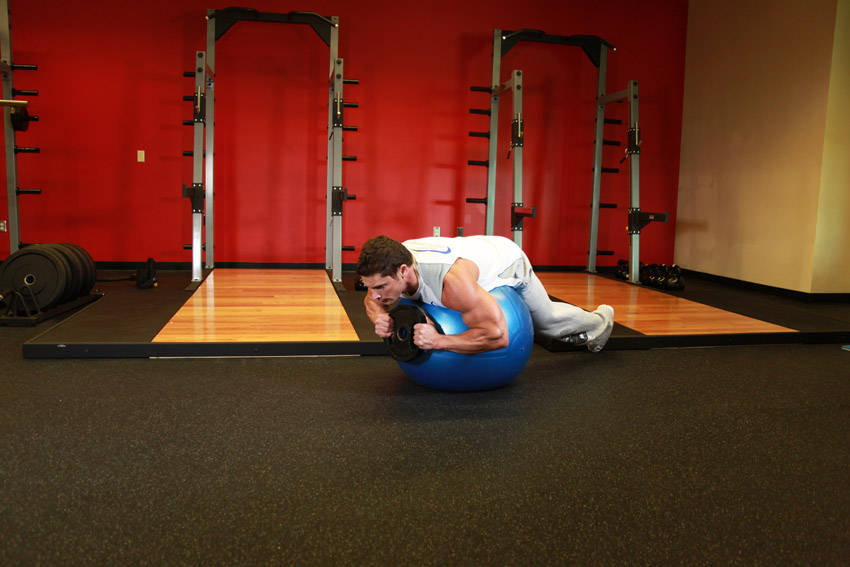
- Primary muscle
- Lower Back
- Equipment
- Stability-ball
- Difficulty
- Intermediate
- Type
- Isolation
Secondary muscles: Glutes, Hamstrings, Middle Back
How to perform Weighted Ball Hyperextension
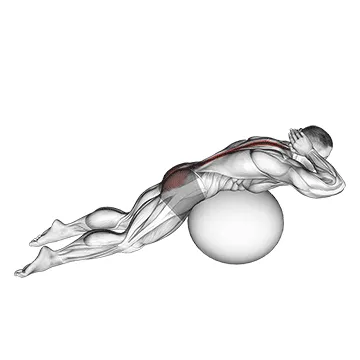
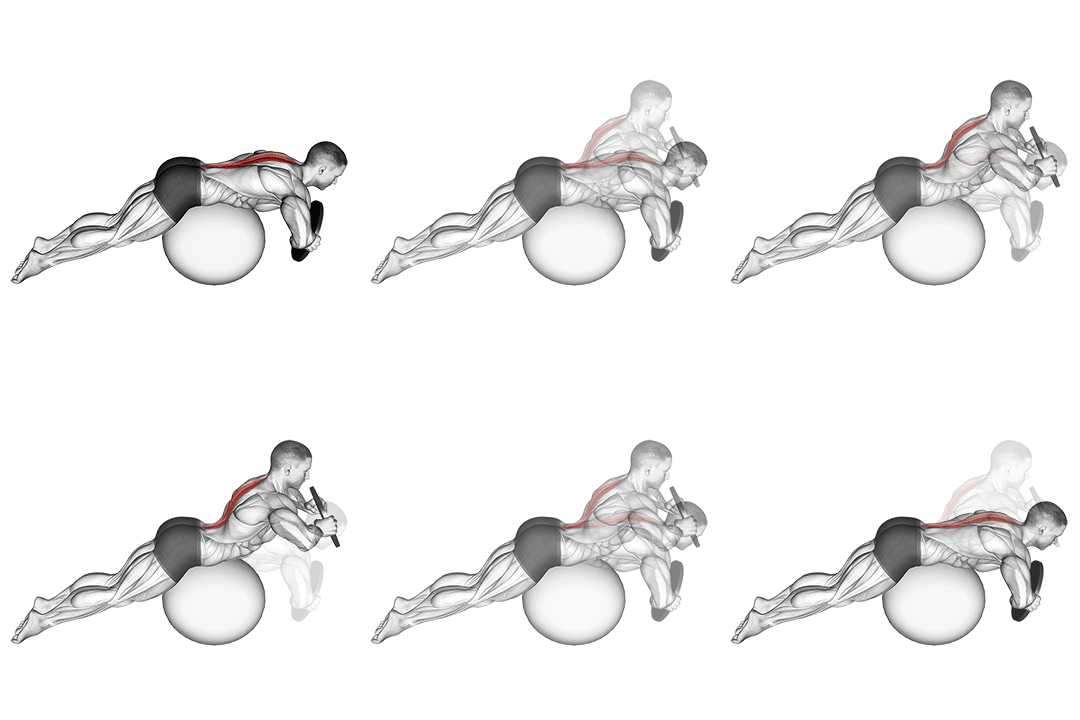
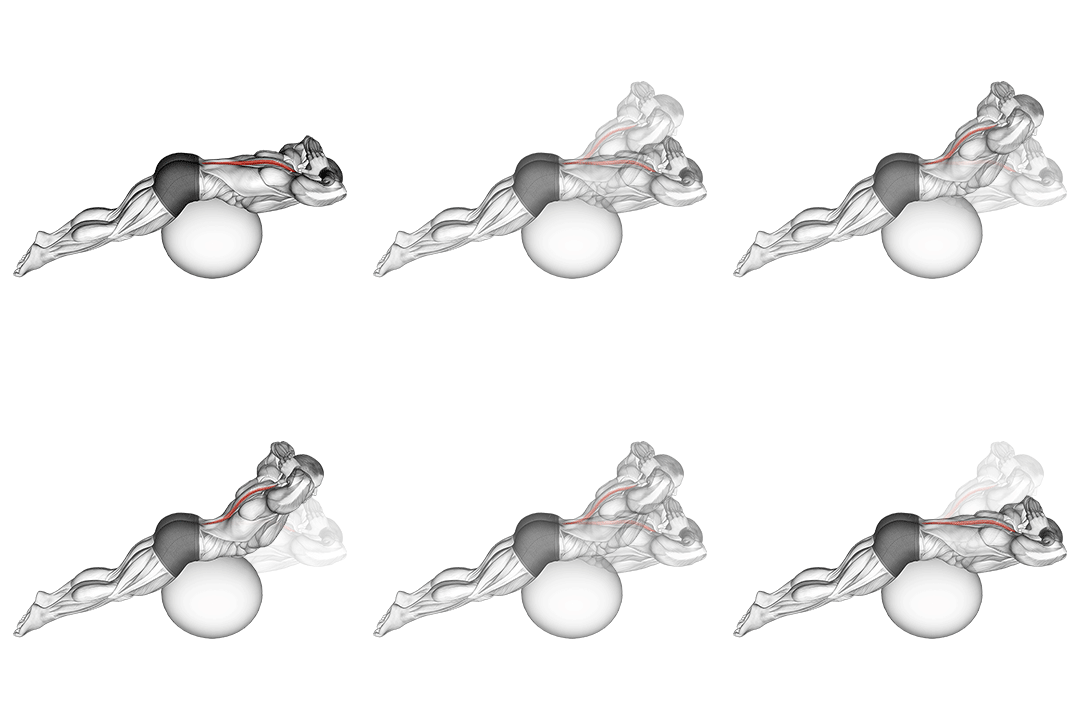
- To begin, lie down on an exercise ball with your torso pressing against the ball and parallel to the floor. The ball of your feet should be pressed against the floor to help keep you balanced. Place a weighted plate under your chin or behind your neck. This is the starting position.
- Slowly raise your torso up by bending at the waist and lower back. Remember to exhale during this movement.
- Hold the contraction on your lower back for a second and lower your torso back down to the starting position while inhaling.
- Repeat for the recommended amount of repetitions prescribed in your program.
Ranked Weighted Ball Hyperextension Alternatives
10 substitutes, ranked by how closely each one matches the Weighted Ball Hyperextension on movement pattern, muscles worked, equipment and body position. The higher the score, the less you change. Open "How to perform this exercise" on a card for the steps; every card title links to that exercise's own alternatives page.
Best match 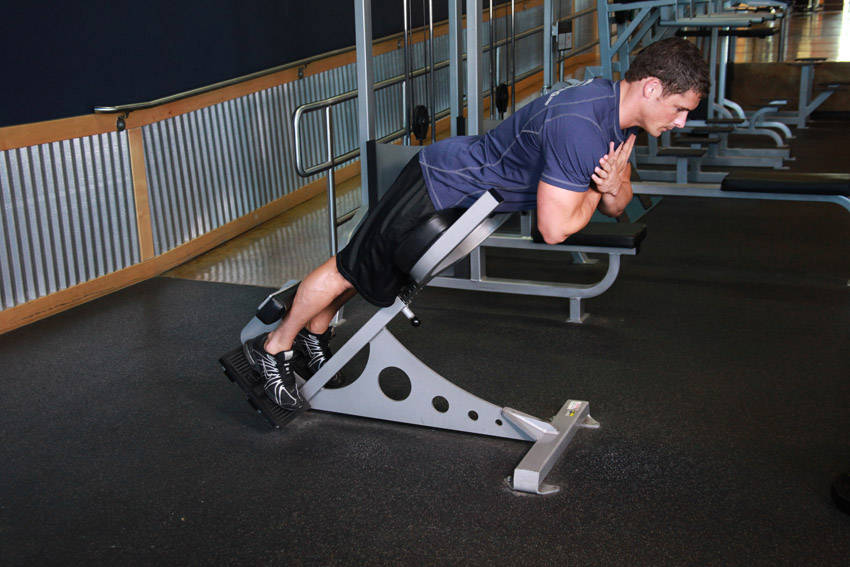
1. Hyperextensions (Back Extensions)
67% match- Lower Back
- Other
- Intermediate
- Compound
Pick this when you want to work the lower back with less balance to manage.
How to perform this exercise
- Lie face down on a hyperextension bench, tucking your ankles securely under the footpads.
- Adjust the upper pad if possible so your upper thighs lie flat across the wide pad, leaving enough room for you to bend at the waist without any restriction.
- With your body straight, cross your arms in front of you (my preference) or behind your head. This will be your starting position. Tip: You can also hold a weight plate for extra resistance in front of you under your crossed arms.
- Start bending forward slowly at the waist as far as you can while keeping your back flat. Inhale as you perform this movement. Keep moving forward until you feel a nice stretch on the hamstrings and you can no longer keep going without a rounding of the back. Tip: Never round the back as you perform this exercise. Also, some people can go farther than others. The key thing is that you go as far as your body allows you to without rounding the back.
- Slowly raise your torso back to the initial position as you inhale. Tip: Avoid the temptation to arch your back past a straight line. Also, do not swing the torso at any time in order to protect the back from injury.
- Repeat for the recommended amount of repetitions.
Sets and reps: 3 or 4 sets of 6 to 10 reps.
Why this matches
- Primary muscle: lower back, the same as the Weighted Ball Hyperextension
- Equipment: bodyweight only, not a suspension trainer
- Body position: lying face down, the same as the Weighted Ball Hyperextension
- Spine
- Stability-ball
- Intermediate
- Isolation
A looser match: it uses the same equipment, but it works the spinal erectors rather than the lower back.
How to perform this exercise
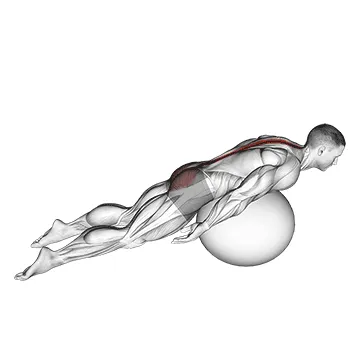
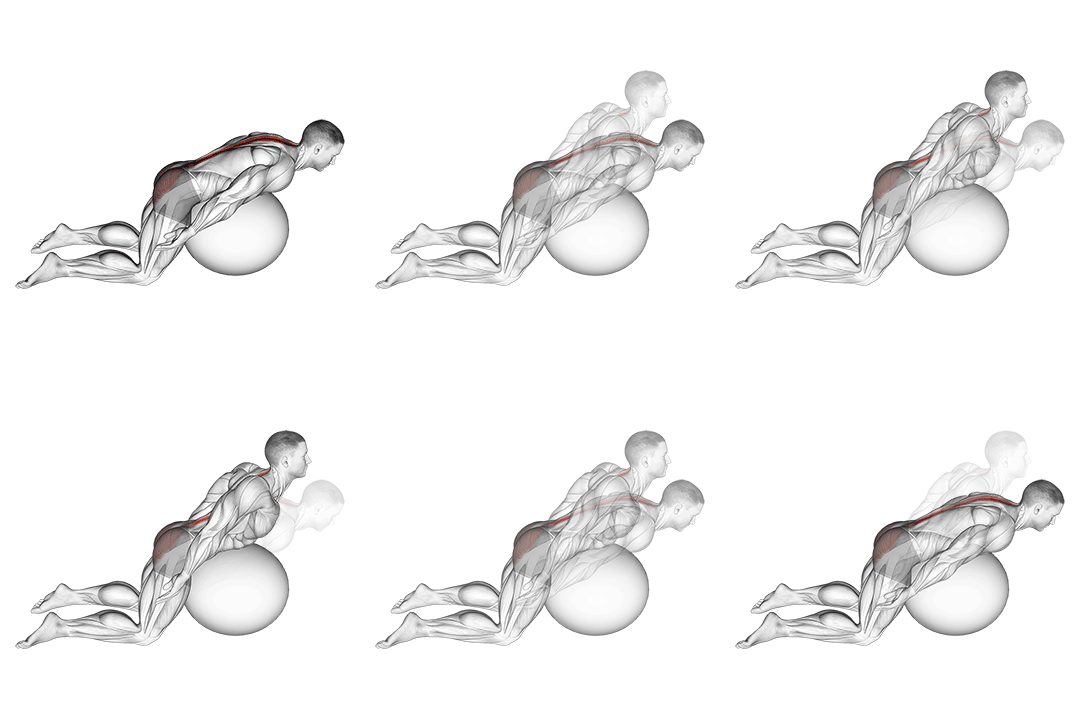
- Position yourself face down on a stability ball with your hips resting on the ball and your feet against a wall for stability.
- Place your hands behind your head or cross them over your chest.
- Engage your core and slowly lift your upper body off the ball, extending your back until your body forms a straight line.
- Pause for a moment at the top, then slowly lower your upper body back down to the starting position.
- Repeat for the desired number of repetitions.
Sets and reps: 3 sets of 10 to 15 reps.
Why this matches
- Primary muscle: spine, not lower back
- Body position: lying face down, the same as the Weighted Ball Hyperextension
- Spine
- Stability-ball
- Beginner
- Compound
How to perform this exercise
- Place the stability ball on the ground and lie face down on top of it, with your hips resting on the ball and your feet against a wall for stability.
- Extend your arms straight out in front of you, with your palms facing down.
- Engage your core and slowly lift your upper body off the ball, keeping your back straight and your neck in line with your spine.
- Pause for a moment at the top, then slowly lower your upper body back down to the starting position.
- Repeat for the desired number of repetitions.
Sets and reps: 3 sets of 8 to 12 reps, and add reps before you add load.
Why this matches
- Primary muscle: spine, not lower back
- Equipment: bodyweight only, not a suspension trainer
- Body position: lying face down, the same as the Weighted Ball Hyperextension
- Spine
- Stability-ball
- Beginner
- Compound
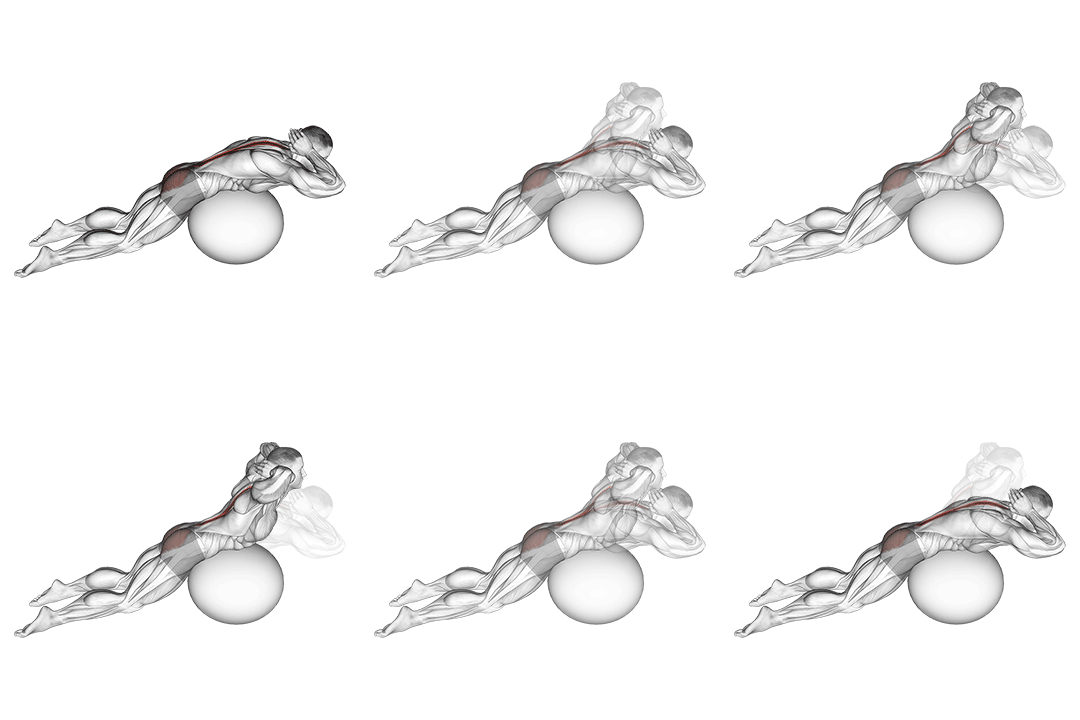
How to perform this exercise
- Place the stability ball on the ground and lie face down on top of it with your hips resting on the ball.
- Position your feet against a wall or other stable surface for support.
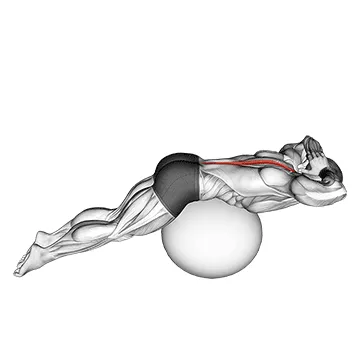
- Cross your arms behind your head, with your hands touching the back of your head.
- Engage your core and slowly lift your upper body off the ball, extending your back until your body forms a straight line from your head to your hips.
- Pause for a moment at the top of the movement, then slowly lower your upper body back down to the starting position.
- Repeat for the desired number of repetitions.
Sets and reps: 3 sets of 8 to 12 reps, and add reps before you add load.
Why this matches
- Primary muscle: spine, not lower back
- Equipment: bodyweight only, not a suspension trainer
- Body position: lying face down, the same as the Weighted Ball Hyperextension
- Spine
- Stability-ball
- Intermediate
- Compound
How to perform this exercise
- Place the stability ball on the ground and lie face down on top of it, with your hips resting on the ball and your feet against a wall for stability.
- Position your hands behind your head or crossed over your chest.
- Engage your core and slowly lift your upper body off the ball, extending your back until your body forms a straight line from your head to your heels.
- Pause for a moment at the top, then slowly lower your upper body back down to the starting position.
- Repeat for the desired number of repetitions.
Sets and reps: 3 or 4 sets of 6 to 10 reps.
Why this matches
- Primary muscle: spine, not lower back
- Equipment: bodyweight only, not a suspension trainer
- Body position: lying face down, the same as the Weighted Ball Hyperextension
- Glutes
- Stability-ball
- Intermediate
- Compound
A looser match: it uses the same equipment, but it works the glutes rather than the lower back.
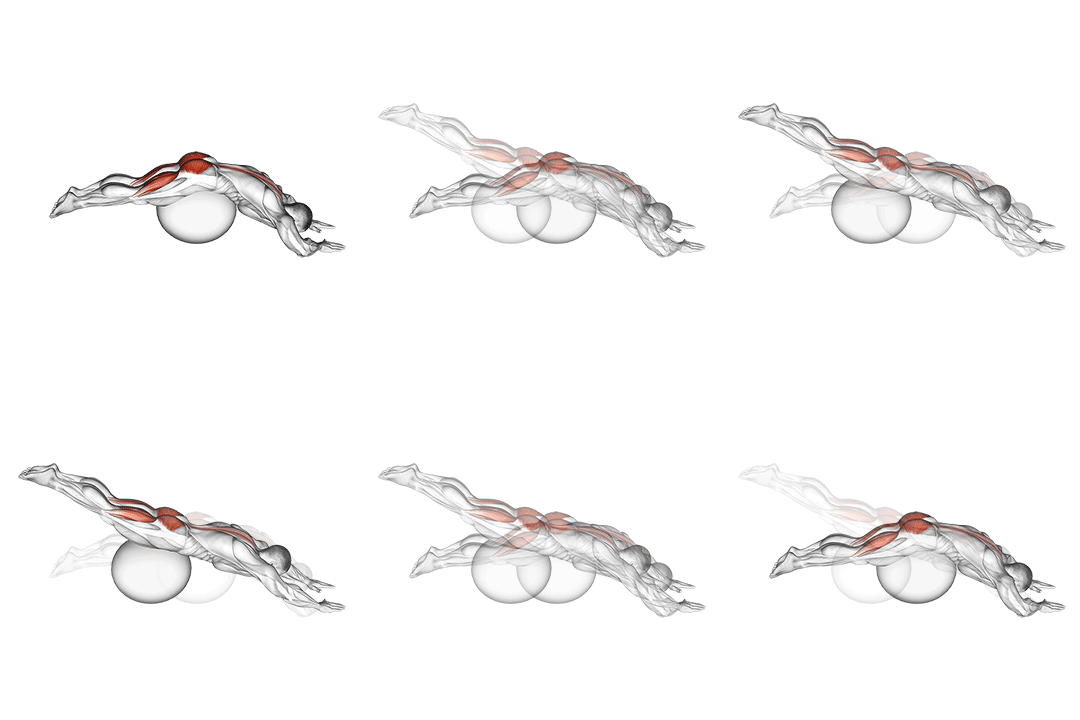
How to perform this exercise
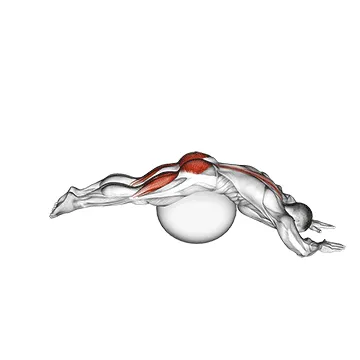
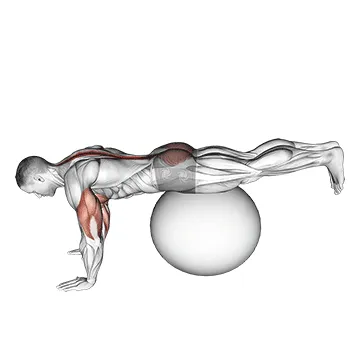
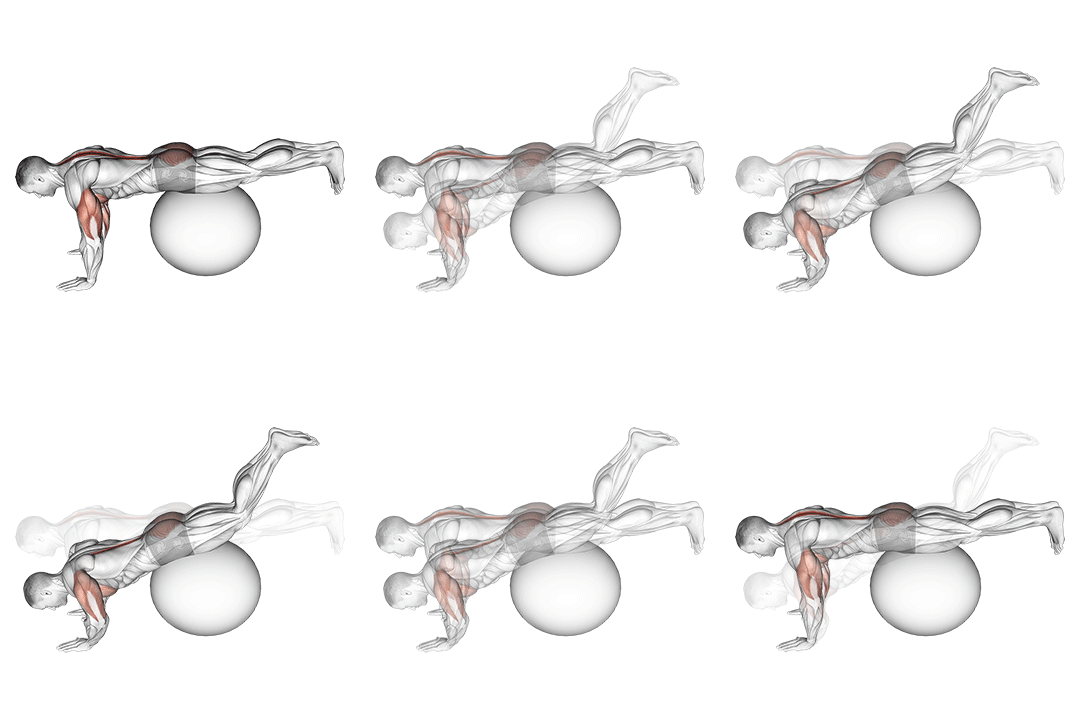
- Lie face down on a stability ball with your hips resting on the ball and your legs extended straight behind you.
- Place your hands on the ground in front of you for stability.
- Engaging your glutes and hamstrings, lift your legs up towards the ceiling as high as you can.
- Pause for a moment at the top, then slowly lower your legs back down to the starting position.
- Repeat for the desired number of repetitions.
Sets and reps: 3 or 4 sets of 6 to 10 reps.
Why this matches
- Primary muscle: glutes, not lower back
- Equipment: bodyweight only, not a suspension trainer
- Body position: lying face down, the same as the Weighted Ball Hyperextension
- Glutes
- Stability-ball
- Intermediate
- Compound
How to perform this exercise
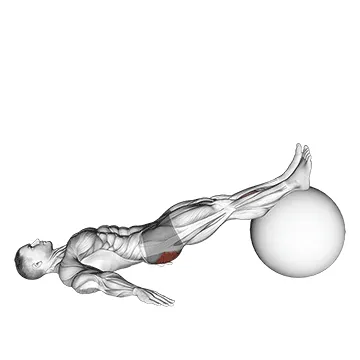
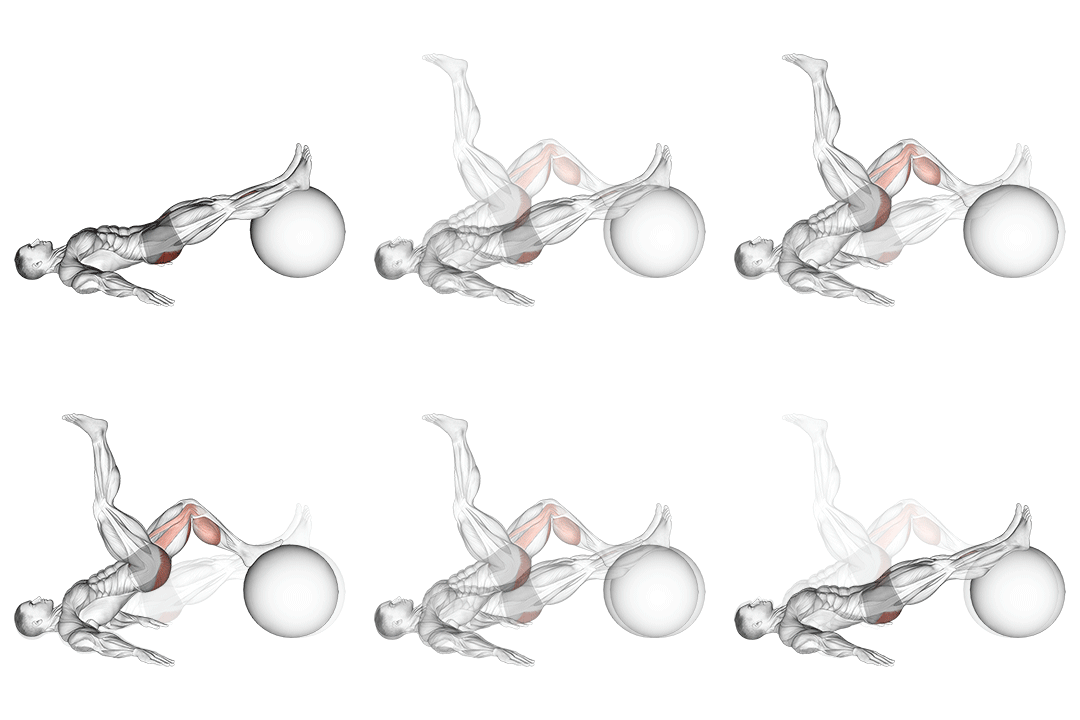
- Start by lying on your back with your legs extended and your heels resting on top of the stability ball.
- Place your arms by your sides for stability.
- Engage your glutes and core muscles to lift your hips off the ground, creating a straight line from your shoulders to your heels.
- Bend your right knee and bring it towards your chest, keeping your left leg extended and your foot flexed.
- Kick your right leg diagonally across your body, extending it fully and engaging your hamstrings.
- Slowly return your right leg to the starting position, maintaining control and stability.
- Repeat the movement with your left leg, alternating sides for the desired number of repetitions.
Sets and reps: 3 or 4 sets of 6 to 10 reps on each side.
Why this matches
- Primary muscle: glutes, not lower back
- Equipment: bodyweight only, not a suspension trainer
- Body position: lying face down, the same as the Weighted Ball Hyperextension
8. Lower Back Curl
50% match- Spine
- Bodyweight
- Intermediate
- Isolation
How to perform this exercise
- Lie flat on your stomach with your legs extended and your arms by your sides.
- Engage your glutes and hamstrings, and slowly lift your upper body off the ground, curling your back upwards.
- Pause for a moment at the top, then slowly lower your upper body back down to the starting position.
- Repeat for the desired number of repetitions.
Sets and reps: 3 sets of 10 to 15 reps.
Why this matches
- Primary muscle: spine, not lower back
- Equipment: bodyweight only, not a suspension trainer
- Body position: lying face down, the same as the Weighted Ball Hyperextension
9. Back Extension On Exercise Ball
50% match- Spine
- Stability-ball
- Beginner
- Isolation
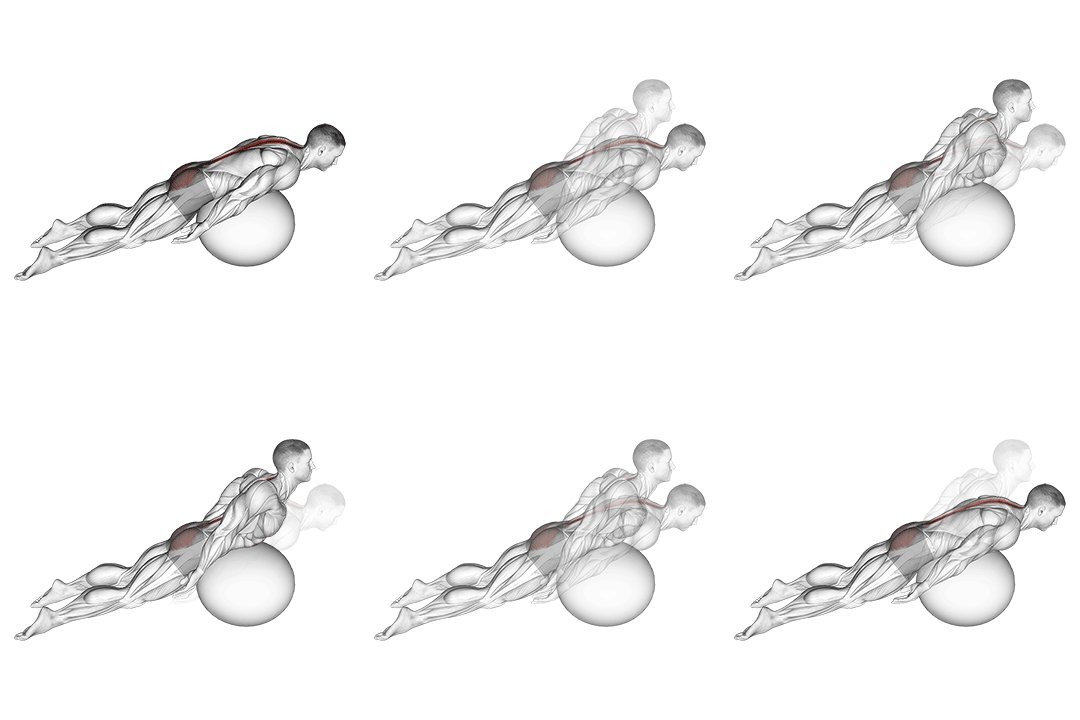
How to perform this exercise
- Place the stability ball on the ground and lie face down on top of it, with your hips resting on the ball and your feet against a wall or other stable surface.
- Position your hands behind your head or crossed over your chest.
- Engage your core and slowly lift your upper body off the ball, extending your back until your body forms a straight line from your head to your heels.
- Pause for a moment at the top, then slowly lower your upper body back down to the starting position.
- Repeat for the desired number of repetitions.
Sets and reps: 3 sets of 8 to 12 reps, and add reps before you add load.
Why this matches
- Primary muscle: spine, not lower back
- Equipment: bodyweight only, not a suspension trainer
- Body position: lying face down, the same as the Weighted Ball Hyperextension
10. Exercise Ball Prone Leg Raise
49% match- Spine
- Stability-ball
- Intermediate
- Compound
How to perform this exercise
- Lie face down on a mat with your legs extended and your toes resting on top of the stability ball.
- Place your hands on the ground, shoulder-width apart, and engage your core muscles.
- Keeping your legs straight, slowly lift them off the ground, using your lower back and glutes to raise them as high as possible.
- Pause for a moment at the top, then slowly lower your legs back down to the starting position.
- Repeat for the desired number of repetitions.
Sets and reps: 3 or 4 sets of 6 to 10 reps.
Why this matches
- Primary muscle: spine, not lower back
- Equipment: bodyweight only, not a suspension trainer
- Body position: lying face down, the same as the Weighted Ball Hyperextension
Weighted Ball Hyperextension FAQ
What muscles does Weighted Ball Hyperextension work?
Weighted Ball Hyperextension primarily targets the erector spinae (lumbar extensors) with secondary tension in the glutes and hamstrings. The movement emphasizes spinal extension and posterior chain isometric control to resist flexion under load.
What is the best bodyweight alternative to Weighted Ball Hyperextension?
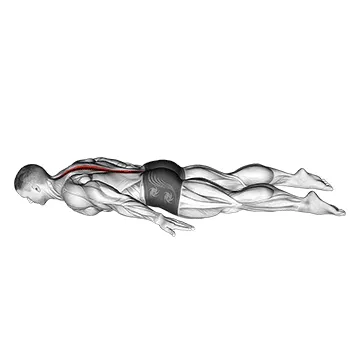
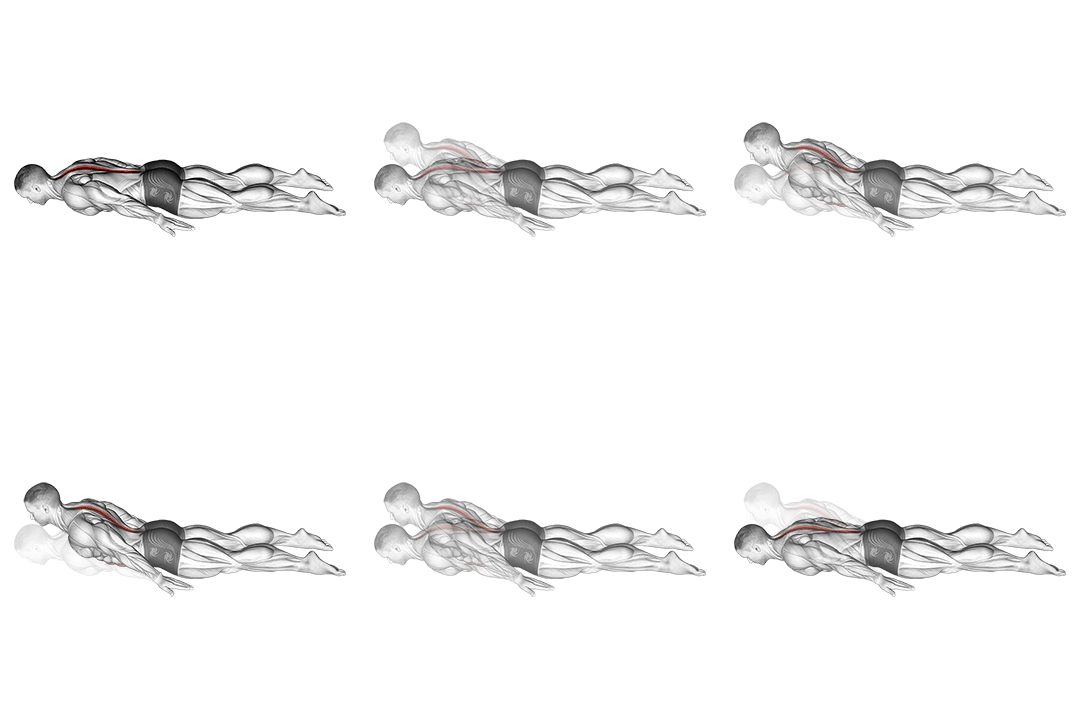
The best bodyweight option is the prone back extension (superman or floor back raise). Lie face down, slightly lift the chest and legs a few inches while squeezing glutes and keeping the neck neutral; this cues erector spinae activation without added compression.
Find Alternatives for Any Exercise
Search the exercise database and filter the ranked substitutes by the equipment you own.
Similarity scores compare exercise metadata such as movement pattern, muscles, equipment and body position. They are not a safety rating or a check that you own the equipment. Learn about our methodology