

10 Best Ski Ergometer Alternatives for Triceps Strength
The Ski Ergometer is done standing. Ranked closest by our scoring: Elbow Dips, the Reverse Dip and the Triceps Dip (Between Benches).
Updated Ranked by our 12-factor similarity model How it works
Original Exercise: Ski Ergometer
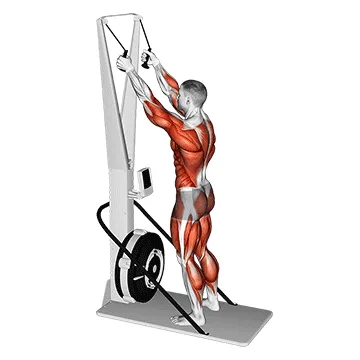
- Primary muscle
- Triceps
- Equipment
- Other
- Difficulty
- Intermediate
- Type
- Compound
Secondary muscles: Shoulders, Forearms
How to perform Ski Ergometer
- Adjust the seat height and footrests to a comfortable position.
- Grasp the handles with an overhand grip, palms facing down.
- Sit up straight with your feet flat on the footrests.
- Extend your arms straight out in front of you, keeping your elbows slightly bent.
- Engage your triceps and push the handles down towards your thighs.
- Pause for a moment at the bottom, then slowly return to the starting position.
- Repeat for the desired number of repetitions.
Ranked Ski Ergometer Alternatives
10 substitutes, ranked by how closely each one matches the Ski Ergometer on movement pattern, muscles worked, equipment and body position. The higher the score, the less you change. Open "How to perform this exercise" on a card for the steps; every card title links to that exercise's own alternatives page.
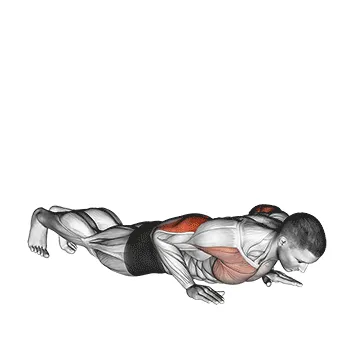
Best match 1. Elbow Dips
45% match- Triceps
- Bodyweight
- Intermediate
- Compound
It still works the triceps, through a different movement.
How to perform this exercise
- Sit on the edge of a bench or chair with your hands gripping the edge next to your hips.
- Slide your hips forward off the bench and straighten your legs, keeping your heels on the ground.
- Bend your elbows and lower your body towards the ground, keeping your back close to the bench.
- Pause for a moment at the bottom, then push through your hands to straighten your arms and lift your body back up to the starting position.
- Repeat for the desired number of repetitions.
Sets and reps: 3 or 4 sets of 6 to 10 reps.
Why this matches
- Primary muscle: triceps, the same as the Ski Ergometer
- Equipment: bodyweight only, not a cardio machine
- Body position: standing, the same as the Ski Ergometer
- Balance: harder to stay steady on than the Ski Ergometer
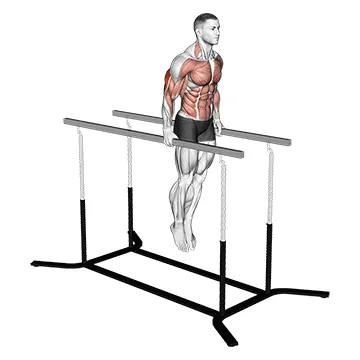
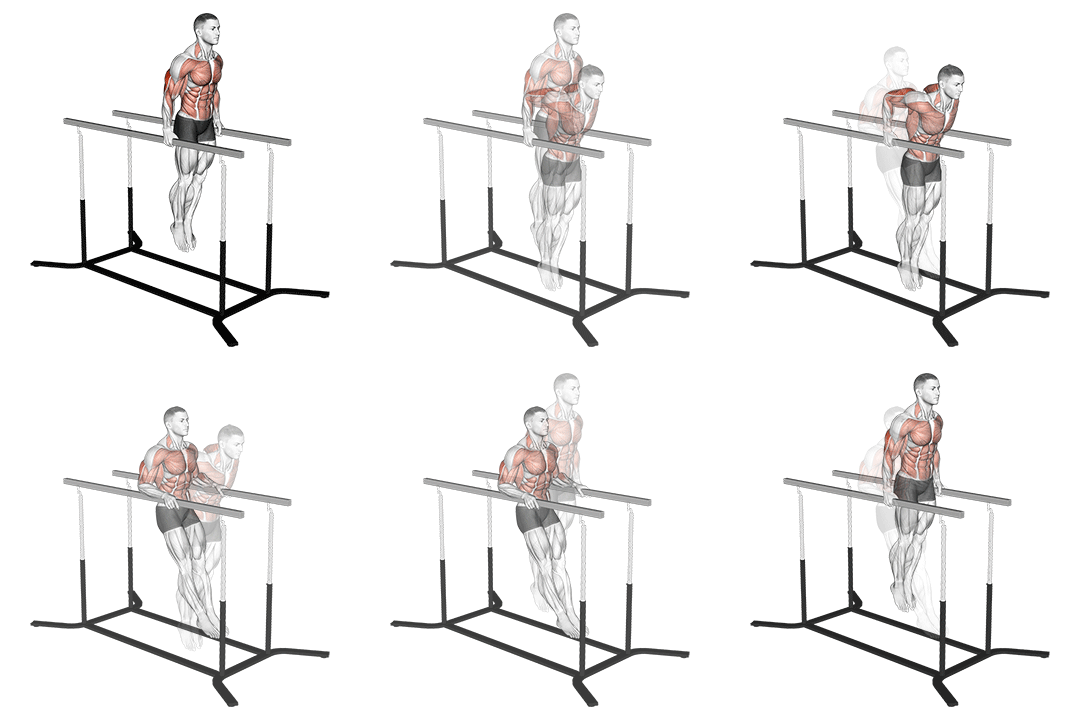
2. Reverse Dip
44% match- Triceps
- Bodyweight
- Intermediate
- Compound
How to perform this exercise
- Position yourself between two parallel bars with your arms fully extended and your body straight.
- Lower your body by bending your elbows until your upper arms are parallel to the ground.
- Pause for a moment, then push yourself back up to the starting position by straightening your arms.
- Repeat for the desired number of repetitions.
Sets and reps: 3 or 4 sets of 6 to 10 reps.
Why this matches
- Primary muscle: triceps, the same as the Ski Ergometer
- Equipment: bodyweight only, not a cardio machine
- Body position: standing, the same as the Ski Ergometer
- Balance: harder to stay steady on than the Ski Ergometer
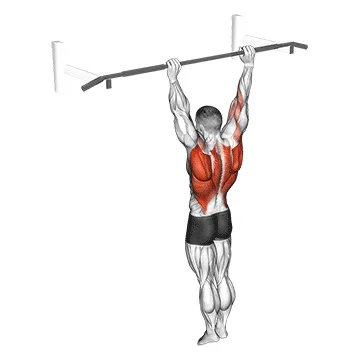
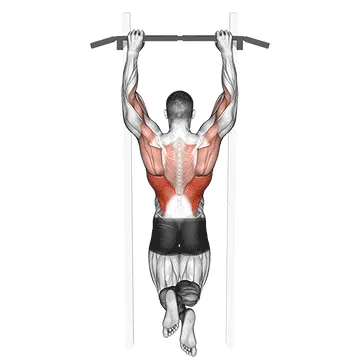
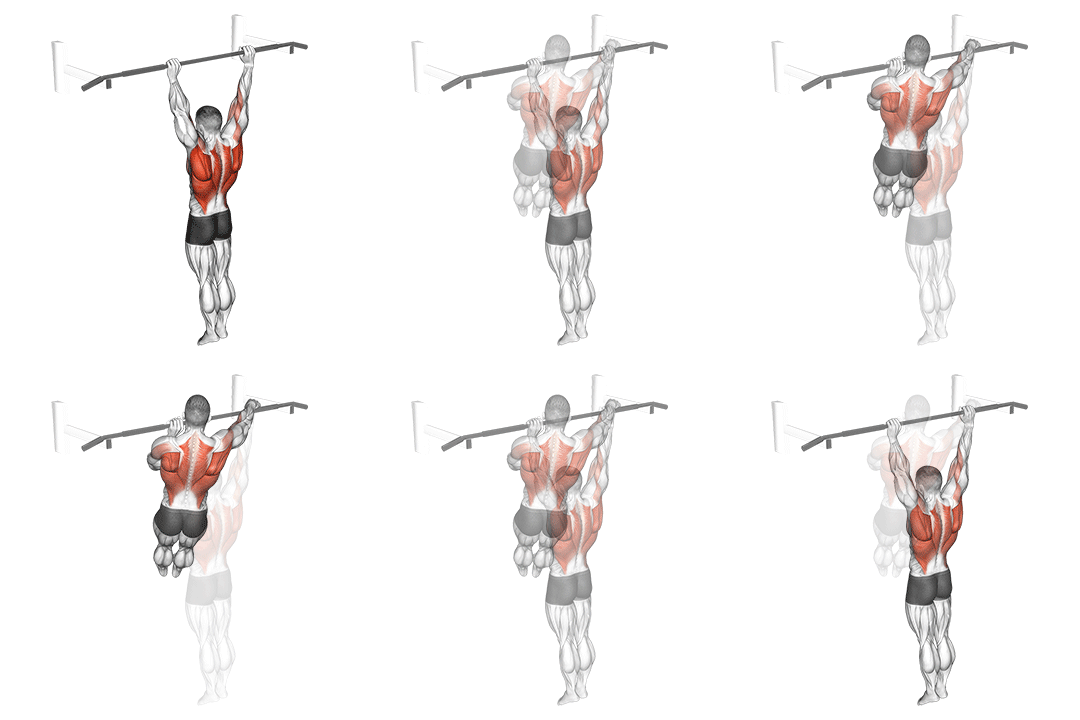
3. Archer Pull Up
41% match- Lats
- Bodyweight
- Advanced
- Compound
A looser match: it works the lats rather than the triceps.
How to perform this exercise
- Start by hanging from a pull-up bar with an overhand grip, slightly wider than shoulder-width apart.
- Engage your core and pull your shoulder blades down and back.
- As you pull yourself up, bend one arm and bring your elbow towards your side, while keeping the other arm straight.
- Continue pulling until your chin is above the bar and your bent arm is fully flexed.
- Lower yourself back down with control, straightening the bent arm and repeating the movement on the other side.
- Alternate sides with each repetition.
Sets and reps: 3 or 4 sets of 6 to 10 reps on each side.
Why this matches
- Primary muscle: lats, not triceps
- Equipment: bodyweight only, not a cardio machine
- Body position: hanging, not standing
- Balance: harder to stay steady on than the Ski Ergometer
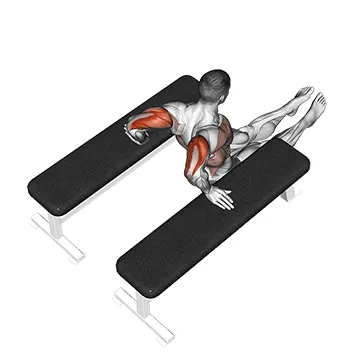
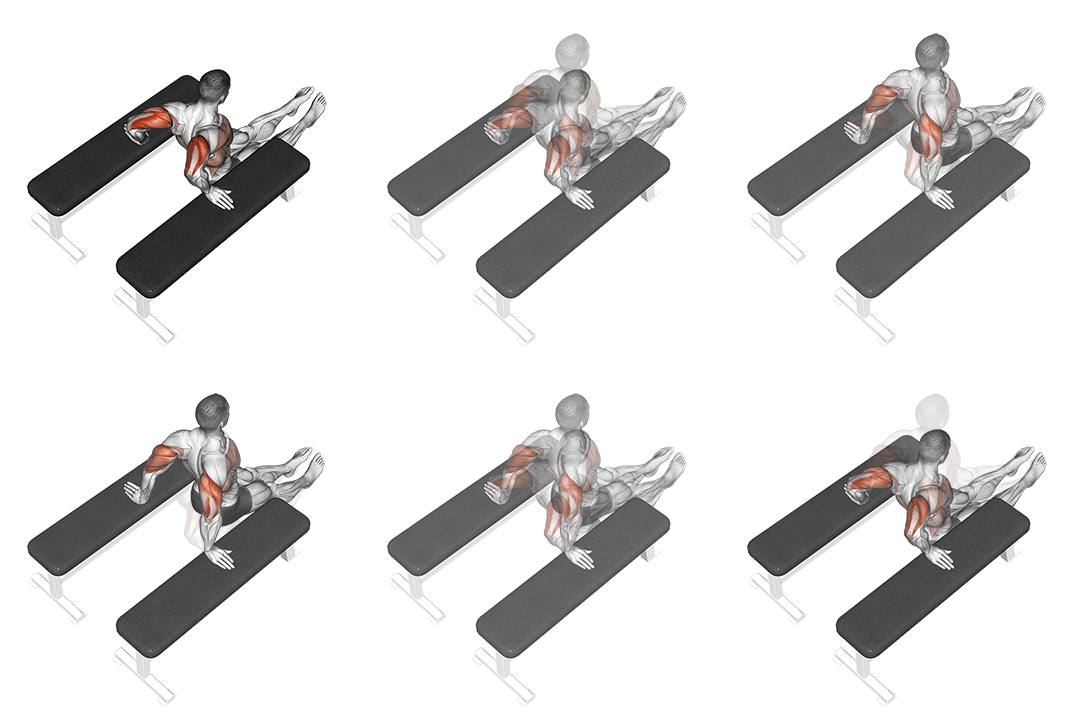
4. Triceps Dip (Between Benches)
41% match- Triceps
- Bodyweight
- Intermediate
- Compound
How to perform this exercise
- Sit on a bench with your hands gripping the edge of the bench, fingers pointing forward.
- Slide your butt off the bench, supporting your weight with your hands.
- Bend your elbows and lower your body towards the ground, keeping your back close to the bench.
- Pause for a moment at the bottom, then push yourself back up to the starting position.
- Repeat for the desired number of repetitions.
Sets and reps: 3 or 4 sets of 6 to 10 reps.
Why this matches
- Primary muscle: triceps, the same as the Ski Ergometer
- Equipment: bodyweight only, not a cardio machine
- Body position: standing, the same as the Ski Ergometer
- Balance: harder to stay steady on than the Ski Ergometer
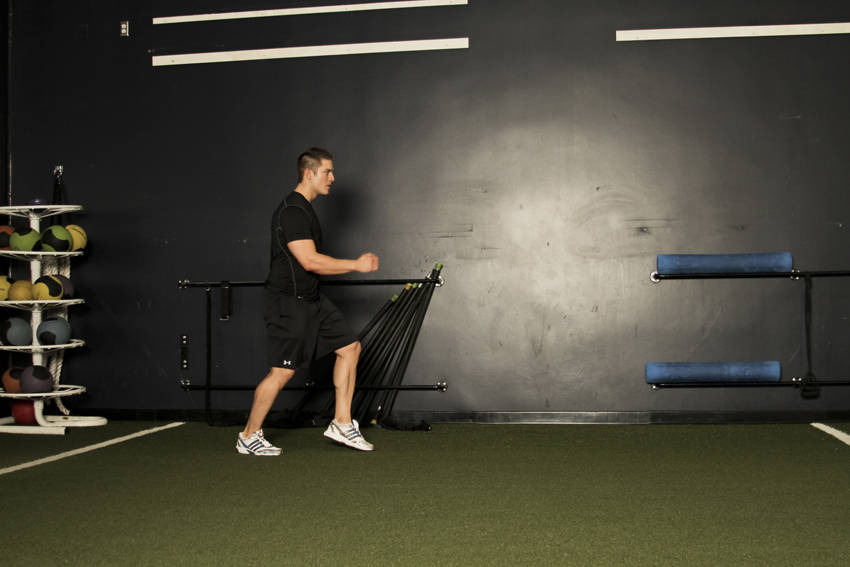
5. Fast Skipping
40% match- Quads
- Bodyweight
- Intermediate
- Compound
A looser match: it works the quads rather than the triceps.
How to perform this exercise
- Start in a relaxed position with one leg slightly forward. This will be your starting position.
- Skip by executing a step-hop pattern of right-right-step to left-left-step, and so on, alternating back and forth.
- Perform fast skips by maintaining close contact with the ground and reduce air time, moving as quickly as possible.
Sets and reps: Work for 30 to 60 seconds, rest as long as you worked, and repeat 6 to 10 times.
Why this matches
- Primary muscle: quads, not triceps
- Equipment: bodyweight only, not a cardio machine
- Body position: standing, the same as the Ski Ergometer
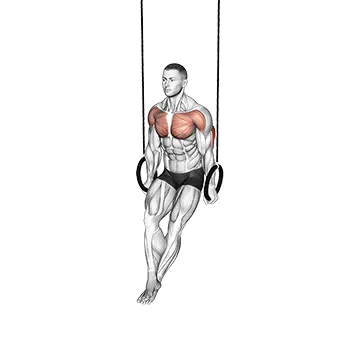
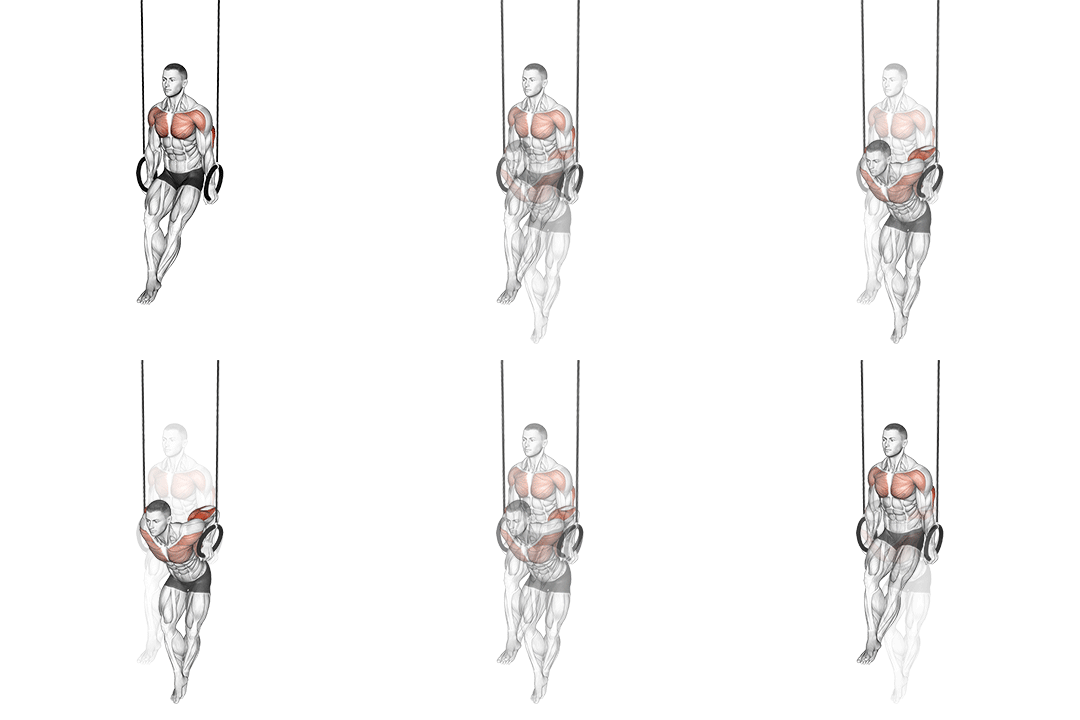
6. Ring Dips
40% match- Triceps
- Bodyweight
- Advanced
- Compound
How to perform this exercise
- Start by hanging from the rings with your arms fully extended and your body straight.
- Lower your body by bending your elbows until your shoulders are below your elbows.
- Push yourself back up to the starting position by straightening your arms.
- Repeat for the desired number of repetitions.
Sets and reps: 3 to 5 sets of 5 to 8 reps.
Why this matches
- Primary muscle: triceps, the same as the Ski Ergometer
- Equipment: a suspension trainer, not a cardio machine
- Body position: standing, the same as the Ski Ergometer
- Balance: harder to stay steady on than the Ski Ergometer
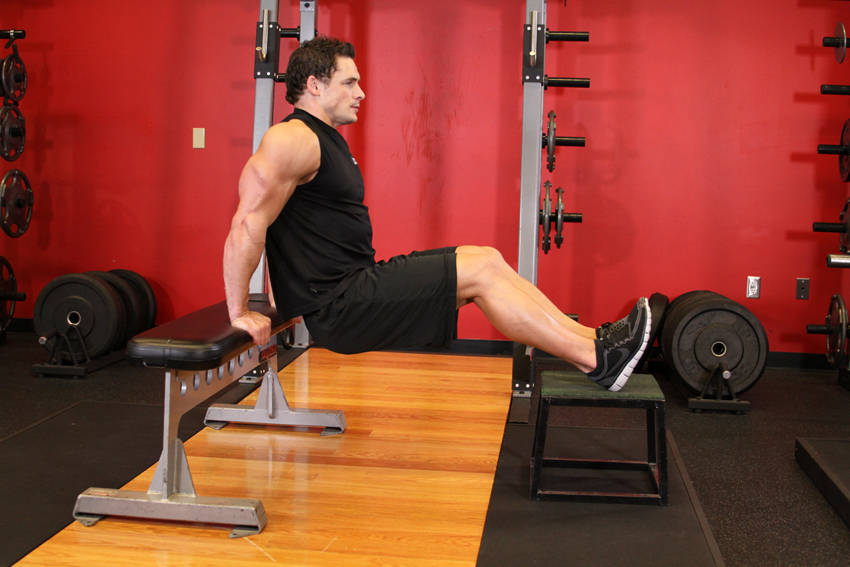
7. Bench Dips
40% match- Triceps
- Bodyweight
- Intermediate
- Compound
How to perform this exercise
- For this exercise you will need to place a bench behind your back. With the bench perpendicular to your body, and while looking away from it, hold on to the bench on its edge with the hands fully extended, separated at shoulder width. The legs will be extended forward, bent at the waist and perpendicular to your torso. This will be your starting position.
- Slowly lower your body as you inhale by bending at the elbows until you lower yourself far enough to where there is an angle slightly smaller than 90 degrees between the upper arm and the forearm. Tip: Keep the elbows as close as possible throughout the movement. Forearms should always be pointing down.
- Using your triceps to bring your torso up again, lift yourself back to the starting position.
- Repeat for the recommended amount of repetitions.
Sets and reps: 3 or 4 sets of 6 to 10 reps.
Why this matches
- Primary muscle: triceps, the same as the Ski Ergometer
- Equipment: bodyweight only, not a cardio machine
- Body position: seated, not standing
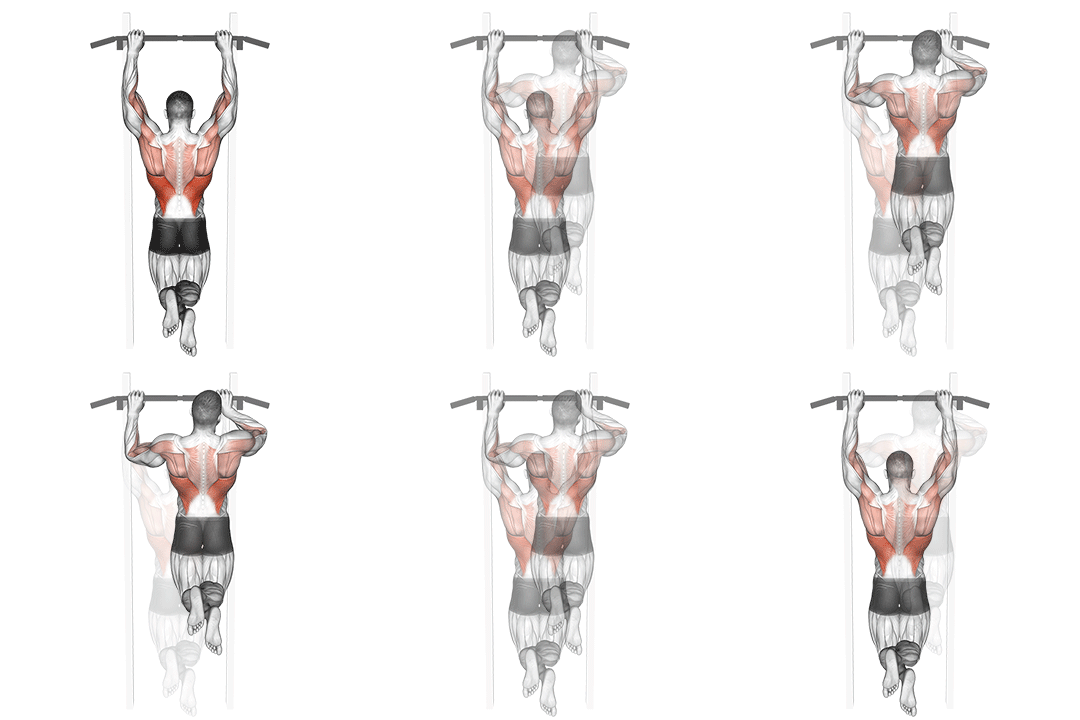
8. Side-to-side Chin
39% match- Lats
- Bodyweight
- Advanced
- Compound
How to perform this exercise
- Stand with your feet shoulder-width apart and your knees slightly bent.
- Grasp a pull-up bar with an overhand grip, hands slightly wider than shoulder-width apart.
- Hang from the bar with your arms fully extended and your body relaxed.
- Pull yourself up by bending your elbows and bringing your chin towards the bar, while keeping your body straight.
- Once your chin is above the bar, lower yourself back down to the starting position.
- Repeat for the desired number of repetitions.
Sets and reps: 3 or 4 sets of 6 to 10 reps on each side.
Why this matches
- Primary muscle: lats, not triceps
- Equipment: bodyweight only, not a cardio machine
- Body position: hanging, not standing
- Balance: harder to stay steady on than the Ski Ergometer
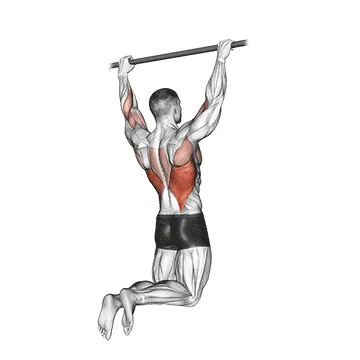
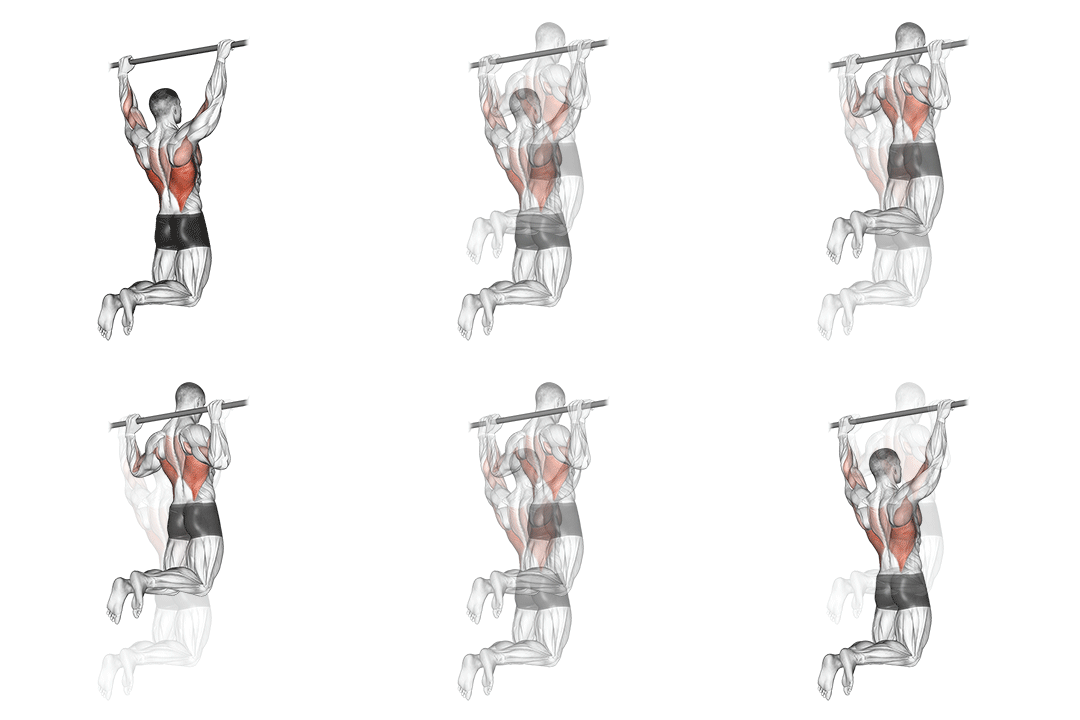
9. Rear Pull-up
39% match- Lats
- Bodyweight
- Intermediate
- Compound
How to perform this exercise
- Grab the pull-up bar with an overhand grip, slightly wider than shoulder-width apart.
- Hang from the bar with your arms fully extended and your body straight.
- Engage your back muscles and pull your body up towards the bar, keeping your elbows close to your body.
- Continue pulling until your chin is above the bar.
- Pause for a moment at the top, then slowly lower your body back down to the starting position.
- Repeat for the desired number of repetitions.
Sets and reps: 3 or 4 sets of 6 to 10 reps.
Why this matches
- Primary muscle: lats, not triceps
- Equipment: bodyweight only, not a cardio machine
- Body position: hanging, not standing
- Balance: harder to stay steady on than the Ski Ergometer
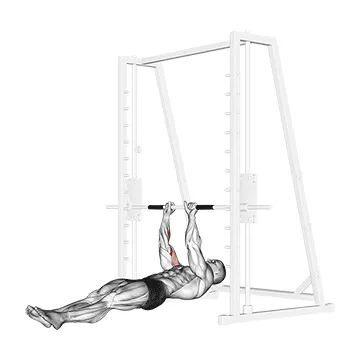
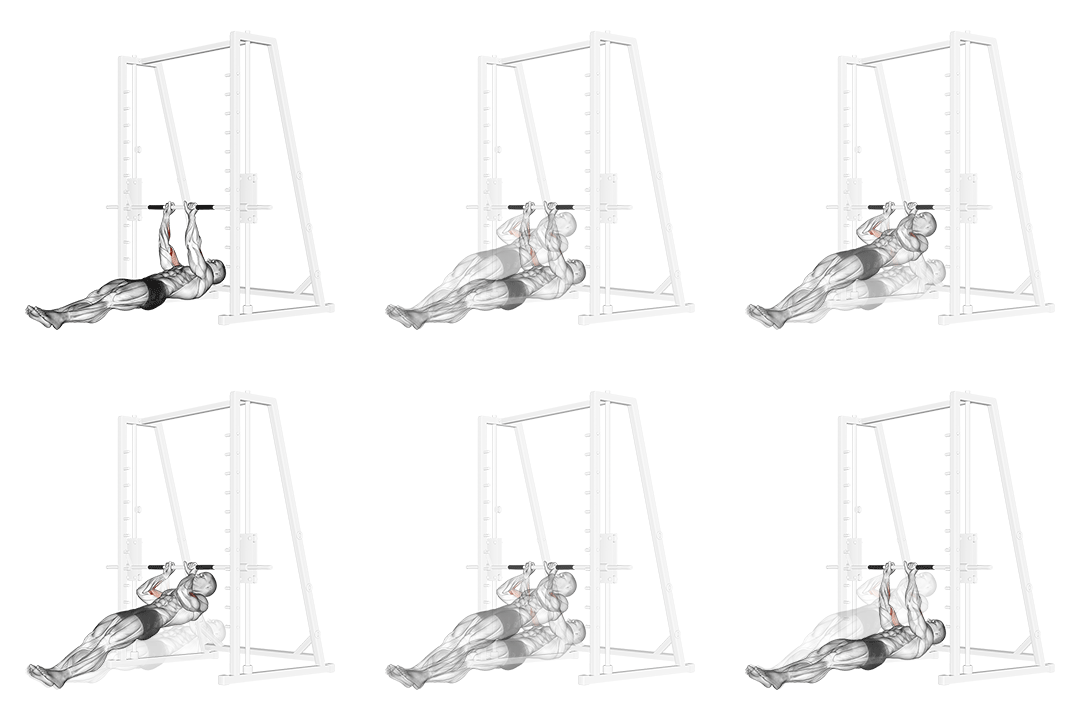
10. Biceps Narrow Pull-ups
39% match- Biceps
- Bodyweight
- Advanced
- Compound
How to perform this exercise
- Hang from a pull-up bar with your palms facing towards you and your hands shoulder-width apart.
- Engage your core and pull yourself up towards the bar, focusing on using your biceps to lift your body.
- Pause for a moment at the top, then slowly lower yourself back down to the starting position.
- Repeat for the desired number of repetitions.
Sets and reps: 3 or 4 sets of 6 to 10 reps.
Why this matches
- Primary muscle: biceps, not triceps
- Equipment: bodyweight only, not a cardio machine
- Body position: hanging, not standing
- Balance: harder to stay steady on than the Ski Ergometer

Ski Ergometer FAQ
What muscles does Ski Ergometer work?
The Ski Ergometer primarily loads the triceps through repeated elbow extension while also engaging the lats, posterior deltoids, and core for stabilization. Biomechanically it combines shoulder extension and elbow extension, so you get compound upper-arm and back recruitment.
What is the best bodyweight alternative to Ski Ergometer?
Dips are the top bodyweight substitute because they replicate vertical pushing torque and demand strong elbow extension. Cue a slight forward lean, tuck the elbows, and fully extend the elbows to emphasize triceps activation and scapular control.
Can I build muscle without doing Ski Ergometer?
Yes. You can build triceps and upper-arm muscle using presses, dips, pushdowns, and extensions that provide enough volume and progressive overload. Focus on full range of motion, controlled eccentrics, and increasing load or reps to drive hypertrophy.
Find Alternatives for Any Exercise
Search the exercise database and filter the ranked substitutes by the equipment you own.
Similarity scores compare exercise metadata such as movement pattern, muscles, equipment and body position. They are not a safety rating or a check that you own the equipment. Learn about our methodology