

10 Best Smith Incline Shoulder Raise Alternatives for Limited Equipment
The Smith Incline Shoulder Raise is done lying face down with a barbell. Ranked closest by our scoring: Handstand Push-ups.
Updated Ranked by our 12-factor similarity model How it works
Original Exercise: Smith Incline Shoulder Raise
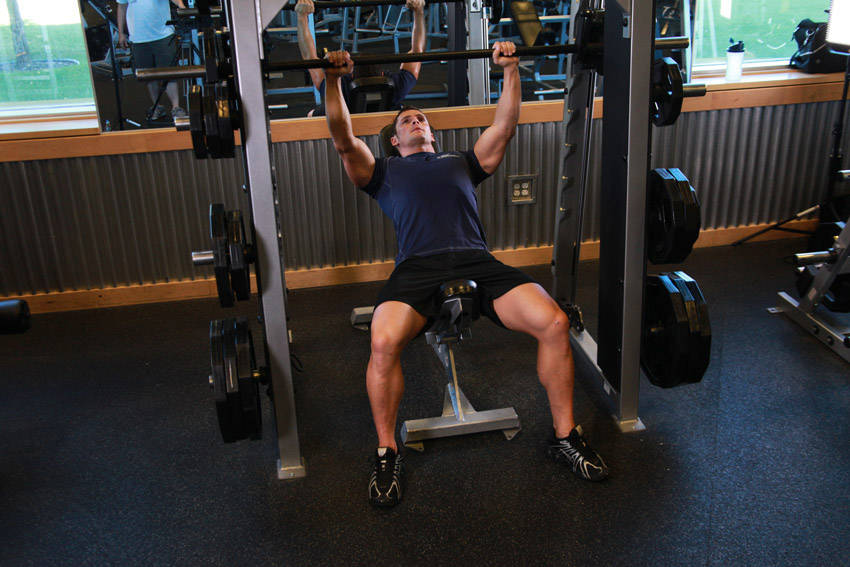
- Primary muscle
- Delts
- Equipment
- Barbell
- Difficulty
- Intermediate
- Type
- Isolation
Secondary muscles: Chest
How to perform Smith Incline Shoulder Raise
- Place an incline bench underneath the smith machine. Place the barbell at a height that you can reach when lying down and your arms are almost fully extended. Once the weight you need is selected, lie down on the incline bench and make sure your shoulders are aligned right under the barbell.
- Using a shoulder width pronated (palms forward) grip, lift the bar from the rack and hold it straight over you with a slight bend at the elbows. This will be your starting position.
- As you breathe out, lift the bar up until your arms are fully extended. Note: The contraction should be felt around the shoulders.
- After a second pause, bring the bar back down to the starting position as you breathe in.
- Repeat the movement for the prescribed amount of repetitions.
- When you are done, place the bar back in the rack.
Ranked Smith Incline Shoulder Raise Alternatives
10 substitutes, ranked by how closely each one matches the Smith Incline Shoulder Raise on movement pattern, muscles worked, equipment and body position. The higher the score, the less you change. Open "How to perform this exercise" on a card for the steps; every card title links to that exercise's own alternatives page.
Best match 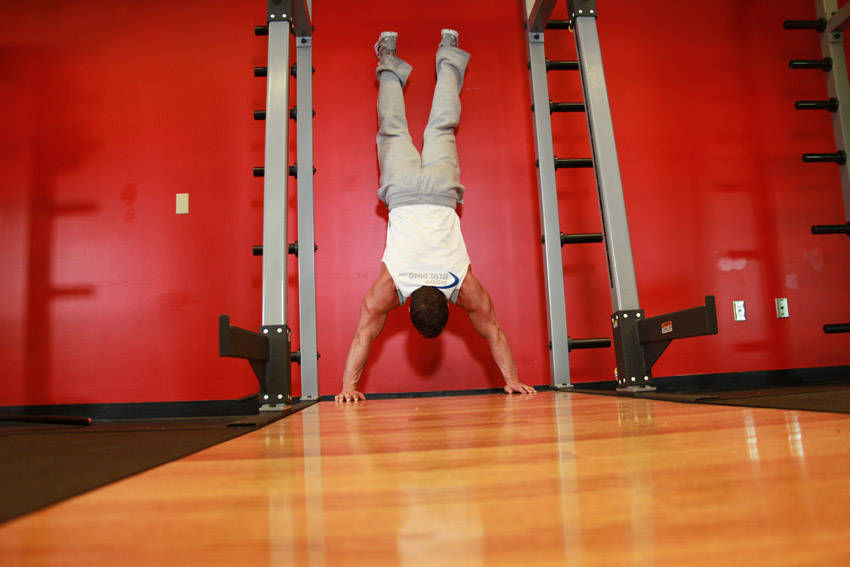
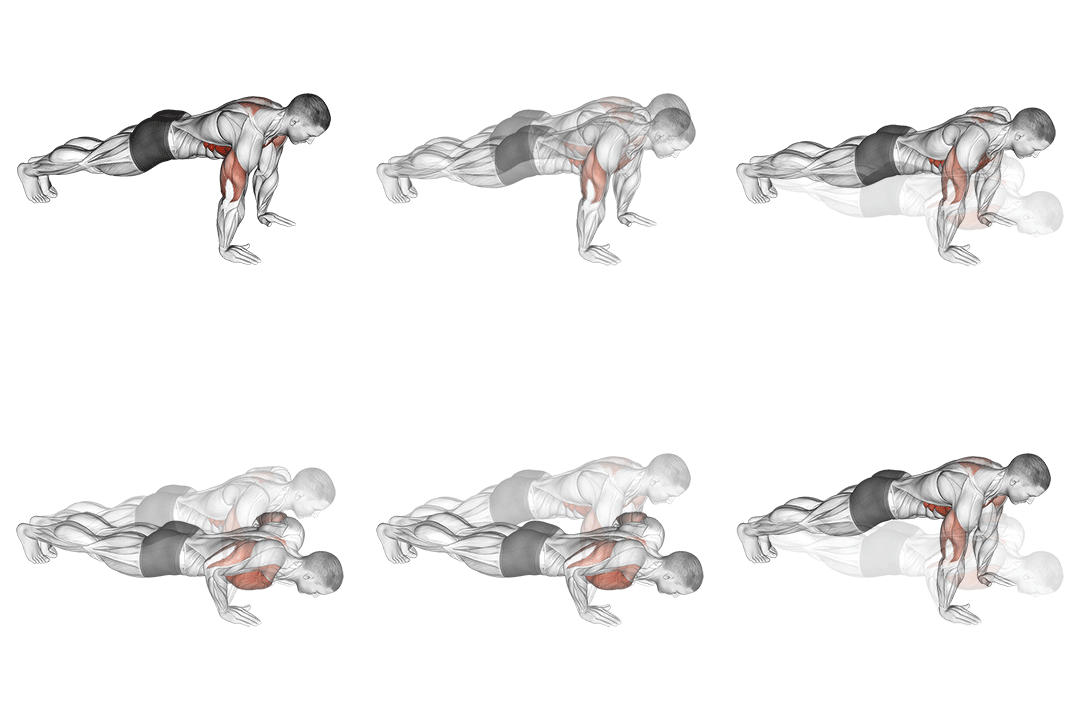
1. Handstand Push-ups
50% match- Delts
- Bodyweight
- Advanced
- Compound
Use this when you have nothing to train with, because it works the delts with bodyweight alone.
How to perform this exercise
- With your back to the wall bend at the waist and place both hands on the floor at shoulder width.
- Kick yourself up against the wall with your arms straight. Your body should be upside down with the arms and legs fully extended. Keep your whole body as straight as possible. Tip: If doing this for the first time, have a spotter help you. Also, make sure that you keep facing the wall with your head, rather than looking down.
- Slowly lower yourself to the ground as you inhale until your head almost touches the floor. Tip: It is of utmost importance that you come down slow in order to avoid head injury.
- Push yourself back up slowly as you exhale until your elbows are nearly locked.
- Repeat for the recommended amount of repetitions.
Sets and reps: 3 or 4 sets of 6 to 10 reps.
Why this matches
- Primary muscle: delts, the same as the Smith Incline Shoulder Raise
- Equipment: bodyweight only, not free weights
- Body position: inverted, not lying face down
- Balance: harder to stay steady on than the Smith Incline Shoulder Raise
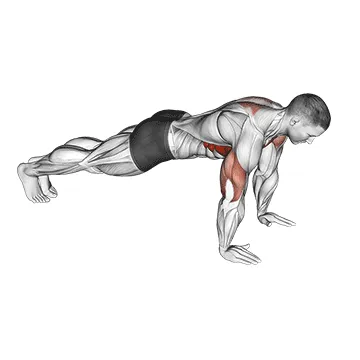
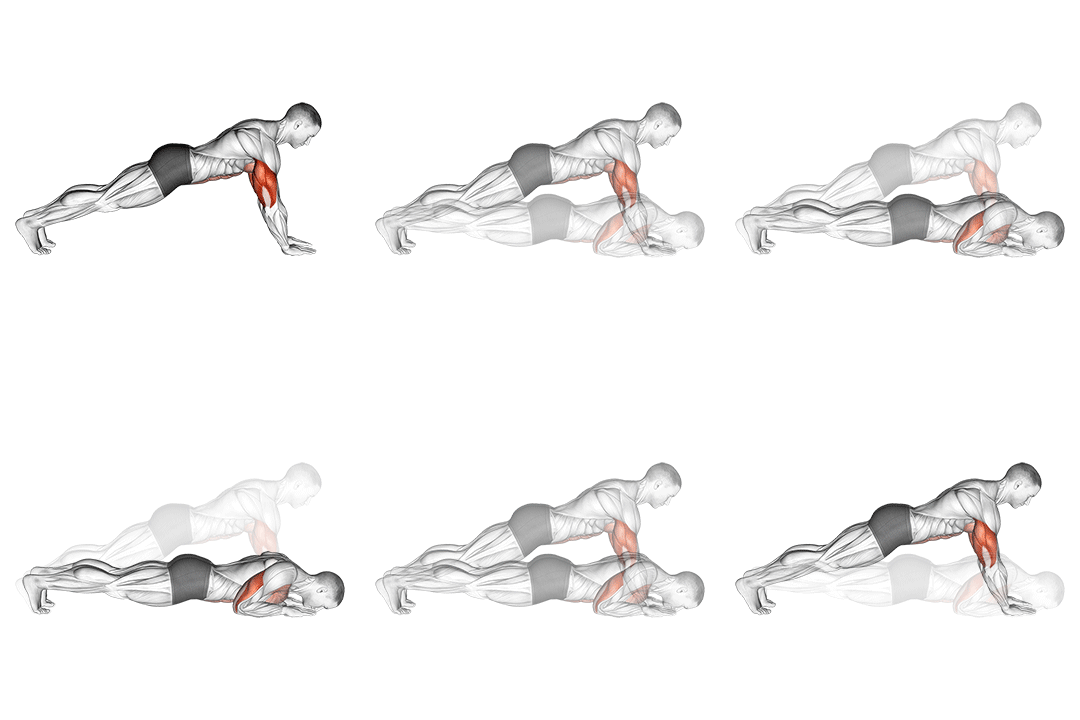
2. Body-up
50% match- Triceps
- Bodyweight
- Intermediate
- Compound
A looser match: it works the triceps rather than the delts.
How to perform this exercise
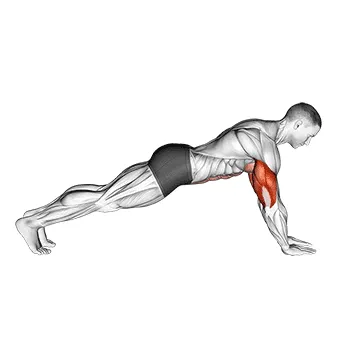
- Start by placing your hands on a raised surface, such as a bench or parallel bars, with your palms facing down and fingers pointing forward.
- Extend your legs out in front of you, keeping your heels on the ground and your body straight.
- Lower your body by bending your elbows, keeping them close to your sides, until your upper arms are parallel to the ground.
- Pause for a moment, then push through your palms to straighten your arms and lift your body back up to the starting position.
- Repeat for the desired number of repetitions.
Sets and reps: 3 or 4 sets of 6 to 10 reps.
Why this matches
- Primary muscle: triceps, not delts
- Equipment: bodyweight only, not free weights
- Body position: lying face down, the same as the Smith Incline Shoulder Raise
3. Push-up
50% match- Pectorals
- Bodyweight
- Intermediate
- Compound
A looser match: it works the pectorals rather than the delts.
How to perform this exercise
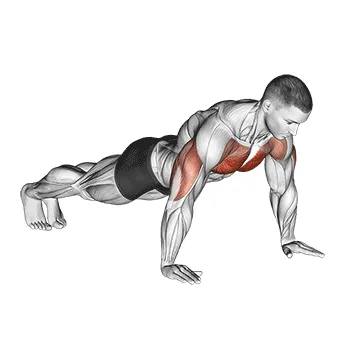
- Start in a high plank position with your hands slightly wider than shoulder-width apart and your feet together.
- Engage your core and lower your body towards the ground by bending your elbows, keeping your body in a straight line.
- Pause for a moment when your chest is just above the ground, then push yourself back up to the starting position by straightening your arms.
- Repeat for the desired number of repetitions.
Sets and reps: 3 or 4 sets of 6 to 10 reps.
Why this matches
- Primary muscle: pectorals, not delts
- Equipment: bodyweight only, not free weights
- Body position: lying face down, the same as the Smith Incline Shoulder Raise
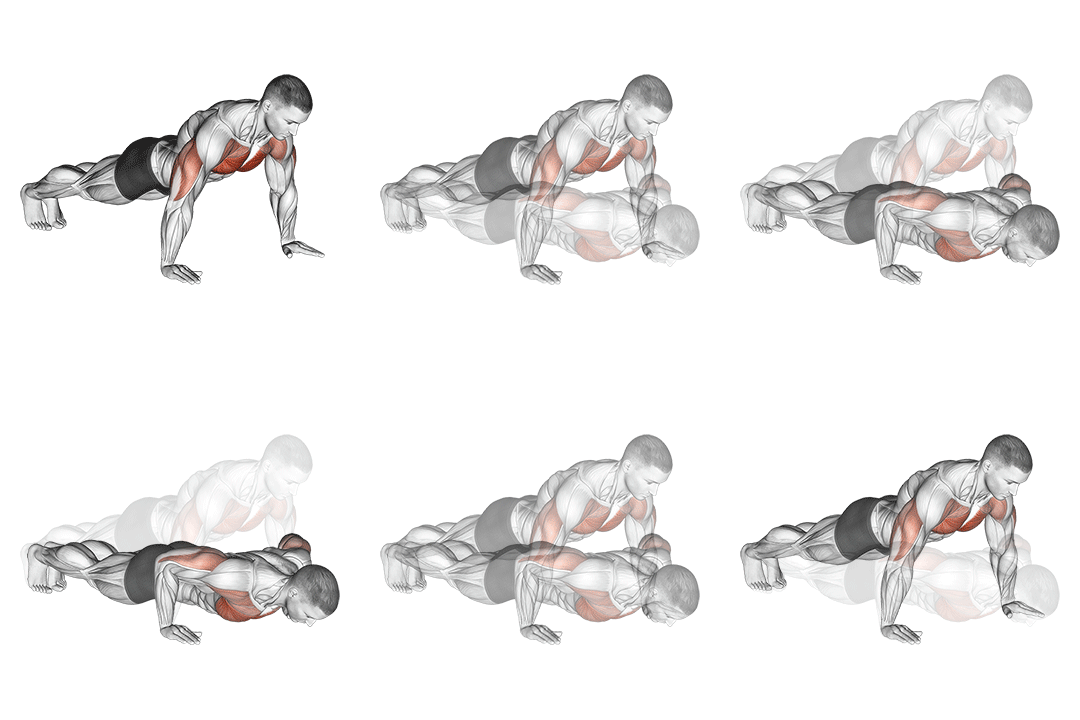
4. Pushups
49% match- Pectorals
- Bodyweight
- Beginner
- Compound
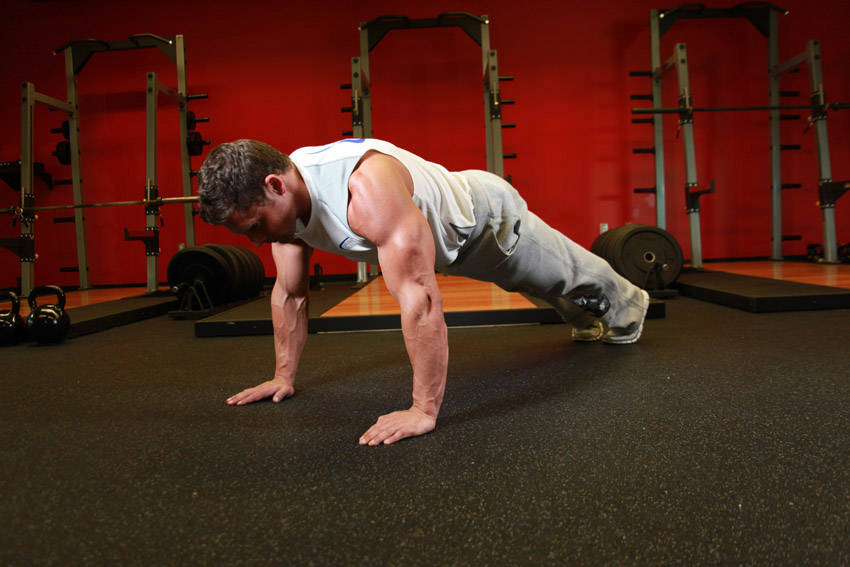
How to perform this exercise
- Lie on the floor face down and place your hands about 36 inches apart while holding your torso up at arms length.
- Next, lower yourself downward until your chest almost touches the floor as you inhale.
- Now breathe out and press your upper body back up to the starting position while squeezing your chest.
- After a brief pause at the top contracted position, you can begin to lower yourself downward again for as many repetitions as needed.
Sets and reps: 3 sets of 8 to 12 reps, and add reps before you add load.
Why this matches
- Primary muscle: pectorals, not delts
- Equipment: bodyweight only, not free weights
- Body position: lying face down, the same as the Smith Incline Shoulder Raise
5. Push-up On Lower Arms
49% match- Pectorals
- Bodyweight
- Beginner
- Compound
How to perform this exercise
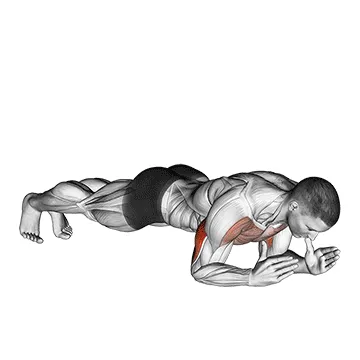
- Start in a plank position with your forearms on the ground and elbows directly below your shoulders.
- Engage your core and keep your body in a straight line from head to toe.
- Lower your chest towards the ground by bending your elbows, keeping them close to your body.
- Pause for a moment at the bottom, then push yourself back up to the starting position.
- Repeat for the desired number of repetitions.
Sets and reps: 3 sets of 8 to 12 reps, and add reps before you add load.
Why this matches
- Primary muscle: pectorals, not delts
- Equipment: bodyweight only, not free weights
- Body position: lying face down, the same as the Smith Incline Shoulder Raise
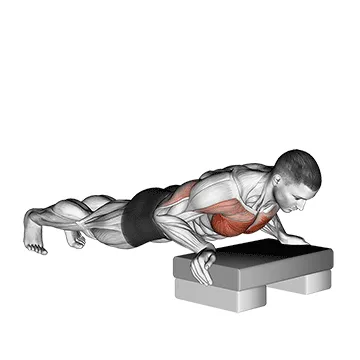
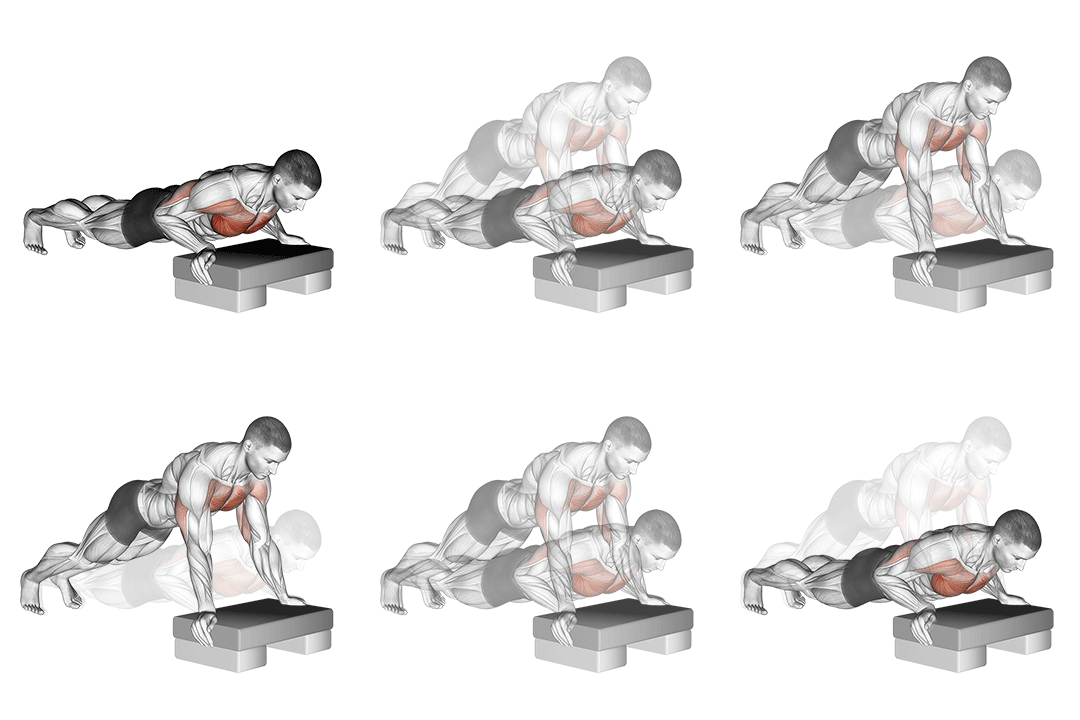
6. Incline Push-up
49% match- Pectorals
- Bodyweight
- Beginner
- Compound
How to perform this exercise
- Place your hands on an elevated surface, such as a bench or step, slightly wider than shoulder-width apart.
- Extend your legs behind you, resting on the balls of your feet, creating a straight line from your head to your heels.
- Lower your chest towards the elevated surface by bending your elbows, keeping your body in a straight line.
- Pause for a moment at the bottom, then push yourself back up to the starting position by straightening your arms.
- Repeat for the desired number of repetitions.
Sets and reps: 3 sets of 8 to 12 reps, and add reps before you add load.
Why this matches
- Primary muscle: pectorals, not delts
- Equipment: bodyweight only, not free weights
- Body position: lying face down, the same as the Smith Incline Shoulder Raise
7. Incline Push-up Medium
49% match- Pectorals
- Bodyweight
- Beginner
- Compound
How to perform this exercise
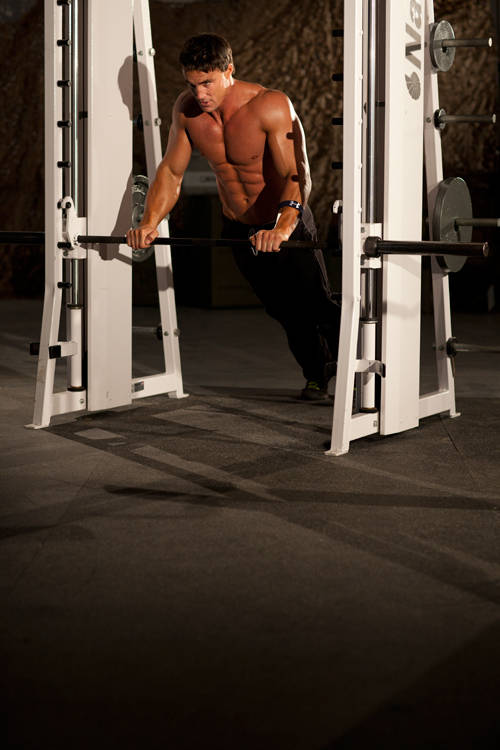
- Stand facing a Smith machine bar or sturdy elevated platform at an appropriate height.
- Place your hands on the bar, with your hands about shoulder width apart.
- Position your feet back from the bar with arms and body straight. This will be your starting position.
- Keeping your body straight, lower your chest to the bar by bending the arms.
- Return to the starting position by extending the elbows, pressing yourself back up.
Sets and reps: 3 sets of 8 to 12 reps, and add reps before you add load.
Why this matches
- Primary muscle: pectorals, not delts
- Equipment: bodyweight only, not free weights
- Body position: lying face down, the same as the Smith Incline Shoulder Raise
8. Push-ups With Feet Elevated
49% match- Pectorals
- Bodyweight
- Intermediate
- Compound
How to perform this exercise
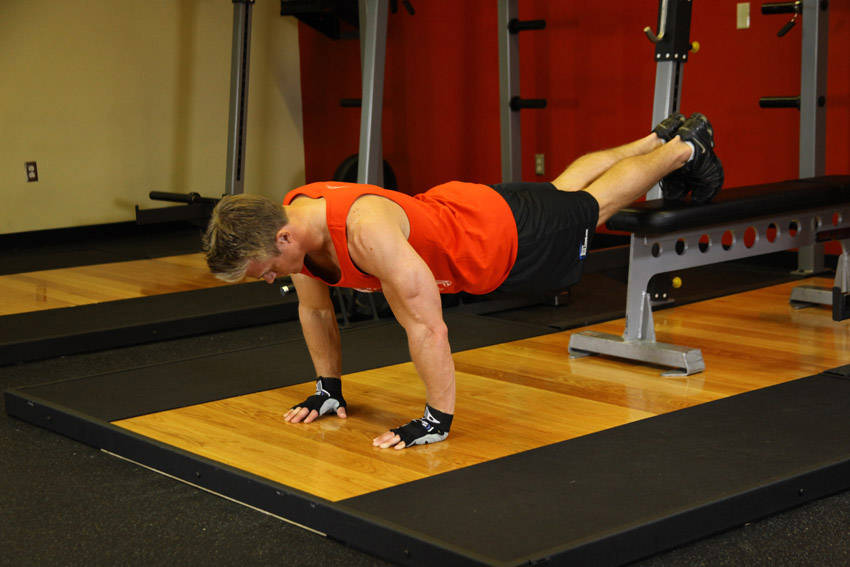
- Lie on the floor face down and place your hands about 36 inches apart from each other holding your torso up at arms length.
- Place your toes on top of a flat bench. This will allow your body to be elevated. Note: The higher the elevation of the flat bench, the higher the resistance of the exercise is.
- Lower yourself until your chest almost touches the floor as you inhale.
- Using your pectoral muscles, press your upper body back up to the starting position and squeeze your chest. Breathe out as you perform this step.
- After a second pause at the contracted position, repeat the movement for the prescribed amount of repetitions.
Sets and reps: 3 or 4 sets of 6 to 10 reps.
Why this matches
- Primary muscle: pectorals, not delts
- Equipment: bodyweight only, not free weights
- Body position: lying face down, the same as the Smith Incline Shoulder Raise
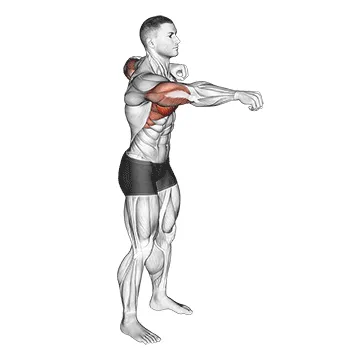
9. Push-up Plus
48% match- Pectorals
- Bodyweight
- Intermediate
- Compound
How to perform this exercise
- Start in a high plank position with your hands slightly wider than shoulder-width apart and your body in a straight line from head to heels.
- Lower your body towards the ground by bending your elbows, keeping them close to your sides.
- Once your chest is just above the ground, push through your hands to extend your arms and lift your upper body up.
- At the top of the movement, protract your shoulder blades by pushing your upper back towards the ceiling.
- Pause for a moment, then reverse the movement by retracting your shoulder blades and lowering your body back down to the starting position.
- Repeat for the desired number of repetitions.
Sets and reps: 3 or 4 sets of 6 to 10 reps.
Why this matches
- Primary muscle: pectorals, not delts
- Equipment: bodyweight only, not free weights
- Body position: lying face down, the same as the Smith Incline Shoulder Raise
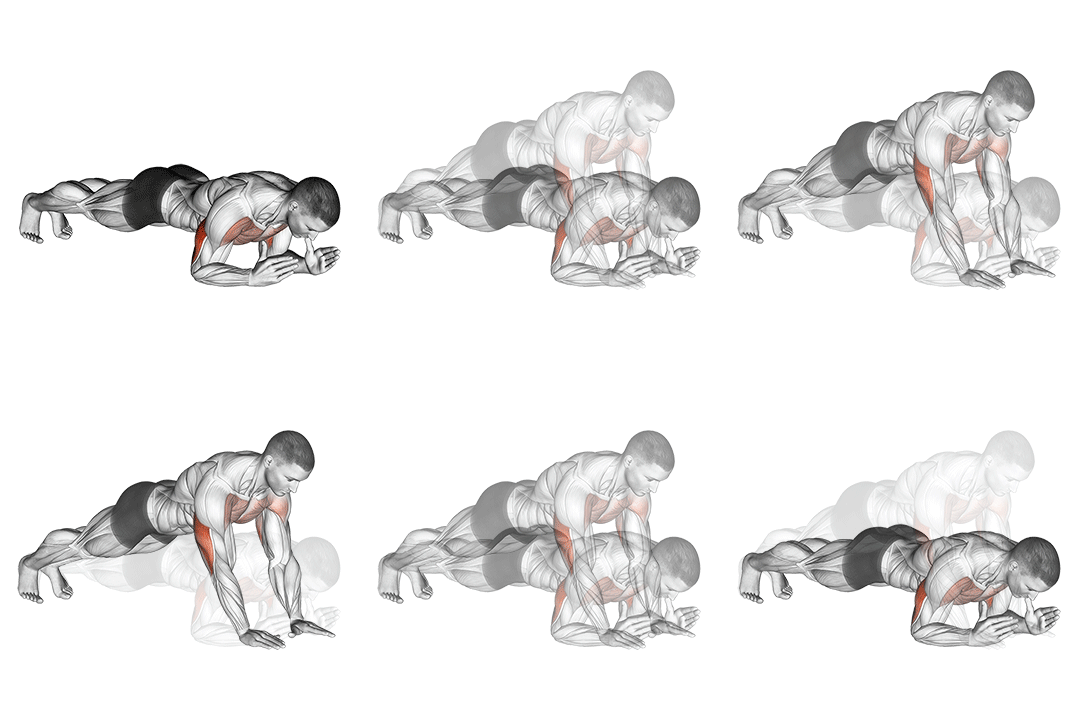
10. Push And Pull Bodyweight
48% match- Pectorals
- Bodyweight
- Intermediate
- Compound
How to perform this exercise
- Start in a push-up position with your hands slightly wider than shoulder-width apart and your body in a straight line.
- Lower your chest towards the ground by bending your elbows, keeping your body straight.
- Push through your palms to extend your arms and return to the starting position.
- From the push-up position, pull your chest towards the ground by bending your elbows, keeping your body straight.
- Push through your palms to extend your arms and return to the starting position.
- Repeat for the desired number of repetitions.
Sets and reps: 3 or 4 sets of 6 to 10 reps.
Why this matches
- Primary muscle: pectorals, not delts
- Equipment: bodyweight only, not free weights
- Body position: lying face down, the same as the Smith Incline Shoulder Raise
Why You Might Need a Smith Incline Shoulder Raise Alternative
You may substitute the Smith Incline Shoulder Raise because of equipment limits, shoulder impingement, grip discomfort on the barbell, or the need for unilateral correction. Alternatives let you change loading patterns and line of pull to emphasize the lateral deltoid while protecting the glenohumeral joint. For example, cables keep constant tension through abduction, increasing continuous lateral deltoid activation, whereas dumbbells allow slight scapular motion that can reduce bursal compression. Use a shallow bench angle and avoid full shoulder elevation past 90 degrees to minimize impingement; cue scapular retraction and a soft elbow to target the middle head effectively.
Smith Incline Shoulder Raise FAQ
What muscles does Smith Incline Shoulder Raise work?
The exercise primarily targets the lateral deltoid, with secondary activation of the anterior deltoid and upper trapezius. Proper technique, slight elbow bend and lifting in the scapular plane, maximizes lateral deltoid fiber recruitment while minimizing rotator cuff strain.
Find Alternatives for Any Exercise
Search the exercise database and filter the ranked substitutes by the equipment you own.
Similarity scores compare exercise metadata such as movement pattern, muscles, equipment and body position. They are not a safety rating or a check that you own the equipment. Learn about our methodology