

10 Best Incline Push-up Alternatives for Home Workouts
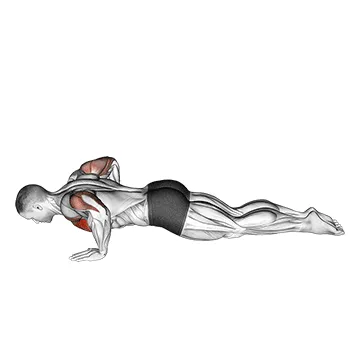
The Incline Push-up is done lying face down. Ranked closest by our scoring: the Incline Push-up Medium, the Incline Push-up Wide and the Incline Push-up (On Box). Four harder versions, among them the Incline Reverse Grip Push-up and the Incline Push-up Reverse Grip, are listed below as progressions rather than swaps.
Updated Ranked by our 12-factor similarity model How it works
Original Exercise: Incline Push-up
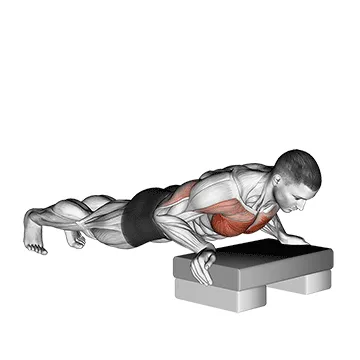
- Primary muscle
- Pectorals
- Equipment
- Bodyweight
- Difficulty
- Beginner
- Type
- Compound
Secondary muscles: Triceps, Shoulders
How to perform Incline Push-up
- Place your hands on an elevated surface, such as a bench or step, slightly wider than shoulder-width apart.
- Extend your legs behind you, resting on the balls of your feet, creating a straight line from your head to your heels.
- Lower your chest towards the elevated surface by bending your elbows, keeping your body in a straight line.
- Pause for a moment at the bottom, then push yourself back up to the starting position by straightening your arms.
- Repeat for the desired number of repetitions.
Ranked Incline Push-up Alternatives
10 substitutes, ranked by how closely each one matches the Incline Push-up on movement pattern, muscles worked, equipment and body position. The higher the score, the less you change. Open "How to perform this exercise" on a card for the steps; every card title links to that exercise's own alternatives page. Harder versions are tagged as progressions and kept out of the top spot even when they score higher.
Best match 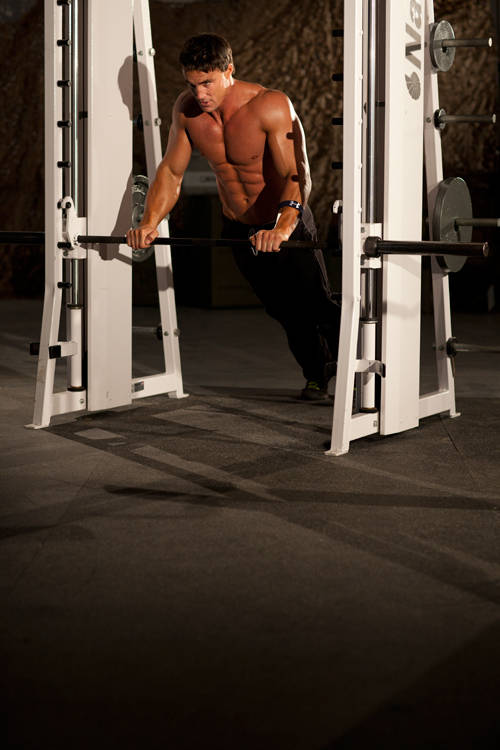
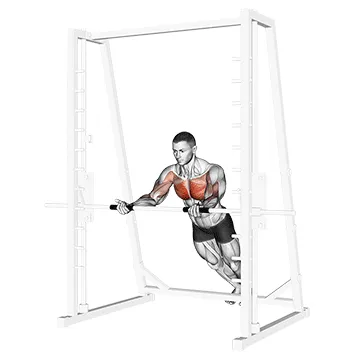
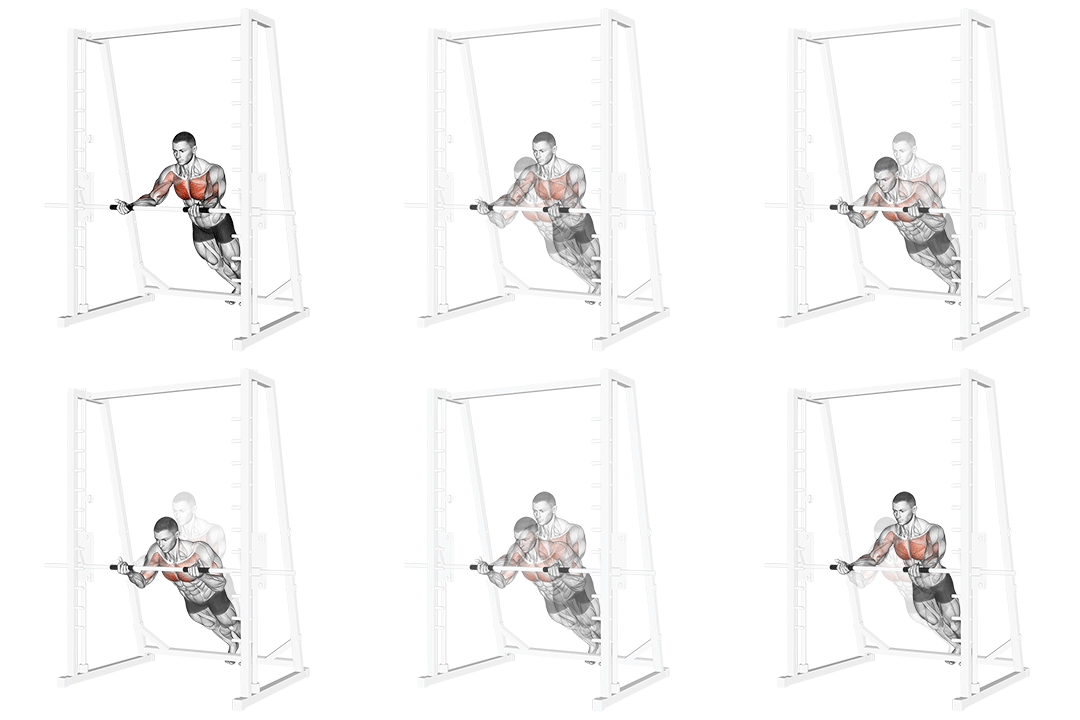
1. Incline Push-up Medium
99% match- Pectorals
- Bodyweight
- Beginner
- Compound
It uses the same equipment and still works the pectorals.
How to perform this exercise
- Stand facing a Smith machine bar or sturdy elevated platform at an appropriate height.
- Place your hands on the bar, with your hands about shoulder width apart.
- Position your feet back from the bar with arms and body straight. This will be your starting position.
- Keeping your body straight, lower your chest to the bar by bending the arms.
- Return to the starting position by extending the elbows, pressing yourself back up.
Sets and reps: 3 sets of 8 to 12 reps, and add reps before you add load.
Why this matches
- Movement: incline press, the same as the Incline Push-up
- Primary muscle: pectorals, the same as the Incline Push-up
- Equipment: bodyweight only, the same as the Incline Push-up
- Body position: lying face down, the same as the Incline Push-up
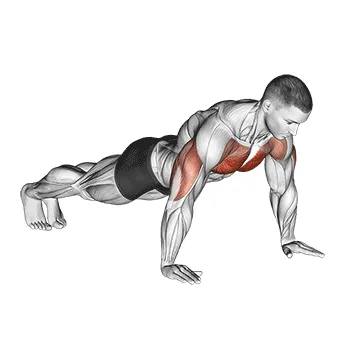
2. Incline Push-up Wide
98% match- Pectorals
- Bodyweight
- Beginner
- Compound
The same equipment, taken with a wide grip.
How to perform this exercise
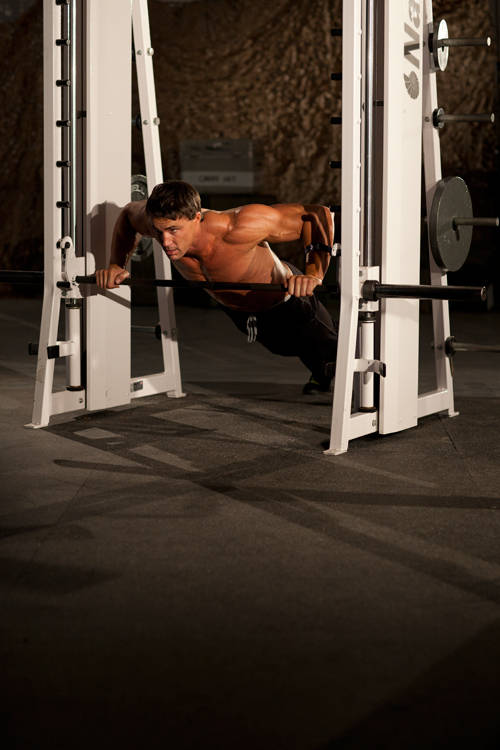
- Stand facing a Smith machine bar or sturdy elevated platform at an appropriate height.
- Place your hands on the bar, with your hands wider than shoulder width.
- Position your feet back from the bar with arms and body straight. Your arms should be perpendicular to the body. This will be your starting position.
- Keeping your body straight, lower your chest to the bar by bending the arms.
- Return to the starting position by extending the elbows, pressing yourself back up.
Sets and reps: 3 sets of 8 to 12 reps, and add reps before you add load.
Why this matches
- Movement: incline press, the same as the Incline Push-up
- Primary muscle: pectorals, the same as the Incline Push-up
- Equipment: bodyweight only, the same as the Incline Push-up
- Body position: lying face down, the same as the Incline Push-up
Progression
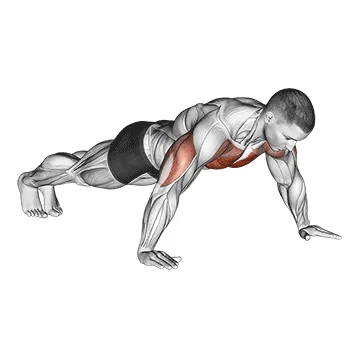
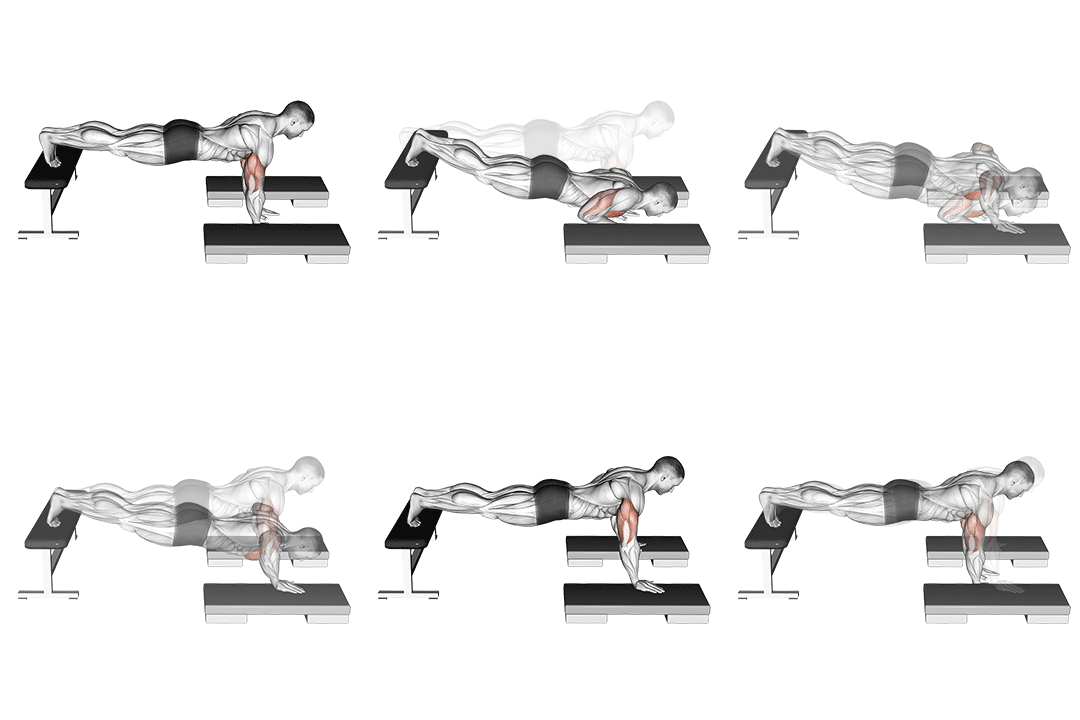
3. Incline Reverse Grip Push-up
95% match- Pectorals
- Bodyweight
- Intermediate
- Compound
Pick this when you want a harder version that still works the pectorals.
How to perform this exercise
- Place your hands on the edge of a bench or elevated surface, slightly wider than shoulder-width apart.
- Extend your legs behind you, resting on the balls of your feet, creating a straight line from your head to your heels.
- Lower your chest towards the bench by bending your elbows, keeping them close to your sides.
- Pause for a moment at the bottom, then push yourself back up to the starting position by extending your arms.
- Repeat for the desired number of repetitions.
Sets and reps: 3 or 4 sets of 6 to 10 reps.
Why this matches
- Movement: incline press, the same as the Incline Push-up
- Primary muscle: pectorals, the same as the Incline Push-up
- Equipment: bodyweight only, the same as the Incline Push-up
- Body position: lying face down, the same as the Incline Push-up
Progression
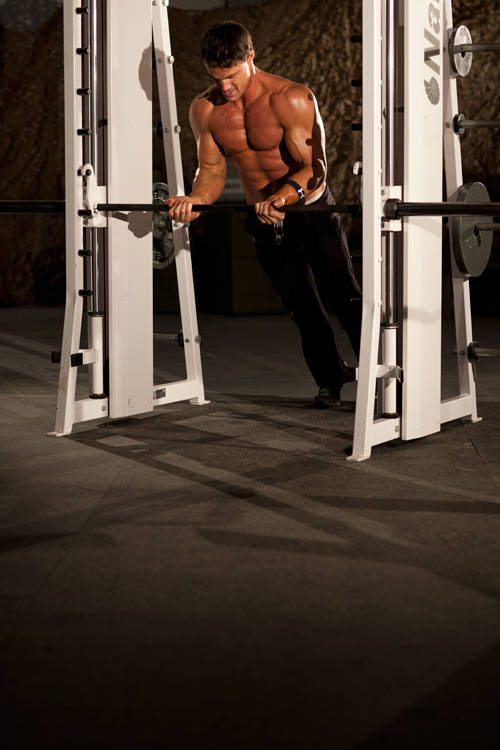
4. Incline Push-up Reverse Grip
94% match- Pectorals
- Bodyweight
- Intermediate
- Compound
How to perform this exercise
- Stand facing a Smith machine bar or sturdy elevated platform at an appropriate height.
- Place your hands on the bar palms up, with your hands about shoulder width apart.
- Position your feet back from the bar with arms and body straight. This will be your starting position.
- Keeping your body straight, lower your chest to the bar by bending the arms.
- Return to the starting position by extending the elbows, pressing yourself back up.
Sets and reps: 3 or 4 sets of 6 to 10 reps.
Why this matches
- Movement: incline press, the same as the Incline Push-up
- Primary muscle: pectorals, the same as the Incline Push-up
- Equipment: bodyweight only, the same as the Incline Push-up
- Body position: lying face down, the same as the Incline Push-up
Progression
5. Incline Push Up Depth Jump
92% match- Pectorals
- Bodyweight
- Advanced
- Compound
How to perform this exercise
- Find an elevated surface, such as a bench or step, and place your hands shoulder-width apart on the edge.
- Step your feet back, keeping your body in a straight line from head to heels.
- Lower your chest towards the edge of the surface, bending your elbows and keeping your body aligned.
- Push through your palms to extend your arms and return to the starting position.
- Jump off the edge of the surface, landing softly with your knees slightly bent.
- Repeat the push-up and depth jump for the desired number of repetitions.
Sets and reps: 3 or 4 sets of 6 to 10 reps.
Why this matches
- Movement: incline press, the same as the Incline Push-up
- Primary muscle: pectorals, the same as the Incline Push-up
- Equipment: bodyweight only, the same as the Incline Push-up
- Body position: lying face down, the same as the Incline Push-up
- Balance: harder to stay steady on than the Incline Push-up
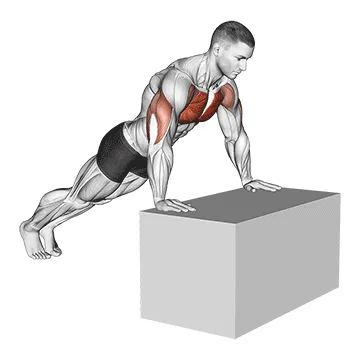
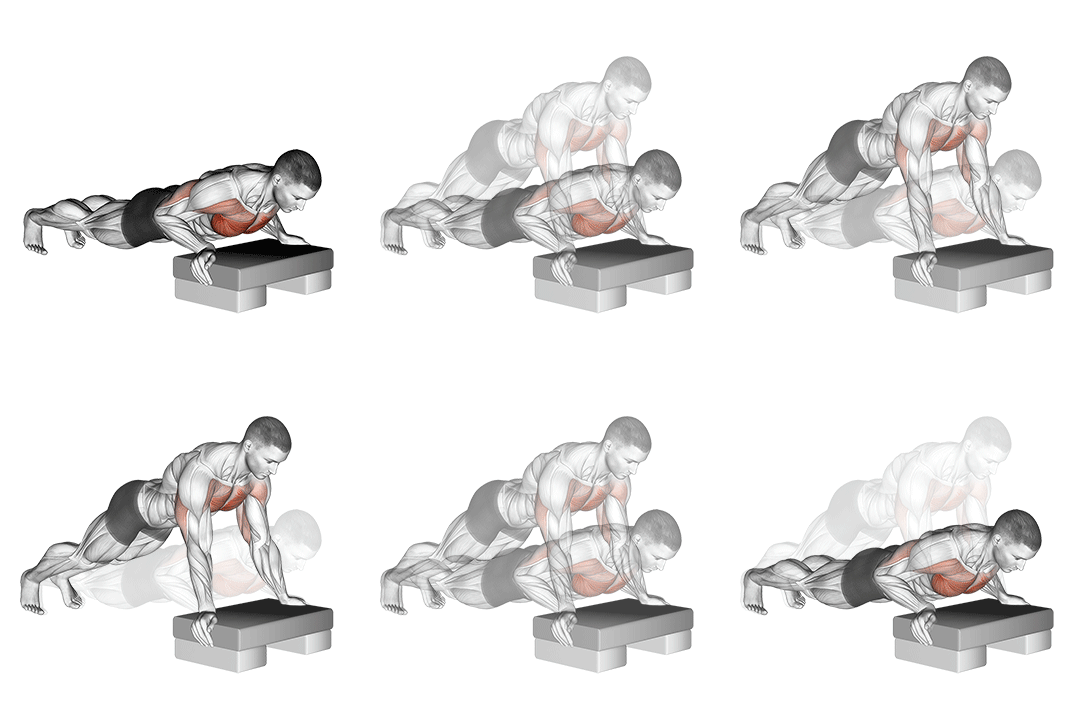
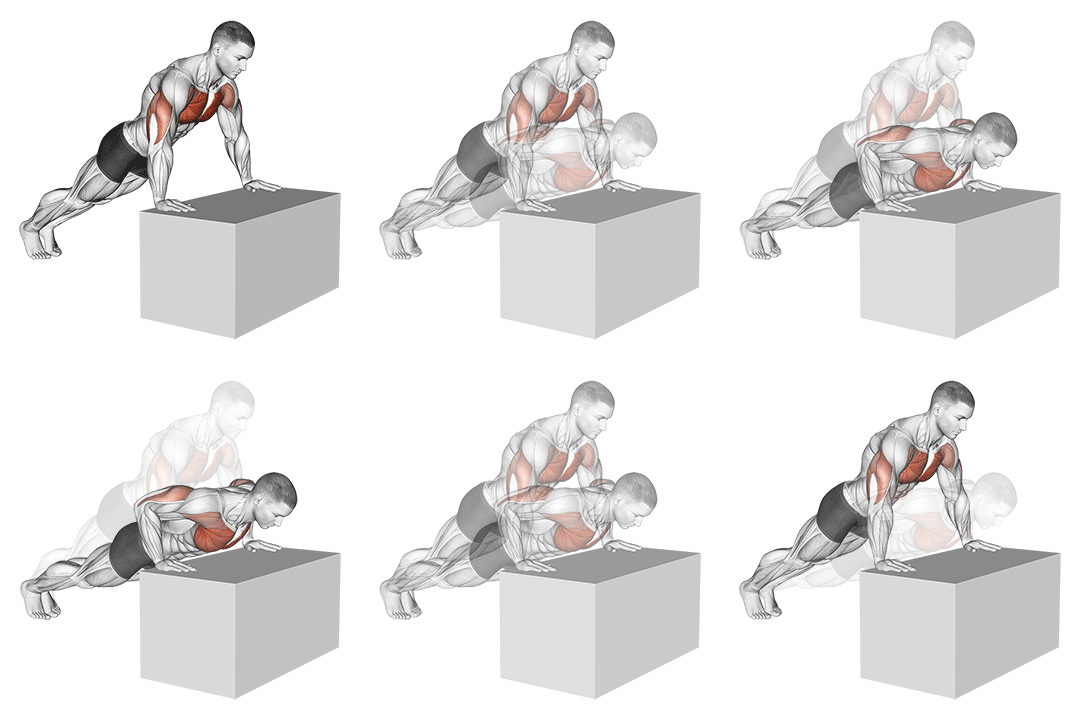
6. Incline Push-up (On Box)
92% match- Pectorals
- Bodyweight
- Beginner
- Compound
The same equipment, done standing instead.
How to perform this exercise
- Place your hands on the edge of a box or elevated surface, slightly wider than shoulder-width apart.
- Extend your legs behind you, resting on the balls of your feet, creating a straight line from your head to your heels.
- Lower your chest towards the box by bending your elbows, keeping your body in a straight line.
- Pause for a moment at the bottom, then push yourself back up to the starting position by straightening your arms.
- Repeat for the desired number of repetitions.
Sets and reps: 3 sets of 8 to 12 reps, and add reps before you add load.
Why this matches
- Movement: incline press, the same as the Incline Push-up
- Primary muscle: pectorals, the same as the Incline Push-up
- Equipment: bodyweight only, the same as the Incline Push-up
- Body position: standing, not lying face down
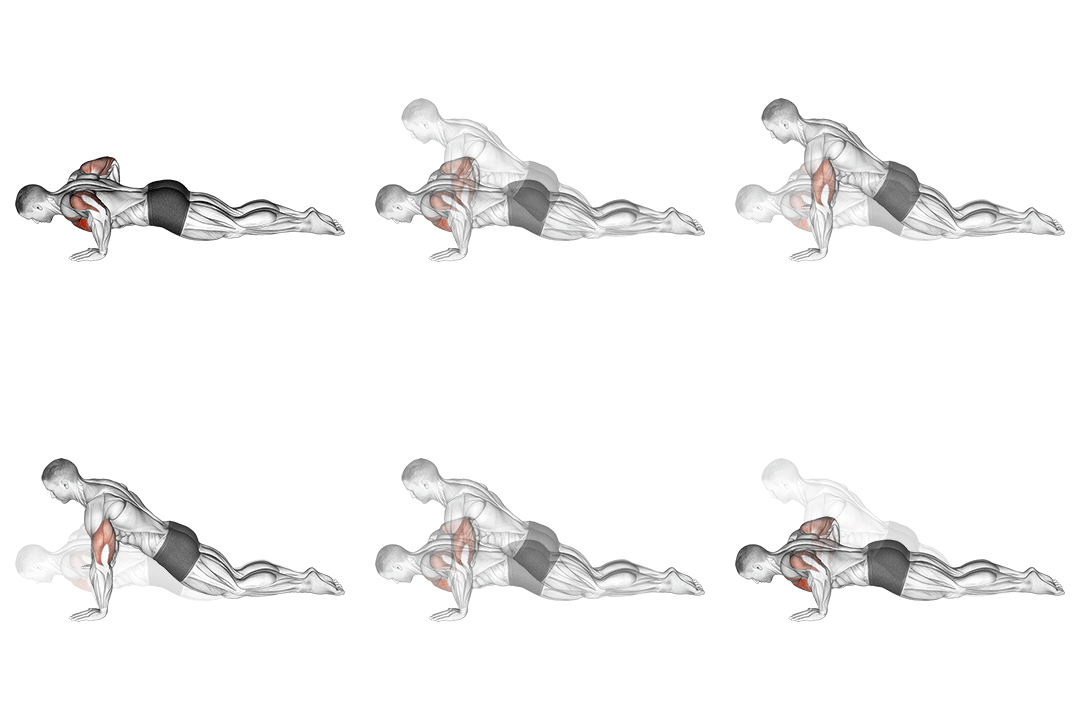
7. Kneeling Push-up
91% match- Pectorals
- Bodyweight
- Beginner
- Compound
The same equipment, done kneeling instead.
How to perform this exercise
- Start by kneeling on the ground with your hands shoulder-width apart, fingers pointing forward.
- Extend your legs behind you, resting on the balls of your feet, so that your body forms a straight line from head to heels.
- Engage your core and lower your body towards the ground by bending your elbows, keeping them close to your sides.
- Continue lowering until your chest is just above the ground, then push back up to the starting position by straightening your arms.
- Repeat for the desired number of repetitions.
Sets and reps: 3 sets of 8 to 12 reps, and add reps before you add load.
Why this matches
- Primary muscle: pectorals, the same as the Incline Push-up
- Equipment: bodyweight only, the same as the Incline Push-up
- Body position: kneeling, not lying face down
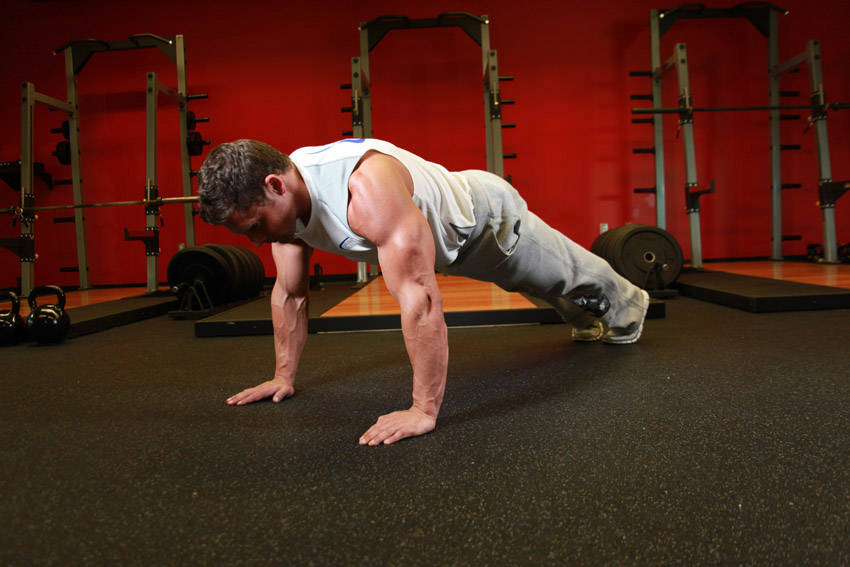
8. Pushups
89% match- Pectorals
- Bodyweight
- Beginner
- Compound
How to perform this exercise
- Lie on the floor face down and place your hands about 36 inches apart while holding your torso up at arms length.
- Next, lower yourself downward until your chest almost touches the floor as you inhale.
- Now breathe out and press your upper body back up to the starting position while squeezing your chest.
- After a brief pause at the top contracted position, you can begin to lower yourself downward again for as many repetitions as needed.
Sets and reps: 3 sets of 8 to 12 reps, and add reps before you add load.
Why this matches
- Primary muscle: pectorals, the same as the Incline Push-up
- Equipment: bodyweight only, the same as the Incline Push-up
- Body position: lying face down, the same as the Incline Push-up
Progression
9. Push-up
89% match- Pectorals
- Bodyweight
- Intermediate
- Compound
How to perform this exercise
- Start in a high plank position with your hands slightly wider than shoulder-width apart and your feet together.
- Engage your core and lower your body towards the ground by bending your elbows, keeping your body in a straight line.
- Pause for a moment when your chest is just above the ground, then push yourself back up to the starting position by straightening your arms.
- Repeat for the desired number of repetitions.
Sets and reps: 3 or 4 sets of 6 to 10 reps.
Why this matches
- Primary muscle: pectorals, the same as the Incline Push-up
- Equipment: bodyweight only, the same as the Incline Push-up
- Body position: lying face down, the same as the Incline Push-up
10. Wide Hand Push Up
88% match- Pectorals
- Bodyweight
- Beginner
- Compound
How to perform this exercise
- Start in a high plank position with your hands wider than shoulder-width apart.
- Keep your body in a straight line from head to toe.
- Lower your chest towards the ground by bending your elbows, keeping them close to your sides.
- Push through your palms to extend your arms and return to the starting position.
- Repeat for the desired number of repetitions.
Sets and reps: 3 sets of 8 to 12 reps, and add reps before you add load.
Why this matches
- Primary muscle: pectorals, the same as the Incline Push-up
- Equipment: bodyweight only, the same as the Incline Push-up
- Body position: lying face down, the same as the Incline Push-up
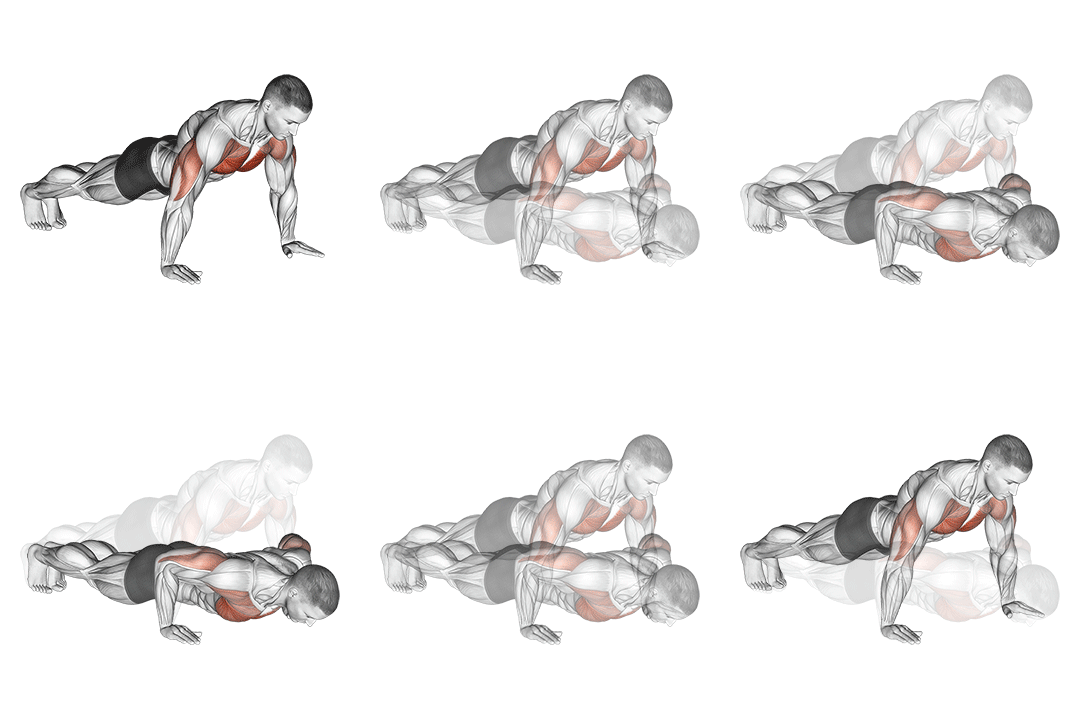
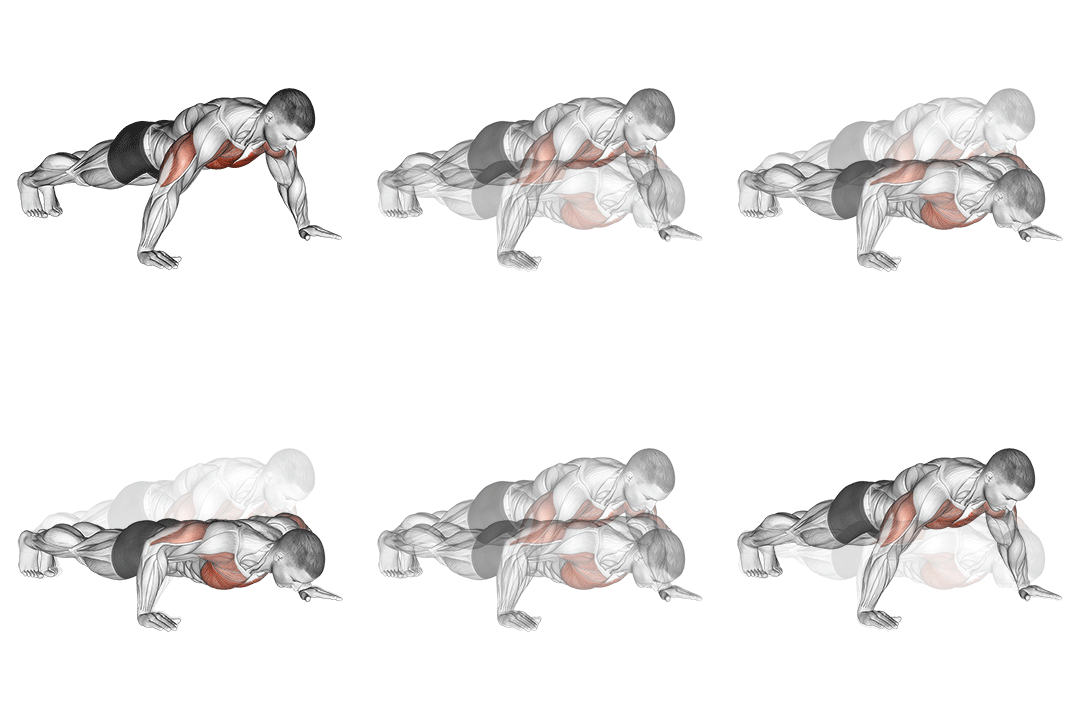
Why You Might Need an Incline Push-up Alternative
You swap the incline push-up for reasons such as shoulder or wrist pain, lack of an elevated surface, or mismatched intensity. Pain or mobility limits often force you to change angle to reduce compressive joint forces and alter pec recruitment; a wall push-up, for example, lowers load and wrist extension. Equipment limits push you toward bands or bodyweight progressions that maintain horizontal press biomechanics. Programming goals, progressive overload, hypertrophy, or rehab, might demand different time under tension or range of motion; use slow eccentrics (3–4 seconds down) to increase pectoral activation. Technique cue: keep scapulae stable and elbows at ~45 degrees to bias the chest rather than the anterior deltoid.
Incline Push-up FAQ
What muscles does Incline Push-up work?
The incline push-up primarily trains the pectoralis major (with emphasis depending on angle), anterior deltoids, and triceps, while also engaging the serratus anterior and core for scapular stability and body alignment.
What is the best bodyweight alternative to Incline Push-up?
For an accessible bodyweight substitute use the knee push-up to reduce load while preserving pressing mechanics; cue: maintain a straight line from head to hips and keep elbows tracking about 45 degrees to emphasize chest recruitment.
Can I build muscle without doing Incline Push-up?
Yes. You can build pectoral muscle with other horizontal pressing variations, resistance bands, dips, or progressive overload via tempo and volume. Focus on consistent progressive loading and full range of motion to maximize pectoral activation.
Find Alternatives for Any Exercise
Search the exercise database and filter the ranked substitutes by the equipment you own.
Similarity scores compare exercise metadata such as movement pattern, muscles, equipment and body position. They are not a safety rating or a check that you own the equipment. Learn about our methodology