

10 Best Smith Machine Bench Press Alternatives
The Smith Machine Bench Press is done lying on your back with a machine. Ranked closest by our scoring: the Machine Bench Press, the Smith Machine Incline Bench Press and the Smith Decline Bench Press.
Updated Ranked by our 12-factor similarity model How it works
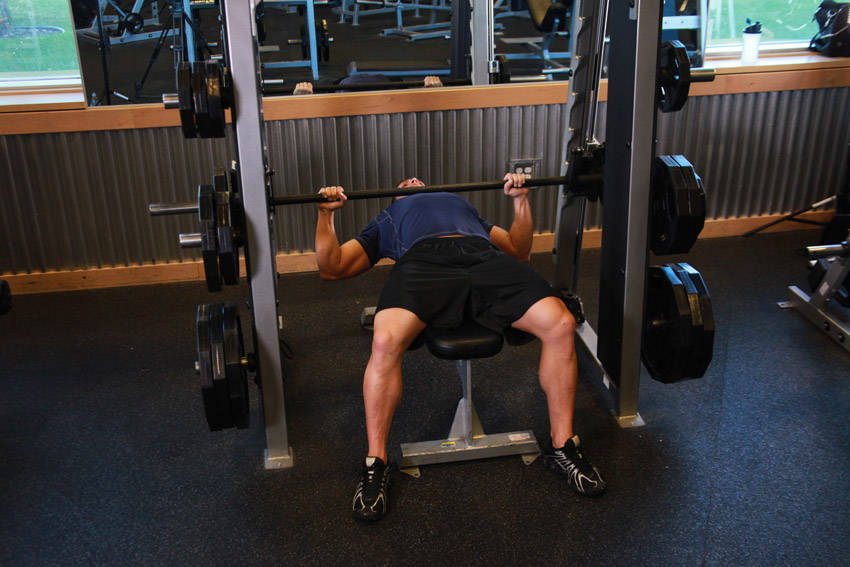
Original Exercise: Smith Machine Bench Press
- Primary muscle
- Pectorals
- Equipment
- Machine
- Difficulty
- Intermediate
- Type
- Compound
Secondary muscles: Shoulders, Triceps
How to perform Smith Machine Bench Press
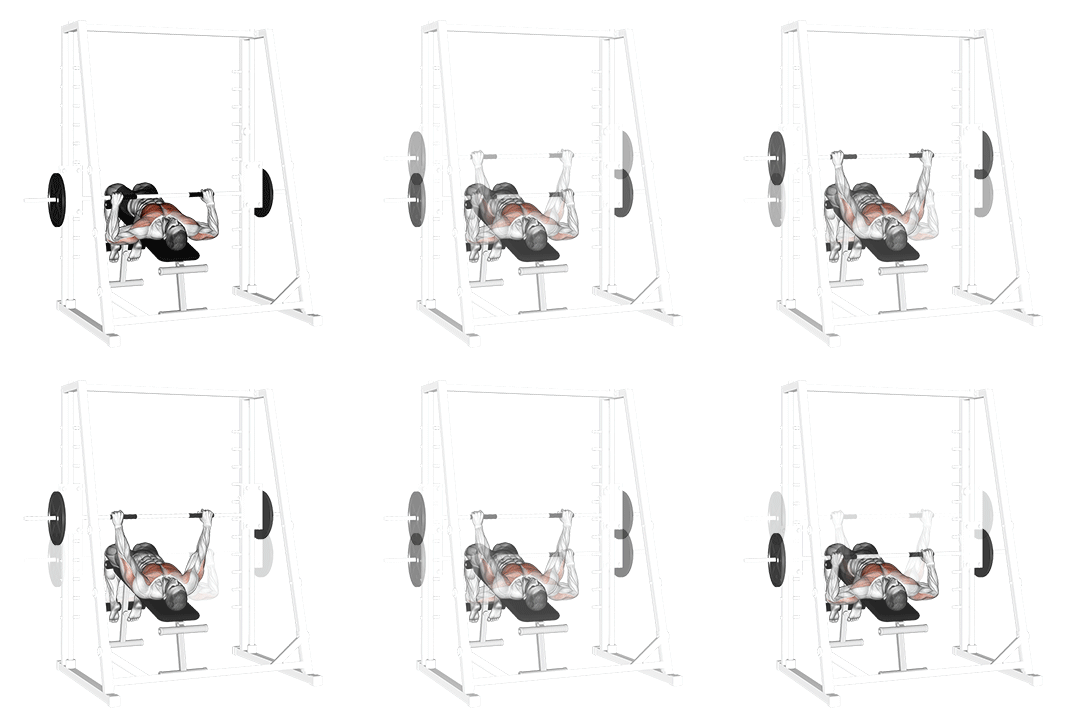
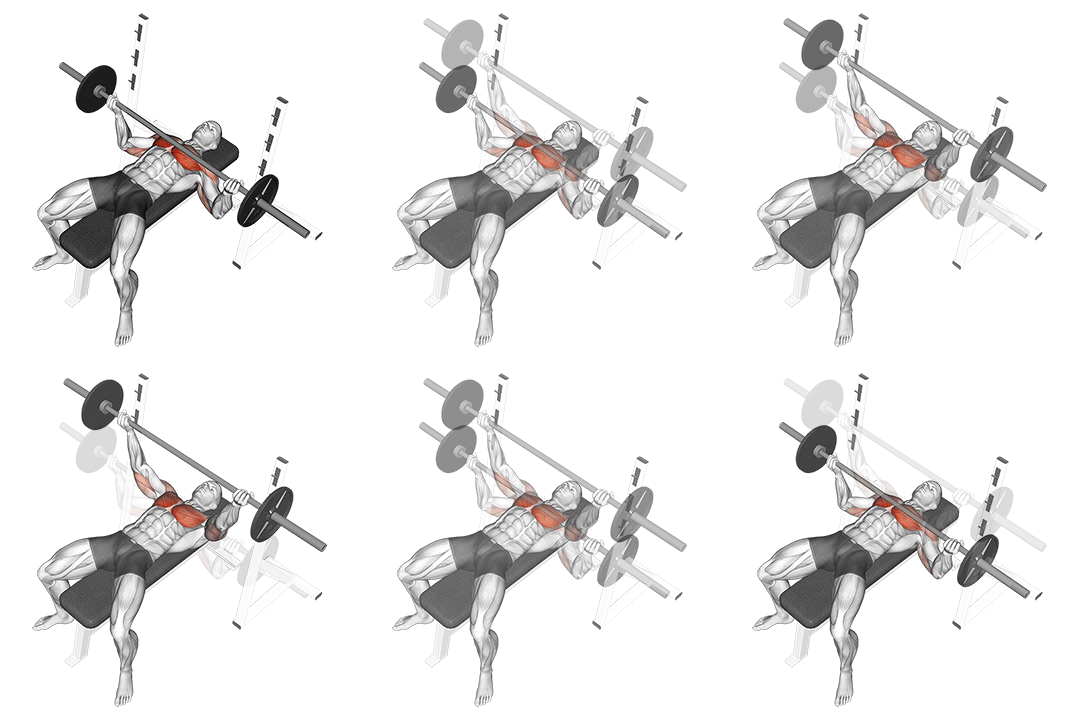
- Place a flat bench underneath the smith machine. Now place the barbell at a height that you can reach when lying down and your arms are almost fully extended. Once the weight you need is selected, lie down on the flat bench. Using a pronated grip that is wider than shoulder width, unlock the bar from the rack and hold it straight over you with your arms locked. This will be your starting position.
- As you breathe in, come down slowly until you feel the bar on your middle chest.
- After a second pause, bring the bar back to the starting position as you breathe out and push the bar using your chest muscles. Lock your arms in the contracted position, hold for a second and then start coming down slowly again. Tip: It should take at least twice as long to go down than to come up.
- Repeat the movement for the prescribed amount of repetitions.
- When you are done, lock the bar back in the rack.
Ranked Smith Machine Bench Press Alternatives
10 substitutes, ranked by how closely each one matches the Smith Machine Bench Press on movement pattern, muscles worked, equipment and body position. The higher the score, the less you change. Open "How to perform this exercise" on a card for the steps; every card title links to that exercise's own alternatives page.
Best match 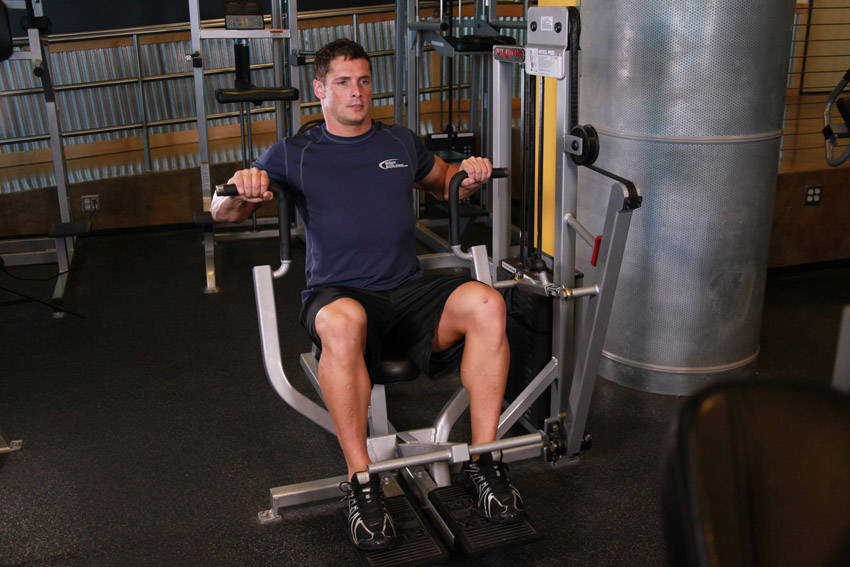
1. Machine Bench Press
91% match- Pectorals
- Machine
- Intermediate
- Compound
The same equipment, done seated instead.
How to perform this exercise
- Sit down on the Chest Press Machine and select the weight.
- Step on the lever provided by the machine since it will help you to bring the handles forward so that you can grab the handles and fully extend the arms.
- Grab the handles with a palms-down grip and lift your elbows so that your upper arms are parallel to the floor to the sides of your torso. Tip: Your forearms will be pointing forward since you are grabbing the handles. Once you bring the handles forward and extend the arms you will be at the starting position.
- Now bring the handles back towards you as you breathe in.
- Push the handles away from you as you flex your pecs and you breathe out. Hold the contraction for a second before going back to the starting position.
- Repeat for the recommended amount of reps.
- When finished step on the lever again and slowly get the handles back to their original place.
Sets and reps: 3 or 4 sets of 6 to 10 reps.
Why this matches
- Movement: flat horizontal press, the same as the Smith Machine Bench Press
- Primary muscle: pectorals, the same as the Smith Machine Bench Press
- Equipment: a machine, the same as the Smith Machine Bench Press
- Body position: seated, not lying on your back
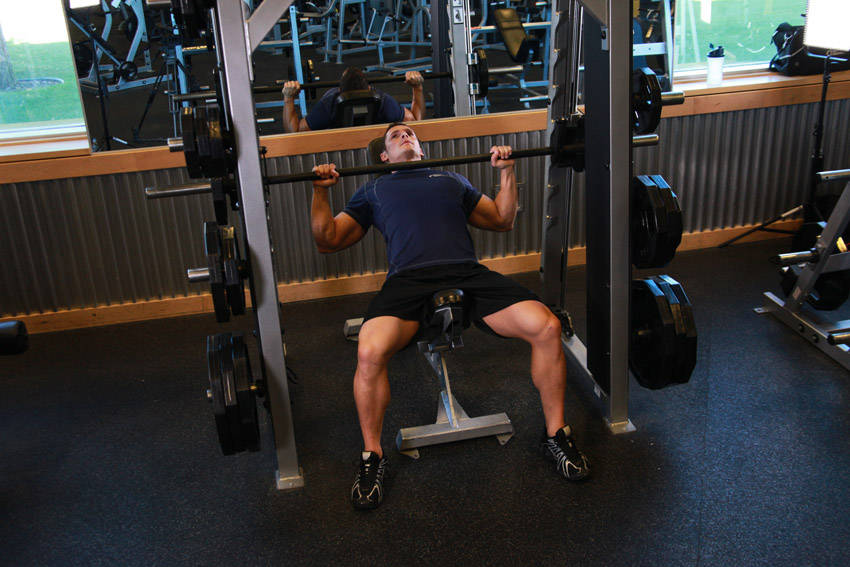
2. Smith Machine Incline Bench Press
90% match- Pectorals
- Machine
- Intermediate
- Compound
It uses the same equipment and still works the pectorals.
How to perform this exercise
- Place an incline bench underneath the smith machine. Place the barbell at a height that you can reach when lying down and your arms are almost fully extended. Once the weight you need is selected, lie down on the incline bench and make sure your upper chest is aligned with the barbell. Using a pronated grip (palms facing forward) that is wider than shoulder width, unlock the bar from the rack and hold it straight over you with your arms locked. This will be your starting position.
- As you breathe in, come down slowly until you feel the bar on your upper chest.
- After a second pause, bring the bar back to the starting position as you breathe out and push the bar using your chest muscles. Lock your arms in the contracted position, hold for a second and then start coming down slowly again. Tip: It should take at least twice as long to go down than to come up.
- Repeat the movement for the prescribed amount of repetitions.
- When you are done, place the bar back in the rack.
Sets and reps: 3 or 4 sets of 6 to 10 reps.
Why this matches
- Primary muscle: pectorals, the same as the Smith Machine Bench Press
- Equipment: a machine, the same as the Smith Machine Bench Press
- Body position: lying on your back, the same as the Smith Machine Bench Press
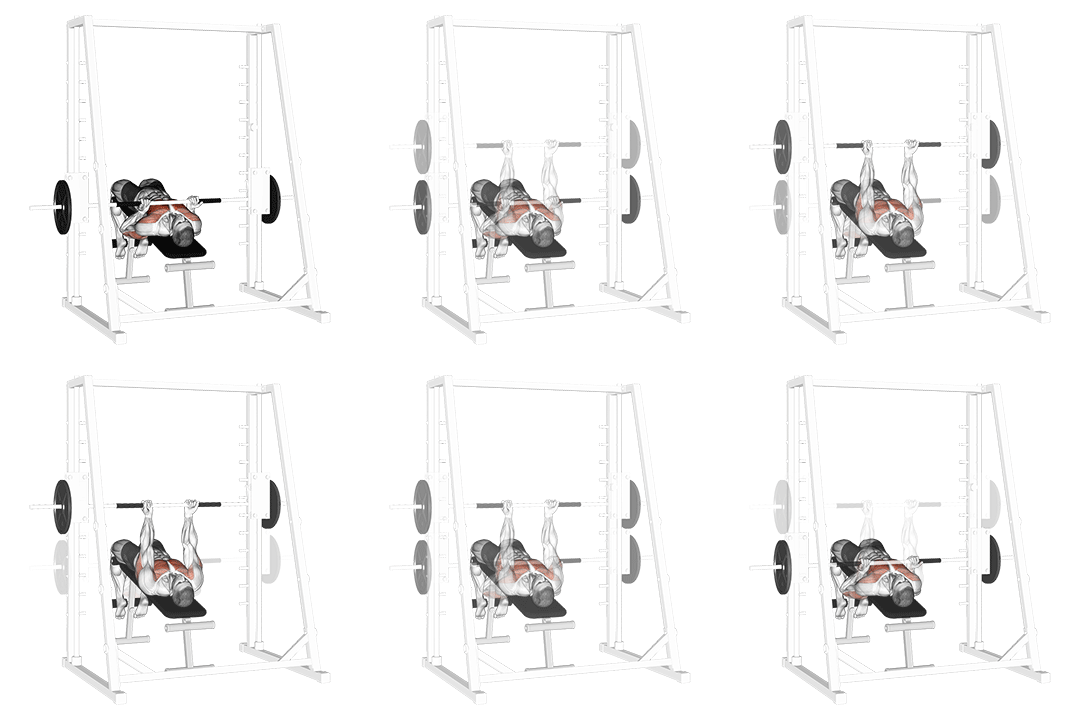
3. Smith Decline Bench Press
90% match- Pectorals
- Smith-machine
- Intermediate
- Compound
A good swap when you have a Smith machine to work with, and it still works the pectorals.
How to perform this exercise
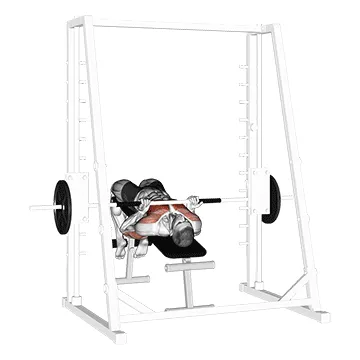
- Adjust the decline bench to the desired angle.
- Lie down on the bench with your feet secured under the foot pads.
- Grasp the barbell with an overhand grip slightly wider than shoulder-width apart.
- Unrack the barbell and lower it slowly towards your chest, keeping your elbows tucked in.
- Pause for a moment at the bottom, then push the barbell back up to the starting position.
- Repeat for the desired number of repetitions.
Sets and reps: 3 or 4 sets of 6 to 10 reps.
Why this matches
- Primary muscle: pectorals, the same as the Smith Machine Bench Press
- Equipment: a machine, the same as the Smith Machine Bench Press
- Body position: lying on your back, the same as the Smith Machine Bench Press
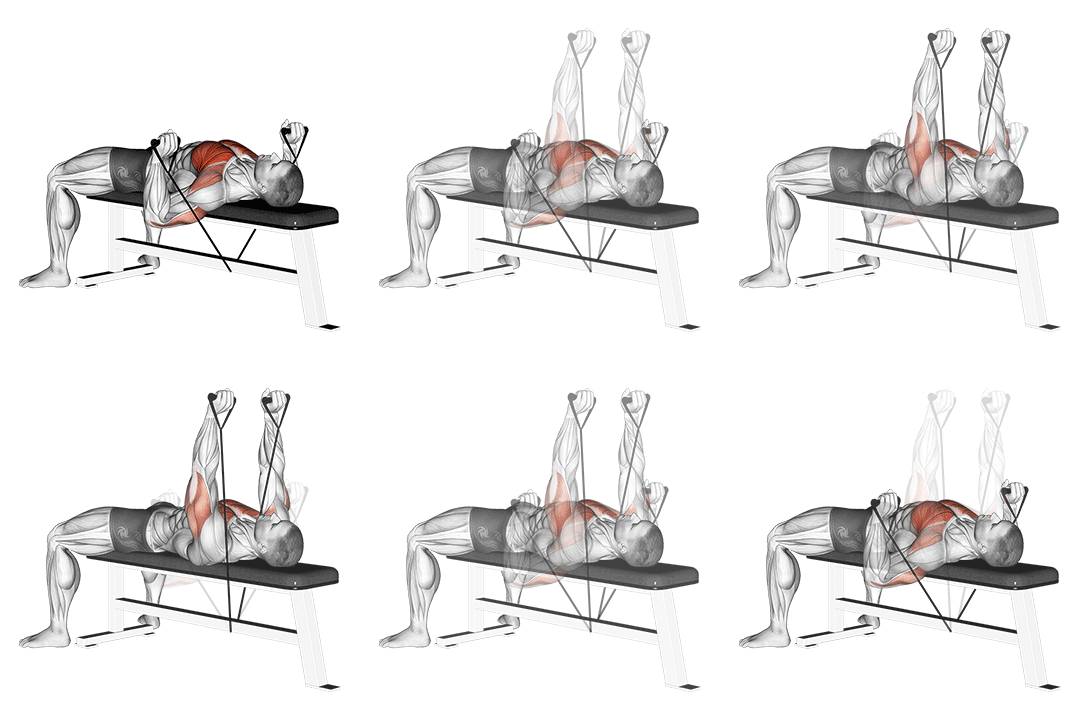
4. Band Bench Press
88% match- Pectorals
- Band
- Intermediate
- Compound
A good swap when you have a band to work with, and it still works the pectorals.
How to perform this exercise
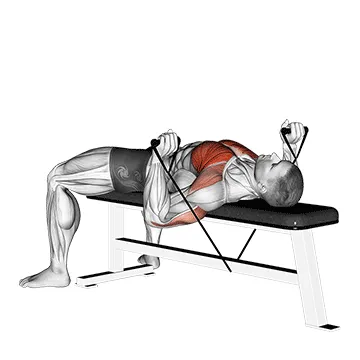
- Lie flat on a bench with your feet flat on the ground and your back pressed against the bench.
- Grasp the band handles with an overhand grip, slightly wider than shoulder-width apart.
- Extend your arms fully, pushing the bands away from your chest.
- Slowly lower the bands back down to your chest, keeping your elbows at a 90-degree angle.
- Repeat for the desired number of repetitions.
Sets and reps: 3 or 4 sets of 6 to 10 reps.
Why this matches
- Movement: flat horizontal press, the same as the Smith Machine Bench Press
- Primary muscle: pectorals, the same as the Smith Machine Bench Press
- Equipment: a band, not a machine
- Body position: lying on your back, the same as the Smith Machine Bench Press
- Balance: harder to stay steady on than the Smith Machine Bench Press
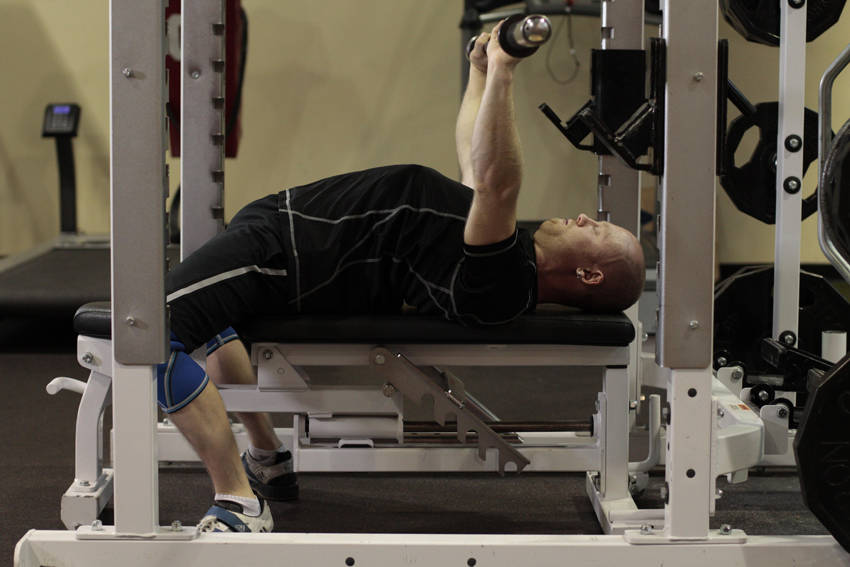
5. Bench Press - Powerlifting
87% match- Pectorals
- Barbell
- Advanced
- Compound
A good swap when you have a barbell to work with, and it still works the pectorals.
How to perform this exercise
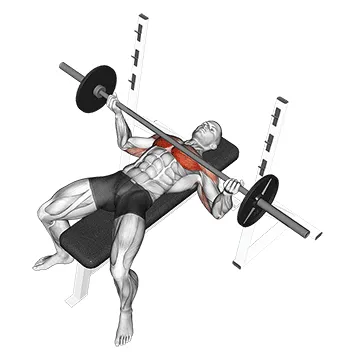
- Begin by lying on the bench, getting your head beyond the bar if possible. Tuck your feet underneath you and arch your back. Using the bar to help support your weight, lift your shoulder off the bench and retract them, squeezing the shoulder blades together. Use your feet to drive your traps into the bench. Maintain this tight body position throughout the movement.
- However wide your grip, it should cover the ring on the bar. Pull the bar out of the rack without protracting your shoulders. Focus on squeezing the bar and trying to pull it apart.
- Lower the bar to your lower chest or upper stomach. The bar, wrist, and elbow should stay in line at all times.
- Pause when the barbell touches your torso, and then drive the bar up with as much force as possible. The elbows should be tucked in until lockout.
Sets and reps: 3 to 5 sets of 5 to 8 reps.
Why this matches
- Movement: flat horizontal press, the same as the Smith Machine Bench Press
- Primary muscle: pectorals, the same as the Smith Machine Bench Press
- Equipment: free weights, not a machine
- Body position: lying on your back, the same as the Smith Machine Bench Press
- Balance: harder to stay steady on than the Smith Machine Bench Press
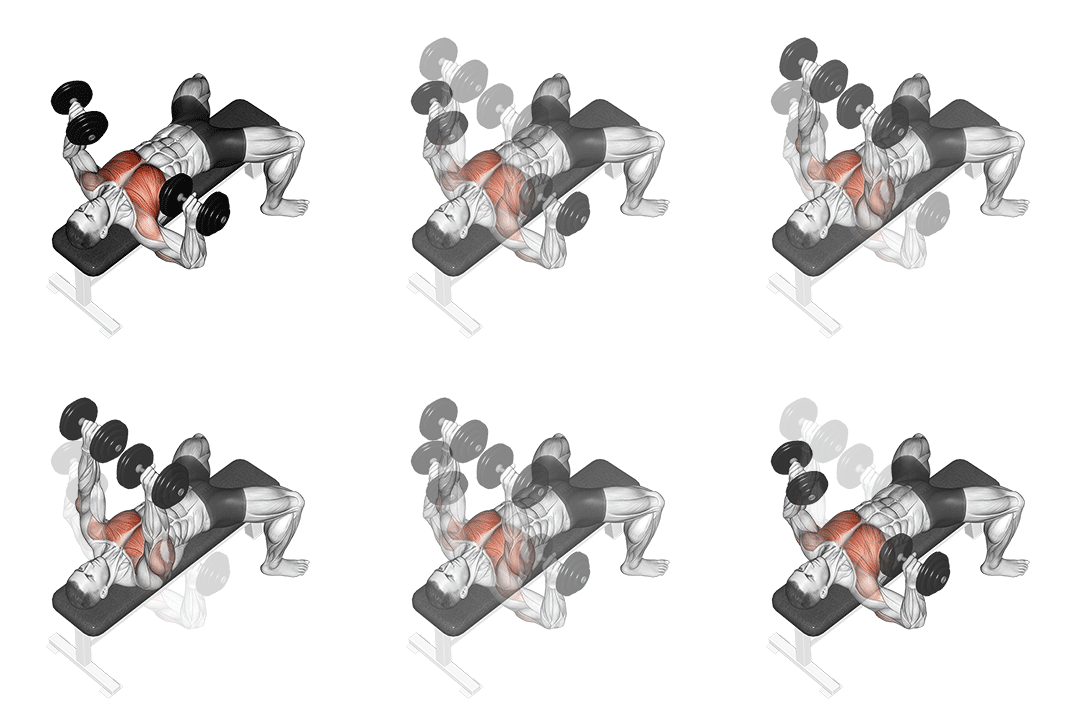
6. Dumbbell Bench Press
87% match- Pectorals
- Dumbbell
- Intermediate
- Compound
A good swap when you have dumbbells to work with, and it still works the pectorals.
How to perform this exercise
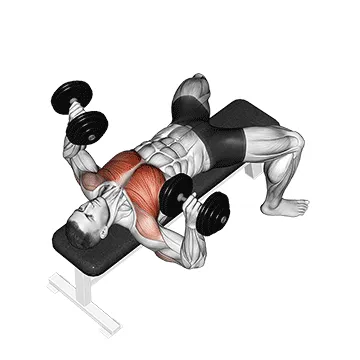
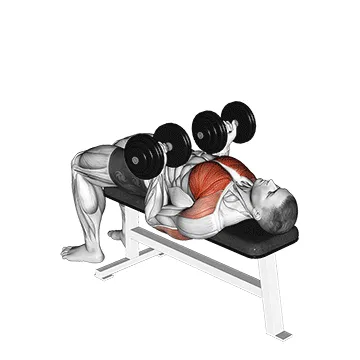
- Lie flat on a bench with your feet flat on the ground and your back pressed against the bench.
- Hold a dumbbell in each hand, with your palms facing forward and your arms extended above your chest.
- Lower the dumbbells slowly to the sides of your chest, keeping your elbows at a 90-degree angle.
- Pause for a moment, then push the dumbbells back up to the starting position, fully extending your arms.
- Repeat for the desired number of repetitions.
Sets and reps: 3 or 4 sets of 6 to 10 reps.
Why this matches
- Movement: flat horizontal press, the same as the Smith Machine Bench Press
- Primary muscle: pectorals, the same as the Smith Machine Bench Press
- Equipment: free weights, not a machine
- Body position: lying on your back, the same as the Smith Machine Bench Press
- Balance: harder to stay steady on than the Smith Machine Bench Press
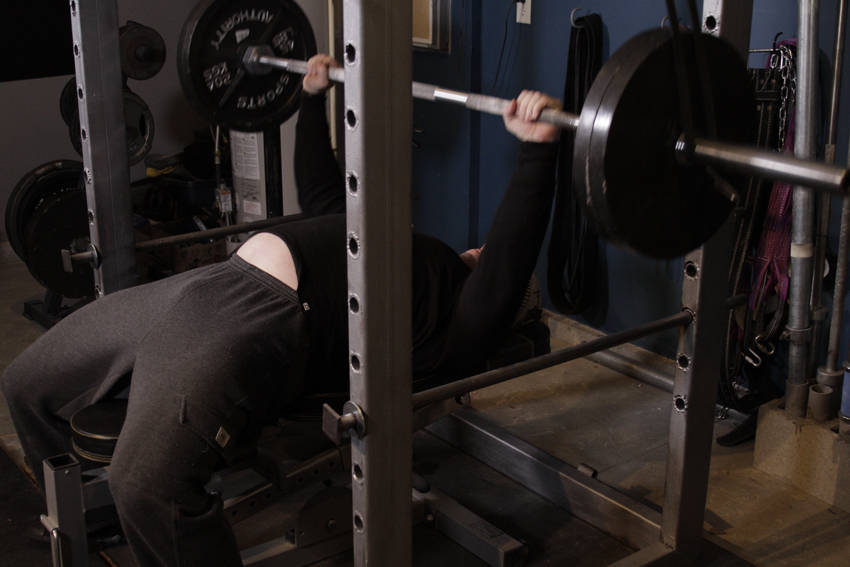
7. Reverse Band Bench Press
86% match- Pectorals
- Barbell
- Intermediate
- Compound
How to perform this exercise
- Position a bench inside a power rack, with the bar set to the correct height. Begin by anchoring bands either to band pegs or to the top of the rack. Ensure that you will be position properly under the bands. Attach the other end to the barbell.
- Lie on the bench, tuck your feet underneath you and arch your back. Using the bar to help support your weight, lift your shoulder off the bench and retract them, squeezing the shoulder blades together. Use your feet to drive your traps into the bench. Maintain this tight body position throughout the movement. However wide your grip, it should cover the ring on the bar.
- Pull the bar out of the rack without protracting your shoulders. Focus on squeezing the bar and trying to pull it apart. Lower the bar to your lower chest or upper stomach. The bar, wrist, and elbow should stay in line at all times.
- Pause when the barbell touches your torso, and then drive the bar up with as much force as possible. The elbows should be tucked in until lockout.
Sets and reps: 3 or 4 sets of 6 to 10 reps.
Why this matches
- Movement: flat horizontal press, the same as the Smith Machine Bench Press
- Primary muscle: pectorals, the same as the Smith Machine Bench Press
- Equipment: free weights, not a machine
- Body position: lying on your back, the same as the Smith Machine Bench Press
- Balance: harder to stay steady on than the Smith Machine Bench Press
- Pectorals
- Smith-machine
- Intermediate
- Compound
How to perform this exercise
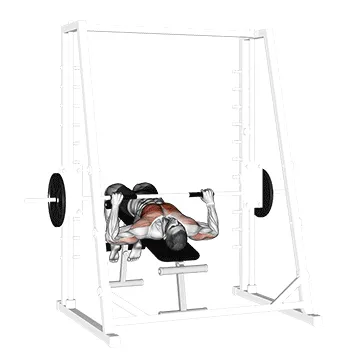
- Adjust the smith machine to a decline position.
- Lie down on the bench with your feet secured under the foot pads.
- Grasp the barbell with a close grip, slightly narrower than shoulder-width apart.
- Unrack the barbell and lower it slowly towards your chest, keeping your elbows tucked in.
- Pause for a moment at the bottom, then push the barbell back up to the starting position.
- Repeat for the desired number of repetitions.
Sets and reps: 3 or 4 sets of 6 to 10 reps.
Why this matches
- Primary muscle: pectorals, the same as the Smith Machine Bench Press
- Equipment: a machine, the same as the Smith Machine Bench Press
- Body position: lying on your back, the same as the Smith Machine Bench Press
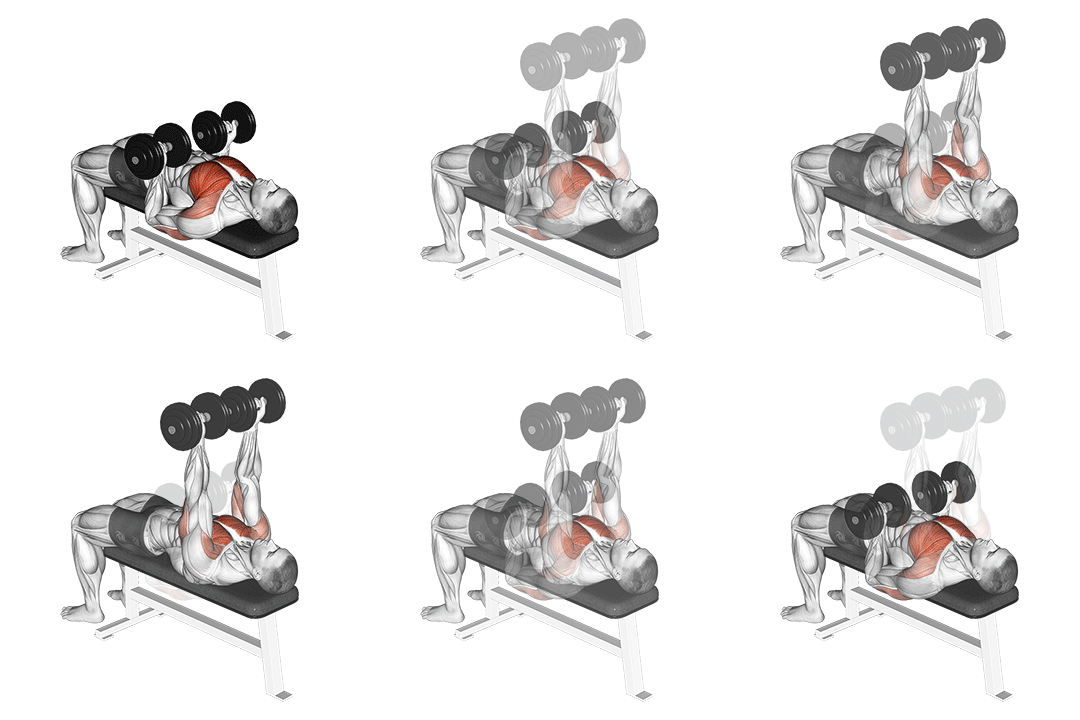
9. Dumbbell Reverse Bench Press
83% match- Pectorals
- Dumbbell
- Intermediate
- Compound
How to perform this exercise
- Lie flat on a bench with your feet flat on the ground and your knees bent.
- Hold a dumbbell in each hand with an overhand grip, palms facing towards your feet.
- Extend your arms straight up towards the ceiling, keeping a slight bend in your elbows.
- Slowly lower the dumbbells towards your chest, allowing your elbows to flare out to the sides.
- Pause for a moment at the bottom, then push the dumbbells back up to the starting position.
- Repeat for the desired number of repetitions.
Sets and reps: 3 or 4 sets of 6 to 10 reps.
Why this matches
- Movement: flat horizontal press, the same as the Smith Machine Bench Press
- Primary muscle: pectorals, the same as the Smith Machine Bench Press
- Equipment: free weights, not a machine
- Body position: lying on your back, the same as the Smith Machine Bench Press
- Balance: harder to stay steady on than the Smith Machine Bench Press
- Pectorals
- Barbell
- Advanced
- Compound
How to perform this exercise
- Lie flat on a bench with your feet flat on the ground and your back pressed against the bench.
- Grasp the barbell with a wide reverse grip, slightly wider than shoulder-width apart.
- Lift the barbell off the rack and hold it directly above your chest with your arms fully extended.
- Lower the barbell slowly towards your chest, keeping your elbows tucked in and your wrists straight.
- Pause for a moment when the barbell touches your chest, then push it back up to the starting position.
- Repeat for the desired number of repetitions.
Sets and reps: 3 to 5 sets of 5 to 8 reps.
Why this matches
- Movement: flat horizontal press, the same as the Smith Machine Bench Press
- Primary muscle: pectorals, the same as the Smith Machine Bench Press
- Equipment: free weights, not a machine
- Body position: lying on your back, the same as the Smith Machine Bench Press
- Balance: harder to stay steady on than the Smith Machine Bench Press
Smith Machine Bench Press FAQ
What muscles does Smith Machine Bench Press work?
The Smith Machine bench press primarily targets the pectoralis major (sternal and clavicular heads), with secondary loading of the anterior deltoid and triceps. Because the bar path is fixed, you get less rotator-cuff and serratus anterior stabilization compared with free-weight presses; retract the scapulae to emphasize pec recruitment.
Can I build muscle without doing Smith Machine Bench Press?
Yes. You can build chest mass using barbell bench, dumbbell presses, dips, and progressive overload via reps, load, or tempo. Track progressive increases, pause reps at the bottom to boost time under tension, and focus on pec contraction to ensure hypertrophy.
Find Alternatives for Any Exercise
Search the exercise database and filter the ranked substitutes by the equipment you own.
Similarity scores compare exercise metadata such as movement pattern, muscles, equipment and body position. They are not a safety rating or a check that you own the equipment. Learn about our methodology