

10 Best Smith Machine Stiff-legged Deadlift Alternatives for Hamstring Strength
If you can’t do the Smith Machine stiff-legged deadlift, choose hamstring-focused hinges like the Romanian deadlift, single-leg RDL, kettlebell RDL, glute-ham raise, or Nordic curl. Hinge at the hips with a slight knee bend, keep a neutral spine, and load the hamstrings eccentrically to reproduce the posterior-chain stimulus.
Original Exercise: Smith Machine Stiff-legged Deadlift
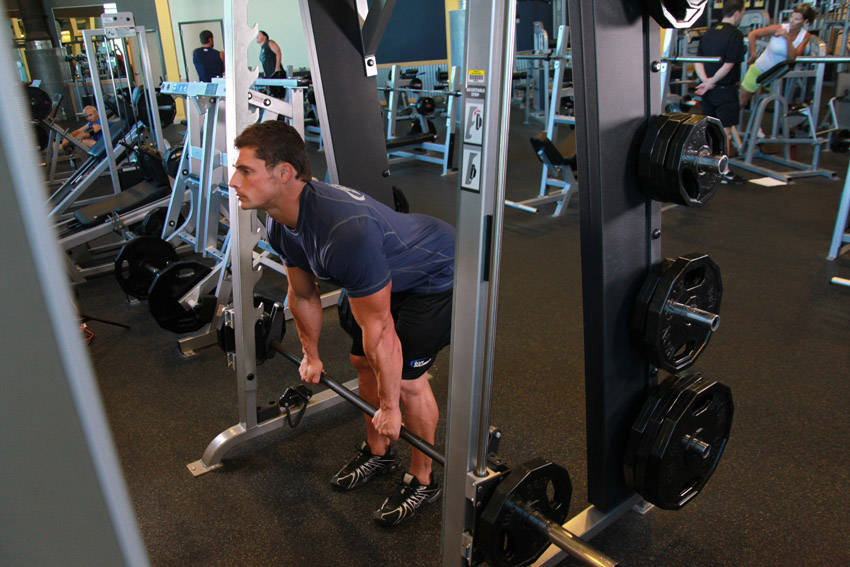
How to Perform Smith Machine Stiff-legged Deadlift
- To begin, set the bar on the smith machine to a height that is around the middle of your thighs. Once the correct height is chosen and the bar is loaded, grasp the bar using a pronated (palms forward) grip that is shoulder width apart. You may need some wrist wraps if using a significant amount of weight.
- Lift the bar up by fully extending your arms while keeping your back straight. Stand with your torso straight and your legs spaced using a shoulder width or narrower stance. The knees should be slightly bent. This is your starting position.
- Keeping the knees stationary, lower the barbell to over the top of your feet by bending at the waist while keeping your back straight. Keep moving forward as if you were going to pick something from the floor until you feel a stretch on the hamstrings. Exhale as you perform this movement
- Start bringing your torso up straight again as soon as you feel the hamstrings stretch by extending your hips and waist until you are back at the starting position. Inhale as you perform this movement.
- Repeat for the recommended amount of repetitions.
Pro Tips
- Category: Strength
- Force: Pull
- Movement type: Compound
Ranked Smith Machine Stiff-legged Deadlift Alternatives
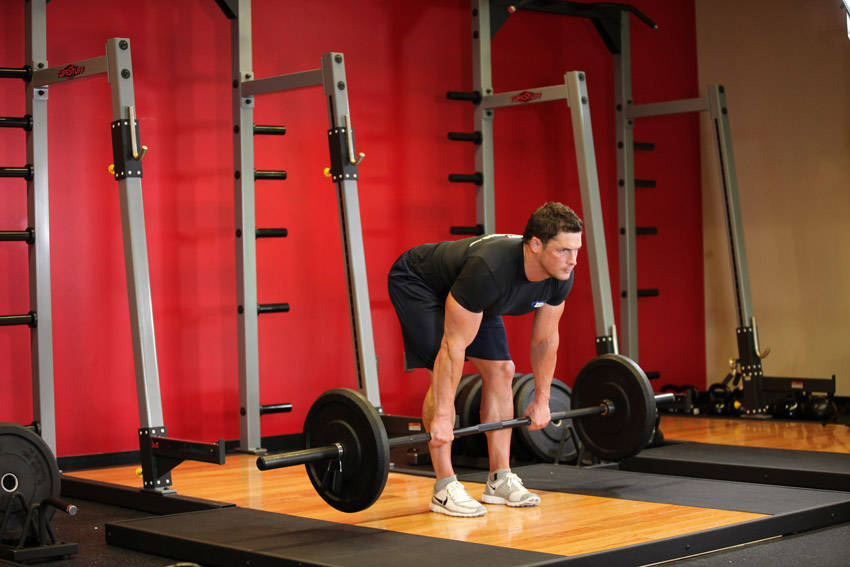
1. Stiff-Legged Barbell Deadlift
85.8% MatchHow to perform this exercise
- Grasp a bar using an overhand grip (palms facing down). You may need some wrist wraps if using a significant amount of weight.
- Stand with your torso straight and your legs spaced using a shoulder width or narrower stance. The knees should be slightly bent. This is your starting position.
- Keeping the knees stationary, lower the barbell to over the top of your feet by bending at the hips while keeping your back straight. Keep moving forward as if you were going to pick something from the floor until you feel a stretch on the hamstrings. Inhale as you perform this movement.
- Start bringing your torso up straight again by extending your hips until you are back at the starting position. Exhale as you perform this movement.
- Repeat for the recommended amount of repetitions.
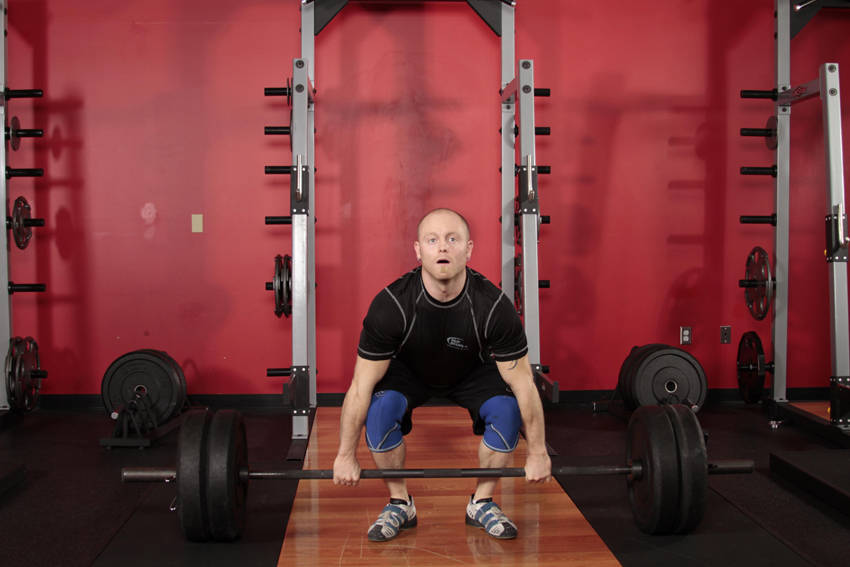
2. Clean Deadlift
82.6% MatchHow to perform this exercise
- Begin standing with a barbell close to your shins. Your feet should be directly under your hips with your feet turned out slightly. Grip the bar with a double overhand grip or hook grip, about shoulder width apart. Squat down to the bar. Your spine should be in full extension, with a back angle that places your shoulders in front of the bar and your back as vertical as possible.
- Begin by driving through the floor through the front of your heels. As the bar travels upward, maintain a constant back angle. Flare your knees out to the side to help keep them out of the bar's path.
- After the bar crosses the knees, complete the lift by driving the hips into the bar until your hips and knees are extended.
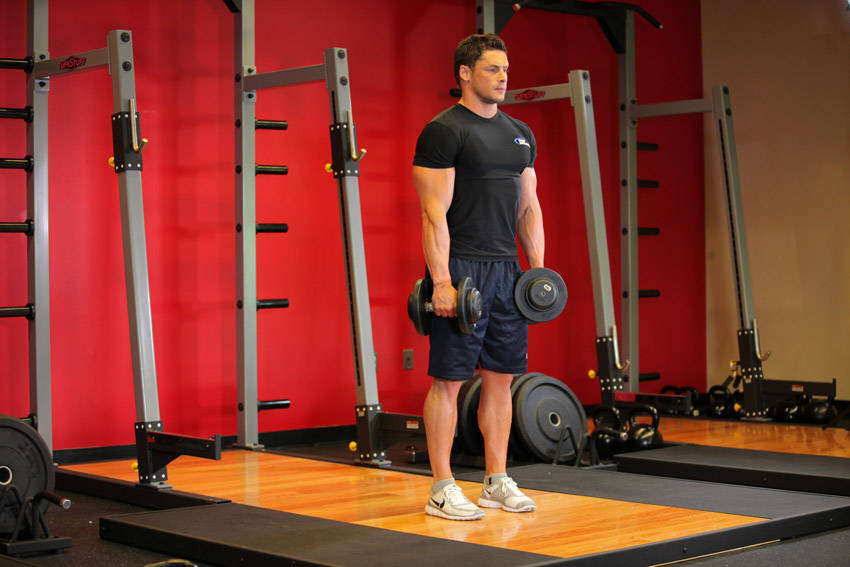
3. Stiff-Legged Dumbbell Deadlift
81.8% MatchHow to perform this exercise
- Grasp a couple of dumbbells holding them by your side at arm's length.
- Stand with your torso straight and your legs spaced using a shoulder width or narrower stance. The knees should be slightly bent. This is your starting position.
- Keeping the knees stationary, lower the dumbbells to over the top of your feet by bending at the waist while keeping your back straight. Keep moving forward as if you were going to pick something from the floor until you feel a stretch on the hamstrings. Exhale as you perform this movement
- Start bringing your torso up straight again by extending your hips and waist until you are back at the starting position. Inhale as you perform this movement.
- Repeat for the recommended amount of repetitions.
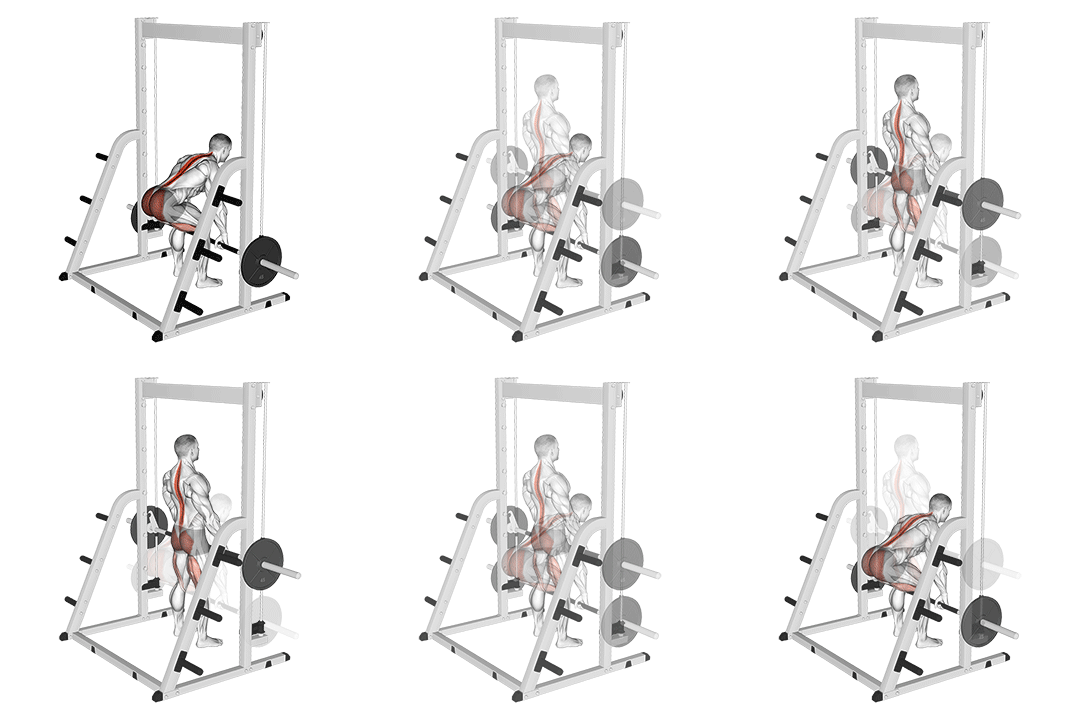
4. Smith Deadlift
80.4% MatchHow to perform this exercise
- Set up the smith machine with the bar at hip height.
- Stand with your feet shoulder-width apart, toes pointing slightly outward.
- Bend at the hips and knees, keeping your back straight and chest up, and grip the bar with an overhand grip slightly wider than shoulder-width apart.
- Engage your core and lift the bar by extending your hips and knees, keeping the bar close to your body.
- Stand up straight, fully extending your hips and knees.
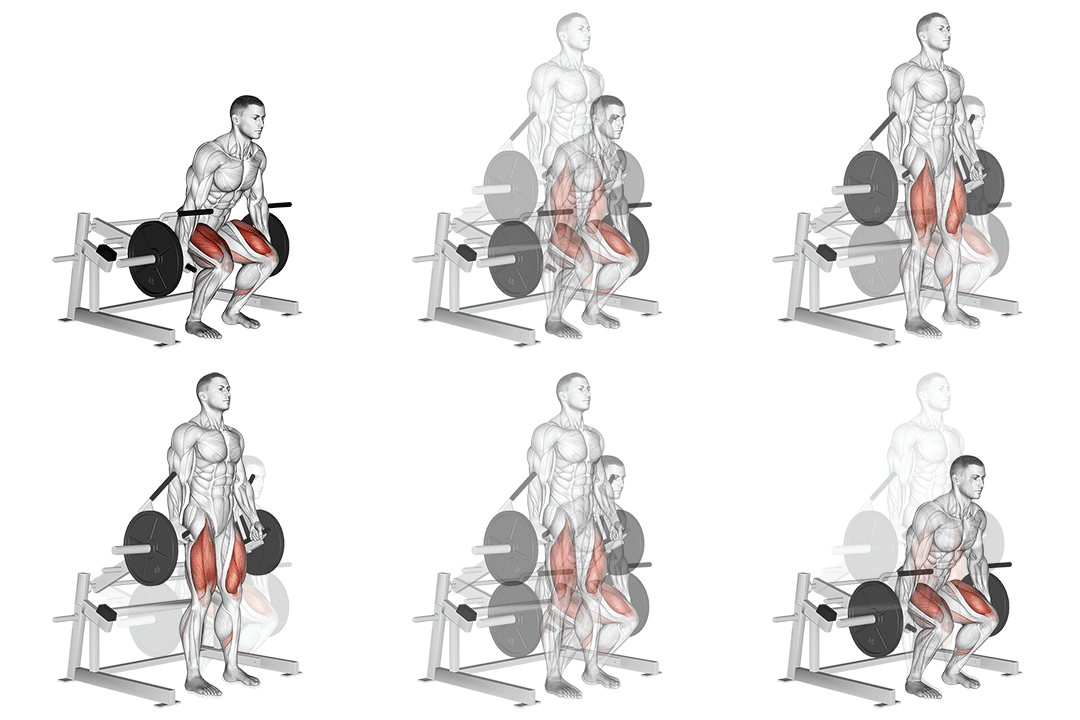
5. Lever Deadlift
80.4% MatchHow to perform this exercise
- Adjust the seat height and foot platform to your desired position.
- Sit on the machine with your back against the pad and your feet flat on the foot platform.
- Grasp the handles or the sides of the seat for stability.
- Engage your glutes and hamstrings, and push through your heels to lift the weight up.
- Keep your back straight and avoid rounding your shoulders.
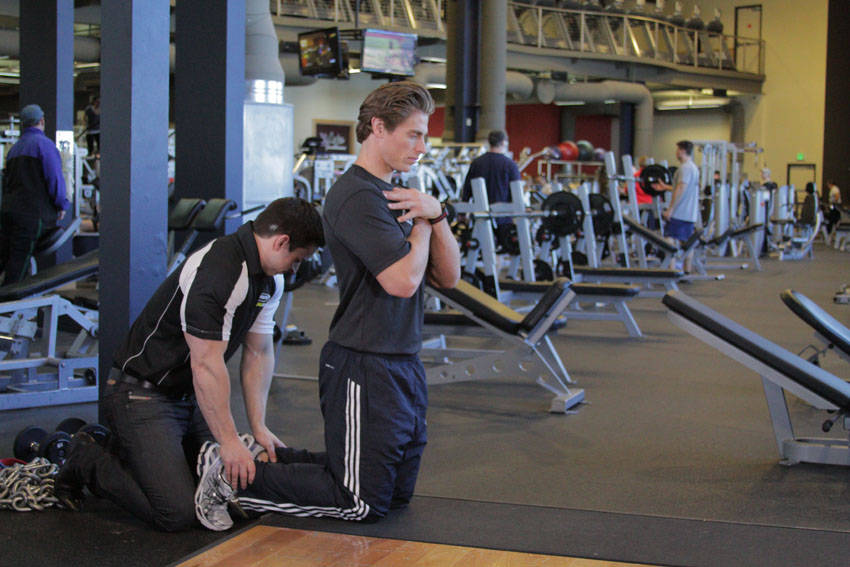
6. Floor Glute-Ham Raise
80% MatchHow to perform this exercise
- You can use a partner for this exercise or brace your feet under something stable.
- Begin on your knees with your upper legs and torso upright. If using a partner, they will firmly hold your feet to keep you in position. This will be your starting position.
- Lower yourself by extending at the knee, taking care to NOT flex the hips as you go forward.
- Place your hands in front of you as you reach the floor. This movement is very difficult and you may be unable to do it unaided. Use your arms to lightly push off the floor to aid your return to the starting position.
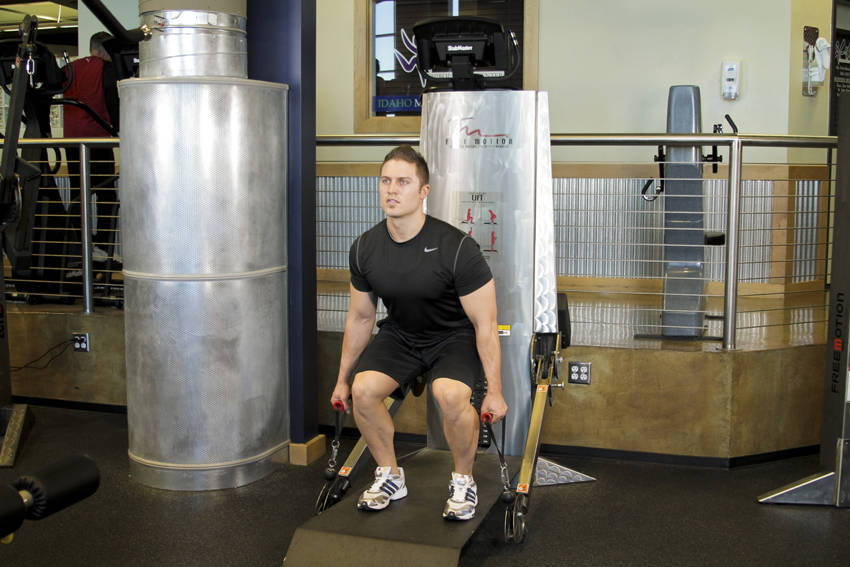
7. Cable Deadlifts
79.9% MatchHow to perform this exercise
- Move the cables to the bottom of the towers and select an appropriate weight. Stand directly in between the uprights.
- To begin, squat down be flexing your hips and knees until you can reach the handles.
- After grasping them, begin your ascent. Driving through your heels extend your hips and knees keeping your hands hanging at your side. Keep your head and chest up throughout the movement.
- After reaching a full standing position, Return to the starting position and repeat.
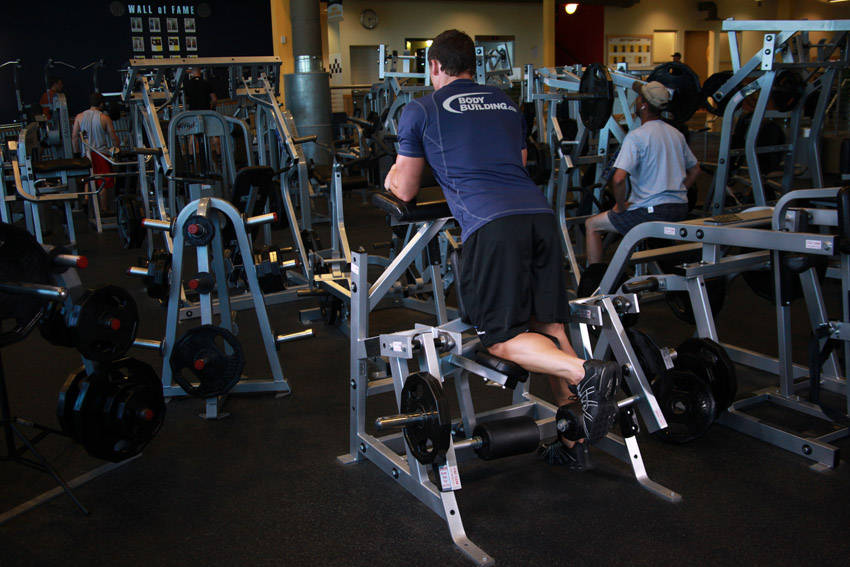
8. Standing Leg Curl
78.7% MatchHow to perform this exercise
- Adjust the machine lever to fit your height and lie with your torso bent at the waist facing forward around 30-45 degrees (since an angled position is more favorable for hamstrings recruitment) with the pad of the lever on the back of your right leg (just a few inches under the calves) and the front of the right leg on top of the machine pad.
- Keeping the torso bent forward, ensure your leg is fully stretched and grab the side handles of the machine. Position your toes straight. This will be your starting position.
- As you exhale, curl your right leg up as far as possible without lifting the upper leg from the pad. Once you hit the fully contracted position, hold it for a second.
- As you inhale, bring the legs back to the initial position. Repeat for the recommended amount of repetitions.
- Perform the same exercise now for the left leg.
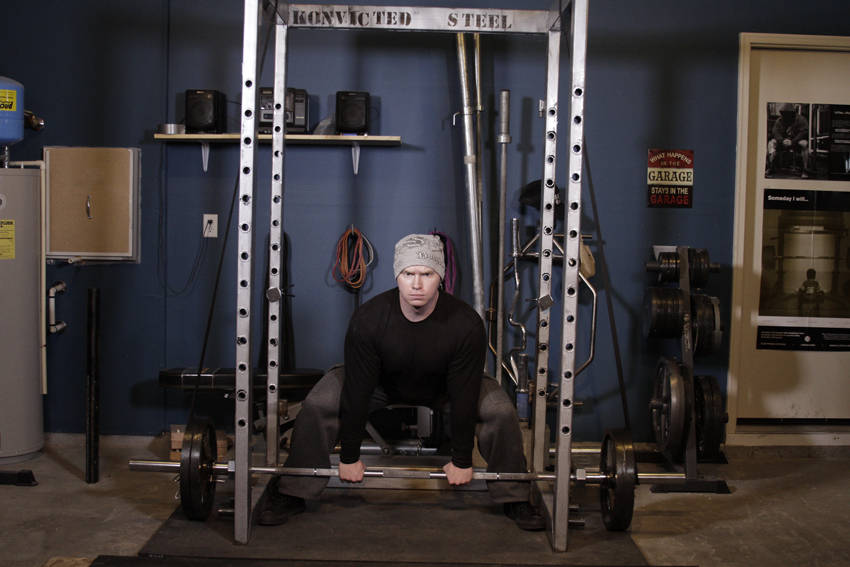
9. Reverse Band Sumo Deadlift
78.6% MatchHow to perform this exercise
- Begin with a bar loaded on the floor inside of a power rack. Attach bands to the top of the rack, using either pegs or the frame itself. Attach the other end to the barbell.
- Approach the bar so that the bar intersects the middle of the feet. The feet should be set very wide, near the collars. Bend at the hips to grip the bar. The arms should be directly below the shoulders, inside the legs, and you can use a pronated grip, a mixed grip, or hook grip. Relax the shoulders, which in effect lengthens your arms.
- Take a breath, and then lower your hips, looking forward with your head with your chest up. Drive through the floor, spreading your feet apart, with your weight on the back half of your feet. Extend through the hips and knees.
- As the bar passes through the knees, lean back and drive the hips into the bar, pulling your shoulder blades together.
- Return the weight to the ground by bending at the hips and controlling the weight on the way down.
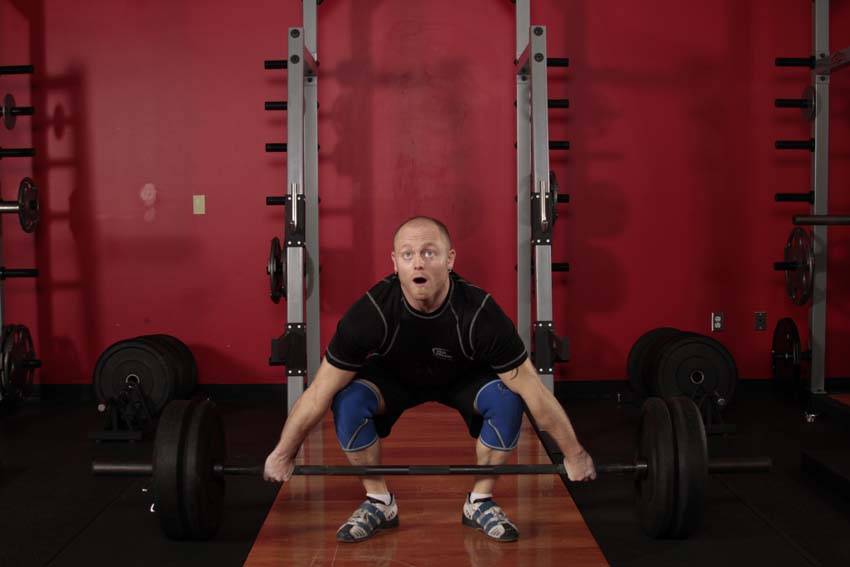
10. Snatch Deadlift
78.6% MatchHow to perform this exercise
- The snatch deadlift strengthens the first pull of the snatch. Begin with a wide snatch grip with the barbell placed on the platform. The feet should be directly under the hips, with the feet turned out. Squat down to the bar, keeping the back in absolute extension with the head facing forward.
- Initiate the movement by driving through the heels, raising the hips. The back angle should remain the same until the bar passes the knees.
- At that point, drive your hips through the bar as you lay back. Return the bar to the platform by reversing the motion.
Why You Might Need a Smith Machine Stiff-legged Deadlift Alternative
You may swap the Smith Machine stiff-legged deadlift because of back pain, lack of equipment, or to use a more natural bar path that increases hamstring and glute recruitment. The fixed bar in a Smith machine constrains the hip hinge and can increase lumbar shear if you force a straight path; free-weight RDLs and single-leg variations allow hips and shoulders to track naturally, improving glute-ham symmetry and spinal loading. For rehab or lower-back risk, reduce lumbar stress by hinging from the hips with a slight knee bend and bracing the core. Technique cue: push hips back until you feel an eccentric stretch in the hamstrings, then drive hips forward to finish the rep.
How to Choose the Right Substitute
Decide based on your goal, equipment, and injury history. For maximal hamstring hypertrophy use heavy RDLs and slow eccentrics (3–4 seconds down) to maximize time under tension; cue yourself to hinge from the hips and maintain a neutral spine. If you lack heavy equipment, pick kettlebell RDLs or single-leg RDLs to preserve hip-hinge mechanics while improving unilateral strength and balance. For rehab prioritize glute-ham raises or controlled Nordic curls with reduced range; keep knees softly bent (~15°) and focus on eccentric control to limit lumbar shear. Always choose the variation that lets you progressively overload while maintaining clean hip hinge mechanics.
Frequently Asked Questions
What muscles does Smith Machine Stiff-legged Deadlift work?
The exercise primarily targets the hamstrings and glutes, with secondary loading of the spinal erectors, adductors, and core. To bias the hamstrings, keep knees near straight and hinge deeply at the hips so the hamstrings lengthen eccentrically and shorten concentrically on hip extension.
What is the best bodyweight alternative to Smith Machine Stiff-legged Deadlift?
The Nordic hamstring curl is the best pure bodyweight option for eccentric hamstring strength and hypertrophy. Anchor your ankles, keep hips extended, and lower under control, focus on a slow eccentric descent to overload the hamstrings without added equipment.
Can I build muscle without doing Smith Machine Stiff-legged Deadlift?
Yes. You can build hamstring and posterior-chain muscle with RDLs, single-leg RDLs, glute-ham raises, and Nordic curls by applying progressive overload and tempo control. Cue slow eccentrics, full hip extension, and consistent load increases to drive hypertrophy without the Smith machine version.
More Exercise Alternatives
Find Alternatives for Any Exercise
Use the exercise substitution finder to compare ranked alternatives for your available equipment and training preference.
Try the Exercise Substitution Finder →