

10 Best Smith Reverse Calf Raises Alternatives for Limited Equipment
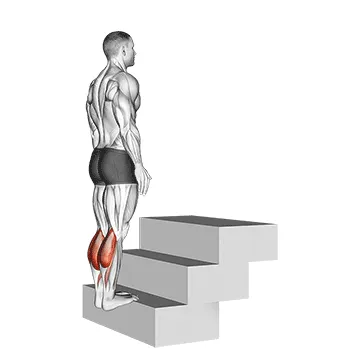
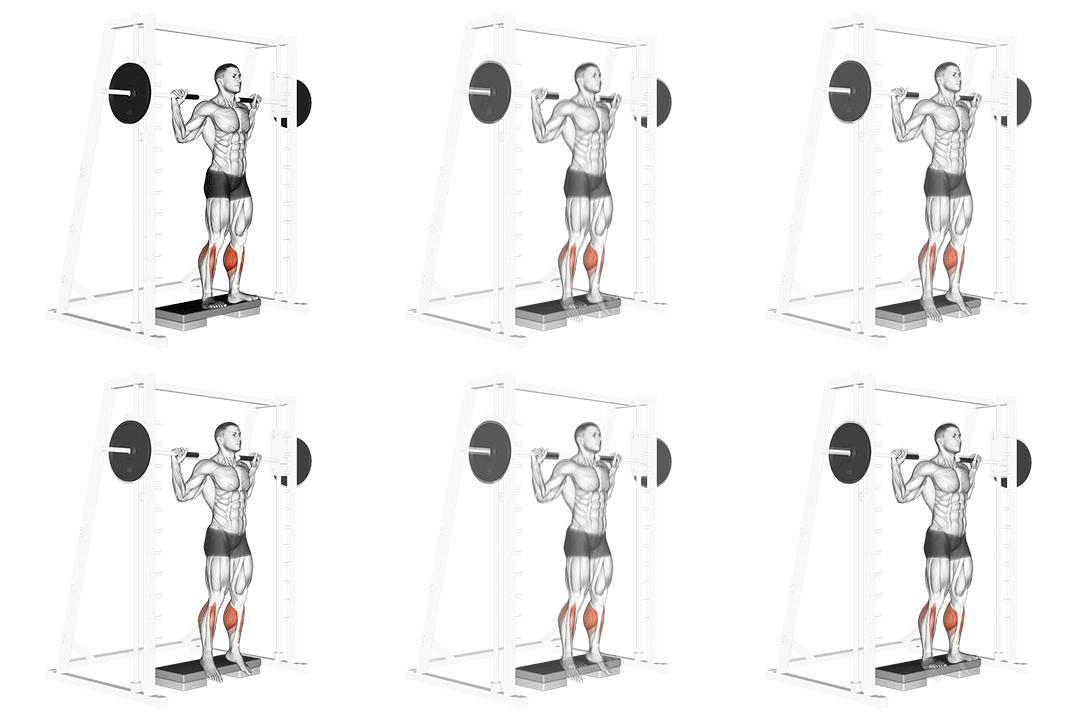
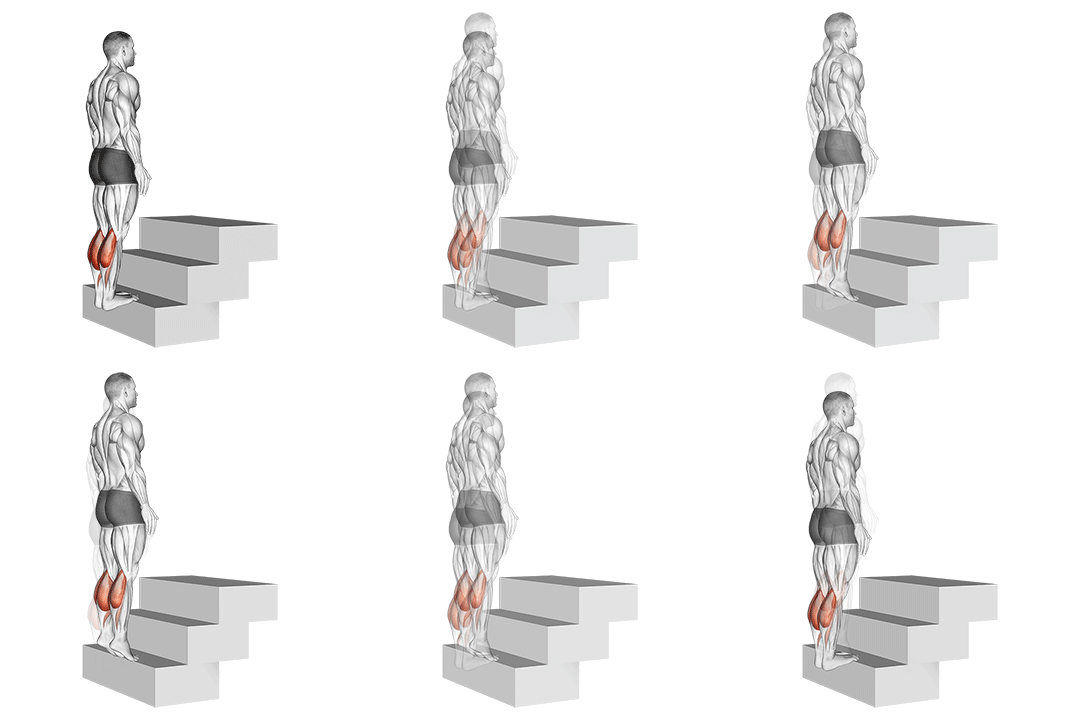
Smith Reverse Calf Raises are done standing with a Smith machine. Ranked closest by our scoring: the Standing Calf Raise (On A Staircase), Standing Calves and the One Leg Floor Calf Raise.
Updated Ranked by our 12-factor similarity model How it works
Original Exercise: Smith Reverse Calf Raises
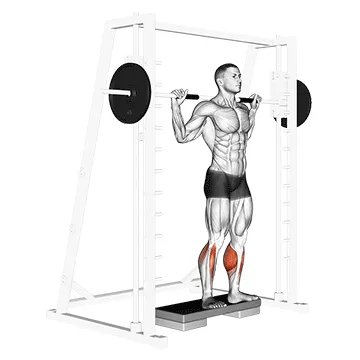
- Primary muscle
- Calves
- Equipment
- Smith-machine
- Difficulty
- Intermediate
- Type
- Isolation
Secondary muscles: Hamstrings
How to perform Smith Reverse Calf Raises
- Adjust the smith machine bar to a height just below your shoulders.
- Stand facing the bar with your feet hip-width apart and toes pointing forward.
- Place the balls of your feet on the edge of a step or platform, with your heels hanging off.
- Hold onto the bar for support, keeping your back straight and core engaged.
- Raise your heels as high as possible, lifting your body weight onto the balls of your feet.
- Pause for a moment at the top, then slowly lower your heels back down to the starting position.
- Repeat for the desired number of repetitions.
Ranked Smith Reverse Calf Raises Alternatives
10 substitutes, ranked by how closely each one matches Smith Reverse Calf Raises on movement pattern, muscles worked, equipment and body position. The higher the score, the less you change. Open "How to perform this exercise" on a card for the steps; every card title links to that exercise's own alternatives page.
Best match - Calves
- Bodyweight
- Beginner
- Isolation
Use this when you have nothing to train with, because it works the calves with bodyweight alone.
How to perform this exercise
- Stand on the edge of a step or a sturdy platform with your heels hanging off and your toes on the step.
- Hold onto a railing or wall for balance if needed.
- Slowly raise your heels as high as possible, lifting your body weight onto the balls of your feet.
- Pause for a moment at the top, then slowly lower your heels back down to the starting position.
- Repeat for the desired number of repetitions.
Sets and reps: 3 sets of 8 to 12 reps, and add reps before you add load.
Why this matches
- Movement: raise, the same as Smith Reverse Calf Raises
- Primary muscle: calves, the same as Smith Reverse Calf Raises
- Equipment: bodyweight only, not a machine
- Body position: standing, the same as Smith Reverse Calf Raises
- Balance: harder to stay steady on than Smith Reverse Calf Raises
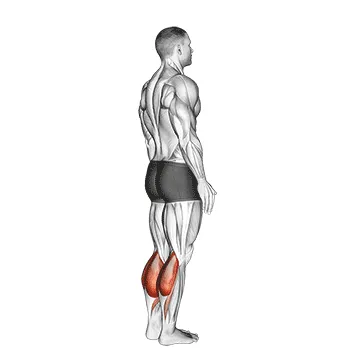
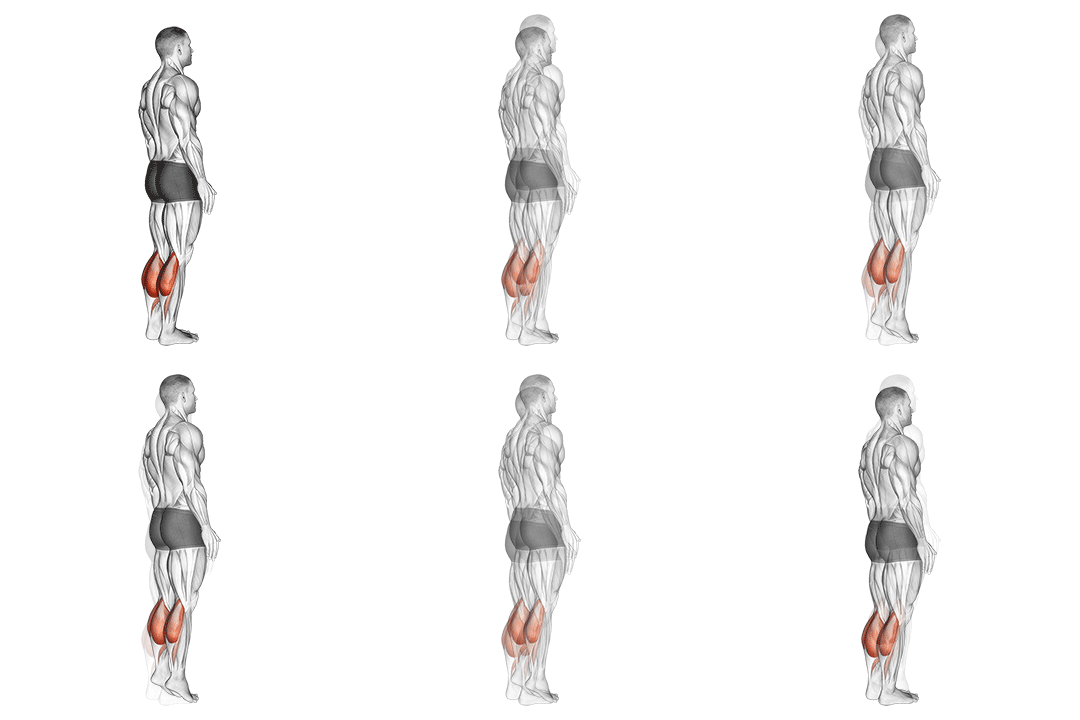
2. Standing Calves
87% match- Calves
- Bodyweight
- Beginner
- Isolation
How to perform this exercise
- Stand with your feet shoulder-width apart, toes pointing forward.
- Raise your heels off the ground as high as possible, standing on your toes.
- Hold the position for a moment, then slowly lower your heels back down to the starting position.
- Repeat for the desired number of repetitions.
Sets and reps: 3 sets of 8 to 12 reps, and add reps before you add load.
Why this matches
- Primary muscle: calves, the same as Smith Reverse Calf Raises
- Equipment: bodyweight only, not a machine
- Body position: standing, the same as Smith Reverse Calf Raises
- Balance: harder to stay steady on than Smith Reverse Calf Raises
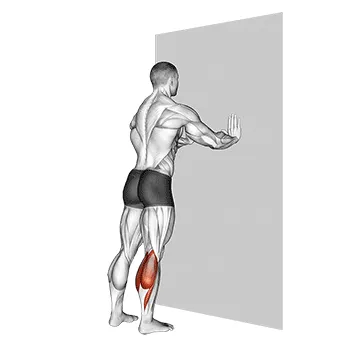
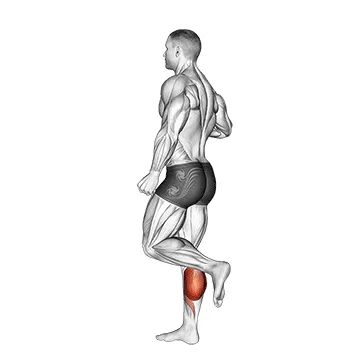
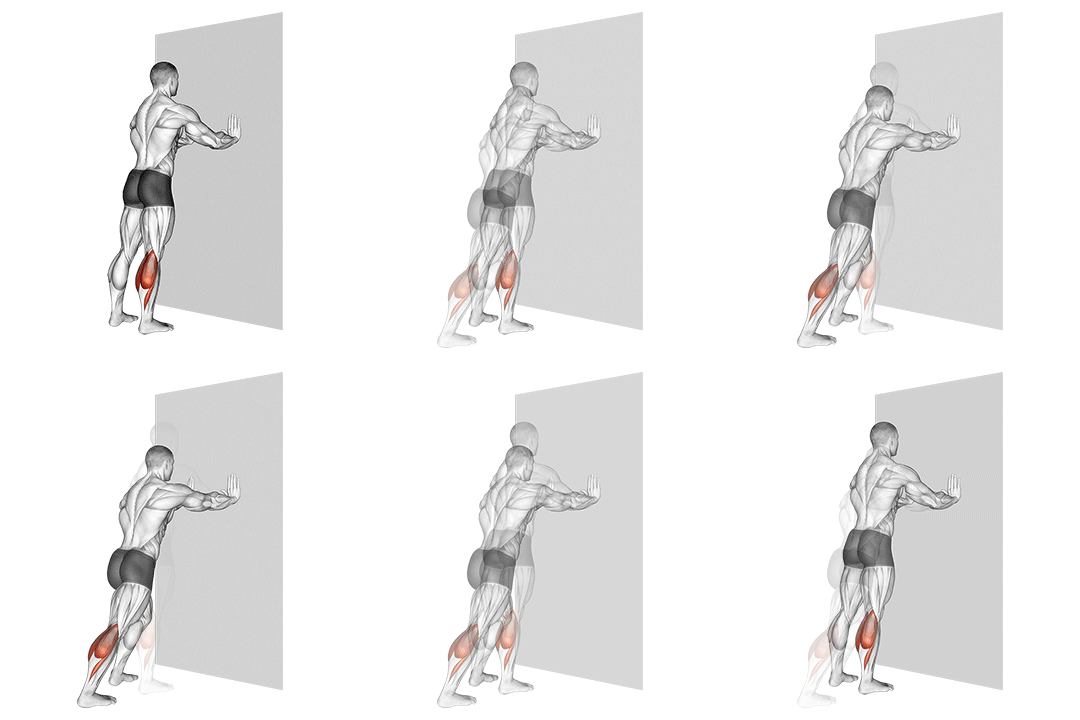
3. One Leg Floor Calf Raise
78% match- Calves
- Bodyweight
- Beginner
- Isolation
Pick this when you want an easier single-leg version that still works the calves.
How to perform this exercise
- Stand with your feet hip-width apart and place your hands on a wall or sturdy object for balance.
- Lift one foot off the ground and balance on the other foot.
- Slowly raise your heel off the ground, lifting your body up onto the ball of your foot.
- Pause for a moment at the top, then slowly lower your heel back down to the starting position.
- Repeat for the desired number of repetitions, then switch legs and repeat.
Sets and reps: 3 sets of 8 to 12 reps on each side, and add reps before you add load.
Why this matches
- Movement: raise, the same as Smith Reverse Calf Raises
- Primary muscle: calves, the same as Smith Reverse Calf Raises
- Equipment: bodyweight only, not a machine
- Body position: standing, the same as Smith Reverse Calf Raises
- Balance: harder to stay steady on than Smith Reverse Calf Raises
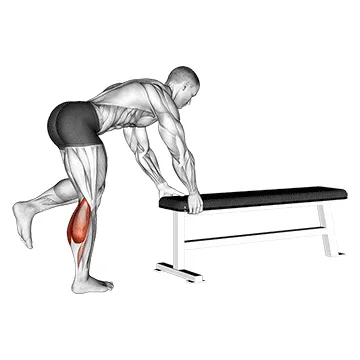
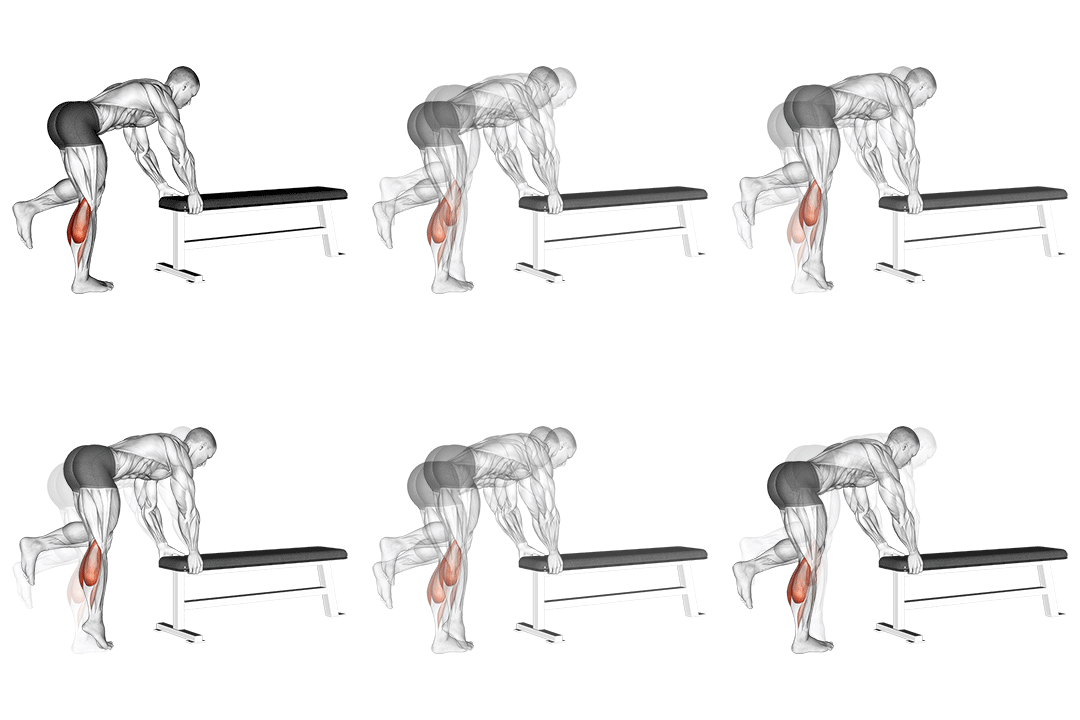
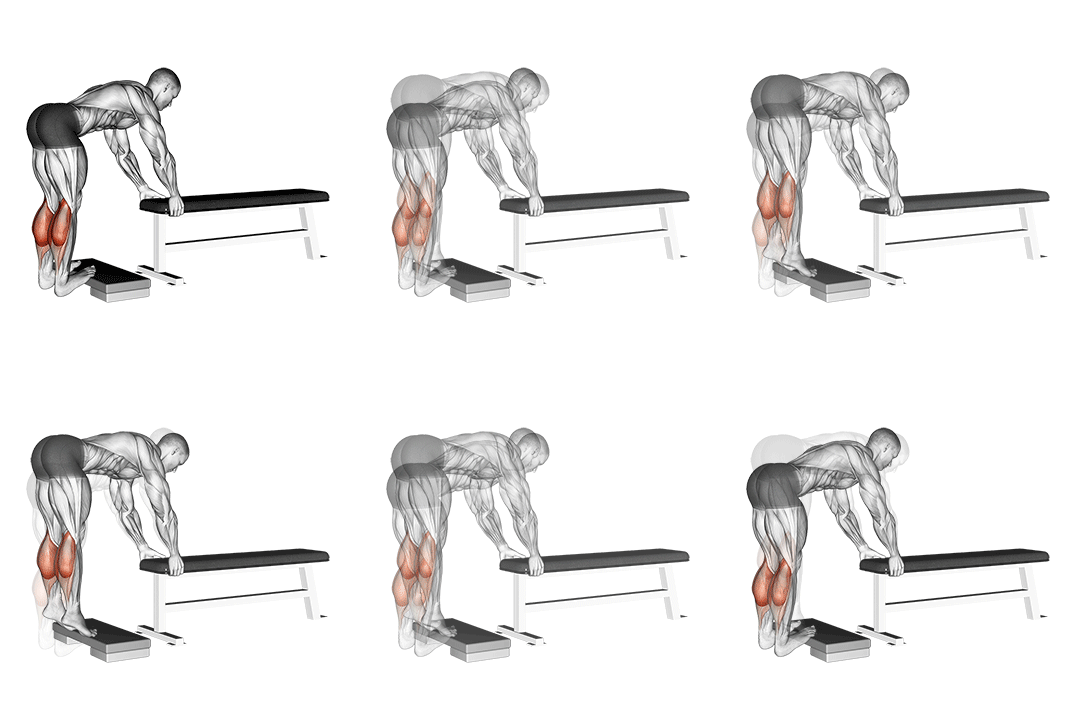
4. One Leg Donkey Calf Raise
77% match- Calves
- Bodyweight
- Beginner
- Isolation
How to perform this exercise
- Stand with your feet shoulder-width apart, toes pointing forward.
- Place your hands on a stable surface for support, such as a wall or a bar.
- Lift one leg off the ground, keeping your knee slightly bent.
- Raise your heel as high as possible, using your calf muscles.
- Pause for a moment at the top, then slowly lower your heel back down.
- Repeat for the desired number of repetitions, then switch legs.
Sets and reps: 3 sets of 8 to 12 reps on each side, and add reps before you add load.
Why this matches
- Movement: raise, the same as Smith Reverse Calf Raises
- Primary muscle: calves, the same as Smith Reverse Calf Raises
- Equipment: bodyweight only, not a machine
- Body position: standing, the same as Smith Reverse Calf Raises
- Balance: harder to stay steady on than Smith Reverse Calf Raises
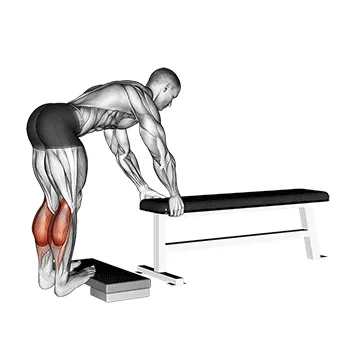
5. Bodyweight Standing Calf Raise
65% match- Calves
- Bodyweight
- Beginner
- Isolation
How to perform this exercise
- Stand with your feet shoulder-width apart, toes pointing forward.
- Place your hands on a wall or stable surface for balance.
- Slowly raise your heels off the ground, lifting your body weight onto the balls of your feet.
- Pause for a moment at the top, then slowly lower your heels back down to the starting position.
- Repeat for the desired number of repetitions.
Sets and reps: 3 sets of 8 to 12 reps, and add reps before you add load.
Why this matches
- Primary muscle: calves, the same as Smith Reverse Calf Raises
- Equipment: bodyweight only, not a machine
- Body position: standing, the same as Smith Reverse Calf Raises
6. Donkey Calf Raise
65% match- Calves
- Bodyweight
- Beginner
- Isolation
How to perform this exercise
- Stand with your toes on an elevated surface, such as a step or block.
- Place your hands on a stable support, such as a wall or railing, for balance.
- Raise your heels as high as possible, lifting your body weight onto the balls of your feet.
- Pause for a moment at the top, then slowly lower your heels back down to the starting position.
- Repeat for the desired number of repetitions.
Sets and reps: 3 sets of 8 to 12 reps, and add reps before you add load.
Why this matches
- Primary muscle: calves, the same as Smith Reverse Calf Raises
- Equipment: bodyweight only, not a machine
- Body position: standing, the same as Smith Reverse Calf Raises
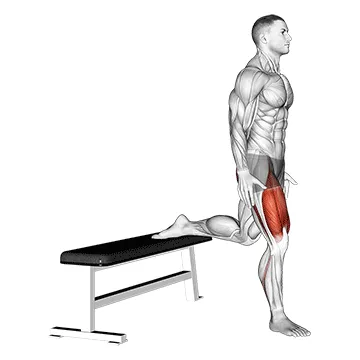
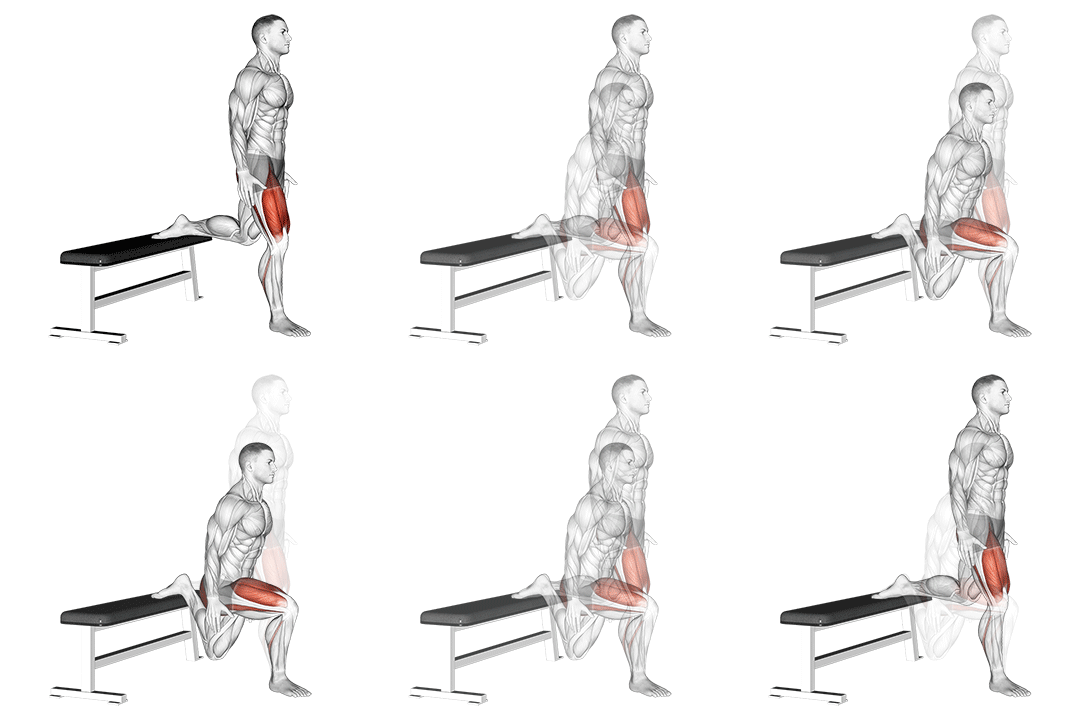
7. Quads
48% match- Quads
- Bodyweight
- Beginner
- Compound
A looser match: it works the quads rather than the calves.
How to perform this exercise
- Stand with your feet shoulder-width apart.
- Lower your body by bending your knees and pushing your hips back as if sitting on a chair.
- Keep your chest up and your back straight.
- Lower yourself until your thighs are parallel to the ground.
- Push through your heels to return to the starting position.
- Repeat for the desired number of repetitions.
Sets and reps: 3 sets of 8 to 12 reps, and add reps before you add load.
Why this matches
- Primary muscle: quads, not calves
- Equipment: bodyweight only, not a machine
- Body position: standing, the same as Smith Reverse Calf Raises
- Balance: harder to stay steady on than Smith Reverse Calf Raises
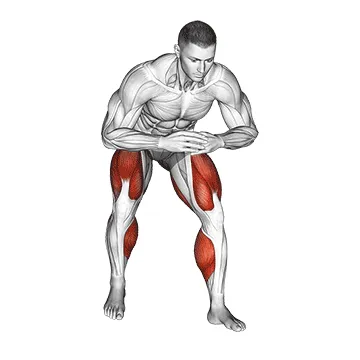
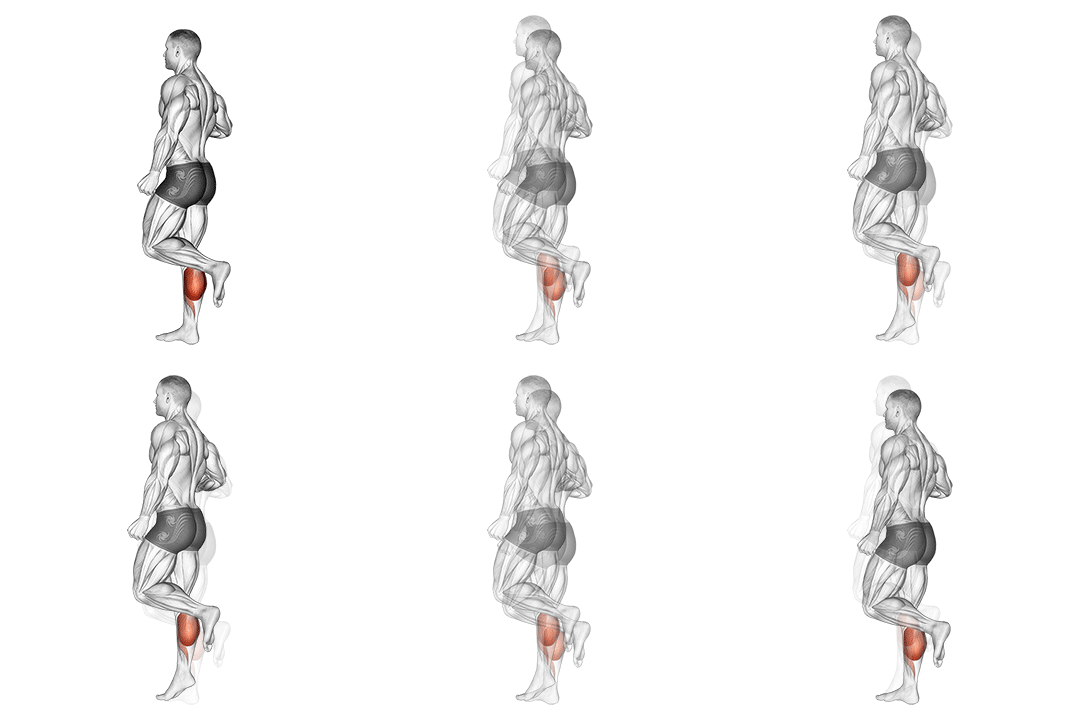
8. Quick Feet
45% match- Calves
- Bodyweight
- Beginner
- Isolation
How to perform this exercise
- Stand with your feet shoulder-width apart and your arms by your sides.
- Begin by rapidly moving your feet up and down, as if you were running in place.
- Keep your movements quick and light, focusing on staying on the balls of your feet.
- Continue for the desired duration or number of repetitions.
Sets and reps: Work for 30 to 60 seconds, rest as long as you worked, and repeat 6 to 10 times.
Why this matches
- Primary muscle: calves, the same as Smith Reverse Calf Raises
- Equipment: bodyweight only, not a machine
- Body position: standing, the same as Smith Reverse Calf Raises
- Balance: harder to stay steady on than Smith Reverse Calf Raises
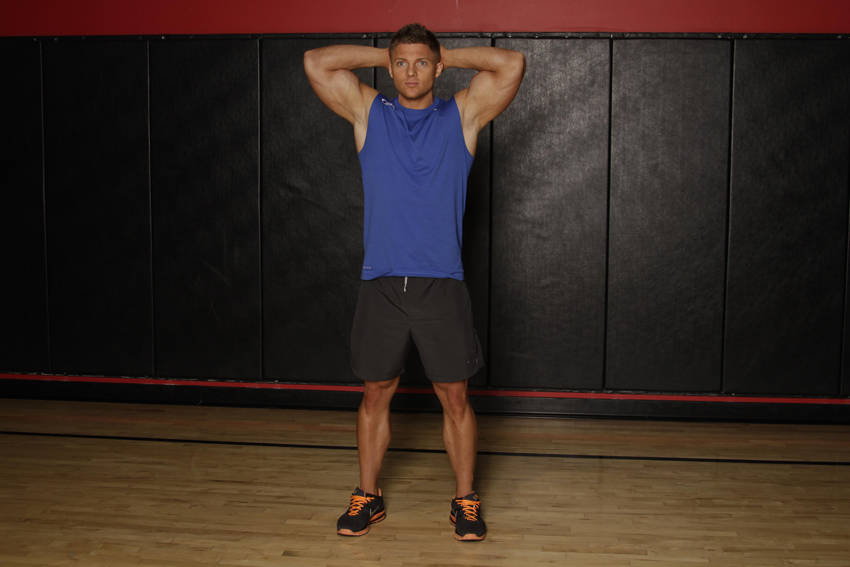
9. Bodyweight Squat
44% match- Quads
- Bodyweight
- Beginner
- Compound
How to perform this exercise
- Stand with your feet shoulder width apart. You can place your hands behind your head. This will be your starting position.
- Begin the movement by flexing your knees and hips, sitting back with your hips.
- Continue down to full depth if you are able,and quickly reverse the motion until you return to the starting position. As you squat, keep your head and chest up and push your knees out.
Sets and reps: 3 sets of 8 to 12 reps, and add reps before you add load.
Why this matches
- Primary muscle: quads, not calves
- Equipment: bodyweight only, not a machine
- Body position: standing, the same as Smith Reverse Calf Raises
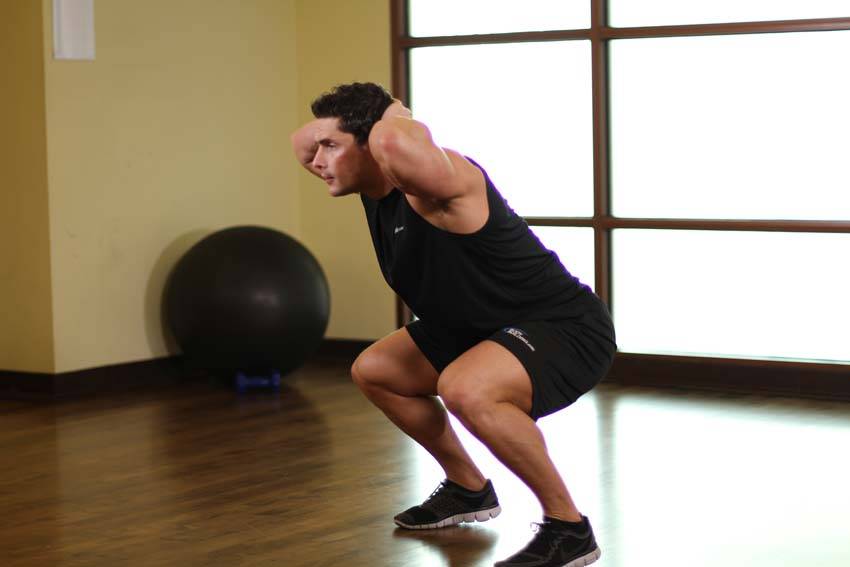
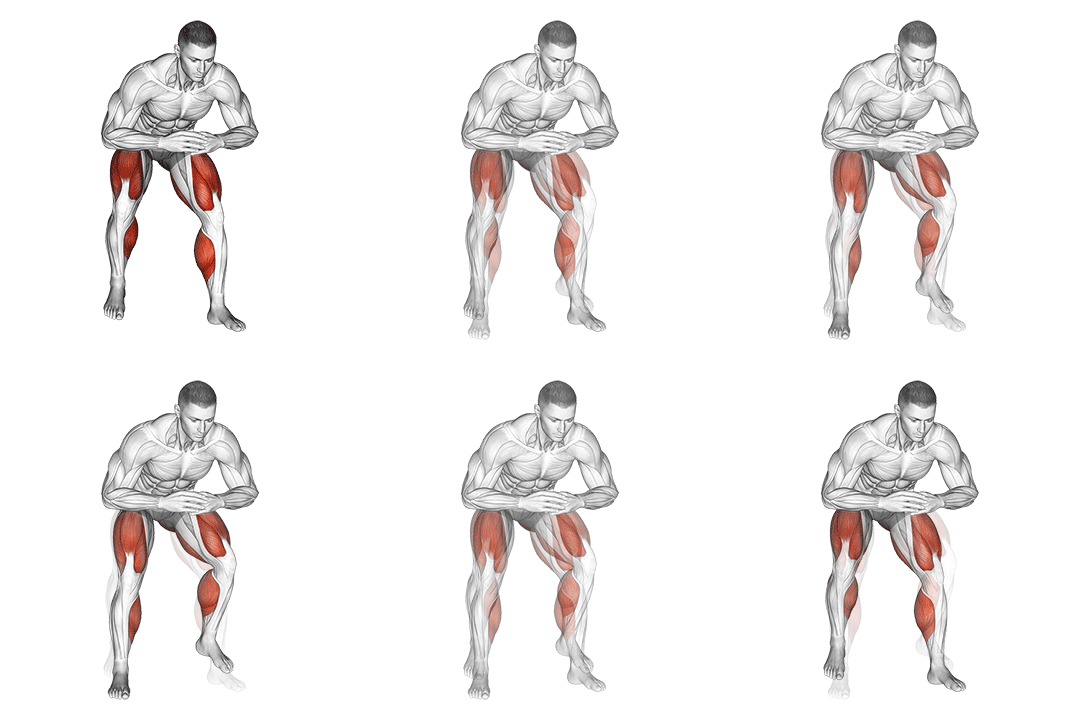
10. Frog Hops
43% match- Quads
- Bodyweight
- Intermediate
- Compound
How to perform this exercise
- Stand with your hands behind your head, and squat down keeping your torso upright and your head up. This will be your starting position.
- Jump forward several feet, avoiding jumping unnecessarily high. As your feet contact the ground, absorb the impact through your legs, and jump again. Repeat this action 5-10 times.
Sets and reps: 3 or 4 sets of 6 to 10 reps.
Why this matches
- Primary muscle: quads, not calves
- Equipment: bodyweight only, not a machine
- Body position: standing, the same as Smith Reverse Calf Raises
- Balance: harder to stay steady on than Smith Reverse Calf Raises
Smith Reverse Calf Raises FAQ
What muscles does Smith Reverse Calf Raises work?
Smith Reverse Calf Raises primarily load the gastrocnemius and soleus via plantarflexion of the ankle; knee angle shifts emphasis between those two. Keep knees straight to prioritize gastrocnemius and bend them to bias the soleus while pressing through the forefoot to recruit calf fibers effectively.
What is the best bodyweight alternative to Smith Reverse Calf Raises?
The best bodyweight option is the single-leg calf raise on a step, place the forefoot on the step edge, let the heel drop below the step, then drive the heel up fully. Pause at the top and lower slowly for 2–3 seconds to increase time under tension and recruit both gastrocnemius and soleus.
Find Alternatives for Any Exercise
Search the exercise database and filter the ranked substitutes by the equipment you own.
Similarity scores compare exercise metadata such as movement pattern, muscles, equipment and body position. They are not a safety rating or a check that you own the equipment. Learn about our methodology