

10 Best Supine One-arm Overhead Throw Alternatives for Core Power
The Supine One-arm Overhead Throw is done lying on your back with a medicine ball. Ranked closest by our scoring: the Supine Two-arm Overhead Throw, the One Arm Slam (With Medicine Ball) and the One-arm Medicine Ball Slam.
Updated Ranked by our 12-factor similarity model How it works
Original Exercise: Supine One-arm Overhead Throw
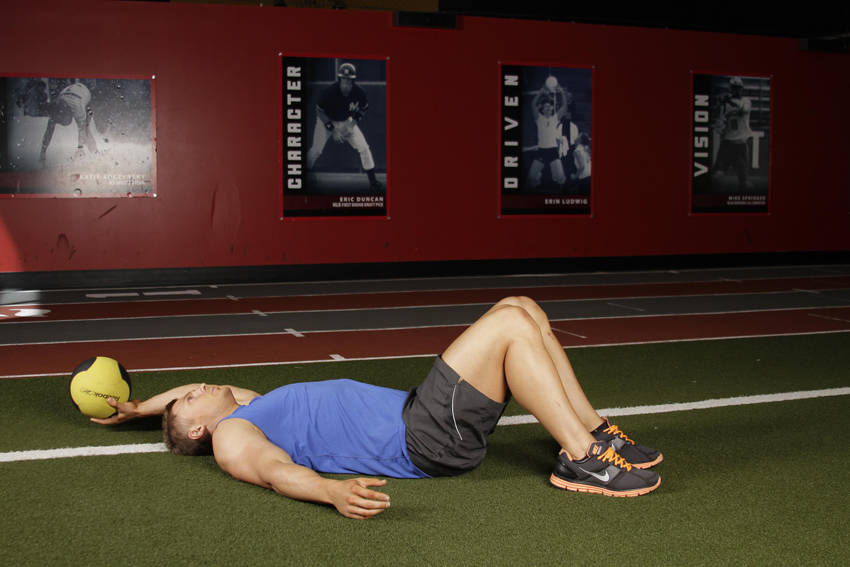
- Primary muscle
- Abs
- Equipment
- Medicine-ball
- Difficulty
- Intermediate
- Type
- Compound
Secondary muscles: Chest, Lats, Shoulders
How to perform Supine One-arm Overhead Throw
- Lay on the ground on your back with your knees bent. Hold the ball with one hand, extending the arm fully behind your head. This will be your starting position.
- Initiate the movement at the shoulder, throwing the ball directly forward of you as you sit up, attempting to go for maximum distance.
- The ball can be thrown to a partner or bounced off of a wall.
Ranked Supine One-arm Overhead Throw Alternatives
10 substitutes, ranked by how closely each one matches the Supine One-arm Overhead Throw on movement pattern, muscles worked, equipment and body position. The higher the score, the less you change. Open "How to perform this exercise" on a card for the steps; every card title links to that exercise's own alternatives page.
Best match 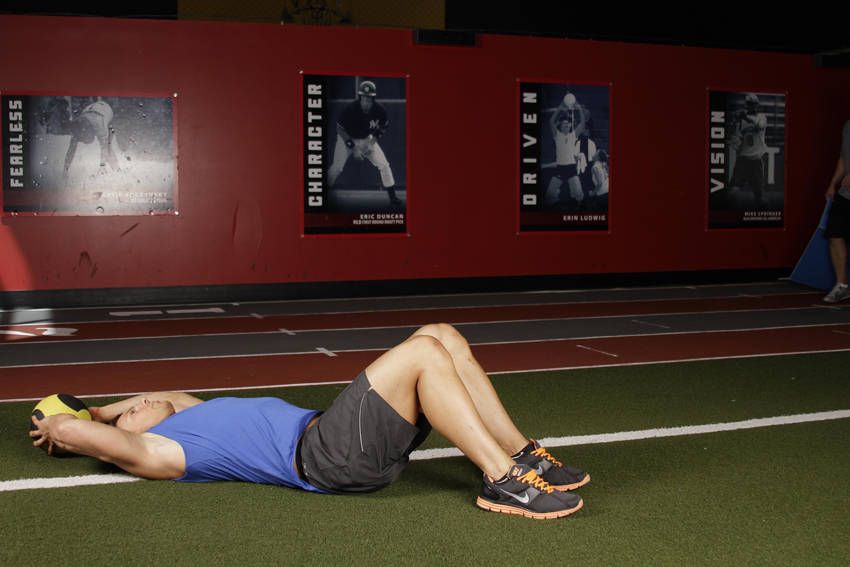
1. Supine Two-arm Overhead Throw
92% match- Abs
- Medicine-ball
- Intermediate
- Compound
Pick this when you want an easier version that still works the abs.
How to perform this exercise
- Lay on the ground on your back with your knees bent.
- Hold the ball with both hands, extending the arms fully behind your head. This will be your starting position.
- Initiate the movement at the shoulder, throwing the ball directly forward of you as you sit up, attempting to go for maximum distance.
- The ball can be thrown to a partner or bounced off of a wall.
Sets and reps: 3 or 4 sets of 6 to 10 reps.
Why this matches
- Primary muscle: abs, the same as the Supine One-arm Overhead Throw
- Equipment: free weights, the same as the Supine One-arm Overhead Throw
- Body position: lying on your back, the same as the Supine One-arm Overhead Throw
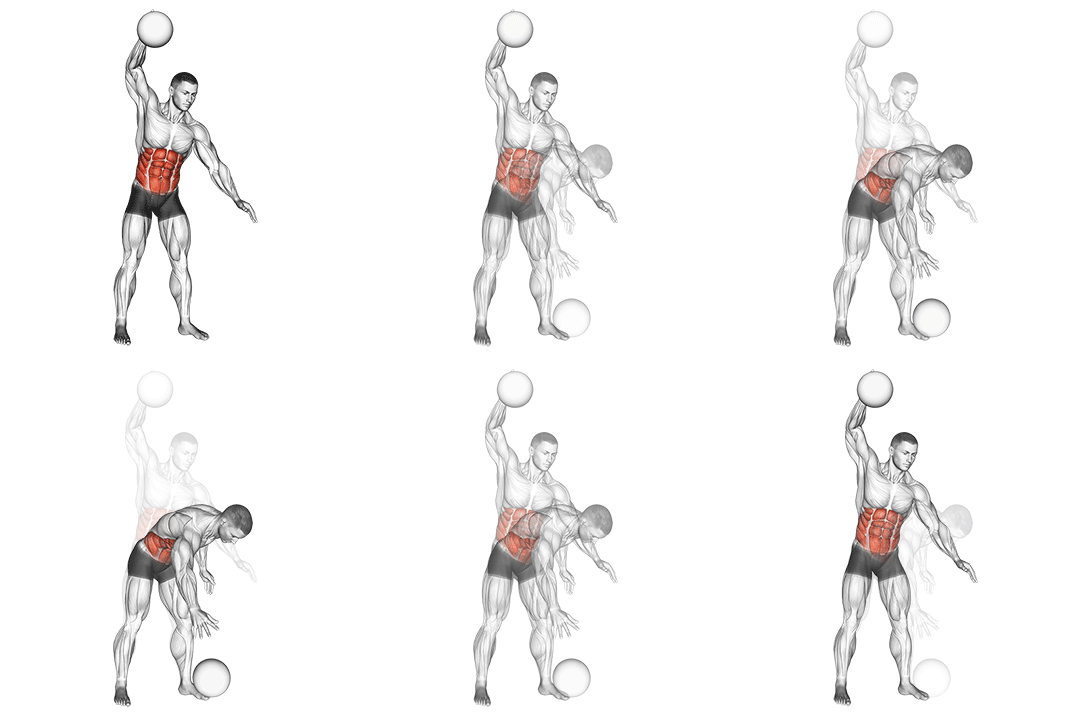
2. One Arm Slam (With Medicine Ball)
87% match- Abs
- Medicine-ball
- Intermediate
- Compound
The same equipment, done standing instead.
How to perform this exercise
- Stand with your feet shoulder-width apart, holding the medicine ball with one hand in front of your waist.
- Bend your knees slightly and engage your core.
- Raise the medicine ball above your head, fully extending your arm.
- Forcefully slam the medicine ball down to the ground, using your core and shoulders to generate power.
- Catch the medicine ball on the bounce and repeat for the desired number of repetitions.
Sets and reps: 3 to 5 sets of 5 to 8 reps on each side.
Why this matches
- Primary muscle: abs, the same as the Supine One-arm Overhead Throw
- Equipment: free weights, the same as the Supine One-arm Overhead Throw
- Body position: standing, not lying on your back
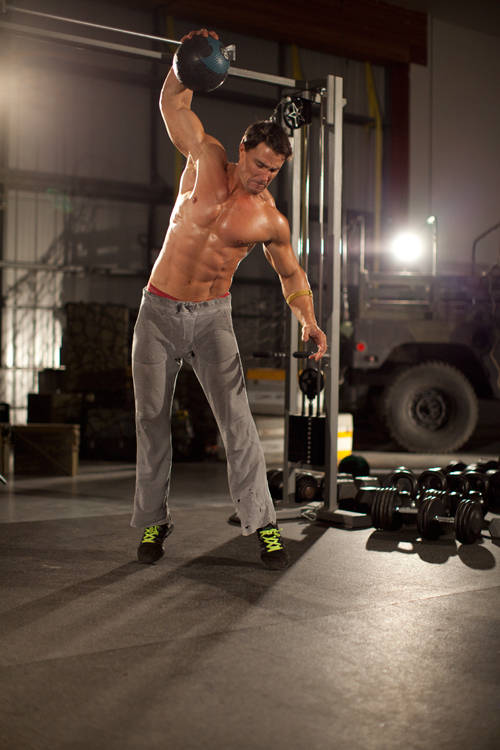
3. One-arm Medicine Ball Slam
87% match- Abs
- Medicine-ball
- Intermediate
- Compound
How to perform this exercise
- Start in a standing position with a staggered, athletic stance. Hold a medicine ball in one hand, on the same side as your back leg. This will be your starting position.
- Begin by winding the arm, raising the medicine ball above your head. As you do so, extend through the hips, knees, and ankles to load up for the slam.
- At peak extension, flex the shoulders, spine, and hips to throw the ball hard into the ground directly in front of you.
- Catch the ball on the bounce and continue for the desired number of repetitions.
Sets and reps: 3 or 4 sets of 6 to 10 reps on each side.
Why this matches
- Primary muscle: abs, the same as the Supine One-arm Overhead Throw
- Equipment: free weights, the same as the Supine One-arm Overhead Throw
- Body position: standing, not lying on your back
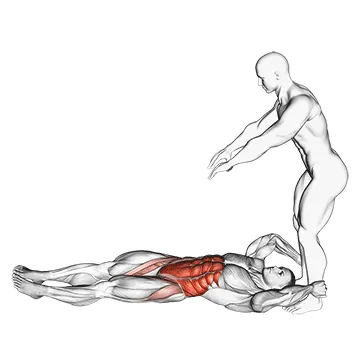
- Abs
- Machine
- Beginner
- Isolation
A good swap when you have a machine to work with, and it still works the abs.
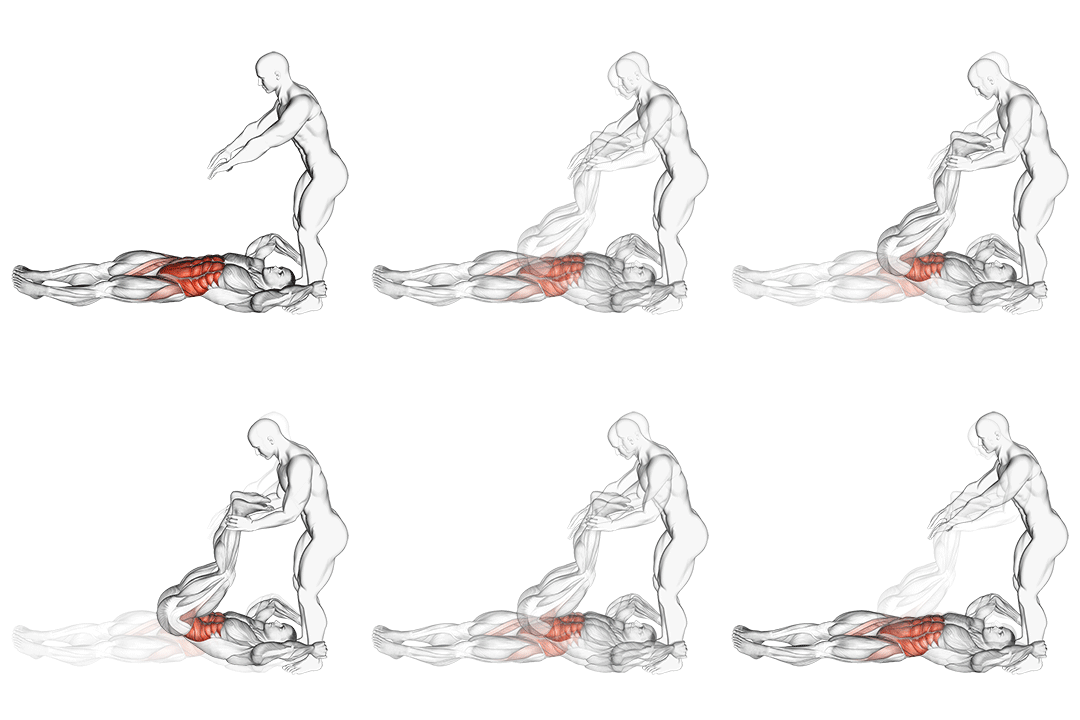
How to perform this exercise
- Lie flat on your back with your legs extended and your arms by your sides.
- Place your hands under your glutes for support.
- Engage your abs and lift your legs off the ground, keeping them straight.
- While keeping your legs together, lower them to one side until they are a few inches above the ground.
- Pause for a moment, then lift your legs back to the starting position.
- Repeat the movement to the other side.
- Continue alternating sides for the desired number of repetitions.
Sets and reps: 3 sets of 10 to 15 reps.
Why this matches
- Primary muscle: abs, the same as the Supine One-arm Overhead Throw
- Equipment: a machine, not free weights
- Body position: lying on your back, the same as the Supine One-arm Overhead Throw
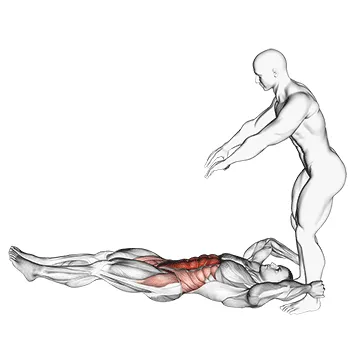
- Abs
- Machine
- Beginner
- Isolation
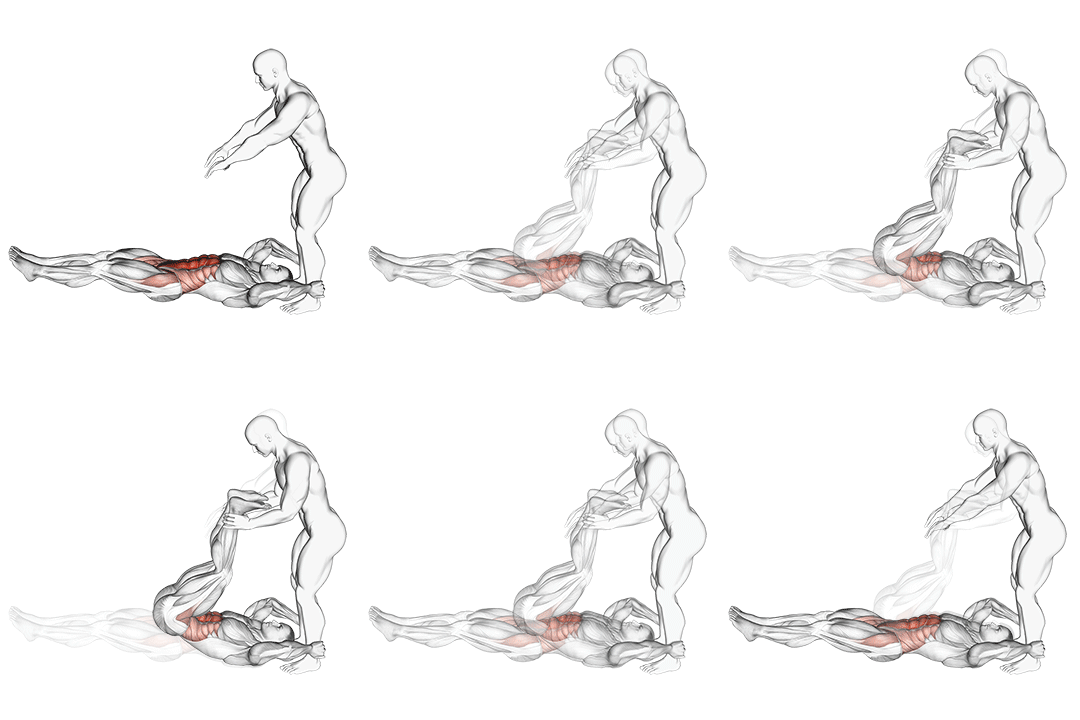
How to perform this exercise
- Lie flat on your back with your legs extended and your arms by your sides.
- Place your hands under your glutes for support.
- Engage your core and lift your legs off the ground, keeping them straight.
- Raise your legs until they are perpendicular to the ground.
- Lower your legs back down to the starting position.
- Simultaneously, throw your legs down towards the ground, keeping them straight.
- Raise your legs back up to the starting position.
- Repeat for the desired number of repetitions.
Sets and reps: 3 sets of 10 to 15 reps.
Why this matches
- Primary muscle: abs, the same as the Supine One-arm Overhead Throw
- Equipment: a machine, not free weights
- Body position: lying on your back, the same as the Supine One-arm Overhead Throw
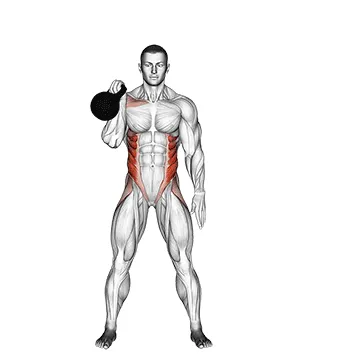
6. Kettlebell Bent Press
75% match- Abs
- Kettlebell
- Advanced
- Compound
A good swap when you have a kettlebell to work with, and it still works the abs.
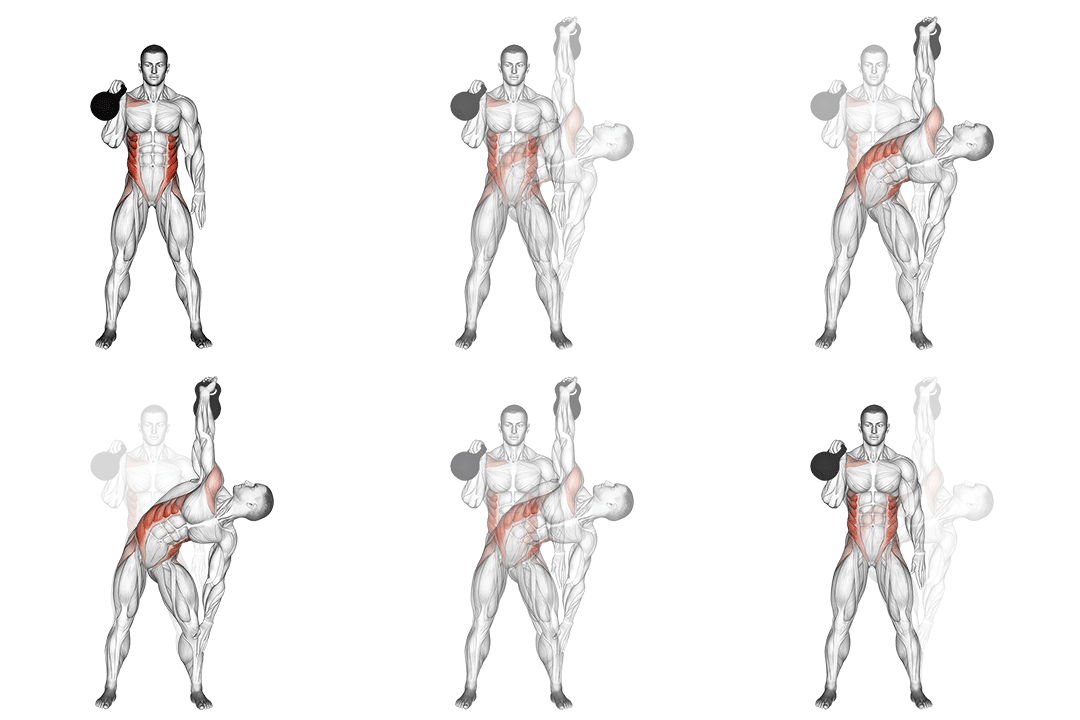
How to perform this exercise
- Stand with your feet shoulder-width apart, holding a kettlebell in your right hand.
- Bend your knees slightly and press the kettlebell overhead with your right arm, keeping your elbow locked.
- Rotate your torso to the left, shifting your weight onto your left foot.
- Bend your left knee and lower your torso towards the ground, keeping your right arm extended overhead.
- As you lower, keep your eyes on the kettlebell and your chest lifted.
- Once your left hand touches the ground, push through your left foot and straighten your left leg, driving your hips forward.
- As you drive your hips forward, use your core and right arm to press the kettlebell back up to the starting position.
- Repeat for the desired number of repetitions, then switch sides.
Sets and reps: 3 to 5 sets of 5 to 8 reps on each side.
Why this matches
- Primary muscle: abs, the same as the Supine One-arm Overhead Throw
- Equipment: free weights, the same as the Supine One-arm Overhead Throw
- Body position: standing, not lying on your back
- Balance: harder to stay steady on than the Supine One-arm Overhead Throw
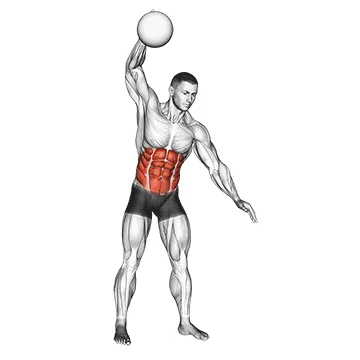
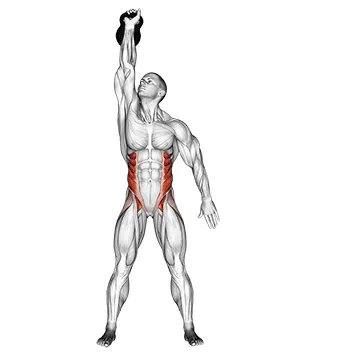
7. Kettlebell Windmill
75% match- Abs
- Kettlebell
- Intermediate
- Compound
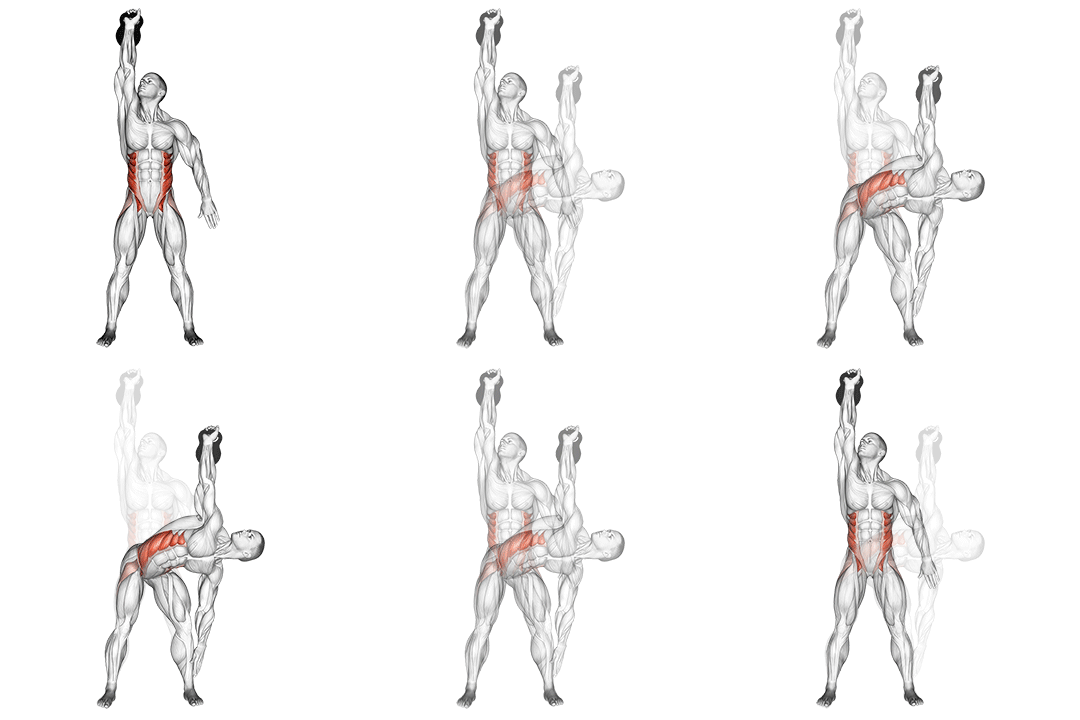
How to perform this exercise
- Stand with your feet shoulder-width apart, holding a kettlebell in your right hand overhead.
- Rotate your left foot outwards about 45 degrees and keep your right foot pointing forward.
- Bend your torso to the left side, keeping your right arm extended overhead and your eyes on the kettlebell.
- Lower your torso as far as you can while keeping your right arm straight and your left arm extended to the side.
- Pause for a moment, then return to the starting position by pushing through your right foot and engaging your obliques.
- Repeat for the desired number of repetitions, then switch sides.
Sets and reps: 3 to 5 sets of 5 to 8 reps on each side.
Why this matches
- Primary muscle: abs, the same as the Supine One-arm Overhead Throw
- Equipment: free weights, the same as the Supine One-arm Overhead Throw
- Body position: standing, not lying on your back
- Balance: harder to stay steady on than the Supine One-arm Overhead Throw
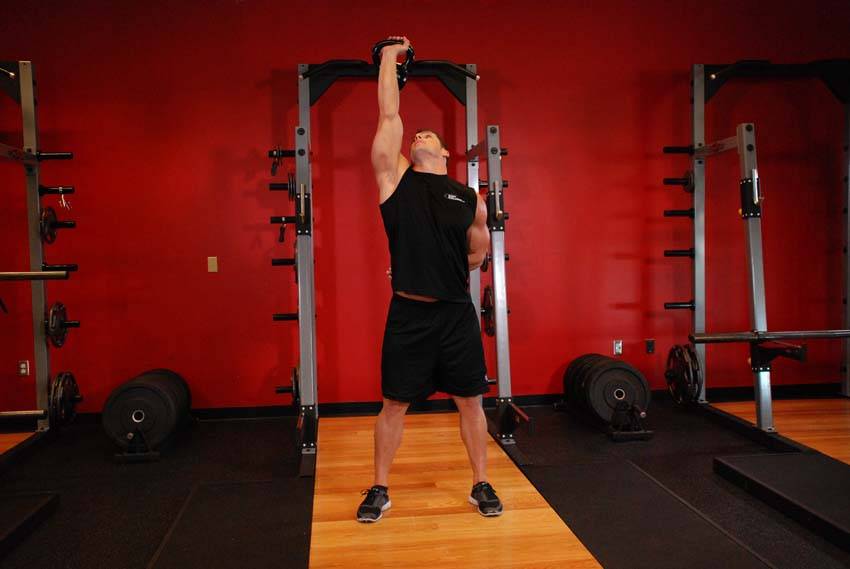
8. Advanced Kettlebell Windmill
73% match- Abs
- Kettlebell
- Advanced
- Compound
How to perform this exercise
- Clean and press a kettlebell overhead with one arm.
- Keeping the kettlebell locked out at all times, push your butt out in the direction of the locked out kettlebell. Keep the non-working arm behind your back and turn your feet out at a forty-five degree angle from the arm with the kettlebell.
- Lower yourself as far as possible.
- Pause for a second and reverse the motion back to the starting position.
Sets and reps: 3 to 5 sets of 5 to 8 reps on each side.
Why this matches
- Primary muscle: abs, the same as the Supine One-arm Overhead Throw
- Equipment: free weights, the same as the Supine One-arm Overhead Throw
- Body position: standing, not lying on your back
- Balance: harder to stay steady on than the Supine One-arm Overhead Throw
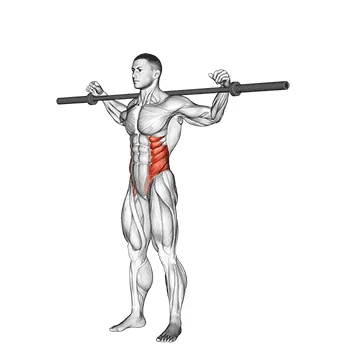
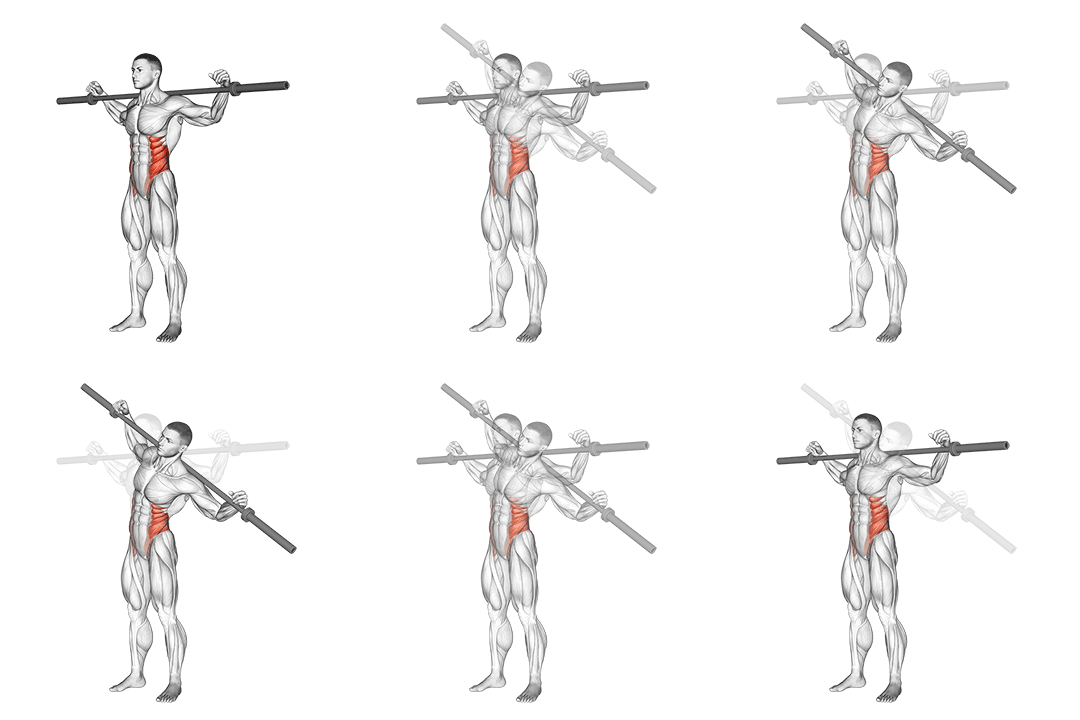
9. Barbell Side Bent
72% match- Abs
- Barbell
- Beginner
- Compound
How to perform this exercise
- Stand with your feet shoulder-width apart and hold a barbell with both hands, palms facing down.
- Keep your back straight and core engaged throughout the exercise.
- Slowly bend your torso to the right side, lowering the barbell towards your right knee.
- Pause for a moment, then return to the starting position.
- Repeat the movement on the left side.
- Continue alternating sides for the desired number of repetitions.
Sets and reps: 3 or 4 sets of 6 to 10 reps on each side.
Why this matches
- Primary muscle: abs, the same as the Supine One-arm Overhead Throw
- Equipment: free weights, the same as the Supine One-arm Overhead Throw
- Body position: standing, not lying on your back
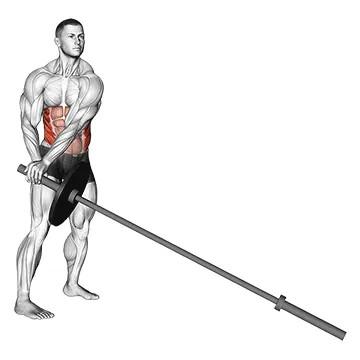
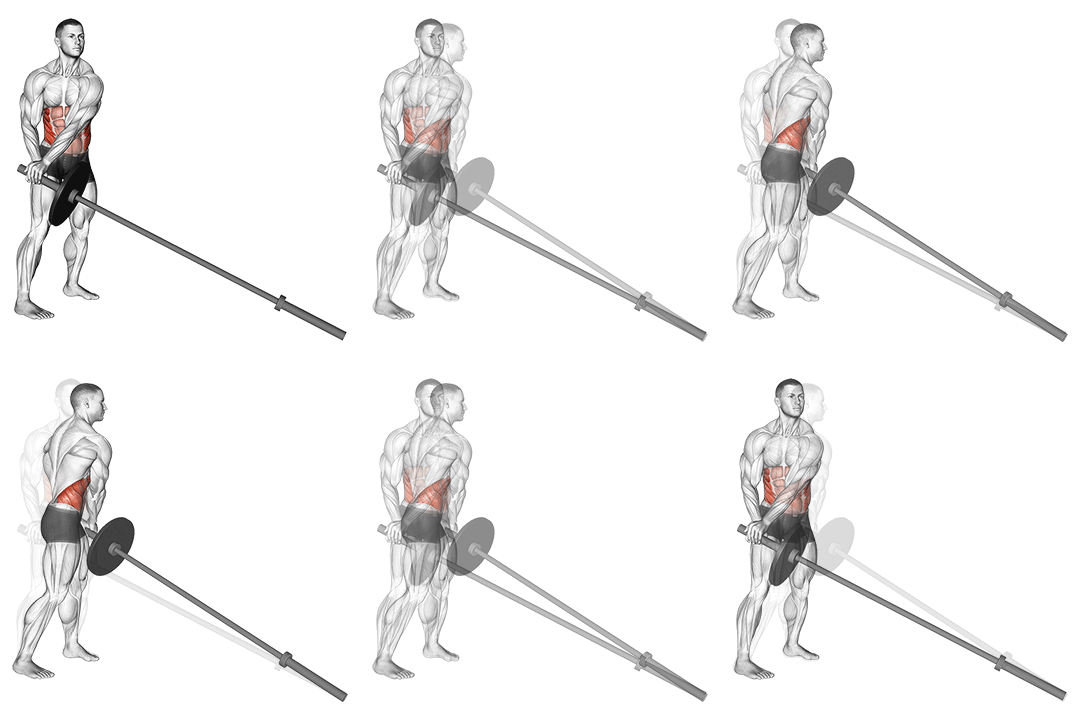
10. Landmine 180
70% match- Abs
- Barbell
- Intermediate
- Compound
How to perform this exercise
- Stand with your feet shoulder-width apart and hold the barbell with both hands in front of your chest.
- Bend your knees slightly and rotate your torso to the right, swinging the barbell down towards your right hip.
- As you reach the bottom of the movement, quickly reverse the motion and rotate your torso to the left, swinging the barbell up and across your body towards your left shoulder.
- Continue this twisting motion, alternating sides, for the desired number of repetitions.
Sets and reps: 3 to 5 sets of 5 to 8 reps.
Why this matches
- Primary muscle: abs, the same as the Supine One-arm Overhead Throw
- Equipment: free weights, the same as the Supine One-arm Overhead Throw
- Body position: standing, not lying on your back
Why You Might Need a Supine One-arm Overhead Throw Alternative
You may substitute the Supine One-arm Overhead Throw for shoulder pain, lack of a medicine ball, limited space, or to vary training stimulus. Alternatives let you maintain the same gross movement pattern, overhead arm path and explosive hip-thoracic extension, while reducing load on the shoulder or spine. Use a standing throw or rotational press to keep oblique and transverse abdominis recruitment while altering joint angles and force vectors. Cue: keep ribs down and exhale on the effort to preserve intra-abdominal pressure and protect the lumbar spine.
How to Choose the Right Supine One-arm Overhead Throw Substitute
Pick a substitute based on the movement pattern, required power, and available equipment. Match the primary demands: if you need explosive vertical force, choose a standing overhead throw; for rotational torque, choose cable or landmine chops. Consider joint limits, select anti-rotation holds if your shoulder lacks overhead range. Cue: maintain a neutral pelvis and initiate motion from the hips so the rectus abdominis and obliques work as intended while minimizing lumbar shear.
Supine One-arm Overhead Throw FAQ
What muscles does Supine One-arm Overhead Throw work?
The move primarily targets the rectus abdominis and obliques while recruiting the transverse abdominis for stability. The throw also uses hip extensors for power and the serratus anterior and deltoid for the overhead arm drive.
Can I build muscle without doing Supine One-arm Overhead Throw?
Yes, you can build core muscle and power with alternatives that match the movement pattern and load. Use progressive overload via heavier med balls, added resistance on chops, or higher-velocity throws while ensuring proper bracing and hip drive to stimulate the same abdominal and oblique fibers.
Find Alternatives for Any Exercise
Search the exercise database and filter the ranked substitutes by the equipment you own.
Similarity scores compare exercise metadata such as movement pattern, muscles, equipment and body position. They are not a safety rating or a check that you own the equipment. Learn about our methodology