

10 Best Windmills Alternatives for Core and Hip Strength
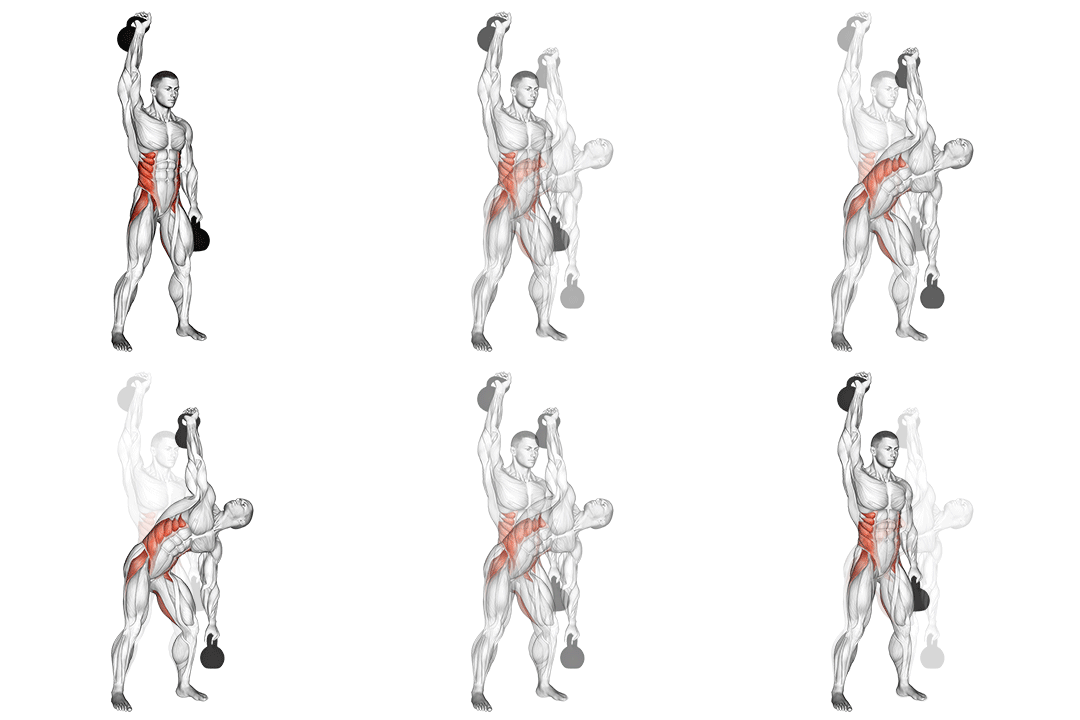
Windmills are done standing with a kettlebell. Ranked closest by our scoring: the Kettlebell Figure 8, the Barbell Side Bent and the Landmine 180. Three harder versions, the Kettlebell Bent Press, the Kettlebell Advanced Windmill and the Kettlebell Double Windmill, are listed below as progressions rather than swaps.
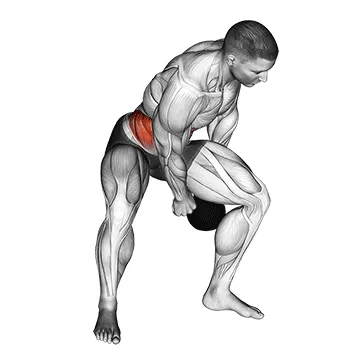
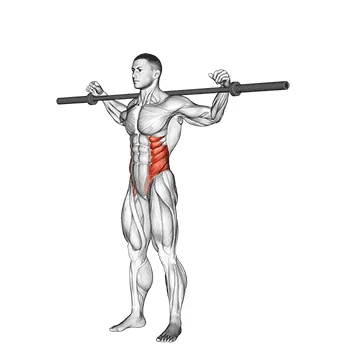
Windmills is a floor drill: lie on your back, arms out to the sides, then swing one straight leg across your body toward the opposite hand, lower it, and repeat with the other leg. The Kettlebell Figure 8 is the first pick: you hinge forward and pass a kettlebell between your legs, hand to hand, for a standing core move instead of crossing a leg on the floor. Without a kettlebell, the Barbell Side Bent has you stand with a bar and bend your torso side to side, lowering it toward each knee.
Updated Ranked by our 12-factor similarity model How it works
Original Exercise: Windmills
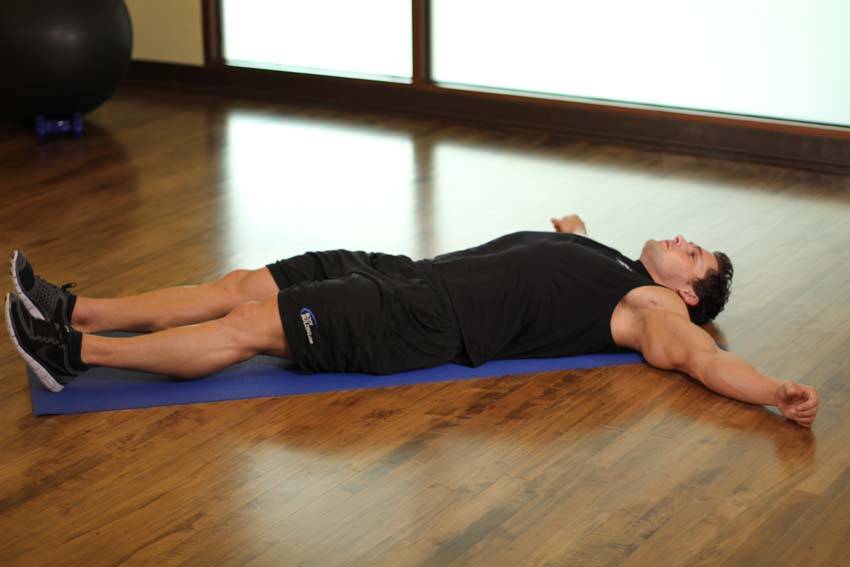
- Primary muscle
- Abs
- Equipment
- Kettlebell
- Difficulty
- Advanced
- Type
- Compound
Secondary muscles: Glutes, Hamstrings, Lower Back
How to perform Windmills
- Lie on your back with your arms extended out to the sides and your legs straight. This will be your starting position.
- Lift one leg and quickly cross it over your body, attempting to touch the ground near the opposite hand.
- Return to the starting position, and repeat with the opposite leg. Continue to alternate for 10-20 repetitions.
Ranked Windmills Alternatives
10 substitutes, ranked by how closely each one matches Windmills on movement pattern, muscles worked, equipment and body position. The higher the score, the less you change. Open "How to perform this exercise" on a card for the steps; every card title links to that exercise's own alternatives page. Harder versions are tagged as progressions and kept out of the top spot even when they score higher.
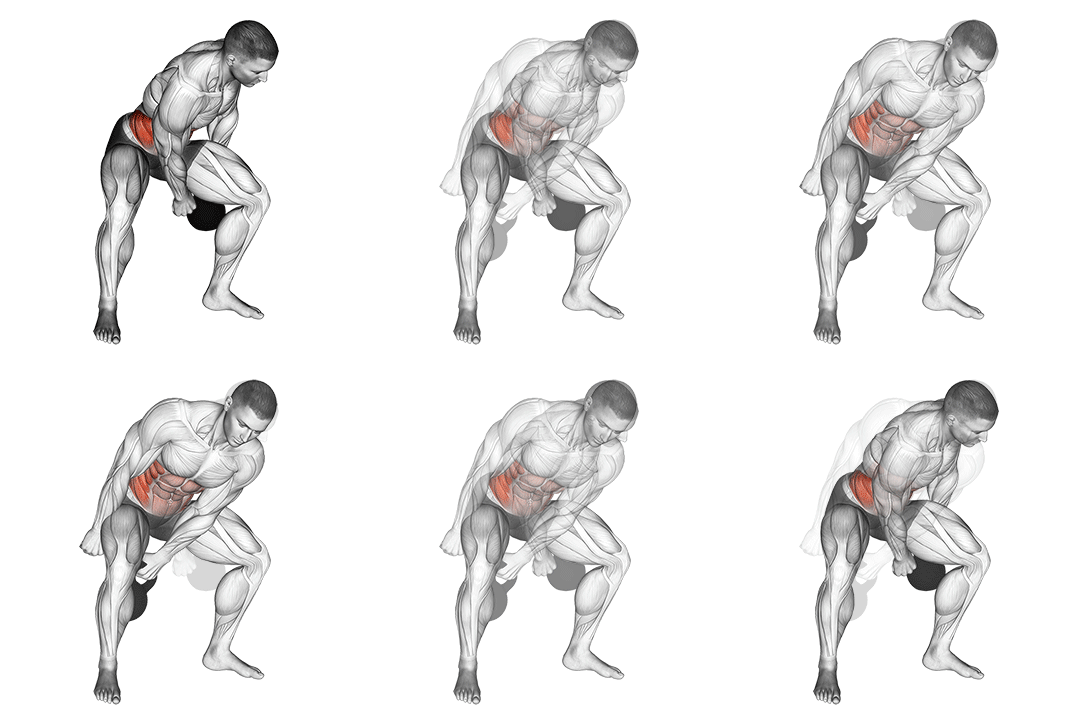
Best match 1. Kettlebell Figure 8
92% match- Abs
- Kettlebell
- Intermediate
- Compound
Pick this when you want an easier version that still works the abs.
How to perform this exercise
- Stand with your feet shoulder-width apart, holding a kettlebell in one hand.
- Bend your knees slightly and hinge forward at the hips, keeping your back straight.
- Pass the kettlebell between your legs, switching hands as it reaches the back of your legs.
- As the kettlebell comes forward, pass it to the other hand between your legs.
- Continue passing the kettlebell between your legs in a figure 8 motion.
- Maintain a steady pace and engage your core throughout the exercise.
- Repeat for the desired number of repetitions.
Sets and reps: 3 to 5 sets of 5 to 8 reps on each side.
Why this matches
- Primary muscle: abs, the same as Windmills
- Equipment: free weights, the same as Windmills
- Body position: standing, the same as Windmills
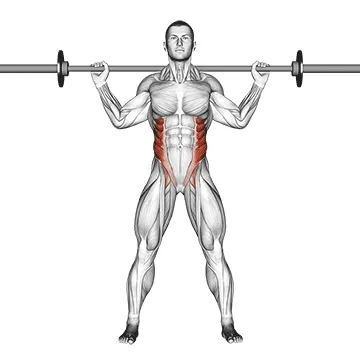
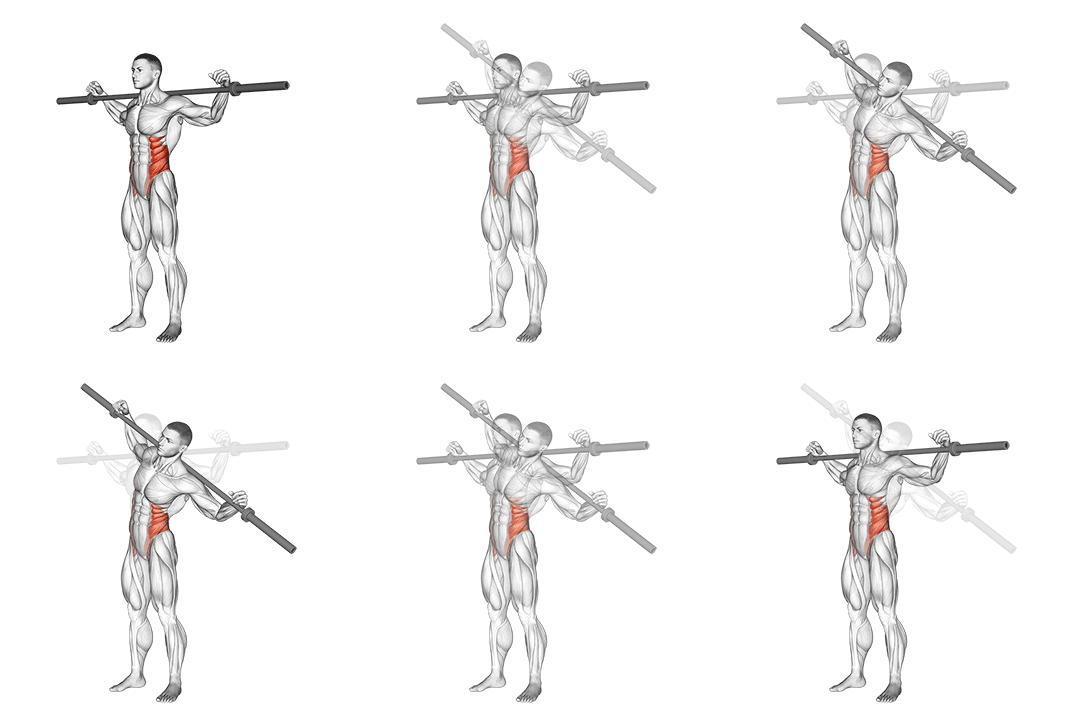
2. Barbell Side Bent
91% match- Abs
- Barbell
- Beginner
- Compound
A good swap when you have a barbell to work with, and it still works the abs.
How to perform this exercise
- Stand with your feet shoulder-width apart and hold a barbell with both hands, palms facing down.
- Keep your back straight and core engaged throughout the exercise.
- Slowly bend your torso to the right side, lowering the barbell towards your right knee.
- Pause for a moment, then return to the starting position.
- Repeat the movement on the left side.
- Continue alternating sides for the desired number of repetitions.
Sets and reps: 3 or 4 sets of 6 to 10 reps on each side.
Why this matches
- Primary muscle: abs, the same as Windmills
- Equipment: free weights, the same as Windmills
- Body position: standing, the same as Windmills
- Balance: easier to stay steady on than Windmills
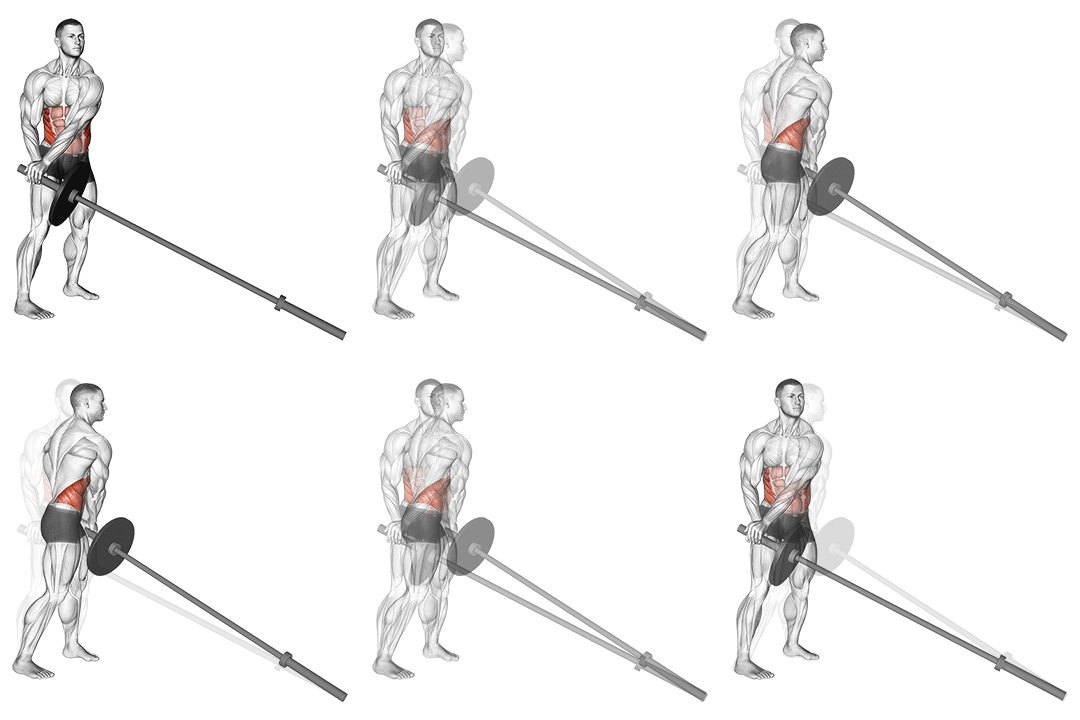
3. Landmine 180
90% match- Abs
- Barbell
- Intermediate
- Compound
How to perform this exercise
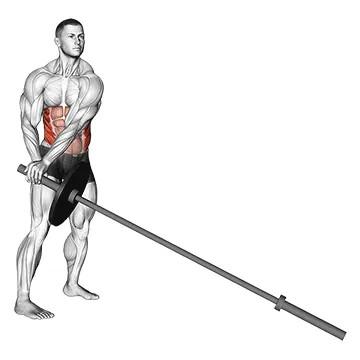
- Stand with your feet shoulder-width apart and hold the barbell with both hands in front of your chest.
- Bend your knees slightly and rotate your torso to the right, swinging the barbell down towards your right hip.
- As you reach the bottom of the movement, quickly reverse the motion and rotate your torso to the left, swinging the barbell up and across your body towards your left shoulder.
- Continue this twisting motion, alternating sides, for the desired number of repetitions.
Sets and reps: 3 to 5 sets of 5 to 8 reps.
Why this matches
- Primary muscle: abs, the same as Windmills
- Equipment: free weights, the same as Windmills
- Body position: standing, the same as Windmills
- Balance: easier to stay steady on than Windmills
Progression
4. Kettlebell Bent Press
90% match- Abs
- Kettlebell
- Advanced
- Compound
Pick this when you want a harder version that still works the abs.
How to perform this exercise
- Stand with your feet shoulder-width apart, holding a kettlebell in your right hand.
- Bend your knees slightly and press the kettlebell overhead with your right arm, keeping your elbow locked.
- Rotate your torso to the left, shifting your weight onto your left foot.
- Bend your left knee and lower your torso towards the ground, keeping your right arm extended overhead.
- As you lower, keep your eyes on the kettlebell and your chest lifted.
- Once your left hand touches the ground, push through your left foot and straighten your left leg, driving your hips forward.
- As you drive your hips forward, use your core and right arm to press the kettlebell back up to the starting position.
- Repeat for the desired number of repetitions, then switch sides.
Sets and reps: 3 to 5 sets of 5 to 8 reps on each side.
Why this matches
- Primary muscle: abs, the same as Windmills
- Equipment: free weights, the same as Windmills
- Body position: standing, the same as Windmills
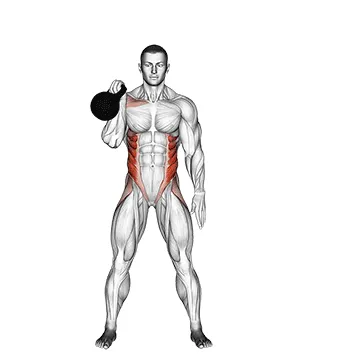
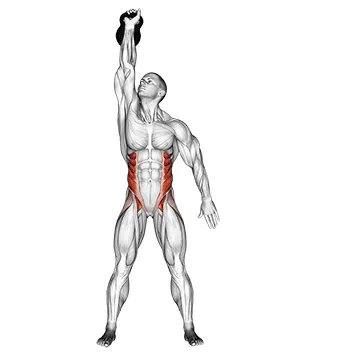
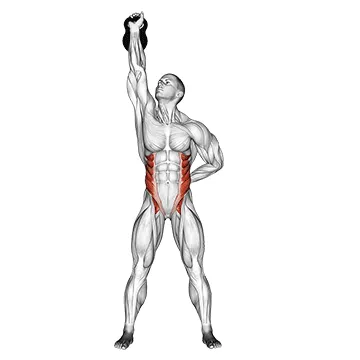
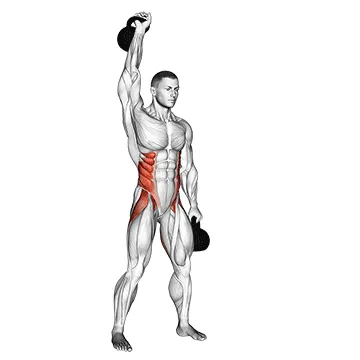
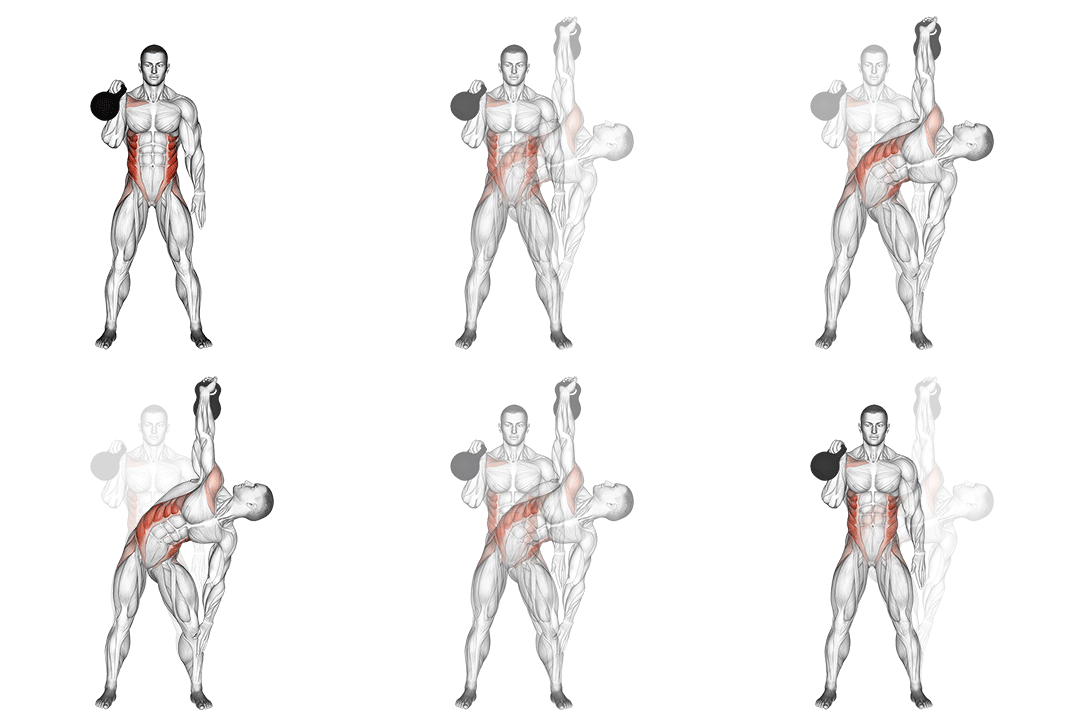
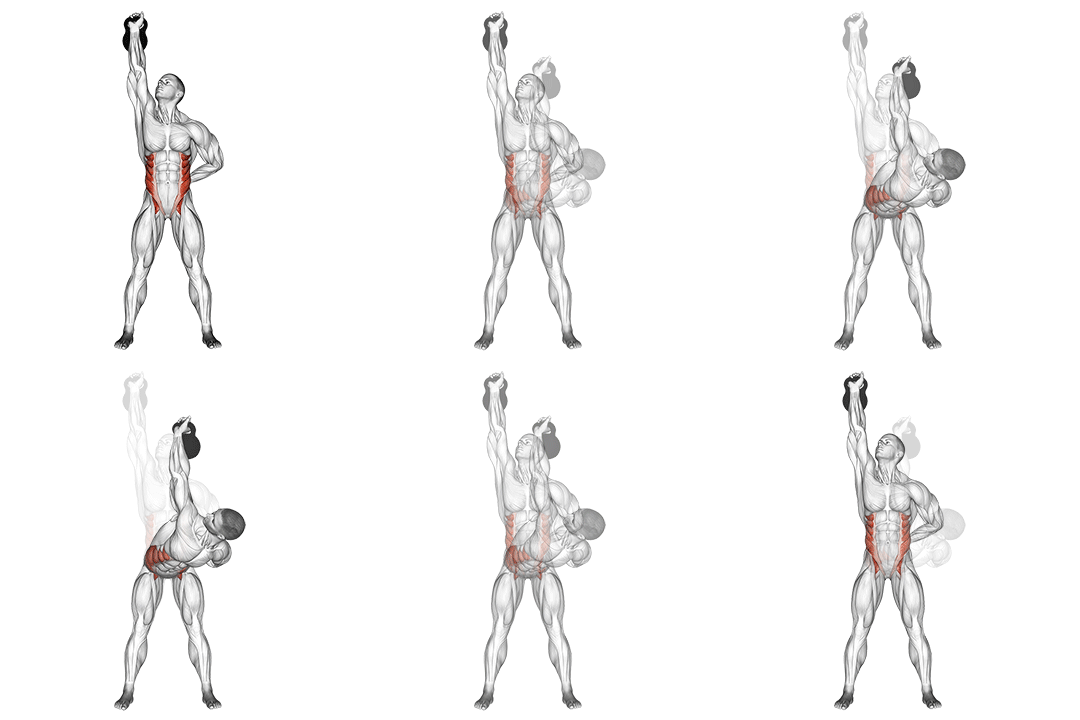
5. Kettlebell Windmill
90% match- Abs
- Kettlebell
- Intermediate
- Compound
How to perform this exercise
- Stand with your feet shoulder-width apart, holding a kettlebell in your right hand overhead.
- Rotate your left foot outwards about 45 degrees and keep your right foot pointing forward.
- Bend your torso to the left side, keeping your right arm extended overhead and your eyes on the kettlebell.
- Lower your torso as far as you can while keeping your right arm straight and your left arm extended to the side.
- Pause for a moment, then return to the starting position by pushing through your right foot and engaging your obliques.
- Repeat for the desired number of repetitions, then switch sides.
Sets and reps: 3 to 5 sets of 5 to 8 reps on each side.
Why this matches
- Primary muscle: abs, the same as Windmills
- Equipment: free weights, the same as Windmills
- Body position: standing, the same as Windmills
Progression
6. Kettlebell Advanced Windmill
89% match- Abs
- Kettlebell
- Advanced
- Compound
How to perform this exercise
- Stand with your feet wider than shoulder-width apart, toes pointing slightly outward.
- Hold a kettlebell in your right hand, with your arm extended overhead and your palm facing forward.
- Rotate your left foot slightly to the right, and shift your weight onto your left leg.
- Bend your left knee and hinge at the hip, lowering your torso towards the left side.
- Keep your right arm extended overhead and your eyes on the kettlebell.
- As you lower your torso, allow your right leg to straighten and your right foot to pivot slightly.
- Lower your torso until you feel a stretch in your left hamstring and your right arm is pointing towards the ground.
- Pause for a moment, then engage your core and push through your left heel to return to the starting position.
- Repeat for the desired number of repetitions, then switch sides.
Sets and reps: 3 to 5 sets of 5 to 8 reps on each side.
Why this matches
- Primary muscle: abs, the same as Windmills
- Equipment: free weights, the same as Windmills
- Body position: standing, the same as Windmills
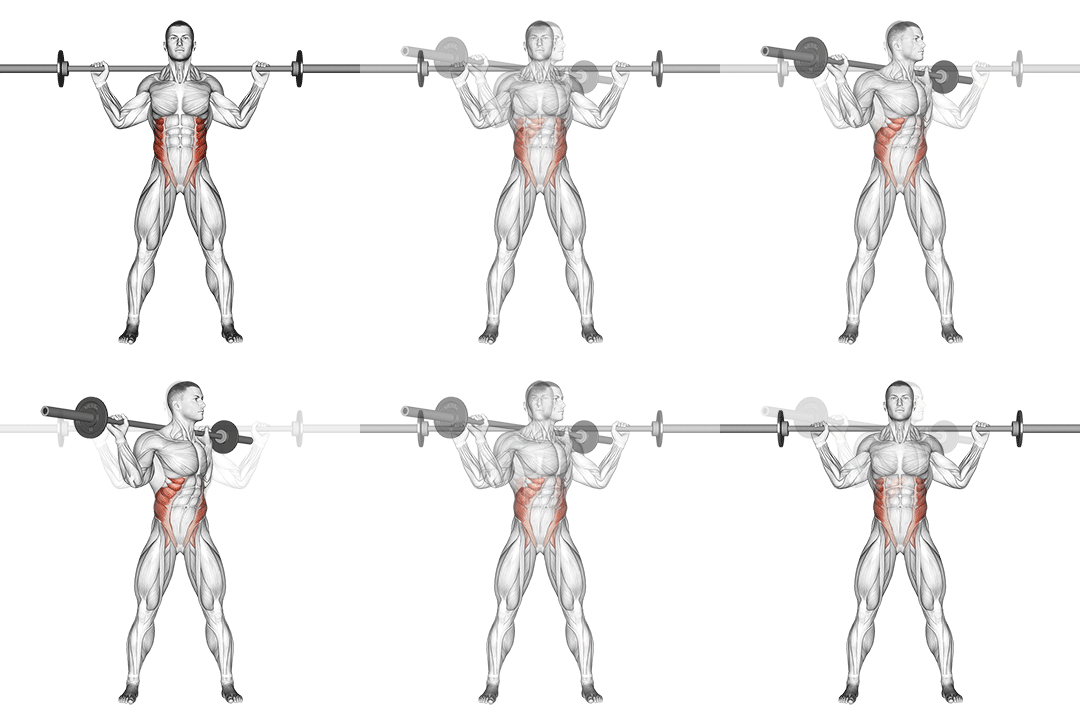
7. Barbell Standing Twist
81% match- Abs
- Barbell
- Intermediate
- Isolation
How to perform this exercise
- Stand with your feet shoulder-width apart and hold a barbell in front of your chest with both hands, palms facing down.
- Engage your core and keep your back straight throughout the exercise.
- Slowly twist your torso to the right, pivoting on your feet and hips, while keeping your lower body stable.
- Pause for a moment at the end of the twist, then slowly return to the starting position.
- Repeat the twist to the left side.
- Continue alternating twists for the desired number of repetitions.
Sets and reps: 3 sets of 10 to 15 reps.
Why this matches
- Primary muscle: abs, the same as Windmills
- Equipment: free weights, the same as Windmills
- Body position: standing, the same as Windmills
- Balance: easier to stay steady on than Windmills
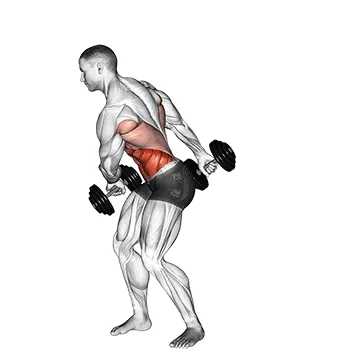
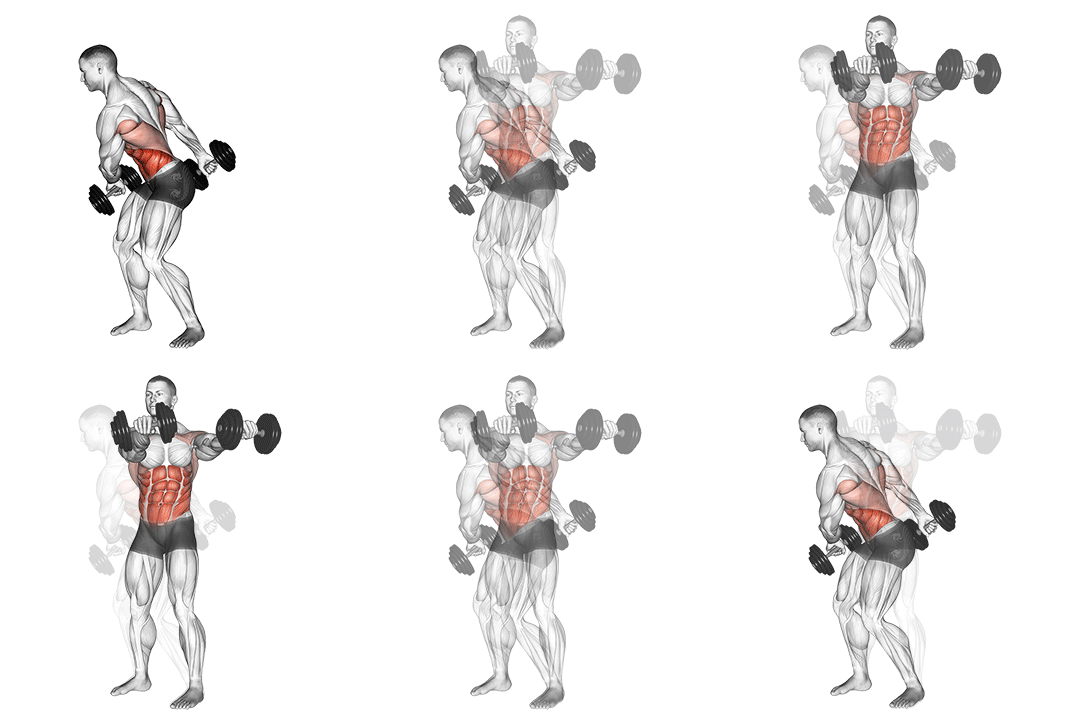
8. Spell Caster
81% match- Abs
- Dumbbell
- Intermediate
- Compound
How to perform this exercise
- Stand with your feet shoulder-width apart and hold a dumbbell in one hand.
- Bend your knees slightly and hinge forward at the waist, keeping your back straight.
- Extend your arm with the dumbbell towards the opposite foot, rotating your torso as you do so.
- Return to the starting position and repeat on the other side.
- Continue alternating sides for the desired number of repetitions.
Sets and reps: 3 or 4 sets of 6 to 10 reps on each side.
Why this matches
- Primary muscle: abs, the same as Windmills
- Equipment: free weights, the same as Windmills
- Body position: standing, the same as Windmills
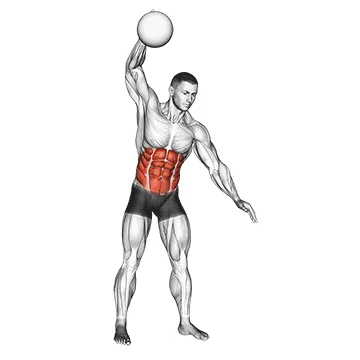
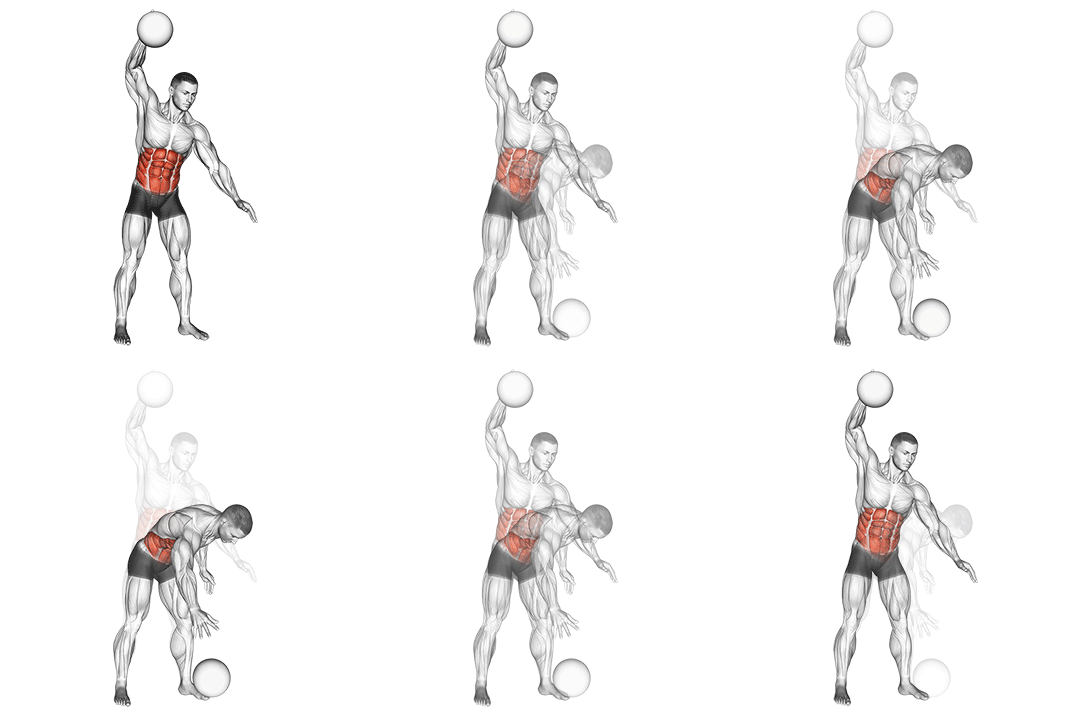
9. One Arm Slam (With Medicine Ball)
79% match- Abs
- Medicine-ball
- Intermediate
- Compound
How to perform this exercise
- Stand with your feet shoulder-width apart, holding the medicine ball with one hand in front of your waist.
- Bend your knees slightly and engage your core.
- Raise the medicine ball above your head, fully extending your arm.
- Forcefully slam the medicine ball down to the ground, using your core and shoulders to generate power.
- Catch the medicine ball on the bounce and repeat for the desired number of repetitions.
Sets and reps: 3 to 5 sets of 5 to 8 reps on each side.
Why this matches
- Primary muscle: abs, the same as Windmills
- Equipment: free weights, the same as Windmills
- Body position: standing, the same as Windmills
- Balance: easier to stay steady on than Windmills
Progression
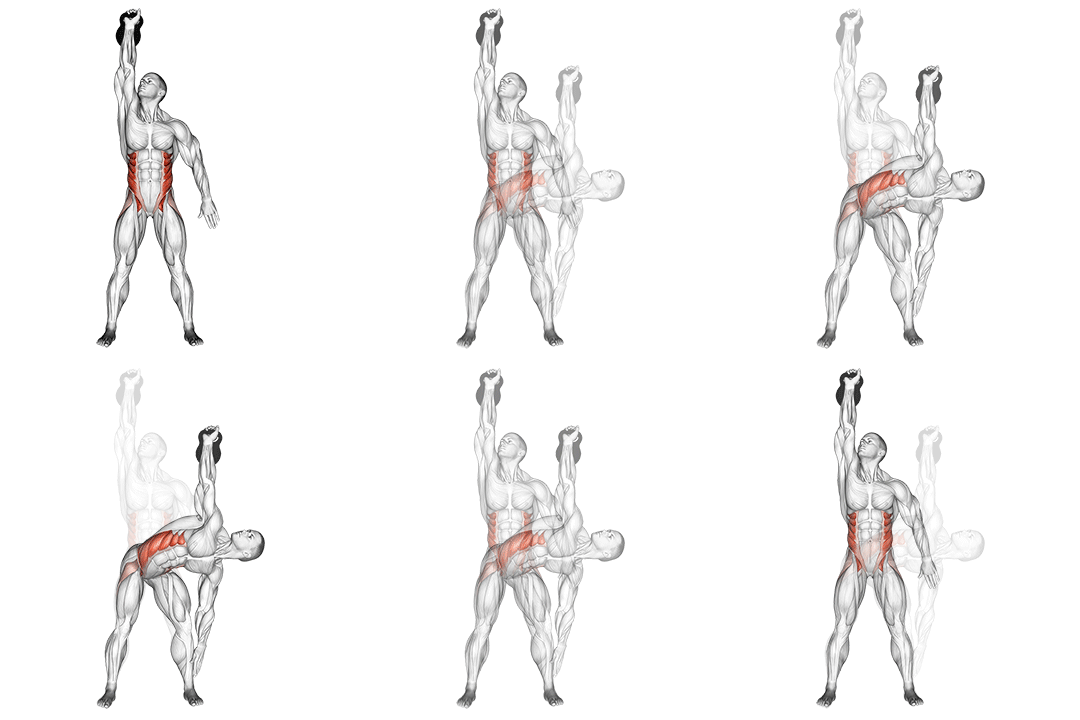
10. Kettlebell Double Windmill
78% match- Abs
- Kettlebell
- Advanced
- Compound
How to perform this exercise
- Stand with your feet shoulder-width apart, holding a kettlebell in your right hand.
- Extend your right arm overhead, keeping your eyes on the kettlebell.
- Rotate your left foot 45 degrees to the left and your right foot 90 degrees to the right.
- Bend at the waist to the left, keeping your right arm extended overhead.
- Lower the kettlebell towards the ground, reaching towards your left foot.
- Pause for a moment, then engage your core and push through your right foot to return to the starting position.
- Repeat for the desired number of repetitions, then switch sides.
Sets and reps: 3 to 5 sets of 5 to 8 reps.
Why this matches
- Primary muscle: abs, the same as Windmills
- Equipment: free weights, the same as Windmills
- Body position: standing, the same as Windmills
Why You Might Need a Windmills Alternative
Windmills needs floor space to lie down and swing a straight leg across your body without hitting anything, and that sends lifters looking elsewhere. Some have no floor room, some want to put a kettlebell or barbell in their hands, and some want the same kind of core work standing up instead of on their back. Every alternative is a standing core movement, so the real choice is what's in your hands. The Kettlebell Windmill and Kettlebell Advanced Windmill hold the bell overhead while you lean your torso to the side, and the Kettlebell Bent Press adds a press to lockout first. The Kettlebell Figure 8 hinges forward and passes the bell between your legs instead. With a barbell, the Landmine 180 and Barbell Standing Twist rotate your torso, while the Barbell Side Bent bends straight sideways.
How to Choose the Right Windmills Substitute
If you already own a kettlebell, start with the Kettlebell Figure 8: you hinge forward and pass the bell between your legs from hand to hand, which gets you off the floor and puts a load in your hands without any reach toward the ground. Once that's comfortable, the Kettlebell Bent Press adds a press to lockout before you lean, which makes it a step up rather than a straight swap. Without a kettlebell, the Barbell Side Bent bends side to side with a bar in both hands, with no overhead reach or floor touch to manage. The Landmine 180 and the Barbell Standing Twist rotate your torso instead, and the Kettlebell Double Windmill turns your feet out and lowers the overhead bell toward your opposite foot before you push back up through your front foot.
Windmills FAQ
Can I do Windmills at home?
Yes, if you have a kettlebell or a dumbbell at home. The Kettlebell Figure 8, Kettlebell Windmill and Kettlebell Advanced Windmill each need one kettlebell, and the Spell Caster hinges forward and reaches a single dumbbell toward the opposite foot instead. Once the easier options feel light, the Kettlebell Bent Press adds a press to lockout for a harder home option to grow into.
Which swap works if I don't own a kettlebell?
The Barbell Side Bent, Landmine 180 and Barbell Standing Twist all use a barbell instead, and the Spell Caster uses a single dumbbell. If a medicine ball is what you have, the One Arm Slam (With Medicine Ball) has you raise the ball overhead with one arm, slam it into the ground and catch it on the bounce, so you get the same standing core work without a bar or a bell.
Which swap suits someone new to this move?
The Barbell Side Bent is a reasonable place to start: you bend side to side with a bar in both hands, with no overhead reach and no floor touch to manage. Once that feels controlled, move on to the Kettlebell Windmill, where you hold the bell overhead with a straight arm and bend your torso to the side, eyes on the bell, before pushing back up to standing.
How do I make a Windmills swap harder?
The Kettlebell Bent Press adds a press to lockout before you lean, once the easier options feel light. The Kettlebell Advanced Windmill takes a wider stance and hinges at the hip instead of just bending sideways, lowering until you feel a stretch in your hamstring and your arm points toward the ground. Both work as a step up once your first choice stops feeling like enough of a challenge.
Find Alternatives for Any Exercise
Search the exercise database and filter the ranked substitutes by the equipment you own.
Similarity scores compare exercise metadata such as movement pattern, muscles, equipment and body position. They are not a safety rating or a check that you own the equipment. Learn about our methodology