You finish work, look at the clock, and have an hour before the gym. A huge dinner will sit badly. Going in hungry may make a hard session feel longer than it needs to. The practical answer is simple: eat a normal meal when you have time, pick a smaller familiar snack when you do not, and do not force food before a short easy session if you feel fine.
The best pre-workout meal fits your clock, your session, and your stomach. It is not a testosterone trick or a test of discipline. Your overall diet, training plan, and sleep still do most of the heavy lifting. Food before training can make the session more comfortable and give you more to work with when it is long, hard, or follows a long gap without food.
Pick Your Meal by the Clock
| Time before training | What to eat | Easy examples | Keep in mind |
|---|---|---|---|
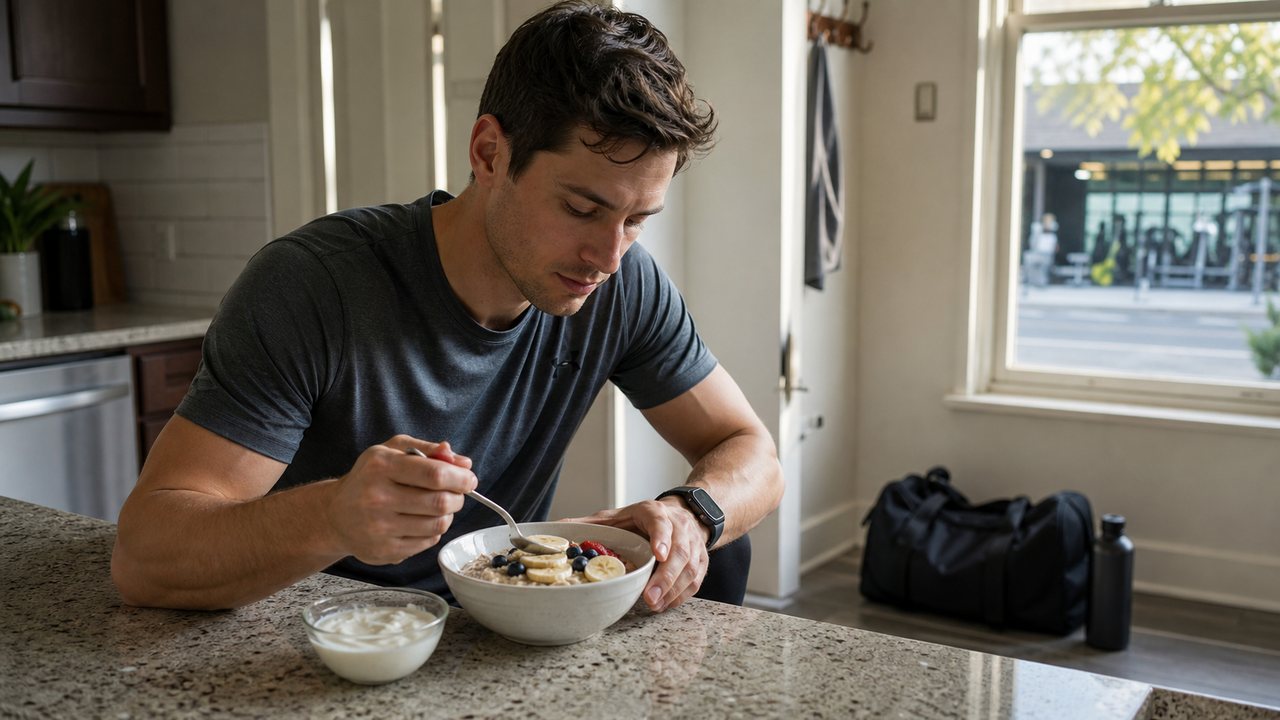
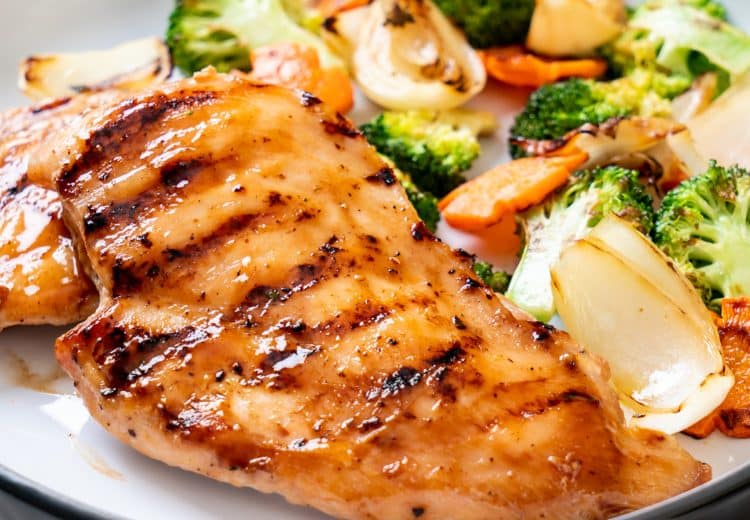
| 2-4 hours | A normal mixed meal with carbohydrate and protein. | Chicken, rice, and vegetables; eggs on toast with fruit; oatmeal with Greek yogurt and berries. | This is the best window for a fuller meal. Use the portions that suit your appetite and daily intake. |
| 60-120 minutes | A smaller meal or substantial snack, with carbohydrate and some protein. | Greek yogurt and a banana; a turkey sandwich; cereal with milk. | Keep fat and fiber lower if they make you feel heavy during training. |
| Under 60 minutes | A small, familiar, easy-to-digest option if you are hungry. | A banana; toast with jam; yogurt; a small smoothie. | Food is optional before a brief easy session if you ate a regular meal earlier and feel good. |

What Matters in a Pre-Workout Meal
Start with the food you already eat well. Carbohydrate can help most when training runs long, includes a lot of hard work, or comes after a long stretch without food. A 2022 systematic review found that more carbohydrate right before ordinary resistance training did not guarantee better performance for lifters who had eaten normally. That does not make carbs useless. It means a big carb target does not fit every gym session.
Protein has a place too, especially if this meal helps you meet your daily target. You do not need to race a narrow pre-workout clock. A serving of Greek yogurt, eggs, chicken, tofu, milk, or a protein shake can fit the meal if it sits well.

Fat and fiber are part of a healthy diet. They just take longer to clear the stomach for many people. A large burger, a high-fiber bowl, or a rich creamy meal may feel fine three hours before training and rough 30 minutes before it. Test your usual foods on normal gym days, not before an important race, meet, or personal-record attempt.
Match Food to Today’s Session
For a 45-minute lift after lunch or dinner, hunger and comfort can guide you. A snack may help, but you do not need to manufacture a full meal because the internet says every workout needs one.
Give carbohydrate more attention before a long leg session, hard intervals, an endurance workout, a double-session day, or training that lasts 90 minutes or more. You have more work to do, so arriving underfed becomes more noticeable. Lifters building toward a competition can also use our guide to nutrition for strength training and meet day for the bigger picture.
If you are cutting, a pre-workout snack does not cancel fat loss. Your calorie intake across the day and week carries far more weight than a banana before squats. Use the calorie target your training diet needs to set the larger plan, then fit the snack into it.
Simple Pre-Workout Meal Ideas
These are starting points, not fixed prescriptions. Make the meal larger when you have more time, a bigger body, a longer session, or more hunger. Pull it back when your stomach says no.
- Two to four hours out: chicken, rice, and vegetables; lean beef with potatoes; tofu, noodles, and stir-fried vegetables; oatmeal with milk, yogurt, and fruit.
- About an hour out: a turkey sandwich, cereal and milk, Greek yogurt with fruit, or a banana with a protein shake.
- Right before training: toast with jam, a banana, a small yogurt, applesauce, or a smoothie you have used before.
- Low appetite: milk, drinkable yogurt, or a small smoothie can be easier than chewing a full meal.

Plant-based lifters have plenty of choices. Soy yogurt and fruit, toast with tofu scramble, cereal with soy milk, or a smoothie with a plant protein powder all work. The best option is one you can repeat without turning every workout into a food experiment.
Early Morning and Fasted Training
Early training changes the decision because breakfast and the gym may be close together. A small snack can take the edge off: a banana, a few bites of toast, yogurt, or a shake. Some lifters train well without it for a short session. Others feel flat. Treat fasted training as a preference, then judge it by comfort and performance.
Pay attention to the sessions where performance matters most. Hard squats, high-volume lifting, long runs, and intervals ask more from you than an easy walk or a quick pump session. If fasted training leaves you flat, light-headed, or unable to finish planned work, eat something small and reassess. For a wider view of meal schedules and post-workout food, build a schedule around the rest of your day.

Do You Need a Pre-Workout Supplement?
A supplement does not replace food, sleep, or a sensible training plan. Coffee or a pre-workout may help if caffeine agrees with you, but it cannot turn a depleted day into a great session. Eat first when hunger is the problem. Readers who are weighing product options can compare pre-workout supplements if food and coffee are not the question.
Common Mistakes
- Eating a huge meal too close to training: move it earlier or choose a smaller snack.
- Copying someone else’s portions: scale food to your appetite, session, and overall diet.
- Using caffeine to cover under-eating: fix the food and sleep pattern before adding more stimulants.
- Changing everything at once: test one simple meal before changing timing, portions, and supplements together.
Best Pre-Workout Meal: The Bottom Line
Use the clock first. Eat a normal mixed meal two to four hours before training when you can. Keep it smaller and simpler as the session gets closer. A quick workout after a regular meal may not need anything extra, while a long or demanding session often benefits from more attention to food. Find two or three meals that sit well, repeat them, and keep the rest of your diet doing its job.
Sources
- Thomas DT, Erdman KA, Burke LM. Nutrition and Athletic Performance. Medicine & Science in Sports & Exercise. 2016. DOI: 10.1249/MSS.0000000000000852.
- Jager R, et al. International Society of Sports Nutrition Position Stand: Protein and Exercise. Journal of the International Society of Sports Nutrition. 2017. DOI: 10.1186/s12970-017-0177-8.
- Kerksick CM, et al. International Society of Sports Nutrition Position Stand: Nutrient Timing. Journal of the International Society of Sports Nutrition. 2017. DOI: 10.1186/s12970-017-0189-4.
- Henselmans M, et al. The Effect of Carbohydrate Intake on Strength and Resistance Training Performance: A Systematic Review. Nutrients. 2022. DOI: 10.3390/nu14040856.
- King A, et al. Isoenergetic Pre-Exercise Meals Varying in Carbohydrate Similarly Affect Resistance Training Volume Performance Compared to Placebo. European Journal of Sport Science. 2025.