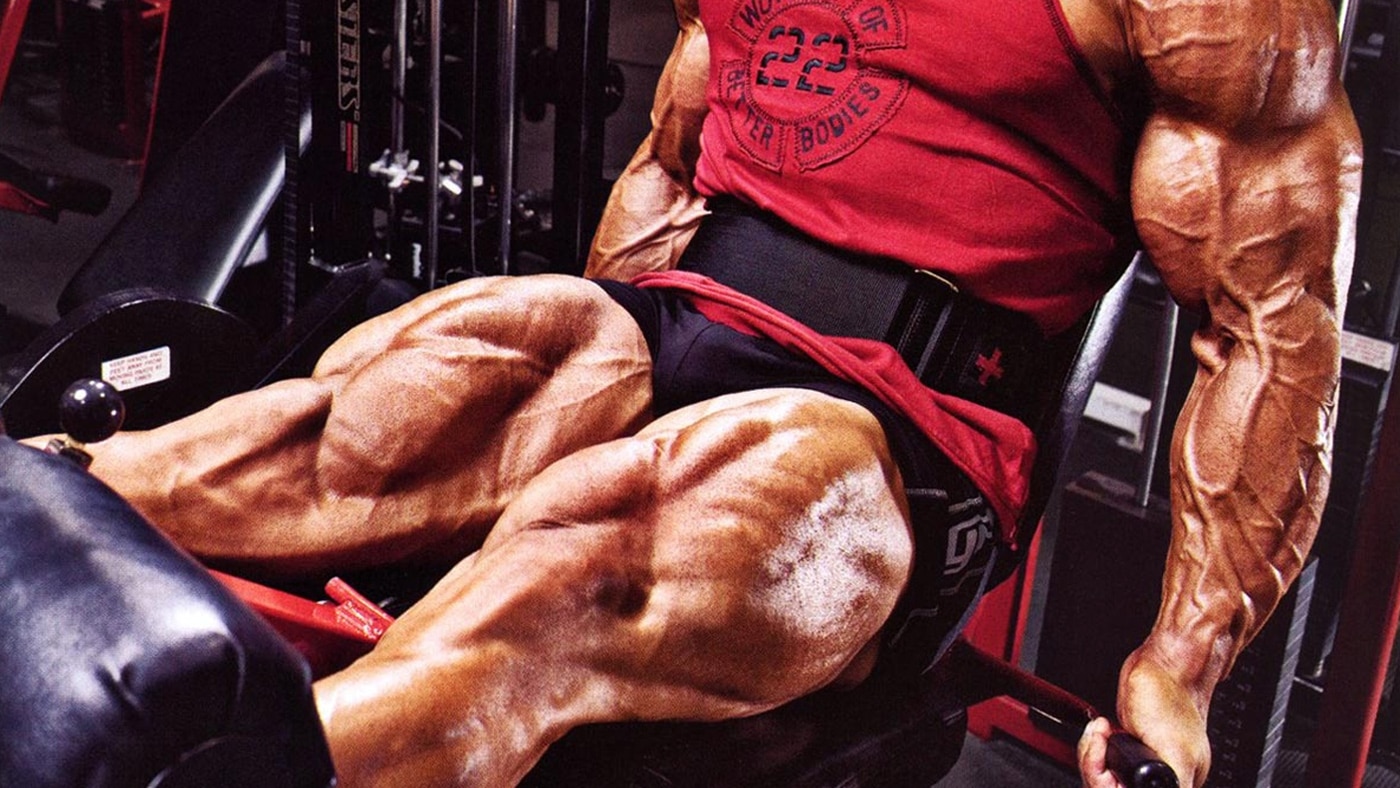
Leg day should not be a random pile of squats, lunges, and machine work. The best lower-body workouts train the quads, hamstrings, glutes, calves, and hips with enough hard sets to drive growth, enough recovery to keep performance high, and enough exercise variety to fit your gym, home setup, joints, and experience level.
This guide gives you four complete leg day workouts: a heavy gym session, a quad-and-glute session, an at-home session, and a machine-only session. Use one as your weekly leg day, rotate two across the week, or run the progression plan below for four to six weeks before changing exercises.
If you have been skipping leg day, start with the at-home or machine-only option. If you already train hard and want size plus strength, use the heavy gym workout first. If your main goal is better quads, glutes, and athletic shape, the quad-and-glute session is the best fit.
Which leg day workout should you choose?
Choose the leg workout that matches your equipment, recovery, and weakest muscle group. A heavy free-weight day is best for strength and total lower-body mass, a quad-and-glute day is better for physique balance, an at-home day works when equipment is limited, and a machine-only day is useful when you want hard training with less balance and lower-back demand.
| Workout | Best for | Equipment | Main muscles | Difficulty |
| Heavy gym leg day | Size, strength, and athletic carryover | Barbell, leg press, reverse hyper, calf machines | Quads, hamstrings, glutes, calves | Intermediate to advanced |
| Quad and glute leg day | Physique balance and lower-body shape | Barbell, kettlebell, bands, cable station | Quads, glutes, hamstrings, hip abductors | Beginner to intermediate |
| At-home leg day | Training without a full gym | Bodyweight, chair, sliders or towels, optional dumbbells | Quads, glutes, hamstrings, calves | Beginner to intermediate |
| Machine-only leg day | Joint-friendly volume and lower-back fatigue management | Smith machine, leg curl, hack squat, leg press, cables | Quads, hamstrings, glutes, adductors, calves | All levels |
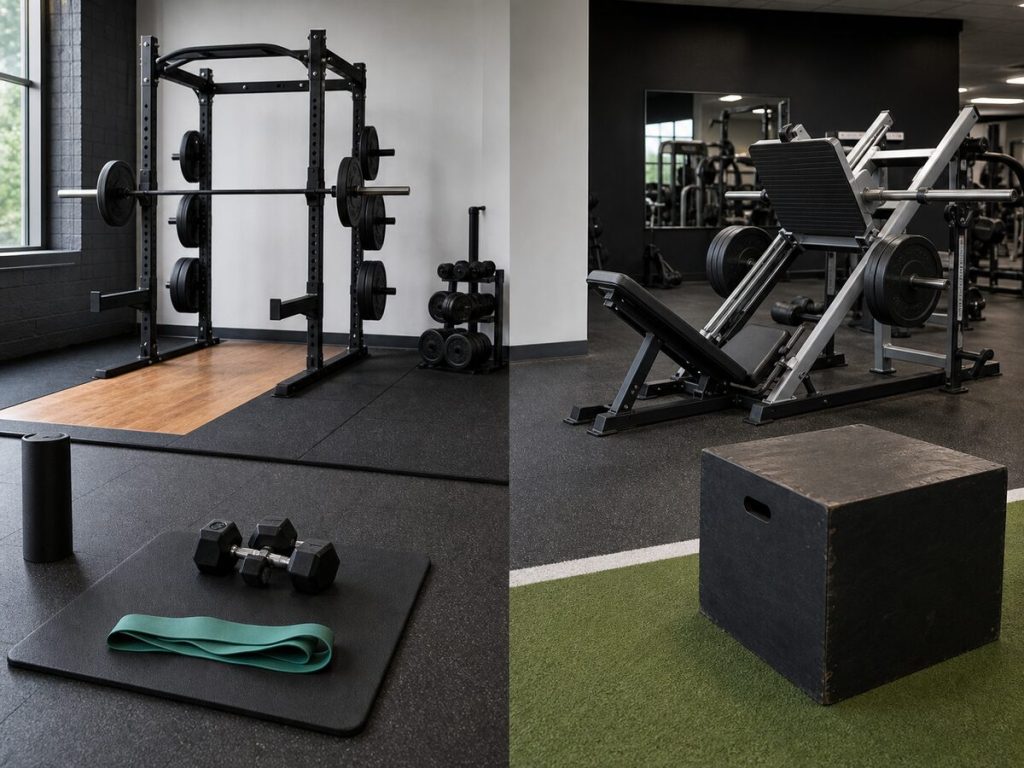
The simplest rule: pick the workout you can perform with good form today and repeat consistently for the next month. If your knees dislike deep free-weight squats, start with the machine-only session. If you train at home, make the at-home workout harder with tempo, pauses, longer ranges of motion, and single-leg work instead of chasing random exercise novelty.
What makes a great leg day workout?
A great leg day workout includes a squat pattern, hip hinge, single-leg exercise, knee-flexion or hamstring isolation move, calf work, and optional hip abduction/adduction work. The workout should train through a controlled range of motion, place the hardest compound lifts early, and leave one to three reps in reserve on most working sets.
Resistance-training research supports a few practical rules. The American College of Sports Medicine recommends planned progression in load, volume, exercise choice, and rest periods for healthy adults. Meta-analyses also suggest muscle growth is strongly influenced by weekly set volume, and both heavy and lighter loads can build muscle when sets are taken close enough to failure.
For most lifters, a productive leg day lands in this range:
- Quads: 6-10 hard sets per week if you train legs once, or 10-16 if split across two days.
- Hamstrings: 4-8 hard sets per week, using both hip hinges and leg curls when possible.
- Glutes: 6-12 hard sets per week from squats, lunges, hip thrusts, hinges, and abduction work.
- Calves: 6-12 hard sets per week, split between straight-leg and bent-knee variations.
- Effort: Stop most sets with 1-3 reps in reserve. Push isolation work closer to failure than heavy squats or hinges.
If you train legs once per week, do one of the complete workouts below. If you train legs twice per week, run the heavy gym day first and the machine-only or at-home workout 72 hours later.
How should you warm up before leg day?
Warm up for leg day with five to 10 minutes of easy cardio, two to four dynamic mobility drills, and two to five ramp-up sets for your first compound lift. The goal is not to exhaust yourself. It is to raise body temperature, rehearse the movement pattern, check joint readiness, and find your working load without guessing.
| Step | What to do | Why it matters |
| Raise temperature | 5-10 minutes bike, treadmill walk, rower, or incline walk | Improves readiness without stealing strength |
| Open the joints | Leg swings, ankle rocks, hip circles, bodyweight squats | Checks hips, knees, ankles, and low back before loading |
| Activate hips | 10-15 bodyweight hip thrusts and 10-15 mini-band side steps | Helps glutes contribute before squats, hinges, and lunges |
| Ramp the first lift | 2-5 lighter sets before the first heavy work set | Lets you practice depth, bracing, and speed under load |
For hip thrusts, lie on your back with your knees bent and feet flat. Push your hips up, pause briefly, lower under control, and repeat. To do mini-band side steps, put a booty band above or below your knees, keep tension on the band, and step from side to side without letting your knees cave inward.
Do not turn the warm-up into a separate workout. If your first heavy set feels worse after warming up, you did too much.
How do you progress these leg day workouts?
Progress leg day by adding reps before load, keeping form stable, and changing exercises only when progress stalls or a movement no longer fits your joints. A good four-week block starts conservative, adds one to two reps per set, then increases load once you hit the top of the target rep range with clean technique.
| Week | Load target | Effort target | Progression rule |
| 1 | Conservative working weights | 2-3 reps in reserve | Learn the workout and leave room to progress |
| 2 | Same load or small increase | 1-3 reps in reserve | Add 1 rep per set where possible |
| 3 | Increase load after hitting the rep target | 1-2 reps in reserve | Keep the same range of motion and tempo |
| 4 | Match week 3 or slightly reduce | 2-4 reps in reserve | Deload if joints ache or performance drops |
Here is the practical checkpoint: if your squat, lunge, or leg press range of motion shortens as the weight rises, you did not get stronger in the way that matters. Reduce the load, own the full rep, and rebuild.
How many sets and reps should leg day include?
Most lifters grow well with 10-20 hard weekly sets per major lower-body muscle group, but you do not need to put all of that work into one session. A once-weekly leg day should be complete but not reckless. A twice-weekly setup can split heavy quad work and posterior-chain work so each session is more productive.
| Goal | Main rep range | Best exercise types | Effort target |
| Strength | 3-6 reps | Squat variations, leg press, heavy hinges | 1-3 reps in reserve |
| Hypertrophy | 6-15 reps | Squats, presses, lunges, hip thrusts, curls | 0-3 reps in reserve |
| Joint-friendly volume | 10-20 reps | Machines, cables, bodyweight, bands | 1-2 reps in reserve |
| Power | 3-8 crisp reps | Jumps, explosive calf raises, light speed squats | Stop before speed drops |
| Muscular endurance | 15-30 reps | Goblet squats, step-ups, calf raises, sled work | 1-2 reps in reserve |
Do not treat those ranges as separate religions. Heavy sets build strength and muscle, moderate sets are efficient for hypertrophy, and higher-rep machine or bodyweight sets are useful when joints need a break. The key is matching the rep range to the exercise. A set of 20 leg extensions is normal. A set of 20 heavy Romanian deadlifts is often limited by grip, breathing, and back endurance before the hamstrings get the best stimulus.
If you only train legs once per week, choose one complete workout below and add one extra set for your weakest area. If you train legs twice per week, keep each session shorter and stop one set earlier on the big lifts. More frequent training works best when the added day improves quality, not when it doubles soreness.
Can you train legs twice per week?
Yes, you can train legs twice per week if the two sessions have different stress profiles and at least 48-72 hours between them. Pair one heavier squat or press-focused day with one machine, glute, hamstring, or home session. This spreads weekly volume, improves practice, and usually makes each workout easier to recover from.
| Weekly setup | Day 1 | Day 2 | Best for |
| Beginner | Machine-only leg day | At-home leg day, reduced to 2 sets per exercise | Learning patterns and building consistency |
| Hypertrophy | Heavy gym leg day | Quad and glute leg day | More weekly volume without one marathon session |
| Lower-back management | Quad and glute leg day | Machine-only leg day | Training legs hard while limiting axial loading |
| Home plus gym | Heavy gym leg day | At-home leg day | Lifters with one full gym day and one short home slot |
Watch the second session. If it always feels flat, your first session is too long, too heavy, or too close to failure. Cut two to four hard sets from day one before blaming frequency. If the second session improves over two to three weeks, keep the split and progress gradually.
How long should leg day take?
A complete leg day usually takes 45-75 minutes, depending on exercise order, warm-up needs, and rest periods. Heavy squats, Romanian deadlifts, and leg presses need longer rest. Cable, band, calf, and isolation work can move faster. If a session takes more than 90 minutes, you probably need fewer exercises or a two-day split.
Use rest periods as a performance tool, not a punishment. Rest two to three minutes before heavy compound sets if your goal is load or reps. Rest 60-90 seconds on accessories when the target muscle, not your lungs, is the limiter. For calves, hip abduction, and leg extensions, shorter rests are fine if your form stays strict.
Here is a simple time budget:
- Warm-up: 8-12 minutes.
- First compound lift: 15-20 minutes including ramp-up sets.
- Second compound or hinge: 10-15 minutes.
- Single-leg or machine volume: 10-20 minutes.
- Calves, hips, or finishers: 8-12 minutes.
If you are always rushing the final exercises, put your weak point earlier. Calves will not grow from half-hearted leftovers if they are already lagging. Hamstrings will not catch up if every hinge is done after your lower back is cooked.
How do you make leg day easier on your knees or lower back?
Make leg day easier on your knees or lower back by changing the exercise setup before abandoning hard training. Knee discomfort often improves with better warm-ups, shorter stride adjustments, controlled tempo, and machine variations. Lower-back fatigue often improves when you reduce axial loading, use chest-supported or machine options, and avoid stacking multiple heavy hinges in one session.
This is not medical advice, and sharp pain deserves a qualified clinician. But normal training aches, stiffness, and exercise intolerance often respond well to smarter exercise selection. The goal is to keep training the target muscles while removing the specific position that keeps irritating you.
| Issue | First adjustment | Better exercise choice | What to avoid for now |
| Knees ache during squats | Use slower reps and stop just above painful depth | Box squat, leg press, hack squat, goblet squat | Bouncing out of the bottom |
| Knees cave in on lunges | Shorten the stride and reduce load | Split squat, step-up, reverse lunge | Fast walking lunges under fatigue |
| Lower back tires before legs | Move hinges later or reduce hinge volume | Leg press, hack squat, hip thrust, leg curl | Front squat plus RDL plus good morning in one day |
| Hip pinching in deep flexion | Change stance width and toe angle | Bulgarian split squat, step-up, machine squat | Forcing a textbook squat stance |
| Calf/Achilles irritation | Use slower calf raises and reduce explosive work | Seated calf raise, controlled standing calf raise | Jumping calf raises while symptoms flare |
For knee-friendly lower-body training, think “more control, less chaos.” Slow eccentrics, stable machines, and reverse lunges are usually easier to manage than fast plyometrics, long-stride walking lunges, or heavy lifts done while tired. You can also make the first two weeks easier by cutting every listed workout to two work sets per exercise.
For lower-back management, look at the whole week. Heavy deadlifts, bent-over rows, loaded carries, and low-bar squats all compete for the same recovery resources. If you deadlift heavy on pull day, your leg day probably does not need heavy Romanian deadlifts 48 hours later. Use hip thrusts, leg curls, and machine presses until the weekly stress budget makes sense.
What should you do after leg day for recovery?
Recover from leg day by eating enough protein and total calories, sleeping well, walking lightly, and returning to training only when performance is ready. Soreness alone is not the best recovery marker. Bar speed, range of motion, motivation, and whether warm-up sets feel normal are more useful signs.
Start with the basics. If you are trying to build muscle, aim for a protein-rich meal within a few hours of training and spread protein across the day. Hydrate, especially if your workout includes high-rep squats, lunges, or long machine sets. A short walk later in the day can reduce stiffness without adding meaningful fatigue.
Use this recovery checklist before the next lower-body session:
- Sleep: You got a normal night’s sleep before training heavy again.
- Warm-up feel: Your first ramp-up sets move better as they get heavier.
- Joint status: No sharp knee, hip, ankle, or back pain during bodyweight squats.
- Performance: You can match or beat last week’s reps with the same form.
- Soreness: Muscle soreness is present but does not change your movement pattern.
- Appetite and energy: You are not forcing another hard session while clearly under-recovered.
If two or more of those boxes fail, make the next leg day a technique or machine day. Reduce each compound lift by one set, keep two to four reps in reserve, and skip jumps. That is not weakness. It is how you keep a long training block alive.
How do these workouts compare to random leg exercise lists?
Random exercise lists tell you what movements exist. A complete leg day tells you which movement comes first, how many sets to do, how hard to push, what to swap, and how to repeat the plan next week. That is the difference between reading about exercises and running a program that can actually build your legs.
The strongest competitor pages usually win with broad exercise variety, but they often leave readers to assemble the workout themselves. This guide does the assembly work. It gives you four ready sessions, keeps the exercises in a logical order, explains the progression, and adds substitutions so a missing machine or irritated joint does not break the plan.
Use the article this way:
- Pick the workout that matches your equipment and recovery.
- Run it for four weeks without changing the main lifts.
- Add reps first, then load.
- Use the substitution matrix only when needed.
- Review soreness, joint comfort, and performance before adding volume.
That process is less exciting than hopping between workouts every week, but it is how you turn leg day from a random punishment session into measurable training.
Heavy Gym Leg Day Workout for Size and Strength
This is the best option if you want one hard weekly leg day that builds strength and visible lower-body mass. It starts with front squats for quads and trunk stiffness, follows with Romanian deadlifts for the posterior chain, then uses leg press, lunges, jumps, and calf work to finish the lower body from multiple angles.
Heavy gym workout
For big quads, glutes, hamstrings, and calves
| Exercise | Sets | Reps | Recovery | |
| 1 | Front squat | 4 | 6 | 2 minutes |
| 2 | Romanian deadlift | 3 | 8 | 2 minutes |
| 3 | Leg press | 3 | 10 | 90 seconds |
| 4 | Reverse hyperextension | 3 | 10 | 90 seconds |
| 5 | Walking lunge | 2 | 12 per leg | 60 seconds |
| 6 | Box jump | 2 | 6-8 | 60-90 seconds |
| 7 | Seated calf raise | 3 | 12-15 | 60 seconds |
| 8 | Standing calf raise | 3 | 10-15 | 60 seconds |
1. Front Squat
Front squats train all the major leg muscles, but the upright torso and front-loaded bar place extra demand on your quads and core. Keep your elbows high, brace before each rep, and squat as deep as you can without losing spinal position. Use our front squat guide if the rack position or depth feels inconsistent.
2. Romanian Deadlift
Romanian deadlifts balance the workout by targeting the hamstrings, glutes, and lower back. Hinge from the hips, keep the bar close, and stop the descent when your hamstrings are loaded and your back position is still solid. Learn the setup in our Romanian deadlift guide.
3. Leg Press
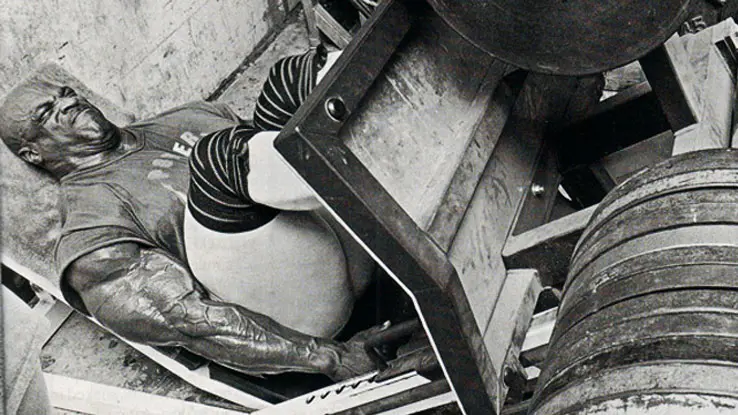
The leg press lets you keep loading your quads and glutes after your back is tired from squats and hinges. Lower the platform under control, keep your hips down, and avoid chasing depth by rounding your lower back. A shoulder-width stance with feet mid-platform is the best default.
4. Reverse Hyperextension
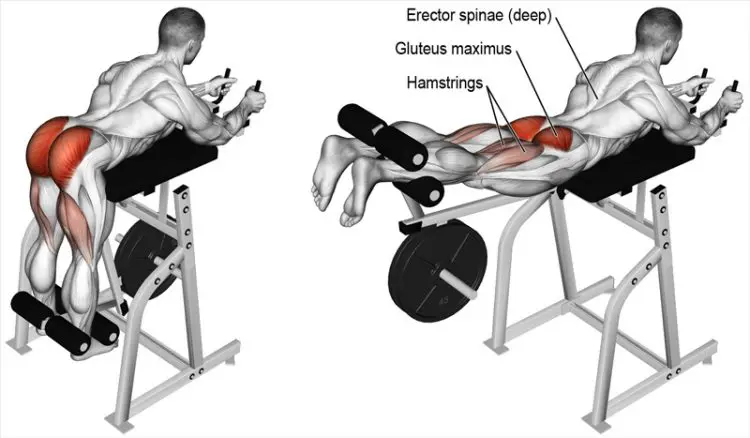
Reverse hyperextensions train the glutes, hamstrings, and spinal erectors without the same axial loading as another squat or deadlift. Use a smooth swing, squeeze the glutes at the top, and do not hyperextend your lower back just to move the weight higher.
5. Walking Lunge
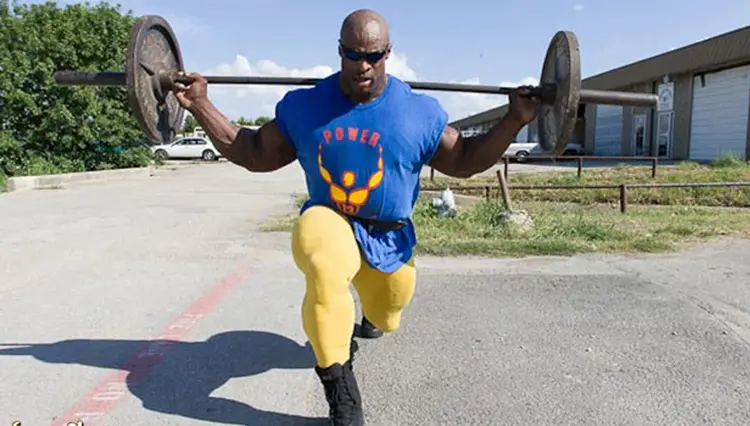
Walking lunges expose left-to-right strength gaps and add a deep stretch to the quads and glutes. Take long enough steps to keep your front heel down, lower until the back knee is close to the floor, and drive through the whole foot instead of bouncing off the toes.
6. Box Jump
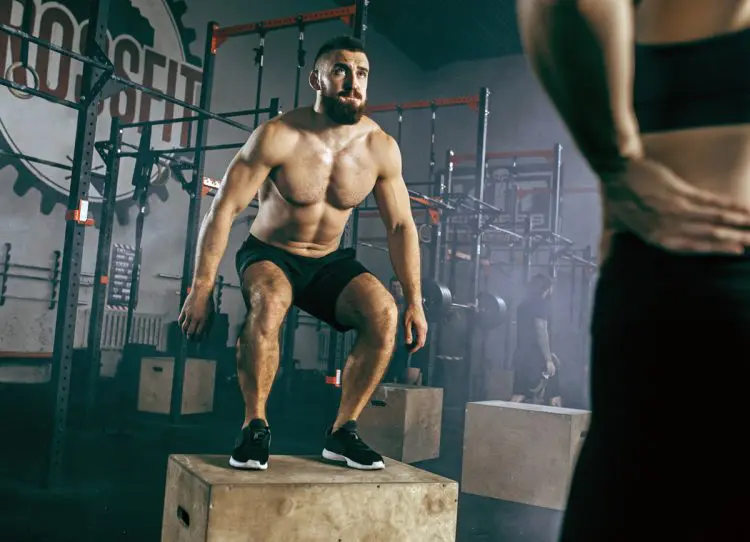
Box jumps are here for power, not fatigue. Keep the reps crisp, land quietly, and step down between reps. If your jumps get slower or your landing gets loud, end the set.
7. Seated Calf Raise
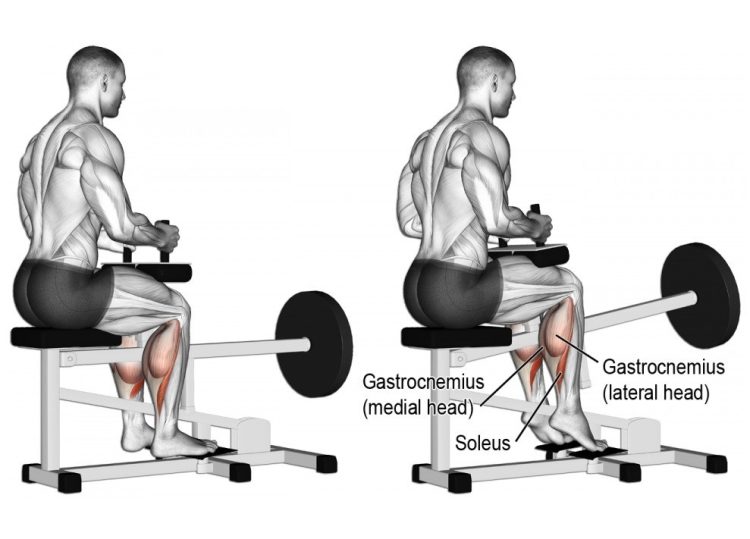
Seated calf raises bias the soleus because the knees are bent. Pause in the stretched position, rise as high as possible, and avoid bouncing. Calves usually need more patience than ego, so make every inch count.
8. Standing Calf Raise
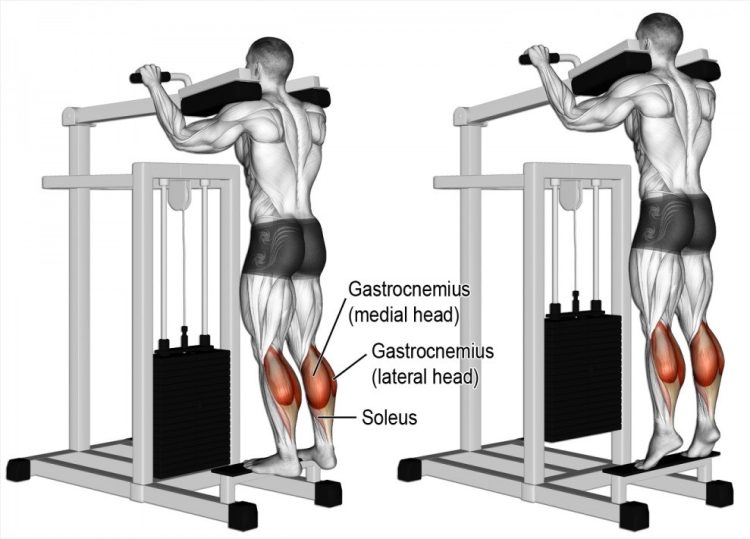
Standing calf raises hit the gastrocnemius harder because the knees stay straight. Use a full stretch, a strong top squeeze, and controlled reps. If your ankles collapse inward or outward, reduce the load.
Quad and Glute Leg Day Workout
This workout is for lifters who want more lower-body shape without turning the session into a max-strength test. It still includes hard compound work, but it uses bands, unilateral hinges, hip thrusts, and cable work to drive tension into the glutes, quads, and hips with less spinal fatigue than the heavy gym day.
Quad and glute workout
For quads, glutes, hamstrings, and hip stability
| Exercise | Sets | Reps | Recovery | |
| 1 | Booty band goblet squat | 3 | 12-15 | 60 seconds |
| 2 | Single-leg Romanian deadlift | 3 | 10 per leg | 60 seconds |
| 3 | Barbell hip thrust | 4 | 8-10 | 90 seconds |
| 4 | Booty band clamshell | 2 | 15-20 per side | 45 seconds |
| 5 | Deficit kettlebell sumo deadlift | 3 | 10-12 | 60-90 seconds |
| 6 | Cable pull-through | 3 | 12-15 | 60 seconds |
1. Booty Band Goblet Squat
A banded goblet squat teaches your knees to track out while the dumbbell or kettlebell keeps the torso upright. Sit between your hips, keep the ribs down, and pause briefly at the bottom. This is a strong warm-up lift or main lift for newer trainees.
2. Single-leg Romanian Deadlift
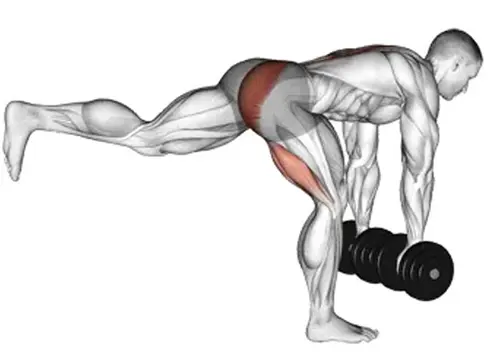
The single-leg Romanian deadlift trains the hamstrings and glutes while building balance. Reach the free leg back, keep the hips square, and move slowly. If balance limits the muscle work, hold a rack lightly with one hand.
3. Barbell Hip Thrust
Hip thrusts let you train the glutes hard without turning the set into a lower-back endurance test. Tuck the pelvis slightly at the top, keep the chin down, and pause for a full count before lowering.
4. Booty Band Clamshell
Clamshells train the smaller hip muscles that help the knees track properly. Use them as controlled accessory work, not a race for reps. Keep your pelvis stacked and move only from the hip.
5. Deficit Kettlebell Sumo Deadlift
The deficit increases the range of motion, which makes a light or moderate kettlebell feel more demanding. Keep your arms long, knees tracking out, and hips close to the bell. Stop if you cannot keep a neutral back.
6. Cable Pull-through
Cable pull-throughs reinforce the hinge pattern with continuous tension. Step far enough forward that the cable pulls you back into the hinge, then drive the hips through. This is a good finisher after heavier glute and hamstring work.
At-Home Leg Day Workout
The at-home workout works because it leans on single-leg exercises, jumps, sliders, long ranges of motion, and controlled tempo. You do not need heavy machines to challenge your legs, but you do need to make each rep honest. Slow eccentrics, pauses, and full depth are your load multipliers.
At-home leg workout
For a stronger lower body with minimal equipment
| Exercise | Sets | Reps | Recovery | |
| 1 | Bulgarian split squat | 3 | 10-12 per leg | 60-90 seconds |
| 2 | Prisoner good morning | 3 | 12-15 | 60 seconds |
| 3 | Squat jump | 3 | 6-10 | 60 seconds |
| 4 | Heel slide leg curl | 3 | 8-12 | 60 seconds |
| 5 | Step-through lunge | 2-3 | 8-10 per leg | 60 seconds |
| 6 | Single-leg calf raise | 3 | 12-20 per leg | 45-60 seconds |
1. Bulgarian Split Squat
Bulgarian split squats are brutally effective because one leg carries most of the load. Use a stable bench or chair, keep the front foot planted, and lower until the front thigh is close to parallel. Add dumbbells only after bodyweight reps look clean.
2. Prisoner Good Morning
Prisoner good mornings train the hip hinge without equipment. Put your hands behind your head, soften your knees, push the hips back, and stop when your hamstrings are stretched. Keep the chest proud and the back neutral.
3. Squat Jump
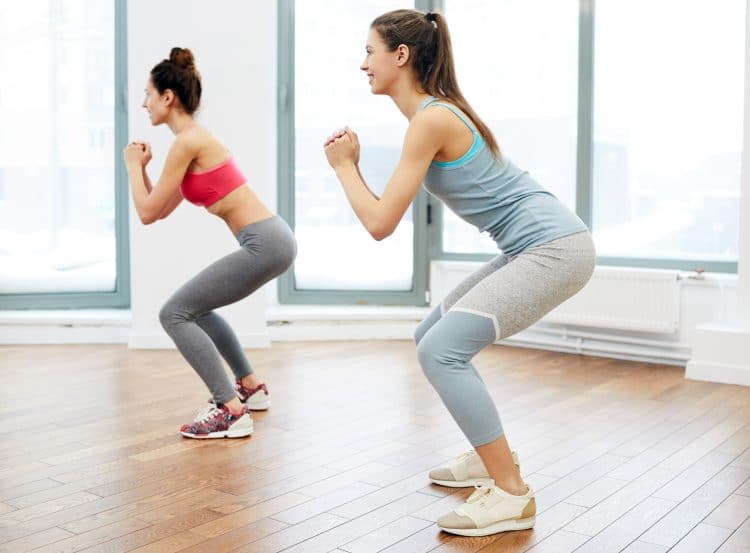
Squat jumps add power to a bodyweight leg day. Jump high, land softly, and reset between reps. Once jump height drops, the set is over. More tired reps are not better power work.
4. Heel Slide Leg Curl
Heel slide leg curls train the hamstrings using towels, sliders, or socks on a smooth floor. Start with hips high, slide the heels away slowly, then curl back in. If the full version is too hard, lower your hips between reps.
5. Step-through Lunge
Step-through lunges combine reverse and forward lunges into one set. They challenge coordination and keep tension on the working leg. Start slow, keep the torso tall, and do not let fatigue pull your knee inward.
6. Single-leg Calf Raise
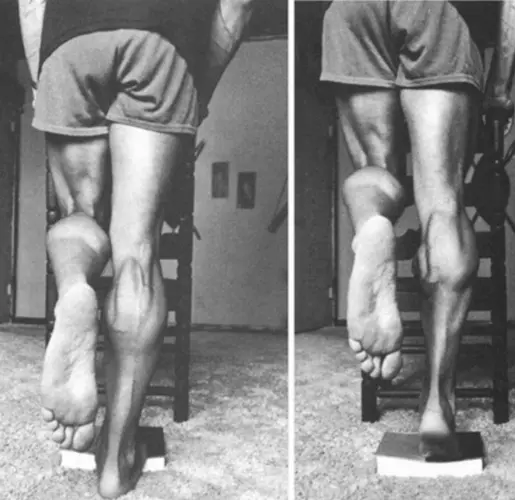
Single-leg calf raises make bodyweight calf work much harder. Hold a wall for balance, use a full stretch at the bottom, pause at the top, and add a backpack or dumbbell once you can exceed 20 clean reps.
Machine-Only Leg Day Workout at Gym
A machine-only leg day is not a lazy option. It is a smart option when you want more targeted volume, less balance demand, and easier load control. This session is especially useful after a hard upper-body week, during a calorie deficit, or whenever heavy barbell work is beating up your low back.
Machine-only leg workout
For hard lower-body training with controlled setup
| Exercise | Sets | Reps | Recovery | |
| 1 | Smith machine squat | 4 | 8-10 | 2 minutes |
| 2 | Leg curl | 3 | 10-12 | 60-90 seconds |
| 3 | Hack squat | 3 | 8-12 | 90 seconds |
| 4 | Leg extension | 3 | 12-15 | 60 seconds |
| 5a | Cable hip abduction | 2 | 12-15 per side | Minimal |
| 5b | Cable hip adduction | 2 | 12-15 per side | Minimal |
| 5c | Cable hip extension | 2 | 12-15 per side | 60 seconds after 5c |
| 6 | Leg press | 3 | 12 | 90 seconds |
| 7 | Explosive calf raise | 3 | 10-12 | 60 seconds |
1. Smith Machine Squat
Smith machine squats let you focus on depth and quad tension without balancing a free bar. Position your feet so your knees and hips feel natural, not forced. If the fixed bar path irritates your joints, swap this for a hack squat or leg press.
2. Leg Curl
Leg curls give the hamstrings direct knee-flexion work that hinges do not fully replace. Control the lowering phase, curl hard without lifting your hips, and pause briefly in the contracted position.
3. Hack Squat
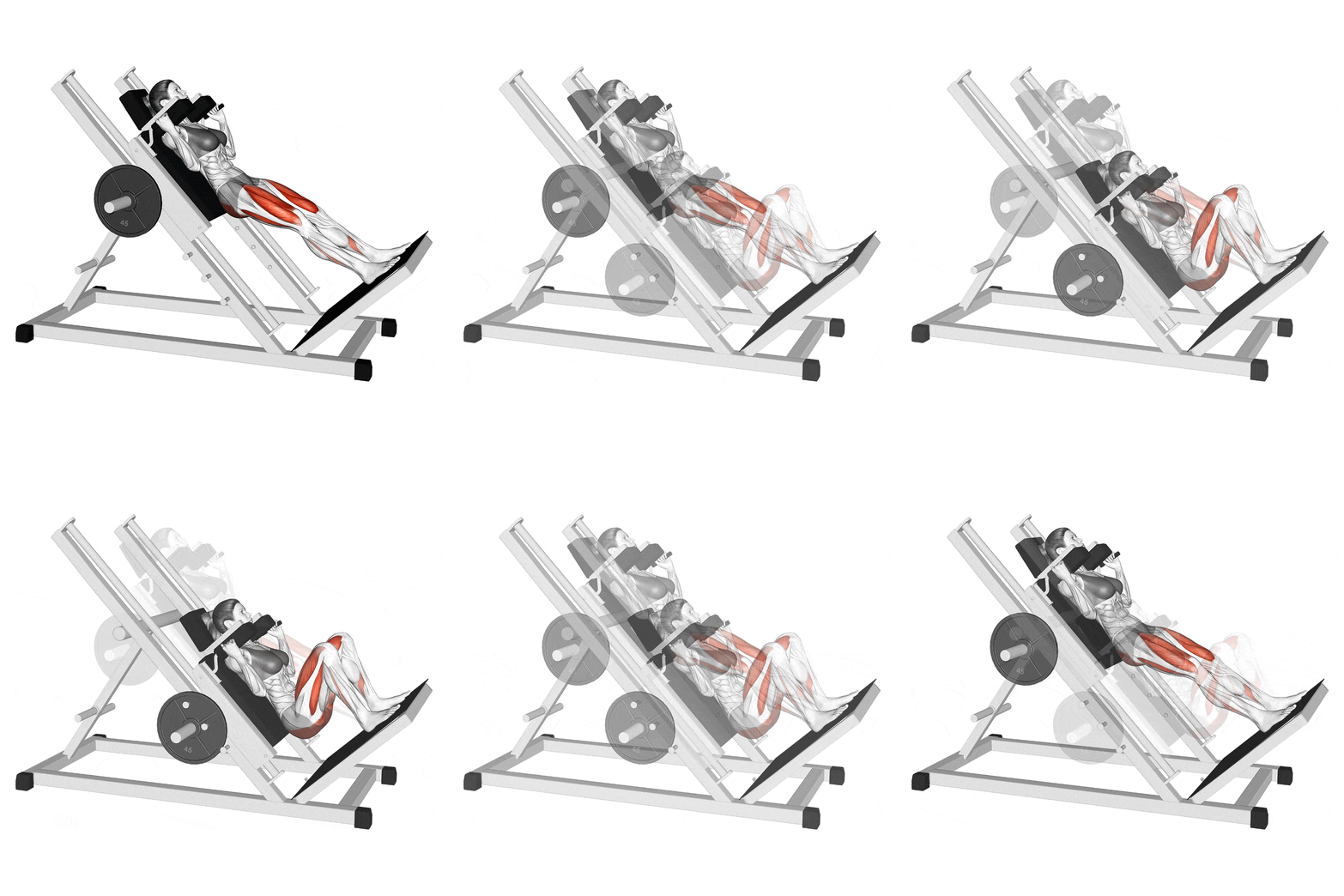
Hack squats were originally a barbell exercise invented by weightlifter and wrestler George Hackenschmidt. The machine version is more straightforward and makes it easier to train the quads hard with a consistent range of motion.
4. Leg Extension
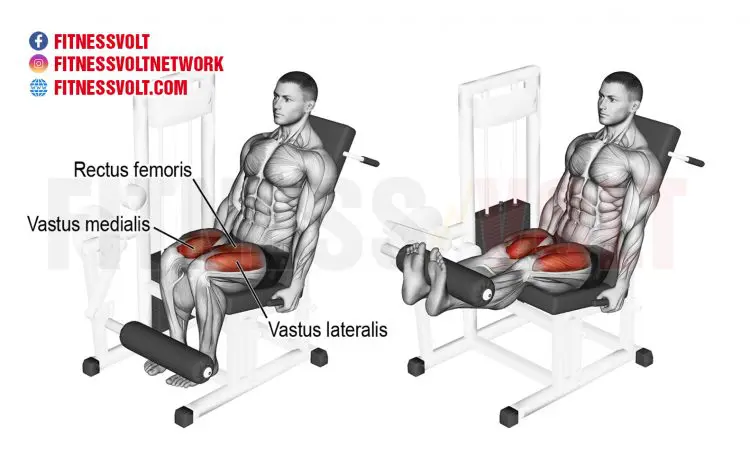
Leg extensions isolate the quads and are best used after heavier compound work. Lift under control, squeeze at the top, and lower slowly. If your knees dislike the movement, shorten the range slightly or use a lighter load and higher reps.
5a. Cable Hip Abduction
Cable hip abductions target the glute medius and help train lateral hip control. Keep your torso still and move from the hip instead of swinging the whole body.
5b. Cable Hip Adduction
Cable hip adductions train the inner thighs, which contribute to hip stability and lower-body strength. Move slowly and use a range of motion you can control.
5c. Cable Hip Extension
Cable hip extensions finish the glutes without another heavy compound lift. Keep a slight knee bend, drive the heel back, and avoid arching your low back to fake extra motion.
6. Leg Press
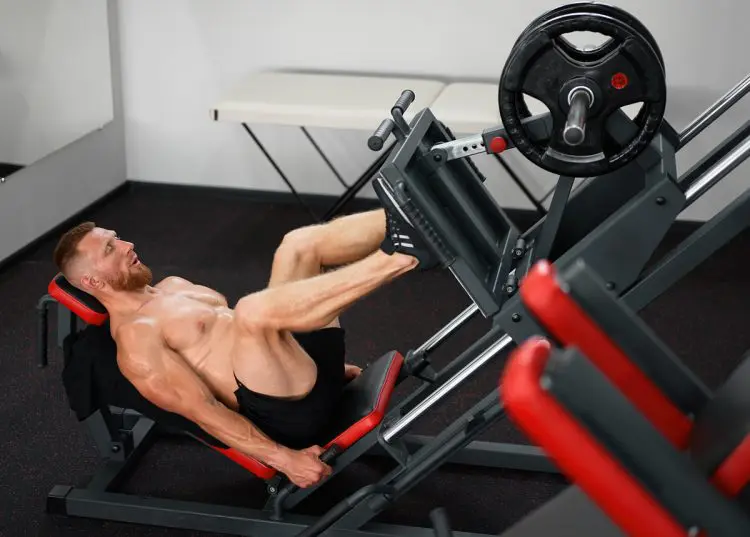
Use the leg press as a controlled volume builder. For more quads, place the feet slightly lower. For more glutes and hamstrings, place them slightly higher. In both cases, keep the hips anchored and avoid locking the knees aggressively at the top.
7. Explosive Calf Raise
Explosive calf raises train the calves with speed, but they still need control. Drive up powerfully, land softly, and stop before the reps turn sloppy. If your Achilles tendon feels irritated, switch to slower standing calf raises.
How can you customize these leg workouts?
Customize the workout by swapping movement patterns, not random exercises. Replace a squat with another squat pattern, a hinge with another hinge, and a calf raise with another calf raise. That keeps the program balanced while letting you work around equipment limits, joint discomfort, or a crowded gym.
| If the program says… | Swap with… | Best reason to swap |
| Front squat | Goblet squat, safety-bar squat, hack squat | Wrist discomfort, no rack, or limited front rack mobility |
| Romanian deadlift | Dumbbell RDL, hip thrust, cable pull-through | Lower-back fatigue or limited barbell access |
| Walking lunge | Reverse lunge, split squat, step-up | Knee discomfort, lack of space, or balance issues |
| Leg press | Hack squat, belt squat, Smith squat | Machine unavailable or foot position feels awkward |
| Leg curl | Slider curl, stability-ball curl, Nordic curl progression | Home training or missing machine |
| Standing calf raise | Single-leg calf raise, donkey calf raise, leg press calf raise | Machine unavailable or need unilateral work |
Keep substitutions boring and specific. If you replace front squats with leg extensions, you have changed the entire training effect. If you replace front squats with goblet squats or hack squats, you have preserved the pattern.
What leg day mistakes slow progress?
The biggest leg day mistakes are changing workouts too often, cutting range of motion as weights increase, skipping hamstring work, ignoring calves, and training so hard that the next session suffers. Productive leg training is not just about surviving a brutal session. It is about repeating high-quality work often enough to adapt.
Use this checklist before you add more exercises:
- Your first lift is improving: Add reps or load without shortening the rep.
- Your knees track cleanly: They do not cave inward during squats, lunges, or leg presses.
- Your hamstrings get direct work: Include a hinge, a curl, or both.
- Your calves get full range: Stretch at the bottom and pause at the top.
- Your soreness is manageable: You can train hard again within three to four days if needed.
- Your plan matches your recovery: Add volume only when performance is stable.
If knees are the limiting factor, start with the knee-friendly leg day guide. If you need a shorter session, our 30-minute leg workout is a better fit than rushing through one of the longer sessions above.
What sources support these leg day recommendations?
The programming in this guide is based on established resistance-training principles: progressive overload, sufficient weekly volume, controlled effort, exercise specificity, and recovery. The sources below do not prove that one exact workout is magic. They support the broader rules used to build the workouts and progression plan.
- American College of Sports Medicine. (2009). American College of Sports Medicine position stand. Progression models in resistance training for healthy adults. Medicine and Science in Sports and Exercise, 41(3), 687-708. doi:10.1249/MSS.0b013e3181915670
- Schoenfeld, B. J., Ogborn, D., & Krieger, J. W. (2017). Dose-response relationship between weekly resistance training volume and increases in muscle mass: A systematic review and meta-analysis. Journal of Sports Sciences, 35(11), 1073-1082. doi:10.1080/02640414.2016.1210197
- Schoenfeld, B. J., Grgic, J., Ogborn, D., & Krieger, J. W. (2017). Strength and hypertrophy adaptations between low- vs. high-load resistance training: A systematic review and meta-analysis. Journal of Strength and Conditioning Research, 31(12), 3508-3523. doi:10.1519/JSC.0000000000002200
- Schoenfeld, B. J., Grgic, J., & Krieger, J. (2019). How many times per week should a muscle be trained to maximize muscle hypertrophy? Journal of Sports Sciences, 37(11), 1286-1295. doi:10.1080/02640414.2018.1555906
- Wernbom, M., Augustsson, J., & Thomee, R. (2007). The influence of frequency, intensity, volume and mode of strength training on whole muscle cross-sectional area in humans. Sports Medicine, 37(3), 225-264. doi:10.2165/00007256-200737030-00004
- Williams, T. D., Tolusso, D. V., Fedewa, M. V., & Esco, M. R. (2017). Comparison of periodized and non-periodized resistance training on maximal strength: A meta-analysis. Sports Medicine, 47(10), 2083-2100. doi:10.1007/s40279-017-0734-y
The practical takeaway: train the major lower-body patterns, progress gradually, keep enough weekly volume to grow, and use exercise substitutions that preserve the same movement category. That is how these workouts beat random leg-day lists.
Leg Day Workouts – Wrapping Up
The best leg day workout is the one that matches your equipment, targets your weak links, and lets you progress without turning every session into a recovery crisis. Use the heavy gym workout for size and strength, the quad-and-glute workout for physique balance, the at-home workout when equipment is limited, and the machine-only workout when you want controlled, joint-friendly volume.
Run one plan for four to six weeks, track loads and reps, and change only what stops working. If your reps get cleaner, your range of motion stays honest, and your numbers slowly climb, your leg day is doing its job.
Learn More on Leg Training
- The Best Calisthenic Leg Workout
- The Best Barbell Leg Exercises and Workout
- The Best 30-Minute Leg Workout for Massive Quads, Hamstrings, and Calves
- The 12 Best Cable Exercises for Legs + Workout
- Best CrossFit Leg Workouts to Build Strength and Conditioning
- Best Old-School Leg Workouts