
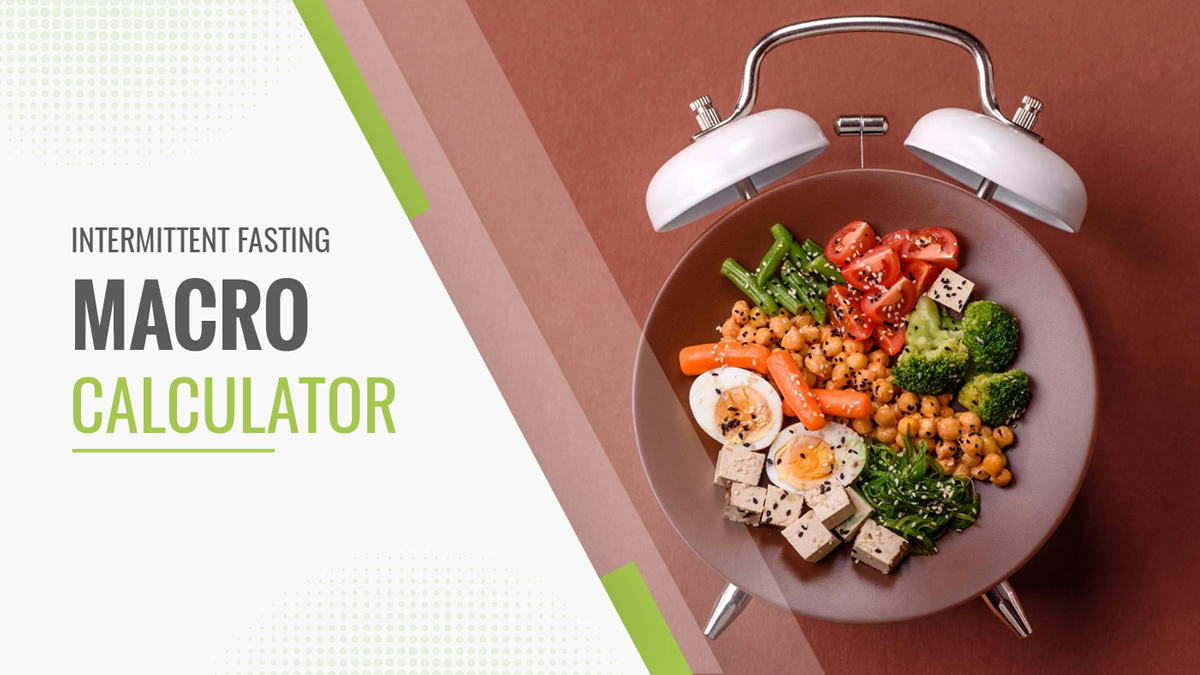
Intermittent Fasting Macro Calculator
Calculate your optimal macros for training and rest days using the Leangains carb cycling approach
The Leangains protocol combines intermittent fasting with strategic macro cycling to maximize fat loss while preserving (or building) muscle. On training days, you eat more carbs and calories to fuel workouts and recovery. On rest days, you reduce carbs and increase fats to enhance fat burning.
How the Leangains Intermittent Fasting Method Works
The Leangains protocol, created by Martin Berkhan, is the gold standard for combining intermittent fasting with weight training. Unlike basic IF approaches, Leangains uses calorie and carb cycling to optimize body composition—burning fat on rest days while building muscle on training days.
The Science Behind Macro Cycling
Your body responds differently to nutrients based on your activity level:
- Training days: After resistance exercise, your muscles are primed to absorb glucose. Higher carbs replenish glycogen, spike insulin (the most anabolic hormone), and shuttle nutrients into muscle tissue. This is when your body BUILDS.
- Rest days: Without the metabolic demands of training, excess carbs are more likely to be stored as fat. Lower carbs with higher fat keeps insulin low, promoting fat oxidation. This is when your body BURNS.
Understanding the Calorie Splits
| Goal | Rest Day | Training Day | Best For |
|---|---|---|---|
| Body Recomp | -20% | +20% | Beginners, those near goal weight |
| Fat Loss | -20% | 0% | Moderate, sustainable fat loss |
| Rapid Loss | -30% | -10% | Short-term cuts (4-8 weeks max) |
| Clean Bulk | -10% | +20% | Building muscle with minimal fat |
Fasted Training: Benefits and Considerations
Training in a fasted state can enhance fat burning through increased catecholamine levels and improved insulin sensitivity. However, there are tradeoffs:
Benefits
- Increased fat oxidation during exercise
- Enhanced growth hormone release
- Improved insulin sensitivity post-workout
- Mental clarity and focus
Considerations
- May reduce training intensity
- Risk of muscle breakdown without BCAAs
- Not ideal for very long sessions
- Individual tolerance varies
Optimizing Your Eating Window
While the 16:8 protocol is most popular, the "best" eating window depends on your schedule and preferences:
- Morning trainers: Consider 14:10 (10am-8pm eating) to have fuel available
- Evening trainers: 16:8 (12pm-8pm) works perfectly with post-work training
- Busy professionals: 20:4 or OMAD simplifies meal prep and decision-making
The key is consistency. Pick a schedule you can maintain long-term. Adherence beats optimization every time.
Related Calculators
Medical Disclaimer: This calculator provides estimates for educational purposes only and does not constitute medical advice. Intermittent fasting is not appropriate for everyone. Do not fast if you are pregnant or breastfeeding, under 18 years of age, have a history of eating disorders, or have been diagnosed with Type 1 diabetes. If you take medications (especially insulin or blood pressure medication), have any chronic health conditions, or are recovering from surgery, consult your physician before beginning any fasting protocol. If you experience chest pain, fainting, persistent dizziness, or heart palpitations during a fast, stop immediately and seek medical attention.
How to Use the IF Macro Calculator
- Enter your body stats including weight, height, age, gender, and body fat percentage if known.
- Select your goal (fat loss, maintenance, or lean bulk) and your training schedule.
- Set your fasting window so the calculator can distribute macros across your eating window meals.
- Review your training day and rest day splits with specific protein, carb, and fat targets for each.
Understanding Macro Cycling for Intermittent Fasting
The Leangains approach to intermittent fasting pairs a 16:8 fasting schedule with strategic macro cycling. On training days, carbohydrate intake is higher to fuel workouts and replenish glycogen, while fat intake is kept moderate. On rest days, carbs drop and fat increases to promote fat oxidation during the extended fasting window. Protein stays consistently high on both days to support muscle protein synthesis.
This cycling approach takes advantage of nutrient timing without the complexity of meal-by-meal planning. Because all calories are consumed within an 8-hour window, each meal is naturally larger and more satiating, which can improve dietary adherence compared to traditional six-meal-a-day approaches.
Training day macros typically allocate 40 to 50 percent of calories from carbohydrates, 30 to 35 percent from protein, and the remainder from fat. Rest days shift to roughly 25 to 30 percent carbs, 35 to 40 percent protein, and 30 to 40 percent fat. The exact ratios depend on your total caloric needs and training intensity.
Key Takeaways
- Protein intake should remain high on both training and rest days, typically 1.6 to 2.2 grams per kilogram of body weight.
- Carb cycling between training and rest days optimizes glycogen replenishment while supporting fat loss.
- Eating within a compressed window naturally increases meal size, which can improve satiety and adherence.
- Place your largest meal after training to maximize nutrient partitioning and recovery.
- Adjust macros every 2 to 4 weeks based on progress in body composition and performance.
Frequently Asked Questions
Why are macros different on training days vs rest days?
Your body has different fuel demands depending on activity. Training days require more carbohydrates for performance and glycogen recovery. Rest days benefit from lower carbs and higher fat to encourage fat oxidation during the fasting window.
How much protein do I need while intermittent fasting?
Research supports 1.6 to 2.2 grams of protein per kilogram of body weight for active individuals. Because you are eating in a shorter window, hitting this target requires protein-dense meals. Aim for 30 to 50 grams of protein per meal.
Should I eat before or after training?
Training in a fasted state is fine for most people, but your first meal after training should be your largest and most carb-rich. This post-workout meal takes advantage of elevated insulin sensitivity and glycogen synthase activity.
Can I build muscle with intermittent fasting?
Yes. Multiple studies show that muscle gain is possible with time-restricted eating as long as total daily protein and calories are sufficient. The compressed eating window does not impair muscle protein synthesis when protein targets are met.
How do I know if my macros are working?
Track body weight trends weekly, measure waist circumference biweekly, and monitor training performance. If strength is maintained or increasing while body weight trends in the desired direction, your macros are well calibrated.