Barbell Rear Lunge: The Key to Unlocking Your Glute Potential

Activate and Sculpt Your Glutes with Every Rep

Ash, ACE, MSc
By
Ash, ACE, MSc
Ash is a highly respected fitness expert and certified personal trainer through the American Council on Exercise (ACE). With a B.A. in biology from Rutgers and...
6 Min Read
Barbell Rear Lunge Guide

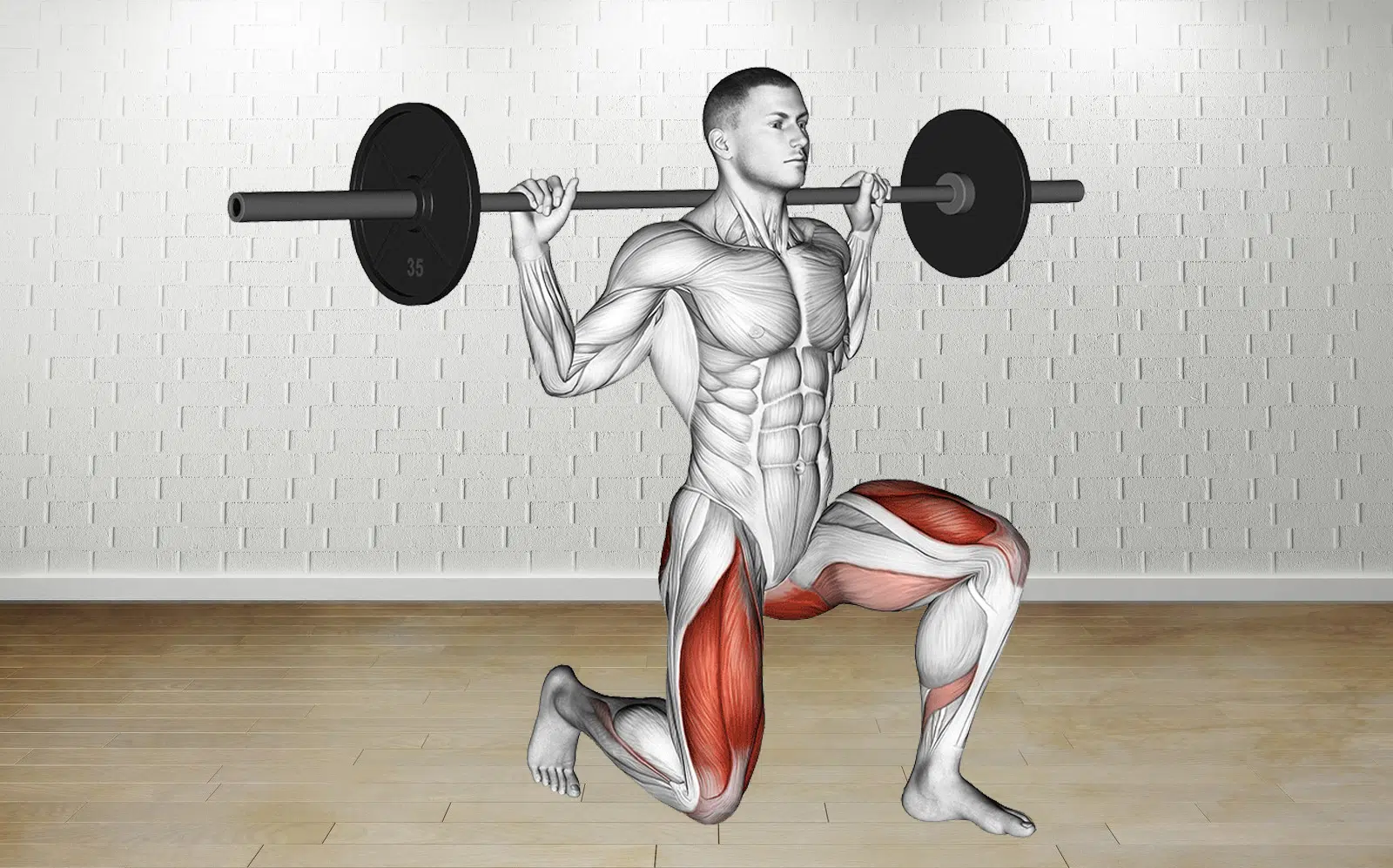
The Barbell Rear Lunge is an effective exercise that targets the gluteal muscles, quadriceps, and hamstrings, making it essential for anyone looking to enhance lower body strength and muscle tone. By incorporating a barbell into the lunge, this movement increases muscle engagement while improving balance and coordination, benefiting athletes and fitness enthusiasts alike.

The primary focus is on the glutes, which are vital for hip extension and rotation. Additionally, the exercise engages the quadriceps and hamstrings to promote joint stability and injury prevention. For optimal results, perform the Barbell Rear Lunge 2-3 times per week, allowing adequate recovery to support muscle growth. Beginners should start with lighter weights—or even no weight—to master their form, ensuring safety by keeping the front knee aligned over the ankle and engaging the core throughout the motion. The barbell should rest securely on your upper back to prevent strain.

Incorporating the Barbell Rear Lunge into your routine can lead to significant improvements in strength, stability, and overall athletic performance, effectively unlocking the full potential of your glutes.

Barbell Rear Lunge Details
Basic Information
Body Part
Upper Legs
Primary Muscles
Secondary Muscles
Equipment
Barbell
Exercise Characteristics
Exercise Type
Strength
Movement Pattern
Lunge
Force Type
Concentric
Unilateral/Bilateral
Unilateral
Compound/Isolation
Compound
Bodyweight Exercise
Yes
Training Parameters
Difficulty Level
Intermediate
Target Training Goals
Strength
Suitable Workout Phases
Main workout
Risk Level
Moderate
Weight Category
Bodyweight
Recommended Rep Ranges
GoalRep Range
Strength6-8
Hypertrophy8-12
Endurance12-15
Power1-5
Muscular endurance15-20
Stability core8-12
Flexibility mobility8-12

How to Do a Barbell Rear Lunge

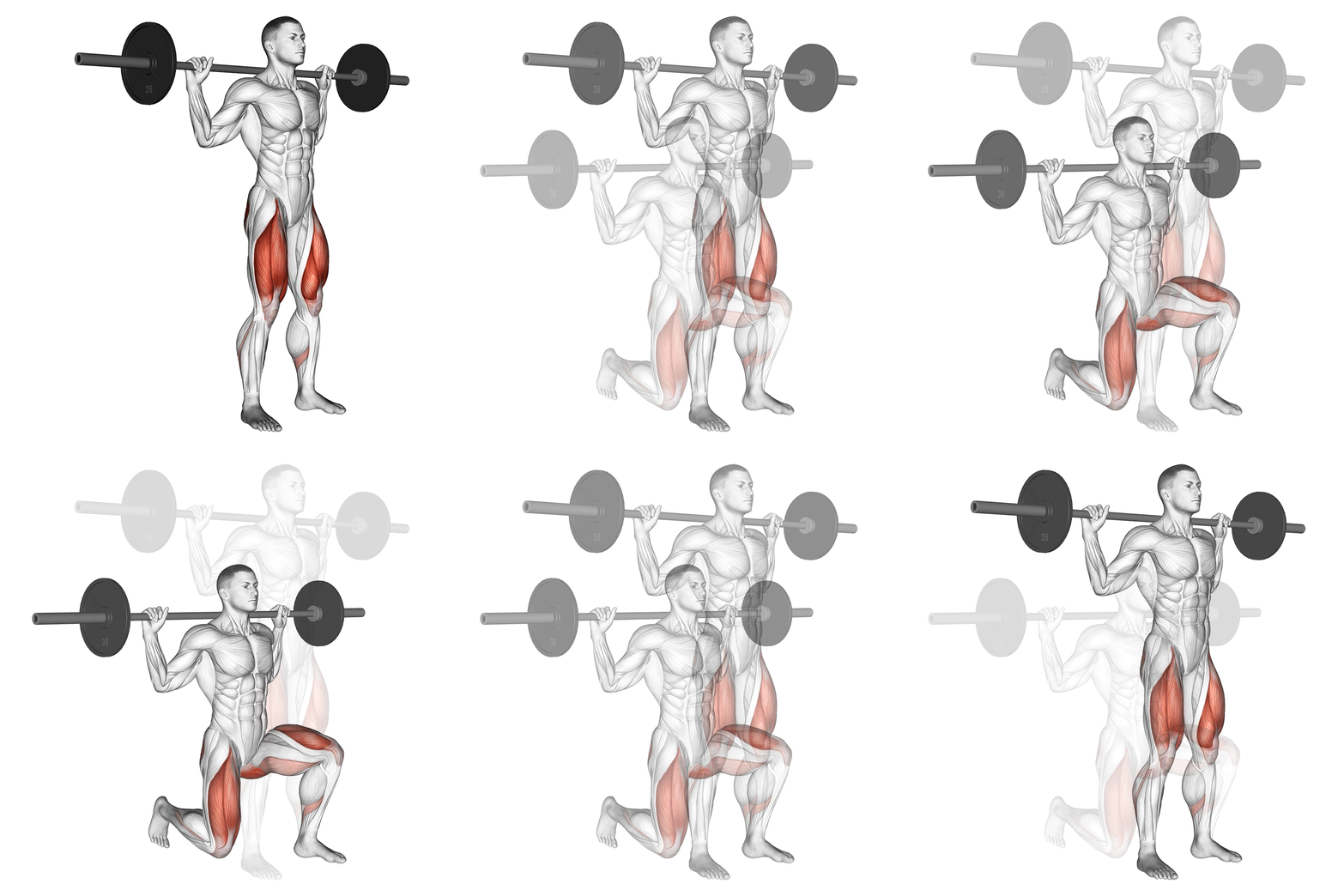
How to do a Barbell Rear Lunge - Step by step Strength exercise demonstration targeting Glutes, Calves, Hamstrings, Quadriceps
  1. Starting Position: Stand upright with your feet shoulder-width apart. Position a barbell across your upper back so that it rests securely on your shoulders. Engage your core and lift your chest to maintain proper posture.
  2. Step Back: Step back with your right foot into a lunge position. Lower your body by bending both knees while ensuring that your front knee stays aligned directly over your ankle. Your back knee should approach the floor without making contact.
  3. Lower the Body: Continue to descend until your front thigh is parallel to the ground, ensuring that your weight is distributed evenly and your core remains engaged throughout the movement.
  4. Push Through Your Front Heel: Exhale as you drive through your front heel to return to the starting position, bringing your right foot forward. Maintain controlled movement and proper alignment.
  5. Alternate Legs: Repeat the movement with your left leg, alternating legs for the desired number of repetitions.

Inhale as you lower into the lunge and exhale as you push back to the starting position.

Get Fitter, Faster

Level Up Your Fitness: Join our 💪 strong community in Fitness Volt Newsletter. Get daily inspiration, expert-backed workouts, nutrition tips, the latest in strength sports, and the support you need to reach your goals. Subscribe for free!

Common Mistakes in Barbell Rear Lunge

  • Incorrect Knee Alignment: Allowing the front knee to extend past the toes can increase joint stress. Always ensure your knee remains aligned over your ankle during the lunge.
  • Insufficient Depth: Not lowering your body enough limits muscle engagement. Aim to lower until your front thigh is parallel to the ground for maximum effectiveness.
  • Poor Core Engagement: A weak core can lead to improper form and lower back strain. Engage your abdominal muscles throughout the movement to maintain stability.
  • Not Using the Heels: Pushing off your toes instead of your front heel reduces power and effectiveness. Focus on driving through your heel when rising.
  • Inconsistent Breathing: Forgetting to breathe properly can hinder performance. Establish a steady pattern by inhaling on the descent and exhaling as you rise.

Benefits of Unlock Your Glutes: Master the Barbell Rear Lunge

  • Enhanced Glute Activation: This exercise effectively targets the gluteus maximus, medius, and minimus, promoting increased muscle recruitment for stronger, more defined glutes.
  • Knee and Hip Stability: The dynamic lunge movement improves joint stability and balance, which is essential for athletic performance and daily activities.
  • Core Engagement: Keeping the barbell on your upper back requires constant core activation, which not only benefits your glutes but also enhances overall core strength.
  • Improved Lower Body Strength: In addition to glutes, the rear lunge strengthens the quadriceps, hamstrings, and calves, contributing to overall lower body power and endurance.
  • Increased Functional Mobility: The exercise’s dynamic range of motion helps improve hip and ankle mobility, which is crucial for everyday movement and injury prevention.

Exercise Variations

  • Dumbbell Forward Lunge
    Level: Intermediate
    Targets: Calves, Core, Glutes, Hamstrings, Hip Flexors, Quadriceps, Erector Spinae, Gluteus Medius, Gluteus Minimus
    Equipment: Dumbbells | Movement: Lunge | Type: Strength | Force Type: Concentric | Compound
  • Dumbbell Rear Lunge
    Level: Intermediate
    Targets: Adductors, Calves, Glutes, Hamstrings, Hip Flexors, Quadriceps, Core Muscles, Gluteus Medius
    Equipment: Dumbbells | Movement: Lunge | Type: Strength | Force Type: Concentric | Compound
  • Landmine 180
    Level: Intermediate
    Targets: Back, Calves, Core, Glutes, Hamstrings, Quadriceps, Shoulders, Core Stabilizers, Deltoids, Latissimus Dorsi, Obliques, Trapezius
    Equipment: Landmine Attachment, Barbell, Weight Plates | Movement: Lunge | Type: Power | Force Type: Plyometric | Compound
  • Single Leg Bridge
    Level: Intermediate
    Targets: Core, Glutes, Hamstrings, Hip Flexors, Lower Back, Adductors, Calves, Core Muscles, Quadriceps
    Equipment: Yoga Mat, None | Movement: Unknown | Type: Strength | Force Type: Isometric | Isolation
  • ATG Squat
    Level: Intermediate
    Targets: Adductors, Calves, Core, Erector Spinae, Glutes, Hamstrings, Quadriceps, Core Muscles, Gluteus Medius, Hip Flexors, Quadratus lumborum
    Equipment: Barefoot Or Minimalist Shoes, Weight Plate Or Kettlebell, Resistance Bands, Squat Rack | Movement: Squat | Type: Strength | Force Type: Concentric | Compound
  • Zercher Squat
    Level: Intermediate
    Targets: Core, Erector Spinae, Glutes, Hamstrings, Quadriceps, Shoulders, Upper Back, Adductors, Calves, Lats, Spinal Erectors, Traps
    Equipment: Barbell, Squat Rack, Weight Plates, Lifting Belt, Lifting Shoes, Foam Pad Or Towel | Movement: Squat | Type: Strength | Force Type: Concentric | Compound
  • Goblet Squat
    Level: Intermediate
    Targets: Adductors, Calves, Core, Glutes, Hamstrings, Quadriceps, Erector Spinae, Gluteus Medius, Obliques, Rectus Abdominis, Upper Back Muscles
    Equipment: Dumbbell, Kettlebell | Movement: Squat | Type: Strength | Force Type: Concentric | Compound
  • Heel Elevated Squats
    Level: Intermediate
    Targets: Calves, Erector Spinae, Glutes, Hamstrings, Quadriceps, Core Muscles
    Equipment: Weight Plates Or Wedge, Barbell Or Dumbbells, Squat Rack, Mat | Movement: Squat | Type: Strength | Force Type: Concentric | Compound
  • Barbell Overhead Squat
    Level: Intermediate
    Targets: Core, Deltoids, Erector Spinae, Glutes, Hamstrings, Quadriceps, Shoulders, Trapezius, Abdominals, Calves, Latissimus Dorsi, Rhomboids
    Equipment: Barbell, Weight Plates, Squat Rack, Lifting Belt, Weightlifting Shoes | Movement: Squat | Type: Strength | Force Type: Eccentric | Compound
  • Cable Deadlift
    Level: Intermediate
    Targets: Core, Erector Spinae, Glutes, Hamstrings, Quadriceps, Forearms, Spinal Erectors, Traps
    Equipment: Cable Machine, Cable Attachment (Handle Or Bar), Weight Plates. | Movement: Pull | Type: Strength | Force Type: Isotonic | Compound

Alternative Exercises

  • Cable Deadlift
    Level: Intermediate
    Targets: Core, Erector Spinae, Glutes, Hamstrings, Quadriceps, Forearms, Spinal Erectors, Traps
    Equipment: Cable Machine, Cable Attachment (Handle Or Bar), Weight Plates. | Movement: Pull | Type: Strength | Force Type: Isotonic | Compound
  • Kettlebell Front Squat
    Level: Intermediate
    Targets: Adductors, Core, Erector Spinae, Glutes, Hamstrings, Quadriceps, Calves, Core Muscles, Gluteus Maximus
    Equipment: Kettlebell | Movement: Squat | Type: Strength | Force Type: Concentric | Compound
  • Barbell Overhead Squat
    Level: Intermediate
    Targets: Core, Deltoids, Erector Spinae, Glutes, Hamstrings, Quadriceps, Shoulders, Trapezius, Abdominals, Calves, Latissimus Dorsi, Rhomboids
    Equipment: Barbell, Weight Plates, Squat Rack, Lifting Belt, Weightlifting Shoes | Movement: Squat | Type: Strength | Force Type: Eccentric | Compound
  • Smith Chair Squat
    Level: Beginner
    Targets: Calves, Core, Erector Spinae, Glutes, Hamstrings, Quadriceps, Gluteus Medius
    Equipment: Smith Machine, Weight Plates, Squat Pad, Weightlifting Shoes | Movement: Squat | Type: Strength | Force Type: Concentric | Compound
  • Otis Up
    Level: Intermediate
    Targets: Calves, Core, Glutes, Hamstrings, Quadriceps, Hip Flexors, Lower Back
    Equipment: Pull-Up Bar, Resistance Band | Movement: Pull | Type: Strength | Force Type: Concentric | Compound
  • Kettlebell Goblet Squat
    Level: Intermediate
    Targets: Adductors, Core, Erector Spinae, Glutes, Hamstrings, Quadriceps, Shoulders, Upper Back
    Equipment: Kettlebell | Movement: Squat | Type: Strength | Force Type: Concentric | Compound
  • Front Squat
    Level: Intermediate
    Targets: Core, Erector Spinae, Glutes, Hamstrings, Quadriceps, Calves, Core Muscles, Deltoids, Trapezius
    Equipment: Barbell, Weight Plates, Squat Rack, Lifting Belt, Wrist Wraps, Weightlifting Shoes | Movement: Squat | Type: Strength | Force Type: Concentric | Compound
  • Shrimp Squat Exercise
    Level: Intermediate
    Targets: Calves, Core, Glutes, Hamstrings, Hip Flexors, Quadriceps, Adductors
    Equipment: None | Movement: Squat | Type: Strength | Force Type: Concentric | Compound
  • Zercher Squat
    Level: Intermediate
    Targets: Core, Erector Spinae, Glutes, Hamstrings, Quadriceps, Shoulders, Upper Back, Adductors, Calves, Lats, Spinal Erectors, Traps
    Equipment: Barbell, Squat Rack, Weight Plates, Lifting Belt, Lifting Shoes, Foam Pad Or Towel | Movement: Squat | Type: Strength | Force Type: Concentric | Compound
  • Prisoner Squats
    Level: Beginner
    Targets: Calves, Core, Glutes, Hamstrings, Lower Back, Quadriceps, Abdominals, Adductors, Erector Spinae, Gastrocnemius, Hip Flexors, Quadratus lumborum, Soleus
    Equipment: None | Movement: Squat | Type: Strength | Force Type: Concentric | Compound

Safety Precautions for Barbell Rear Lunge

To perform the Barbell Rear Lunge safely and effectively, follow these guidelines:

  1. Start Light:
    • Begin with a lighter weight or even body weight to master the movement before increasing the load.
    • This allows your muscles, joints, and ligaments to adapt safely to the stress of the exercise.
  2. Maintain Proper Alignment:
    • Ensure your front knee does not extend past your toes to minimize joint stress.
    • Keep your core engaged and your chest lifted throughout the movement.
  3. Secure Barbell Placement:
    • Rest the barbell securely on your upper back, not on your neck, to avoid undue strain on the cervical spine.
  4. Warm Up Thoroughly:
    • Perform dynamic stretches and light cardio to prepare your lower body muscles and joints.
  5. Focus on Controlled Movements:
    • Avoid using momentum to complete the lunge; move slowly to maximize muscle engagement and protect your joints.
  6. Monitor Your Form:
    • If possible, use a mirror or ask for feedback from a trainer to ensure your alignment and technique are correct.
  7. Listen to Your Body:
    • Stop immediately if you experience sharp pain or discomfort, and reassess your form or reduce the weight.

Interested in measuring your progress? Check out our strength standards for Hip Extension, Lunge.

Stay on top of the latest fitness news and updates by adding Fitness Volt to your Google News feed: Follow us on Google News You can also follow us on Twitter, Facebook, Instagram, and YouTube for even more content.

If you have any questions or need further clarification about this article, please leave a comment below, and Ash will get back to you as soon as possible.

Stay Updated with FitnessVolt Get the latest fitness news, workouts & nutrition tips delivered to your feed
Follow on Google News
Share This Article
Ash is a highly respected fitness expert and certified personal trainer through the American Council on Exercise (ACE). With a B.A. in biology from Rutgers and an M.S. in Exercise Science (Kinesiology) from CBU, she brings a wealth of knowledge and expertise to her work. Ash is dedicated to helping people achieve their fitness and health goals through personalized training and nutrition plans. With a passion for fitness and a deep understanding of the science behind healthy living, she is able to create effective and sustainable programs that deliver real results. Whether you're looking to lose weight, build muscle, or just feel better in your own skin, Ash is the expert you can trust to guide you on your journey to a healthier and happier life.
Leave a Comment