

Assisted Wide-grip Chest Dip (kneeling) vs Lever Incline Chest Press: Complete Comparison Guide
Assisted Wide-grip Chest Dip (kneeling) vs Lever Incline Chest Press — two lever-based, compound chest moves that both target the pectorals but load them differently. If you want clear guidance on which to use for hypertrophy, strength, or beginner-friendly training, this guide has your back. You’ll get a side-by-side look at primary and secondary muscle activation, biomechanical differences (force vectors, length-tension, joint angles), equipment needs, technical cues, and simple progressions. Read on and pick the exercise that matches your goals and limits.
Exercise Comparison
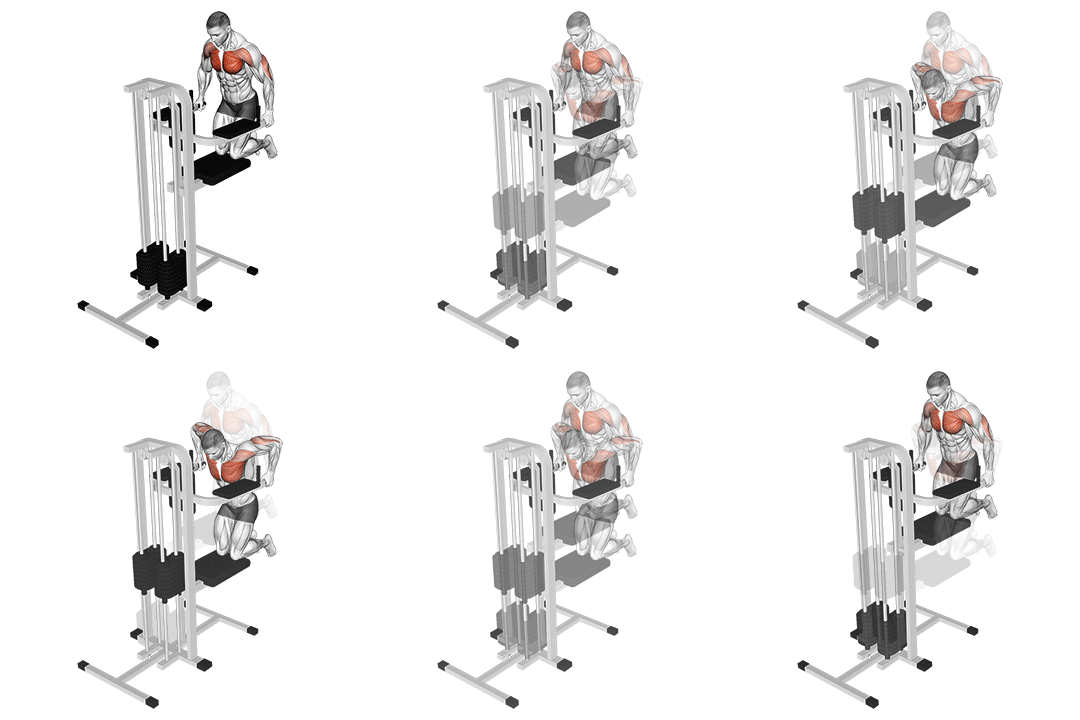
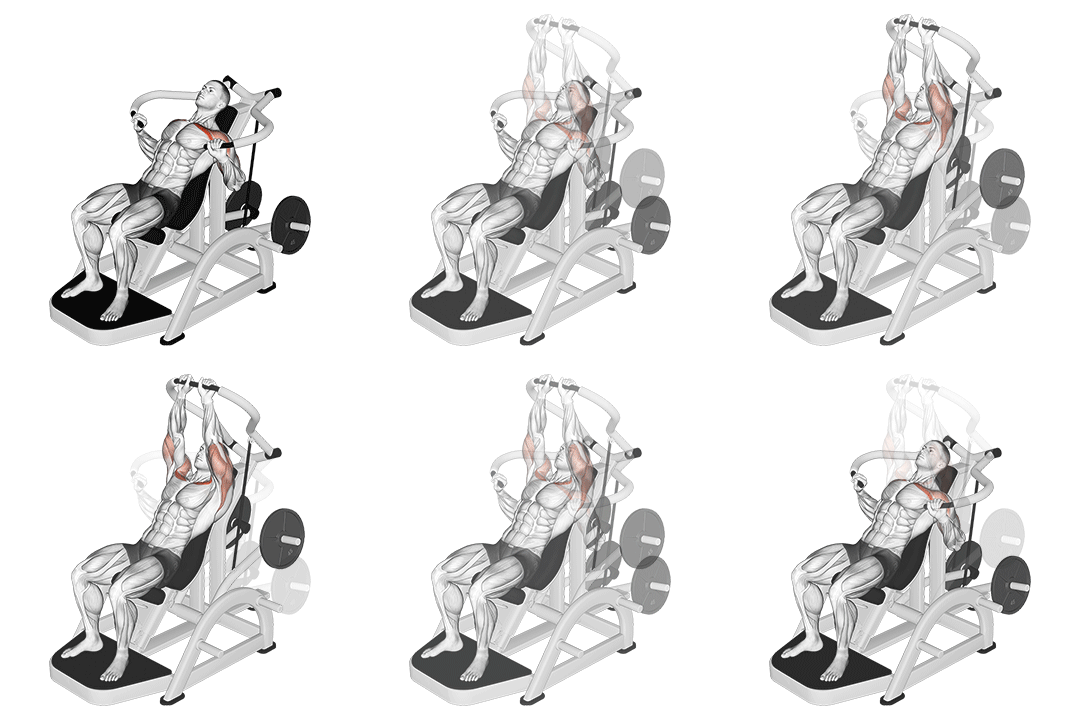
Assisted Wide-grip Chest Dip (kneeling)
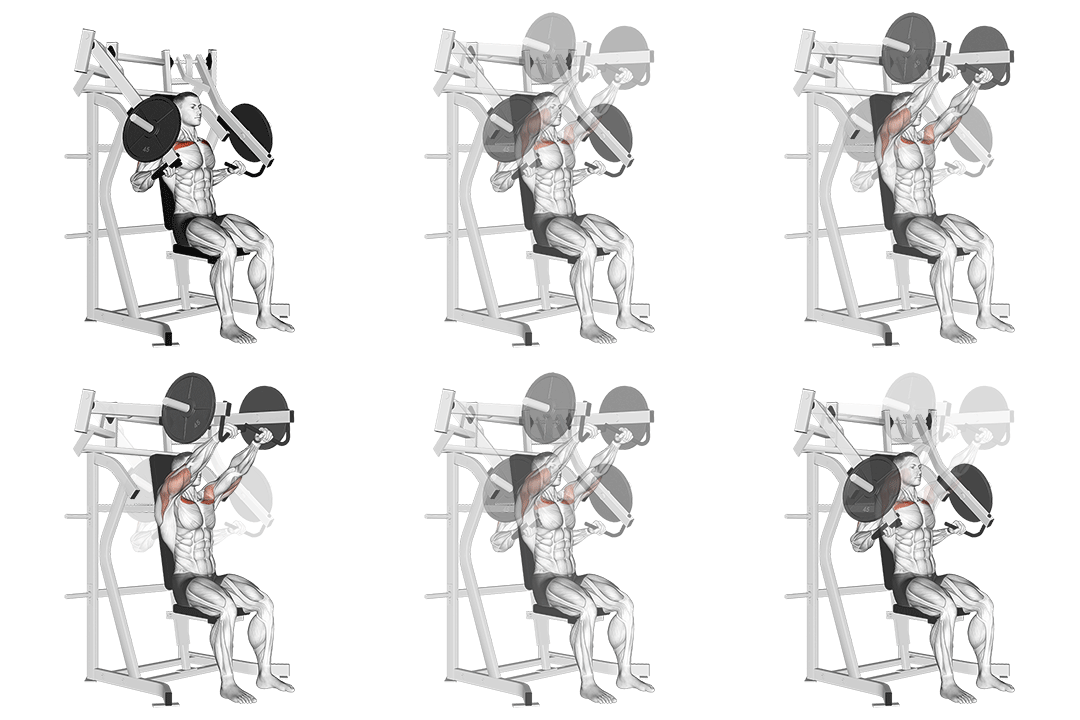
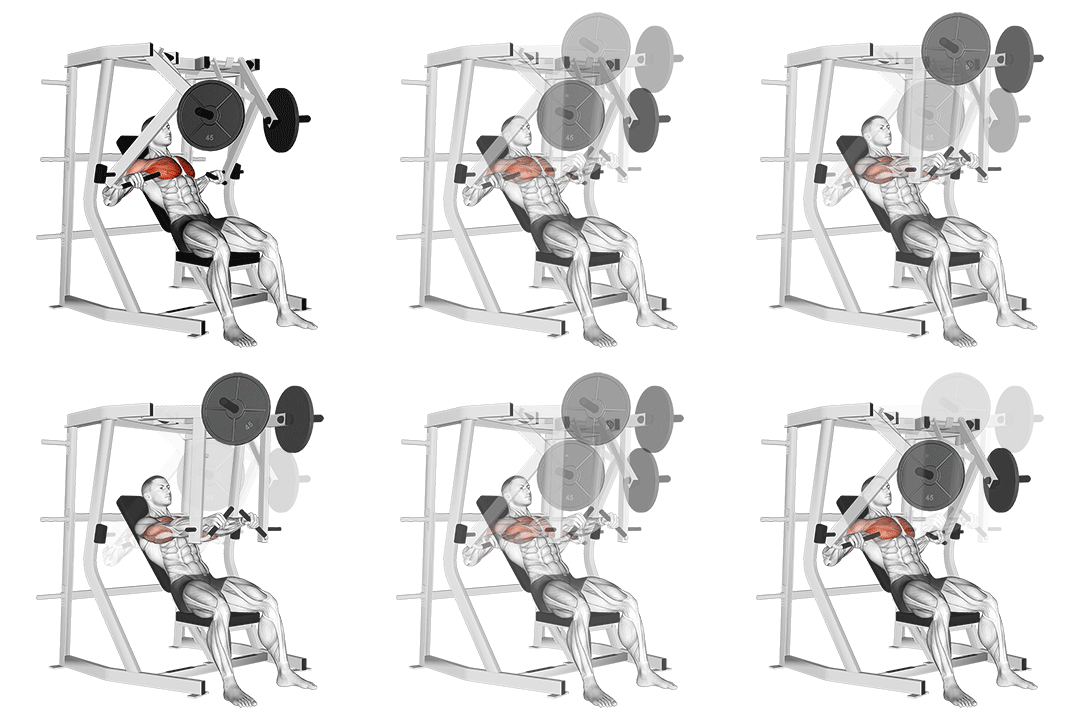
Lever Incline Chest Press
Head-to-Head Comparison
| Attribute | Assisted Wide-grip Chest Dip (kneeling) | Lever Incline Chest Press |
|---|---|---|
| Target Muscle |
Pectorals
|
Pectorals
|
| Body Part |
Chest
|
Chest
|
| Equipment |
Lever
|
Lever
|
| Difficulty |
Beginner
|
Intermediate
|
| Movement Type |
Compound
|
Compound
|
| Secondary Muscles |
2
|
2
|
Secondary Muscles Activated
Assisted Wide-grip Chest Dip (kneeling)
Lever Incline Chest Press
Visual Comparison
Overview
Assisted Wide-grip Chest Dip (kneeling) vs Lever Incline Chest Press — two lever-based, compound chest moves that both target the pectorals but load them differently. If you want clear guidance on which to use for hypertrophy, strength, or beginner-friendly training, this guide has your back. You’ll get a side-by-side look at primary and secondary muscle activation, biomechanical differences (force vectors, length-tension, joint angles), equipment needs, technical cues, and simple progressions. Read on and pick the exercise that matches your goals and limits.
Key Differences
- Difficulty levels differ: Assisted Wide-grip Chest Dip (kneeling) is beginner, while Lever Incline Chest Press is intermediate.
- Both exercises target the Pectorals using Lever. The main differences are in their movement patterns and muscle activation angles.
Pros & Cons
Assisted Wide-grip Chest Dip (kneeling)
+ Pros
- Beginner-friendly with adjustable assistance — easy to scale intensity
- Strong sternal and lower-pec emphasis via forward lean and deeper stretch
- Replicates a functional vertical pressing pattern with core engagement
- Easily mimicked with bands or partner assistance when a lever isn’t available
− Cons
- Can stress the anterior shoulder if performed too deep or with poor torso angle
- Assistance machines sometimes have large increment jumps, limiting fine progression
- Less consistent upper-pec (clavicular) isolation compared with inclines
Lever Incline Chest Press
+ Pros
- Consistent lever path reduces need for stabilization and isolates pec loading
- Adjustable bench angle (30–45°) targets upper pec fibers effectively
- Smooth resistance curve allows precise load increments for progressive overload
- Lower uncontrolled joint translation reduces acute shoulder instability risk
− Cons
- Requires a specific lever/incline station, less available in small gyms or homes
- Intermediate skill to set scapular position and avoid anterior shoulder stress
- Less functional carryover to vertical pushing patterns compared with dips
When Each Exercise Wins
The lever incline press allows precise loading and consistent tension across sets, especially at 6–12 reps. The adjustable 30–45° bench angle biases upper-pec fibers and the machine’s stable path makes it easier to push progressive overload with microloading.
A controlled lever path and the ability to add small weight increments let you increase mechanical tension safely — the primary driver of strength. You can train heavier while maintaining scapular stability and consistent joint angles.
Assistance reduces effective load, letting beginners learn torso lean and elbow tracking safely while still practicing a compound pressing movement. It builds pressing mechanics and confidence before progressing to unassisted dips or heavier presses.
Although both listed require lever equipment, the dip’s movement can be approximated with resistance bands, a bench, or partner assistance, making it more adaptable to limited setups. The incline lever press is harder to replicate without a specialized machine or incline bench with a lever arm.
Frequently Asked Questions
Can I do both Assisted Wide-grip Chest Dip (kneeling) and Lever Incline Chest Press in the same workout?
Yes — pairing them works well. Use the assisted dips earlier for movement practice and a deep stretch (8–12 reps), then follow with 3–4 sets of lever incline presses (6–10 reps) to overload the upper pecs while fatigue is controlled. Monitor shoulder irritation and reduce ROM or load if pain appears.
Which exercise is better for beginners?
Assisted Wide-grip Chest Dip (kneeling) is better for beginners because adjustable assistance lets you learn body position and elbow tracking with less load. It builds compound strength and pressing mechanics before moving to intermediate movements like the lever incline press.
How do the muscle activation patterns differ?
Dips emphasize shoulder extension and horizontal adduction with a longer pec stretch, increasing sternal and lower-pec activation and triceps recruitment. Incline pressing shifts the force vector upward (30–45°), increasing clavicular (upper) pec activation and anterior deltoid involvement while maintaining a controlled horizontal-to-diagonal push.
Can Lever Incline Chest Press replace Assisted Wide-grip Chest Dip (kneeling)?
It can replace dips for upper-pec hypertrophy and controlled overload, but it doesn’t fully substitute the vertical pressing mechanics and stretch pattern of dips. If your program needs both lower-pec emphasis and vertical pressing practice, include dips; if you need tight progression and upper-pec focus, prioritize lever incline presses.
Expert Verdict
Choose Assisted Wide-grip Chest Dip (kneeling) if you’re a beginner, rehabbing, or need a movement you can scale with assistance and limited equipment — it teaches pressing mechanics and emphasizes the lower-to-mid pec fibers through a long stretch. Choose Lever Incline Chest Press if your goal is targeted upper-pec hypertrophy or steady strength progression; the 30–45° incline and precise loading give you control over force vectors and progressive overload. Use both across a training block: start novices on assisted dips for motor patterning, then add lever inclines to prioritize upper-pec development and track load increases with tight increments.
Also Compare
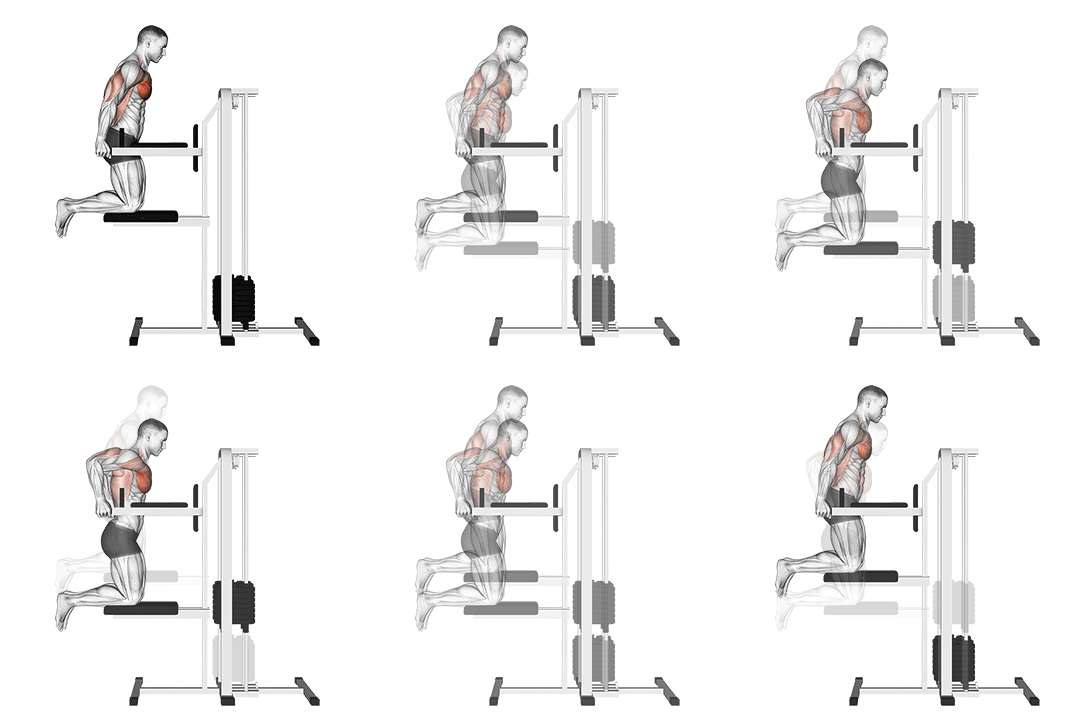
More comparisons with Assisted Wide-grip Chest Dip (kneeling)
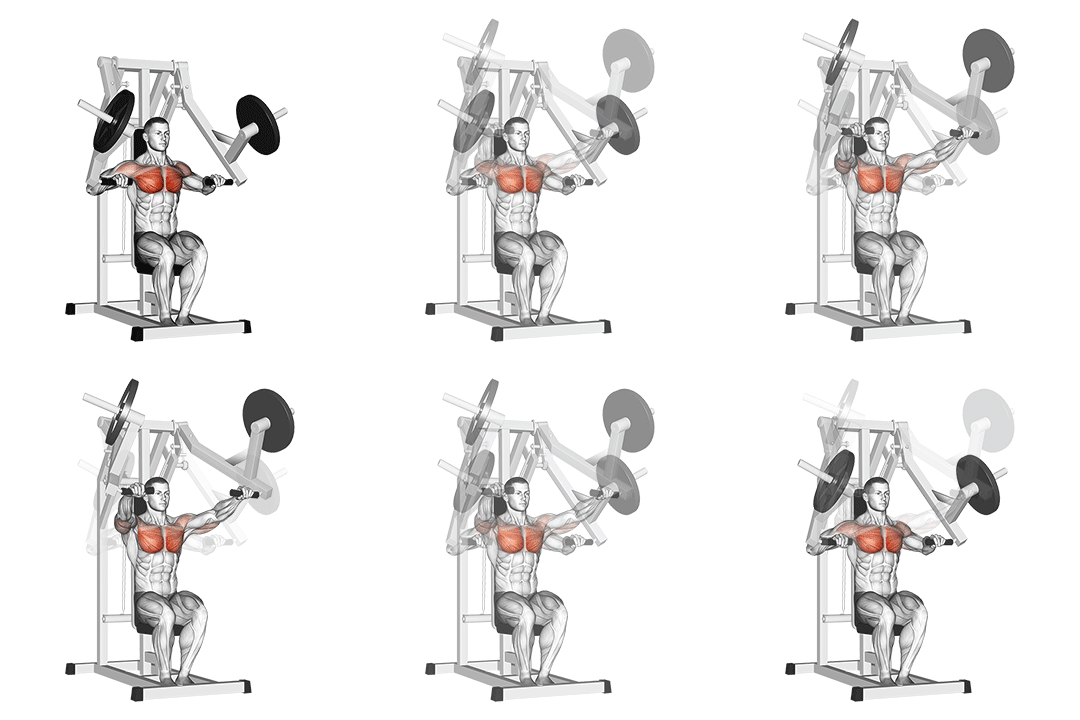
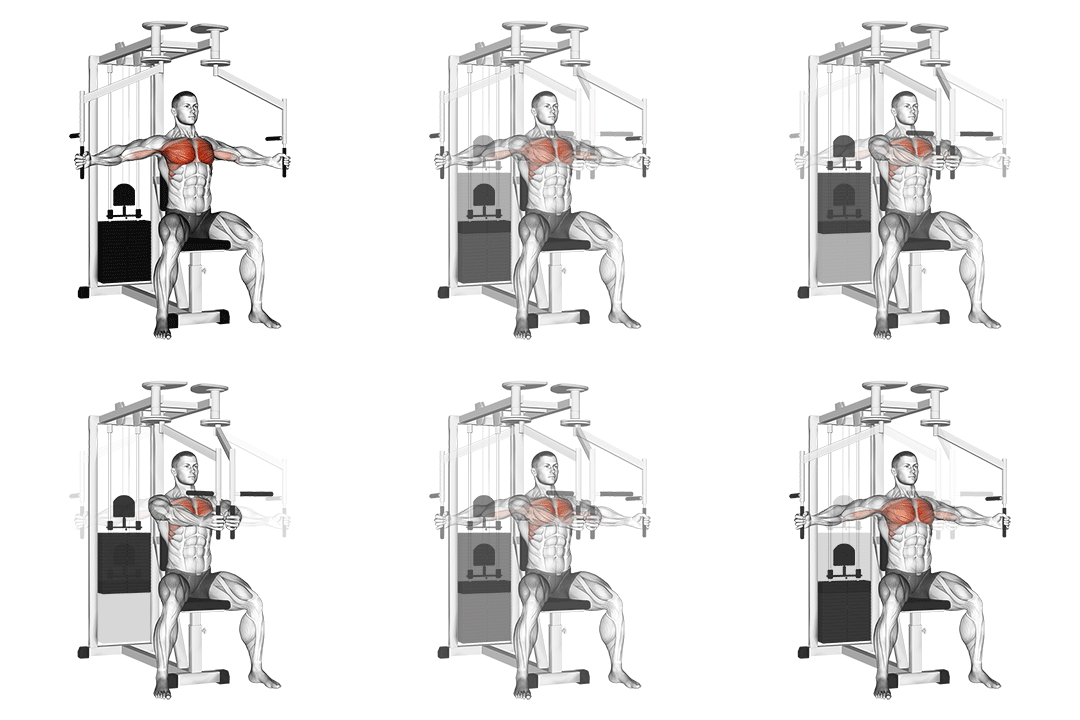
More comparisons with Lever Incline Chest Press
Compare More Exercises
Use our free comparison tool to analyze any two exercises head-to-head.
Compare Exercises