

Band Bench Press vs Bench Press - With Bands: Complete Comparison Guide
Band Bench Press vs Bench Press - With Bands — you might think both are the same because they use bands, but they stress your chest and nervous system differently. I'll walk you through muscle activation, equipment needs, loading strategies, and when to pick one over the other based on muscle growth, strength, or convenience. Expect specific technique cues (grip width, elbow angle, band tension), rep ranges (3–5 for strength, 6–12 for hypertrophy), and biomechanical explanations (length-tension, force vectors) so you can choose the best tool for your program.
Exercise Comparison
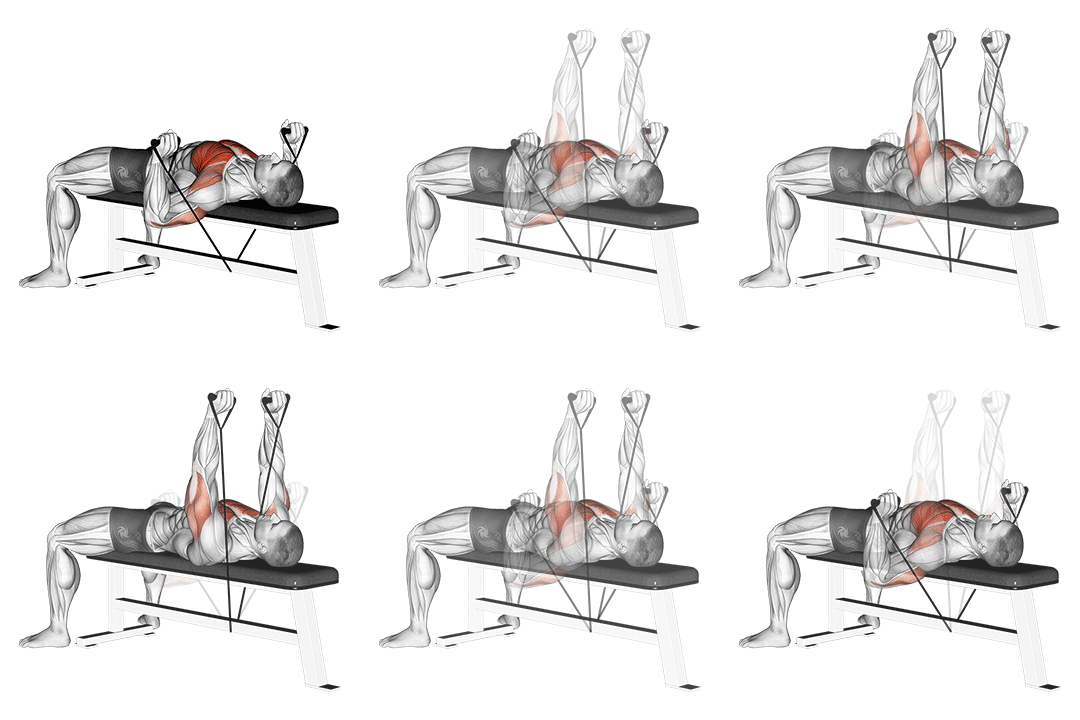
Band Bench Press
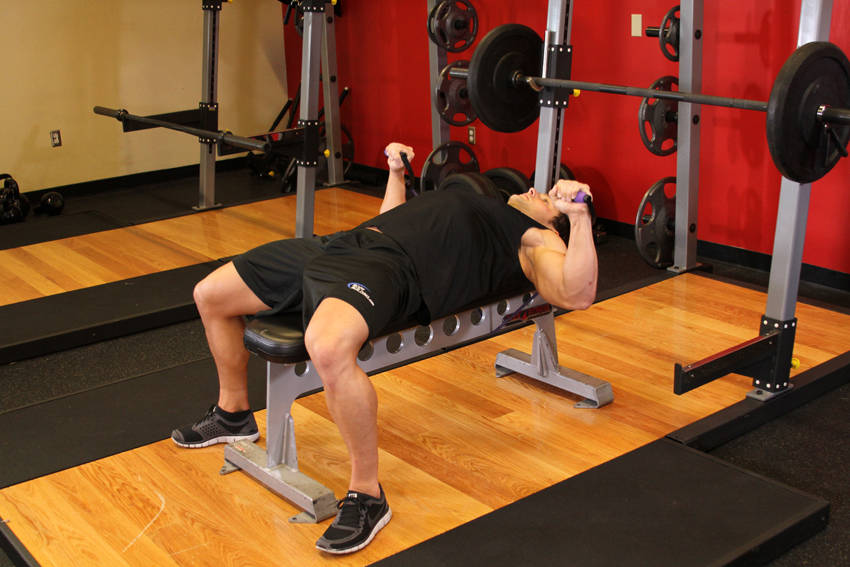
Bench Press - With Bands
Head-to-Head Comparison
| Attribute | Band Bench Press | Bench Press - With Bands |
|---|---|---|
| Target Muscle |
Pectorals
|
Pectorals
|
| Body Part |
Chest
|
Chest
|
| Equipment |
Band
|
Band
|
| Difficulty |
Intermediate
|
Intermediate
|
| Movement Type |
Compound
|
Compound
|
| Secondary Muscles |
2
|
2
|
Secondary Muscles Activated
Band Bench Press
Bench Press - With Bands
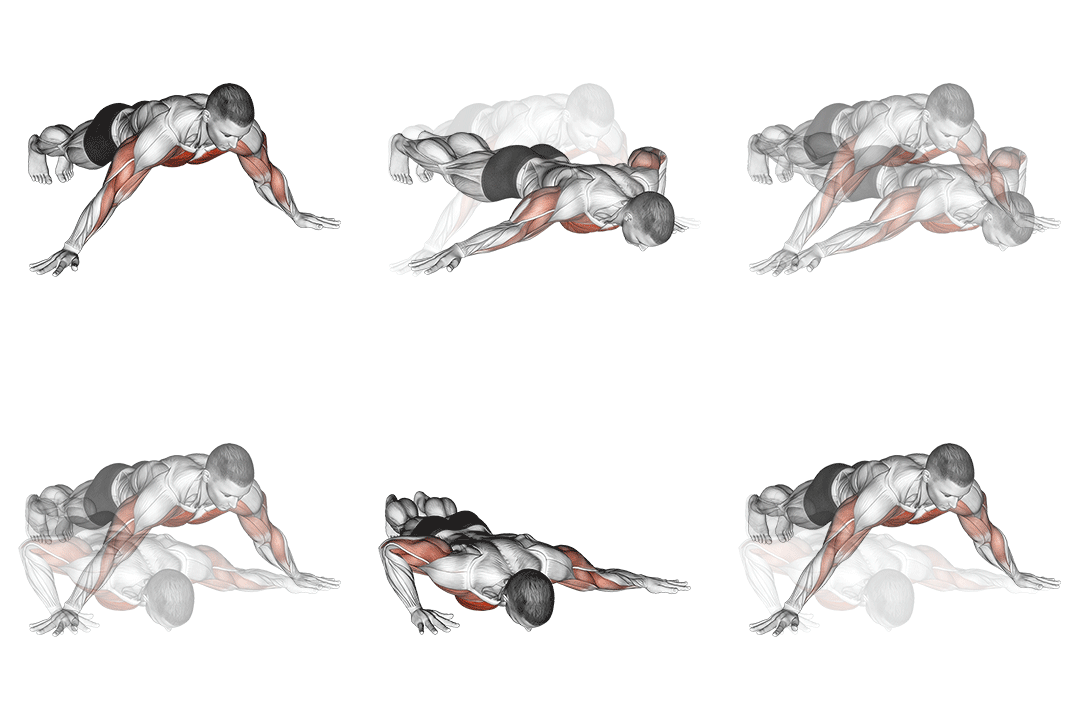
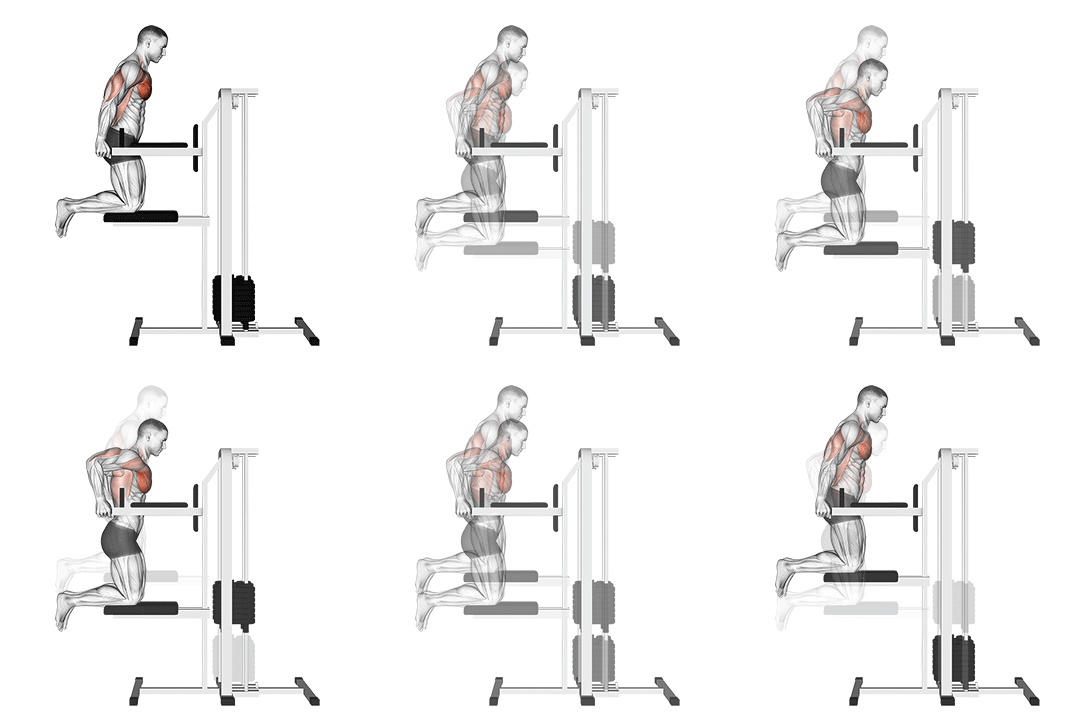
Visual Comparison
Overview
Band Bench Press vs Bench Press - With Bands — you might think both are the same because they use bands, but they stress your chest and nervous system differently. I'll walk you through muscle activation, equipment needs, loading strategies, and when to pick one over the other based on muscle growth, strength, or convenience. Expect specific technique cues (grip width, elbow angle, band tension), rep ranges (3–5 for strength, 6–12 for hypertrophy), and biomechanical explanations (length-tension, force vectors) so you can choose the best tool for your program.
Key Differences
- Both exercises target the Pectorals using Band. The main differences are in their movement patterns and muscle activation angles.
Pros & Cons
Band Bench Press
+ Pros
- Portable and low equipment requirement — ideal for home setups
- Variable resistance improves concentric acceleration and lockout
- Lower absolute load reduces need for a spotter
- Great for speed and hypertrophy with 6–12 rep ranges
− Cons
- Harder to quantify exact load — progressive overload tracking is less precise
- Band tension varies by anchor point and stretch length
- Less ability to apply very high absolute loads for maximal strength work
Bench Press - With Bands
+ Pros
- Combines heavy barbell loading with band accommodation for robust strength gains
- Precise incremental loading using plates and micro-plates
- Improves stability under load and training specificity for powerlifting
- Allows clear periodization between 3–5 rep strength blocks and 6–12 rep hypertrophy blocks
− Cons
- Requires more equipment (barbell, plates, rack) and a spotter or safety setup
- Steeper technical demand: bar path, leg drive, and breathing sequencing
- Higher risk of failed heavy reps without proper safety measures
When Each Exercise Wins
Bench Press - With Bands lets you combine precise barbell loading with band-accommodated resistance to tax the pecs through the full ROM. Use 6–12 reps with moderate band tension to maintain high time under tension and progressive overload.
Barbell plus bands supports heavy top-end loading and overload at lockout while preserving barbell technique needed for maximal force production in 3–5 rep schemes. The barbell component is essential to drive neural adaptations for maximal strength.
Band Bench Press is simpler to learn and safer to load incrementally, letting you dial in scapular retraction, elbow angles (~45°), and breathing without managing heavy plates or a spotter.
Minimal equipment and portability make Band Bench Press the clear pick for home training. You can use progressive band tensions to cover strength and hypertrophy ranges without a rack or heavy plates.
Frequently Asked Questions
Can I do both Band Bench Press and Bench Press - With Bands in the same workout?
Yes — pairing them works well: use Bench Press - With Bands as your heavy compound (3–5 sets of 3–6 reps) then follow with Band Bench Press for higher-rep accessory work (3–4 sets of 8–15 reps). That sequence leverages heavy load for neural drive and bands for metabolic stress and lockout work.
Which exercise is better for beginners?
Band Bench Press is better for beginners because it reduces absolute load and lets you focus on scapular positioning, a ~45° elbow tuck, and controlled tempo. It’s easier to progress safely while you learn bracing and breathing.
How do the muscle activation patterns differ?
Band-only pressing raises concentric demand later in the ROM due to increasing band tension, shifting peak pectoral torque toward lockout. Barbell+bands creates a hybrid torque curve — heavier at the bottom from the barbell and increasing toward lockout from the bands — changing where fibers reach peak tension across the lift.
Can Bench Press - With Bands replace Band Bench Press?
Bench Press - With Bands can replace band-only pressing for many training goals, especially strength, because it adds precise barbell load. For portability, rehab, or pure speed work, keep Band Bench Press in rotation because it’s easier to set up and safer for high-rep or explosive work.
Expert Verdict
Use Band Bench Press when you need a portable, low-risk way to train chest, work on bar speed, or build volume at home — it’s great for 6–15 rep sets and for emphasizing lockout and concentric acceleration. Choose Bench Press - With Bands when your goal is maximal strength or structured hypertrophy with precise progressive overload; the barbell component lets you load heavy while bands modify the torque curve to target sticking points. If you train for sport or powerlifting, prioritize barbell+bands; if you’re short on equipment or recovering from an injury, prioritize band-only pressing and build stability first.
Also Compare
More comparisons with Band Bench Press
More comparisons with Bench Press - With Bands
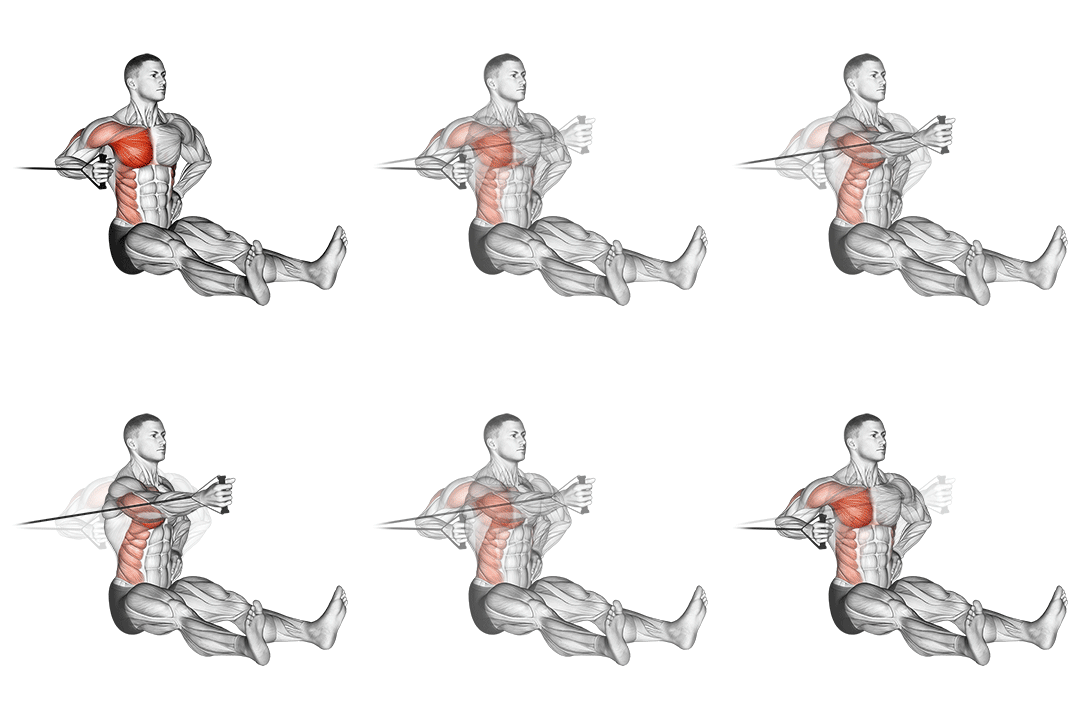
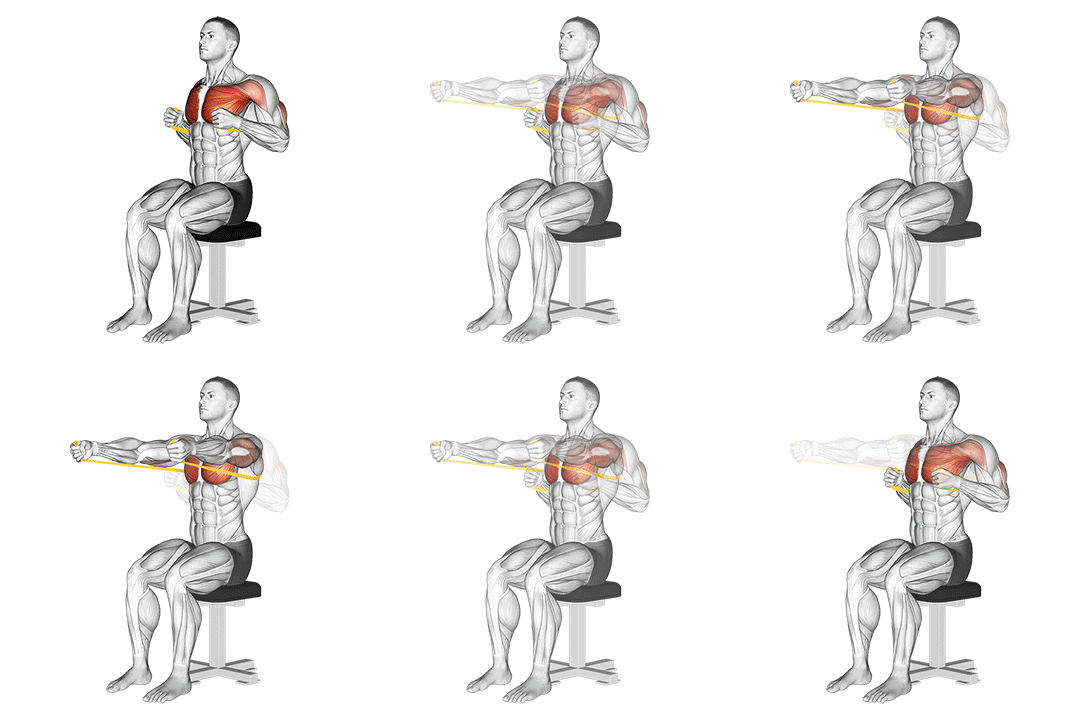

Compare More Exercises
Use our free comparison tool to analyze any two exercises head-to-head.
Compare Exercises