Barbell Decline Wide-grip Pullover vs Bent Over Barbell Row

Compare target muscles, equipment, difficulty, movement type, and secondary muscles for Barbell Decline Wide-grip Pullover and Bent Over Barbell Row.

Change comparison Share

Get comparison link

Select the link and use your device's Copy command.

Comparison overview

AI-generated
Barbell Decline Wide-grip Pullover vs Bent Over Barbell Row — two barbell moves that hammer the lats but do it through very different mechanics. If you want clear guidance on which to pick for hypertrophy, strength, or programming, this guide breaks down muscle activation, movement mechanics, equipment needs, injury risk, technique cues, and rep ranges. You’ll get practical tips (bench angle, elbow position, torso angle), specific rep prescriptions, and when to pair or prioritize each exercise in your routine.

Exercise Comparison

Exercise A
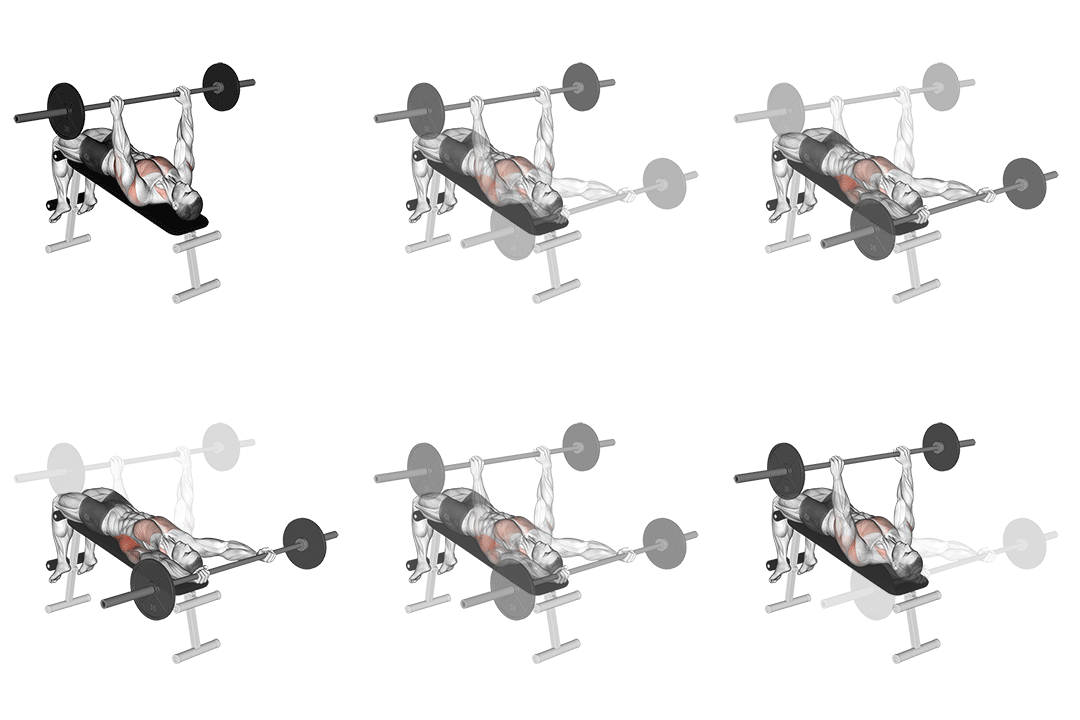
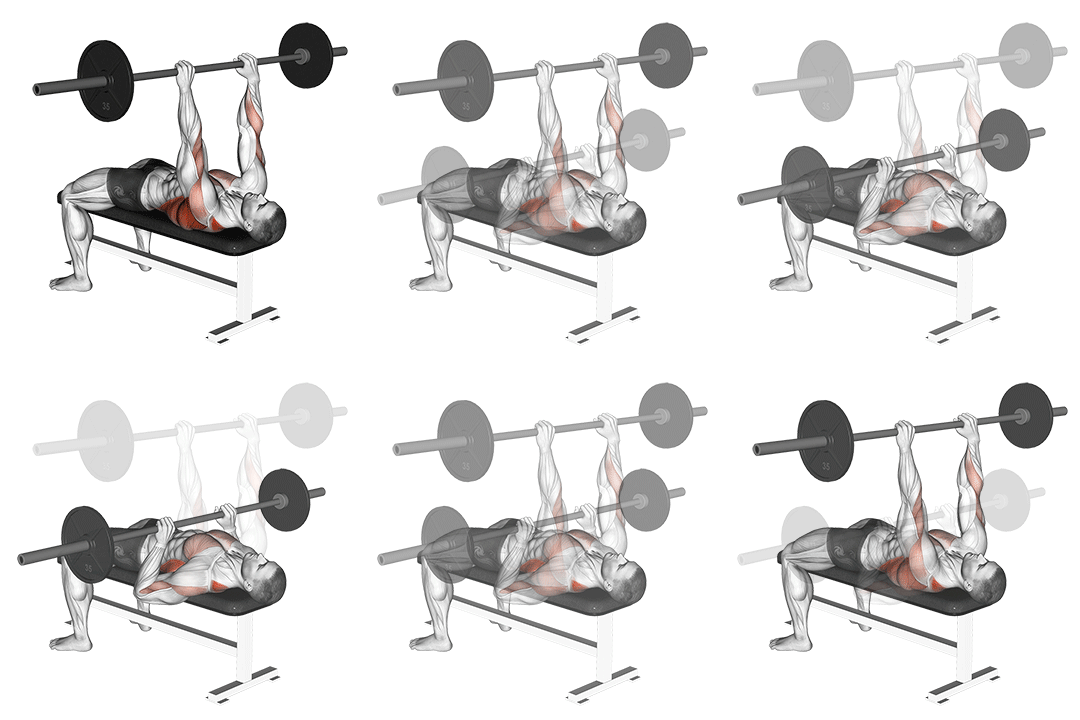
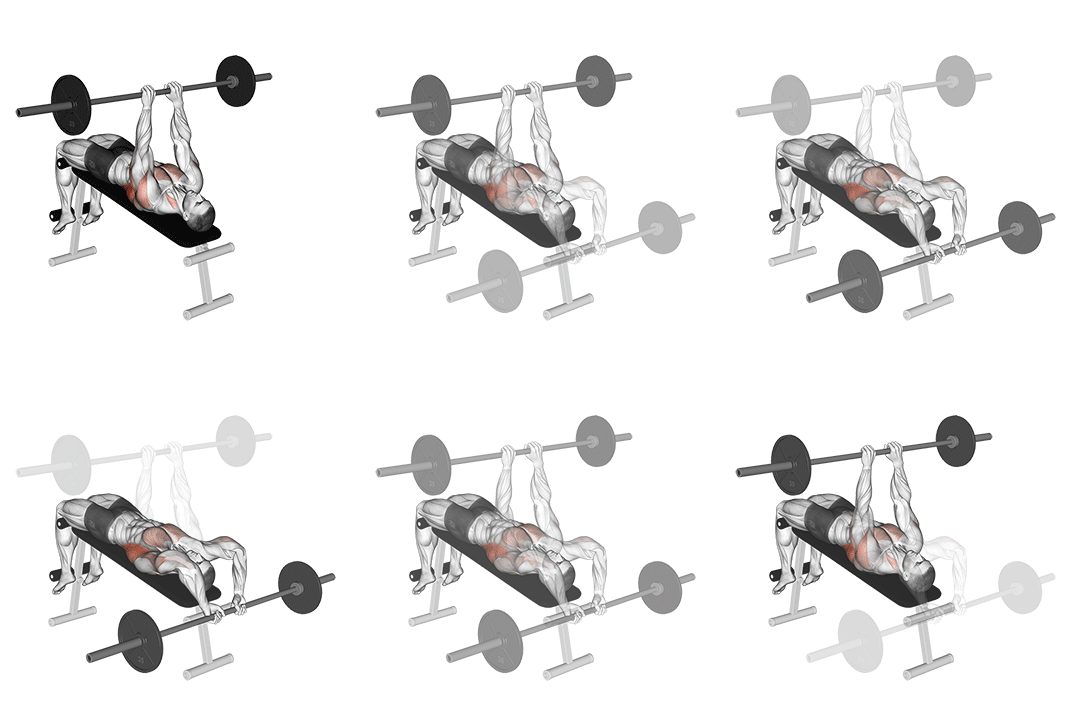
Barbell Decline Wide-grip Pullover demonstration

Barbell Decline Wide-grip Pullover

Target Lats
Equipment Barbell
Body Part Back
Difficulty Intermediate
Movement Isolation
Secondary Muscles
Triceps Chest
VS
Exercise B
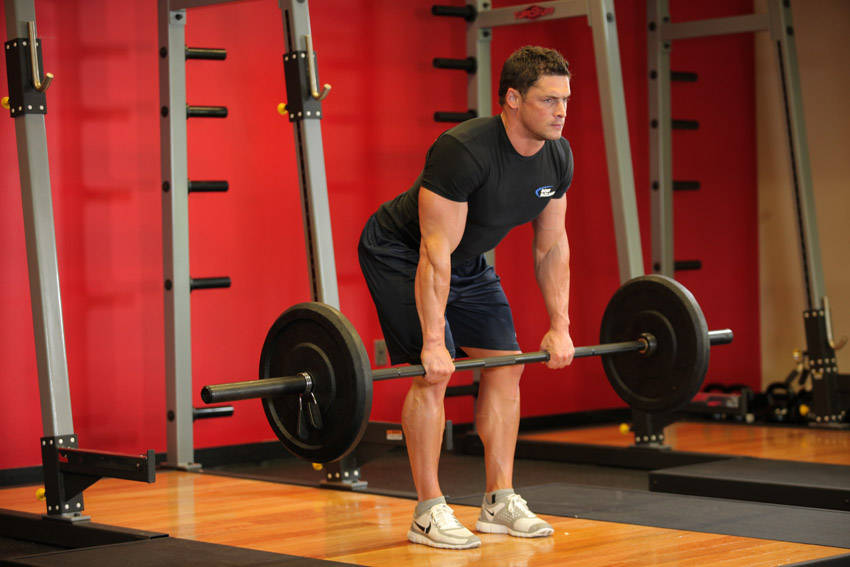
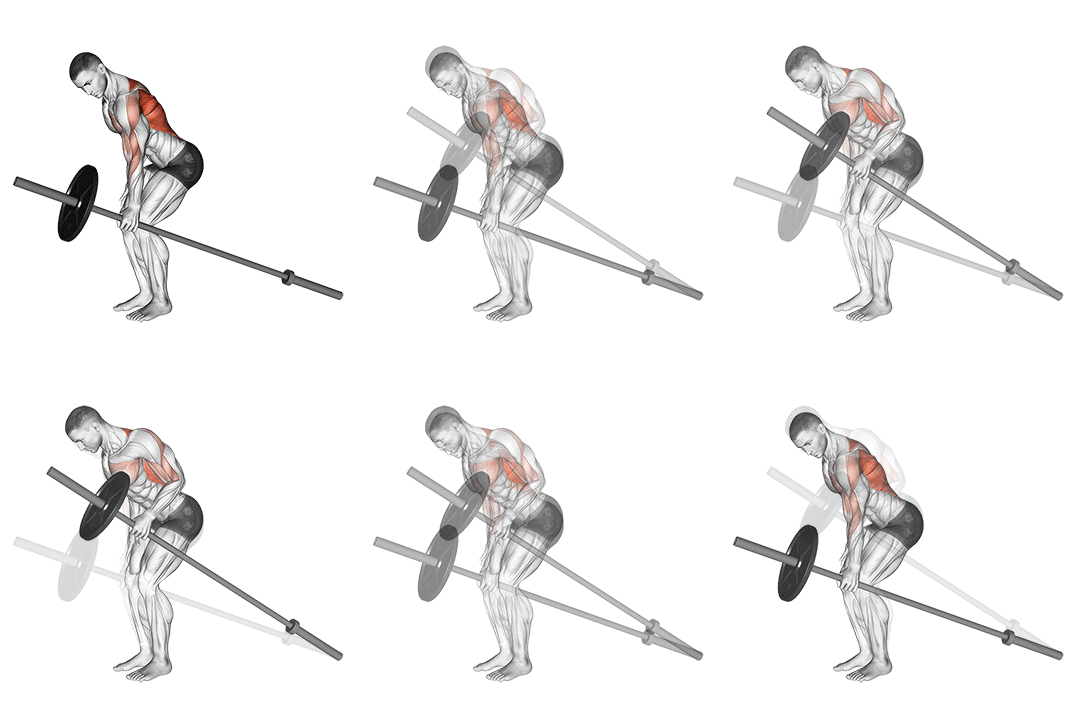
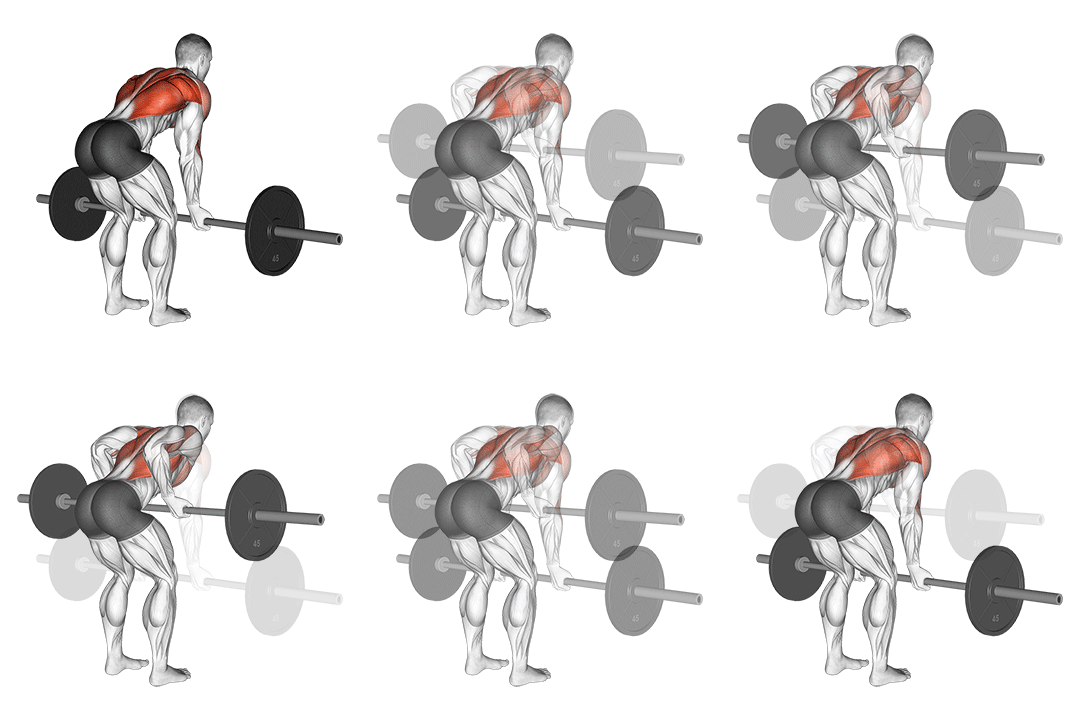
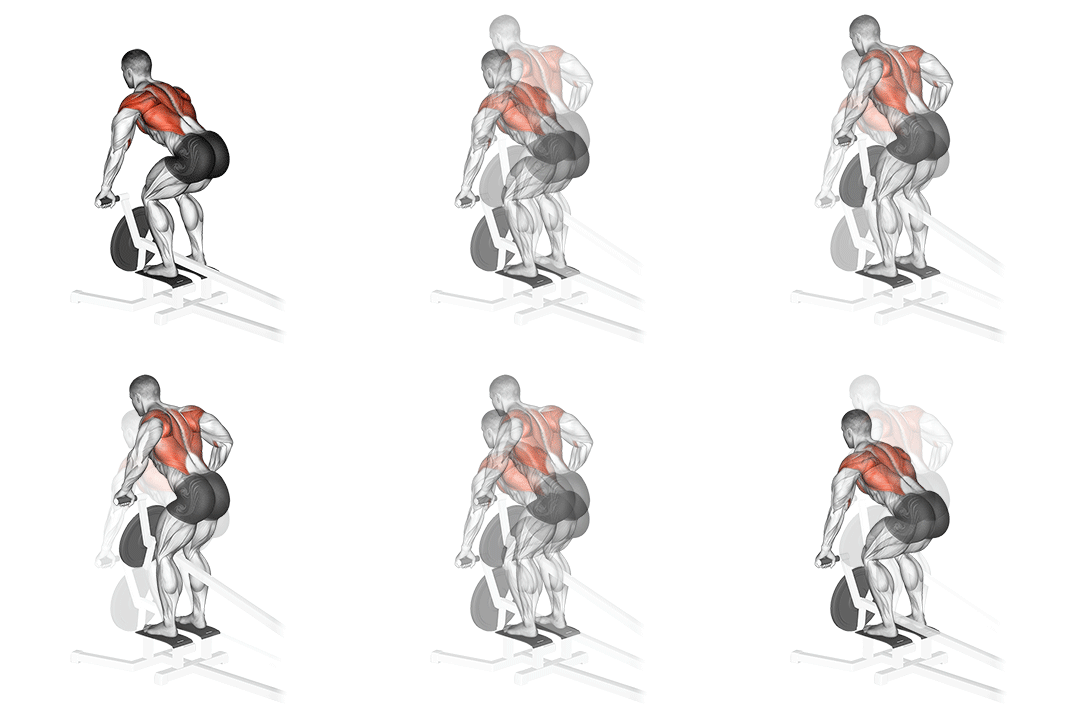
Bent Over Barbell Row demonstration

Bent Over Barbell Row

Target Lats
Equipment Barbell
Body Part Back
Difficulty Intermediate
Movement Compound
Secondary Muscles
Biceps Lats Shoulders

Head-to-Head Comparison

Different values are marked. These are catalogue attributes, not performance scores.

Muscles used

Listed target and secondary muscles, shown on the body. Locations, not activation or strength scores.

  • Target
  • Secondary
  • Not highlighted

Barbell Decline Wide-grip Pullover

Front
Barbell Decline Wide-grip Pullover: front muscle locationsSolid: listed target. Striped: listed secondary. Grey: not highlighted. Locations, not activation or strength scores. See the muscle names below.
Back
Barbell Decline Wide-grip Pullover: back muscle locationsSolid: listed target. Striped: listed secondary. Grey: not highlighted. Locations, not activation or strength scores. See the muscle names below.
Target
Lats
Secondary
Triceps, Chest

Bent Over Barbell Row

Front
Bent Over Barbell Row: front muscle locationsSolid: listed target. Striped: listed secondary. Grey: not highlighted. Locations, not activation or strength scores. See the muscle names below.
Back
Bent Over Barbell Row: back muscle locationsSolid: listed target. Striped: listed secondary. Grey: not highlighted. Locations, not activation or strength scores. See the muscle names below.
Target
Lats
Secondary
Biceps, Lats, Shoulders

Not shown on diagram: Shoulders. These labels do not identify a precise region on this map.

Grey does not mean a muscle is unused. The diagrams show only the mapped catalogue labels.

Attribute Barbell Decline Wide-grip Pullover Bent Over Barbell Row
Target Muscle
Lats
Lats
Body Part
Back
Back
Equipment
Barbell
Barbell
Difficulty
Intermediate
Intermediate
Movement Type Different
Isolation
Compound
Secondary Muscles Different
Triceps, Chest
Biceps, Lats, Shoulders

Visual Comparison

An illustrative 1–10 profile derived from catalog difficulty, equipment, and listed-muscle fields—not measured performance or muscle activation.

Key Differences

  • Barbell Decline Wide-grip Pullover is an isolation exercise, while Bent Over Barbell Row is a compound movement.
  • Both exercises target the Lats using Barbell. The catalogue does not establish which exercise is better for an individual goal.

Muscle comparison

Shared target muscles

Both exercises target the latissimus dorsi as the prime mover, but they load it differently. The pullover places the lats under stretch through shoulder extension across an arc of motion, emphasizing length-tension and the long fibers of the lat. The bent-over row loads the lats under horizontal/diagonal pulling force, producing higher overall mechanical tension because you can use heavier loads and a stronger force vector for scapular retraction and humeral extension.

Secondary muscle differences

The pullover recruits chest and triceps isometrically to stabilize the arms and assist at end range, while the bent-over row brings substantial biceps and posterior shoulder (rear delt) involvement through elbow flexion and scapular retraction. Rows therefore produce more elbow flexor (biceps) stress and upper-back development, while pullovers deliver more stretch to the chest and long head of the lat.

Muscle involvement analysis

Pullover: scapula stabilized on a decline bench and shoulder extension drives the motion; peak tension occurs near the stretched position (arms overhead, ~10–20° below plane of torso). Row: hip hinge creates a ~30–45° torso angle; concentric peak occurs during powerful scapular retraction and elbow flexion. Practically, the pullover emphasizes lengthened tension and end-range lat fibers, whereas the row emphasizes force production across a shorter range with higher load.

Equipment and setup

Barbell Decline Wide-grip Pullover: setup

Barbell Decline Wide-grip Pullover requires a decline bench (30–45° decline recommended), a barbell (or EZ/bar) and room to move the bar in an arc behind your head safely.

Bent Over Barbell Row: setup

Bent Over Barbell Row requires only a barbell and enough floor space to hinge at the hips; a lifting platform or bumper plates help but aren’t required.

Access and practicality

Bent Over Barbell Row — it needs less furniture and is easier to do in most gyms or home setups because you don’t need a decline bench or special bench angle.

Learning and progression

Learning the movements

Bent Over Barbell Row: moderate technical demand because you must learn a safe hip hinge and torso brace; once you master bracing it’s straightforward. Barbell Decline Wide-grip Pullover: intermediate because maintaining scapular stability and safe shoulder extension through the arc is technical and requires healthy shoulder mobility.

Progression considerations

Bent Over Barbell Row offers greater progression potential — you can increase load substantially (sets of 4–6 for strength, 6–12 for hypertrophy), vary torso angle, or use tempos and paused reps. Pullover progression is slower because it’s an isolation movement; increase reps (8–15), tempo, or add partials to drive volume.

Limitations and precautions

Relative injury risk favors the pullover for lower spinal load but higher shoulder stress. Bent-over rows carry more lumbar and lower-back risk if you lose brace (greater compressive/shear forces), while pullovers can irritate the anterior shoulder if you take the bar too far behind the head. Proper technique minimizes both risks.

Pros & Cons

Barbell Decline Wide-grip Pullover

+ Pros

  • Places lats under a long, stretch-loaded range, enhancing length-tension stimulus
  • Isolates the lats with limited lower-back loading
  • Simple tempo and rep-range progressions (8–15 reps) for hypertrophy
  • Good accessory to increase ribcage expansion and midline stability on a bench

− Cons

  • Requires a decline bench, reducing accessibility
  • Higher shoulder impingement risk if range is excessive or mobility is poor
  • Limited loading potential compared to compound pulling movements

Bent Over Barbell Row

+ Pros

  • Higher overall mechanical tension and loading potential for lat thickness
  • Develops biceps, posterior delts, and spinal erectors alongside the lats
  • Highly versatile: change torso angle, grip, and tempo for different emphases
  • More accessible — needs only a barbell and space

− Cons

  • Greater demand on lumbar spine and core bracing — technique sensitive
  • Can shift load to lower back or hips if form breaks down
  • Less pure isolation of the lat; biceps may limit loading before the lat

When Each Exercise Wins

1
For muscle hypertrophy: Bent Over Barbell Row

Rows allow higher absolute loads and combine scapular retraction with elbow flexion, producing greater mechanical tension across the lat’s cross-section. Use 6–12 reps and progressive overload to maximize thickness.

2
For strength gains: Bent Over Barbell Row

The compound nature permits heavier loading (4–6 reps for strength phases) and transfers better to full-body pulling strength because it trains hip hinge, grip, and spinal bracing under load.

3
For beginners: Bent Over Barbell Row

Despite a learning curve, rows teach compound movement patterns and produce more systemic strength. Start light, master the hip hinge and bracing, and progress load safely.

4
For home workouts: Bent Over Barbell Row

Rows require only a barbell and space, while the decline pullover needs a bench with decline angle, making the row more practical at home.

Frequently Asked Questions

Can I do both Barbell Decline Wide-grip Pullover and Bent Over Barbell Row in the same workout?
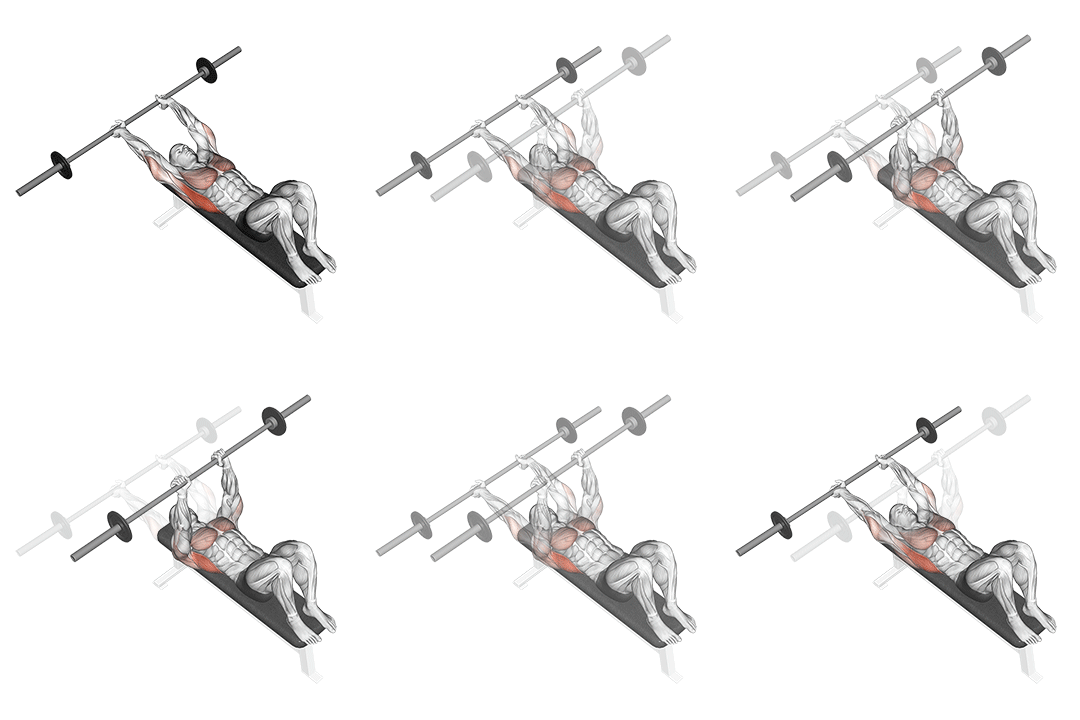
Yes. Pair rows first as the primary compound (heavy, 4–8 or 6–12 reps) then use pullovers as a finishing isolation (8–15 reps) to add stretch and extra lat volume without taxing the lower back as much.

Which exercise is better for beginners?

Bent Over Barbell Row is better for beginners because it builds compound strength and work capacity. Start with light loads, focus on hip-hinge mechanics and a neutral spine before increasing weight.

How do the muscle activation patterns differ?

Pullover drives shoulder extension through a long arc, stressing the lat in a lengthened position and relying on scapular stability. The row uses a horizontal/diagonal pull combining scapular retraction and elbow flexion, producing higher overall mechanical tension across the lat and upper back.

Can Bent Over Barbell Row replace Barbell Decline Wide-grip Pullover?

For overall lat mass and strength, yes — rows are the superior primary choice. If you specifically want stretch-mediated hypertrophy or to spare your lower back, keep the pullover as an accessory rather than a primary replacement.

Comparison Summary

Use the Bent Over Barbell Row as your primary lat developer when your goal is overall mass and strength — its force vector and loading capacity produce the best mechanical tension for growth and transfer to other lifts. Reserve the Barbell Decline Wide-grip Pullover as a specialty accessory: include it for stretch-focused stimulus, to emphasize end-range lat fibers, or when you need a lower-back-friendly lat option. Program suggestion: 1–3 heavy row sets (4–8 reps for strength or 6–12 for hypertrophy) followed by 2–3 pullover sets (8–15 reps) to add volume and length-tension work without excessive spinal load.
Exercise instructions

Steps from the exercise catalogue. Read the full sequence before starting.

Barbell Decline Wide-grip Pullover

  1. Lie on a decline bench with your head lower than your hips and your feet secured.
  2. Hold a barbell with a wide grip and extend your arms straight above your chest.
  3. Lower the barbell behind your head in a controlled manner, keeping your arms straight.
Read remaining steps for Barbell Decline Wide-grip Pullover
  1. Pause for a moment, then raise the barbell back to the starting position.
  2. Repeat for the desired number of repetitions.

Bent Over Barbell Row

  1. Holding a barbell with a pronated grip (palms facing down), bend your knees slightly and bring your torso forward, by bending at the waist, while keeping the back straight until it is almost parallel to the floor. Tip: Make sure that you keep the head up. The barbell should hang directly in front of you as your arms hang perpendicular to the floor and your torso. This is your starting position.
  2. Now, while keeping the torso stationary, breathe out and lift the barbell to you. Keep the elbows close to the body and only use the forearms to hold the weight. At the top contracted position, squeeze the back muscles and hold for a brief pause.
  3. Then inhale and slowly lower the barbell back to the starting position.
Read remaining steps for Bent Over Barbell Row
  1. Repeat for the recommended amount of repetitions.

Also Compare

Compare another pair

Choose two exercises to see their differences side by side.

Compare Exercises