

Barbell Standing Rocking Leg Calf Raise vs Standing Barbell Calf Raise: Complete Comparison Guide
Barbell Standing Rocking Leg Calf Raise vs Standing Barbell Calf Raise — you probably want the version that gives the most targeted calf stimulus with the safest technique. In this comparison you’ll get clear, actionable advice on muscle activation, equipment needs, setup and technique cues, progression options, and when to pick each move for size, strength, or rehab. I’ll show you how biomechanics like ankle dorsiflexion, knee angle, and force vectors change the load on gastrocnemius and soleus so you can choose the right variation for your goals.
Exercise Comparison
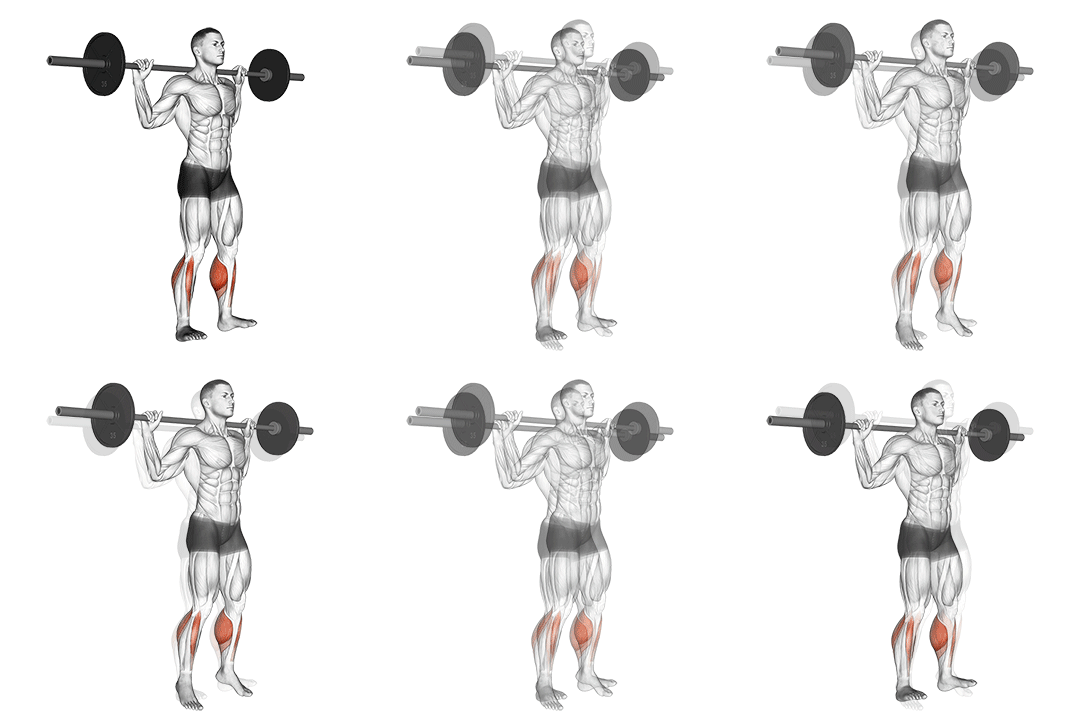
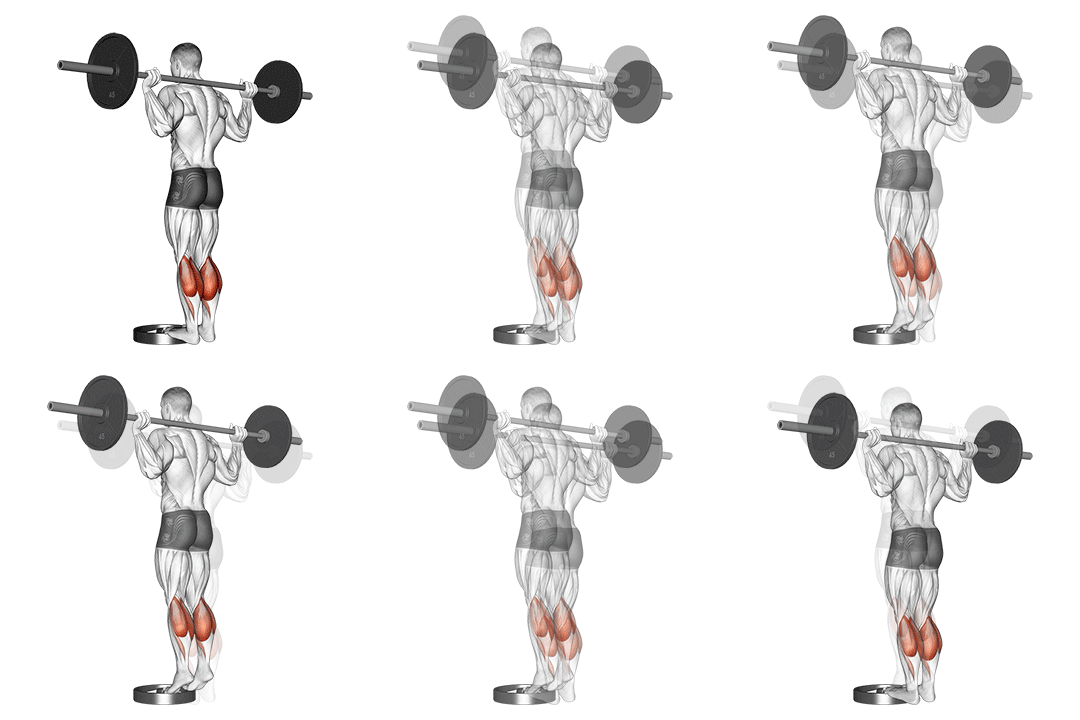
Barbell Standing Rocking Leg Calf Raise
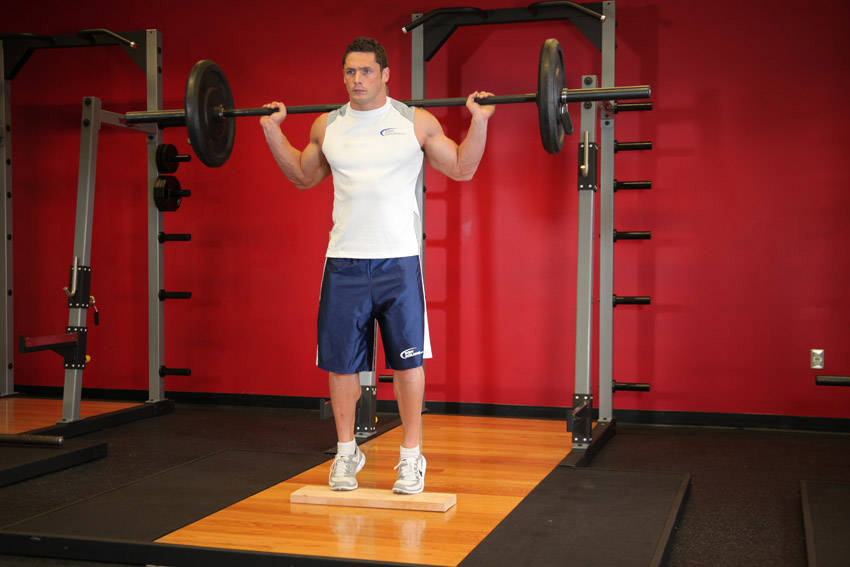
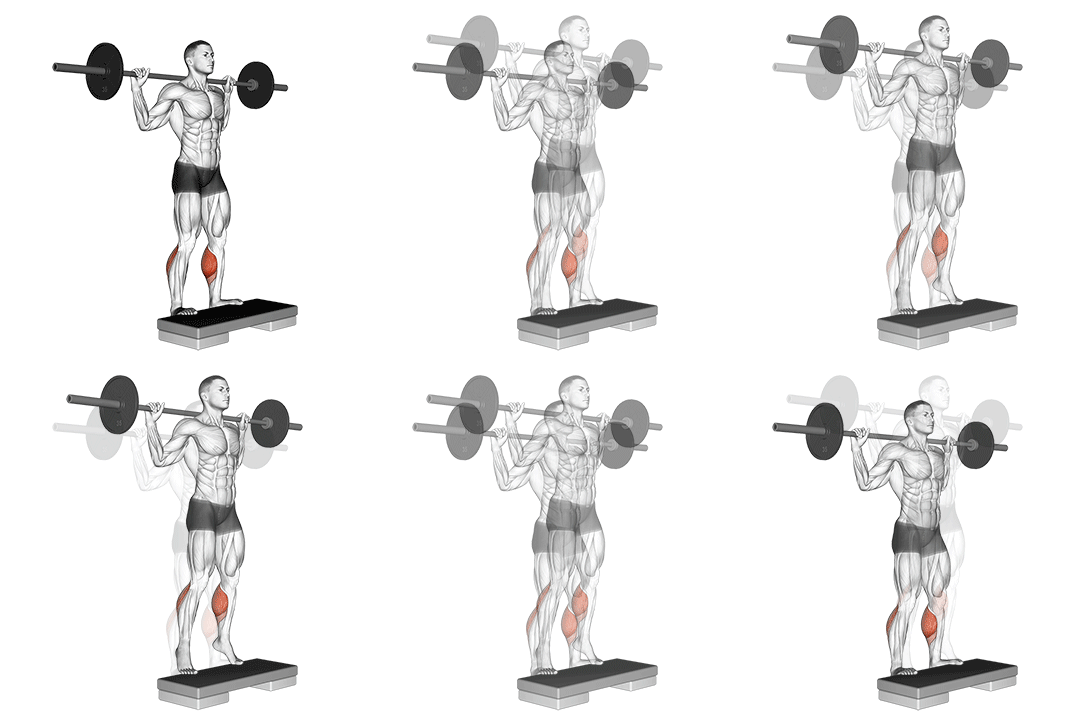
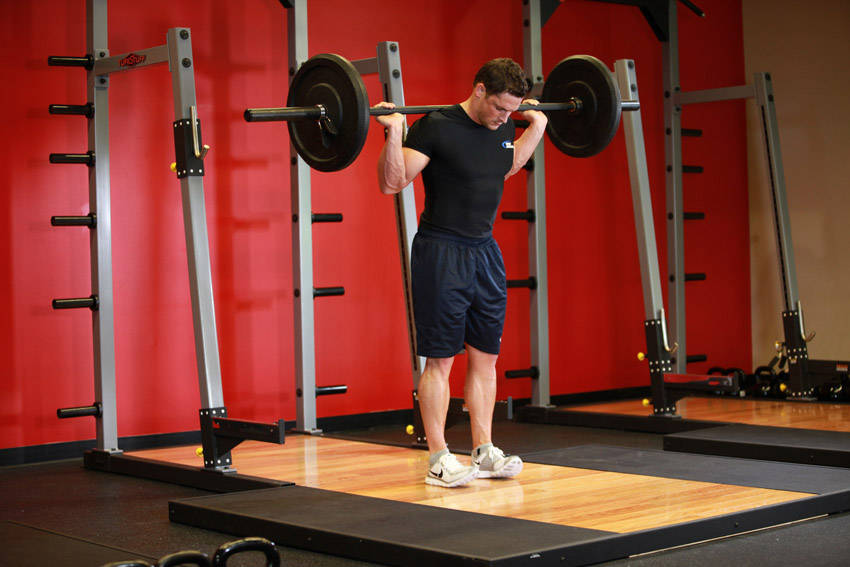
Standing Barbell Calf Raise
Head-to-Head Comparison
| Attribute | Barbell Standing Rocking Leg Calf Raise | Standing Barbell Calf Raise |
|---|---|---|
| Target Muscle |
Calves
|
Calves
|
| Body Part |
Lower-legs
|
Lower-legs
|
| Equipment |
Barbell
|
Barbell
|
| Difficulty |
Intermediate
|
Beginner
|
| Movement Type |
Isolation
|
Isolation
|
| Secondary Muscles |
2
|
0
|
Secondary Muscles Activated
Barbell Standing Rocking Leg Calf Raise
Standing Barbell Calf Raise
Visual Comparison
Overview
Barbell Standing Rocking Leg Calf Raise vs Standing Barbell Calf Raise — you probably want the version that gives the most targeted calf stimulus with the safest technique. In this comparison you’ll get clear, actionable advice on muscle activation, equipment needs, setup and technique cues, progression options, and when to pick each move for size, strength, or rehab. I’ll show you how biomechanics like ankle dorsiflexion, knee angle, and force vectors change the load on gastrocnemius and soleus so you can choose the right variation for your goals.
Key Differences
- Difficulty levels differ: Barbell Standing Rocking Leg Calf Raise is intermediate, while Standing Barbell Calf Raise is beginner.
- Both exercises target the Calves using Barbell. The main differences are in their movement patterns and muscle activation angles.
Pros & Cons
Barbell Standing Rocking Leg Calf Raise
+ Pros
- Greater ankle dorsiflexion and stretch at the bottom for stretch-mediated hypertrophy
- Unilateral rocking lets you address side-to-side imbalances
- More time under tension during eccentric phase improves hypertrophy stimulus
- Engages hamstrings and quads as stabilizers, offering slight multi-joint carryover
− Cons
- Higher balance and coordination demand increases technique errors
- Harder to safely load very heavy due to single-leg emphasis and rocking
- Greater ankle/Achilles stress if mobility or control are limited
Standing Barbell Calf Raise
+ Pros
- Simple bilateral setup for easy loading and progressive strength work
- Lower balance demand — ideal for beginners
- Consistent force vector for pure calf isolation (gastrocnemius emphasis)
- Easier to increase load in small increments for measurable progress
− Cons
- Limited unilateral work may mask side-to-side disparities
- Smaller range of motion for some lifters if ankle mobility is limited
- Can become routine and less effective for hypertrophy without tempo or ROM changes
When Each Exercise Wins
The rocking variation increases ankle dorsiflexion and eccentric time under tension, providing a stronger stretch-mediated hypertrophy stimulus. Use 8–15 reps with a 2–3s descent to maximize muscle growth.
Bilateral loading allows you to lift heavier absolute loads and overload the calf complex more safely. Aim for 4–8 reps with controlled pauses to build maximal force.
It’s easier to learn and control, has less balance demand, and lets you focus on clean plantarflexion mechanics before introducing unilateral complexity.
Requires minimal space and simpler setup. If you only have a barbell and a small platform, this move delivers reliable calf stimulus without the balance needs of rocking variations.
Frequently Asked Questions
Can I do both Barbell Standing Rocking Leg Calf Raise and Standing Barbell Calf Raise in the same workout?
Yes. Pair them intelligently: perform Standing Barbell Calf Raise early for heavy sets (4–8 reps) then finish with Rocking Leg Calf Raise for higher-rep hypertrophy work (8–15 reps) and unilateral balance.
Which exercise is better for beginners?
Standing Barbell Calf Raise is better for beginners because it has a simpler bilateral setup, lower balance demands, and a clearer loading progression so you can focus on form and load safely.
How do the muscle activation patterns differ?
Both target gastrocnemius and soleus, but rocking increases eccentric stretch and recruits hamstrings/quads as stabilizers during the weight shift. Standing Barbell Calf Raise creates steadier vertical force and higher absolute load on the calves.
Can Standing Barbell Calf Raise replace Barbell Standing Rocking Leg Calf Raise?
It can replace it if your goal is pure strength or you lack balance/mobility. For hypertrophy or to correct side-to-side differences, keep the rocking variation in your rotation.
Expert Verdict
If your priority is hypertrophy and fixing unilateral imbalances, choose the Barbell Standing Rocking Leg Calf Raise — its extra ankle ROM and rocking loading increase stretch and time under tension. If you want straightforward strength, easier progression, or you’re new to calf training, the Standing Barbell Calf Raise wins: it lets you handle heavier loads and learn clean plantarflexion mechanics. Program both smartly: use Standing Barbell Calf Raises for heavy 4–8 rep strength blocks and add Rocking Leg variations for 8–15 rep hypertrophy work, focusing on a 2–3s eccentric and full dorsiflexion.
Also Compare
More comparisons with Barbell Standing Rocking Leg Calf Raise
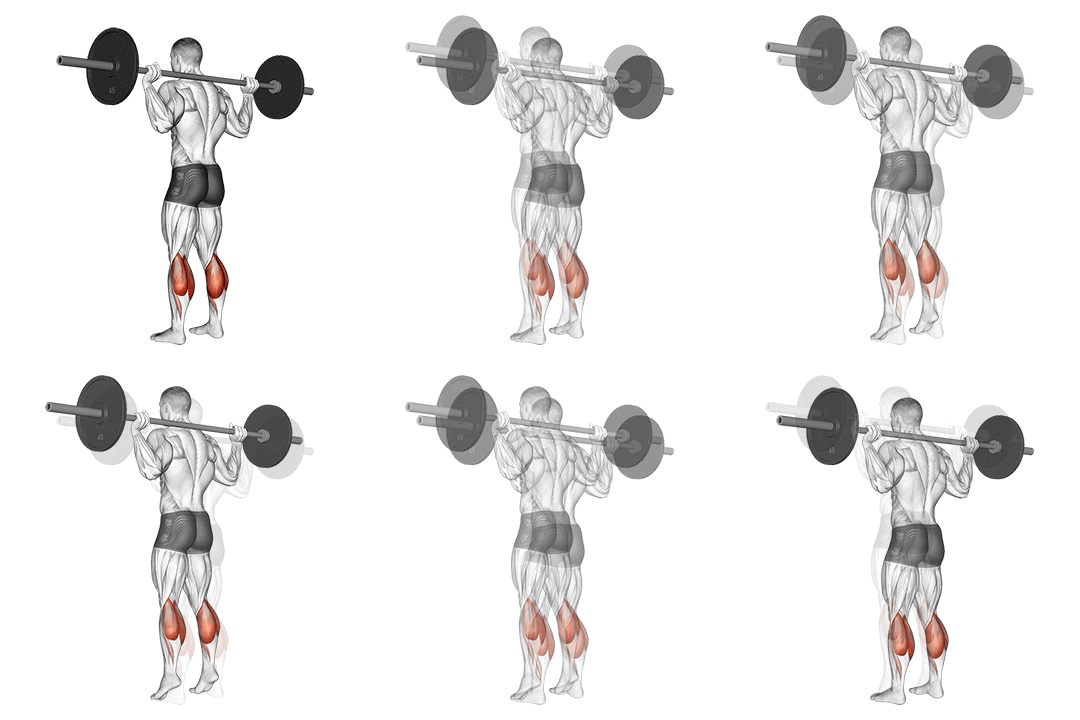
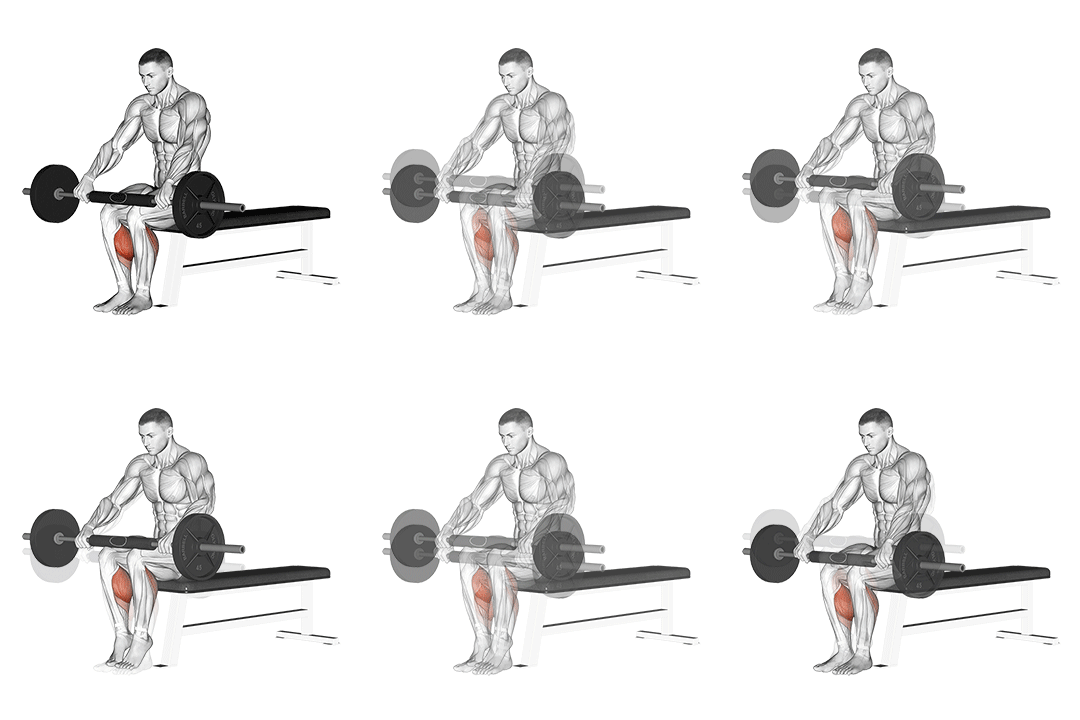
More comparisons with Standing Barbell Calf Raise
Compare More Exercises
Use our free comparison tool to analyze any two exercises head-to-head.
Compare Exercises