

Deadlift With Chains vs Deficit Deadlift: Complete Comparison Guide
Deadlift With Chains vs Deficit Deadlift — two advanced barbell variations that stress your erector spinae and posterior chain in different ways. If you want clearer choices for muscle growth, raw strength, setup, and technique cues, this comparison helps you decide. You’ll get side-by-side breakdowns of primary and secondary muscle activation, equipment needs, learning curves, injury risk, rep ranges, and when to use each lift in a program. Read on and you’ll walk away with concrete coaching cues, rep-range recommendations, and realistic progress templates you can use the next time you step under the bar.
Exercise Comparison
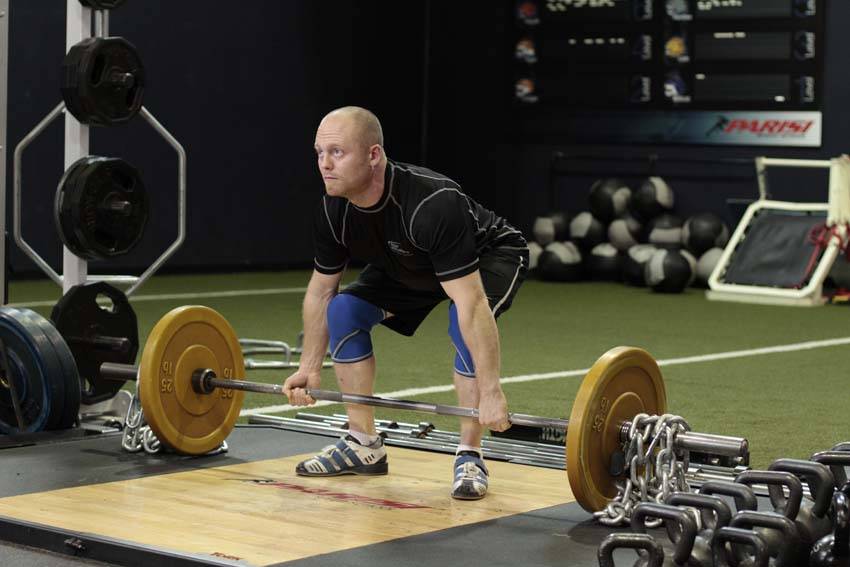
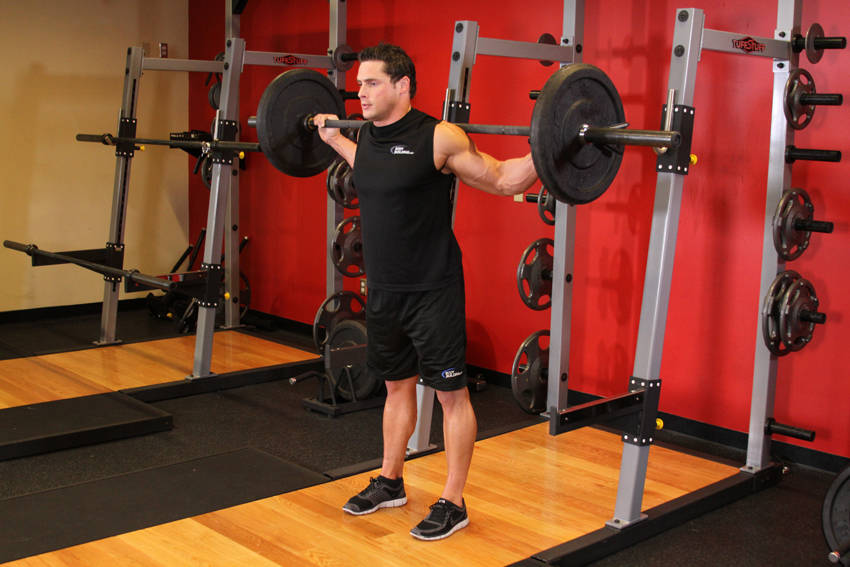
Deadlift With Chains
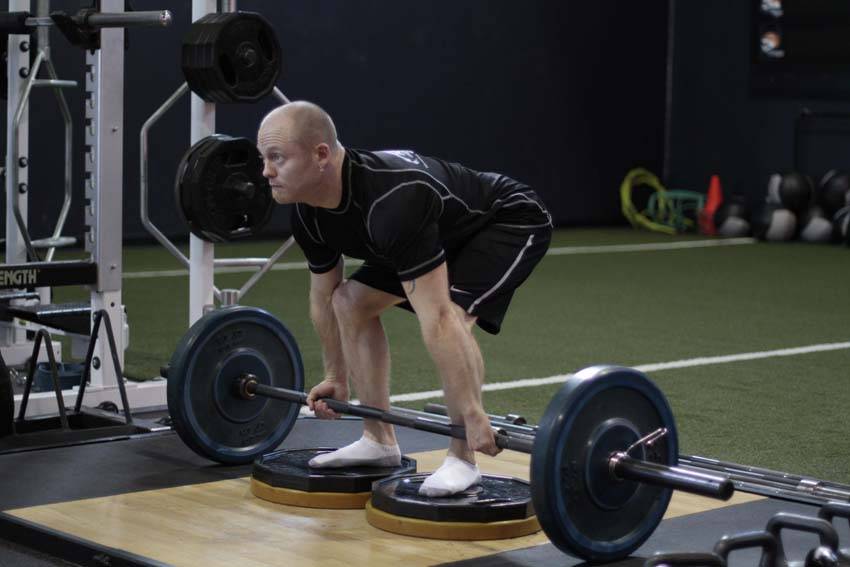
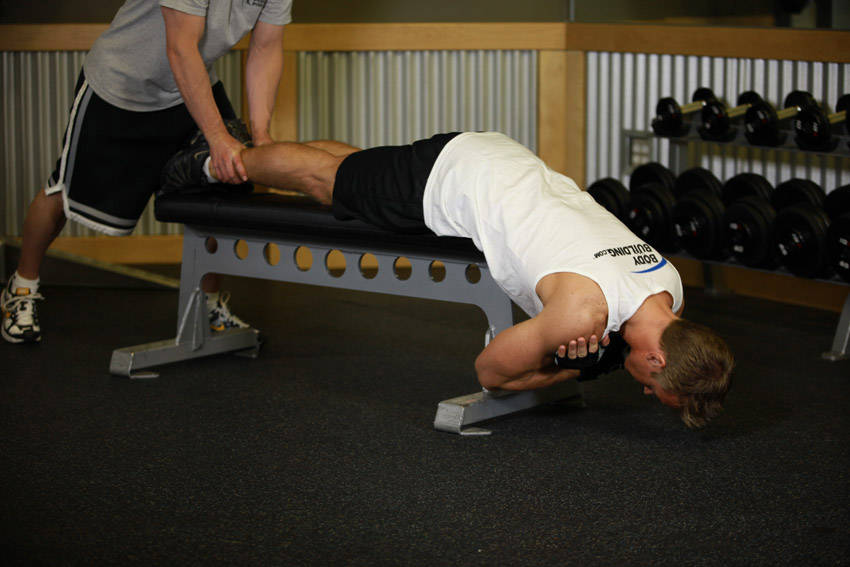
Deficit Deadlift
Head-to-Head Comparison
| Attribute | Deadlift With Chains | Deficit Deadlift |
|---|---|---|
| Target Muscle |
Erector-spinae
|
Erector-spinae
|
| Body Part |
Back
|
Back
|
| Equipment |
Barbell
|
Barbell
|
| Difficulty |
Advanced
|
Advanced
|
| Movement Type |
Compound
|
Compound
|
| Secondary Muscles |
6
|
6
|
Secondary Muscles Activated
Deadlift With Chains
Deficit Deadlift
Visual Comparison
Overview
Deadlift With Chains vs Deficit Deadlift — two advanced barbell variations that stress your erector spinae and posterior chain in different ways. If you want clearer choices for muscle growth, raw strength, setup, and technique cues, this comparison helps you decide. You’ll get side-by-side breakdowns of primary and secondary muscle activation, equipment needs, learning curves, injury risk, rep ranges, and when to use each lift in a program. Read on and you’ll walk away with concrete coaching cues, rep-range recommendations, and realistic progress templates you can use the next time you step under the bar.
Key Differences
- Both exercises target the Erector-spinae using Barbell. The main differences are in their movement patterns and muscle activation angles.
Pros & Cons
Deadlift With Chains
+ Pros
- Improves lockout strength via accommodating resistance
- Trains force production through the top 10–30% of the range
- Allows progressive manipulation of resistance curve (chains + bands)
- Teaches bar tension and vertical bar path under changing load
− Cons
- Requires specialty equipment and careful setup
- Adds complexity to timing and technical execution
- Can overload lockout if you progress too quickly
Deficit Deadlift
+ Pros
- Increases range of motion to lengthen posterior chain under load
- Simple equipment—easy to implement in most gyms
- Enhances low-position pulling strength and quad contribution
- Useful for improving start-of-lift mechanics and positional strength
− Cons
- Raises lumbar shear and low-back stress if mobility or core control is lacking
- Can limit top-end loading compared with standard deadlift due to extended ROM
- Harder to use very heavy absolute loads safely without excellent technique
When Each Exercise Wins
Deficits increase range of motion and time under tension, stressing hamstrings, glutes, and erectors through a longer eccentric and concentric path. For hypertrophy aim for 6–12 reps per set with 2–3 inch deficits to maximize length-tension and metabolic stimulus.
Chains give accommodating resistance that overloads the lockout and improves force production in the top range—ideal for 1–5 rep strength phases. Use chains adding 10–30% variable load to train acceleration and finish strength.
You can start with a small 1-inch deficit and light loads to teach hip hinge and positional control; it’s easier to implement than chains. Progress deficit height gradually while emphasizing neutral spine and bar-path cues.
Requires only a barbell and a stable elevated surface (stacked plates or a box), making it far more practical than carrying heavy chains or specialty gear.
Frequently Asked Questions
Can I do both Deadlift With Chains and Deficit Deadlift in the same workout?
Yes — but organize them smartly. Use the variation aligned with your primary focus first (heavy chain work for strength, deficit for hypertrophy/positional practice) and follow with the other for 2–4 sets as an accessory. Keep total heavy volume limited to avoid CNS and lumbar overload.
Which exercise is better for beginners?
Deficit Deadlift is more approachable because you can start with a very small deficit and light weight to build hip-hinge mechanics. Avoid chains until you can consistently hit a clean bar path and locked-neutral spine under heavy singles or doubles.
How do the muscle activation patterns differ?
Deficits increase initial hip and knee moments so erectors, hamstrings, and quads start under higher tension across a longer ROM. Chains lower bottom-end load and ramp load toward lockout, shifting peak activation toward glutes, traps, and upper hamstrings during terminal extension.
Can Deficit Deadlift replace Deadlift With Chains?
For hypertrophy and positional strength, deficits can replace chains effectively. For targeting lockout velocity and top-range force production, chains are superior—so replacement depends on whether you prioritize ROM-based hypertrophy or accommodating resistance for strength.
Expert Verdict
Use Deadlift With Chains when your primary goal is raw strength and improving lockout acceleration—program chains in heavy 1–5 rep blocks, adding 10–30% of top-end load and focusing on explosive hip extension and maintaining a vertical bar path. Choose Deficit Deadlifts when you want extra ROM for muscle growth, better low-start strength, and increased quad contribution; program 6–12 rep sets or moderate 3–6 rep sets with 1–3 inch deficits. Technique cues: keep a tight chest, hinge at the hips, pull the bar close to the shins, and maintain a neutral spine. If mobility or core control is limited, regress before increasing deficit height or chain mass. Both lifts are advanced—use them purposefully within 6–8 week blocks and prioritize quality reps over maximal load.
Also Compare
More comparisons with Deadlift With Chains
More comparisons with Deficit Deadlift
Compare More Exercises
Use our free comparison tool to analyze any two exercises head-to-head.
Compare Exercises