

Deadlift With Chains vs One Half Locust: Complete Comparison Guide
Deadlift With Chains vs One Half Locust: you’re deciding between a heavy, barbell-based variable-resistance hinge and a simple, bodyweight spinal-extension isolation. I’ll break down primary and secondary muscle activation, biomechanics (length-tension and force vectors), equipment needs, rep ranges (3–6 for strength with chains, 6–10 for hypertrophy, 10–20 or 20–60s holds for locusts), safety cues, and practical programming. Read on for clear technique tips for the barbell hinge and the prone locust, plus which movement to pick for strength, muscle growth, or a low-equipment routine.
Exercise Comparison
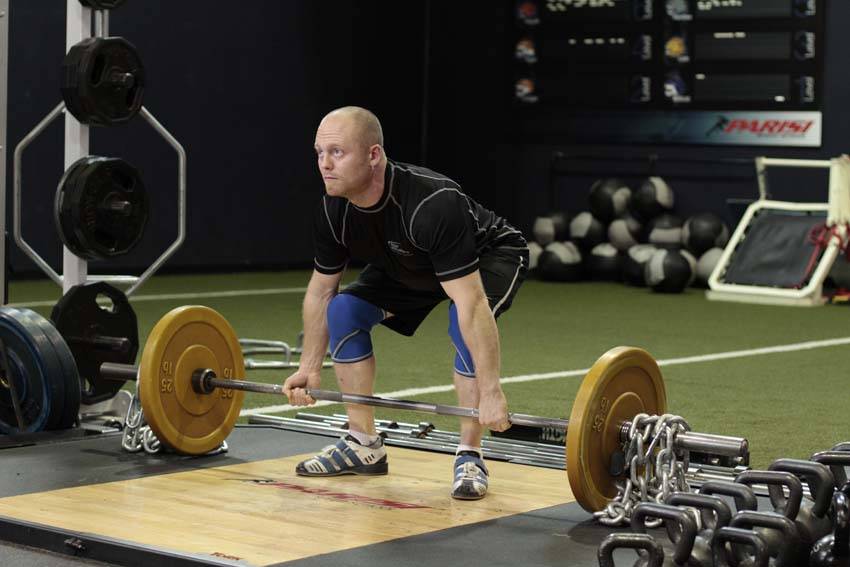
Deadlift With Chains
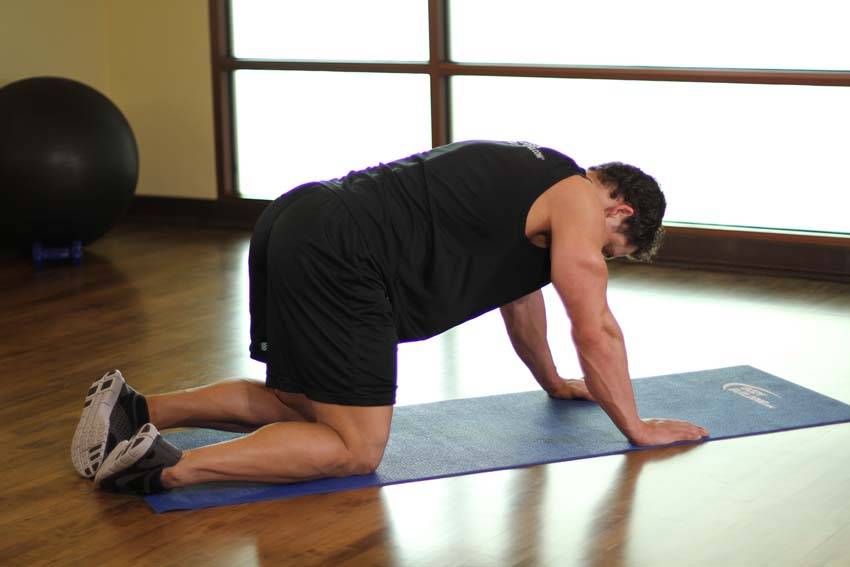
One Half Locust
Head-to-Head Comparison
| Attribute | Deadlift With Chains | One Half Locust |
|---|---|---|
| Target Muscle |
Erector-spinae
|
Erector-spinae
|
| Body Part |
Back
|
Back
|
| Equipment |
Barbell
|
Body-weight
|
| Difficulty |
Advanced
|
Beginner
|
| Movement Type |
Compound
|
Isolation
|
| Secondary Muscles |
6
|
3
|
Secondary Muscles Activated
Deadlift With Chains
One Half Locust
Visual Comparison
Overview
Deadlift With Chains vs One Half Locust: you’re deciding between a heavy, barbell-based variable-resistance hinge and a simple, bodyweight spinal-extension isolation. I’ll break down primary and secondary muscle activation, biomechanics (length-tension and force vectors), equipment needs, rep ranges (3–6 for strength with chains, 6–10 for hypertrophy, 10–20 or 20–60s holds for locusts), safety cues, and practical programming. Read on for clear technique tips for the barbell hinge and the prone locust, plus which movement to pick for strength, muscle growth, or a low-equipment routine.
Key Differences
- Equipment differs: Deadlift With Chains uses Barbell, while One Half Locust requires Body-weight.
- Deadlift With Chains is a compound movement, while One Half Locust is an isolation exercise.
- Difficulty levels differ: Deadlift With Chains is advanced, while One Half Locust is beginner.
Pros & Cons
Deadlift With Chains
+ Pros
- Loads erector spinae and hip extensors with high external resistance for strength and hypertrophy
- Chains alter the load curve, increasing top-range overload and improving lockout strength
- Develops transferable posterior chain force for deadlift and athletic movements
- Multiple progression variables (weight, chain mass, tempo, volume)
− Cons
- Requires gym equipment and setup (barbell, chains)
- Higher technical demand and greater injury risk under heavy loads
- Less suitable for rehabilitation or those with acute low-back pain
One Half Locust
+ Pros
- Requires no equipment and is easy to program into home routines
- Good for teaching spinal extension control and endurance
- Low peak spinal compression compared with heavy deadlifts
- Safe introductory option to load the lumbar extensors and improve posture
− Cons
- Limited absolute overload potential for hypertrophy and maximal strength
- Shorter range of motion for hip extensors; less transfer to hip-dominant lifts
- Can become repetitive and offer diminishing returns without added external load
When Each Exercise Wins
Deadlift With Chains provides higher external load across more muscle groups and a longer range of motion, allowing progressive overload in 6–10 rep ranges and increased time under tension for both erectors and hip extensors.
Variable resistance via chains raises lockout force demand and lets you train heavy 1–5 rep ranges safely, directly improving maximal posterior chain force production and carryover to conventional deadlifts.
One Half Locust teaches lumbar extension control and endurance with minimal load and lower injury risk, making it ideal for building motor patterns before introducing heavy hip-hinge loading.
No equipment and instant accessibility make the One Half Locust the clear choice for home routines, allowing effective lumbar loading and posture work using just bodyweight or small handheld loads.
Frequently Asked Questions
Can I do both Deadlift With Chains and One Half Locust in the same workout?
Yes. Pair One Half Locust as an accessory before or after Deadlift With Chains to warm up or add volume for the erectors. For example, perform 2–3 sets of 12–15 locusts or 30–45s holds as a primer, then move to heavy chain deadlifts (3–5 sets of 3–6 reps).
Which exercise is better for beginners?
One Half Locust is better for beginners because it develops lumbar control and endurance with minimal load and less technical demand. It lets you build a foundation before adding multi-joint, heavy hinge variations like deadlifts with chains.
How do the muscle activation patterns differ?
Deadlift With Chains produces high peak activation in erectors, glutes, and hamstrings with a shifting load curve that increases top-range force. One Half Locust yields steady, predominantly lumbar erector activation with longer isometric time-under-tension and minimal hip-extensor involvement.
Can One Half Locust replace Deadlift With Chains?
Not if your goal is maximal strength or heavy posterior-chain hypertrophy: One Half Locust lacks the absolute overload and hip-extensor recruitment of the deadlift. It can replace chains temporarily for rehab, motor control, or home training, but you’ll need loaded hinges to maximize strength adaptations.
Expert Verdict
Use Deadlift With Chains when your priority is measurable strength and muscle growth across the posterior chain: program 3–6 reps for strength, 6–10 for hypertrophy, and tweak chain mass to alter the load curve. Choose One Half Locust when you need an accessible, low-risk way to build lumbar endurance, teach spinal extension, or include a gentle back-focus day in a recovery block. For most trainees, start with One Half Locust to establish control, then progress to loaded hinges with chains once your hinge mechanics, bracing, and hip strength are solid.
Also Compare
More comparisons with Deadlift With Chains
Compare More Exercises
Use our free comparison tool to analyze any two exercises head-to-head.
Compare Exercises