

Deficit Deadlift vs One Half Locust: Complete Comparison Guide
Deficit Deadlift vs One Half Locust is a practical matchup if you want stronger, thicker erector spinae and a more resilient back. You’ll get a clear, action-oriented comparison so you can pick the right move for your goals. I’ll cover muscle activation, biomechanics, equipment needs, difficulty and progression options, plus programming tips and rep ranges. Read on to learn which exercise builds raw posterior chain strength, which one is a safer starting point, and how to use each to target spinal erectors and supporting muscles effectively.
Exercise Comparison
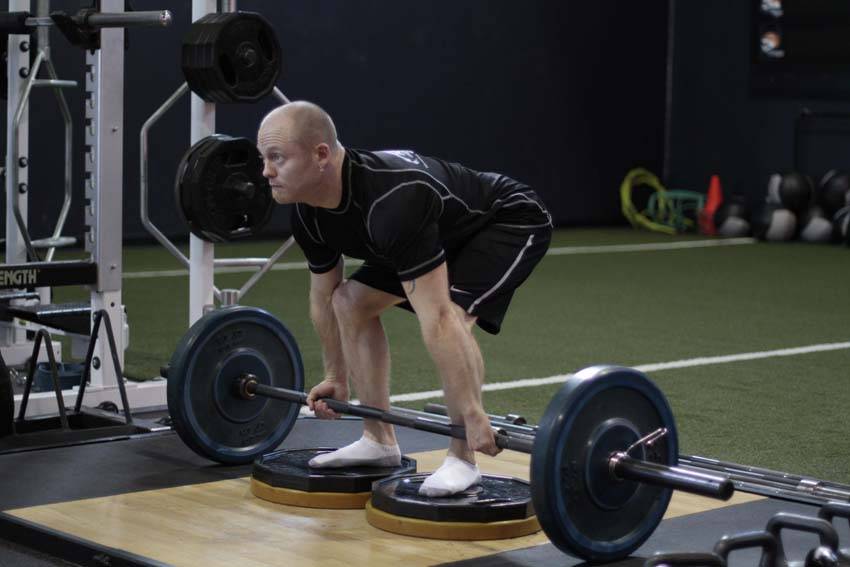
Deficit Deadlift
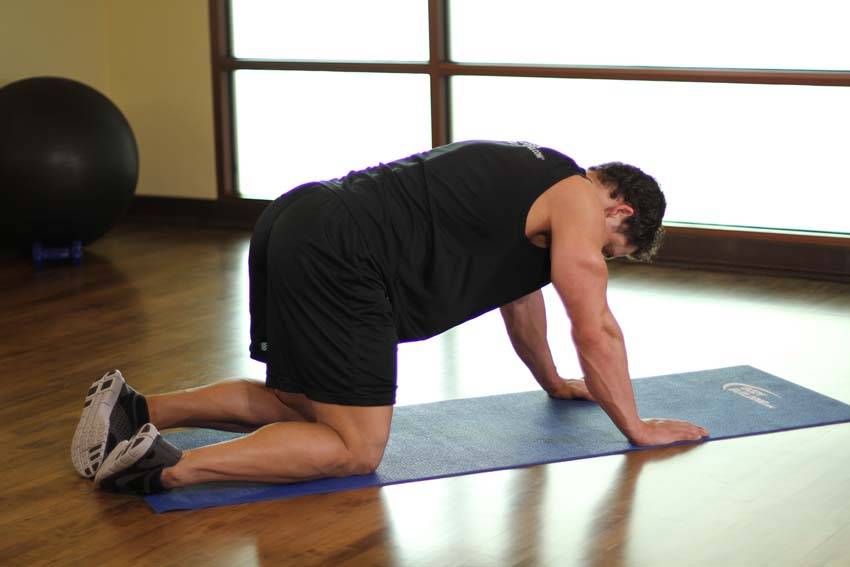
One Half Locust
Head-to-Head Comparison
| Attribute | Deficit Deadlift | One Half Locust |
|---|---|---|
| Target Muscle |
Erector-spinae
|
Erector-spinae
|
| Body Part |
Back
|
Back
|
| Equipment |
Barbell
|
Body-weight
|
| Difficulty |
Advanced
|
Beginner
|
| Movement Type |
Compound
|
Isolation
|
| Secondary Muscles |
6
|
3
|
Secondary Muscles Activated
Deficit Deadlift
One Half Locust
Visual Comparison
Overview
Deficit Deadlift vs One Half Locust is a practical matchup if you want stronger, thicker erector spinae and a more resilient back. You’ll get a clear, action-oriented comparison so you can pick the right move for your goals. I’ll cover muscle activation, biomechanics, equipment needs, difficulty and progression options, plus programming tips and rep ranges. Read on to learn which exercise builds raw posterior chain strength, which one is a safer starting point, and how to use each to target spinal erectors and supporting muscles effectively.
Key Differences
- Equipment differs: Deficit Deadlift uses Barbell, while One Half Locust requires Body-weight.
- Deficit Deadlift is a compound movement, while One Half Locust is an isolation exercise.
- Difficulty levels differ: Deficit Deadlift is advanced, while One Half Locust is beginner.
Pros & Cons
Deficit Deadlift
+ Pros
- Heavy progressive overload for maximal strength and muscle growth
- Increased ROM from deficit boosts eccentric loading and tension on erectors
- Recruits full posterior chain (glutes, hamstrings, traps) for functional transfer
- Multiple variables to manipulate: load, deficit height, tempo, pause reps
− Cons
- Requires equipment and coaching to perform safely
- Higher spinal compressive and shear forces increase injury risk if technique fails
- Greater CNS and recovery demand — not ideal daily
One Half Locust
+ Pros
- No equipment and low barrier to entry — do it anywhere
- Excellent isolation for spinal erectors and motor control
- Low absolute load reduces acute injury risk
- Great as a finisher or rehab tool to reinforce posterior chain endurance
− Cons
- Limited absolute overload for long-term strength progression
- Less carryover to hip-dominant tasks and loaded lifts
- Can reinforce hyperextension if performed without core anti-extension cues
When Each Exercise Wins
The deficit deadlift allows systematic progressive overload with heavier external load and increased eccentric stress, which drives more mechanical tension across erectors and the posterior chain. Aim for 6–12 reps with controlled 2–4 second eccentrics to maximize muscle growth.
Deficit deadlifts increase hip and lumbar moment arms, letting you train heavy singles and triples that improve maximal force production. Use 3–6 rep ranges and heavy doubles to build maximal posterior chain strength.
The locust teaches spinal extension and control with minimal load and simple movement patterns, reducing injury risk while building endurance and motor control. Start with 2–4 sets of 8–15 reps focusing on form and core anti-extension.
No equipment, low setup time, and safe to perform on a mat make the locust ideal for home sessions. Use it as a primary erector exercise or as a finisher after bodyweight posterior-chain circuits.
Frequently Asked Questions
Can I do both Deficit Deadlift and One Half Locust in the same workout?
Yes. Do heavy deficit deadlifts early while fresh (3–6 sets of 3–6 reps), then use One Half Locusts as a finisher for 2–3 sets of 10–15 to build erector endurance and reinforce extension control. This order preserves strength performance and reduces fatigue-related technique breakdown.
Which exercise is better for beginners?
One Half Locust is better for most beginners because it trains spinal extension with low load and a shallow learning curve. Once you demonstrate consistent form and core bracing, you can progress to hip-hinge variations and eventually deficit deadlifts.
How do the muscle activation patterns differ?
Deficit deadlifts produce a combined hip-extension and spinal-extension activation pattern with high hamstring, glute and erector recruitment driven by larger hip moments and longer starting muscle lengths. One Half Locust isolates spinal extension, emphasizing lumbar-thoracic erector contraction and motor control without significant hip torques.
Can One Half Locust replace Deficit Deadlift?
Not if your priority is heavy strength or maximal posterior-chain overload. The locust can complement or substitute temporarily—use it for motor control, endurance, or when equipment is limited—but it won’t replicate the progressive heavy loading stimulus of deficit deadlifts for long-term strength development.
Expert Verdict
Use deficit deadlifts when your goal is measurable posterior-chain strength and progressive overload—program heavy sets (3–6 reps for strength) and moderate sets (6–12 reps) for hypertrophy, control the eccentric for 2–4 seconds, and prioritize bracing and a neutral spine. Use One Half Locusts when you need an accessible, low-risk way to train spinal erectors, build endurance and improve motor control — they’re perfect for beginners, rehab phases, or as high-rep finishers (10–20 reps). If you have access to a barbell and solid technique, prioritize deficit deadlifts; if you train at home or are new to spinal extension, choose the locust and progress to loaded hinge work over time.
Also Compare
More comparisons with Deficit Deadlift
Compare More Exercises
Use our free comparison tool to analyze any two exercises head-to-head.
Compare Exercises