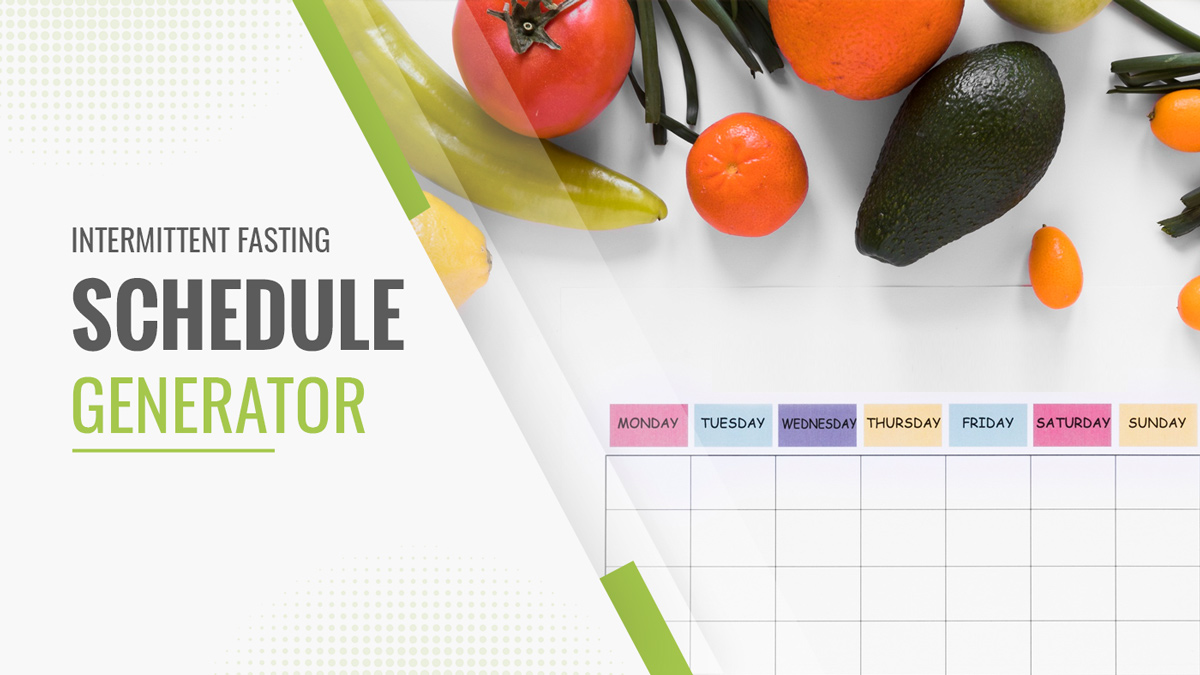
Fasting Schedule Generator
Create a personalized fasting schedule that fits your lifestyle
Related Calculators
Medical Disclaimer: This calculator provides estimates for educational purposes only and does not constitute medical advice. Intermittent fasting is not appropriate for everyone. Do not fast if you are pregnant or breastfeeding, under 18 years of age, have a history of eating disorders, or have been diagnosed with Type 1 diabetes. If you take medications (especially insulin or blood pressure medication), have any chronic health conditions, or are recovering from surgery, consult your physician before beginning any fasting protocol. If you experience chest pain, fainting, persistent dizziness, or heart palpitations during a fast, stop immediately and seek medical attention.
How to Use the Fasting Schedule Generator
- Select your goal — Choose whether you are prioritizing fat loss, metabolic health, simplicity, or muscle preservation. Each goal pairs better with specific fasting protocols.
- Enter your lifestyle details — Specify your work schedule, sleep times, exercise routine, and social eating patterns. The generator matches protocols to your daily life.
- Review recommended protocols — The tool ranks intermittent fasting schedules (16:8, 18:6, 20:4, OMAD, and others) based on compatibility with your inputs.
- Customize your eating window — Adjust start and end times for your preferred protocol and generate a printable weekly schedule with meal timing suggestions.
Understanding Intermittent Fasting Protocols
Intermittent fasting (IF) is not a single approach but a collection of time-restricted eating patterns. The most common protocols are 16:8 (16 hours fasting, 8 hours eating), 18:6, 20:4, and OMAD (one meal a day). Each offers different trade-offs between ease of adherence, metabolic benefits, and lifestyle compatibility. Research from the Annual Review of Nutrition indicates that the best protocol is the one an individual can sustain consistently.
The 16:8 method is the most popular starting point, as it often involves simply skipping breakfast and eating between noon and 8 PM. More advanced protocols like 20:4 and OMAD provide longer fasting periods that may enhance autophagy and fat oxidation but require more discipline and careful meal planning to meet nutritional needs within a compressed eating window.
Timing matters beyond just duration. Research suggests aligning eating windows with circadian rhythms — eating earlier in the day rather than late at night — may improve insulin sensitivity and metabolic outcomes. However, social and work obligations often dictate practical scheduling, making personalization essential.
Key Takeaways
- 16:8 is the most accessible protocol for beginners and is sustainable long-term for most people.
- Longer fasting windows (20:4 and OMAD) offer deeper metabolic benefits but require careful nutritional planning.
- Consistency matters more than perfection — a sustainable schedule outperforms an aggressive one you cannot maintain.
- Earlier eating windows may offer metabolic advantages due to circadian rhythm alignment.
- Exercise timing should be factored in — many people perform best training near the end of a fast or shortly after breaking it.
Frequently Asked Questions
Which fasting schedule is best for fat loss?
Any protocol that creates a consistent calorie deficit will support fat loss. Longer fasting windows (18:6 or 20:4) may naturally reduce calorie intake and increase fat oxidation, but 16:8 works well for most people when combined with mindful eating during the feeding window.
Can I change my fasting schedule on weekends?
Yes, flexibility is reasonable and can improve long-term adherence. Many people follow a stricter schedule on weekdays and relax slightly on weekends. The key is maintaining a general pattern rather than requiring rigid perfection every day.
Should I fast every day or take breaks?
Daily time-restricted eating (like 16:8) is safe for most healthy adults and can be practiced indefinitely. Some people prefer cycling — fasting five or six days per week with one or two unrestricted days. Listen to your body and adjust based on energy, performance, and well-being.
What can I consume during the fasting window?
Water, black coffee, and plain tea are generally considered acceptable during fasting periods as they contain negligible calories. Anything with calories, sweeteners, or cream will break the fast to varying degrees depending on the amount consumed.
How do I handle social meals that fall outside my eating window?
Shift your eating window on those days rather than skipping social occasions. If you have a dinner event, simply start your eating window later. Occasional schedule adjustments do not negate the overall benefits of a consistent fasting practice.
 You can also follow us on Twitter, Facebook, Instagram, and
YouTube for even more content.
You can also follow us on Twitter, Facebook, Instagram, and
YouTube for even more content.Tip: If you're signed in to Google, tap Follow.