
Eating for weight loss should be pretty simple. Just go to the grocery store, read the labels, and fill your basket with healthy food. Tags like “low fat,” “no added sugar,” and “made from whole grains” should make identifying diet-friendly foods as easy as learning your ABCs.
Unfortunately, many of these marketing terms are unregulated and can make a food sound far better for you than it really is. This can lead to poor nutritional choices and something called the health halo, which is where you eat more of a food because you believe it’s healthy (1).
For example, “no added sugar” sounds promising but doesn’t mean the food is low in sugar—only that none was added during manufacturing. “Low fat” is another misleading term, as many low-fat foods contain added sugar to improve taste, so their calorie content remains high.
Certain foods are accepted as weight-loss friendly when they’re anything but, and could be the reason you’re struggling to lose weight. This isn’t your fault. The blame lies with food manufacturers who care more about their bottom line than your waistline.
I’m a 30-year veteran personal trainer and nutrition coach, and in this article, I reveal TEN “healthy” foods that are undermining your weight loss efforts.
Related: 9 Foods That Sound Healthy That Aren’t
1. Frozen Yogurt
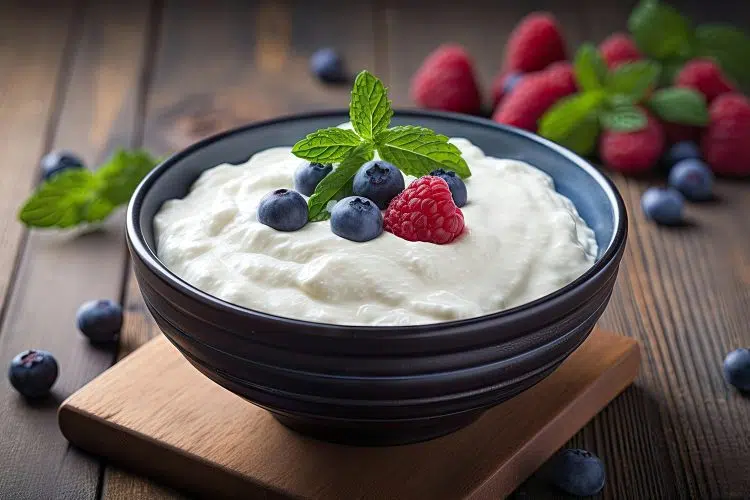
Store-bought frozen yogurt is often sold as a healthy, diet-friendly alternative to ice cream. This makes a lot of sense because, as everyone knows, yogurt contains gut-friendly probiotics, is high in protein, and tastes great.
Unfortunately, frozen yogurt and most flavored yogurts are loaded with sugar and contain less protein than people realize. And it’s certainly not much lower in calories than ice cream.
A typical half-cup serving of fro-yo contains 150-200 kilocalories. But really, who only has half a cup?! The combination of low fat and high sugar means that frozen yogurt is not very filling, making it all too easy to consume a large diet-busting portion.
Better Alternatives:
- Plain Greek yogurt—add natural fruit or sweeten with a little honey if you wish
- Homemade frozen yogurt—use an ice cream maker
- Chia seed pudding
2. Granola
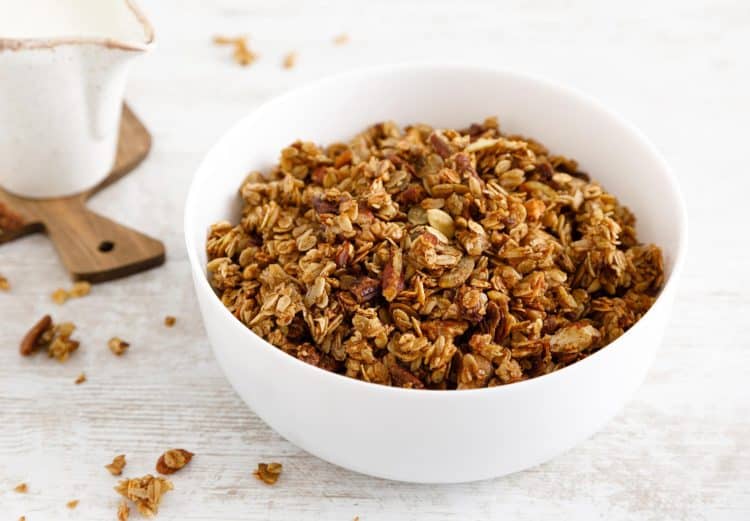
Granola is made from whole grains, nuts, seeds, etc., making it sound like the perfect way to start your day. Splash on some milk and enjoy a delicious, nutritious breakfast that’ll power you through a productive morning.
However, most granolas are loaded with sugar and, despite their high grain content, often provide very little fiber. They’re also very calorie-dense, not particularly filling, and deliver a very quick surge of energy, often followed by a mid-morning crash—right around donut-o’clock!
A very unsatisfying 50-gram serving of granola provides 200-300 calories, and most people will eat significantly more than this. And why not? Granola is “low fat” after all!
Better Alternatives:
- Overnight oats
- Wholemeal avocado toast
- No-added sugar cereal, e.g., Shredded Wheat
3. Flavored Oatmeal Packets
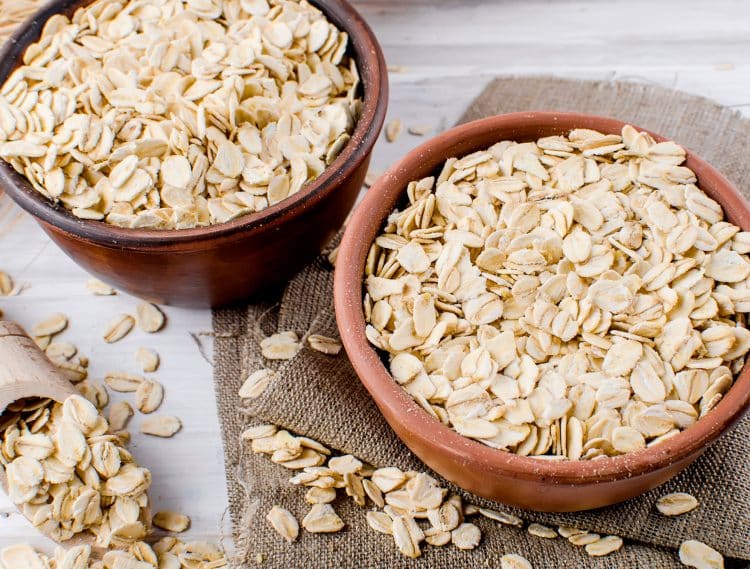
According to almost every nutrition expert (me included!), oatmeal is the perfect way to start your day. Packed with fiber and complex carbs, oats are an excellent source of slow-releasing energy that’ll keep you feeling full up until lunchtime. Oatmeal is also good for your heart, cholesterol, and gut health.
On the downside, real oatmeal can be time-consuming to prepare and, unless you add some additional ingredients, also a little bland.
And that’s the appeal of flavored oatmeal packets. They’re sweet, tasty, and ready in minutes. Unfortunately, they are also heavily processed, low in fiber, and high in sugar, so really no better than conventional breakfast cereals.
Most flavored oatmeal packets contain a reasonable 150-200 kilocalories per serving, but the high sugar/low fiber content means you’ll probably be reaching for an energy-boosting snack by mid-morning.
Better Alternatives:
- Overnight oats
- Eggs on whole-grain toast
- Greek yogurt and fresh/frozen berries
4. Cereal Bars
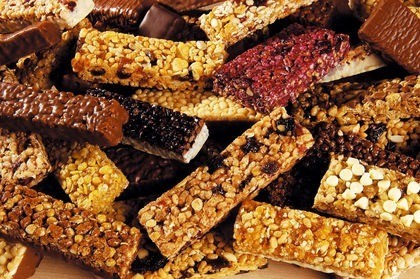
Everyone knows that candy is the last thing you should be eating when you’re trying to lose weight. However, giving up sweet treats can be hard, and a lot of dieters experience sugar cravings when they stop eating chocolate and candy.
According to some food manufacturers, cereal bars are the ideal candy substitute as their made from grains and usually contain additional healthy ingredients, such as nuts, seeds, honey, etc.
The truth is that, kilocalorie-wise, there is not much difference between a cereal bar and something like a Snickers, Twix, or Mars bar. And while cereal bars do contain more fiber than candy, those few extra grams don’t make them healthy—or weight-loss friendly.
So, don’t be fooled; cereal bars are not a healthy alternative to candy. In fact, they’re nutritionally so similar that it doesn’t matter which one you eat—both could hurt your weight loss efforts.
Better Alternatives
- A sliced apple with a little natural peanut butter
- A homemade protein bar
- Celery sticks and a little cream cheese
5. Breakfast Cereals
It’s often said that breakfast is the most important meal of the day. Of course, that’s NOT the case if you are a fan of intermittent fasting, but that’s a topic for another article! A good breakfast puts the brakes on muscle atrophy, helps stabilize your blood glucose, and provides you with the energy you need to face the day.
Or that’s the theory, anyway.
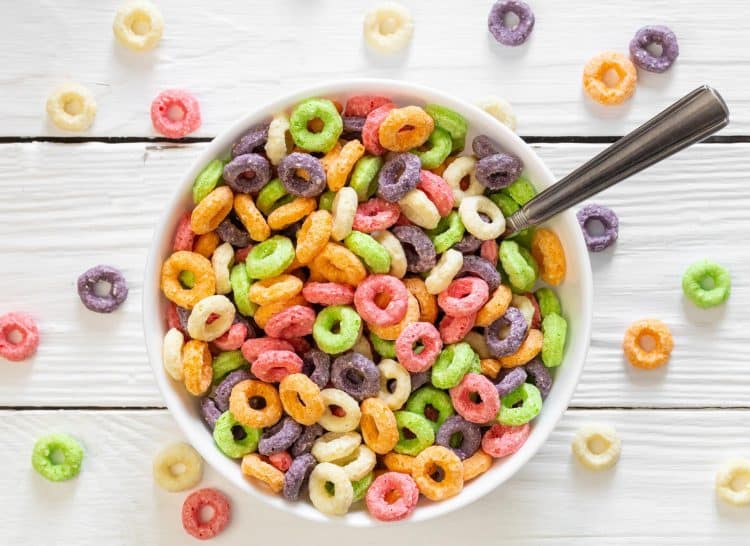
Unfortunately, most breakfast cereals are nothing more than candy served with milk. Some even contain candy pieces, cookies, chocolate, or marshmallows!
While most breakfast cereals are low in fat, they’re largely devoid of nutrients and fiber, and are loaded with sugar. This dastardly combination all but guarantees you’ll hit the wall around mid-morning.
Plus, the average recommended serving size for most cereals is 30-50 grams, which is a very small portion. Even strict dieters will want—or need—a larger serving for a satisfying breakfast.
Better Alternatives
- Plain oatmeal
- No-added sugar cereals, such as unsweetened muesli
- Grilled bacon and poached eggs
6. Vegetable “Chips”
Like candy, potato chips are off the menu for most dieters. This makes good sense given that potatoes are very starchy and energy-dense, most varieties are fried in high-kilocalorie oil, and they’re not very filling, so they’re easy to overeat.
But, fear not, because, according to food manufacturers, you can “have your cake and eat it, too” by switching from potato chips to vegetable chips.
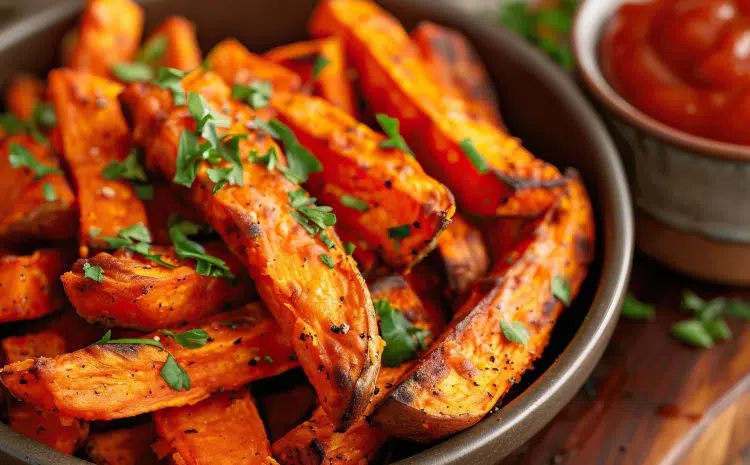
Made from low-kilocalorie veggies like rutabaga, carrot, swede, and zucchini, vegetable chips are sold as a healthier, weight-loss-friendly alternative to traditional chips.
Unfortunately, most veggie chips are also fried, so they often aren’t much lower in calories than potato chips. Plus, because of that pesky health halo effect, you’ll probably eat more veggie chips than those made from potatoes, canceling out any kilocalorie saving.
Better Alternatives
- Raw veggies with hummus
- Air-popped popcorn
- Homemade air-dried vegetable chips
Related: Ditch the Carbs: Low-Carb Swaps for Bread, Potatoes, Rice, and Pasta
7. Protein Bars
Protein can help you lose weight faster. It’s satiating, boosts your metabolism, and helps preserve and repair muscle mass. Consequently, a lot of people assume that anything that contains an abundance of protein is healthy and will help them lose weight.
There are high-protein versions of lots of foods, including breakfast cereals, yogurts, chocolate, and even bread and pasta.
The world has gone protein crazy!
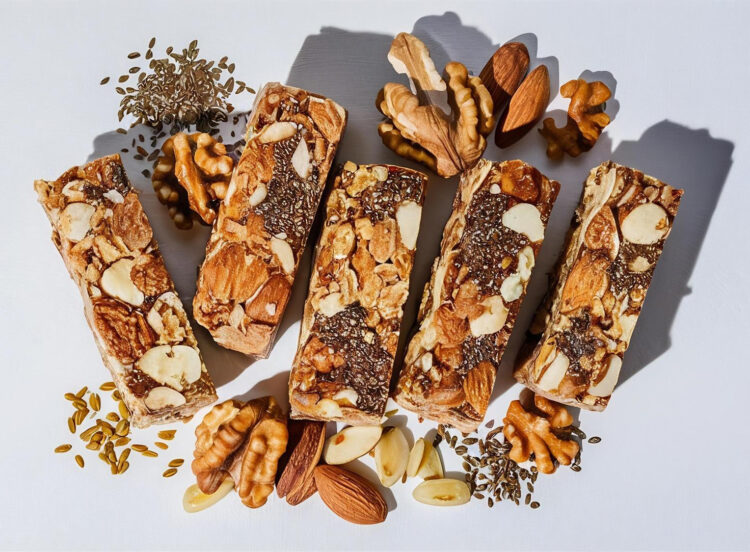
This protein infatuation also means that some people think that protein bars are healthier or better for fat loss than candy bars. Unfortunately, from a kilocalorie perspective, there isn’t really much difference between a protein bar and, for example, a Snickers. Some protein bars actually contain more kilocalories than candy because they’re bigger.
So, while protein matters, for weight loss, your kilocalorie intake is more important.
Related: Are Protein Bars Really Healthy? Here’s What the Experts Say
Better Alternatives
- Homemade protein balls
- Beef jerky
- Hardboiled eggs
Related: 25 Awesome Protein-Jammed Snacks That Are Healthy for You
8. Sports Drinks

You’d be forgiven for thinking that sports drinks are healthy. After all, they’ve got the word sports in their name, and what’s healthier than sport?
Unfortunately, and contrary to what many people believe, sports drinks are NOT a weight-loss-friendly alternative to soda or juice and are loaded with kilocalories and sugar. And the same goes for most so-called energy drinks.
That’s no problem if you are engaged in a long, intense workout, but it will derail your weight loss efforts if you spend your time crashed on your couch, enjoying a Netflix marathon.
And while it’s true that most sports drinks contain trace amounts of vitamins and minerals, you’ll get more “bang for your buck” by eating fruit and vegetables.
Better Alternatives
- Plain water
- Sugar-free soda
- Iced, unsweetened tea/coffee
Related: 7 Ways to Tell If You’re Hydrated Enough or at Risk of Dehydration
9. Flavored and Low-Fat Nut Butters
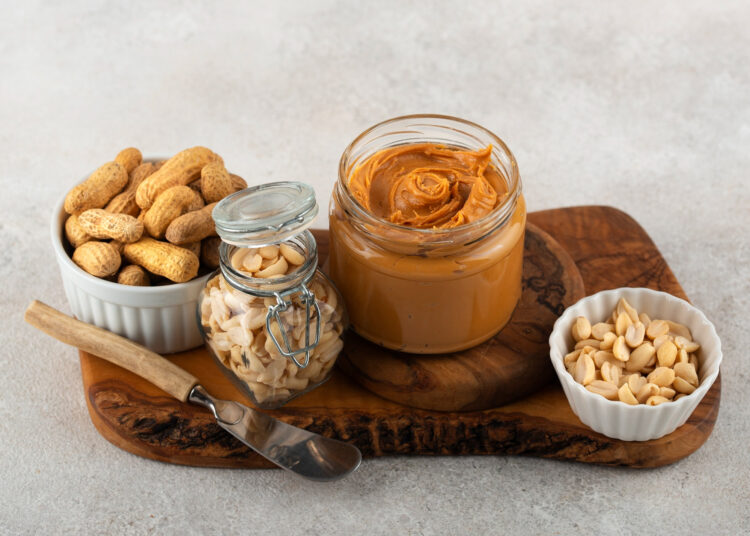
Nut butters, such as peanut and almond butter, are high in kilocalories. But, despite this, they can play a role in your weight loss diet. They’re high in healthy fats, fiber, and protein, all of which can contribute to weight loss and fat burning.
That doesn’t mean you can eat them with abandon, but as a condiment, they’re hard to beat. Try thinly spreading peanut butter on apple slices and thank me later!
Of course, food manufacturers want you to believe that low-fat and flavored nut butters are even better, but they’re not.
Most processed nut butters contain added sugar and refined oils, making them more calorically dense. Like the saying goes, if it ain’t broke, don’t fix it. Plain nut butters will always be better for you than flavored or reduced-fat varieties.
Better Alternatives
- Natural peanut, almond, or cashew nut butter
- Hummus
- Tapenade (olive paste)
10. Fruit Smoothies (Store-Bought or Commercial)
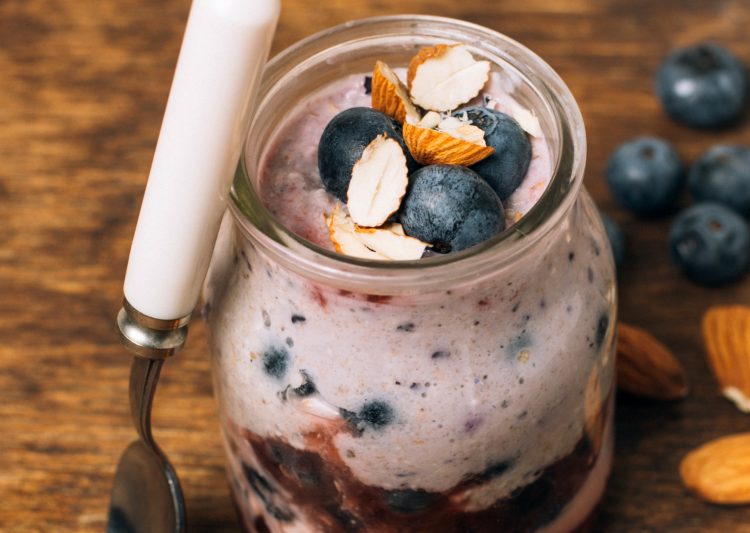
Fruit is nature’s candy. Sweet and delicious, it contains vitamins, minerals, and fiber, and, depending on the variety, is generally low in kilocalories. Yes, fruit contains sugar, but it’s the good kind—naturally occurring and not processed.
So, if a couple of pieces of fruit a day will do you good, fruit smoothies must be even better, right? After all, they’re more concentrated and provide multiple fruit servings.
Sadly, most store-bought and commercial smoothies contain so much fruit that they are very high in calories. Many also contain added sugar, and much of the fiber has been removed, leading to big blood sugar spikes.
As such, smoothies are often no healthier than soda or plain fruit juice and are unlikely to help you lose weight.
Better Alternatives
- Homemade smoothies with just 2-3 pieces of fruit and a little Greek yogurt
- Protein shakes
- Water with lemon slices and ginger
Closing Thoughts
None of the foods on this list are inherently bad. In fact, many can be part of a balanced diet when eaten occasionally and in moderation. However, they’re not as weight-loss-friendly as clever marketing makes them seem.
The problem isn’t the occasional packet of flavored oatmeal or the odd protein bar. The issue is when these kinds of foods form the backbone of your diet. That’s when progress stalls, and frustration sets in.
If your goal is sustainable weight loss, you’ll get better results by focusing on whole, minimally processed foods—meat, eggs, fruits, vegetables, legumes, whole grains, and healthy fats. These foods are naturally more satiating, more nutrient-dense, and less likely to trick you into overeating.
So, next time you’re shopping or planning your meals, don’t just look at the front of the package. Flip it over. Read the nutrition label and check the ingredients. A few smarter choices, made consistently, can make all the difference in the long run.
References:
1 – Shangguan S, Afshin A, Shulkin M, Ma W, Marsden D, Smith J, Saheb-Kashaf M, Shi P, Micha R, Imamura F, Mozaffarian D; Food PRICE (Policy Review and Intervention Cost-Effectiveness) Project. A Meta-Analysis of Food Labeling Effects on Consumer Diet Behaviors and Industry Practices. Am J Prev Med. 2019 Feb;56(2):300-314. doi: 10.1016/j.amepre.2018.09.024. Epub 2018 Dec 17. PMID: 30573335; PMCID: PMC6340779.