

10 Best Assisted Chest Dip (Kneeling) Alternatives for Home Gyms
If you can't perform the assisted chest dip (kneeling), use exercises that preserve the forward-leaning vertical press and heavy pectoral loading. Effective substitutes include band-assisted parallel-bar dips, decline dumbbell bench press, standing cable chest press, machine chest press, and chest-focused push-up variations, each maintains pectoral activation and allows progressive overload.
Original Exercise: Assisted Chest Dip (Kneeling)
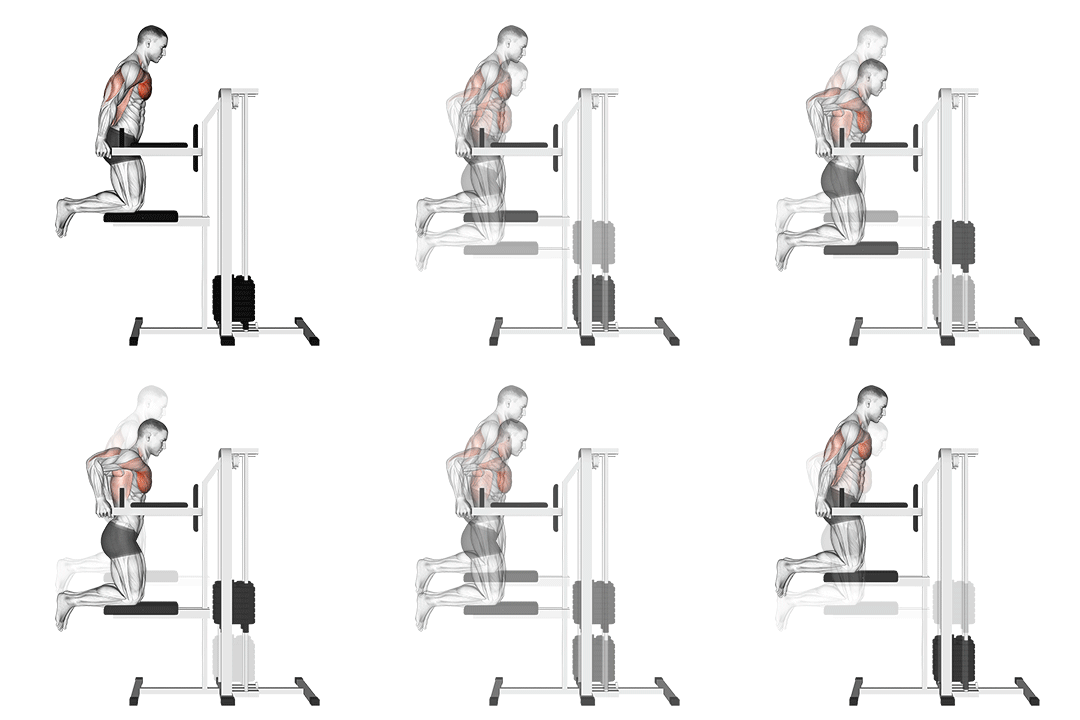
How to Perform Assisted Chest Dip (Kneeling)
- Adjust the machine to your desired height and secure your knees on the pad.
- Grasp the handles with your palms facing down and your arms fully extended.
- Lower your body by bending your elbows until your upper arms are parallel to the floor.
- Pause for a moment, then push yourself back up to the starting position.
- Repeat for the desired number of repetitions.
Ranked Assisted Chest Dip (Kneeling) Alternatives
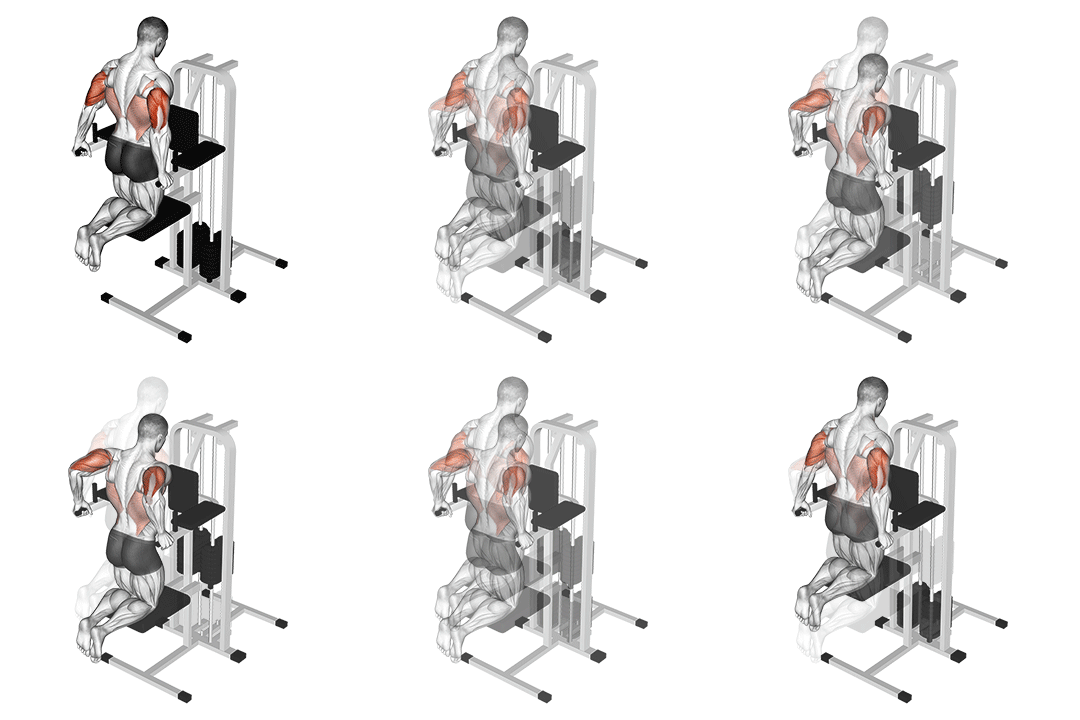
1. Assisted Triceps Dip (kneeling)
85% MatchHow to perform this exercise
- Adjust the machine to your desired weight and height.
- Kneel down on the pad facing the machine, with your hands gripping the handles.
- Lower your body by bending your elbows, keeping your back straight and close to the machine.
- Pause for a moment at the bottom, then push yourself back up to the starting position.
- Repeat for the desired number of repetitions.
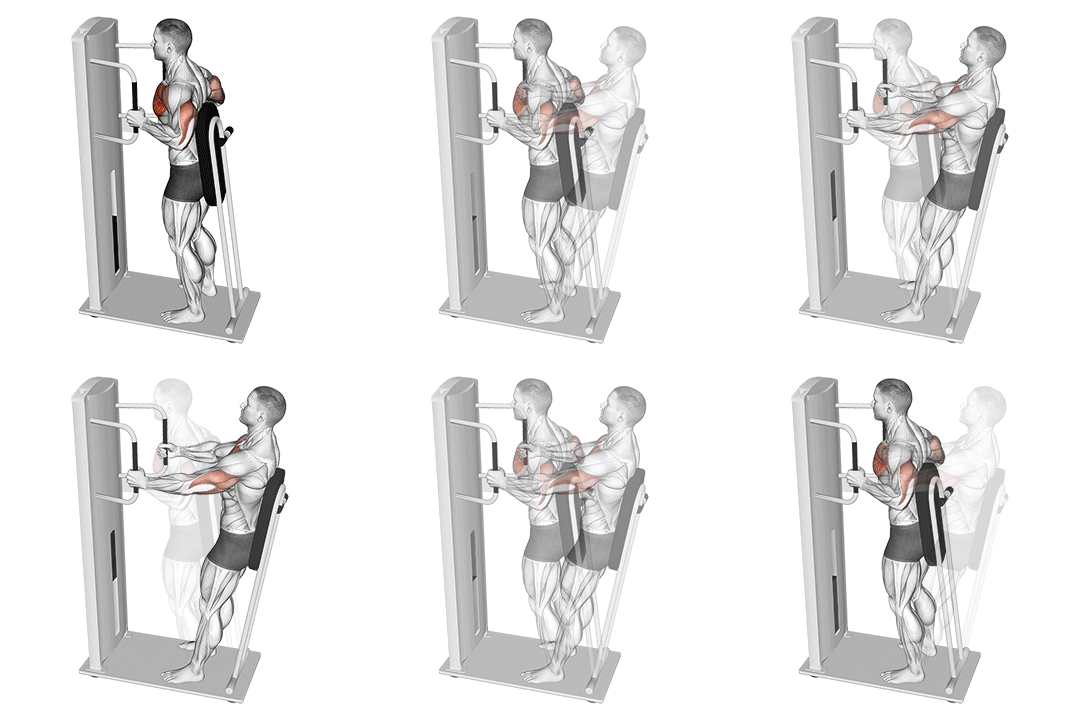
2. Lever Standing Chest Press
81.7% MatchHow to perform this exercise
- Adjust the seat height and position yourself on the machine with your feet flat on the ground.
- Grasp the handles with an overhand grip and position your hands at chest level.
- Push the handles forward until your arms are fully extended, keeping your elbows slightly bent.
- Pause for a moment, then slowly bring the handles back towards your chest, maintaining control throughout the movement.
- Repeat for the desired number of repetitions.
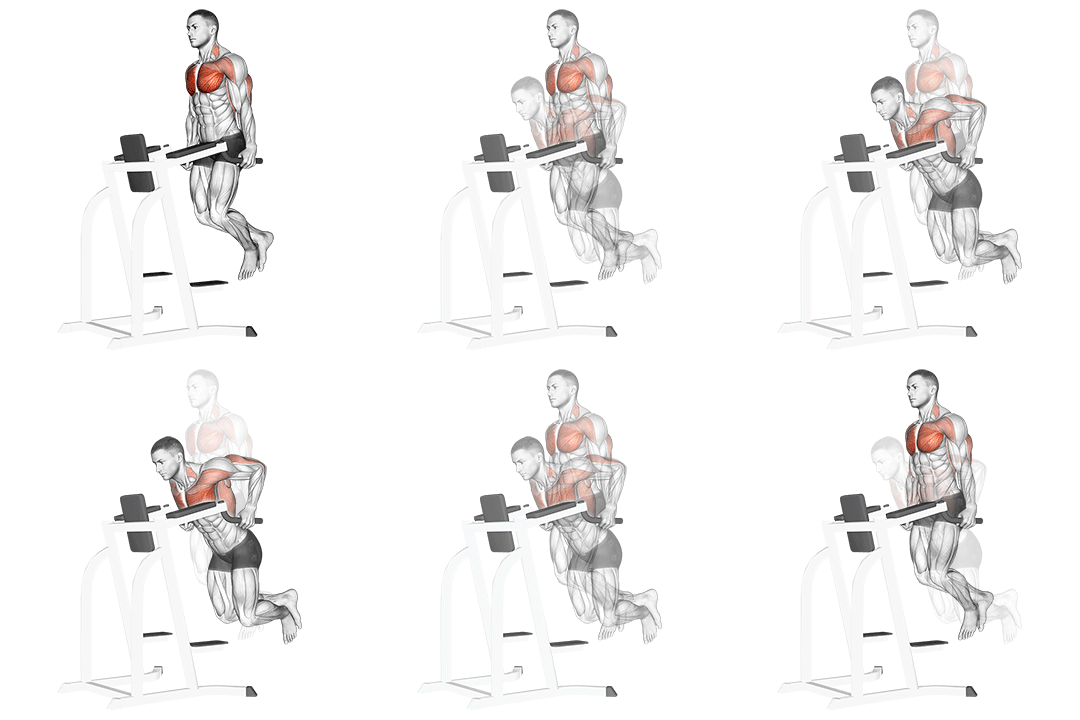
3. Chest Dip
77.8% MatchHow to perform this exercise
- Position yourself on parallel bars with your arms fully extended and your body straight.
- Lower your body by bending your elbows until your shoulders are below your elbows.
- Push yourself back up to the starting position by straightening your arms.
- Repeat for the desired number of repetitions.
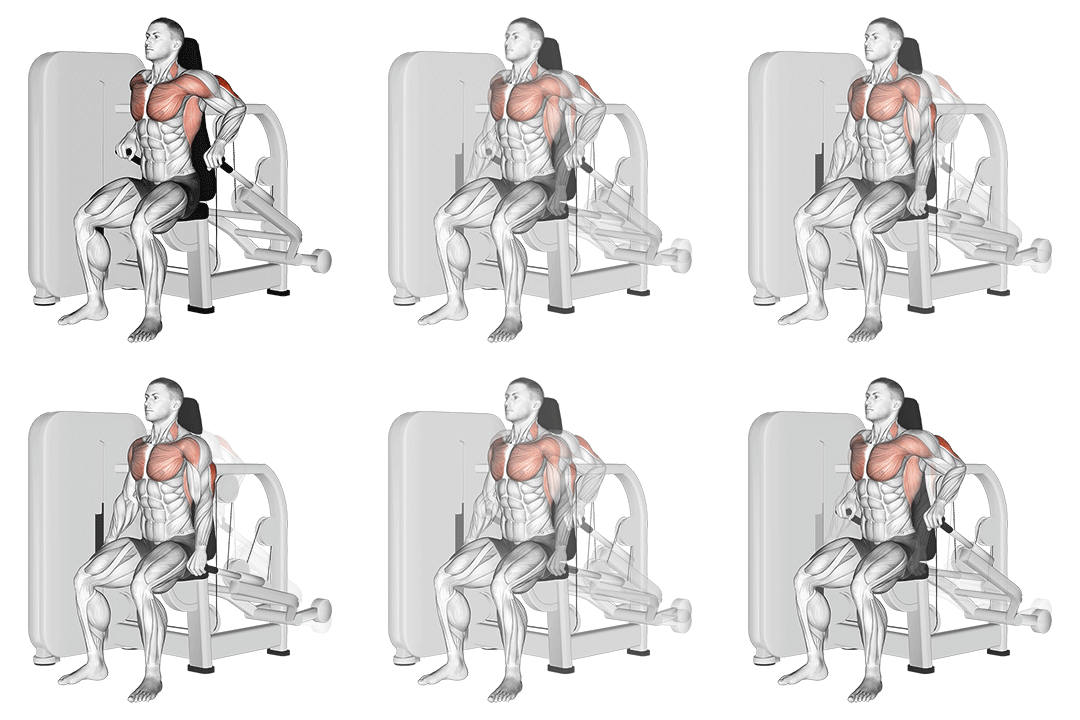
4. Lever Seated Dip
76.4% MatchHow to perform this exercise
- Adjust the seat height so that your feet are flat on the ground and your knees are at a 90-degree angle.
- Grasp the handles of the leverage machine with your palms facing down and your arms fully extended.
- Slowly lower your body by bending your elbows until your upper arms are parallel to the ground.
- Pause for a moment, then push yourself back up to the starting position by straightening your arms.
- Repeat for the desired number of repetitions.
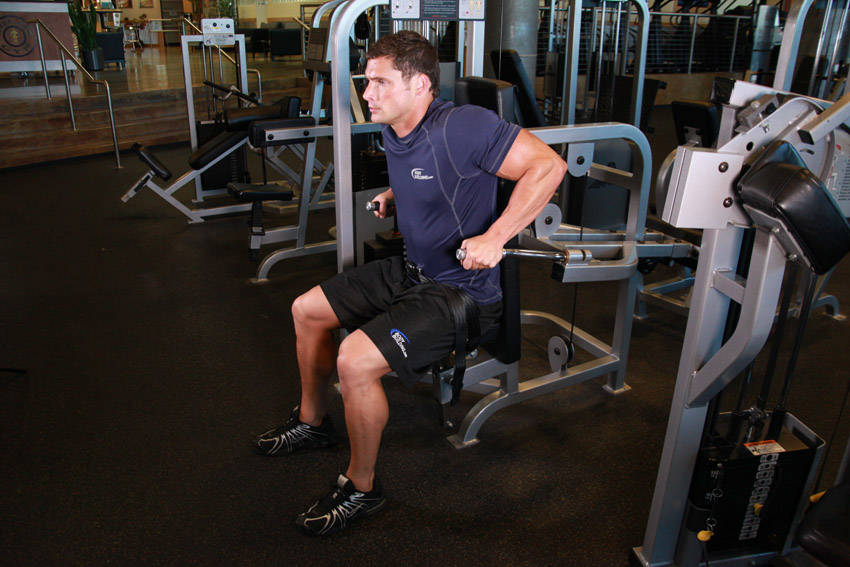
5. Dip Machine
75.7% MatchHow to perform this exercise
- Sit securely in a dip machine, select the weight and firmly grasp the handles.
- Now keep your elbows in at your sides in order to place emphasis on the triceps. The elbows should be bent at a 90 degree angle.
- As you contract the triceps, extend your arms downwards as you exhale. Tip: At the bottom of the movement, focus on keeping a little bend in your arms to keep tension on the triceps muscle.
- Now slowly let your arms come back up to the starting position as you inhale.
- Repeat for the recommended amount of repetitions.
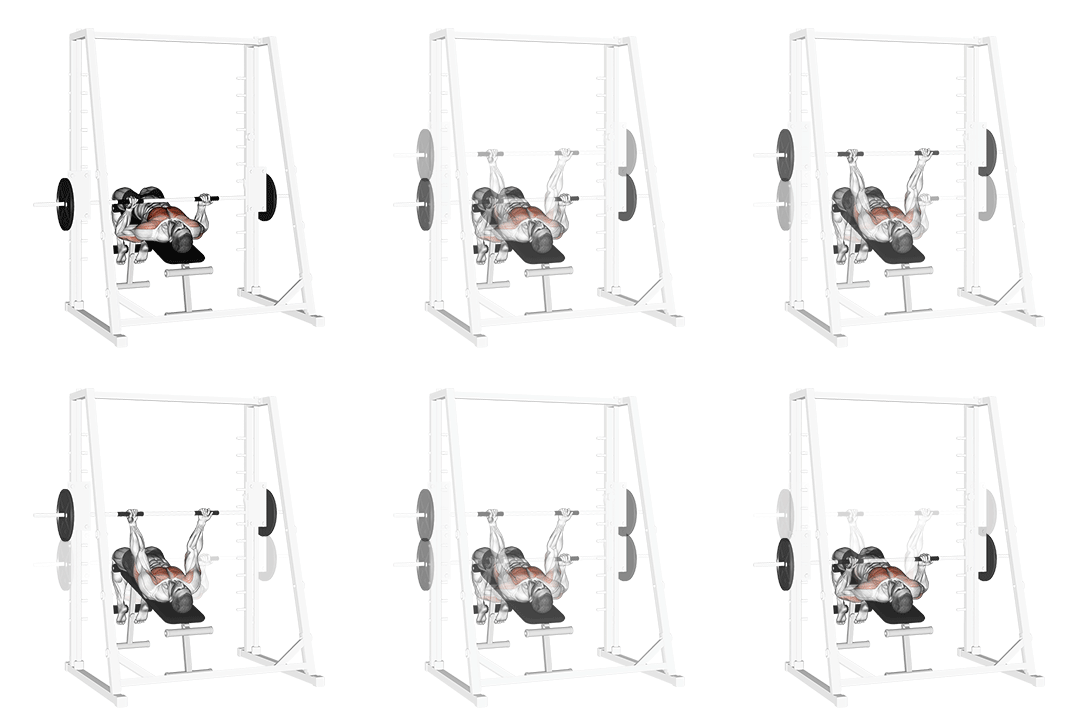
6. Smith Decline Reverse-grip Press
72.4% MatchHow to perform this exercise
- Adjust the smith machine to a decline position.
- Lie down on the bench with your feet secured under the foot pads.
- Grasp the barbell with a reverse grip, hands slightly wider than shoulder-width apart.
- Unrack the barbell and lower it towards your chest, keeping your elbows tucked in.
- Pause for a moment at the bottom, then push the barbell back up to the starting position.
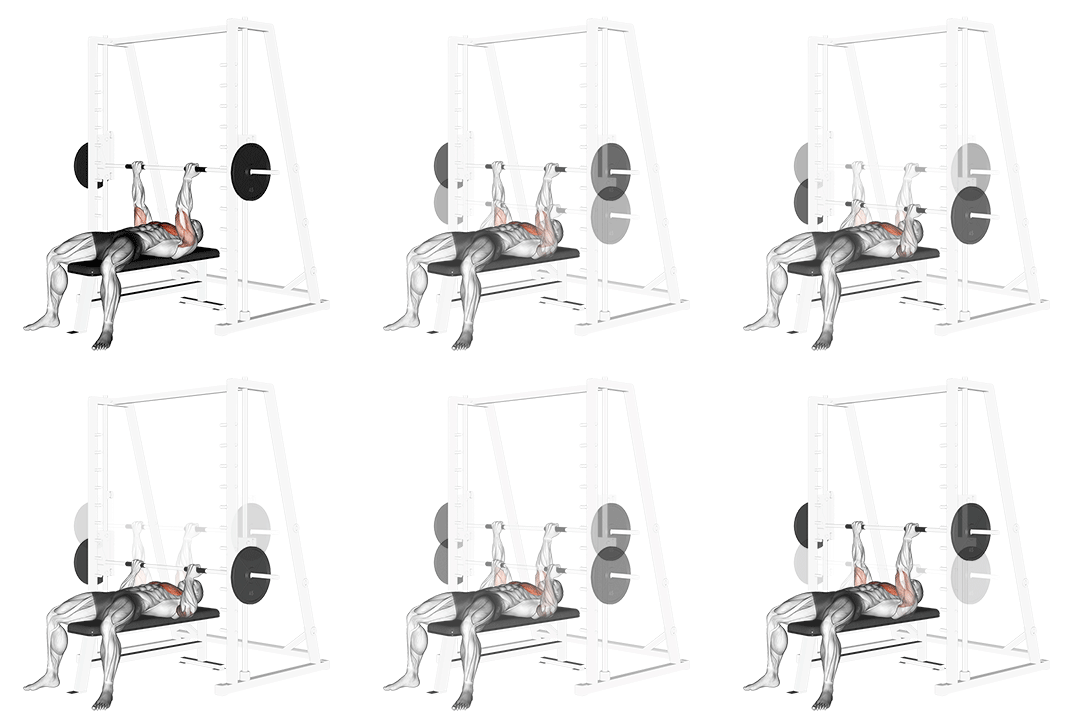
7. Smith Reverse-grip Press
72.4% MatchHow to perform this exercise
- Adjust the height of the smith machine bar to chest level.
- Stand facing the bar with your feet shoulder-width apart.
- Grasp the bar with an overhand grip, hands slightly wider than shoulder-width apart.
- Step back and position yourself with a slight bend in your knees.
- Keep your chest up and core engaged throughout the exercise.
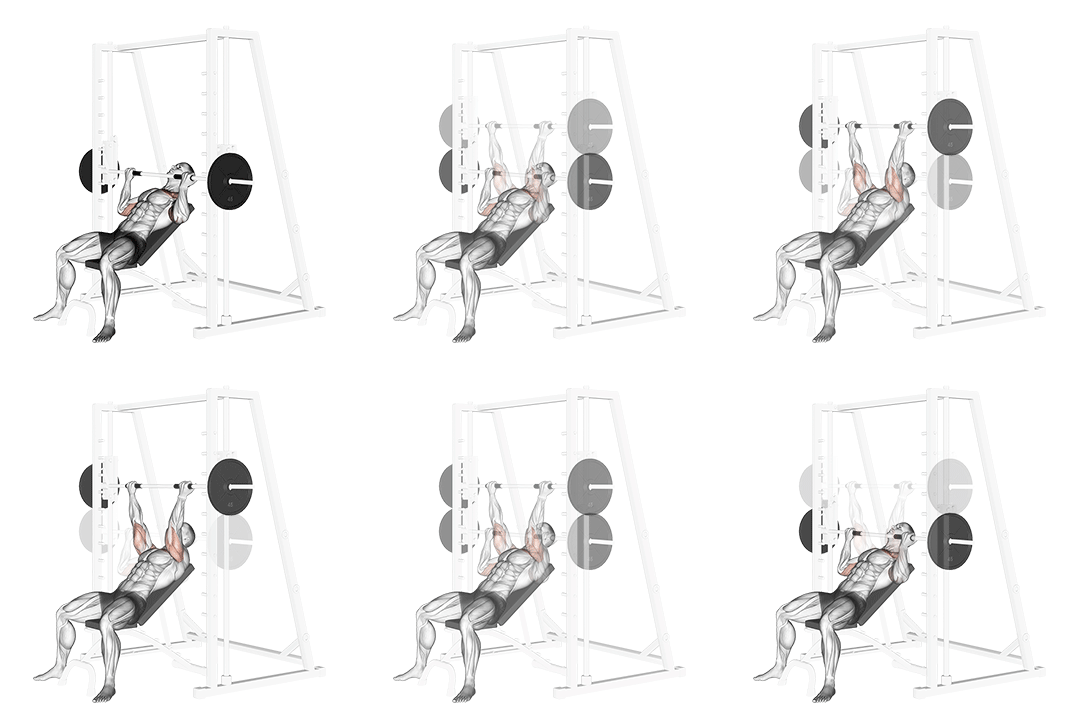
8. Smith Incline Reverse-grip Press
71.9% MatchHow to perform this exercise
- Adjust the seat of the smith machine to a comfortable incline angle.
- Sit on the machine with your back against the pad and your feet flat on the ground.
- Grasp the bar with an overhand grip that is slightly wider than shoulder-width apart.
- Unrack the bar and lower it slowly towards your chest, keeping your elbows tucked in.
- Pause for a moment when the bar is just above your chest.
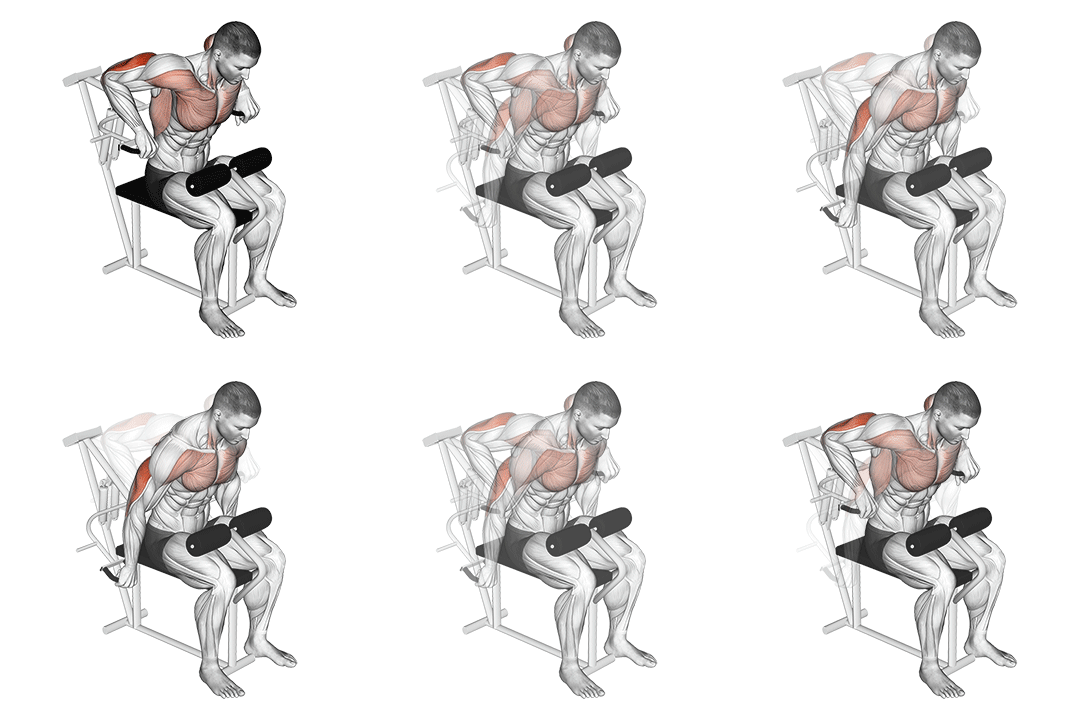
9. Lever Overhand Triceps Dip
71.7% MatchHow to perform this exercise
- Adjust the machine to the appropriate height and secure your body in position.
- Grasp the handles with an overhand grip and position your body so that your arms are fully extended.
- Lower your body by bending your elbows, keeping your upper arms close to your sides.
- Continue lowering until your upper arms are parallel to the floor.
- Pause for a moment, then push yourself back up to the starting position by extending your elbows.
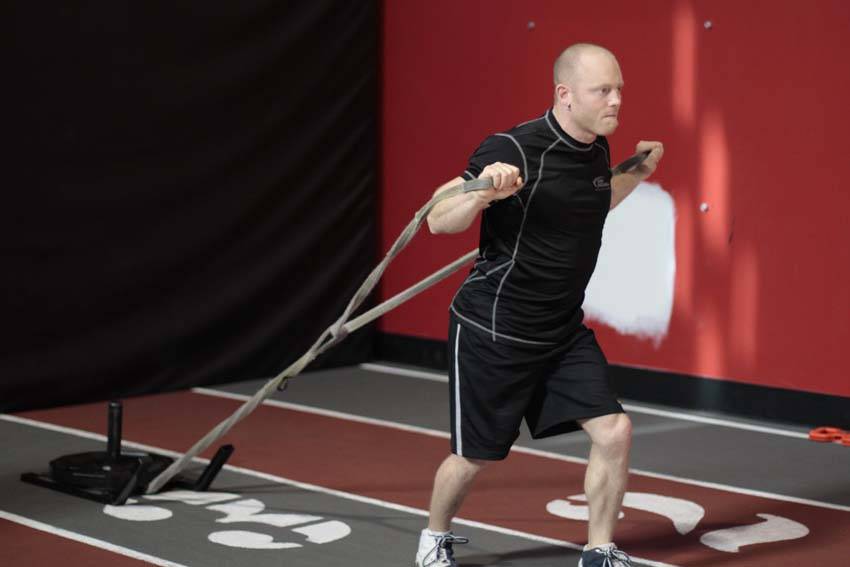
10. Forward Drag With Press
71.4% MatchHow to perform this exercise
- Attach a dual handled chain or rope attachment to the sled. You should be facing away from the sled, holding a handle in each hand.
- Begin the movement by moving forward for one step. Leaning forward, extend through the legs and hips to move, pausing with each step to extend through the elbows, pressing your hands forward. Step forward until you return to the start position prepared to press.
Why You Might Need a Assisted Chest Dip (Kneeling) Alternative
You might substitute assisted chest dip (kneeling) because of equipment limits, shoulder or wrist pain, technique deficits, or the need for different loading options. The kneeling lever dip emphasizes a forward-leaning pressing pattern that targets the sternal head of the pectoralis major; replacements should reproduce that plane or offer comparable chest activation. Some trainees need reductions in rotational or compressive shoulder stress, others need more precise load increments or unilateral control to fix imbalances. Choosing alternatives prevents training interruptions while retaining hypertrophy and strength stimulus for the chest.
How to Choose the Right Substitute
Select a substitute by matching movement pattern, loadability, and joint tolerance. Prioritize exercises that reproduce forward lean and horizontal adduction for lower-pec emphasis if that is your goal. If you lack a lever, use cables or dumbbells for similar line of pull; if you have shoulder pain, use controlled range and machines that stabilize the scapula. Consider progressive overload options (micro-loading, bands, tempo), whether you need unilateral work, and how the exercise activates the pectorals versus triceps and anterior deltoids. Test range of motion and monitor shoulder comfort when programming.
Frequently Asked Questions
What muscles does assisted chest dip (kneeling) work?
Assisted chest dip (kneeling) primarily targets the pectoralis major, especially the sternal (lower) fibers, while also engaging the anterior deltoids and triceps. It requires scapular stability and core bracing to maintain a forward-leaning pressing line.
What is the best bodyweight alternative to assisted chest dip (kneeling)?
A band-assisted parallel-bar dip is the best bodyweight alternative because it preserves the vertical dip pattern and forward lean while allowing adjustable assistance. If you lack bars, chest-focused elevated-feet push-ups (progressing toward decline push-ups) provide a scalable chest-dominant option.
Can I build muscle without doing assisted chest dip (kneeling)?
Yes. You can achieve hypertrophy by selecting alternatives that provide similar pectoral tension, full range of motion, and progressive overload, examples include decline dumbbell presses, cable chest presses, and machine chest presses. Consistent loading, adequate volume, and progressive resistance drive muscle growth regardless of the exact exercise.
More Exercise Alternatives
Find Alternatives for Any Exercise
Use the exercise substitution finder to compare ranked alternatives for your available equipment and training preference.
Try the Exercise Substitution Finder →