

10 Best Box Jump (Multiple Response) Alternatives for Limited Equipment
The Box Jump (Multiple Response) is done standing. Ranked closest by our scoring: the Jump Squat, the Bodyweight Drop Jump Squat and the Potty Squat With Support.
Updated Ranked by our 12-factor similarity model How it works
Original Exercise: Box Jump (Multiple Response)
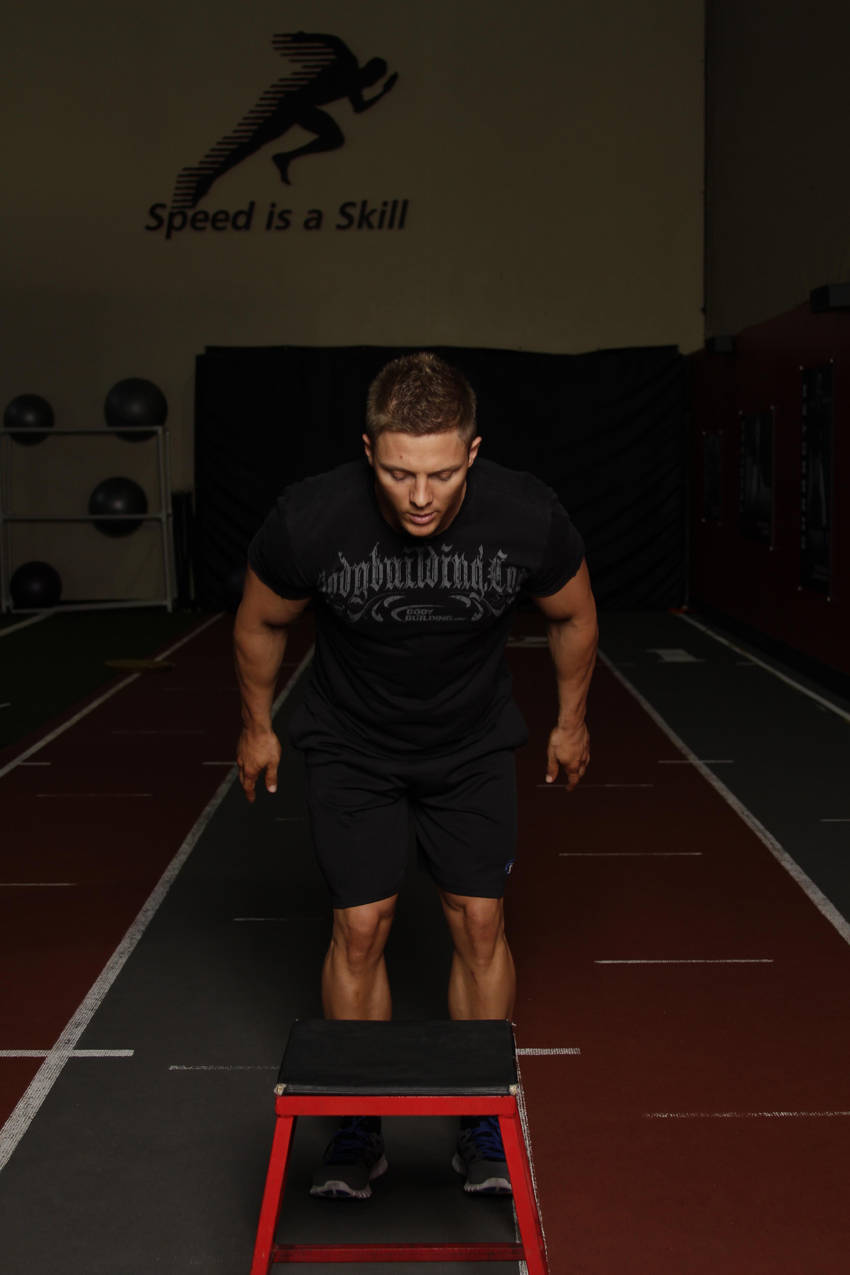
- Primary muscle
- Glutes
- Equipment
- Other
- Difficulty
- Intermediate
- Type
- Compound
Secondary muscles: Abductors, Adductors, Calves, Glutes, Quadriceps
How to perform Box Jump (Multiple Response)
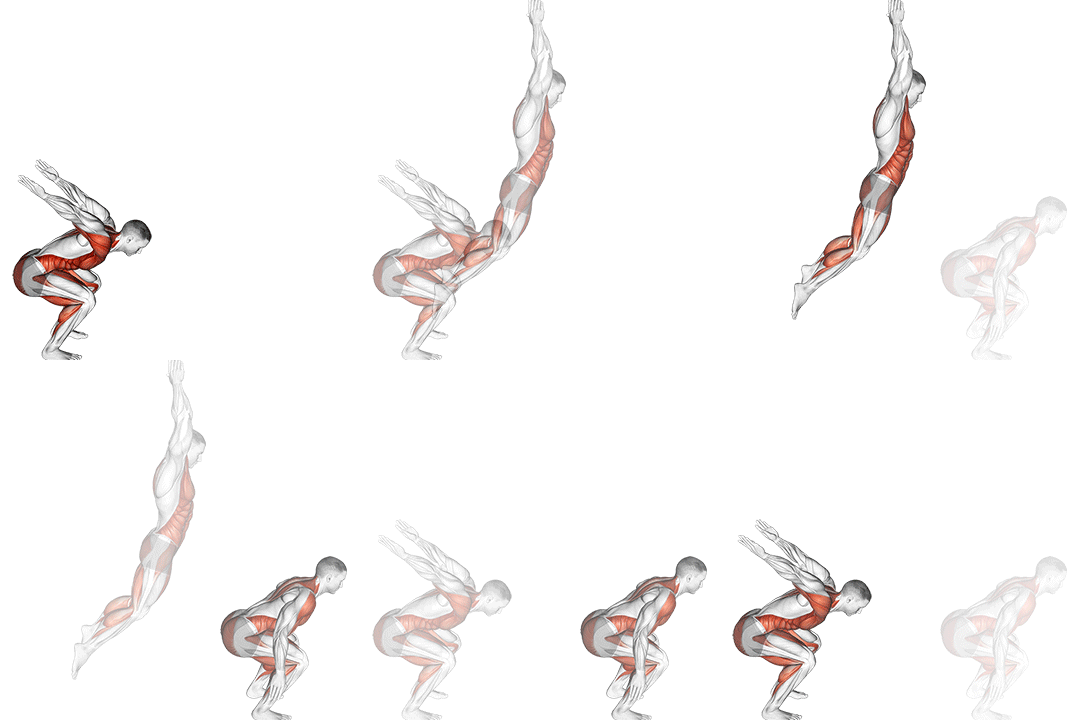
- Assume a relaxed stance facing the box or platform approximately an arm's length away. Arms should be down at the sides and legs slightly bent.
- Using the arms to aid in the initial burst, jump upward and forward, landing with feet simultaneously on top of the box or platform.
- Immediately drop or jump back down to the original starting place; then repeat the sequence.
Ranked Box Jump (Multiple Response) Alternatives
10 substitutes, ranked by how closely each one matches the Box Jump (Multiple Response) on movement pattern, muscles worked, equipment and body position. The higher the score, the less you change. Open "How to perform this exercise" on a card for the steps; every card title links to that exercise's own alternatives page.
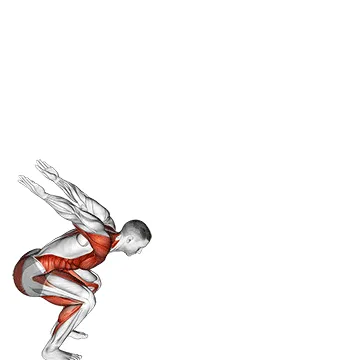
Best match 1. Jump Squat
94% match- Glutes
- Bodyweight
- Intermediate
- Compound
A straight swap when you want to keep working the glutes.
How to perform this exercise
- Stand with your feet shoulder-width apart.
- Lower your body into a squat position by bending your knees and pushing your hips back.
- Jump explosively off the ground, extending your hips, knees, and ankles.
- While in mid-air, quickly bring your arms forward for balance.
- Land softly on the balls of your feet and immediately go into the next repetition.
- Repeat for the desired number of repetitions.
Sets and reps: 3 or 4 sets of 6 to 10 reps.
Why this matches
- Primary muscle: glutes, the same as the Box Jump (Multiple Response)
- Equipment: bodyweight only, the same as the Box Jump (Multiple Response)
- Body position: standing, the same as the Box Jump (Multiple Response)
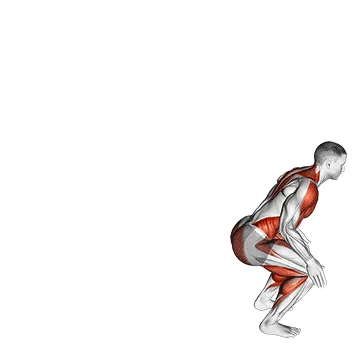
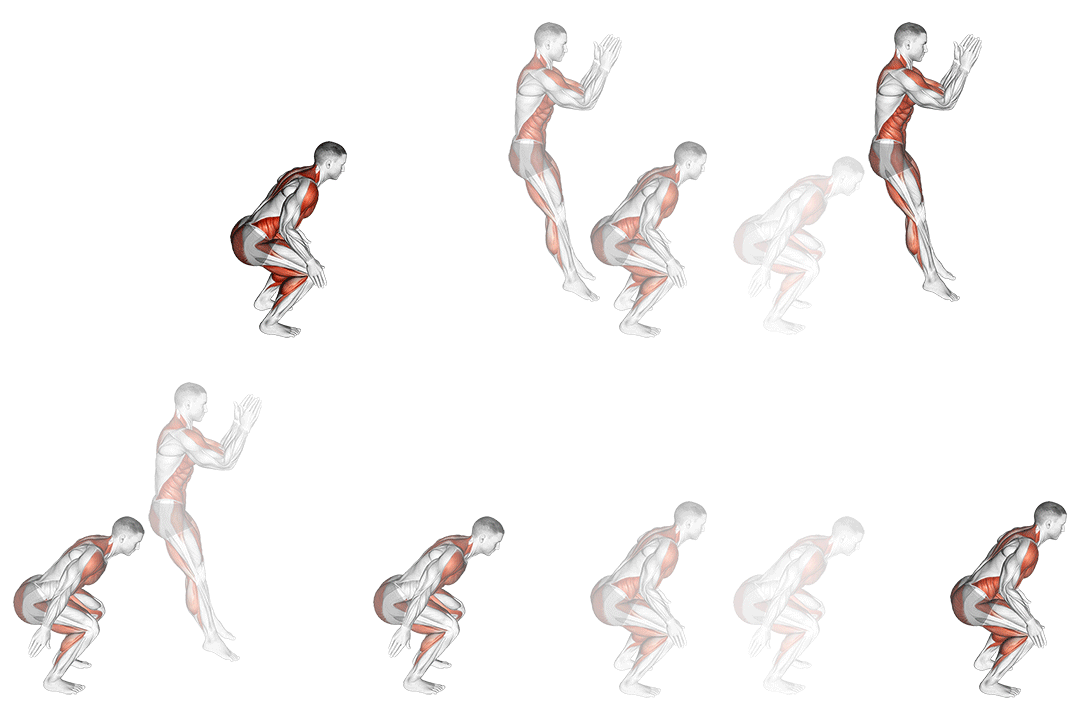
2. Bodyweight Drop Jump Squat
90% match- Glutes
- Bodyweight
- Intermediate
- Compound
How to perform this exercise
- Stand with your feet shoulder-width apart.
- Lower your body into a squat position by bending your knees and pushing your hips back.
- Jump up explosively, extending your hips, knees, and ankles.
- While in mid-air, quickly bring your feet together.
- Land softly on the balls of your feet and immediately drop back into a squat position.
- Repeat for the desired number of repetitions.
Sets and reps: 3 or 4 sets of 6 to 10 reps.
Why this matches
- Primary muscle: glutes, the same as the Box Jump (Multiple Response)
- Equipment: bodyweight only, the same as the Box Jump (Multiple Response)
- Body position: standing, the same as the Box Jump (Multiple Response)
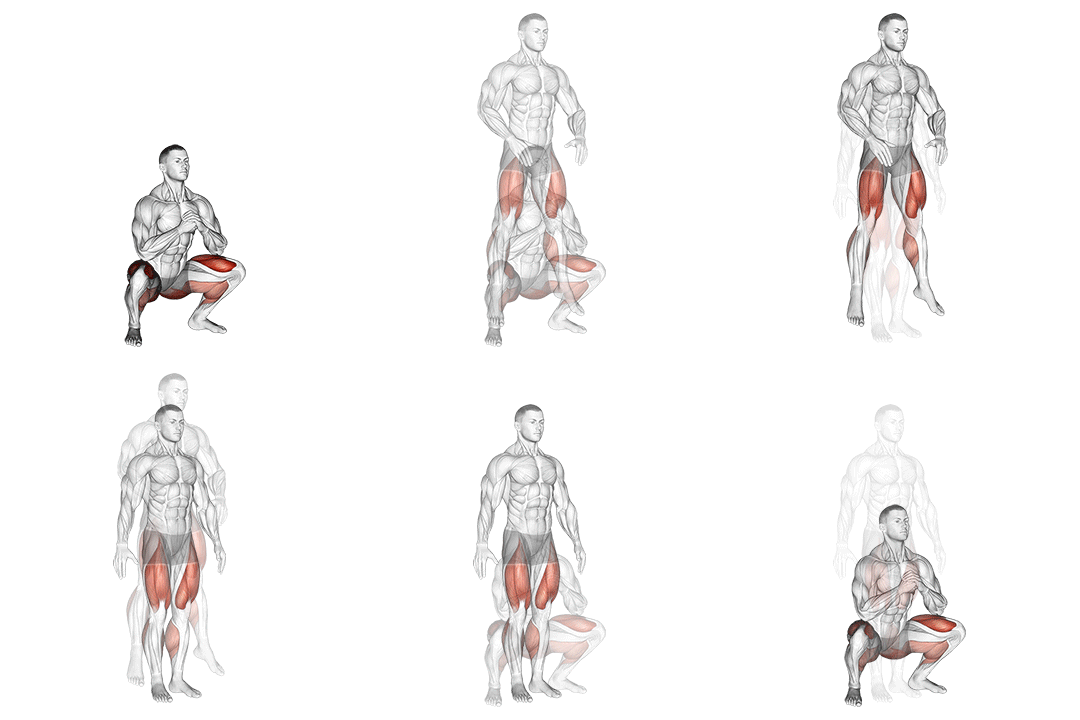
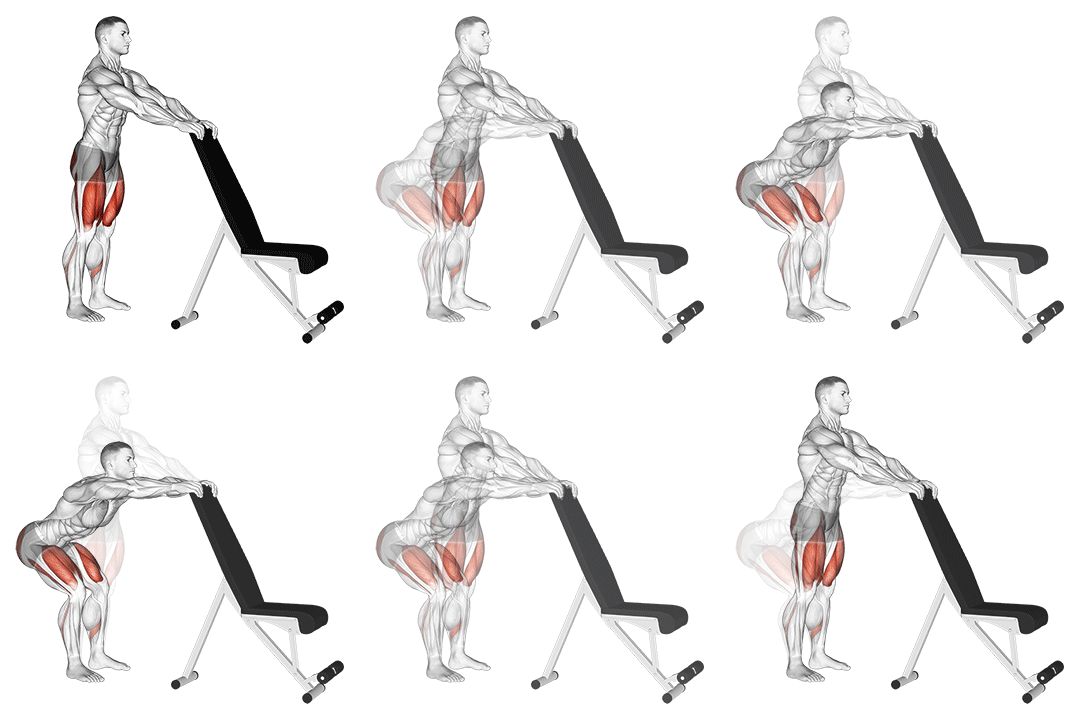
3. Potty Squat With Support
86% match- Glutes
- Bodyweight
- Beginner
- Compound
Pick this when you want an easier version that still works the glutes.
How to perform this exercise
- Stand with your feet shoulder-width apart, toes pointing slightly outward.
- Hold onto a stable support, such as a chair or wall, for balance.
- Lower your body down into a squat position by bending your knees and pushing your hips back.
- Keep your chest up and your back straight throughout the movement.
- Pause for a moment at the bottom, then push through your heels to return to the starting position.
- Repeat for the desired number of repetitions.
Sets and reps: 3 sets of 8 to 12 reps, and add reps before you add load.
Why this matches
- Primary muscle: glutes, the same as the Box Jump (Multiple Response)
- Equipment: bodyweight only, the same as the Box Jump (Multiple Response)
- Body position: standing, the same as the Box Jump (Multiple Response)
- Balance: easier to stay steady on than the Box Jump (Multiple Response)
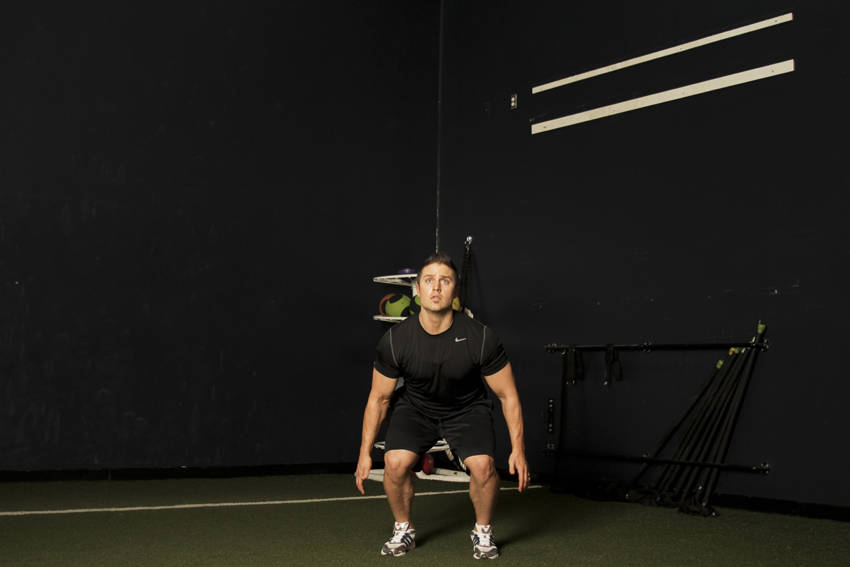
4. Rocket Jump
85% match- Quads
- Bodyweight
- Advanced
- Compound
A looser match: it works the quads rather than the glutes.
How to perform this exercise
- Begin in a relaxed stance with your feet shoulder width apart and hold your arms close to the body.
- To initiate the move, squat down halfway and explode back up as high as possible.
- Fully extend your entire body, reaching overhead as far as possible. As you land, absorb your impact through the legs.
Sets and reps: 3 or 4 sets of 6 to 10 reps.
Why this matches
- Primary muscle: quads, not glutes
- Equipment: bodyweight only, the same as the Box Jump (Multiple Response)
- Body position: standing, the same as the Box Jump (Multiple Response)
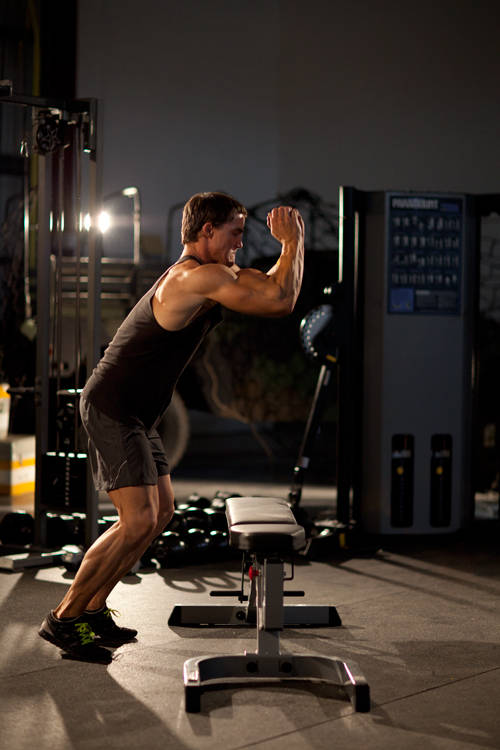
5. Bench Jump
84% match- Quads
- Bodyweight
- Intermediate
- Compound
How to perform this exercise
- Begin with a box or bench 1-2 feet in front of you. Stand with your feet shoulder width apart. This will be your starting position.
- Perform a short squat in preparation for the jump; swing your arms behind you.
- Rebound out of this position, extending through the hips, knees, and ankles to jump as high as possible. Swing your arms forward and up.
- Jump over the bench, landing with the knees bent, absorbing the impact through the legs.
- Turn around and face the opposite direction, then jump back over the bench.
Sets and reps: 3 or 4 sets of 6 to 10 reps.
Why this matches
- Primary muscle: quads, not glutes
- Equipment: bodyweight only, the same as the Box Jump (Multiple Response)
- Body position: standing, the same as the Box Jump (Multiple Response)
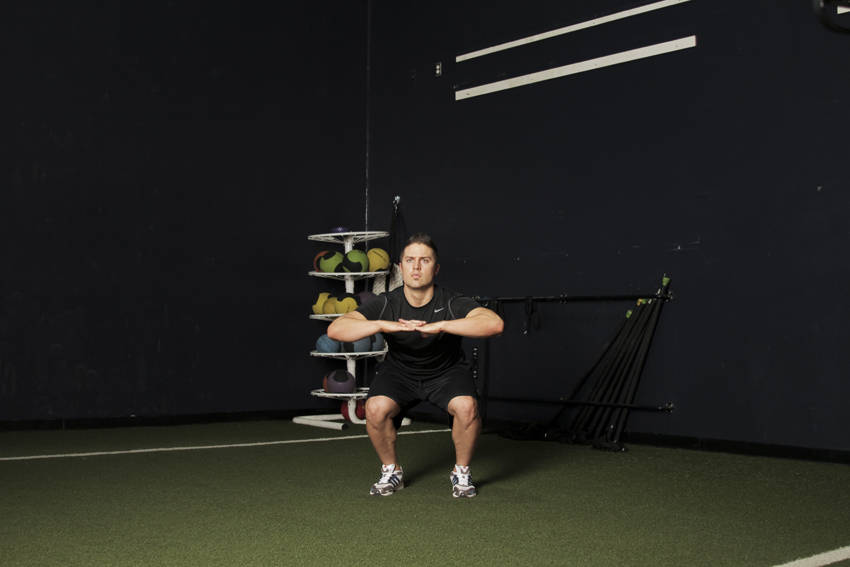
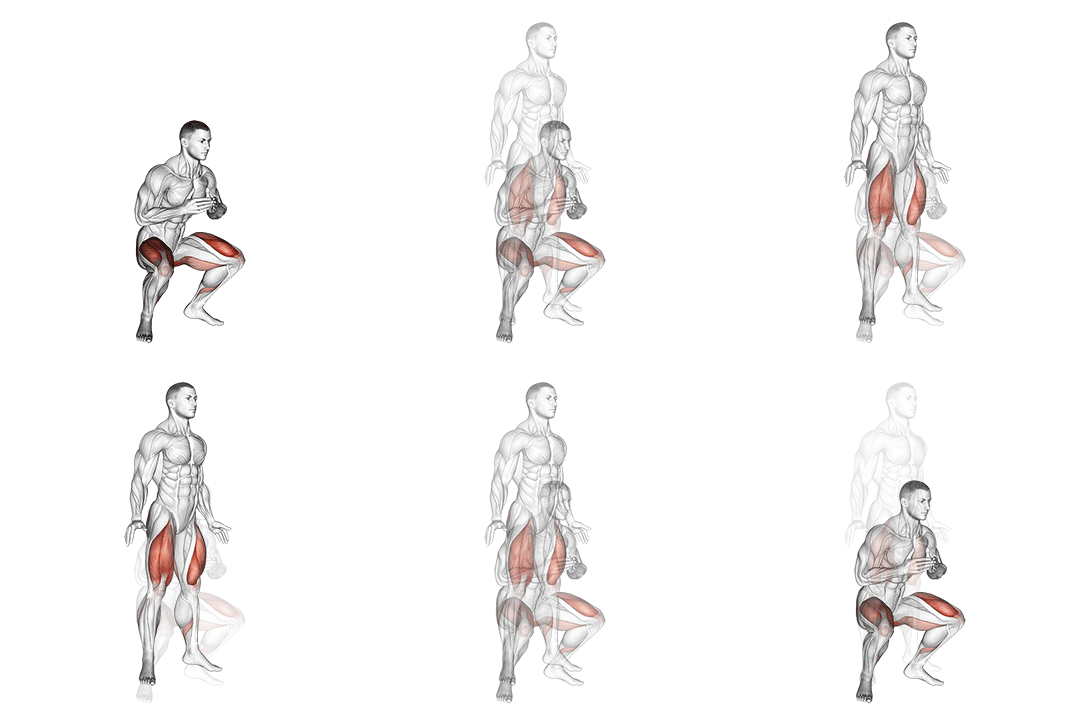
6. Knee Tuck Jump
84% match- Hamstrings
- Bodyweight
- Intermediate
- Compound
A looser match: it works the hamstrings rather than the glutes.
How to perform this exercise
- Begin in a comfortable standing position with your knees slightly bent. Hold your hands in front of you, palms down with your fingertips together at chest height. This will be your starting position.
- Rapidly dip down into a quarter squat and immediately explode upward. Drive the knees towards the chest, attempting to touch them to the palms of the hands.
- Jump as high as you can, raising your knees up, and then ensure a good land be re-extending your legs, absorbing impact through be allowing the knees to rebend.
Sets and reps: 3 or 4 sets of 6 to 10 reps.
Why this matches
- Primary muscle: hamstrings, not glutes
- Equipment: bodyweight only, the same as the Box Jump (Multiple Response)
- Body position: standing, the same as the Box Jump (Multiple Response)
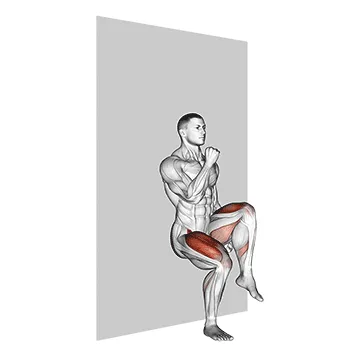
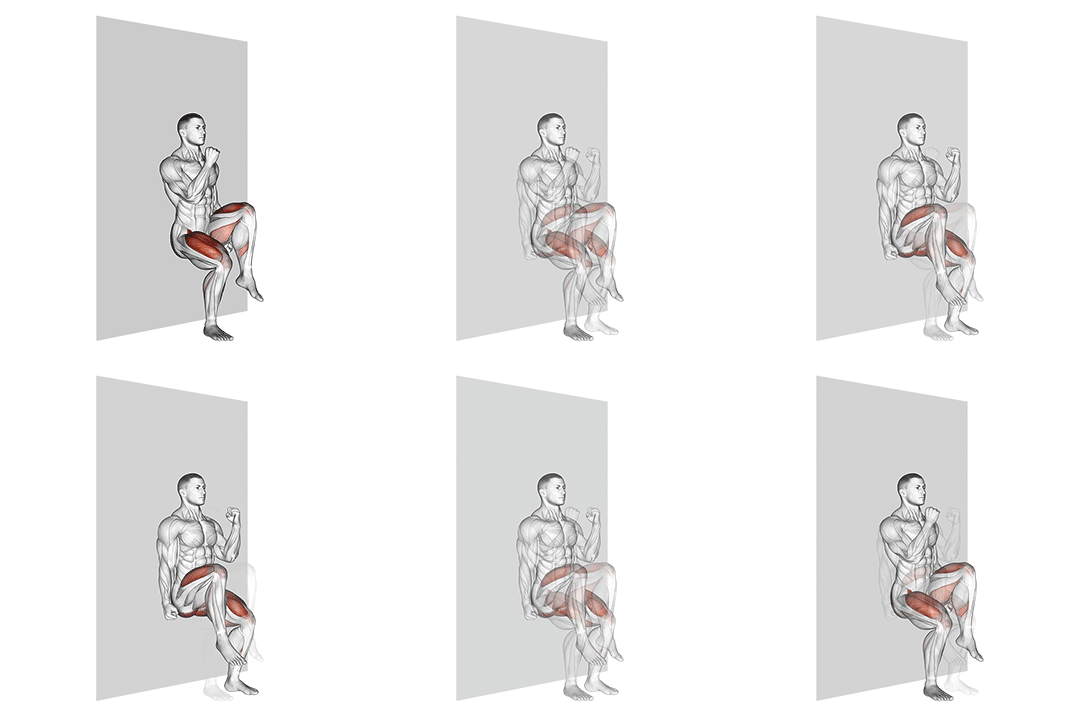
7. March Sit (Wall)
84% match- Glutes
- Bodyweight
- Beginner
- Compound
Pick this when you want an easier version that works the glutes one side at a time.
How to perform this exercise
- Stand with your back against a wall and your feet hip-width apart.
- Slowly slide your back down the wall until your knees are bent at a 90-degree angle.
- Lift your right foot off the ground and bring your knee towards your chest.
- Lower your right foot back down and lift your left foot off the ground, bringing your knee towards your chest.
- Continue alternating between lifting your right and left foot for the desired number of repetitions.
Sets and reps: 3 sets of 8 to 12 reps on each side, and add reps before you add load.
Why this matches
- Primary muscle: glutes, the same as the Box Jump (Multiple Response)
- Equipment: bodyweight only, the same as the Box Jump (Multiple Response)
- Body position: standing, the same as the Box Jump (Multiple Response)
- Balance: easier to stay steady on than the Box Jump (Multiple Response)
8. Backward Jump
84% match- Quads
- Bodyweight
- Intermediate
- Compound
How to perform this exercise
- Stand with your feet shoulder-width apart.
- Bend your knees slightly and jump backwards, pushing off with both feet.
- Land softly on the balls of your feet, bending your knees to absorb the impact.
- Repeat for the desired number of repetitions.
Sets and reps: 3 or 4 sets of 6 to 10 reps.
Why this matches
- Primary muscle: quads, not glutes
- Equipment: bodyweight only, the same as the Box Jump (Multiple Response)
- Body position: standing, the same as the Box Jump (Multiple Response)
9. Forward Jump
84% match- Quads
- Bodyweight
- Intermediate
- Compound
How to perform this exercise
- Stand with your feet shoulder-width apart.
- Bend your knees and lower your body into a squat position.
- Swing your arms back for momentum.
- Jump forward explosively, extending your hips, knees, and ankles.
- Land softly on the balls of your feet and immediately go into the next jump.
- Repeat for the desired number of repetitions.
Sets and reps: 3 or 4 sets of 6 to 10 reps.
Why this matches
- Primary muscle: quads, not glutes
- Equipment: bodyweight only, the same as the Box Jump (Multiple Response)
- Body position: standing, the same as the Box Jump (Multiple Response)
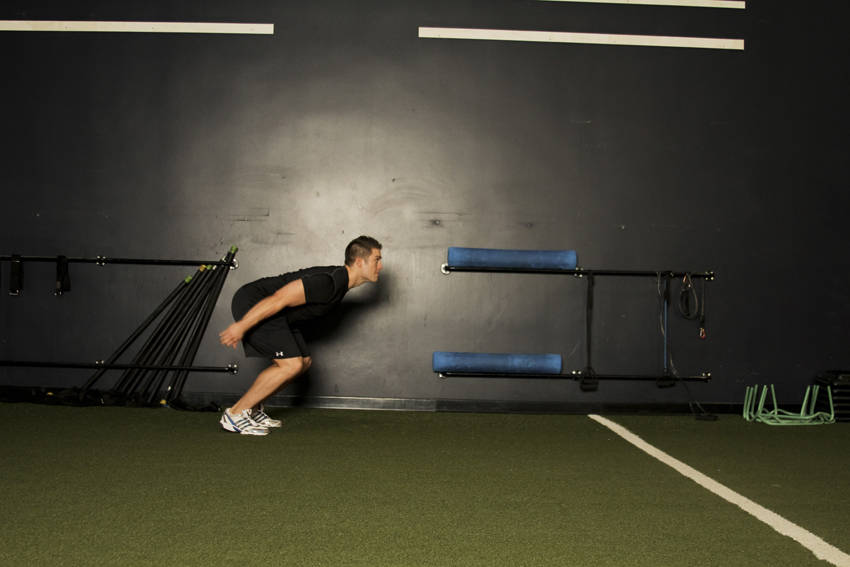
10. Standing Long Jump
79% match- Quadriceps
- Bodyweight
- Advanced
- Compound
How to perform this exercise
- This drill is best done in sand or other soft landing surface. Ensure that you are able to measure distance. Stand in a partial squat stance with feet shoulder width apart.
- Utilizing a big arm swing and a countermovement of the legs, jump forward as far as you can.
- Attempt to land with your feet out in front you, reaching as far as possible with your legs.
- Measure the distance from your landing point to the starting point and track results.
Sets and reps: 3 or 4 sets of 6 to 10 reps.
Why this matches
- Primary muscle: quadriceps, not glutes
- Equipment: bodyweight only, the same as the Box Jump (Multiple Response)
- Body position: standing, the same as the Box Jump (Multiple Response)
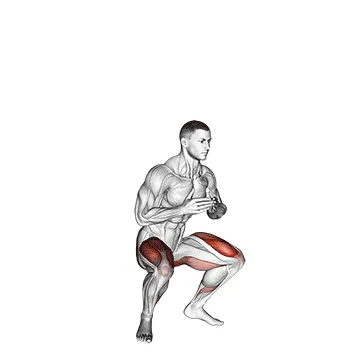
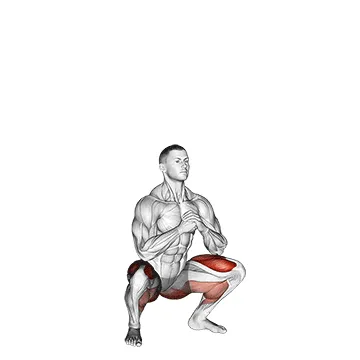
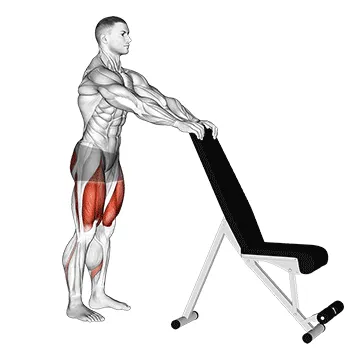
Why You Might Need a Box Jump (Multiple Response) Alternative
You might substitute box jumps because you lack a safe box, suffer knee or ankle issues, or need a lower-impact or more loadable option for strength and hypertrophy. Substitute exercises let you preserve the primary movement pattern, rapid hip extension, while reducing landing stress or increasing time under tension. For rehab or beginners, choose single-leg step-ups to isolate glute activation: drive through the heel, extend the hip fully, and control the eccentric descent. For power work, pick broad jumps and cue a strong hip hinge and arm drive to emphasize posterior chain recruitment and explosive triple extension.
Box Jump (Multiple Response) FAQ
What muscles does Box Jump (multiple Response) work?
Box jumps primarily target the glutes and upper-leg musculature through explosive hip extension, with secondary activation of quadriceps, hamstrings, and calves. The movement depends on triple extension, hip, knee, and ankle, to generate vertical force.
What is the best bodyweight alternative to Box Jump (multiple Response)?
The best bodyweight alternative is the broad jump for horizontal power or the jump squat for vertical power. Cue a solid hip hinge, drive through the glutes and midfoot at takeoff, and land with soft knee flexion to maintain posterior chain activation and protect joints.
Find Alternatives for Any Exercise
Search the exercise database and filter the ranked substitutes by the equipment you own.
Similarity scores compare exercise metadata such as movement pattern, muscles, equipment and body position. They are not a safety rating or a check that you own the equipment. Learn about our methodology