

10 Best Chest Push (Multiple Response) Alternatives for Limited Equipment
What can I do instead of Chest Push (multiple Response)? Use horizontal-pressing options that load the pectorals and keep the press pattern: barbell bench press, dumbbell floor press, weighted push-ups, cable chest press, or single-arm landmine press. Cue: retract the scapulae, press through the mid-chest, and control the eccentric phase.
Original Exercise: Chest Push (Multiple Response)
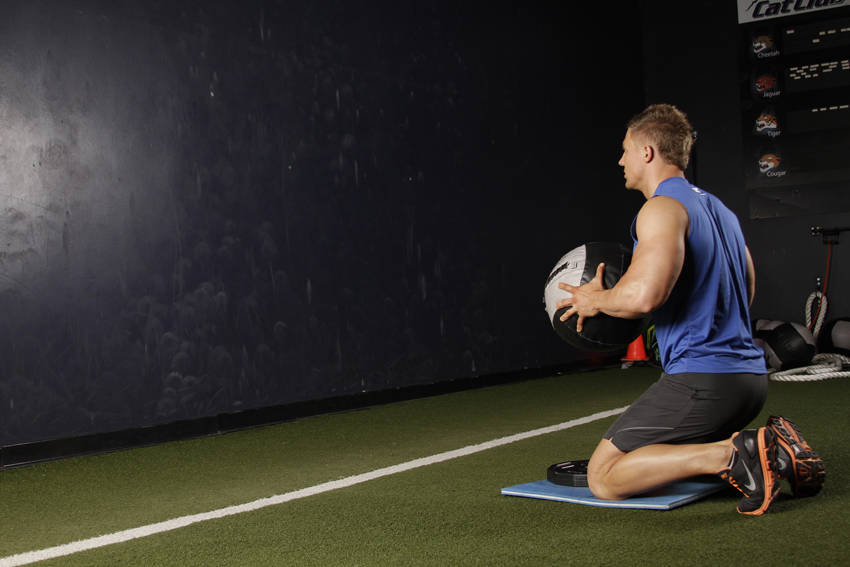
How to Perform Chest Push (Multiple Response)
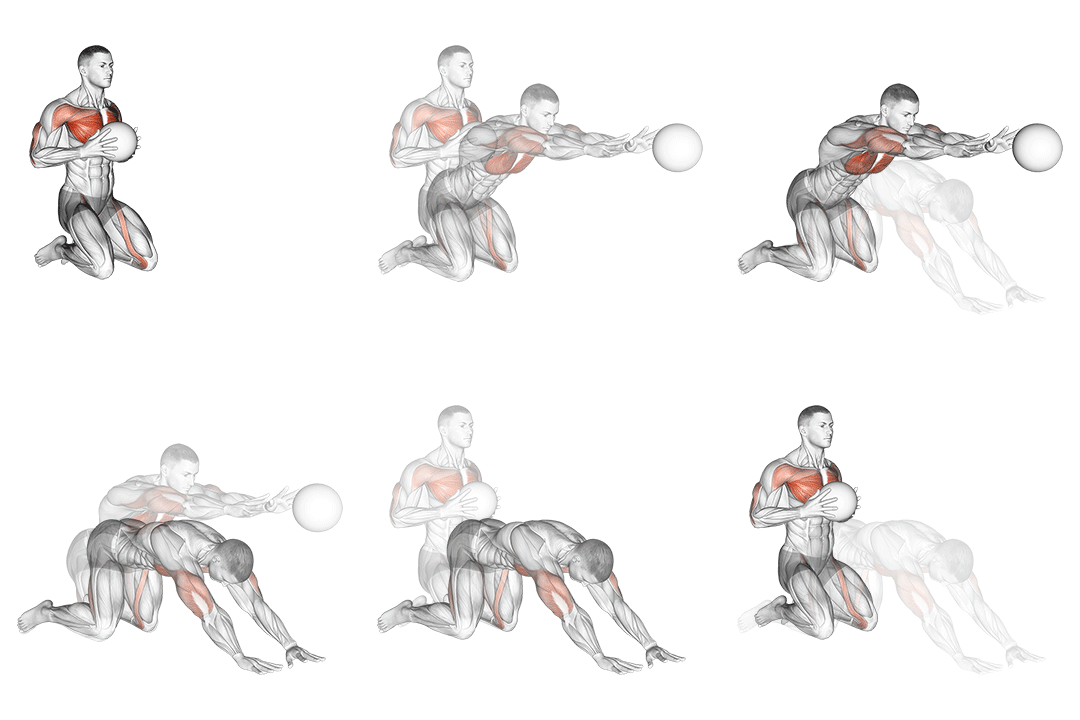
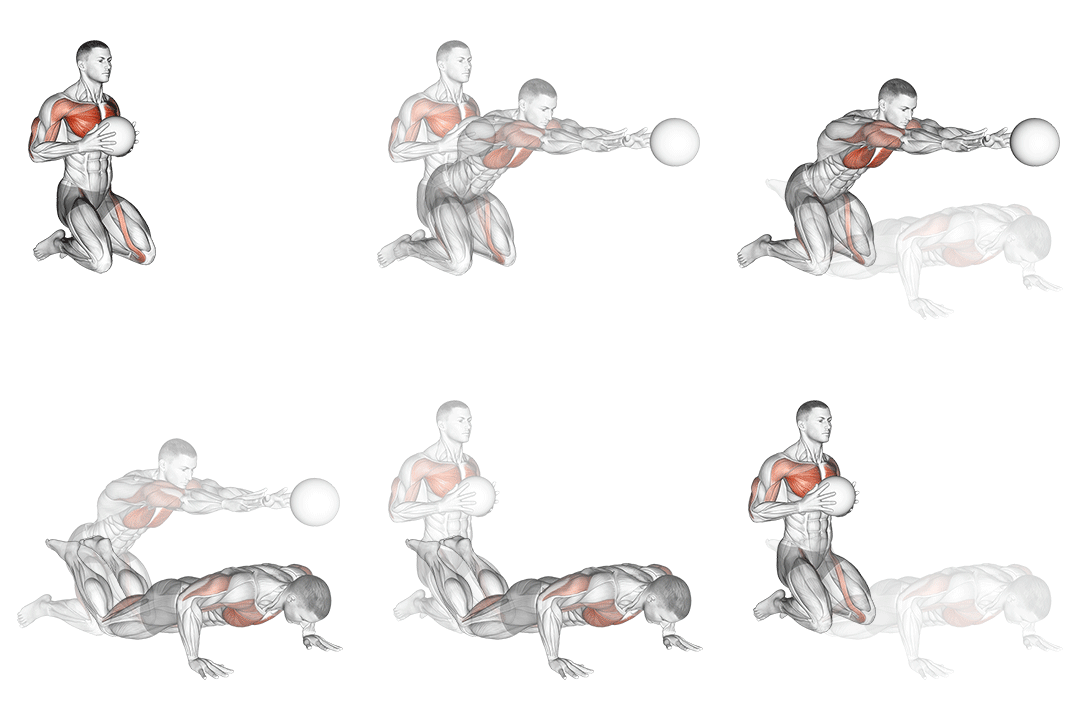
- Begin in a kneeling position facing a wall or utilize a partner. Hold the ball with both hands tight into the chest.
- Execute the pass by exploding forward and outward with the hips while pushing the ball as hard as possible.
- Follow through by falling forward, catching yourself with your hands.
- Immediately return to an upright position. Repeat for the desired number of repetitions.
Pro Tips
- Category: Plyometrics
- Force: Push
- Movement type: Compound
Ranked Chest Push (Multiple Response) Alternatives
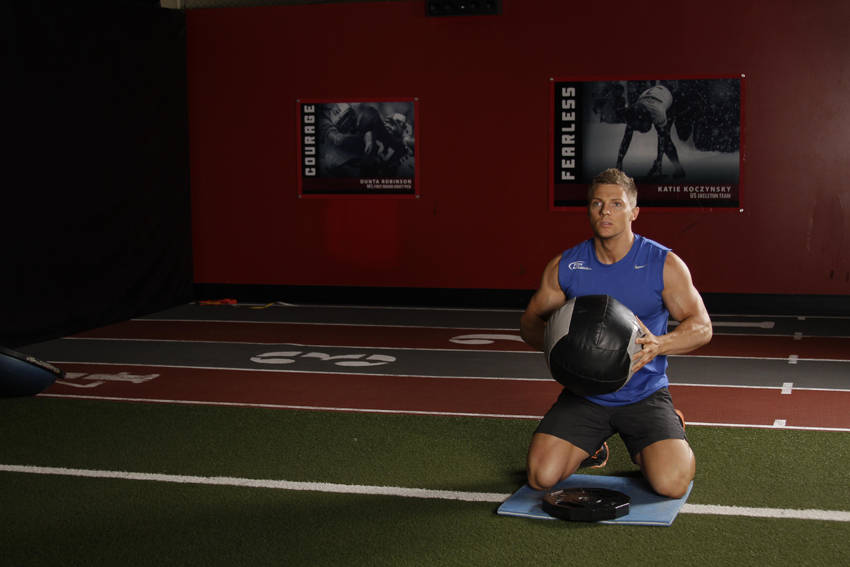
1. Chest Push (single Response)
99.3% MatchHow to perform this exercise
- Begin in a kneeling position holding the medicine ball with both hands tightly into the chest.
- Execute the pass by exploding forward and outward with the hips while pushing the ball as far as possible.
- Follow through by falling forward, catching yourself with your hands.
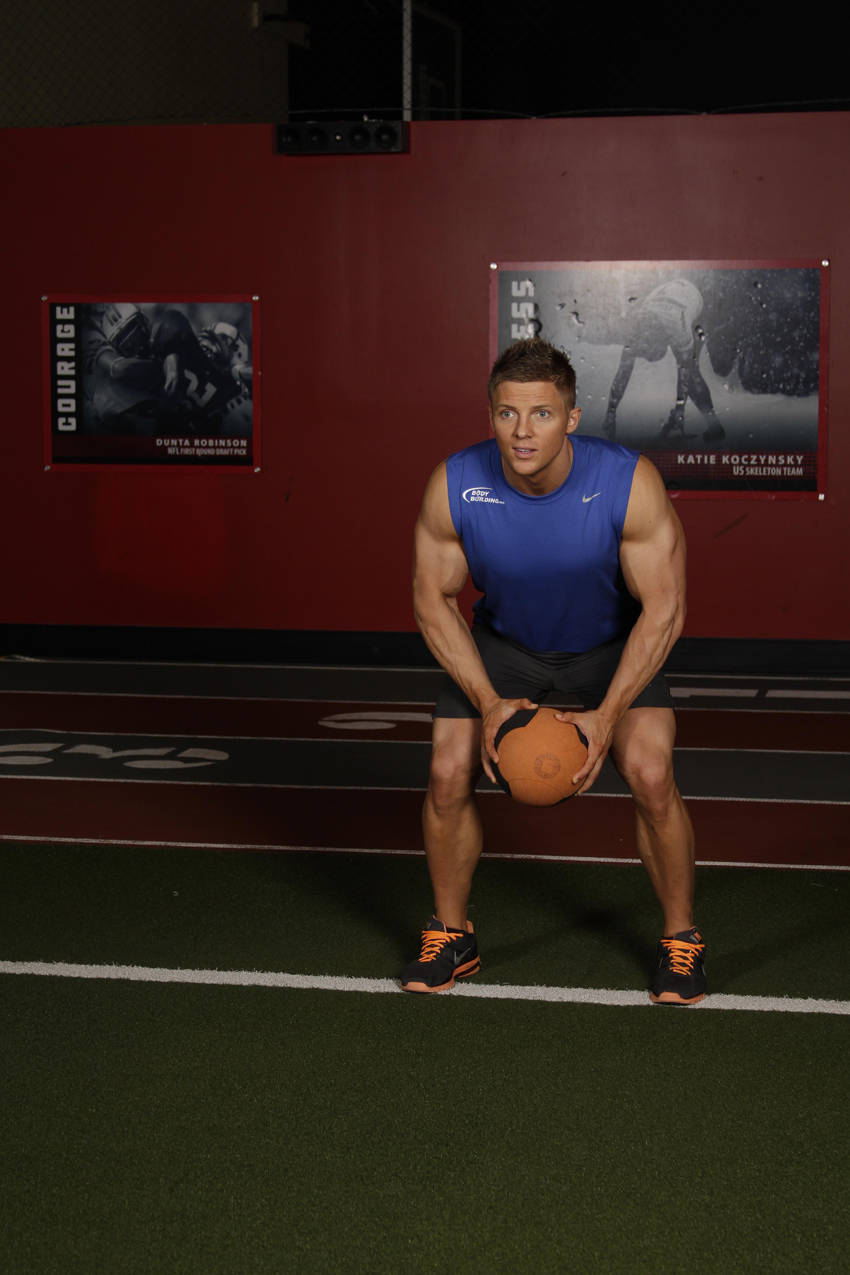
2. Chest Push With Run Release
98.7% MatchHow to perform this exercise
- Begin in an athletic stance with the knees bent, hips back, and back flat. Hold the medicine ball near your legs. This will be your starting position.
- While taking your first step draw the medicine ball into your chest.
- As you take the second step, explosively push the ball forward, immediately sprinting for 10 yards after the release. If you are really fast, you can catch your own pass!
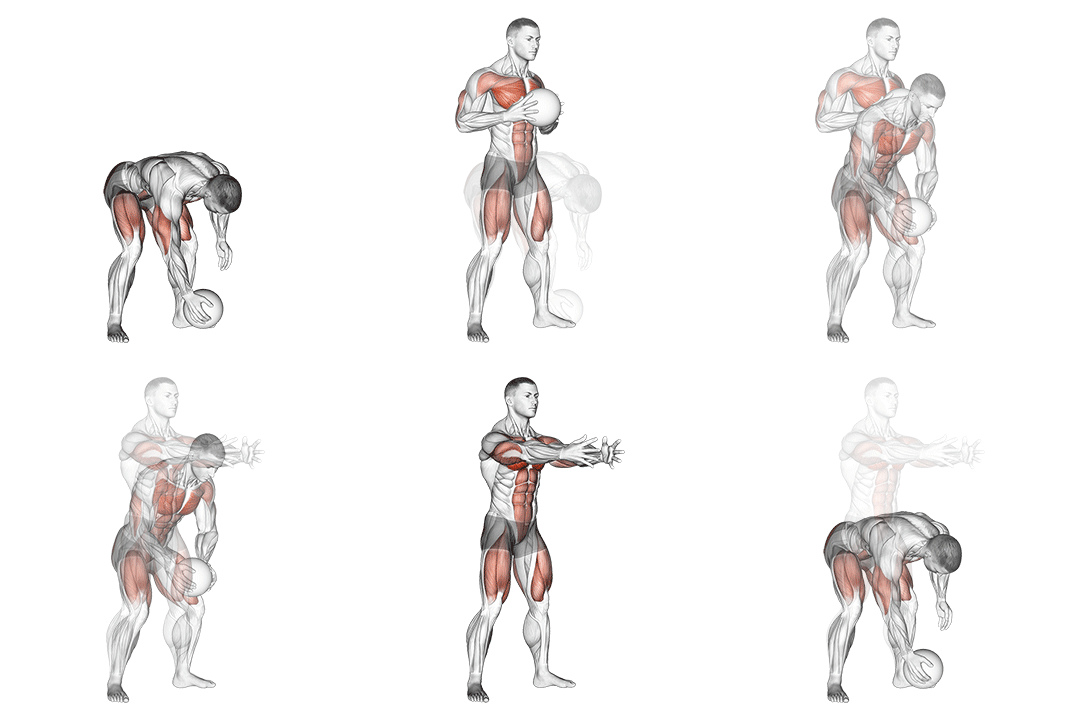
3. Medicine Ball Chest Push From 3 Point Stance
95.1% MatchHow to perform this exercise
- Start in a 3 point stance with one hand on the medicine ball and the other hand on the ground.
- Extend your legs and position your body in a straight line.
- Lower your chest towards the ground while keeping your back straight.
- Push the medicine ball away from your body, extending your arm fully.
- Return to the starting position and repeat for the desired number of repetitions.
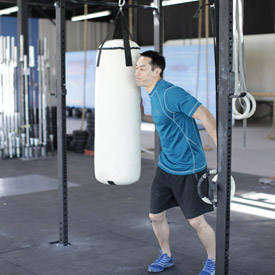
4. Heavy Bag Thrust
93.7% MatchHow to perform this exercise
- Utilize a heavy bag for this exercise. Assume an upright stance next to the bag, with your feet staggered, fairly wide apart. Place your hand on the bag at about chest height. This will be your starting position.
- Begin by twisting at the waist, pushing the bag forward as hard as possible. Perform this move quickly, pushing the bag away from your body.
- Receive the bag as it swings back by reversing these steps.
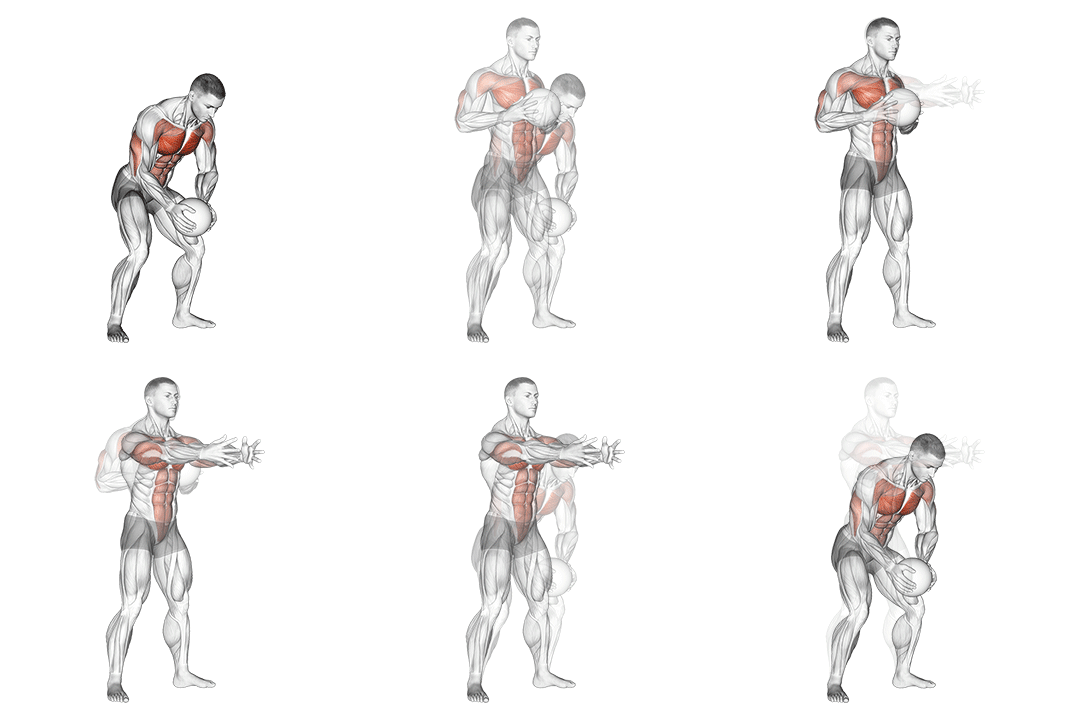
5. Medicine Ball Chest Push With Run Release
93.5% MatchHow to perform this exercise
- Stand with your feet shoulder-width apart, holding a medicine ball at chest level.
- Step forward with your right foot and simultaneously push the medicine ball forward, extending your arms fully.
- As you push the ball forward, release it and let it roll forward.
- Quickly run forward and catch the ball before it hits the ground.
- Once you catch the ball, bring it back to your chest and repeat the movement with your left foot forward.
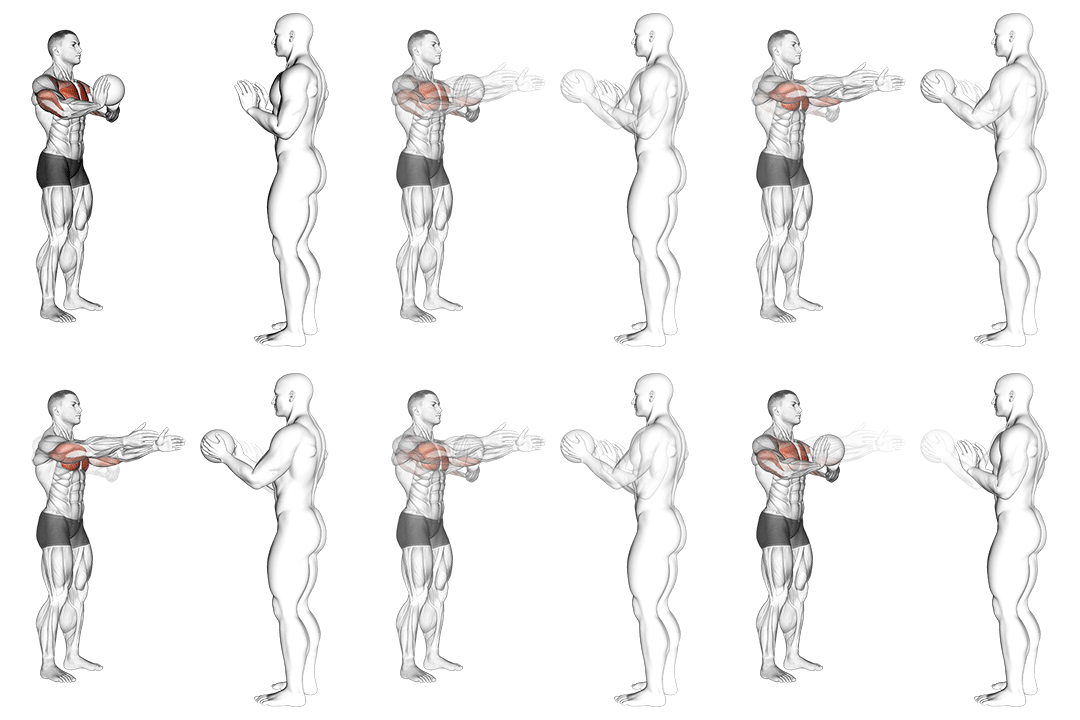
6. Medicine Ball Chest Pass
92.9% MatchHow to perform this exercise
- Stand with your feet shoulder-width apart, holding the medicine ball at chest level.
- Extend your arms forward, pushing the medicine ball away from your chest with force.
- As you release the ball, follow through with your arms and torso, transferring your weight from your back foot to your front foot.
- Catch the ball as it rebounds off the wall or partner, and immediately repeat the movement.
- Continue for the desired number of repetitions.
7. Medicine Ball Chest Push Multiple Response
92.9% MatchHow to perform this exercise
- Stand with your feet shoulder-width apart, holding a medicine ball at chest level.
- Extend your arms forward, pushing the medicine ball away from your chest.
- Pause for a moment, then slowly bring the medicine ball back to your chest.
- Repeat for the desired number of repetitions.
8. Medicine Ball Chest Push Single Response
92.9% MatchHow to perform this exercise
- Stand with your feet shoulder-width apart, holding the medicine ball at chest level.
- Extend your arms forward, pushing the medicine ball away from your chest.
- Pause for a moment, then slowly bring the medicine ball back to your chest.
- Repeat for the desired number of repetitions.
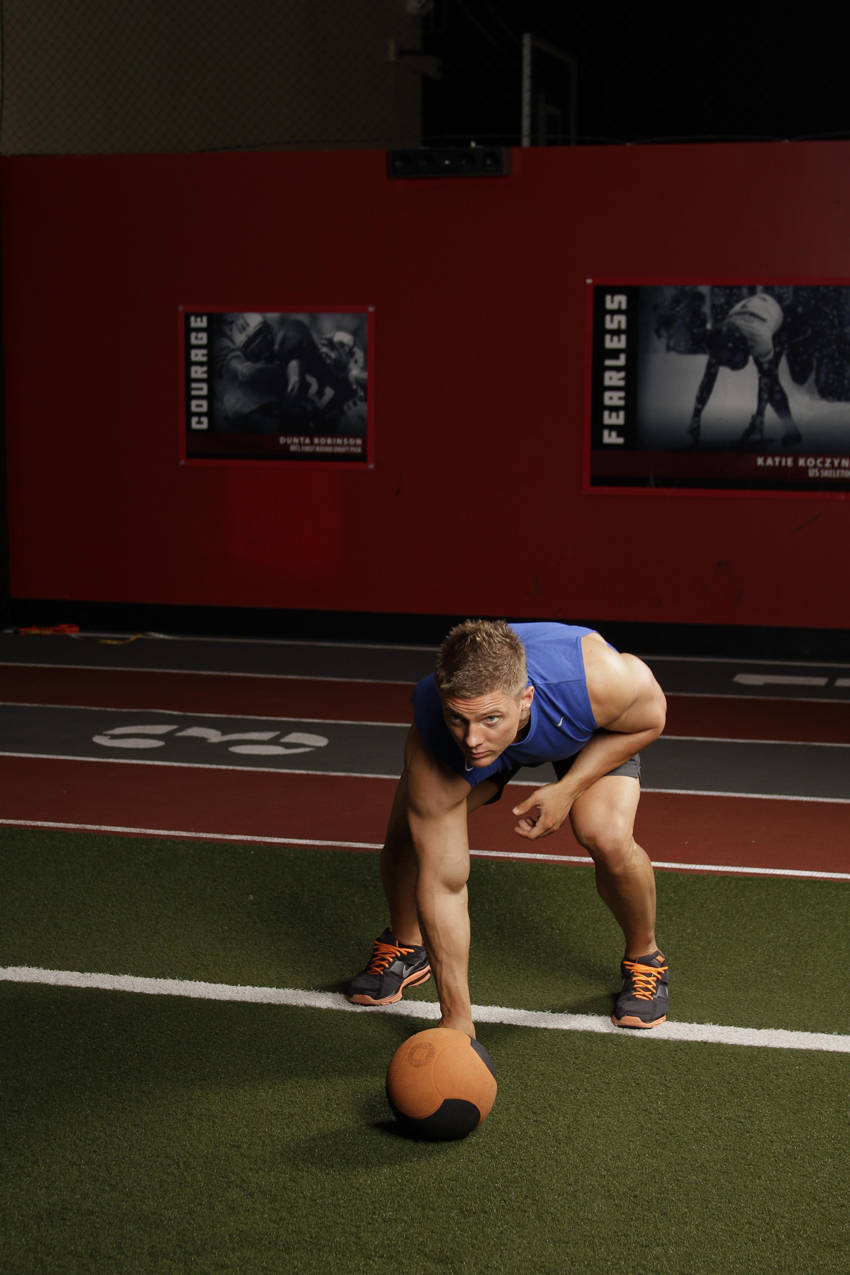
9. Chest Push From 3 Point Stance
92.6% MatchHow to perform this exercise
- Begin in a three point stance, squatted down with your back flat and one hand on the ground. Place the medicine ball directly in front of you.
- To begin, take your first step as you pull the ball to your chest, positioning both hands to prepare for the throw.
- As you execute the second step, explosively release the ball forward as hard as possible.
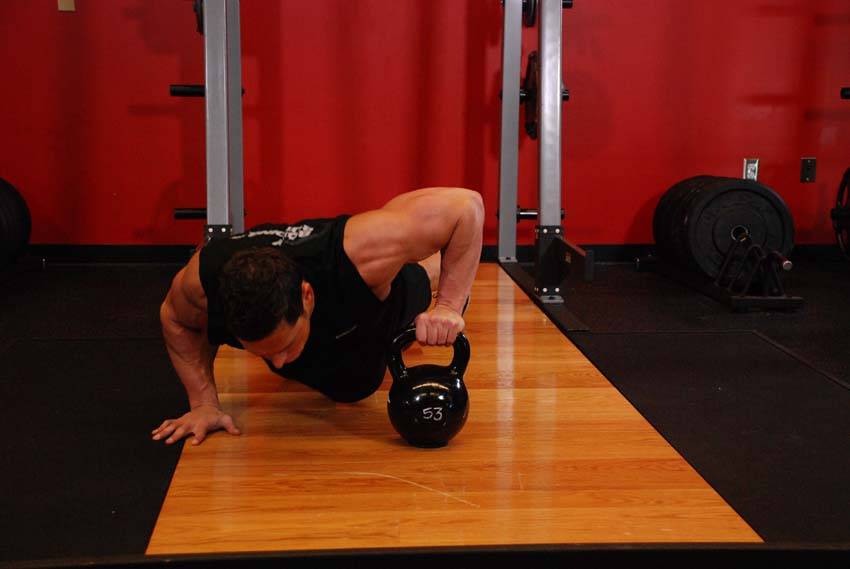
10. Plyo Kettlebell Pushups
90.3% MatchHow to perform this exercise
- Place a kettlebell on the floor. Place yourself in a pushup position, on your toes with one hand on the ground and one hand holding the kettlebell, with your elbows extended. This will be your starting position.
- Begin by lowering yourself as low as you can, keeping your back straight.
- Quickly and forcefully reverse direction, pushing yourself up to the other side of the kettlebell, switching hands as you do so. Continue the movement by descending and repeating the movement back and forth.
Why You Might Need a Chest Push (Multiple Response) Alternative
You may need substitutes when a medicine ball isn’t available, if you have shoulder pain, or when you want more load or unilateral control. Chest Push emphasizes horizontal adduction and short-range explosive power; alternatives replicate that motor pattern while shifting load distribution between the sternal/clavicular heads of the pectoralis, anterior deltoid, and triceps. For example, a dumbbell floor press reduces shoulder extension and limits impingement risk, tuck elbows about 45 degrees to offload the joint. Alternatively, cables allow constant tension and safer scapular positioning for those rehabbing the shoulder.
How to Choose the Right Substitute
Select a substitute based on your goal, equipment, and shoulder health. For strength and heavy loading choose barbell or dumbbell presses (cue: keep scapulae pinched and drive through the heel of the palm). For hypertrophy use cables or slow-tempo push-ups to maximize time under tension (cue: 2–3 second eccentric). For power or sport transfer use explosive med-ball throws or medicine-ball chest passes with a stepped-back stance to allow full horizontal adduction. Prioritize range of motion, scapular control, and the ability to progressively overload while minimizing painful end-range shoulder positions.
Frequently Asked Questions
What muscles does Chest Push (multiple Response) work?
Chest Push primarily targets the pectoralis major (horizontal adduction) while recruiting the anterior deltoid and triceps for press completion. It also requires scapular stabilization from the serratus anterior; cue scapular protraction during the finish to feel that activation.
What is the best bodyweight alternative to Chest Push (multiple Response)?
Weighted or elevated push-ups are the best bodyweight substitute because they preserve the horizontal-press pattern and allow progressive overload. Cue: keep a 45-degree elbow tuck, lower until the chest approaches the hands, then drive through the palms while keeping the scapulae packed.
Can I build muscle without doing Chest Push (multiple Response)?
Yes, you can build pectoral mass using any progressive horizontal press that provides sufficient mechanical tension and volume. Focus on consistent overload with variations like barbell bench, dumbbell presses, and cable flyes; cue controlled eccentrics and full chest recruitment by feeling horizontal adduction.
More Exercise Alternatives
Find Alternatives for Any Exercise
Use the exercise substitution finder to compare ranked alternatives for your available equipment and training preference.
Try the Exercise Substitution Finder →