

10 Best Deadlift With Bands Alternatives for Limited Equipment
The Deadlift With Bands is done standing with a barbell. Ranked closest by our scoring: the Deadlift With Chains, the Deficit Deadlift and the Stiff Leg Barbell Good Morning.
Updated Ranked by our 12-factor similarity model How it works
Original Exercise: Deadlift With Bands
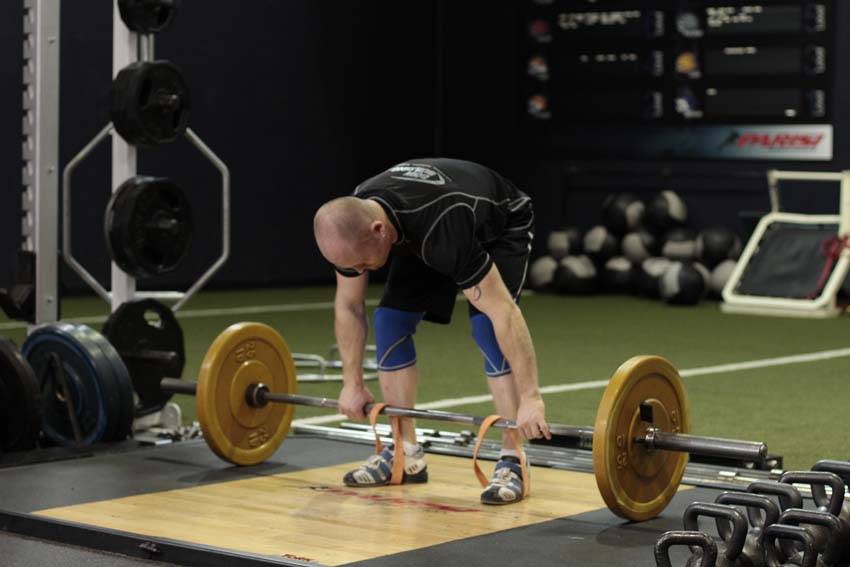
- Primary muscle
- Erector Spinae
- Equipment
- Barbell
- Difficulty
- Advanced
- Type
- Compound
Secondary muscles: Forearms, Glutes, Hamstrings, Middle Back, Quadriceps, Traps
How to perform Deadlift With Bands
- To deadlift with short bands, simply loop them over the bar before you start, and step into them to set up. For long bands, they will need to be anchored to a secure base, such as heavy dumbbells or a rack.
- With your feet, and your grip set, take a big breath and then lower your hips and bend the knees until your shins contact the bar. Look forward with your head, keep your chest up and your back arched, and begin driving through the heels to move the weight upward. After the bar passes the knees, aggressively pull the bar back, pulling your shoulder blades together as you drive your hips forward into the bar.
- Lower the bar by bending at the hips and guiding it to the floor.
Ranked Deadlift With Bands Alternatives
10 substitutes, ranked by how closely each one matches the Deadlift With Bands on movement pattern, muscles worked, equipment and body position. The higher the score, the less you change. Open "How to perform this exercise" on a card for the steps; every card title links to that exercise's own alternatives page.
Best match 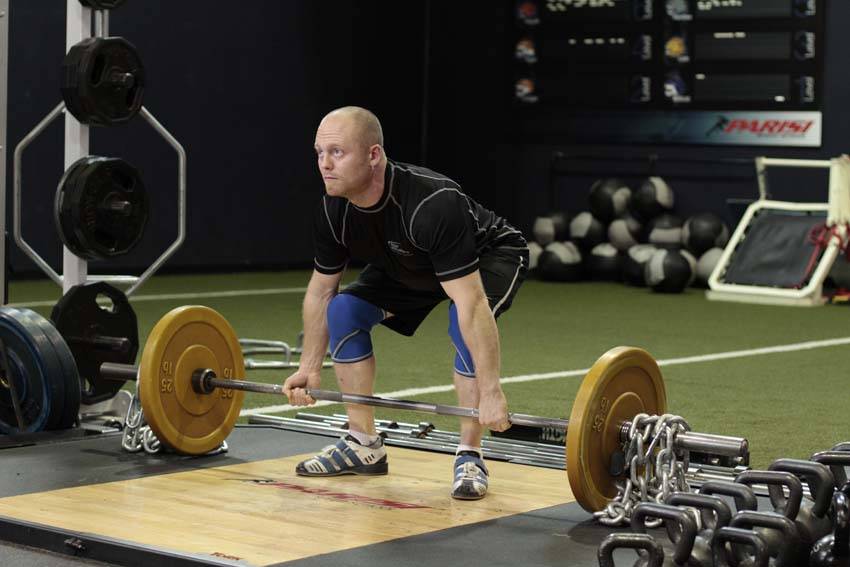
1. Deadlift With Chains
99% match- Erector Spinae
- Barbell
- Advanced
- Compound
It uses the same equipment and still works the erector spinae.
How to perform this exercise
- You can attach the chains to the sleeves of the bar, or just drape the middle over the bar so there is a greater weight increase as you lift.
- Approach the bar so that it is centered over your feet. You feet should be about hip width apart. Bend at the hip to grip the bar at shoulder width, allowing your shoulder blades to protract. Typically, you would use an overhand grip or an over/under grip on heavier sets. With your feet, and your grip set, take a big breath and then lower your hips and bend the knees until your shins contact the bar.
- Look forward with your head, keep your chest up and your back arched, and begin driving through the heels to move the weight upward. After the bar passes the knees, aggressively pull the bar back, pulling your shoulder blades together as you drive your hips forward into the bar.
- Lower the bar by bending at the hips and guiding it to the floor.
Sets and reps: 3 to 5 sets of 5 to 8 reps.
Why this matches
- Movement: deadlift hinge, the same as the Deadlift With Bands
- Primary muscle: erector spinae, the same as the Deadlift With Bands
- Equipment: free weights, the same as the Deadlift With Bands
- Body position: standing, the same as the Deadlift With Bands
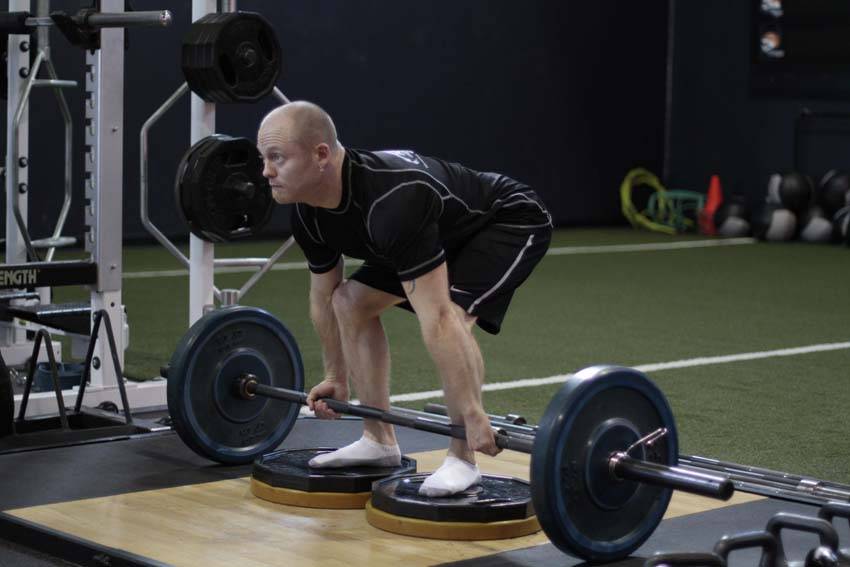
2. Deficit Deadlift
99% match- Erector Spinae
- Barbell
- Advanced
- Compound
How to perform this exercise
- Begin by having a platform or weight plates that you can stand on, usually 1-3 inches in height. Approach the bar so that it is centered over your feet. You feet should be about hip width apart. Bend at the hip to grip the bar at shoulder width, allowing your shoulder blades to protract. Typically, you would use an overhand grip or an over/under grip on heavier sets.
- With your feet, and your grip set, take a big breath and then lower your hips and bend the knees until your shins contact the bar. Look forward with your head, keep your chest up and your back arched, and begin driving through the heels to move the weight upward. After the bar passes the knees, aggressively pull the bar back, pulling your shoulder blades together as you drive your hips forward into the bar.
- Lower the bar by bending at the hips and guiding it to the floor.
Sets and reps: 3 to 5 sets of 5 to 8 reps.
Why this matches
- Movement: deadlift hinge, the same as the Deadlift With Bands
- Primary muscle: erector spinae, the same as the Deadlift With Bands
- Equipment: free weights, the same as the Deadlift With Bands
- Body position: standing, the same as the Deadlift With Bands
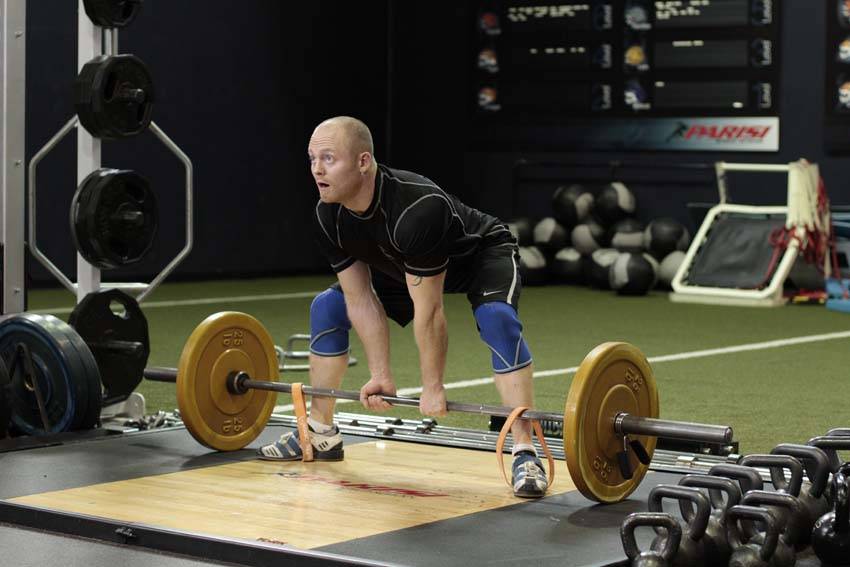
3. Sumo Deadlift With Bands
85% match- Hamstrings
- Barbell
- Advanced
- Compound
A looser match: it uses the same equipment, but it works the hamstrings rather than the erector spinae.
How to perform this exercise
- To deadlift with short bands, simply loop them over the bar before you start, and step into them to set up. Ensure that they under the back half of your foot, directly where you are driving into the floor.
- Begin with a bar loaded on the ground. Approach the bar so that the bar intersects the middle of the feet. The feet should be set very wide, near the collars. Bend at the hips to grip the bar. The arms should be directly below the shoulders, inside the legs, and you can use a pronated grip, a mixed grip, or hook grip.
- Take a breath, and then lower your hips, looking forward with your head with your chest up. Drive through the floor, spreading your feet apart, with your weight on the back half of your feet. Extend through the hips and knees.
- As the bar passes through the knees, lean back and drive the hips into the bar, pulling your shoulder blades together.
- Return the weight to the ground by bending at the hips and controlling the weight on the way down.
Sets and reps: 3 to 5 sets of 5 to 8 reps.
Why this matches
- Movement: deadlift hinge, the same as the Deadlift With Bands
- Primary muscle: hamstrings, not erector spinae
- Equipment: free weights, the same as the Deadlift With Bands
- Body position: standing, the same as the Deadlift With Bands
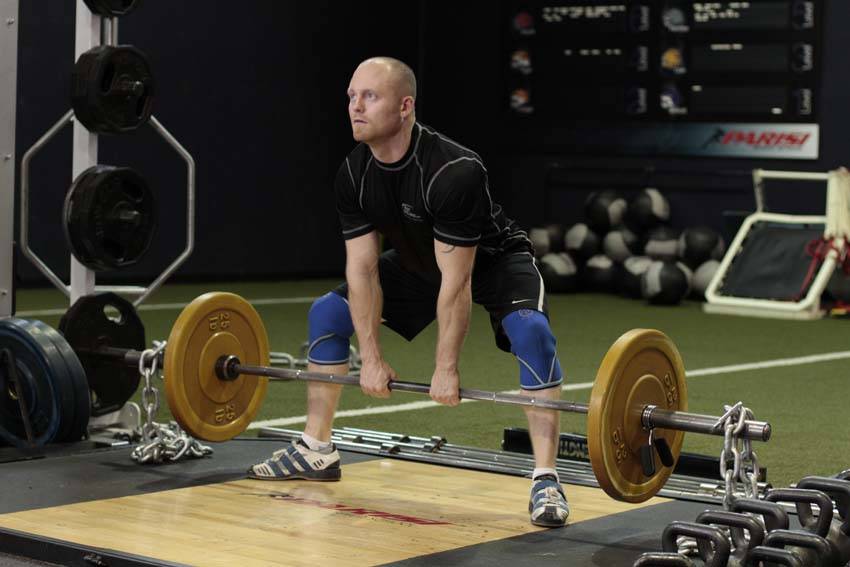
4. Sumo Deadlift With Chains
85% match- Hamstrings
- Barbell
- Advanced
- Compound
How to perform this exercise
- You can attach the chains to the sleeves of the bar, or just drape the middle over the bar so there is a greater weight increase as you lift. Attempt to keep the ends of the chains away from the plates so you don't hit them when you lower the weight.
- Begin with a bar loaded on the ground. Approach the bar so that the bar intersects the middle of the feet. The feet should be set very wide, near the collars. Bend at the hips to grip the bar. The arms should be directly below the shoulders, inside the legs, and you can use a pronated grip, a mixed grip, or hook grip. Relax the shoulders, which in effect lengthens your arms.
- Take a breath, and then lower your hips, looking forward with your head with your chest up. Drive through the floor, spreading your feet apart, with your weight on the back half of your feet. Extend through the hips and knees.
- As the bar passes through the knees, lean back and drive the hips into the bar, pulling your shoulder blades together.
- Return the weight to the ground by bending at the hips and controlling the weight on the way down.
Sets and reps: 3 to 5 sets of 5 to 8 reps.
Why this matches
- Movement: deadlift hinge, the same as the Deadlift With Bands
- Primary muscle: hamstrings, not erector spinae
- Equipment: free weights, the same as the Deadlift With Bands
- Body position: standing, the same as the Deadlift With Bands
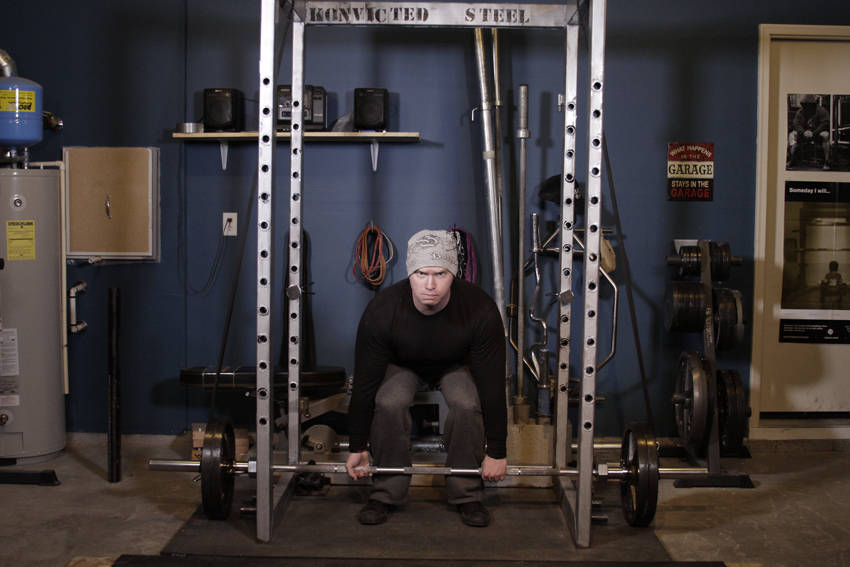
5. Reverse Band Deadlift
84% match- Hamstrings
- Barbell
- Advanced
- Compound
How to perform this exercise
- Set the bar up in a power rack. Attach bands to the top of the rack, using either bands pegs or the frame itself. Attach the other end of the bands to the bar.
- Approach the bar so that it is centered over your feet. You feet should be about hip width apart. Bend at the hip to grip the bar at shoulder width, allowing your shoulder blades to protract. Typically, you would use an overhand grip or an over/under grip on heavier sets.
- With your feet, and your grip set, take a big breath and then lower your hips and bend the knees until your shins contact the bar. Look forward with your head, keep your chest up and your back arched, and begin driving through the heels to move the weight upward.
- After the bar passes the knees, aggressively pull the bar back, pulling your shoulder blades together as you drive your hips forward into the bar.
- Lower the bar by bending at the hips and guiding it to the floor.
Sets and reps: 3 to 5 sets of 5 to 8 reps.
Why this matches
- Movement: deadlift hinge, the same as the Deadlift With Bands
- Primary muscle: hamstrings, not erector spinae
- Equipment: free weights, the same as the Deadlift With Bands
- Body position: standing, the same as the Deadlift With Bands
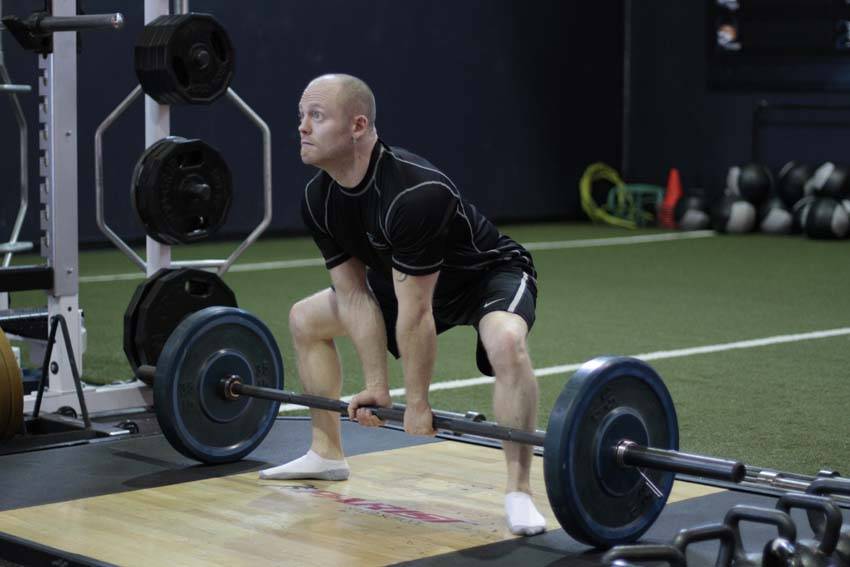
6. Sumo Deadlift
84% match- Hamstrings
- Barbell
- Advanced
- Compound
How to perform this exercise
- Begin with a bar loaded on the ground. Approach the bar so that the bar intersects the middle of the feet. The feet should be set very wide, near the collars. Bend at the hips to grip the bar. The arms should be directly below the shoulders, inside the legs, and you can use a pronated grip, a mixed grip, or hook grip. Relax the shoulders, which in effect lengthens your arms.
- Take a breath, and then lower your hips, looking forward with your head with your chest up. Drive through the floor, spreading your feet apart, with your weight on the back half of your feet. Extend through the hips and knees.
- As the bar passes through the knees, lean back and drive the hips into the bar, pulling your shoulder blades together.
- Return the weight to the ground by bending at the hips and controlling the weight on the way down.
Sets and reps: 3 to 5 sets of 5 to 8 reps.
Why this matches
- Movement: deadlift hinge, the same as the Deadlift With Bands
- Primary muscle: hamstrings, not erector spinae
- Equipment: free weights, the same as the Deadlift With Bands
- Body position: standing, the same as the Deadlift With Bands
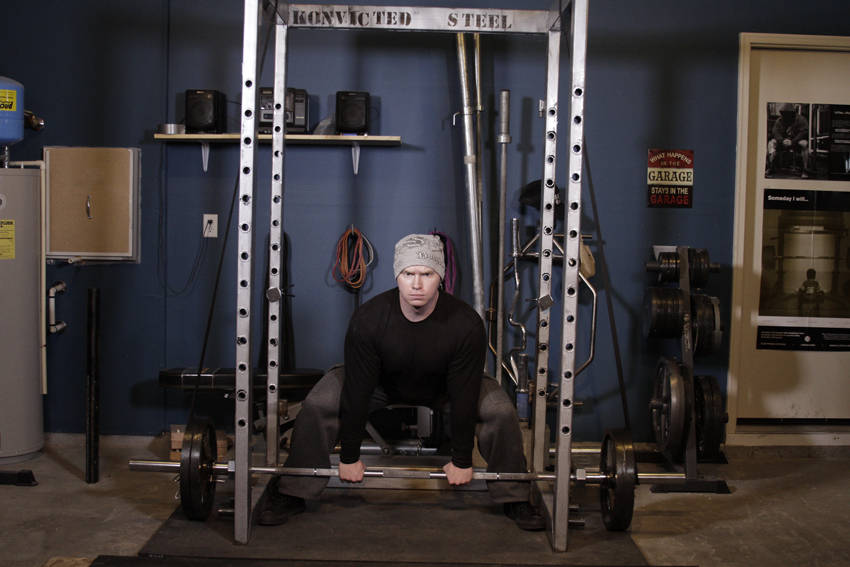
7. Reverse Band Sumo Deadlift
84% match- Hamstrings
- Barbell
- Advanced
- Compound
How to perform this exercise
- Begin with a bar loaded on the floor inside of a power rack. Attach bands to the top of the rack, using either pegs or the frame itself. Attach the other end to the barbell.
- Approach the bar so that the bar intersects the middle of the feet. The feet should be set very wide, near the collars. Bend at the hips to grip the bar. The arms should be directly below the shoulders, inside the legs, and you can use a pronated grip, a mixed grip, or hook grip. Relax the shoulders, which in effect lengthens your arms.
- Take a breath, and then lower your hips, looking forward with your head with your chest up. Drive through the floor, spreading your feet apart, with your weight on the back half of your feet. Extend through the hips and knees.
- As the bar passes through the knees, lean back and drive the hips into the bar, pulling your shoulder blades together.
- Return the weight to the ground by bending at the hips and controlling the weight on the way down.
Sets and reps: 3 to 5 sets of 5 to 8 reps.
Why this matches
- Movement: deadlift hinge, the same as the Deadlift With Bands
- Primary muscle: hamstrings, not erector spinae
- Equipment: free weights, the same as the Deadlift With Bands
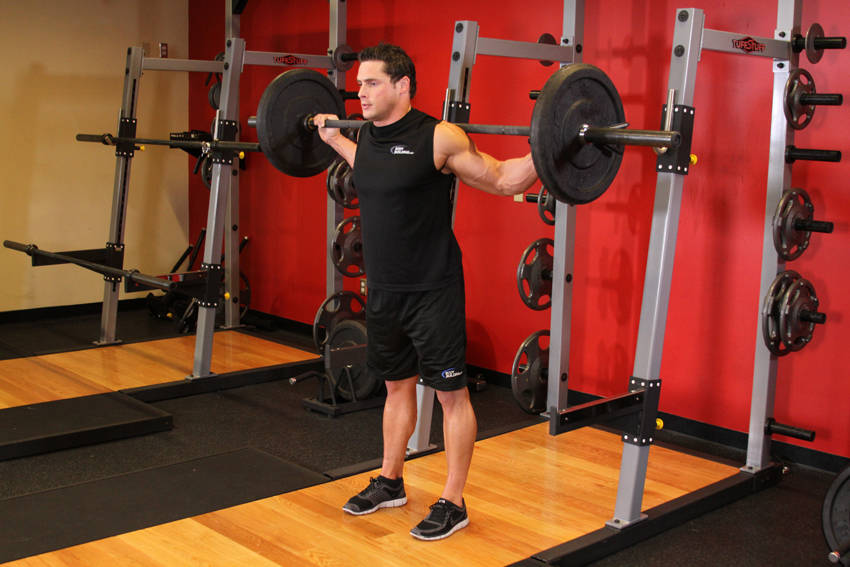
8. Stiff Leg Barbell Good Morning
82% match- Erector Spinae
- Barbell
- Advanced
- Compound
How to perform this exercise
- This exercise is best performed inside a squat rack for safety purposes. To begin, first set the bar on a rack that best matches your height. Once the correct height is chosen and the bar is loaded, step under the bar and place the back of your shoulders (slightly below the neck) across it.
- Hold on to the bar using both arms at each side and lift it off the rack by first pushing with your legs and at the same time straightening your torso.
- Step away from the rack and position your legs using a shoulder width medium stance. Keep your head up at all times as looking down will get you off balance and also maintain a straight back. This will be your starting position.
- Keeping your legs stationary, move your torso forward by bending at the hips while inhaling. Lower your torso until it is parallel with the floor.
- Begin to raise the bar as you exhale by elevating your torso back to the starting position.
- Repeat for the recommended amount of repetitions.
Sets and reps: 3 to 5 sets of 5 to 8 reps.
Why this matches
- Primary muscle: erector spinae, the same as the Deadlift With Bands
- Equipment: free weights, the same as the Deadlift With Bands
- Body position: standing, the same as the Deadlift With Bands
9. Barbell Deadlift
80% match- Glutes
- Barbell
- Advanced
- Compound
How to perform this exercise
- Stand with your feet shoulder-width apart and the barbell on the ground in front of you.
- Bend your knees and hinge at the hips to lower your torso and grip the barbell with an overhand grip, hands slightly wider than shoulder-width apart.
- Keep your back straight and chest lifted as you drive through your heels to lift the barbell off the ground, extending your hips and knees.
- As you stand up straight, squeeze your glutes and keep your core engaged.
- Lower the barbell back down to the ground by bending at the hips and knees, keeping your back straight.
- Repeat for the desired number of repetitions.
Sets and reps: 3 to 5 sets of 5 to 8 reps.
Why this matches
- Movement: deadlift hinge, the same as the Deadlift With Bands
- Primary muscle: glutes, not erector spinae
- Equipment: free weights, the same as the Deadlift With Bands
- Body position: standing, the same as the Deadlift With Bands
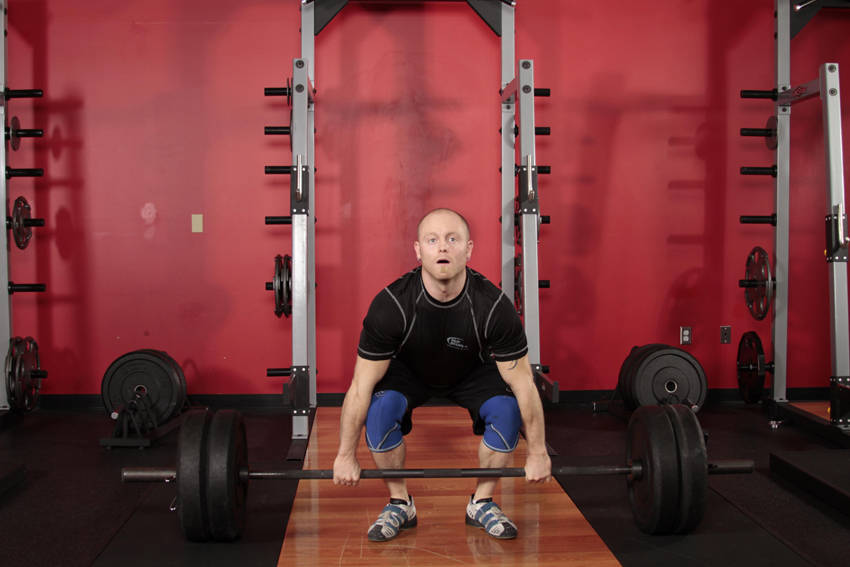
10. Clean Deadlift
80% match- Hamstrings
- Barbell
- Intermediate
- Compound
How to perform this exercise
- Begin standing with a barbell close to your shins. Your feet should be directly under your hips with your feet turned out slightly. Grip the bar with a double overhand grip or hook grip, about shoulder width apart. Squat down to the bar. Your spine should be in full extension, with a back angle that places your shoulders in front of the bar and your back as vertical as possible.
- Begin by driving through the floor through the front of your heels. As the bar travels upward, maintain a constant back angle. Flare your knees out to the side to help keep them out of the bar's path.
- After the bar crosses the knees, complete the lift by driving the hips into the bar until your hips and knees are extended.
Sets and reps: 3 or 4 sets of 6 to 10 reps.
Why this matches
- Movement: deadlift hinge, the same as the Deadlift With Bands
- Primary muscle: hamstrings, not erector spinae
- Equipment: free weights, the same as the Deadlift With Bands
- Body position: standing, the same as the Deadlift With Bands
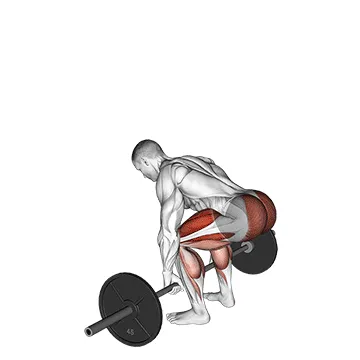
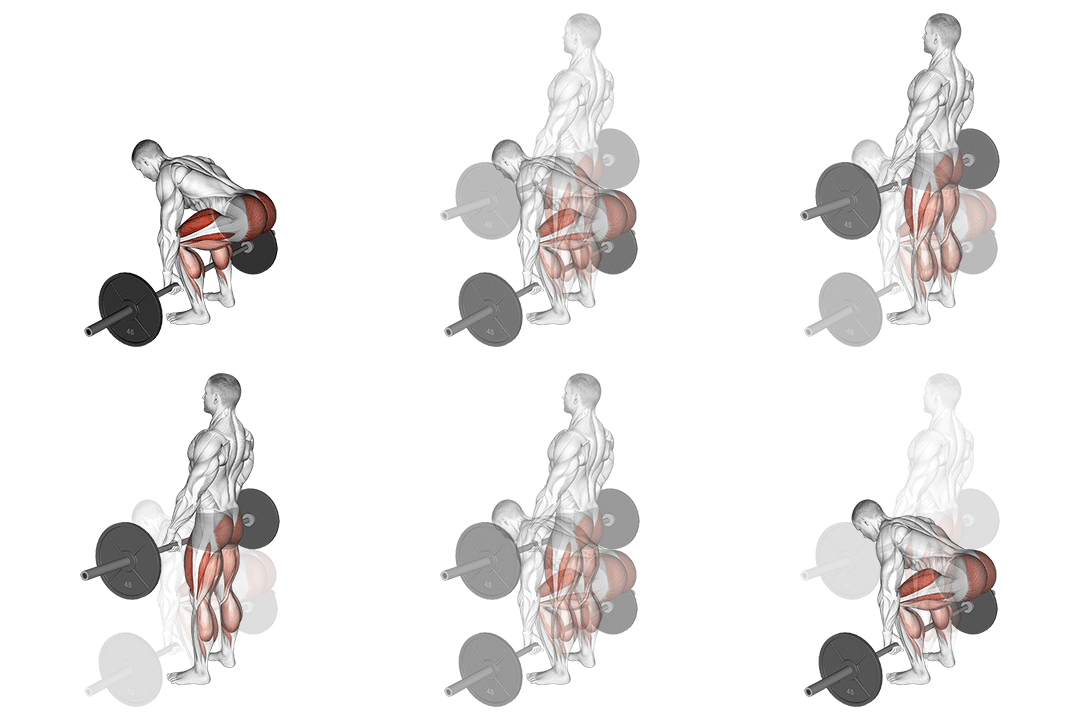
Deadlift With Bands FAQ
What muscles does Deadlift With Bands work?
Deadlift With Bands primarily targets the erector spinae, with secondary loading of the hamstrings, glutes, and lats. Because bands bias resistance toward lockout, expect increased erector activation near full hip extension, brace your core and drive the hips forward while keeping a neutral spine to maximize that activation.
Find Alternatives for Any Exercise
Search the exercise database and filter the ranked substitutes by the equipment you own.
Similarity scores compare exercise metadata such as movement pattern, muscles, equipment and body position. They are not a safety rating or a check that you own the equipment. Learn about our methodology