

10 Alternatives to Dumbbell Seated One-Leg Calf Raise (Hammer Grip)
The Dumbbell Seated One Leg Calf Raise - Hammer Grip is done seated with dumbbells. Ranked closest by our scoring: the One Leg Floor Calf Raise, the One Leg Donkey Calf Raise and the Standing Calf Raise (On A Staircase).
Updated Ranked by our 12-factor similarity model How it works
Original Exercise: Dumbbell Seated One Leg Calf Raise - Hammer Grip
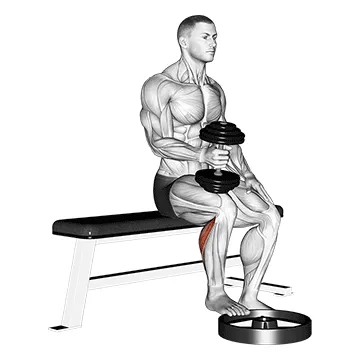
- Primary muscle
- Calves
- Equipment
- Dumbbell
- Difficulty
- Intermediate
- Type
- Isolation
Secondary muscles: Hamstrings, Glutes
How to perform Dumbbell Seated One Leg Calf Raise - Hammer Grip
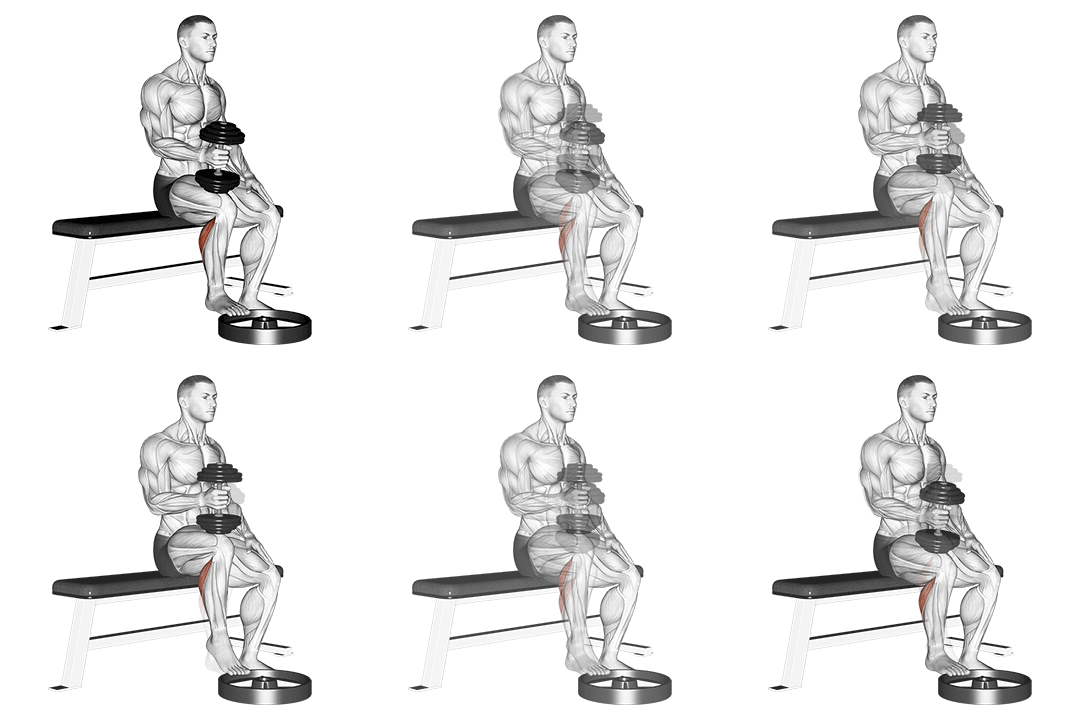
- Sit on a bench or chair with your feet flat on the ground and a dumbbell resting on your thighs.
- Place one foot on a raised surface, such as a step or block, with your heel hanging off the edge.
- Hold the dumbbell with a hammer grip, meaning your palms are facing each other and your fingers are wrapped around the handle.
- Keeping your core engaged and your back straight, slowly raise your heel as high as possible by pushing through the ball of your foot.
- Pause for a moment at the top, then slowly lower your heel back down to the starting position.
- Repeat for the desired number of repetitions, then switch to the other leg.
Ranked Dumbbell Seated One Leg Calf Raise - Hammer Grip Alternatives
10 substitutes, ranked by how closely each one matches the Dumbbell Seated One Leg Calf Raise - Hammer Grip on movement pattern, muscles worked, equipment and body position. The higher the score, the less you change. Open "How to perform this exercise" on a card for the steps; every card title links to that exercise's own alternatives page.
Best match 1. One Leg Floor Calf Raise
81% match- Calves
- Bodyweight
- Beginner
- Isolation
Use this when you have nothing to train with, because it works the calves with bodyweight alone.
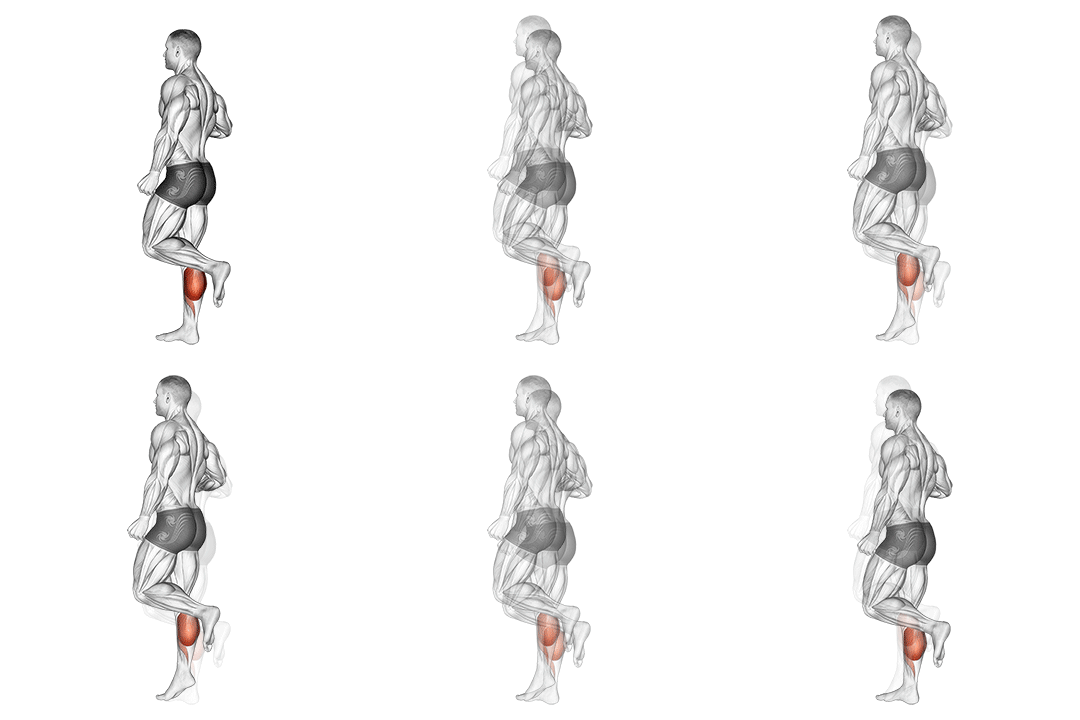
How to perform this exercise
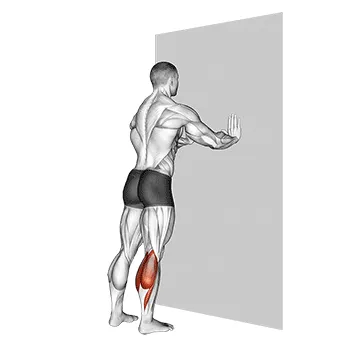
- Stand with your feet hip-width apart and place your hands on a wall or sturdy object for balance.
- Lift one foot off the ground and balance on the other foot.
- Slowly raise your heel off the ground, lifting your body up onto the ball of your foot.
- Pause for a moment at the top, then slowly lower your heel back down to the starting position.
- Repeat for the desired number of repetitions, then switch legs and repeat.
Sets and reps: 3 sets of 8 to 12 reps on each side, and add reps before you add load.
Why this matches
- Movement: raise, the same as the Dumbbell Seated One Leg Calf Raise - Hammer Grip
- Primary muscle: calves, the same as the Dumbbell Seated One Leg Calf Raise - Hammer Grip
- Equipment: bodyweight only, not free weights
- Body position: standing, not seated
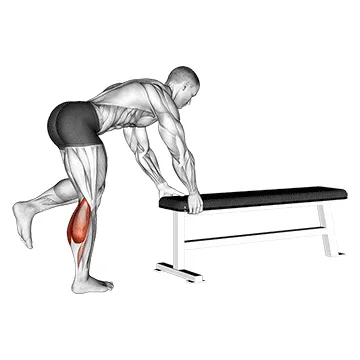
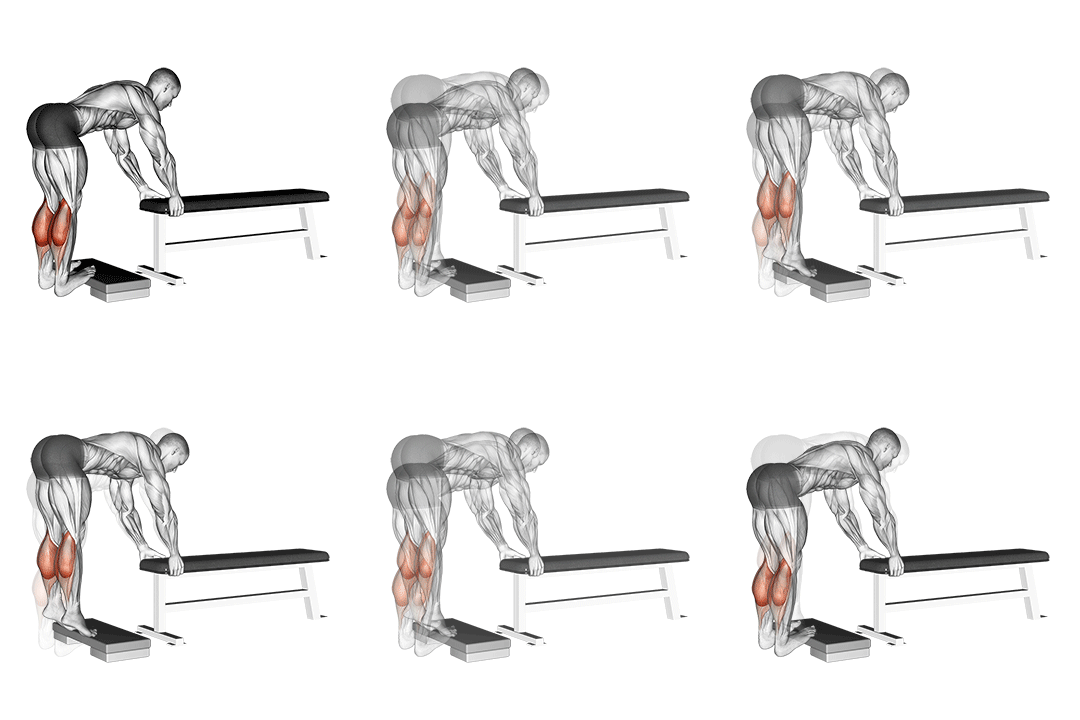
2. One Leg Donkey Calf Raise
81% match- Calves
- Bodyweight
- Beginner
- Isolation
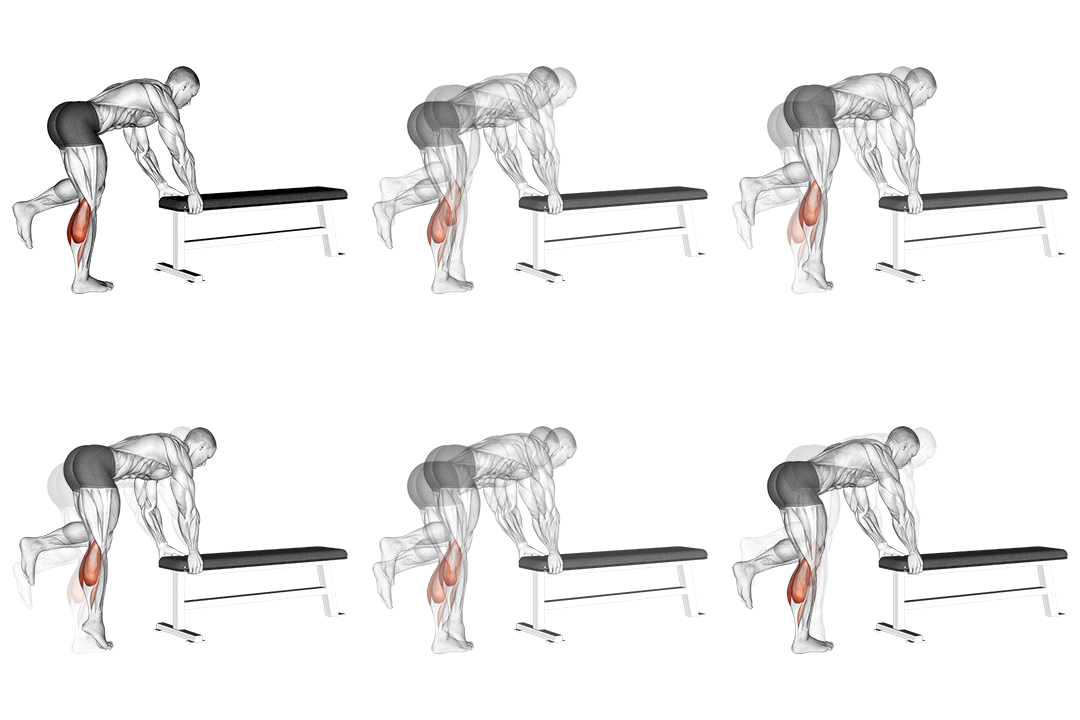
How to perform this exercise
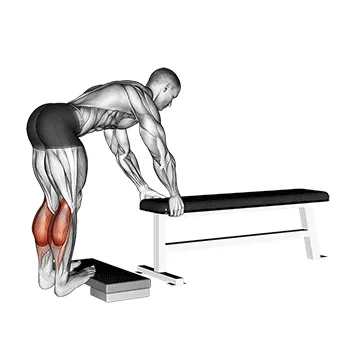
- Stand with your feet shoulder-width apart, toes pointing forward.
- Place your hands on a stable surface for support, such as a wall or a bar.
- Lift one leg off the ground, keeping your knee slightly bent.
- Raise your heel as high as possible, using your calf muscles.
- Pause for a moment at the top, then slowly lower your heel back down.
- Repeat for the desired number of repetitions, then switch legs.
Sets and reps: 3 sets of 8 to 12 reps on each side, and add reps before you add load.
Why this matches
- Movement: raise, the same as the Dumbbell Seated One Leg Calf Raise - Hammer Grip
- Primary muscle: calves, the same as the Dumbbell Seated One Leg Calf Raise - Hammer Grip
- Equipment: bodyweight only, not free weights
- Body position: standing, not seated
- Calves
- Bodyweight
- Beginner
- Isolation
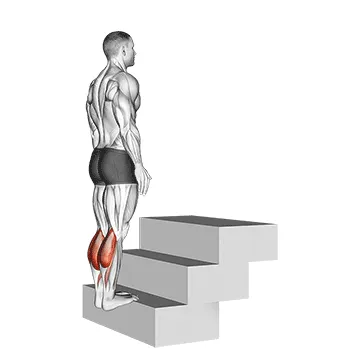
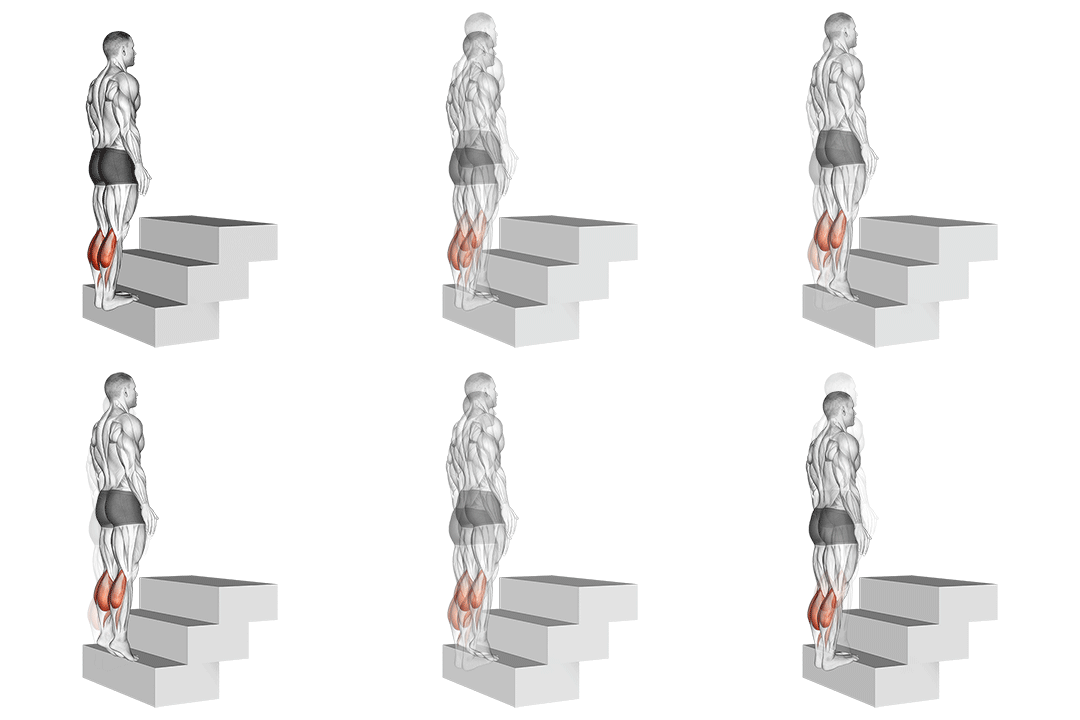
How to perform this exercise
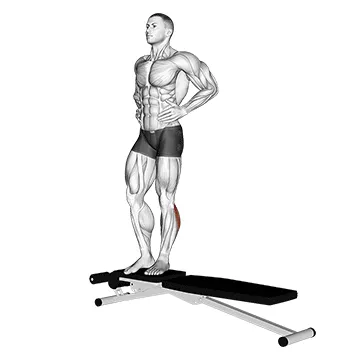
- Stand on the edge of a step or a sturdy platform with your heels hanging off and your toes on the step.
- Hold onto a railing or wall for balance if needed.
- Slowly raise your heels as high as possible, lifting your body weight onto the balls of your feet.
- Pause for a moment at the top, then slowly lower your heels back down to the starting position.
- Repeat for the desired number of repetitions.
Sets and reps: 3 sets of 8 to 12 reps, and add reps before you add load.
Why this matches
- Movement: raise, the same as the Dumbbell Seated One Leg Calf Raise - Hammer Grip
- Primary muscle: calves, the same as the Dumbbell Seated One Leg Calf Raise - Hammer Grip
- Equipment: bodyweight only, not free weights
- Body position: standing, not seated
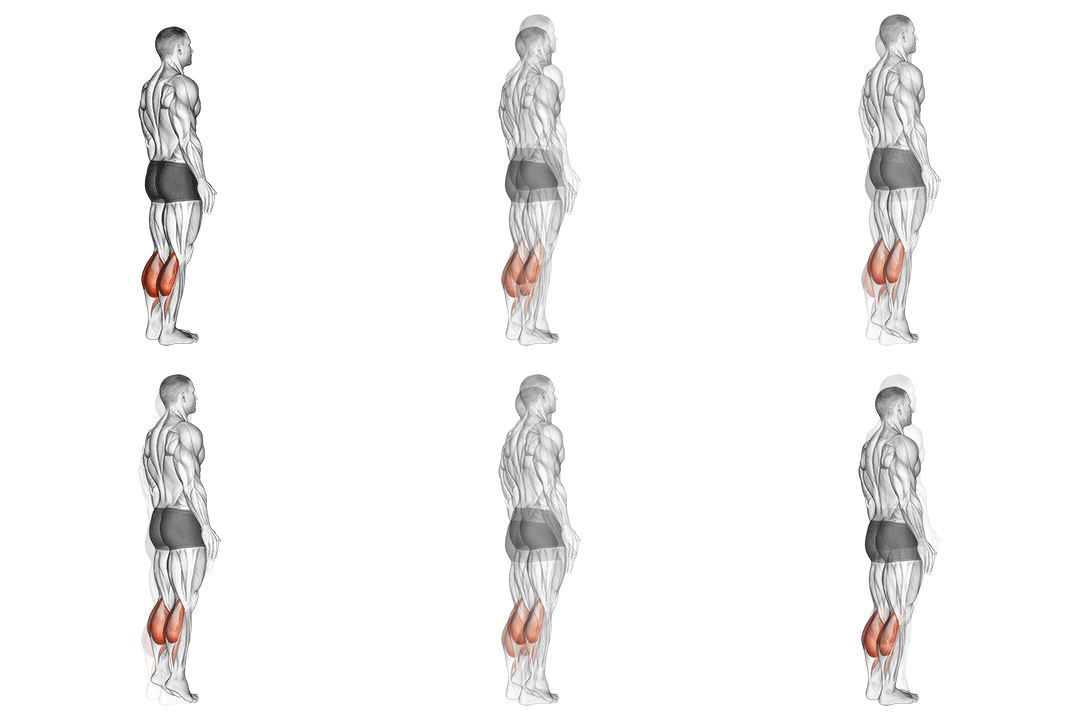
4. Standing Calves
74% match- Calves
- Bodyweight
- Beginner
- Isolation
How to perform this exercise
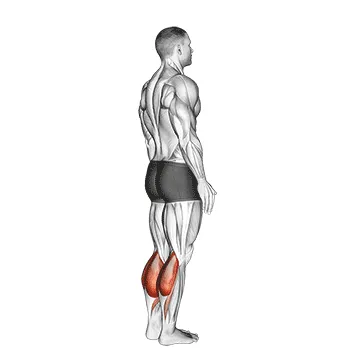
- Stand with your feet shoulder-width apart, toes pointing forward.
- Raise your heels off the ground as high as possible, standing on your toes.
- Hold the position for a moment, then slowly lower your heels back down to the starting position.
- Repeat for the desired number of repetitions.
Sets and reps: 3 sets of 8 to 12 reps, and add reps before you add load.
Why this matches
- Primary muscle: calves, the same as the Dumbbell Seated One Leg Calf Raise - Hammer Grip
- Equipment: bodyweight only, not free weights
- Body position: standing, not seated
5. Donkey Calf Raise
48% match- Calves
- Bodyweight
- Beginner
- Isolation
How to perform this exercise
- Stand with your toes on an elevated surface, such as a step or block.
- Place your hands on a stable support, such as a wall or railing, for balance.
- Raise your heels as high as possible, lifting your body weight onto the balls of your feet.
- Pause for a moment at the top, then slowly lower your heels back down to the starting position.
- Repeat for the desired number of repetitions.
Sets and reps: 3 sets of 8 to 12 reps, and add reps before you add load.
Why this matches
- Primary muscle: calves, the same as the Dumbbell Seated One Leg Calf Raise - Hammer Grip
- Equipment: bodyweight only, not free weights
- Body position: standing, not seated
- Balance: easier to stay steady on than the Dumbbell Seated One Leg Calf Raise - Hammer Grip
6. Bodyweight Standing Calf Raise
48% match- Calves
- Bodyweight
- Beginner
- Isolation
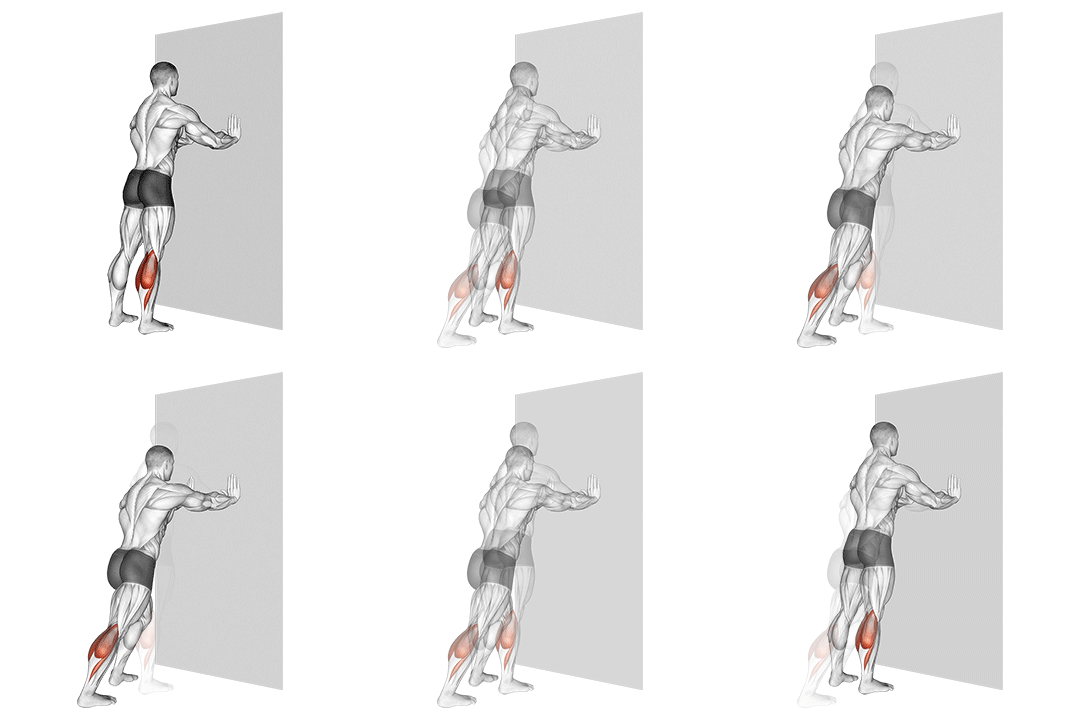
How to perform this exercise
- Stand with your feet shoulder-width apart, toes pointing forward.
- Place your hands on a wall or stable surface for balance.
- Slowly raise your heels off the ground, lifting your body weight onto the balls of your feet.
- Pause for a moment at the top, then slowly lower your heels back down to the starting position.
- Repeat for the desired number of repetitions.
Sets and reps: 3 sets of 8 to 12 reps, and add reps before you add load.
Why this matches
- Primary muscle: calves, the same as the Dumbbell Seated One Leg Calf Raise - Hammer Grip
- Equipment: bodyweight only, not free weights
- Body position: standing, not seated
- Balance: easier to stay steady on than the Dumbbell Seated One Leg Calf Raise - Hammer Grip
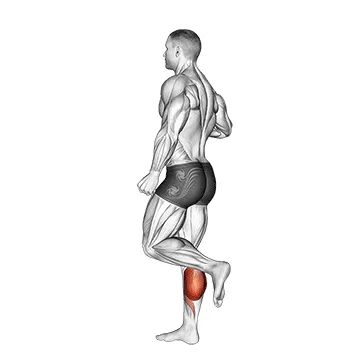
7. Quick Feet
40% match- Calves
- Bodyweight
- Beginner
- Isolation
How to perform this exercise
- Stand with your feet shoulder-width apart and your arms by your sides.
- Begin by rapidly moving your feet up and down, as if you were running in place.
- Keep your movements quick and light, focusing on staying on the balls of your feet.
- Continue for the desired duration or number of repetitions.
Sets and reps: Work for 30 to 60 seconds, rest as long as you worked, and repeat 6 to 10 times.
Why this matches
- Primary muscle: calves, the same as the Dumbbell Seated One Leg Calf Raise - Hammer Grip
- Equipment: bodyweight only, not free weights
- Body position: standing, not seated
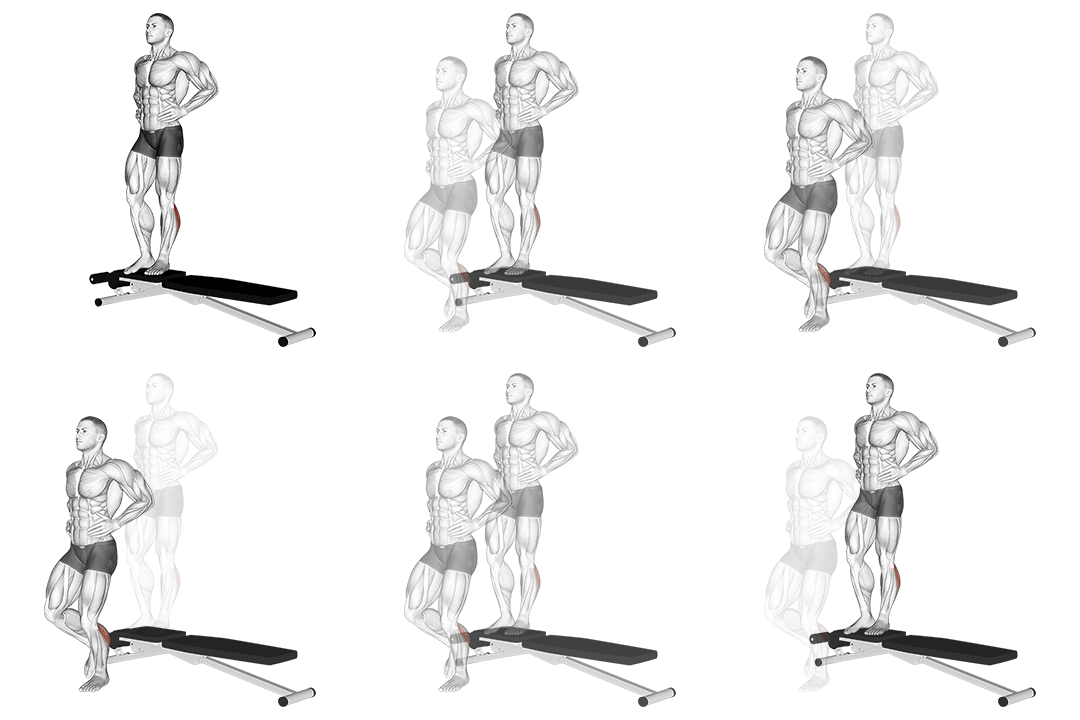
- Calves
- Bodyweight
- Intermediate
- Compound
How to perform this exercise
- Stand in front of a box or platform with your feet shoulder-width apart.
- Bend your knees and jump onto the box, landing softly with one foot on the box and the other foot hanging off the edge.
- Stabilize yourself on the box with the foot that is on it, while keeping the other foot off the ground.
- Hold this position for a few seconds, engaging your calf muscles to maintain balance.
- Slowly step down with the foot that is on the box, returning to the starting position.
- Repeat the exercise with the other leg.
Sets and reps: 3 or 4 sets of 6 to 10 reps on each side.
Why this matches
- Primary muscle: calves, the same as the Dumbbell Seated One Leg Calf Raise - Hammer Grip
- Equipment: bodyweight only, not free weights
- Body position: standing, not seated
- Balance: harder to stay steady on than the Dumbbell Seated One Leg Calf Raise - Hammer Grip
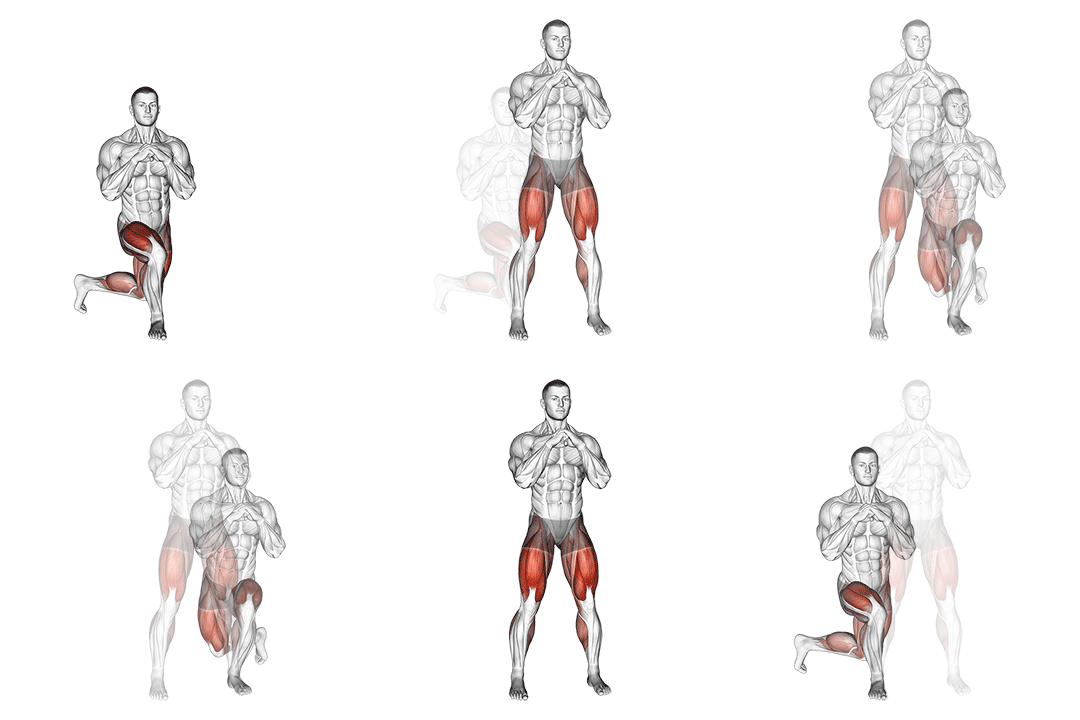
9. Curtsey Squat
36% match- Glutes
- Bodyweight
- Beginner
- Compound
How to perform this exercise
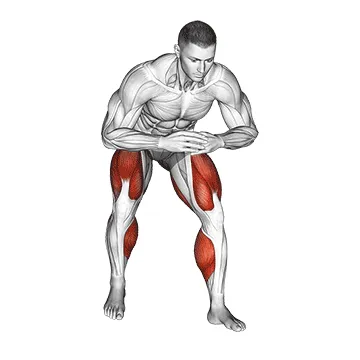
- Stand with your feet shoulder-width apart.
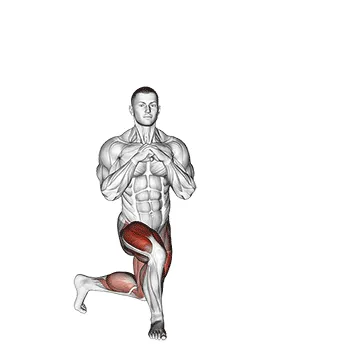
- Take a step diagonally behind and across your body with your right foot, crossing it behind your left leg.
- Bend both knees as if you were curtsying, lowering your body towards the ground.
- Keep your torso upright and your weight on your front foot.
- Push through your front foot to return to the starting position.
- Repeat on the other side, stepping diagonally behind and across your body with your left foot.
Sets and reps: 3 sets of 8 to 12 reps on each side, and add reps before you add load.
Why this matches
- Primary muscle: glutes, not calves
- Equipment: bodyweight only, not free weights
- Body position: standing, not seated
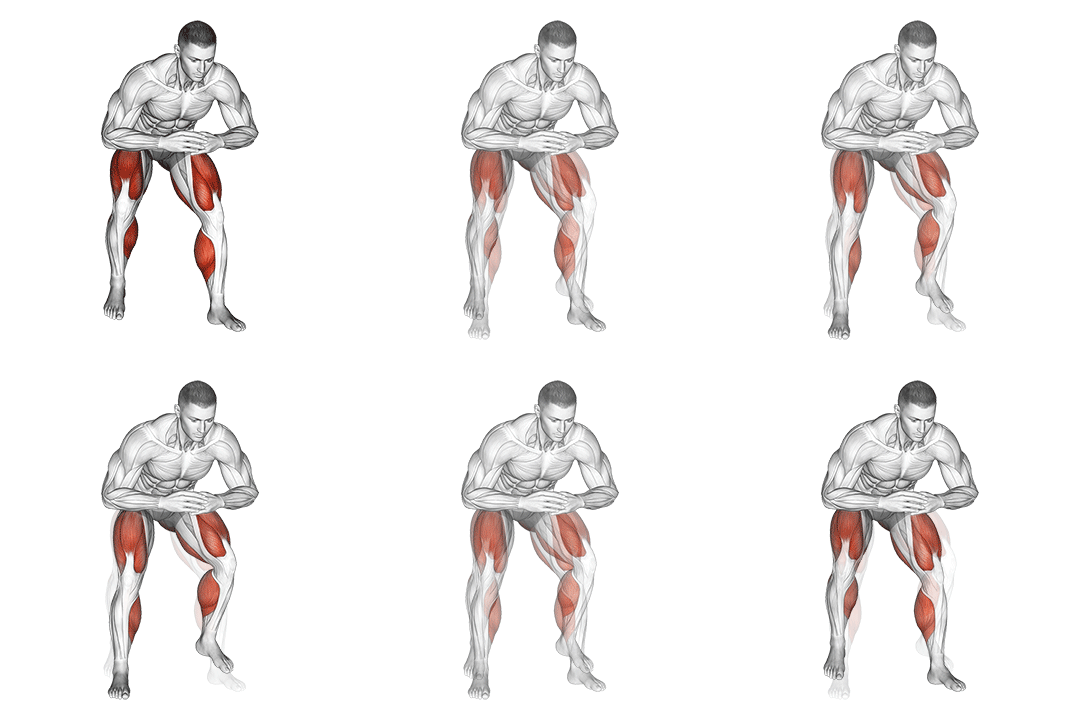
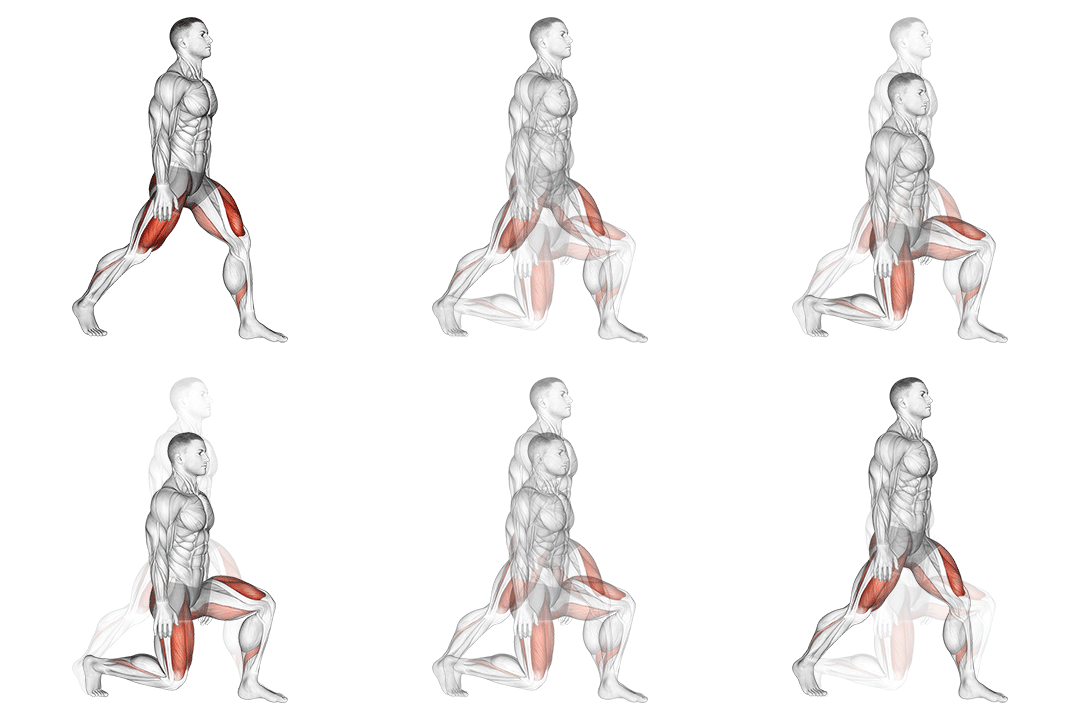
10. Split Squats
36% match- Quads
- Bodyweight
- Intermediate
- Compound
How to perform this exercise
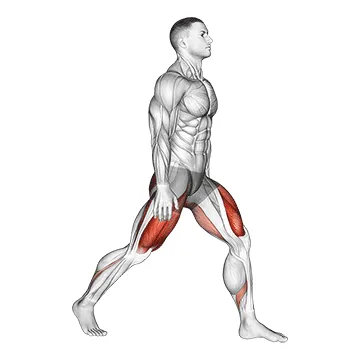
- Stand with your feet shoulder-width apart.
- Take a step forward with one foot and place it about two feet in front of the other foot.
- Lower your body by bending your knees and hips, keeping your back straight.
- Continue lowering until your front thigh is parallel to the ground, and your back knee is hovering just above the ground.
- Pause for a moment, then push through your front heel to return to the starting position.
- Repeat for the desired number of repetitions, then switch legs and repeat.
Sets and reps: 3 or 4 sets of 6 to 10 reps on each side.
Why this matches
- Primary muscle: quads, not calves
- Equipment: bodyweight only, not free weights
- Body position: standing, not seated
Why You Might Need a Dumbbell Seated One Leg Calf Raise - Hammer Grip Alternative
You may need substitutes because of equipment limits, wrist or forearm pain from the hammer grip, poor ankle mobility, or rehab needs. Seated variations bias the soleus via increased knee flexion, while standing options load the gastrocnemius more through ankle plantarflexion with knee extension. For example, choose a seated machine if your Achilles tolerates high reps; cue: sit tall, drive each rep from the ball of the foot and avoid rocking the thigh. Substitutes let you keep progressive overload, maintain ROM, and preserve unilateral strength work when one-leg loading is impractical.
Dumbbell Seated One Leg Calf Raise - Hammer Grip FAQ
What muscles does Dumbbell Seated One Leg Calf Raise - Hammer Grip work?
The exercise primarily targets the soleus with secondary activation of the gastrocnemius and intrinsic foot stabilizers. Because the knee is flexed, the gastrocnemius is shortened and contributes less, shifting concentric force output toward the soleus and ankle plantarflexors.
What is the best bodyweight alternative to Dumbbell Seated One Leg Calf Raise - Hammer Grip?
A single-leg standing calf raise on a step is the top bodyweight substitute; it loads the gastrocnemius and forces ankle stabilizers to engage. Cue: drop into full dorsiflexion on the step, then drive up through the ball of the foot with a 1–2 second pause at the top.
Find Alternatives for Any Exercise
Search the exercise database and filter the ranked substitutes by the equipment you own.
Similarity scores compare exercise metadata such as movement pattern, muscles, equipment and body position. They are not a safety rating or a check that you own the equipment. Learn about our methodology