

10 Best Dynamic Chest Stretch Alternatives for Home Workouts
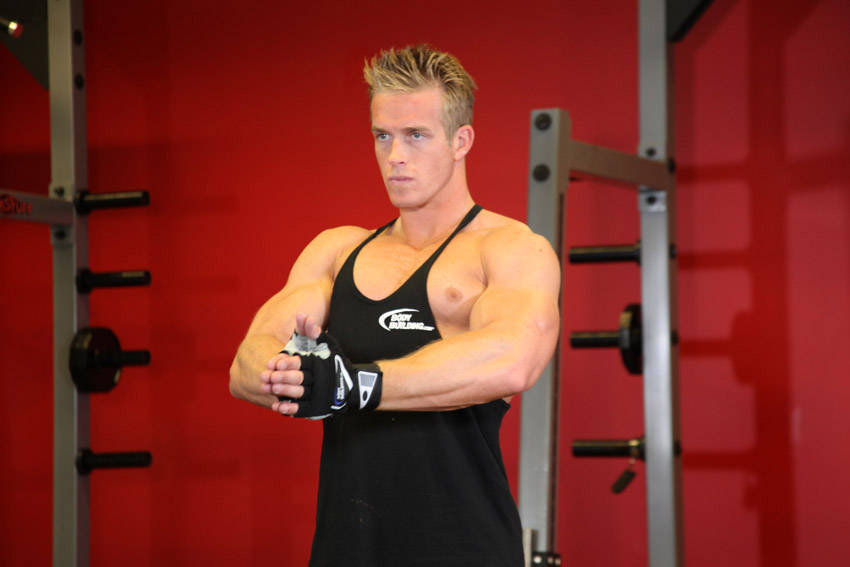
The Dynamic Chest Stretch is done standing. Ranked closest by our scoring: the Dynamic Chest Stretch, the Roller Seated Shoulder Flexor Depresor Retractor and the Behind Head Chest Stretch.
If the Dynamic Chest Stretch (male) causes pain or isn’t available, use other chest-openers that target the pectoralis major and scapular mechanics. Try doorway pec stretch, wall pec stretch, band chest openers, prone Y raises, or active foam rolling. Cue: keep the scapula retracted and the ribcage neutral to load the sternal fibers safely.
Updated Ranked by our 12-factor similarity model How it works
Original Exercise: Dynamic Chest Stretch
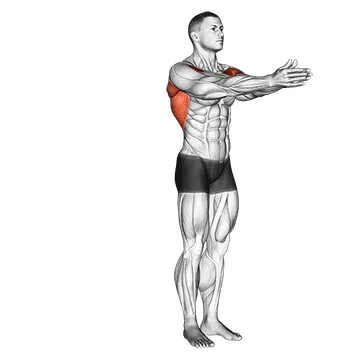
- Primary muscle
- Pectorals
- Equipment
- Bodyweight
- Difficulty
- Beginner
- Type
- Isolation
Secondary muscles: Shoulders, Triceps
How to perform Dynamic Chest Stretch
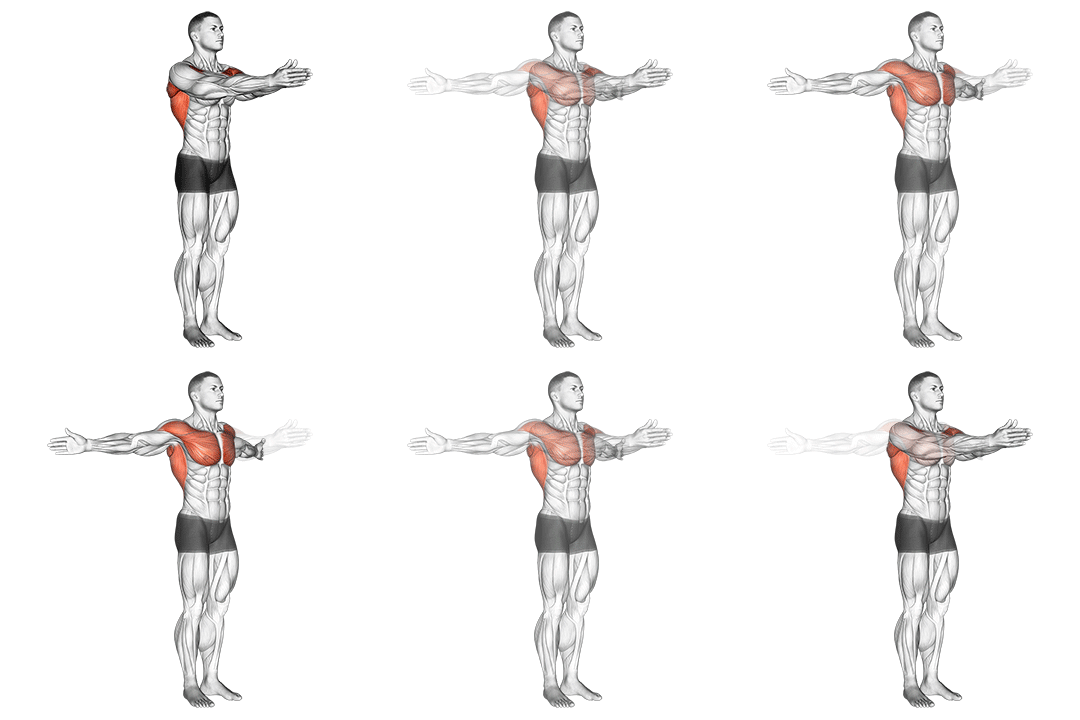
- Stand tall with your feet shoulder-width apart.
- Extend your arms straight out to the sides, parallel to the ground.
- Slowly bring your arms forward, crossing them in front of your body.
- Feel the stretch in your chest muscles.
- Hold the stretch for 10-30 seconds.
- Return to the starting position and repeat for the desired number of repetitions.
Ranked Dynamic Chest Stretch Alternatives
10 substitutes, ranked by how closely each one matches the Dynamic Chest Stretch on movement pattern, muscles worked, equipment and body position. The higher the score, the less you change. Open "How to perform this exercise" on a card for the steps; every card title links to that exercise's own alternatives page.
Best match 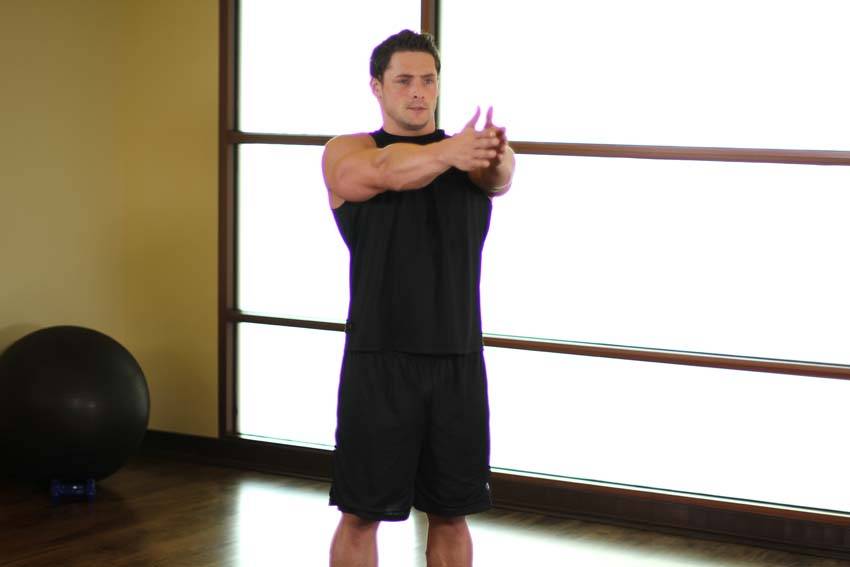
1. Dynamic Chest Stretch
99% match- Pectorals
- Bodyweight
- Beginner
- Isolation
It uses the same equipment and still works the pectorals.
How to perform this exercise
- Stand with your hands together, arms extended directly in front of you. This will be your starting position.
- Keeping your arms straight, quickly move your arms back as far as possible and back in again, similar to an exaggerated clapping motion. Repeat 5-10 times, increasing speed as you do so.
Sets and reps: 3 sets of 8 to 12 reps, and add reps before you add load.
Why this matches
- Primary muscle: pectorals, the same as the Dynamic Chest Stretch
- Equipment: bodyweight only, the same as the Dynamic Chest Stretch
- Body position: standing, the same as the Dynamic Chest Stretch
- Pectorals
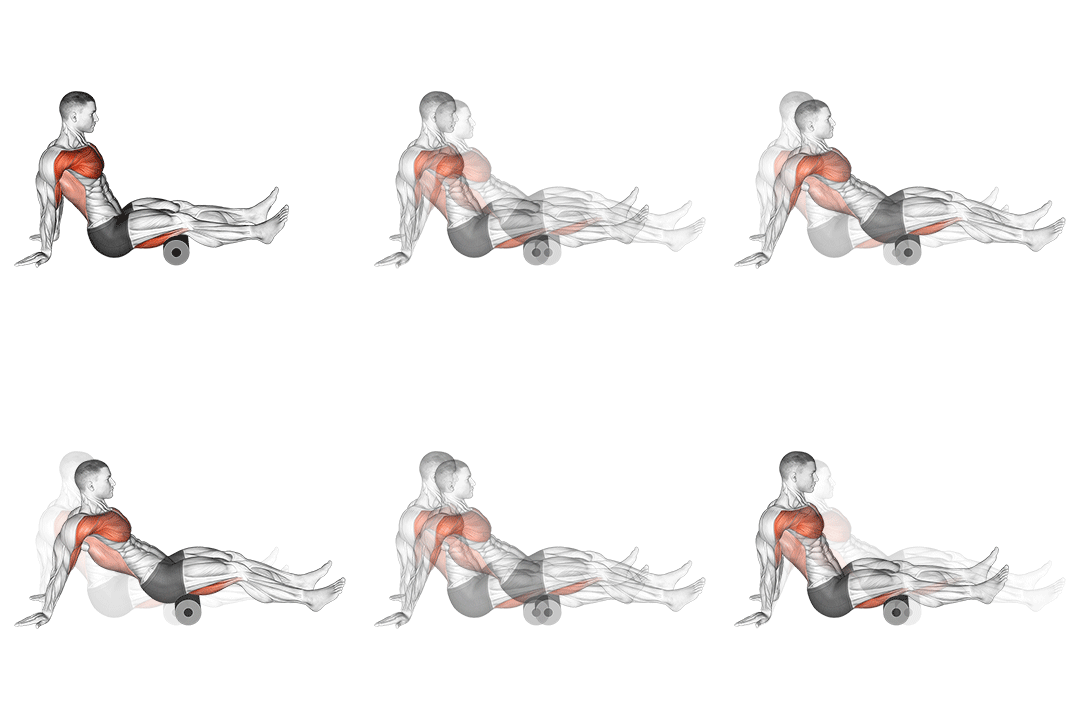
- Foam-roll
- Beginner
- Isolation
A good swap when you have a foam roller to work with, and it still works the pectorals.
How to perform this exercise
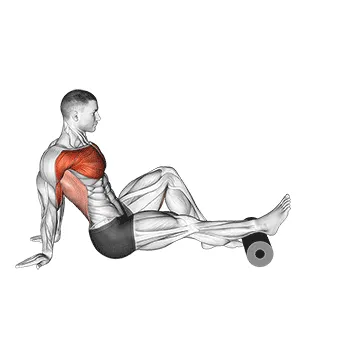
- Sit on a flat surface with your legs extended in front of you.
- Hold the roller with both hands, palms facing down, and place it on your thighs.
- Lean forward slightly and roll the roller away from your body, extending your arms straight in front of you.
- Pause for a moment, then slowly roll the roller back towards your body, bending your arms and bringing the roller back to your thighs.
- Repeat for the desired number of repetitions.
Sets and reps: 3 sets of 8 to 12 reps, and add reps before you add load.
Why this matches
- Primary muscle: pectorals, the same as the Dynamic Chest Stretch
- Equipment: bodyweight only, the same as the Dynamic Chest Stretch
- Body position: seated, not standing
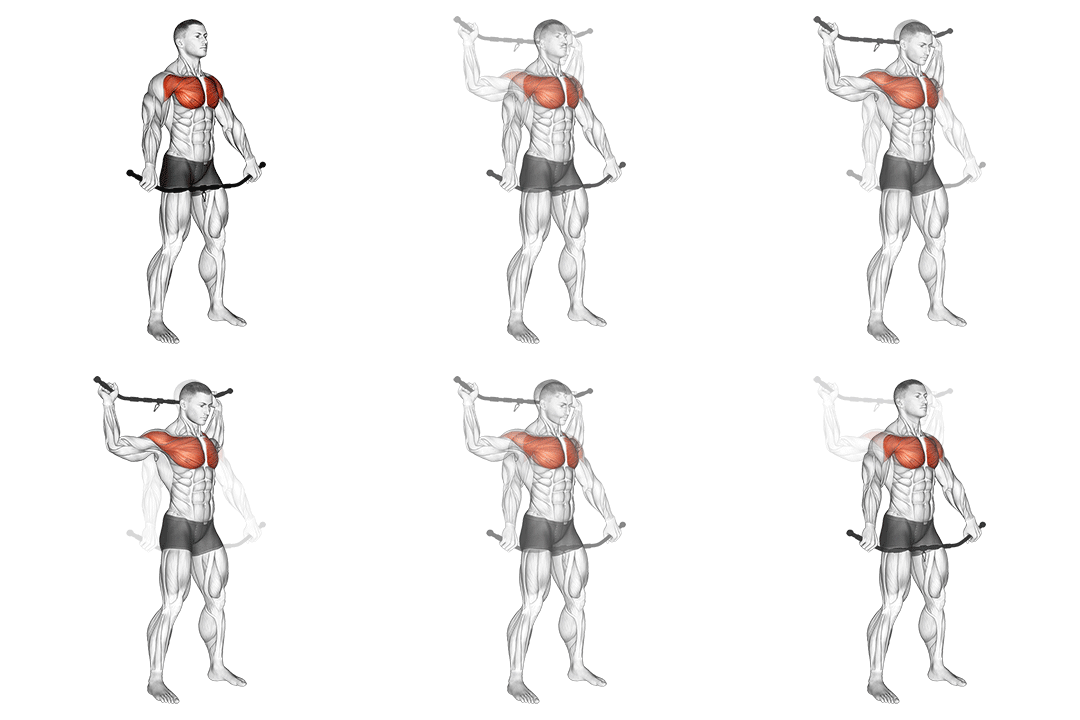
3. Behind Head Chest Stretch
86% match- Pectorals
- Other
- Beginner
- Isolation
It still works the pectorals, through a different movement.
How to perform this exercise
- Stand tall with your feet shoulder-width apart.
- Interlace your fingers behind your head with your elbows pointing outwards.
- Slowly squeeze your shoulder blades together and push your chest forward.
- Hold the stretch for 15-30 seconds.
- Release the stretch and repeat as desired.
Sets and reps: Hold for 20 to 30 seconds, 3 sets.
Why this matches
- Primary muscle: pectorals, the same as the Dynamic Chest Stretch
- Equipment: bodyweight only, the same as the Dynamic Chest Stretch
- Body position: standing, the same as the Dynamic Chest Stretch
- Pectorals
- Bodyweight
- Beginner
- Isolation
How to perform this exercise
- Stand tall with your feet shoulder-width apart.
- Extend your arms straight out in front of you at shoulder height.
- Cross your arms in front of your body, with your right arm on top of your left arm.
- Interlace your fingers and press your palms together.
- Gently squeeze your shoulder blades together and push your hands forward, feeling a stretch in your chest and front of your shoulders.
- Hold the stretch for 20-30 seconds, then release.
- Repeat for the desired number of repetitions.
Sets and reps: 3 sets of 8 to 12 reps, and add reps before you add load.
Why this matches
- Primary muscle: pectorals, the same as the Dynamic Chest Stretch
- Equipment: bodyweight only, the same as the Dynamic Chest Stretch
- Body position: standing, the same as the Dynamic Chest Stretch
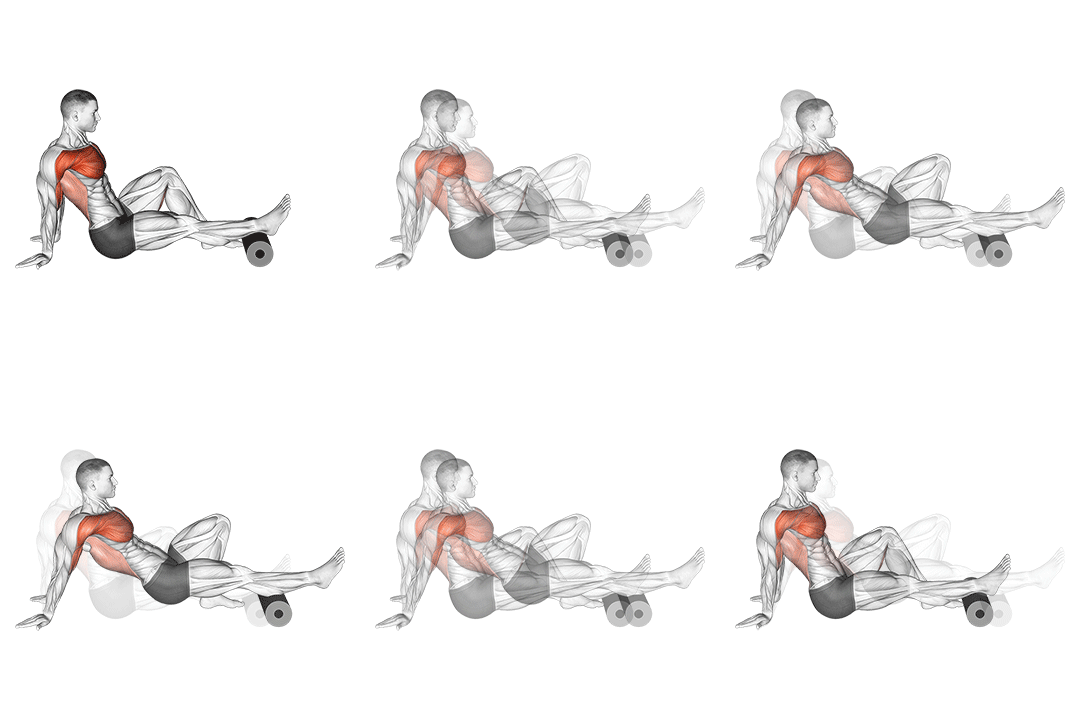
- Pectorals
- Foam-roll
- Intermediate
- Isolation
Pick this when you want a harder single-leg version that still works the pectorals.
How to perform this exercise
- Sit on a flat surface with your legs extended in front of you.
- Hold the roller with both hands, palms facing down, and place it on your thighs.
- Lean back slightly and engage your core muscles.
- Raise the roller up to shoulder level, keeping your arms straight.
- Slowly lower the roller back down to your thighs.
- Repeat for the desired number of repetitions.
Sets and reps: 3 sets of 10 to 15 reps on each side.
Why this matches
- Primary muscle: pectorals, the same as the Dynamic Chest Stretch
- Equipment: bodyweight only, the same as the Dynamic Chest Stretch
- Body position: seated, not standing
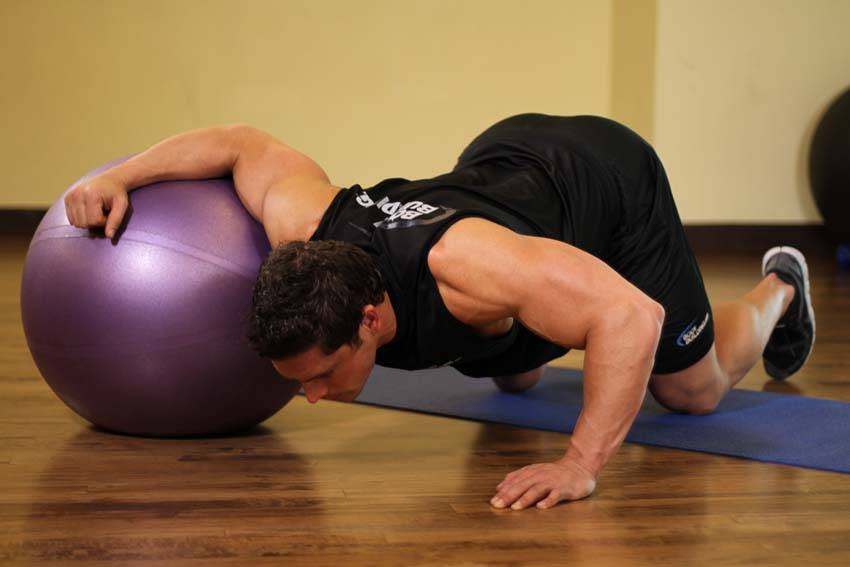
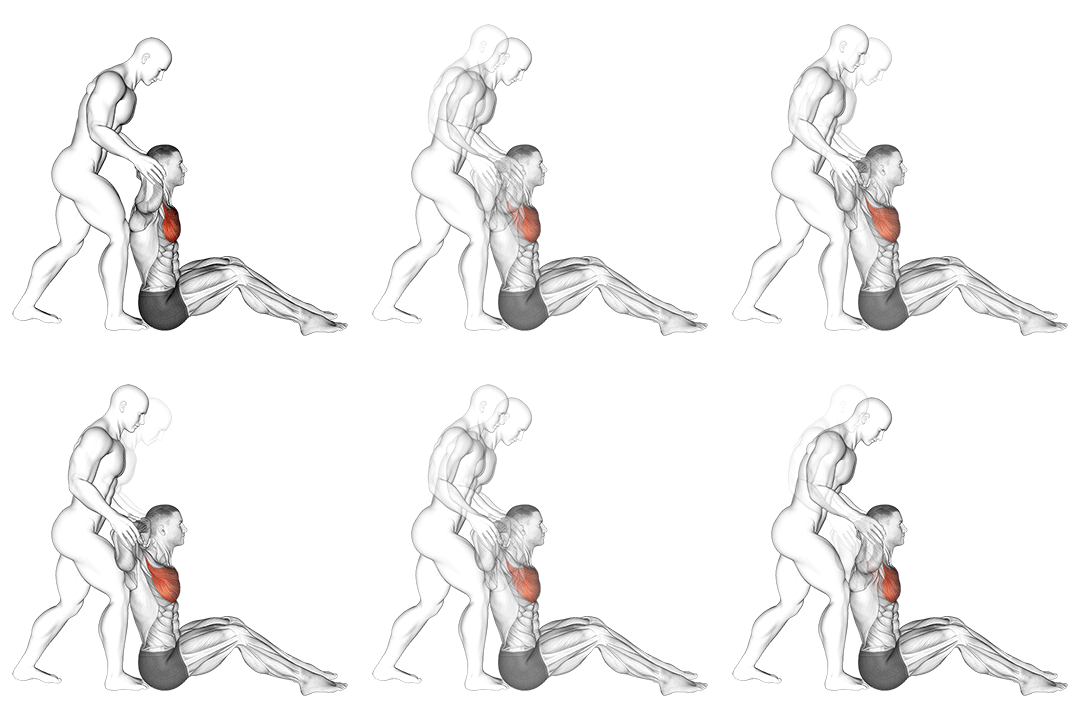
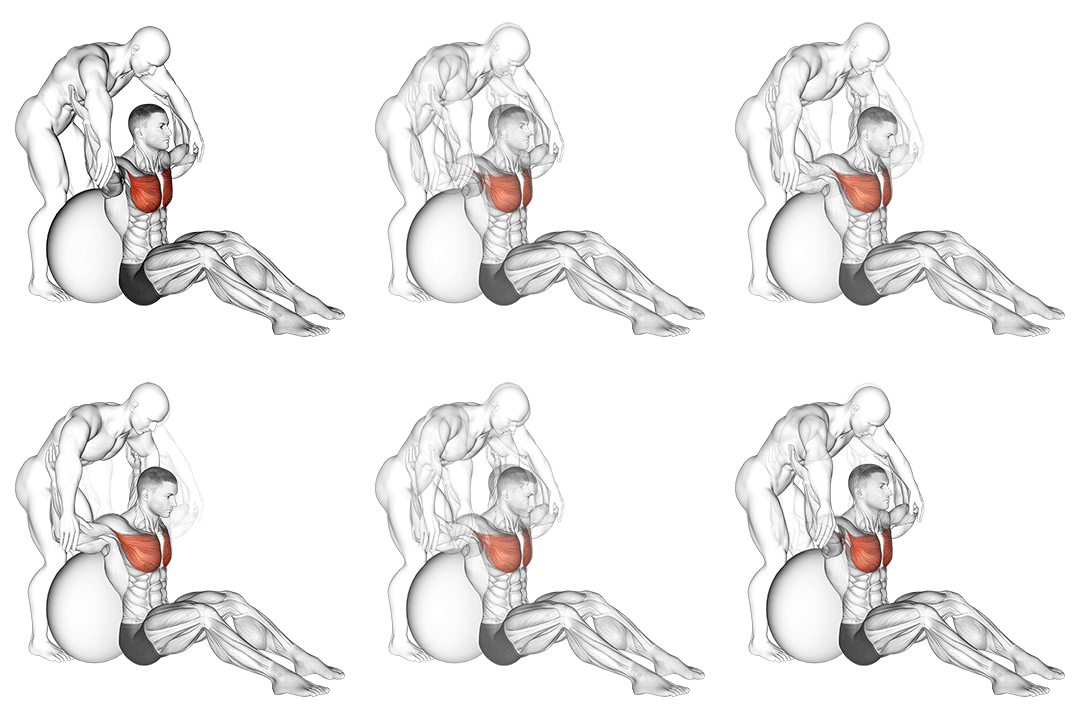
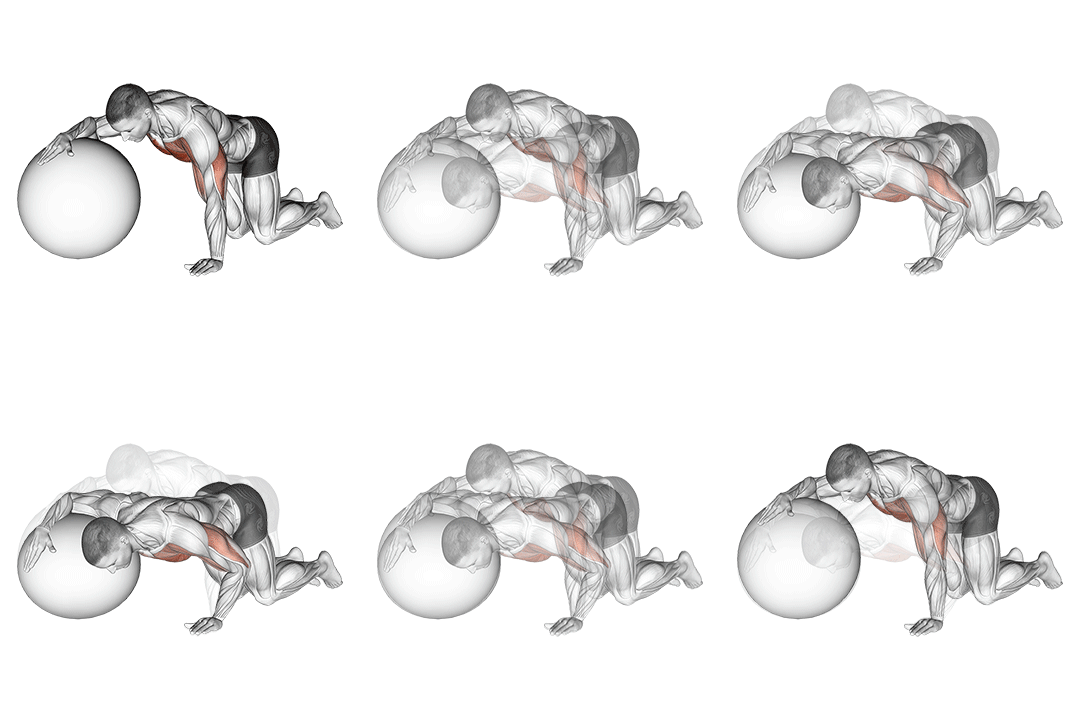
6. Chest Stretch On Stability Ball
80% match- Pectorals
- Stability-ball
- Beginner
- Isolation
A good swap when you have a stability ball to work with, and it still works the pectorals.
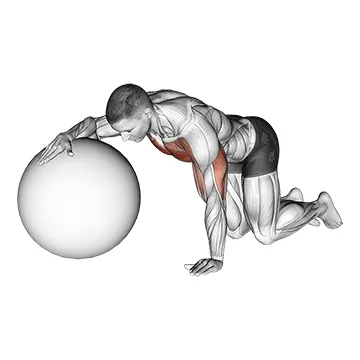
How to perform this exercise
- Get on your hands and knees next to an exercise ball.
- Place your elbows on top of the ball, keeping your arm out to your side. This will be your starting position.
- Lower your torso towards the floor, keeping your elbow on top of the ball. Hold the stretch for 20-30 seconds, and repeat with the other arm.
Sets and reps: 3 sets of 8 to 12 reps, and add reps before you add load.
Why this matches
- Primary muscle: pectorals, the same as the Dynamic Chest Stretch
- Equipment: bodyweight only, the same as the Dynamic Chest Stretch
- Body position: lying on your back, not standing
- Balance: harder to stay steady on than the Dynamic Chest Stretch
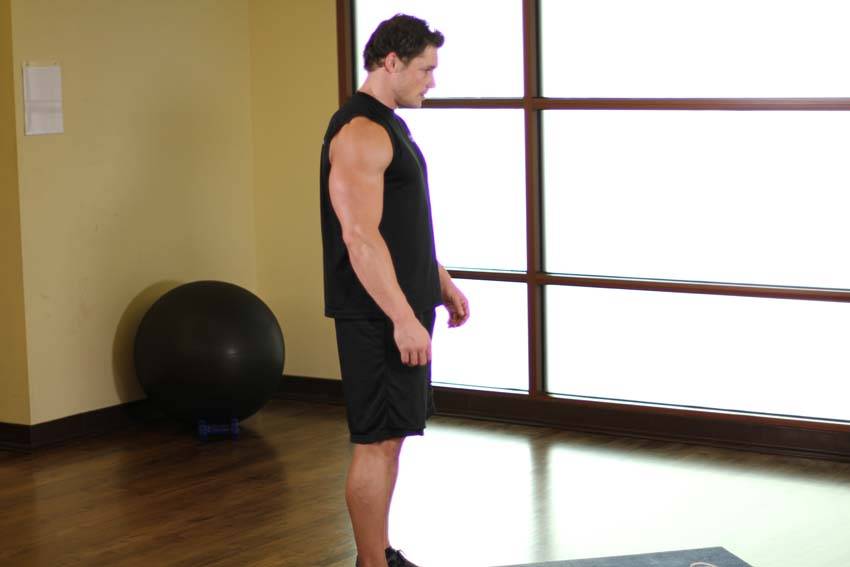
7. Elbows Back
79% match- Pectorals
- Bodyweight
- Beginner
- Isolation
How to perform this exercise
- Stand up straight.
- Place both hands on your lower back, fingers pointing downward and elbows out.
- Then gently pull your elbows back aiming to touch them together.
Sets and reps: 3 sets of 8 to 12 reps, and add reps before you add load.
Why this matches
- Primary muscle: pectorals, the same as the Dynamic Chest Stretch
- Equipment: bodyweight only, the same as the Dynamic Chest Stretch
- Body position: standing, the same as the Dynamic Chest Stretch
- Pectorals
- Stability-ball
- Beginner
- Isolation
How to perform this exercise
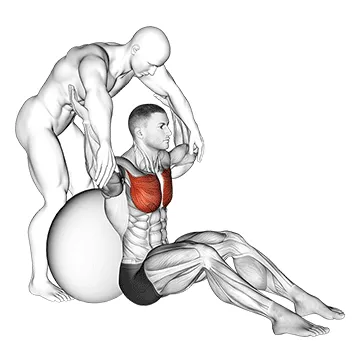
- Sit on a stability ball with your feet flat on the ground and your back straight.
- Hold a stability ball with both hands and extend your arms straight out in front of you.
- Slowly lower the stability ball towards your chest, feeling a stretch in your pectoral muscles.
- Hold the stretch for a few seconds, then slowly return to the starting position.
- Repeat for the desired number of repetitions.
Sets and reps: 3 sets of 8 to 12 reps, and add reps before you add load.
Why this matches
- Primary muscle: pectorals, the same as the Dynamic Chest Stretch
- Equipment: bodyweight only, the same as the Dynamic Chest Stretch
- Body position: seated, not standing
- Balance: harder to stay steady on than the Dynamic Chest Stretch
9. Chest Stretch With Exercise Ball
74% match- Pectorals
- Stability-ball
- Beginner
- Isolation
How to perform this exercise
- Sit on the stability ball with your feet flat on the ground and your back straight.
- Hold the exercise ball with both hands and extend your arms straight out in front of you.
- Slowly bring the exercise ball towards your chest, feeling a stretch in your chest muscles.
- Hold the stretch for a few seconds, then slowly return to the starting position.
- Repeat for the desired number of repetitions.
Sets and reps: 3 sets of 8 to 12 reps, and add reps before you add load.
Why this matches
- Primary muscle: pectorals, the same as the Dynamic Chest Stretch
- Equipment: bodyweight only, the same as the Dynamic Chest Stretch
- Body position: lying on your back, not standing
- Balance: harder to stay steady on than the Dynamic Chest Stretch
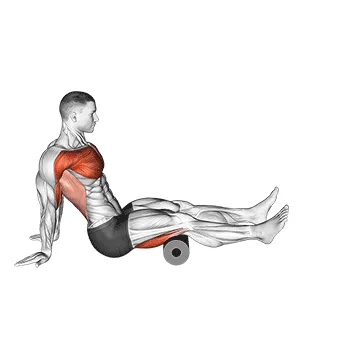
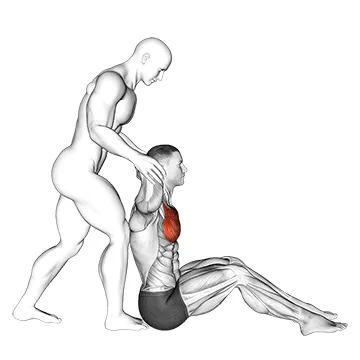
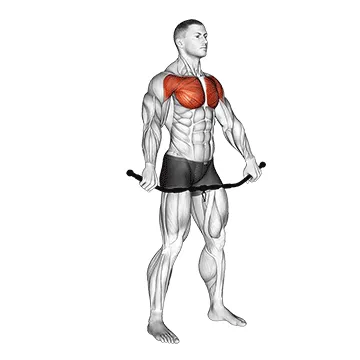
10. Isometric Chest Squeezes
71% match- Pectorals
- Bodyweight
- Beginner
- Isolation
How to perform this exercise
- While either seating or standing, bend your arms at a 90-degree angle and place the palms of your hands together in front of your chest. Tip: Your hands should be open with the palms together and fingers facing forward (perpendicular to your torso).
- Push both hands against each other as you contract your chest. Start with slow tension and increase slowly. Keep breathing normally as you execute this contraction.
- Hold for the recommended number of seconds.
- Now release the tension slowly.
- Rest for the recommended amount of time and repeat.
Sets and reps: Hold for 20 to 30 seconds, 3 sets.
Why this matches
- Primary muscle: pectorals, the same as the Dynamic Chest Stretch
- Equipment: bodyweight only, the same as the Dynamic Chest Stretch
- Body position: standing, the same as the Dynamic Chest Stretch
Why You Might Need a Dynamic Chest Stretch Alternative
You may substitute the Dynamic Chest Stretch for several reasons: shoulder pain, limited thoracic mobility, lack of space, or the need for progressive loading. Some people experience anterior shoulder impingement when the humerus is abducted high, so choosing a variation that keeps the elbow at 45–90° reduces subacromial compression. Other times you need an isometric option to train scapular control, select a controlled band opener to emphasize serratus anterior activation rather than passive overstretching. Rehabilitation, warm-up specificity, and comfort with body positions all justify choosing a different chest-opening exercise.
How to Choose the Right Dynamic Chest Stretch Substitute
Select a substitute based on your goal, pain response, and the movement pattern you need. For mobility, pick static holds like a doorway or wall pec stretch and cue a posteriorly tilted scapula to bias pec major lengthening. For activation and stability, use band chest openers or prone Y raises and focus on scapular retraction and serratus anterior engagement. If you have impingement, keep humeral elevation below 90° and progress with short-duration isometrics before adding dynamic range. Monitor pain and choose the option that maintains neutral ribcage and controlled thoracic rotation.
Dynamic Chest Stretch FAQ
What muscles does Dynamic Chest Stretch (male) work?
The Dynamic Chest Stretch primarily lengthens and mobilizes the pectoralis major (sternal and clavicular heads) and secondarily affects the anterior deltoid and pectoralis minor. Proper technique, shoulder abducted to appropriate angle with scapula stabilized, ensures the stretch targets pec fibers rather than compensatory neck or trap tension.
What is the best bodyweight alternative to Dynamic Chest Stretch (male)?
A doorway pec stretch is the top bodyweight substitute: place your forearm on the doorframe at 45–90°, step forward and rotate your torso away until you feel a controlled lengthening across the chest. Cue scapular retraction and a neutral ribcage to emphasize pectoralis major without stressing the anterior shoulder.
Can I build muscle without doing Dynamic Chest Stretch (male)?
Yes. The Dynamic Chest Stretch is a mobility/isolation move, not a hypertrophy staple. To build pec muscle, prioritize progressive resistance like push variations or loaded flyes; still include stretches or mobility drills to maintain range of motion and allow full eccentric loading during strength work.
Find Alternatives for Any Exercise
Search the exercise database and filter the ranked substitutes by the equipment you own.
Similarity scores compare exercise metadata such as movement pattern, muscles, equipment and body position. They are not a safety rating or a check that you own the equipment. Learn about our methodology