

10 Roller Seated Shoulder Flexor Depresor Retractor Alternatives
The Roller Seated Shoulder Flexor Depresor Retractor is done seated with a foam roller. Ranked closest by our scoring: the Dynamic Chest Stretch, the Assisted Seated Pectoralis Major Stretch With Stability Ball and the Chest Stretch On Stability Ball. A harder version, the Roller Seated Single Leg Shoulder Flexor Depresor Retractor, is listed below as a progression rather than a swap.
Updated Ranked by our 12-factor similarity model How it works
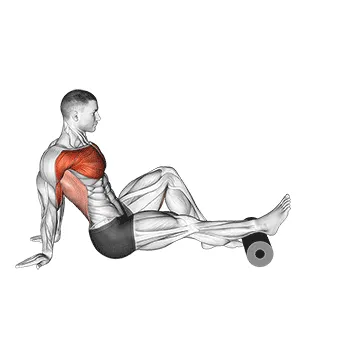
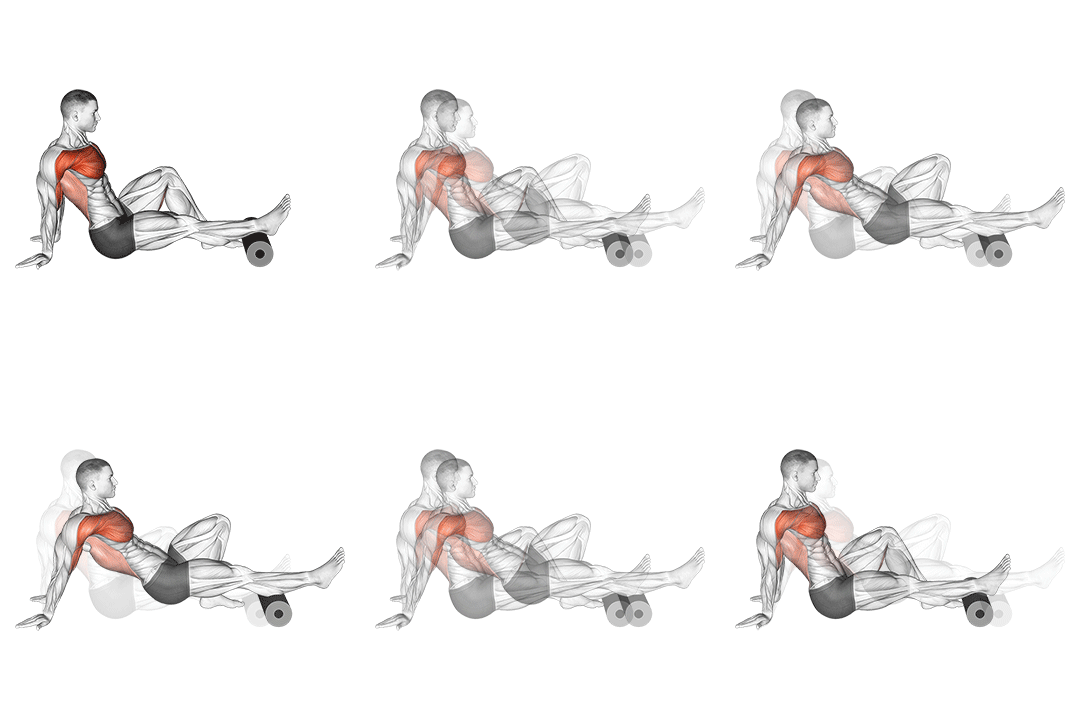
Original Exercise: Roller Seated Shoulder Flexor Depresor Retractor
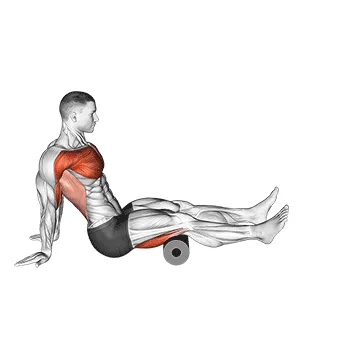
- Primary muscle
- Pectorals
- Equipment
- Foam-roll
- Difficulty
- Beginner
- Type
- Isolation
Secondary muscles: Deltoids, Triceps
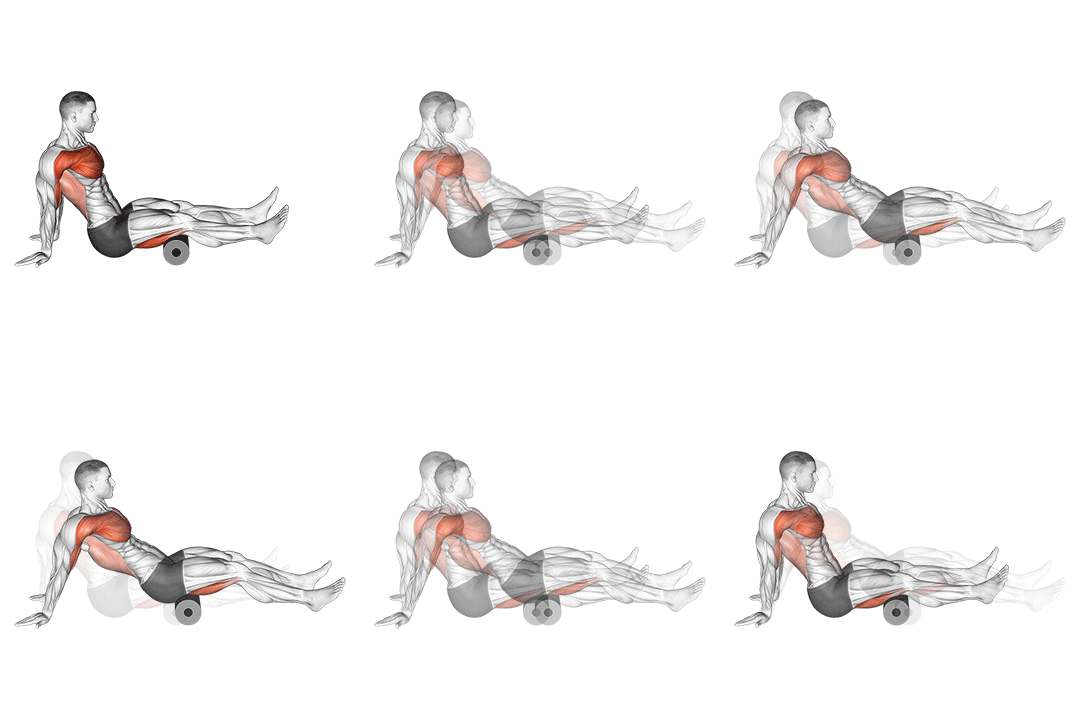
How to perform Roller Seated Shoulder Flexor Depresor Retractor
- Sit on a flat surface with your legs extended in front of you.
- Hold the roller with both hands, palms facing down, and place it on your thighs.
- Lean forward slightly and roll the roller away from your body, extending your arms straight in front of you.
- Pause for a moment, then slowly roll the roller back towards your body, bending your arms and bringing the roller back to your thighs.
- Repeat for the desired number of repetitions.
Ranked Roller Seated Shoulder Flexor Depresor Retractor Alternatives
10 substitutes, ranked by how closely each one matches the Roller Seated Shoulder Flexor Depresor Retractor on movement pattern, muscles worked, equipment and body position. The higher the score, the less you change. Open "How to perform this exercise" on a card for the steps; every card title links to that exercise's own alternatives page. Harder versions are tagged as progressions and kept out of the top spot even when they score higher.
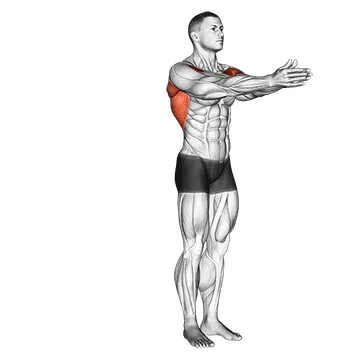
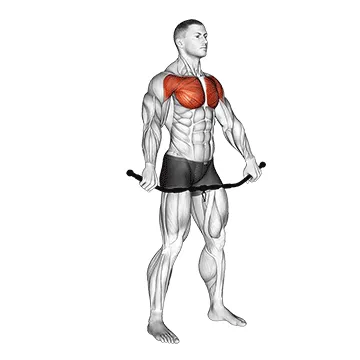
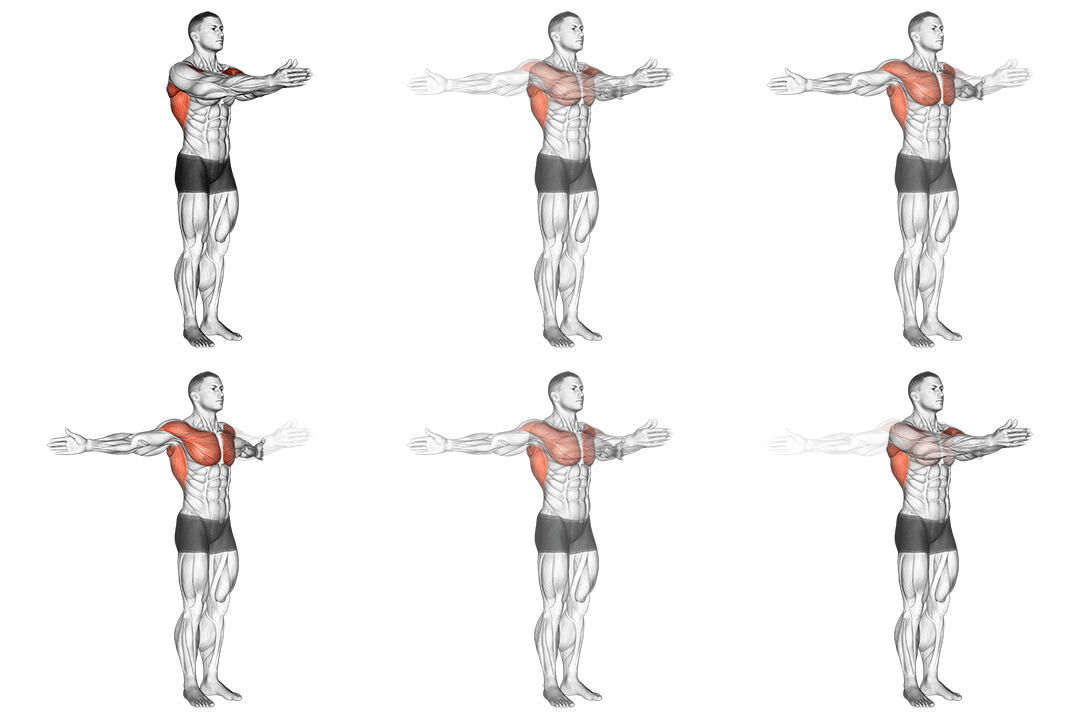
Best match 1. Dynamic Chest Stretch
91% match- Pectorals
- Bodyweight
- Beginner
- Isolation
Use this when you have nothing to train with, because it works the pectorals with bodyweight alone.
How to perform this exercise
- Stand tall with your feet shoulder-width apart.
- Extend your arms straight out to the sides, parallel to the ground.
- Slowly bring your arms forward, crossing them in front of your body.
- Feel the stretch in your chest muscles.
- Hold the stretch for 10-30 seconds.
- Return to the starting position and repeat for the desired number of repetitions.
Sets and reps: 3 sets of 8 to 12 reps, and add reps before you add load.
Why this matches
- Primary muscle: pectorals, the same as the Roller Seated Shoulder Flexor Depresor Retractor
- Equipment: bodyweight only, the same as the Roller Seated Shoulder Flexor Depresor Retractor
- Body position: standing, not seated
Progression
- Pectorals
- Foam-roll
- Intermediate
- Isolation
Pick this when you want a harder single-leg version that still works the pectorals.
How to perform this exercise
- Sit on a flat surface with your legs extended in front of you.
- Hold the roller with both hands, palms facing down, and place it on your thighs.
- Lean back slightly and engage your core muscles.
- Raise the roller up to shoulder level, keeping your arms straight.
- Slowly lower the roller back down to your thighs.
- Repeat for the desired number of repetitions.
Sets and reps: 3 sets of 10 to 15 reps on each side.
Why this matches
- Primary muscle: pectorals, the same as the Roller Seated Shoulder Flexor Depresor Retractor
- Equipment: bodyweight only, the same as the Roller Seated Shoulder Flexor Depresor Retractor
- Body position: seated, the same as the Roller Seated Shoulder Flexor Depresor Retractor
- Pectorals
- Stability-ball
- Beginner
- Isolation
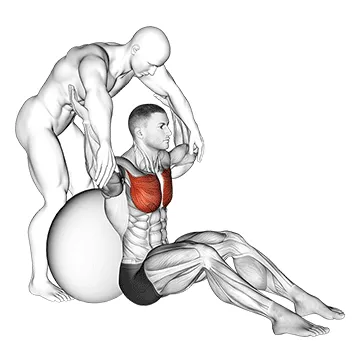
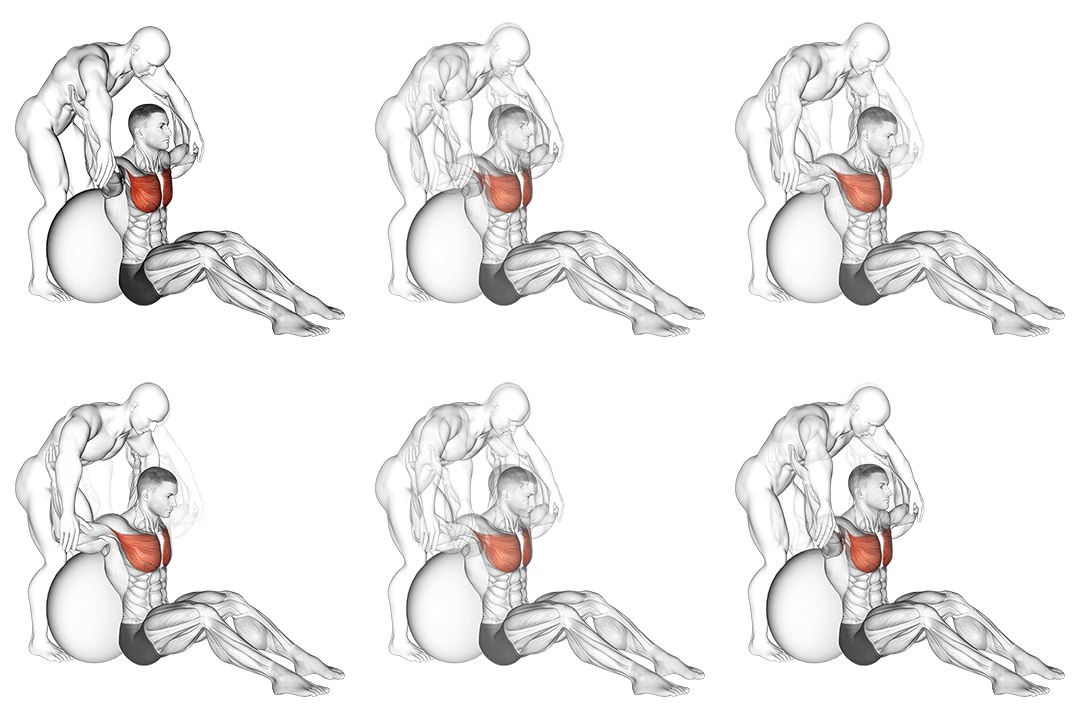
A good swap when you have a stability ball to work with, and it still works the pectorals.
How to perform this exercise
- Sit on a stability ball with your feet flat on the ground and your back straight.
- Hold a stability ball with both hands and extend your arms straight out in front of you.
- Slowly lower the stability ball towards your chest, feeling a stretch in your pectoral muscles.
- Hold the stretch for a few seconds, then slowly return to the starting position.
- Repeat for the desired number of repetitions.
Sets and reps: 3 sets of 8 to 12 reps, and add reps before you add load.
Why this matches
- Primary muscle: pectorals, the same as the Roller Seated Shoulder Flexor Depresor Retractor
- Equipment: bodyweight only, the same as the Roller Seated Shoulder Flexor Depresor Retractor
- Body position: seated, the same as the Roller Seated Shoulder Flexor Depresor Retractor
- Balance: harder to stay steady on than the Roller Seated Shoulder Flexor Depresor Retractor
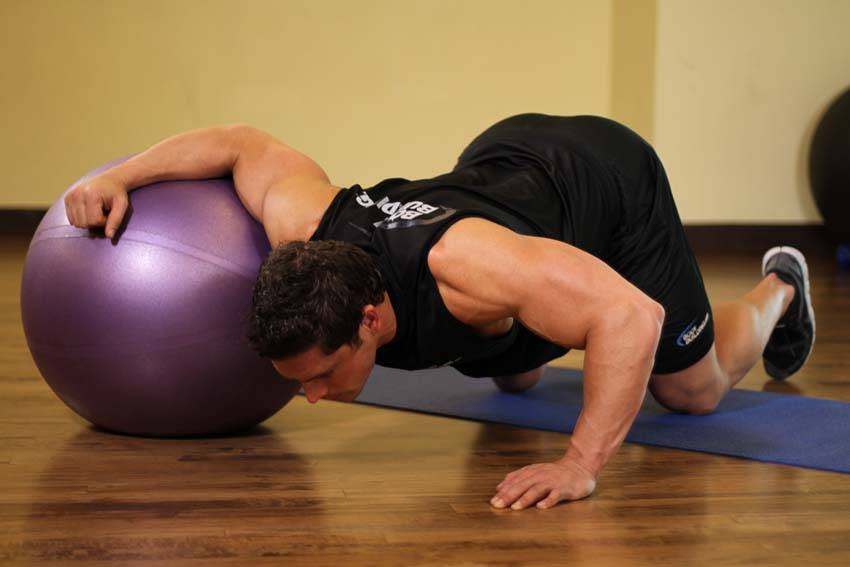
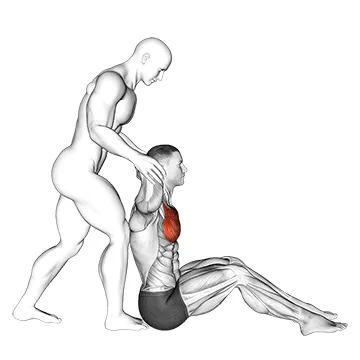
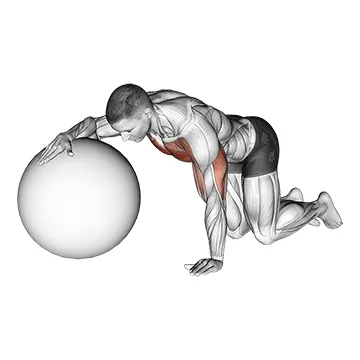
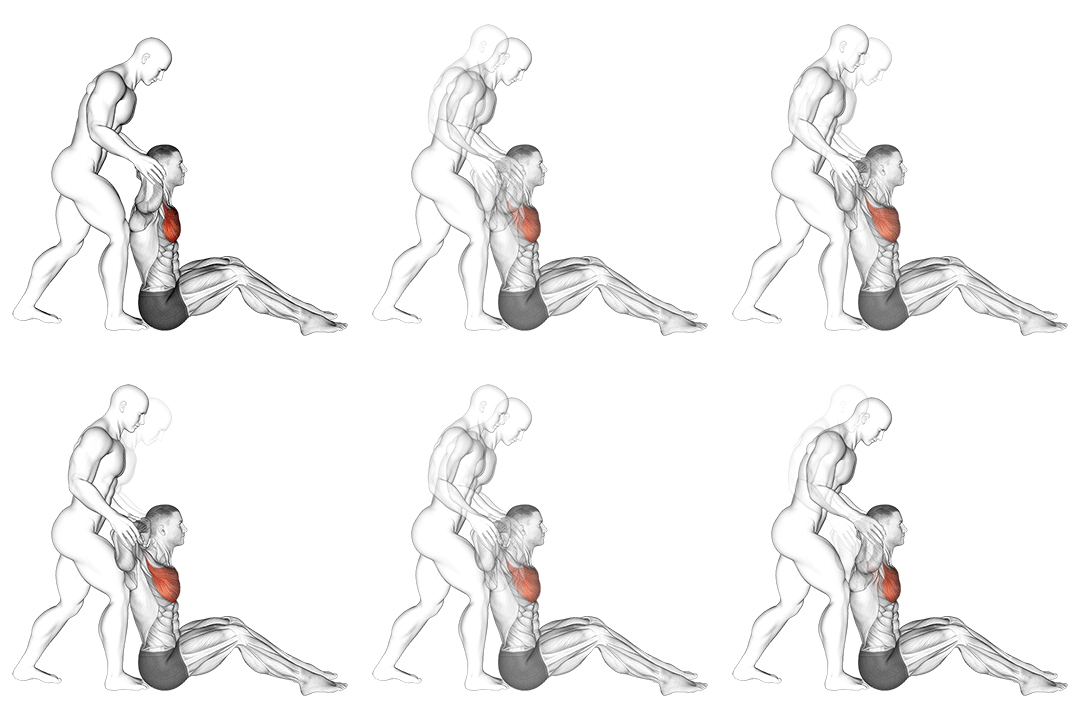
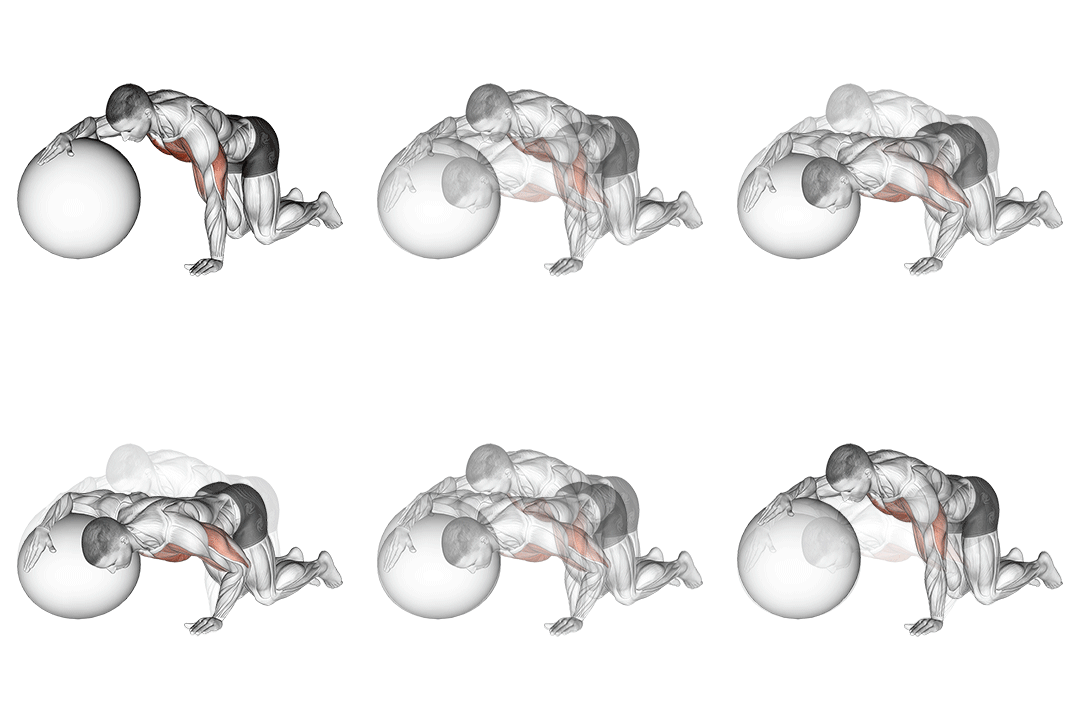
4. Chest Stretch On Stability Ball
80% match- Pectorals
- Stability-ball
- Beginner
- Isolation
How to perform this exercise
- Get on your hands and knees next to an exercise ball.
- Place your elbows on top of the ball, keeping your arm out to your side. This will be your starting position.
- Lower your torso towards the floor, keeping your elbow on top of the ball. Hold the stretch for 20-30 seconds, and repeat with the other arm.
Sets and reps: 3 sets of 8 to 12 reps, and add reps before you add load.
Why this matches
- Primary muscle: pectorals, the same as the Roller Seated Shoulder Flexor Depresor Retractor
- Equipment: bodyweight only, the same as the Roller Seated Shoulder Flexor Depresor Retractor
- Body position: lying on your back, not seated
- Balance: harder to stay steady on than the Roller Seated Shoulder Flexor Depresor Retractor
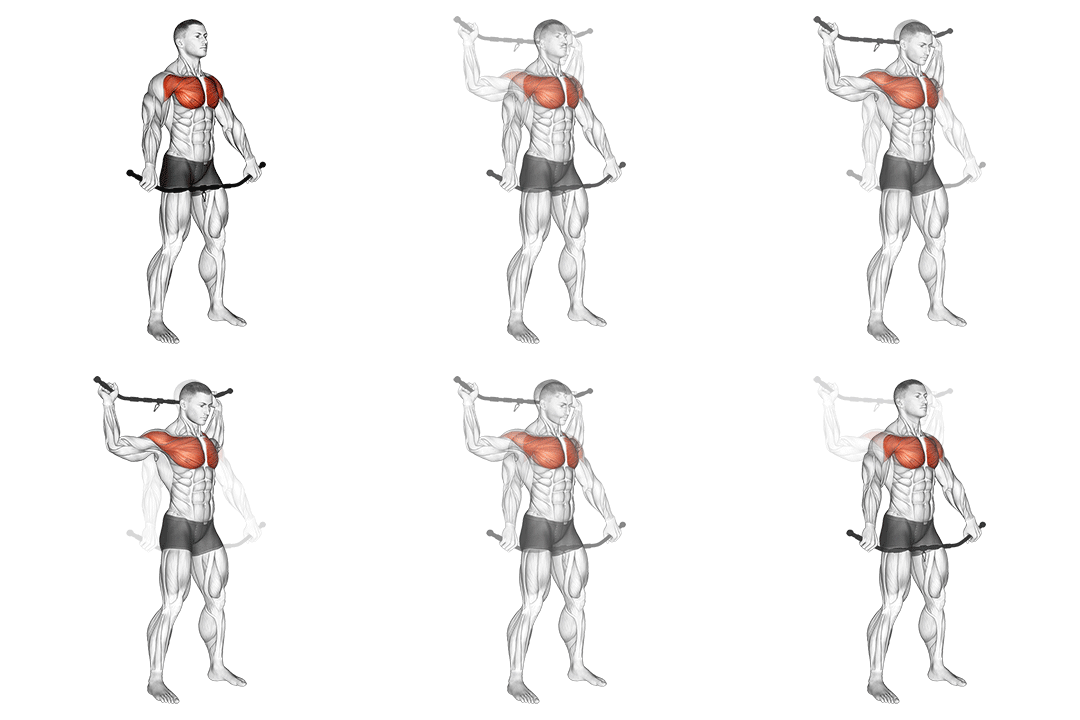
5. Behind Head Chest Stretch
77% match- Pectorals
- Other
- Beginner
- Isolation
It still works the pectorals, through a different movement.
How to perform this exercise
- Stand tall with your feet shoulder-width apart.
- Interlace your fingers behind your head with your elbows pointing outwards.
- Slowly squeeze your shoulder blades together and push your chest forward.
- Hold the stretch for 15-30 seconds.
- Release the stretch and repeat as desired.
Sets and reps: Hold for 20 to 30 seconds, 3 sets.
Why this matches
- Primary muscle: pectorals, the same as the Roller Seated Shoulder Flexor Depresor Retractor
- Equipment: bodyweight only, the same as the Roller Seated Shoulder Flexor Depresor Retractor
- Body position: standing, not seated
- Pectorals
- Bodyweight
- Beginner
- Isolation
How to perform this exercise
- Stand tall with your feet shoulder-width apart.
- Extend your arms straight out in front of you at shoulder height.
- Cross your arms in front of your body, with your right arm on top of your left arm.
- Interlace your fingers and press your palms together.
- Gently squeeze your shoulder blades together and push your hands forward, feeling a stretch in your chest and front of your shoulders.
- Hold the stretch for 20-30 seconds, then release.
- Repeat for the desired number of repetitions.
Sets and reps: 3 sets of 8 to 12 reps, and add reps before you add load.
Why this matches
- Primary muscle: pectorals, the same as the Roller Seated Shoulder Flexor Depresor Retractor
- Equipment: bodyweight only, the same as the Roller Seated Shoulder Flexor Depresor Retractor
- Body position: standing, not seated
7. Chest Stretch With Exercise Ball
74% match- Pectorals
- Stability-ball
- Beginner
- Isolation
How to perform this exercise
- Sit on the stability ball with your feet flat on the ground and your back straight.
- Hold the exercise ball with both hands and extend your arms straight out in front of you.
- Slowly bring the exercise ball towards your chest, feeling a stretch in your chest muscles.
- Hold the stretch for a few seconds, then slowly return to the starting position.
- Repeat for the desired number of repetitions.
Sets and reps: 3 sets of 8 to 12 reps, and add reps before you add load.
Why this matches
- Primary muscle: pectorals, the same as the Roller Seated Shoulder Flexor Depresor Retractor
- Equipment: bodyweight only, the same as the Roller Seated Shoulder Flexor Depresor Retractor
- Body position: lying on your back, not seated
- Balance: harder to stay steady on than the Roller Seated Shoulder Flexor Depresor Retractor
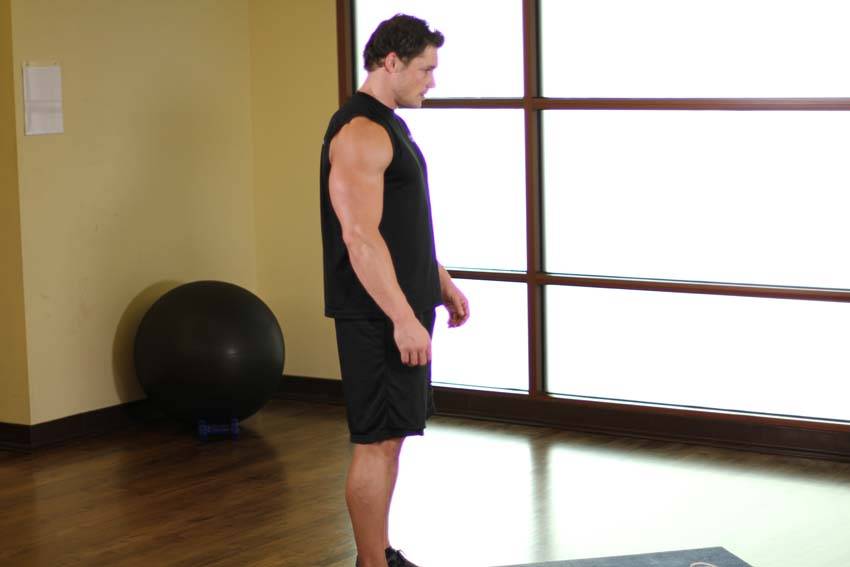
8. Elbows Back
71% match- Pectorals
- Bodyweight
- Beginner
- Isolation
How to perform this exercise
- Stand up straight.
- Place both hands on your lower back, fingers pointing downward and elbows out.
- Then gently pull your elbows back aiming to touch them together.
Sets and reps: 3 sets of 8 to 12 reps, and add reps before you add load.
Why this matches
- Primary muscle: pectorals, the same as the Roller Seated Shoulder Flexor Depresor Retractor
- Equipment: bodyweight only, the same as the Roller Seated Shoulder Flexor Depresor Retractor
- Body position: standing, not seated
9. Lever Seated Fly
70% match- Pectorals
- Lever
- Beginner
- Isolation
How to perform this exercise
- Adjust the seat height and position yourself on the machine with your back against the pad.
- Grasp the handles with a pronated grip and keep your elbows slightly bent.
- Exhale and push the handles forward, bringing them together in front of your chest.
- Pause for a moment, squeezing your chest muscles.
- Inhale and slowly return to the starting position, allowing your chest muscles to stretch.
- Repeat for the desired number of repetitions.
Sets and reps: 3 sets of 10 to 15 reps.
Why this matches
- Primary muscle: pectorals, the same as the Roller Seated Shoulder Flexor Depresor Retractor
- Equipment: a machine, not bodyweight only
- Body position: seated, the same as the Roller Seated Shoulder Flexor Depresor Retractor
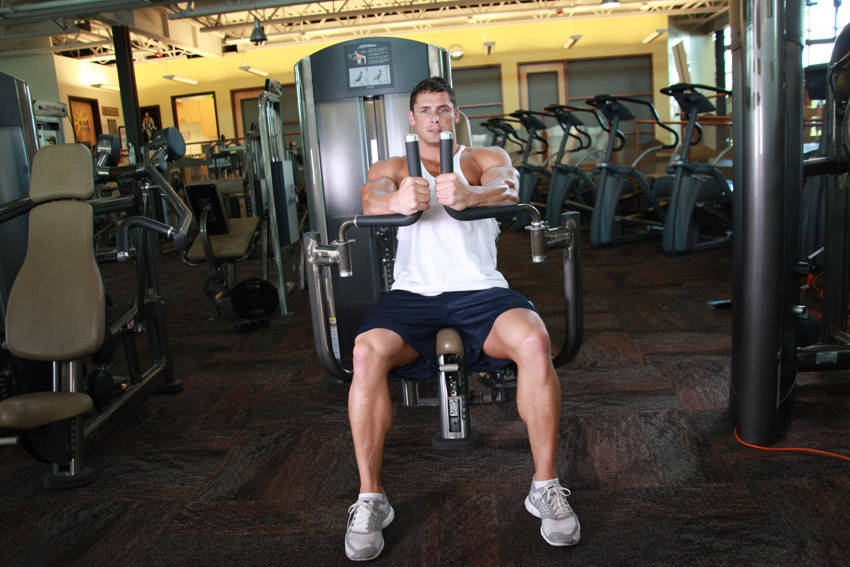
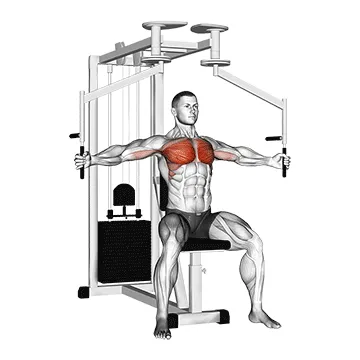
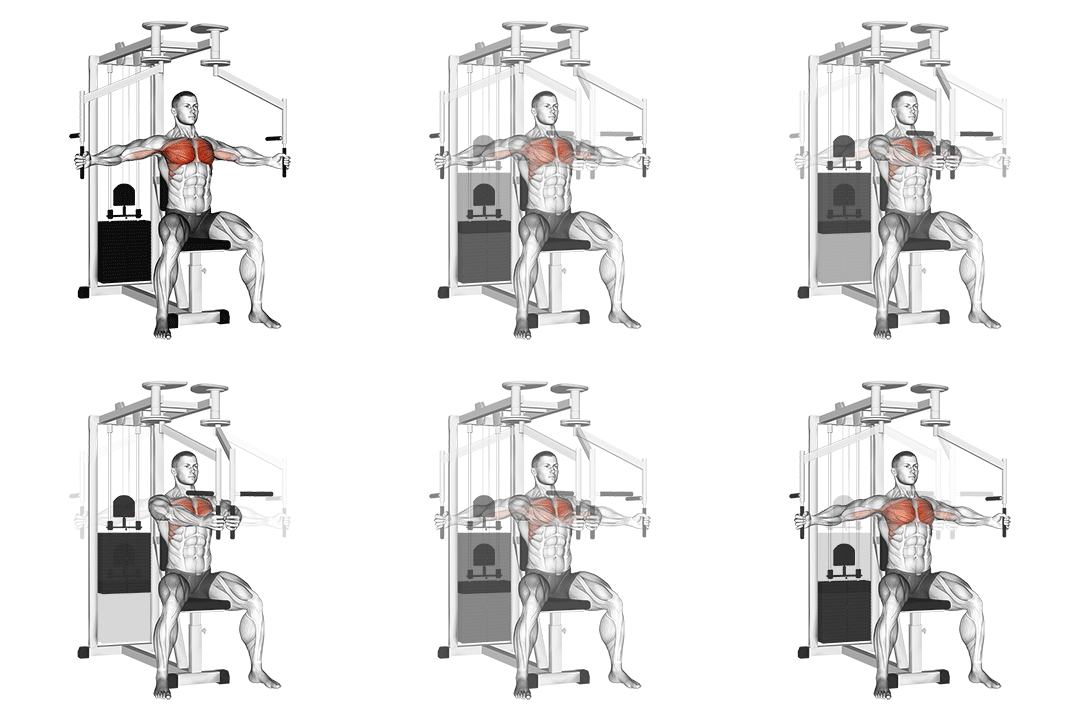
10. Butterfly
69% match- Pectorals
- Machine
- Beginner
- Isolation
How to perform this exercise
- Sit on the machine with your back flat on the pad.
- Take hold of the handles. Tip: Your upper arms should be positioned parallel to the floor; adjust the machine accordingly. This will be your starting position.
- Push the handles together slowly as you squeeze your chest in the middle. Breathe out during this part of the motion and hold the contraction for a second.
- Return back to the starting position slowly as you inhale until your chest muscles are fully stretched.
- Repeat for the recommended amount of repetitions.
Sets and reps: 3 sets of 10 to 15 reps.
Why this matches
- Primary muscle: pectorals, the same as the Roller Seated Shoulder Flexor Depresor Retractor
- Equipment: a machine, not bodyweight only
- Body position: seated, the same as the Roller Seated Shoulder Flexor Depresor Retractor
Why You Might Need a Roller Seated Shoulder Flexor Depresor Retractor Alternative
You may substitute this foam-roll isolation when you lack equipment, experience shoulder pain, or want heavier progressive loading. The roller version emphasizes pectoral isolation through horizontal adduction with limited external load; that can stress the anterior shoulder or limit progression. Alternatives let you increase external load (dumbbell presses), maintain constant tension across the pec (cable flyes), or reduce impingement risk with neutral grips. Preserve the original's pectoral recruitment by maintaining horizontal adduction, avoiding excessive humeral anterior translation, and cueing a deliberate chest squeeze at the top of each rep.
How to Choose the Right Roller Seated Shoulder Flexor Depresor Retractor Substitute
Match the substitute to the Roller Seated movement by prioritizing horizontal adduction and isolated pec tension. Choose based on loadability (dumbbells/cables for progressive overload), range of motion (flyes for long-length tension), and shoulder health (neutral grips or limited ROM if painful). Consider unilateral options to fix asymmetries and tools available, bands, cables, or free weights change tension curves. During selection and execution, brace your core, keep the scapula stable and slightly retracted, and emphasize a strong concentric pec contraction to maximize pectoral activation.
Roller Seated Shoulder Flexor Depresor Retractor FAQ
What muscles does Roller Seated Shoulder Flexor Depresor Retractor work?
The exercise primarily targets the pectoralis major through horizontal adduction of the humerus and isolates the chest with limited triceps involvement. It also engages the anterior deltoid and requires scapular control from the serratus anterior and lower traps; cue a chest squeeze to maximize pec firing.
Find Alternatives for Any Exercise
Search the exercise database and filter the ranked substitutes by the equipment you own.
Similarity scores compare exercise metadata such as movement pattern, muscles, equipment and body position. They are not a safety rating or a check that you own the equipment. Learn about our methodology