

10 Best Farmer's Walk Alternatives for Limited-Equipment Training
The Farmer's Walk is done standing. Ranked closest by our scoring: the Modified Push Up To Lower Arms.
Updated Ranked by our 12-factor similarity model How it works
Original Exercise: Farmer's Walk
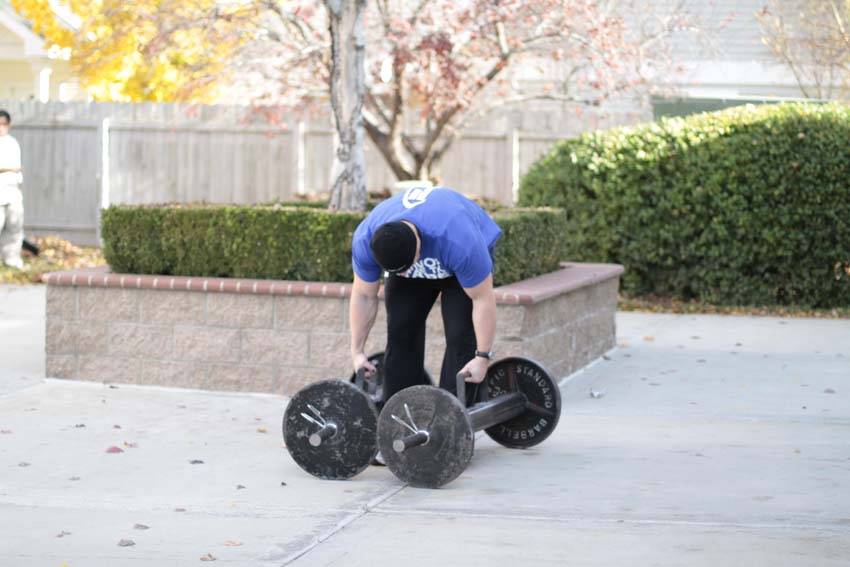
- Primary muscle
- Forearms
- Equipment
- Other
- Difficulty
- Intermediate
- Type
- Compound
Secondary muscles: Abdominals, Glutes, Hamstrings, Lower Back, Quadriceps, Traps
How to perform Farmer's Walk
- There are various implements that can be used for the farmers walk. These can also be performed with heavy dumbbells or short bars if these implements aren't available. Begin by standing between the implements.
- After gripping the handles, lift them up by driving through your heels, keeping your back straight and your head up.
- Walk taking short, quick steps, and don't forget to breathe. Move for a given distance, typically 50-100 feet, as fast as possible.
Ranked Farmer's Walk Alternatives
10 substitutes, ranked by how closely each one matches the Farmer's Walk on movement pattern, muscles worked, equipment and body position. The higher the score, the less you change. Open "How to perform this exercise" on a card for the steps; every card title links to that exercise's own alternatives page.
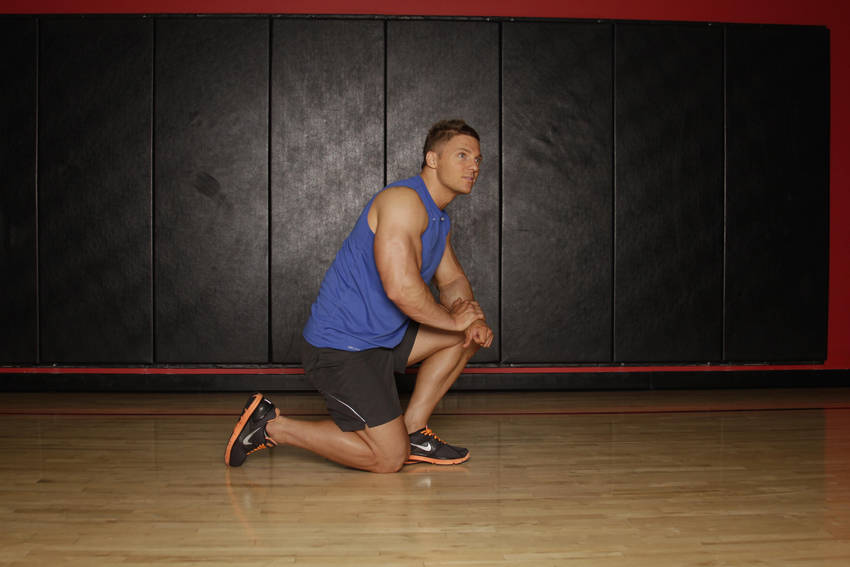
1. Plank
61% match- Abs
- Bodyweight
- Beginner
- Compound
A looser match: it works the abs rather than the forearms.
How to perform this exercise
- Get into a prone position on the floor, supporting your weight on your toes and your forearms. Your arms are bent and directly below the shoulder.
- Keep your body straight at all times, and hold this position as long as possible. To increase difficulty, an arm or leg can be raised.
Sets and reps: Hold for 20 to 30 seconds, 3 sets.
Why this matches
- Primary muscle: abs, not forearms
- Equipment: bodyweight only, not free weights
- Body position: lying face down, not standing
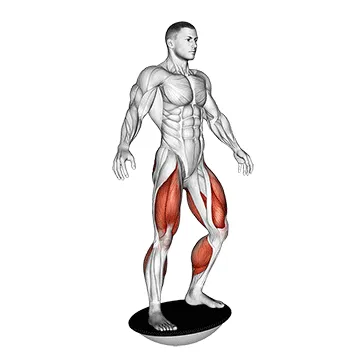
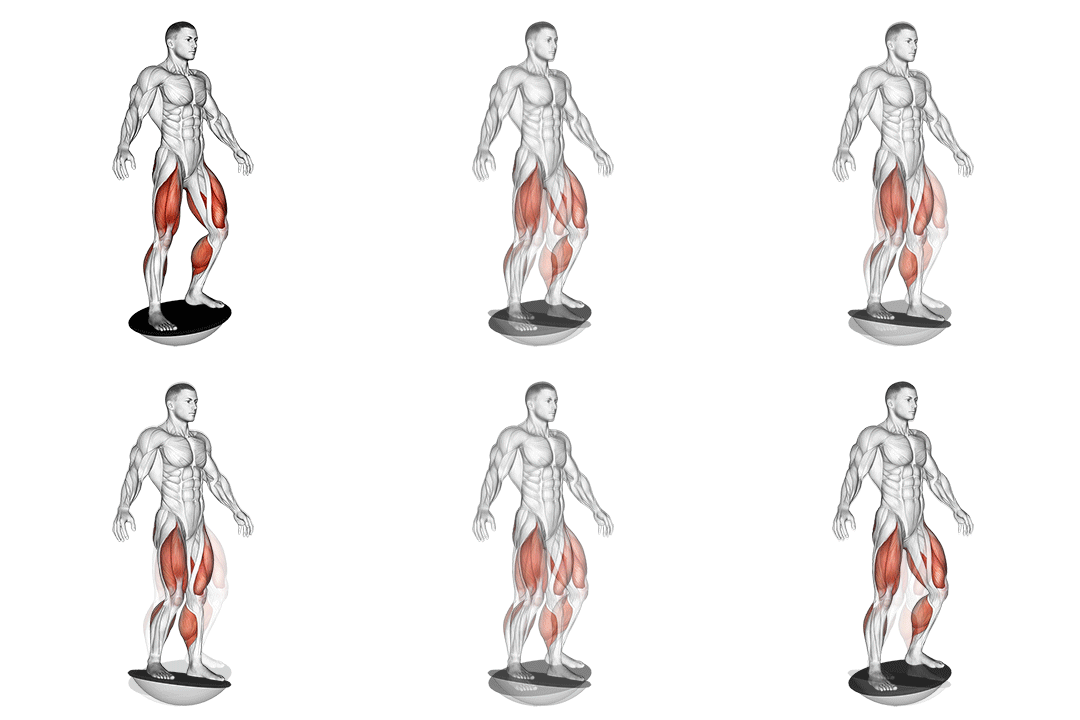
2. Balance Board
42% match- Quads
- Bodyweight
- Intermediate
- Compound
A looser match: it works the quads rather than the forearms.
How to perform this exercise
- Place the balance board on a flat surface.
- Step onto the balance board with one foot, ensuring it is centered.
- Slowly shift your weight onto the foot on the balance board, keeping your core engaged.
- Maintain your balance and stability as you hold the position for a desired amount of time.
- Repeat the exercise with the other foot.
Sets and reps: Hold for 20 to 30 seconds, 3 sets.
Why this matches
- Primary muscle: quads, not forearms
- Equipment: bodyweight only, not free weights
- Body position: standing, the same as the Farmer's Walk
- Balance: harder to stay steady on than the Farmer's Walk
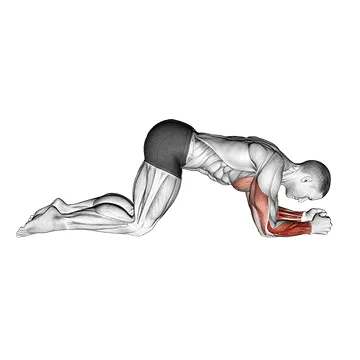
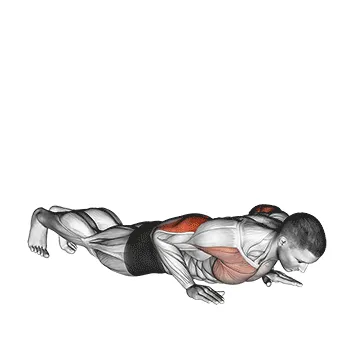
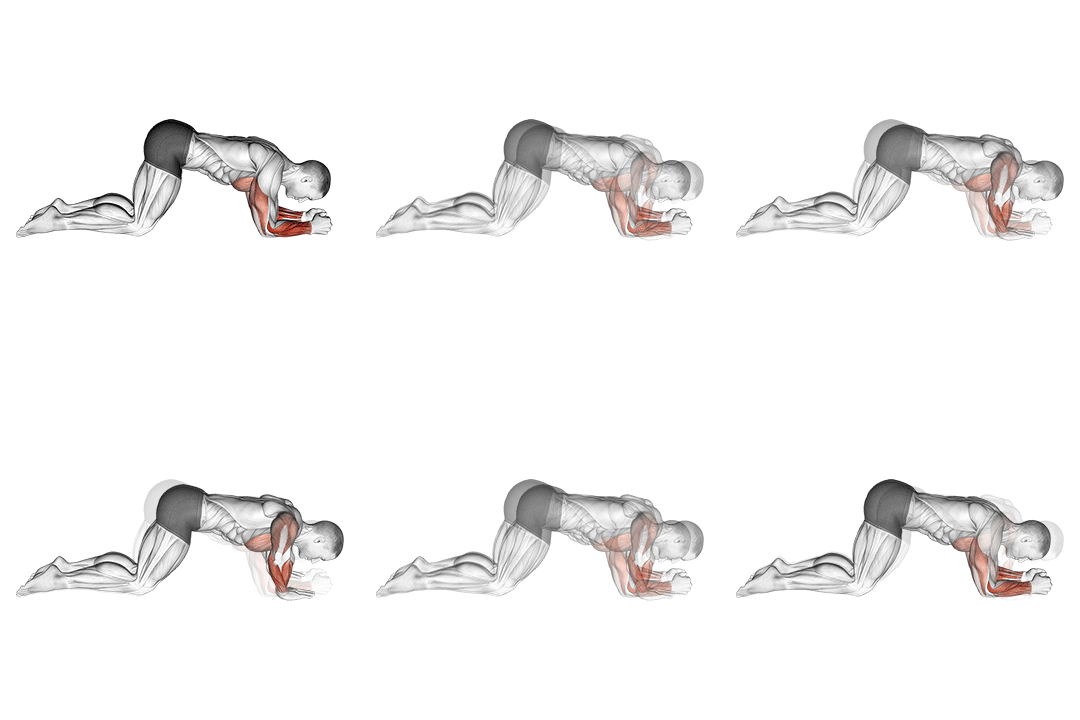
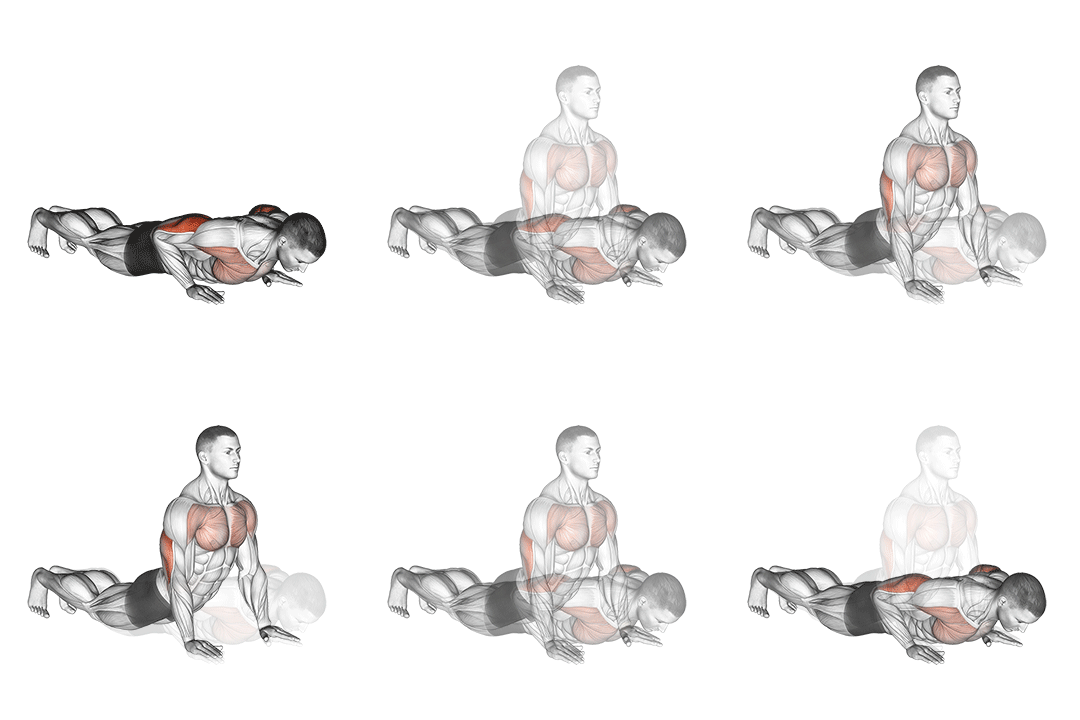
Best match 3. Modified Push Up To Lower Arms
38% match- Forearms
- Bodyweight
- Beginner
- Compound
It still works the forearms, through a different movement.
How to perform this exercise
- Start in a push-up position with your hands directly under your shoulders and your body in a straight line.
- Lower your body down towards the ground by bending your elbows, keeping them close to your sides.
- Once your elbows are at a 90-degree angle, lower your forearms to the ground, keeping your elbows directly under your shoulders.
- Pause for a moment, then push through your palms to lift your forearms back up to the starting position.
- Repeat for the desired number of repetitions.
Sets and reps: 3 sets of 8 to 12 reps, and add reps before you add load.
Why this matches
- Primary muscle: forearms, the same as the Farmer's Walk
- Equipment: bodyweight only, not free weights
- Body position: kneeling, not standing
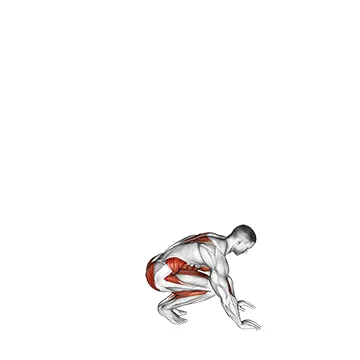
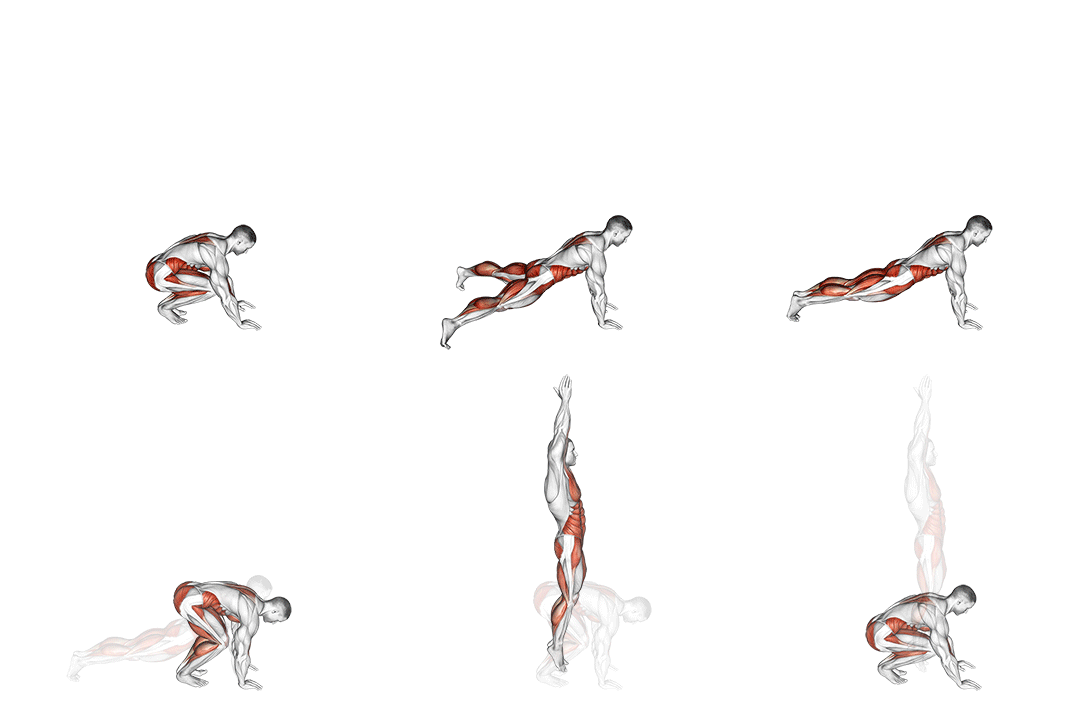
4. Jack Burpee
36% match- Cardio
- Bodyweight
- Intermediate
- Compound
A looser match: it works the cardiovascular rather than the forearms.
How to perform this exercise
- Start in a standing position with your feet shoulder-width apart.
- Lower your body into a squat position, placing your hands on the ground in front of you.
- Kick your feet back, landing in a push-up position.
- Perform a push-up, lowering your chest to the ground and then pushing back up.
- Jump your feet forward, landing in a squat position.
- Jump up explosively, reaching your arms overhead.
- Land softly and immediately lower back into the squat position to begin the next repetition.
Sets and reps: Work for 30 to 60 seconds, rest as long as you worked, and repeat 6 to 10 times.
Why this matches
- Primary muscle: your heart and lungs, not forearms
- Equipment: bodyweight only, not free weights
- Body position: standing, the same as the Farmer's Walk
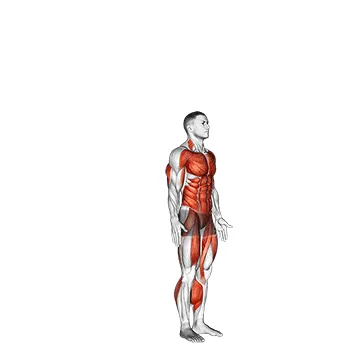
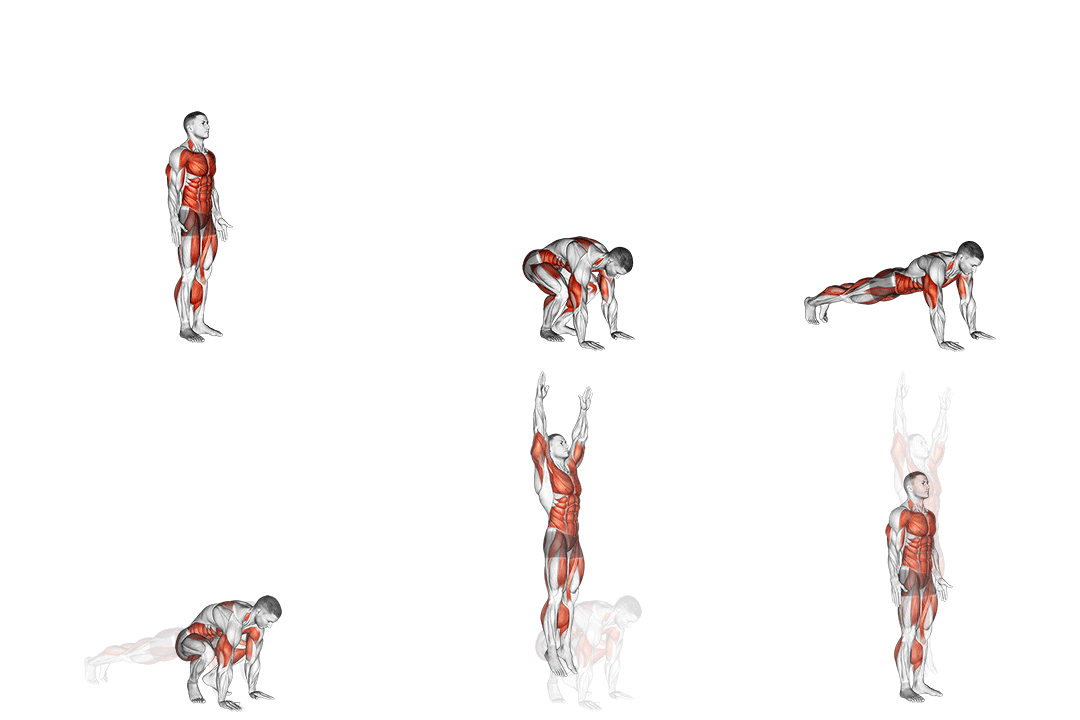
5. Burpee
35% match- Cardio
- Bodyweight
- Intermediate
- Compound
A looser match: it works the heart and lungs rather than the forearms.
How to perform this exercise
- Start in a standing position with your feet shoulder-width apart.
- Lower your body into a squat position by bending your knees and placing your hands on the floor in front of you.
- Kick your feet back into a push-up position.
- Perform a push-up, keeping your body in a straight line.
- Jump your feet back into the squat position.
- Jump up explosively, reaching your arms overhead.
- Land softly and immediately lower back into a squat position to begin the next repetition.
Sets and reps: Work for 30 to 60 seconds, rest as long as you worked, and repeat 6 to 10 times.
Why this matches
- Primary muscle: your heart and lungs, not forearms
- Equipment: bodyweight only, not free weights
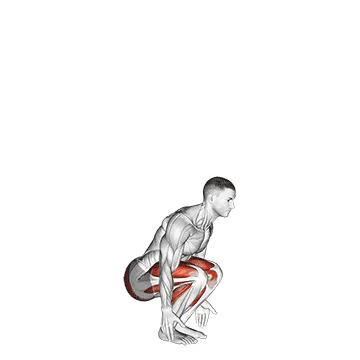
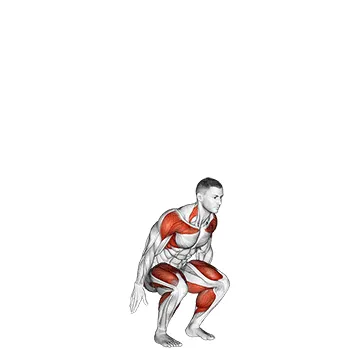
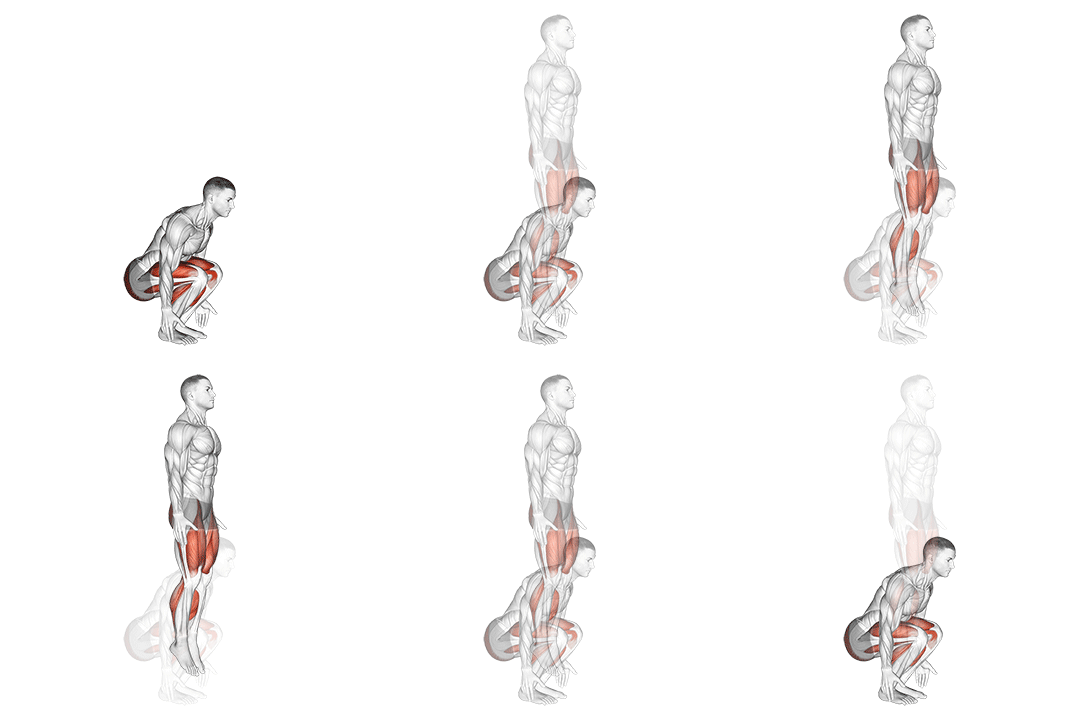
6. Semi Squat Jump
35% match- Quads
- Bodyweight
- Intermediate
- Compound
How to perform this exercise
- Stand with your feet shoulder-width apart.
- Bend your knees and lower your body into a squat position.
- Jump explosively, extending your hips and knees while swinging your arms for momentum.
- Land softly on the balls of your feet and immediately go into the next repetition.
- Repeat for the desired number of repetitions.
Sets and reps: 3 or 4 sets of 6 to 10 reps.
Why this matches
- Primary muscle: quads, not forearms
- Equipment: bodyweight only, not free weights
- Body position: standing, the same as the Farmer's Walk
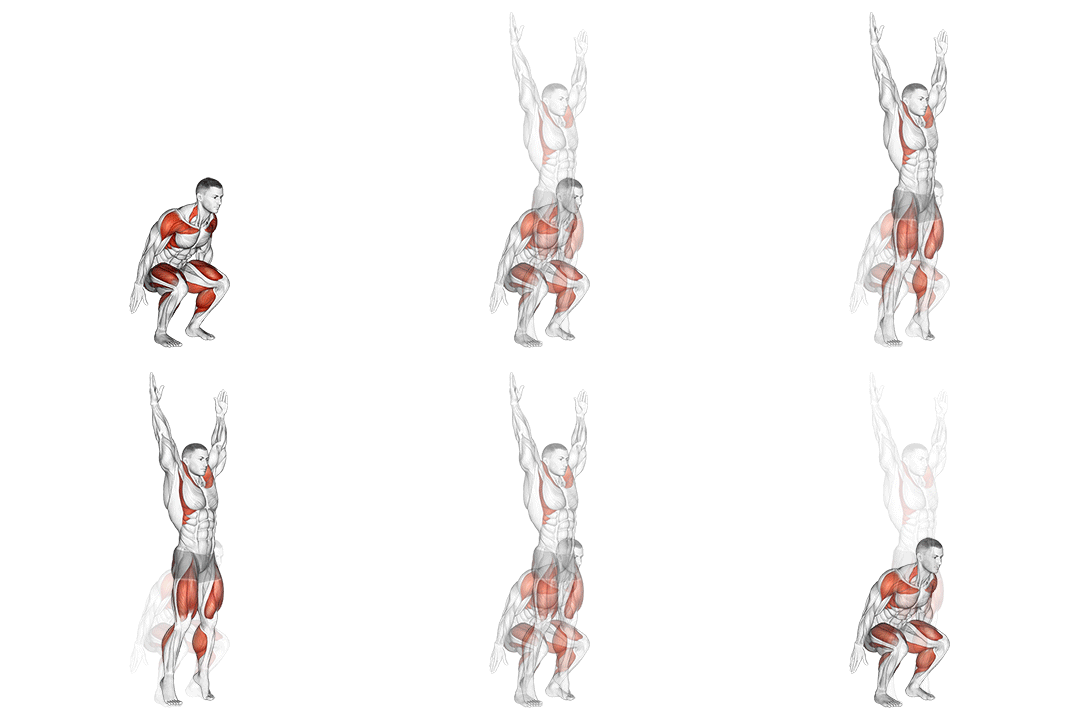
7. Squat To Overhead Reach
35% match- Quads
- Bodyweight
- Beginner
- Compound
How to perform this exercise
- Stand with your feet shoulder-width apart and toes slightly turned out.
- Lower your body down into a squat position by bending your knees and pushing your hips back.
- As you come up from the squat, extend your arms overhead, reaching towards the ceiling.
- Return to the starting position by lowering your arms and bending your knees to squat down again.
- Repeat for the desired number of repetitions.
Sets and reps: 3 sets of 8 to 12 reps, and add reps before you add load.
Why this matches
- Primary muscle: quads, not forearms
- Equipment: bodyweight only, not free weights
- Body position: standing, the same as the Farmer's Walk
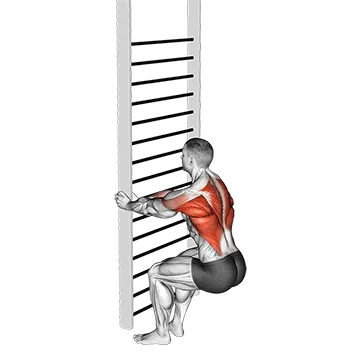
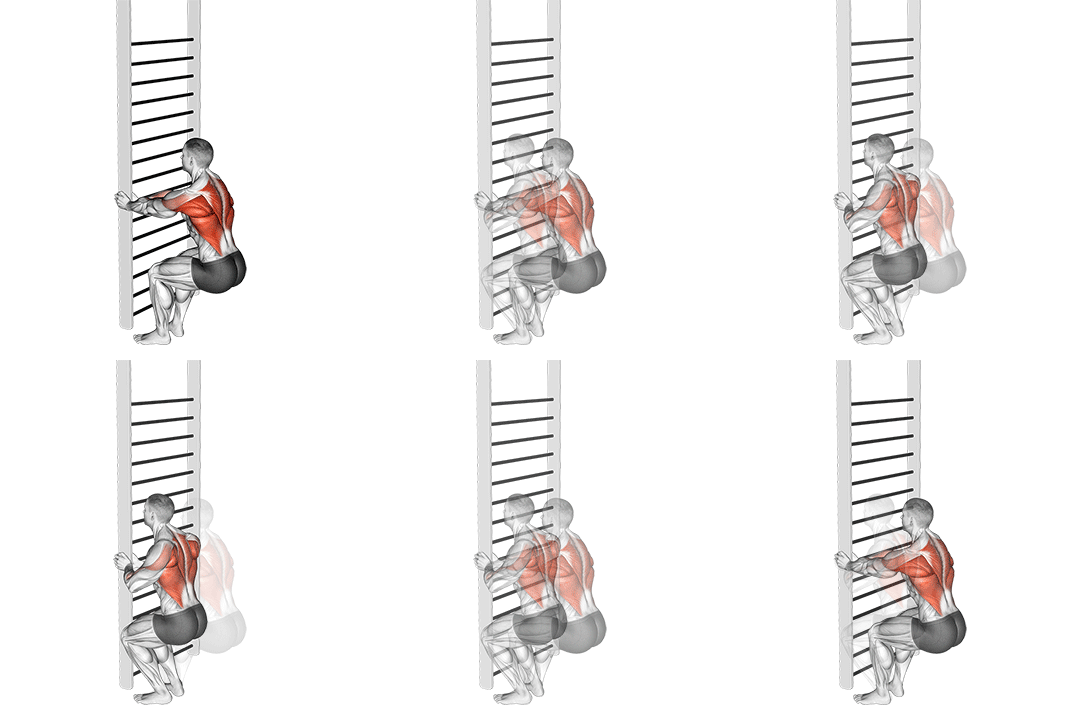
8. Bodyweight Squatting Row
35% match- Lats
- Bodyweight
- Beginner
- Compound
How to perform this exercise
- Stand with your feet shoulder-width apart, holding onto a sturdy object or suspension trainer with your arms extended.
- Lower your body into a squat position, keeping your back straight and your knees behind your toes.
- From the squat position, pull your body up towards the object or suspension trainer, squeezing your shoulder blades together.
- Pause for a moment at the top, then slowly lower your body back down to the starting position.
- Repeat for the desired number of repetitions.
Sets and reps: 3 sets of 8 to 12 reps, and add reps before you add load.
Why this matches
- Primary muscle: lats, not forearms
- Equipment: bodyweight only, not free weights
- Body position: standing, the same as the Farmer's Walk
9. Reverse Dip
35% match- Triceps
- Bodyweight
- Intermediate
- Compound
How to perform this exercise
- Position yourself between two parallel bars with your arms fully extended and your body straight.
- Lower your body by bending your elbows until your upper arms are parallel to the ground.
- Pause for a moment, then push yourself back up to the starting position by straightening your arms.
- Repeat for the desired number of repetitions.
Sets and reps: 3 or 4 sets of 6 to 10 reps.
Why this matches
- Primary muscle: triceps, not forearms
- Equipment: bodyweight only, not free weights
- Body position: standing, the same as the Farmer's Walk
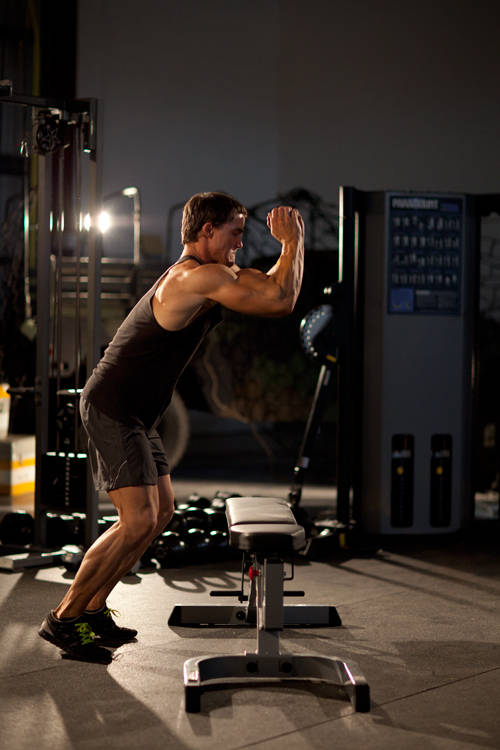
10. Bench Jump
35% match- Quads
- Bodyweight
- Intermediate
- Compound
How to perform this exercise
- Begin with a box or bench 1-2 feet in front of you. Stand with your feet shoulder width apart. This will be your starting position.
- Perform a short squat in preparation for the jump; swing your arms behind you.
- Rebound out of this position, extending through the hips, knees, and ankles to jump as high as possible. Swing your arms forward and up.
- Jump over the bench, landing with the knees bent, absorbing the impact through the legs.
- Turn around and face the opposite direction, then jump back over the bench.
Sets and reps: 3 or 4 sets of 6 to 10 reps.
Why this matches
- Primary muscle: quads, not forearms
- Equipment: bodyweight only, not free weights
- Body position: standing, the same as the Farmer's Walk
Why You Might Need a Farmer's Walk Alternative
You may substitute the Farmer's Walk for several reasons: lack of heavy implements, wrist or shoulder pain, space limits, or a need for specific grip adaptations. Substitutes let you stress the forearm flexors and finger extensors with safer joint positions and controlled loading. For example, a dumbbell farmer carry lets you keep a neutral wrist and cue "thumbs up, grip tight," shifting grip force through the radial forearm while reducing thoracic loading. Isometric holds and unilateral carries change shear and rotational demands on the core, so choose a variation that preserves wrist alignment and avoids painful end ranges.
Farmer's Walk FAQ
What muscles does Farmer's Walk work?
The Farmer's Walk primarily targets the forearms and grip (finger flexors and wrist stabilizers) while loading the traps, upper back, and core for anti-flexion and anti-rotation. Cue "shoulders packed, chest up, grip tight" to engage scapular stabilizers and transfer force through the forearms into the carry.
Can I build muscle without doing Farmer's Walk?
Yes. You can build forearm and upper-back muscle with targeted alternatives like heavy holds, thick-grip rows, and wrist curls, use progressive overload and sets to near-failure. Cue "control the descent and maintain a neutral wrist" on curls and holds to ensure maximal forearm flexor recruitment and safe joint mechanics.
Find Alternatives for Any Exercise
Search the exercise database and filter the ranked substitutes by the equipment you own.
Similarity scores compare exercise metadata such as movement pattern, muscles, equipment and body position. They are not a safety rating or a check that you own the equipment. Learn about our methodology