

10 Best Iliotibial Tract-smr Alternatives for Mobility Work
The Iliotibial Tract-smr is done lying face down with a foam roller. Ranked closest by our scoring: the It Band And Glute Stretch. Two harder versions, the Roller Hip Lat Stretch and the Roller Hip Stretch, are listed below as progressions rather than swaps.
Updated Ranked by our 12-factor similarity model How it works
Original Exercise: Iliotibial Tract-smr
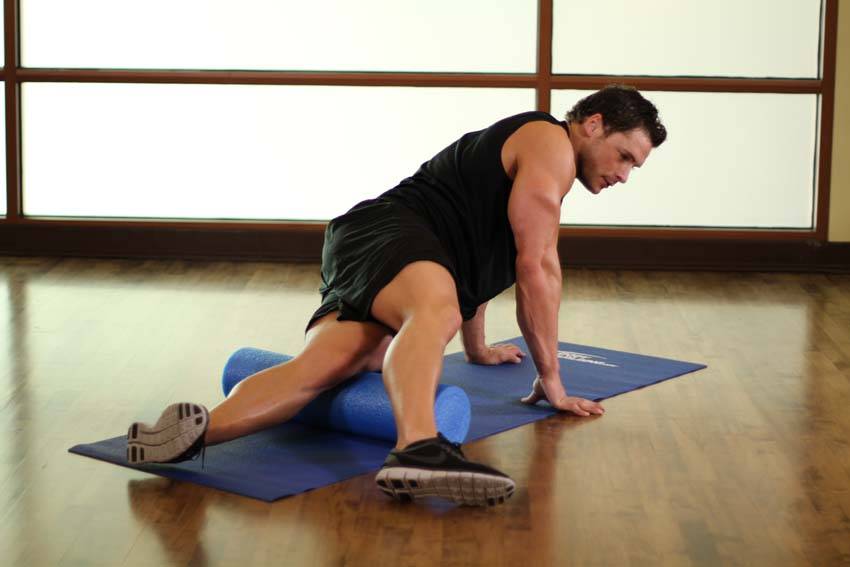
- Primary muscle
- Abductors
- Equipment
- Foam-roll
- Difficulty
- Beginner
- Type
- Isolation
How to perform Iliotibial Tract-smr
- Lay on your side, with the bottom leg placed onto a foam roller between the hip and the knee. The other leg can be crossed in front of you.
- Place as much of your weight as is tolerable onto your bottom leg; there is no need to keep your bottom leg in contact with the ground. Be sure to relax the muscles of the leg you are stretching.
- Roll your leg over the foam from you hip to your knee, pausing for 10-30 seconds at points of tension. Repeat with the opposite leg.
Ranked Iliotibial Tract-smr Alternatives
10 substitutes, ranked by how closely each one matches the Iliotibial Tract-smr on movement pattern, muscles worked, equipment and body position. The higher the score, the less you change. Open "How to perform this exercise" on a card for the steps; every card title links to that exercise's own alternatives page. Harder versions are tagged as progressions and kept out of the top spot even when they score higher.
1. Lying (Side) Quads Stretch
80% match- Quads
- Bodyweight
- Beginner
- Isolation
A looser match: it works the quads rather than the abductors.
How to perform this exercise
- Lie on your side with your legs straight.
- Bend your top leg and grab your ankle or foot with your hand.
- Gently pull your ankle or foot towards your glutes until you feel a stretch in your quads.
- Hold the stretch for 20-30 seconds.
- Release the stretch and repeat on the other side.
Sets and reps: Hold for 20 to 30 seconds on each side, 3 sets.
Why this matches
- Primary muscle: quads, not abductors
- Equipment: bodyweight only, the same as the Iliotibial Tract-smr
- Quads
- Other
- Beginner
- Isolation
How to perform this exercise
- Lie face down on the ground with your legs extended.
- Bend your left knee and reach back with your left hand to grab your left foot or ankle.
- Gently pull your left foot towards your glutes, feeling a stretch in your left quad.
- Hold the stretch for 20-30 seconds, then release.
- Repeat with your right leg.
Sets and reps: Hold for 30 to 60 seconds and repeat 2 or 3 times.
Why this matches
- Primary muscle: quads, not abductors
- Equipment: bodyweight only, the same as the Iliotibial Tract-smr
- Body position: lying face down, the same as the Iliotibial Tract-smr
- Quads
- Other
- Beginner
- Isolation
How to perform this exercise
- Lie face down on the ground with your legs straight.
- Bend your right knee and reach back with your right hand to grab your right foot or ankle.
- Gently pull your right foot or ankle towards your glutes, feeling a stretch in the front of your right thigh.
- Hold the stretch for 20-30 seconds.
- Release and repeat on the other side.
Sets and reps: Hold for 30 to 60 seconds and repeat 2 or 3 times.
Why this matches
- Primary muscle: quads, not abductors
- Equipment: bodyweight only, the same as the Iliotibial Tract-smr
- Body position: lying face down, the same as the Iliotibial Tract-smr
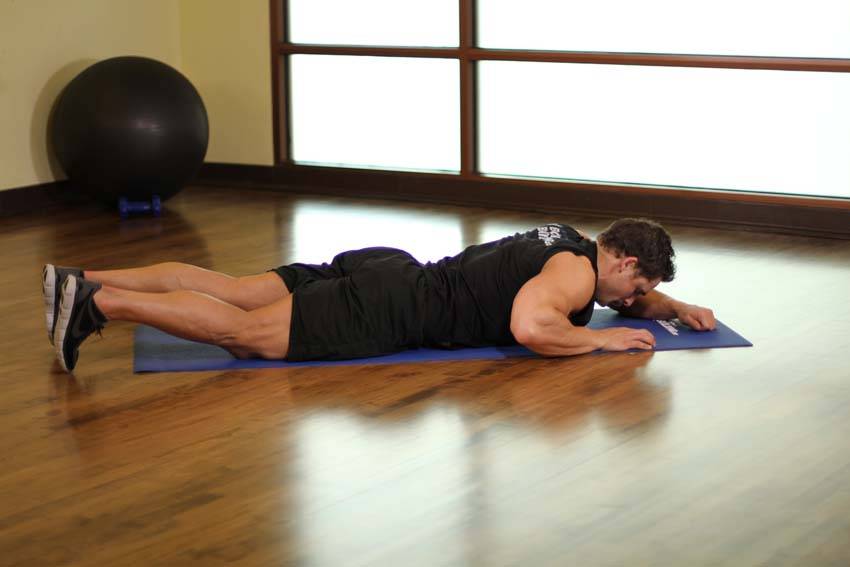
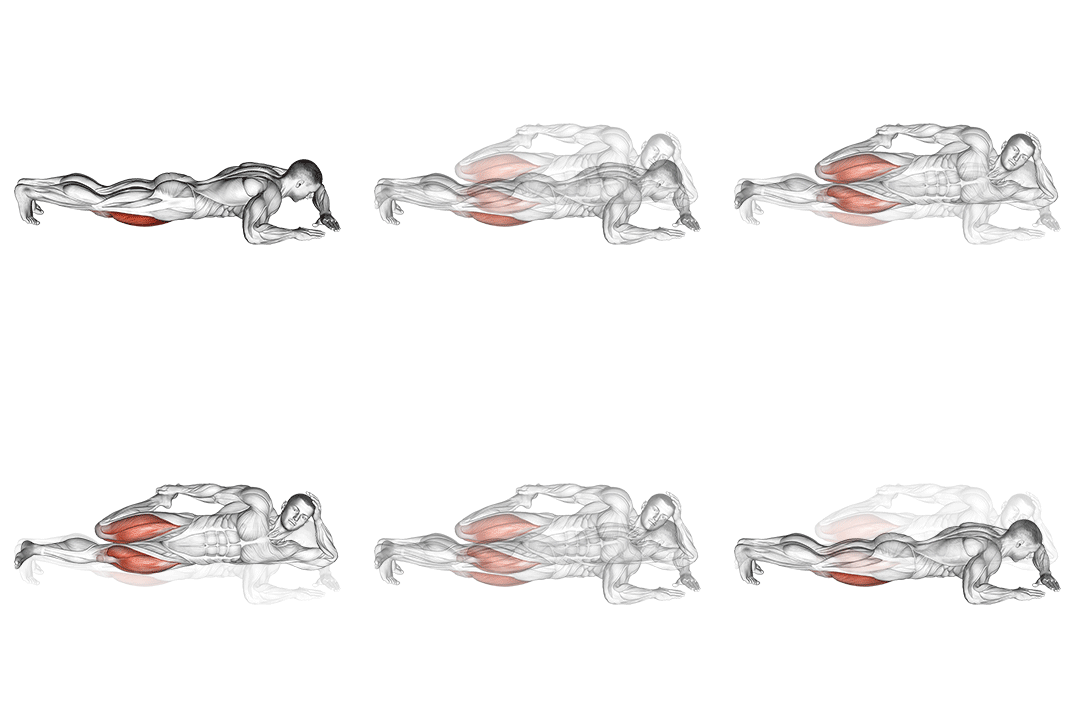
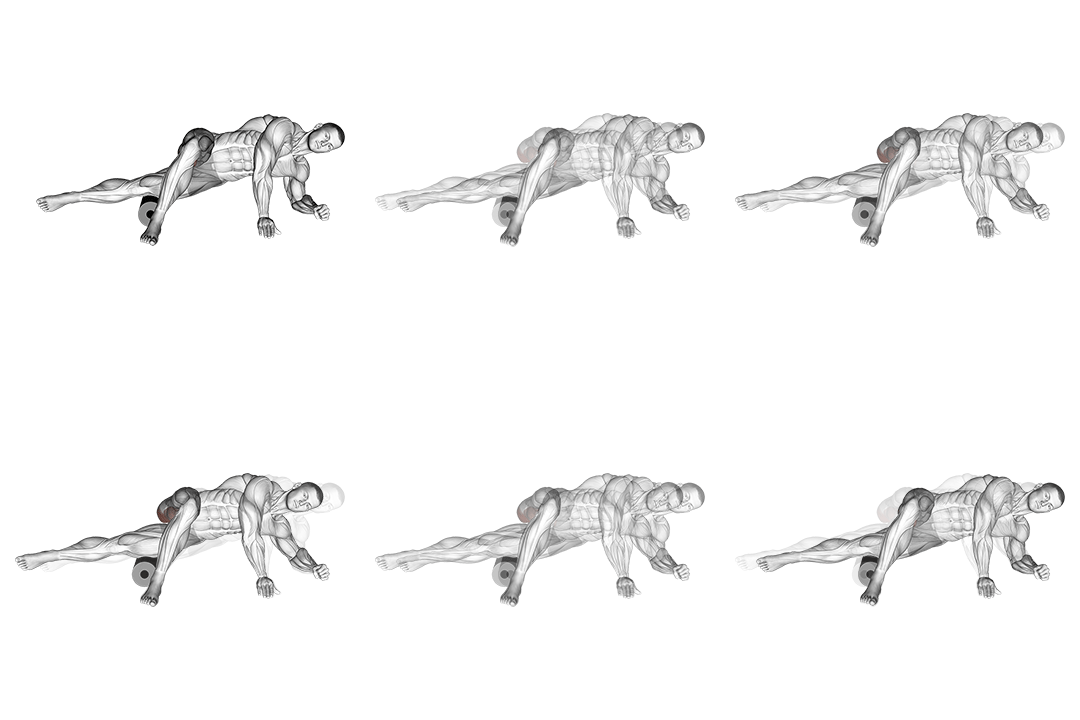
4. On Your Side Quad Stretch
80% match- Quads
- Other
- Beginner
- Isolation
How to perform this exercise
- Start off by lying on your right side, with your right knee bent at a 90-degree angle resting on the floor in front of you (this stabilizes the torso).
- Bend your left knee behind you and hold your left foot with your left hand. To stretch your hip flexor, press your left hip forward as you push your left foot back into your hand. Switch sides.
Sets and reps: Hold for 30 to 60 seconds and repeat 2 or 3 times.
Why this matches
- Primary muscle: quads, not abductors
- Equipment: bodyweight only, the same as the Iliotibial Tract-smr
- Body position: lying face down, the same as the Iliotibial Tract-smr
Best match 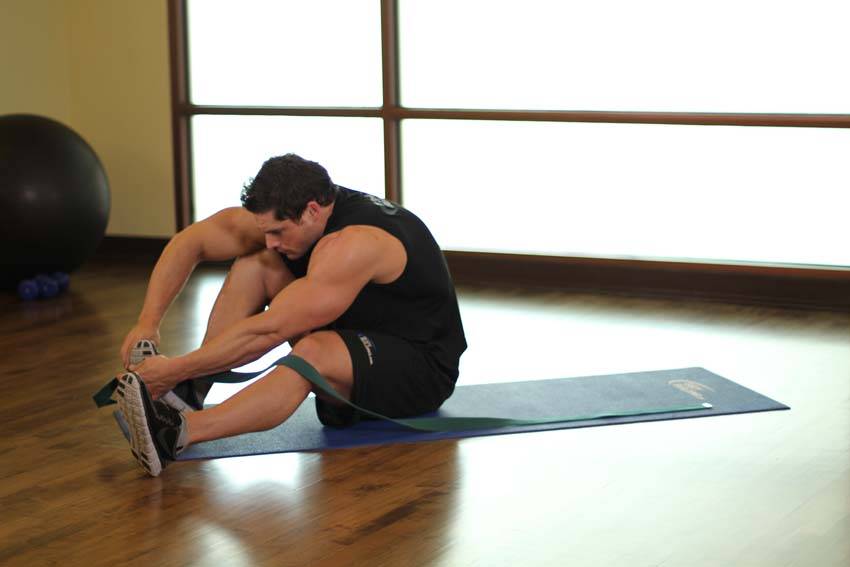
5. It Band And Glute Stretch
79% match- Abductors
- Other
- Beginner
- Isolation
A straight swap when you want to keep working the abductors.
How to perform this exercise
- Loop a belt, rope, or band around one of your feet, and swing that leg across your body to the opposite side, keeping the leg extended as you lay on the ground. This will be your starting position.
- Keeping your foot off of the floor, pull on the belt, using the tension to pull the toes up. Hold for 10-20 seconds, and repeat on the other side.
Sets and reps: Hold for 30 to 60 seconds and repeat 2 or 3 times.
Why this matches
- Primary muscle: abductors, the same as the Iliotibial Tract-smr
- Equipment: bodyweight only, the same as the Iliotibial Tract-smr
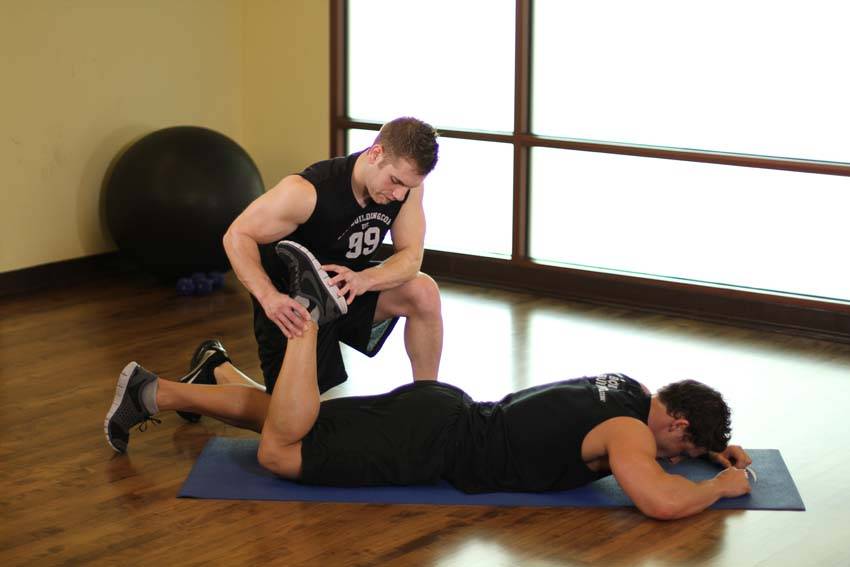
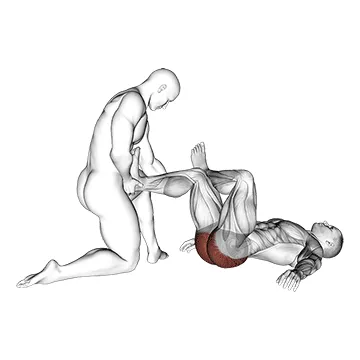
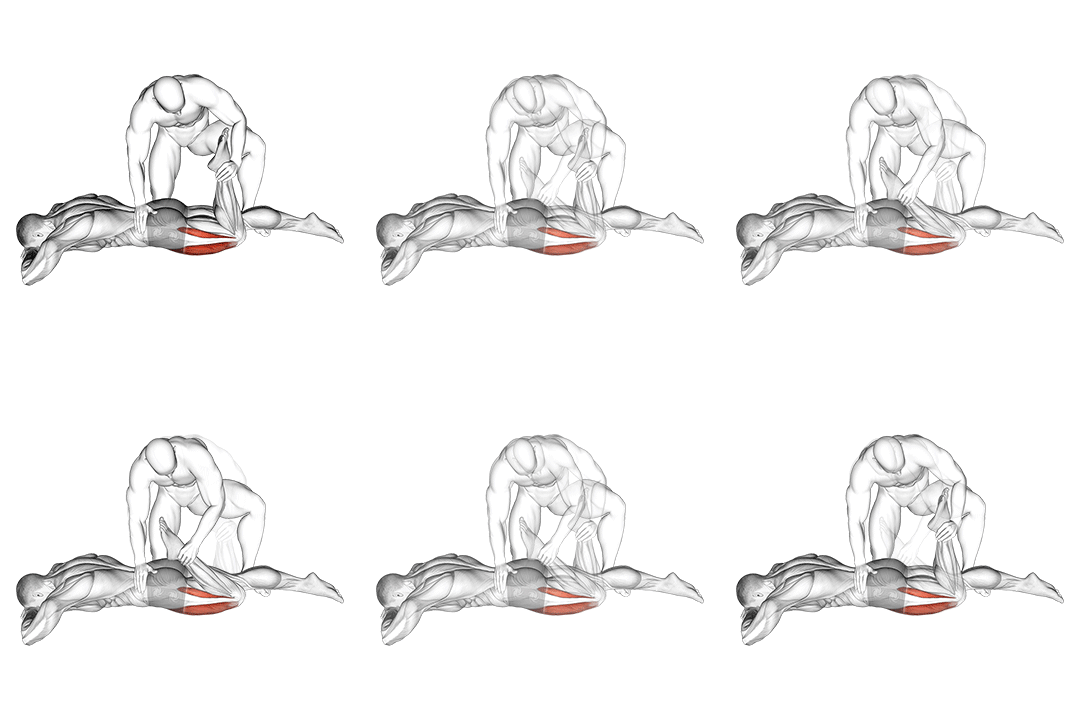
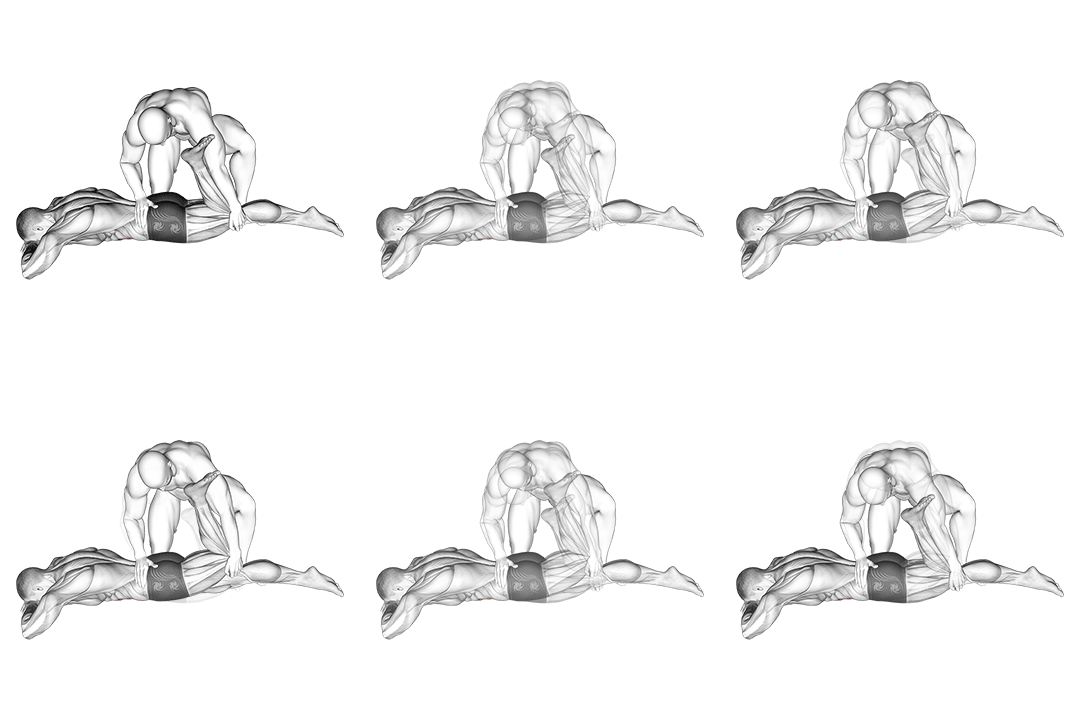
6. Lying Prone Quadriceps
79% match- Quads
- Bodyweight
- Beginner
- Isolation
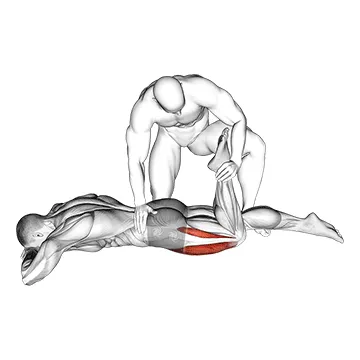
How to perform this exercise
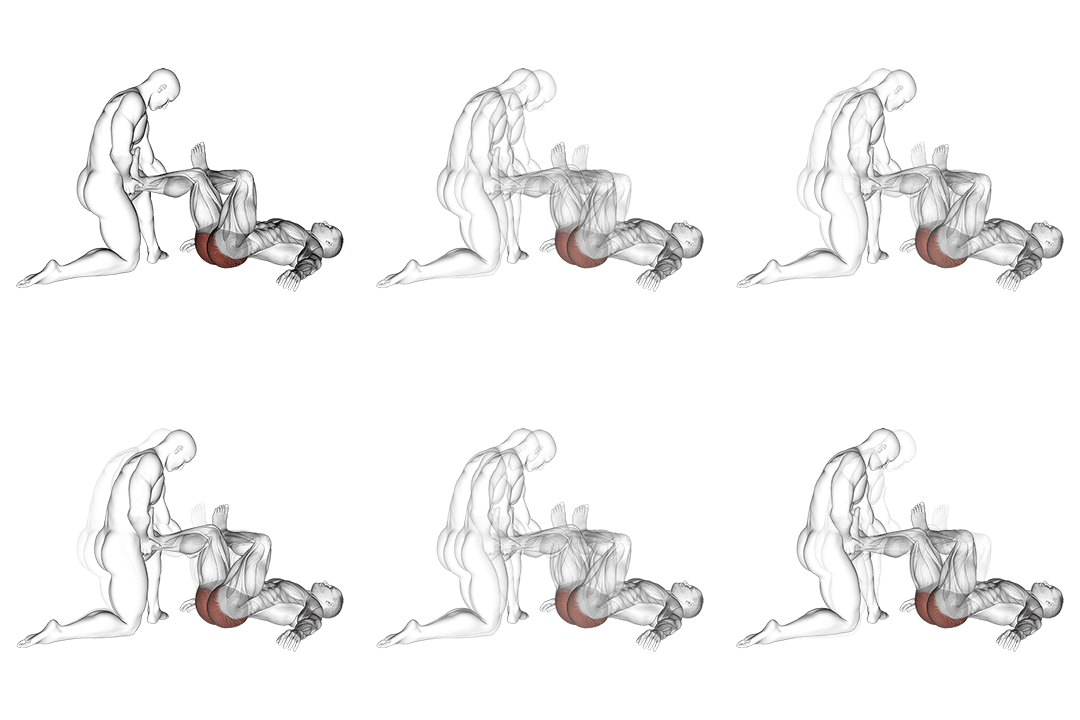
- Lay face down on the floor with your partner kneeling beside you. Flex one knee and raise that leg off the ground, attempting to touch your glutes with your foot. Your partner should hold the knee and ankle. This will be your starting position.
- Attempt to extend your knee while your partner prevents any actual movement.
- After 10-20 seconds, relax your muscles as your partner gently pushes the foot towards your glutes, further stretching the quadriceps and hip flexors.
- After 10-20 seconds, switch sides.
Sets and reps: Hold for 30 to 60 seconds and repeat 2 or 3 times.
Why this matches
- Primary muscle: quads, not abductors
- Equipment: bodyweight only, the same as the Iliotibial Tract-smr
- Body position: lying face down, the same as the Iliotibial Tract-smr
Progression
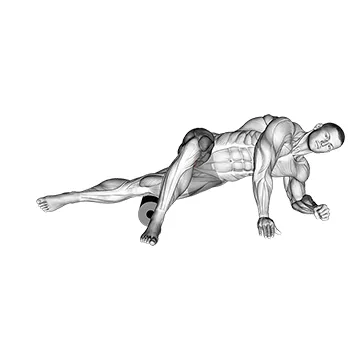
7. Roller Hip Lat Stretch
77% match- Glutes
- Foam-roll
- Beginner
- Isolation
A looser match: it uses the same equipment, but it works the glutes rather than the abductors.
How to perform this exercise
- Start by kneeling on the ground with the roller positioned under your hips.
- Place your hands on the roller for support.
- Slowly roll the roller forward, extending your hips and stretching your glutes.
- Hold the stretch for a few seconds, then roll back to the starting position.
- Repeat for the desired number of repetitions.
Sets and reps: Hold for 30 to 60 seconds and repeat 2 or 3 times.
Why this matches
- Primary muscle: glutes, not abductors
- Equipment: bodyweight only, the same as the Iliotibial Tract-smr
- Body position: lying on your back, not lying face down
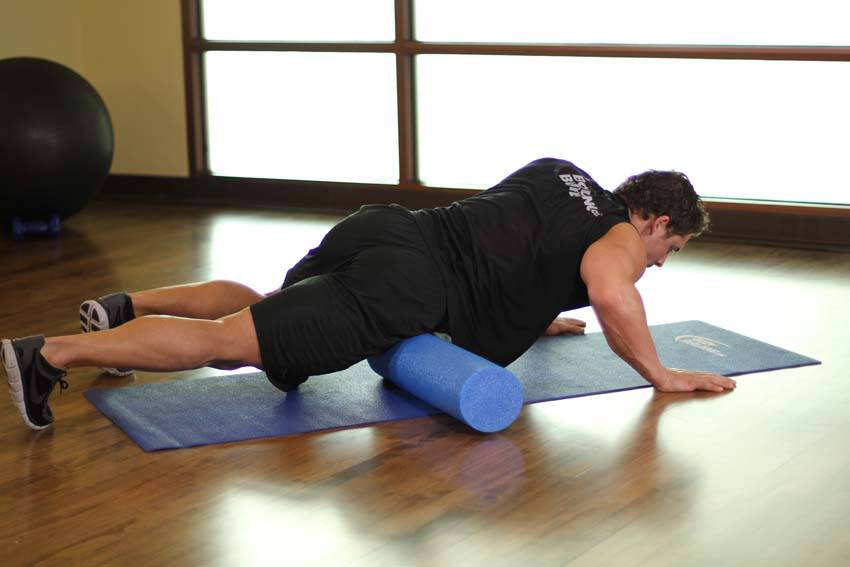
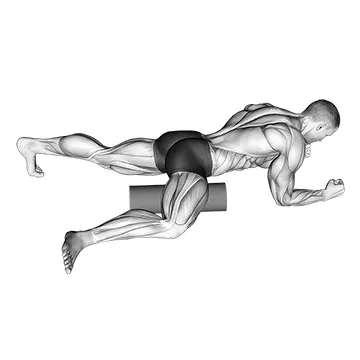
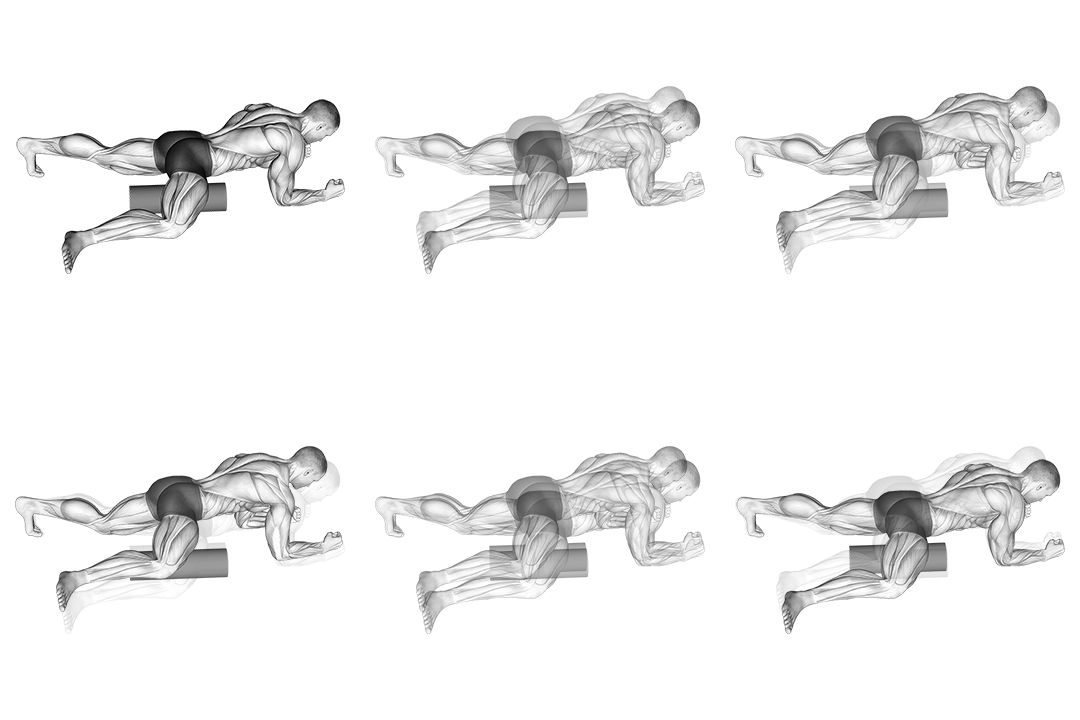
8. Quadriceps-smr
75% match- Quads
- Foam-roll
- Beginner
- Isolation
How to perform this exercise
- Lay facedown on the floor with your weight supported by your hands or forearms. Place a foam roll underneath one leg on the quadriceps, and keep the foot off of the ground. Make sure to relax the leg as much as possible. This will be your starting position.
- Shifting as much weight onto the leg to be stretched as is tolerable, roll over the foam from above the knee to below the hip, holding points of tension for 10-30 seconds. Switch sides.
Sets and reps: Hold for 30 to 60 seconds and repeat 2 or 3 times.
Why this matches
- Primary muscle: quads, not abductors
- Equipment: bodyweight only, the same as the Iliotibial Tract-smr
- Body position: lying face down, the same as the Iliotibial Tract-smr
Progression
9. Roller Hip Stretch
72% match- Glutes
- Foam-roll
- Beginner
- Isolation
How to perform this exercise
- Start by sitting on the ground with your legs extended in front of you.
- Place the roller under your glutes, just above your knees.
- Lean back and place your hands on the ground behind you for support.
- Engage your glutes and slowly roll the roller forward, bending your knees and bringing them towards your chest.
- Pause for a moment at the end of the movement, feeling a stretch in your glutes.
- Slowly roll the roller back to the starting position, extending your legs.
- Repeat for the desired number of repetitions.
Sets and reps: Hold for 30 to 60 seconds and repeat 2 or 3 times.
Why this matches
- Primary muscle: glutes, not abductors
- Equipment: bodyweight only, the same as the Iliotibial Tract-smr
- Body position: lying on your back, not lying face down
- Glutes
- Other
- Beginner
- Isolation
How to perform this exercise
- Lie on your back with your legs extended.
- Bend your right knee and place your right ankle on your left thigh, just above the knee.
- Grasp your left thigh with both hands and gently pull it towards your chest.
- Hold the stretch for 20-30 seconds.
- Release the stretch and repeat on the other side.
Sets and reps: Hold for 30 to 60 seconds and repeat 2 or 3 times.
Why this matches
- Primary muscle: glutes, not abductors
- Equipment: bodyweight only, the same as the Iliotibial Tract-smr
- Body position: lying on your back, not lying face down
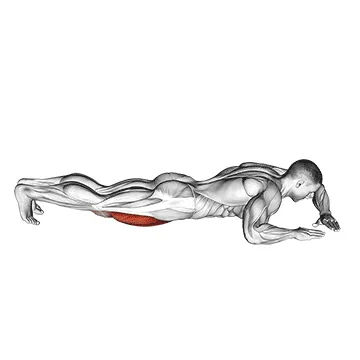
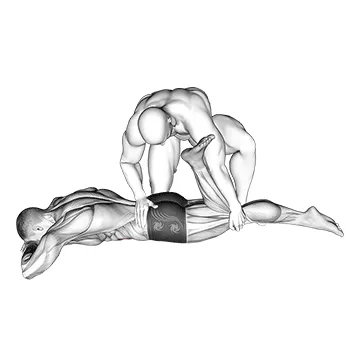
Why You Might Need an Iliotibial Tract-smr Alternative
You may substitute Iliotibial Tract-smr for several reasons: acute irritation from direct compression, recent surgery, skin sensitivity, lack of a foam roller, or a need for active strengthening rather than passive release. Rolling compresses the lateral thigh and can irritate an inflamed IT band; switching to targeted trigger-point work or activation drills reduces compressive load while addressing neural and fascial tension. For example, stand with a lacrosse ball against the lateral hip and apply short 10–20 second holds with slight hip rotation to treat the TFL without stressing the knee. Follow releases with 3–5 glute med isometrics to re-engage abductors and restore pelvic stability.
How to Choose the Right Iliotibial Tract-smr Substitute
Select a substitute based on your goal (pain relief, mobility, or strength), current symptoms, and available equipment. If you need pain modulation, use focused ball releases with light pressure and 10–20 second holds; keep the knee slightly bent to offload the joint. For mobility plus activation, pair short rolling sweeps (30–45 seconds) with 3 sets of 12–20 clamshells or banded lateral walks to emphasize glute med recruitment. If you lack a roller, choose standing single-leg banded abductions and cue a slow 2-second eccentric to expose weak eccentrics. Prioritize methods that promote abductor activation rather than prolonged passive compression when inflammation is present.
Iliotibial Tract-smr FAQ
What muscles does Iliotibial Tract-smr work?
Iliotibial Tract-smr targets the lateral thigh structures, primarily influencing the iliotibial band, tensor fasciae latae (TFL), and lateral quadriceps. The technique reduces tissue stiffness and neuromuscular tension, while indirectly affecting gluteus medius activation patterns that control hip abduction and pelvic stability.
What is the best bodyweight alternative to Iliotibial Tract-smr?
A reliable bodyweight alternative is the side-lying clamshell: lie on your side with hips at about 45 degrees, knees stacked, and drive the top knee up while keeping the pelvis stable. Focus on slow control and a 1–2 second hold at peak contraction to maximally recruit the glute med and reduce reliance on the TFL.
Find Alternatives for Any Exercise
Search the exercise database and filter the ranked substitutes by the equipment you own.
Similarity scores compare exercise metadata such as movement pattern, muscles, equipment and body position. They are not a safety rating or a check that you own the equipment. Learn about our methodology