

10 Best Lying Crossover Alternatives for Hip Abductor Strength
The Lying Crossover is done lying on your back. Ranked closest by our scoring: the Resistance Band Seated Hip Abduction, the Iliotibial Tract-smr and Hip Circles (Prone). Three harder versions, the Straight Leg Outer Hip Abductor, the Side Hip Abduction and the Side Bridge Hip Abduction, are listed below as progressions rather than swaps.
Updated Ranked by our 12-factor similarity model How it works
Original Exercise: Lying Crossover
- Primary muscle
- Abductors
- Equipment
- Bodyweight
- Difficulty
- Beginner
- Type
- Isolation
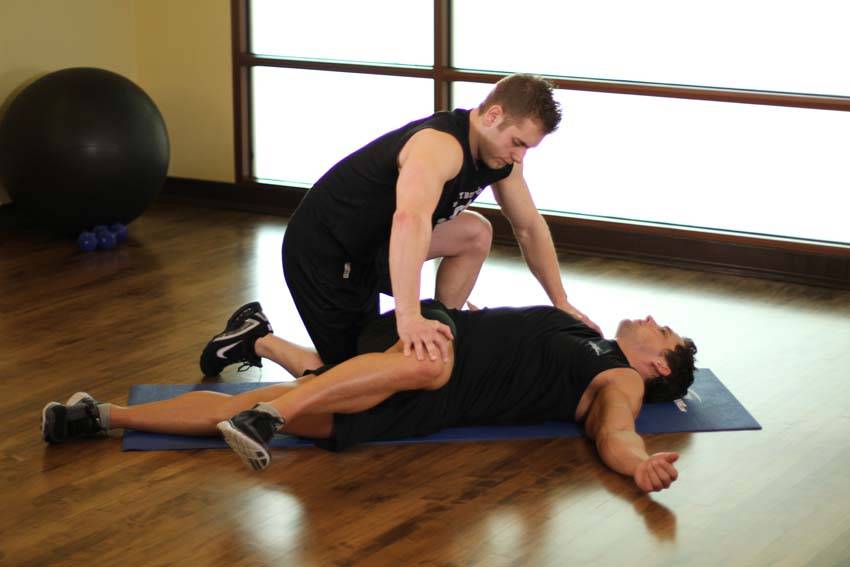
How to perform Lying Crossover
- Lie on your back with your legs extended.
- Cross one leg over your body with the knee bent, attempting to touch the knee to the ground. Your partner should kneel beside you, holding your shoulder down with one hand and controlling the crossed leg with the other. this will be your starting position.
- Attempt to raise the bent knee off of the ground as your partner prevents any actual movement.
- After 10-20 seconds, relax the leg as your partner gently presses the knee towards the floor. Repeat with the other side.
Ranked Lying Crossover Alternatives
10 substitutes, ranked by how closely each one matches the Lying Crossover on movement pattern, muscles worked, equipment and body position. The higher the score, the less you change. Open "How to perform this exercise" on a card for the steps; every card title links to that exercise's own alternatives page. Harder versions are tagged as progressions and kept out of the top spot even when they score higher.
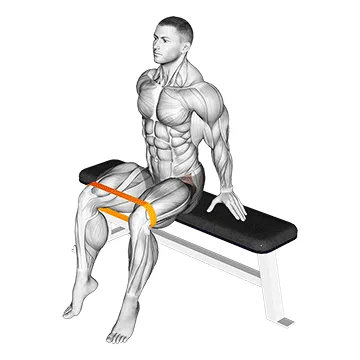
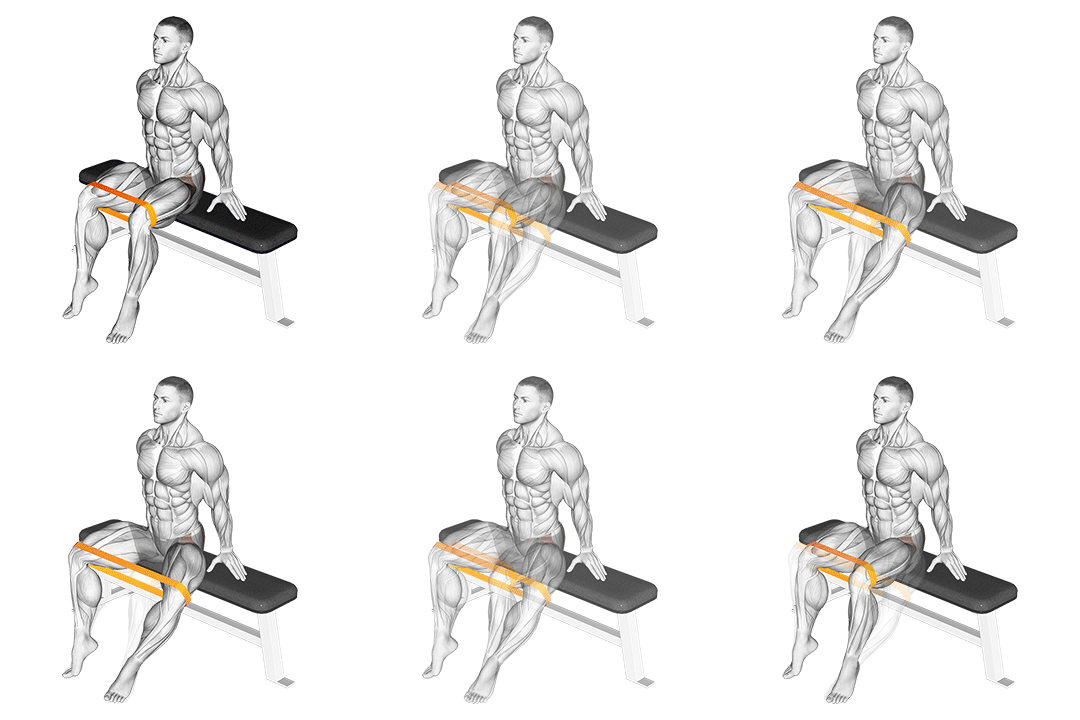
Best match - Abductors
- Band
- Beginner
- Isolation
A good swap when you have a band to work with, and it still works the abductors.
How to perform this exercise
- Sit on a chair or bench with your back straight and feet flat on the ground.
- Wrap the resistance band around your thighs, just above your knees.
- Place your hands on the sides of the chair or bench for support.
- Engage your abductors (outer thigh muscles) and slowly push your knees apart, against the resistance of the band.
- Pause for a moment at the end of the movement, then slowly bring your knees back together.
- Repeat for the desired number of repetitions.
Sets and reps: 3 sets of 10 to 15 reps.
Why this matches
- Primary muscle: abductors, the same as the Lying Crossover
- Equipment: a band, not bodyweight only
- Body position: seated, not lying on your back
Progression
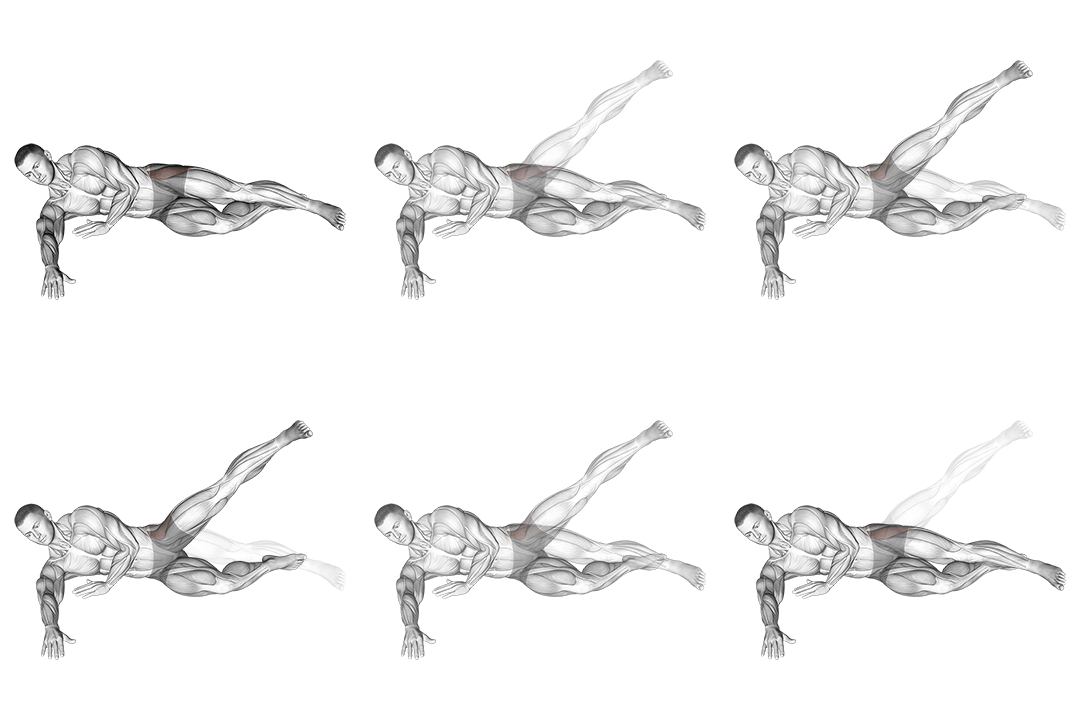
2. Straight Leg Outer Hip Abductor
70% match- Abductors
- Bodyweight
- Beginner
- Isolation
Pick this when you want a harder version that still works the abductors.
How to perform this exercise
- Lie on your side with your legs straight and stacked on top of each other.
- Place your bottom arm under your head for support.
- Engage your core and lift your top leg as high as possible without rotating your hips or leaning backward.
- Pause for a moment at the top, then slowly lower your leg back down to the starting position.
- Repeat for the desired number of repetitions, then switch sides.
Sets and reps: 3 sets of 8 to 12 reps on each side, and add reps before you add load.
Why this matches
- Primary muscle: abductors, the same as the Lying Crossover
- Equipment: bodyweight only, the same as the Lying Crossover
Progression
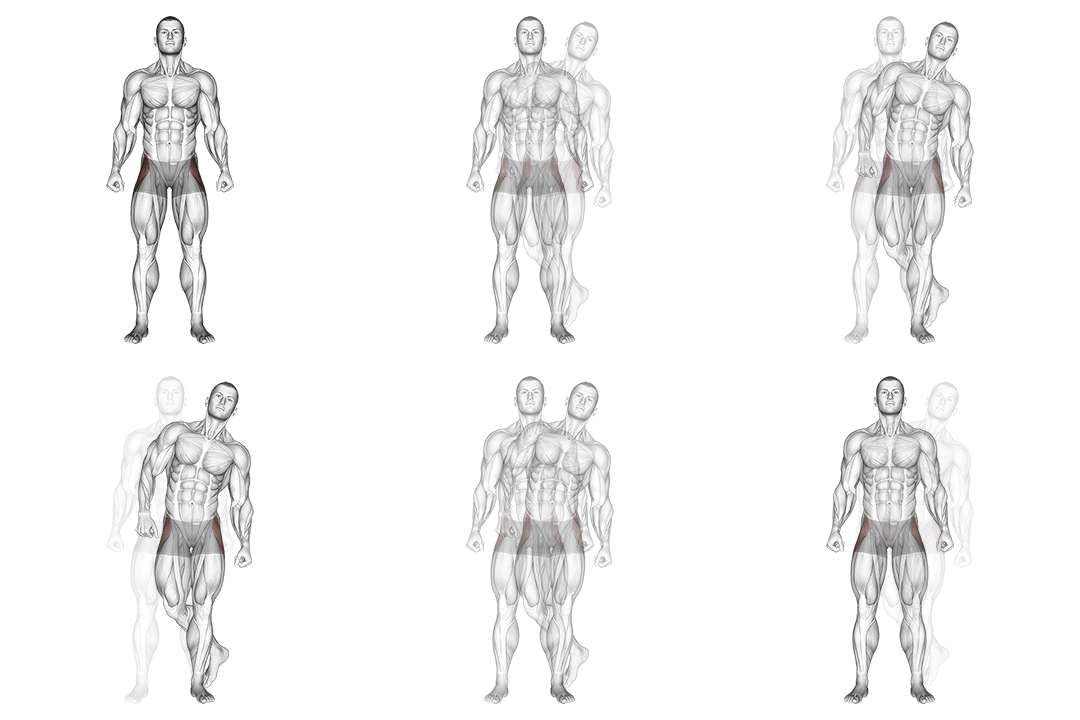
3. Side Hip Abduction
69% match- Abductors
- Bodyweight
- Beginner
- Isolation
How to perform this exercise
- Stand with your feet shoulder-width apart and your hands on your hips.
- Shift your weight to one leg and lift the opposite leg out to the side, keeping it straight.
- Pause for a moment at the top, then slowly lower your leg back down to the starting position.
- Repeat on the other side.
- Continue alternating sides for the desired number of repetitions.
Sets and reps: 3 sets of 8 to 12 reps on each side, and add reps before you add load.
Why this matches
- Primary muscle: abductors, the same as the Lying Crossover
- Equipment: bodyweight only, the same as the Lying Crossover
- Body position: standing, not lying on your back
- Balance: harder to stay steady on than the Lying Crossover
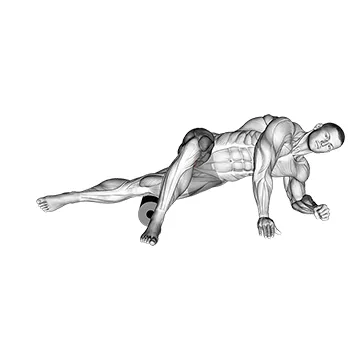
4. Iliotibial Tract-smr
59% match- Abductors
- Foam-roll
- Beginner
- Isolation
A good swap when you have a foam roller to work with, and it still works the abductors.
How to perform this exercise
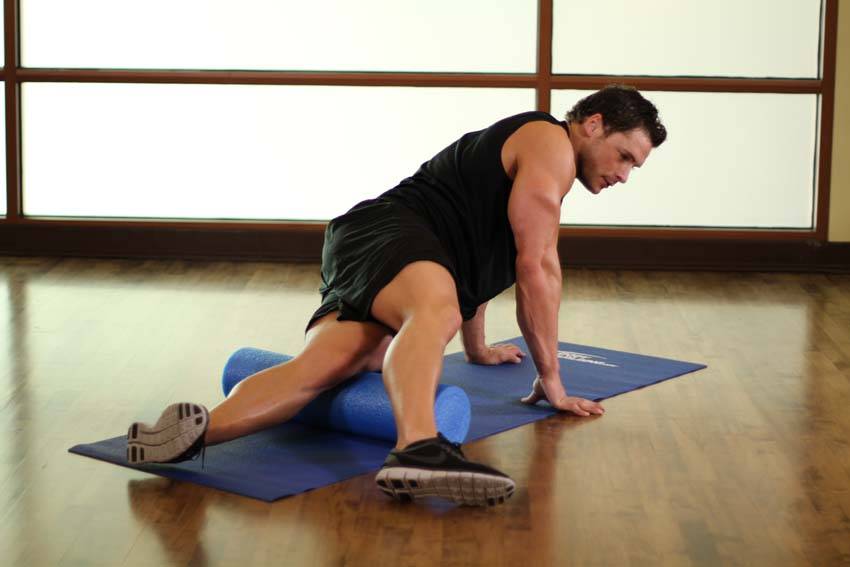
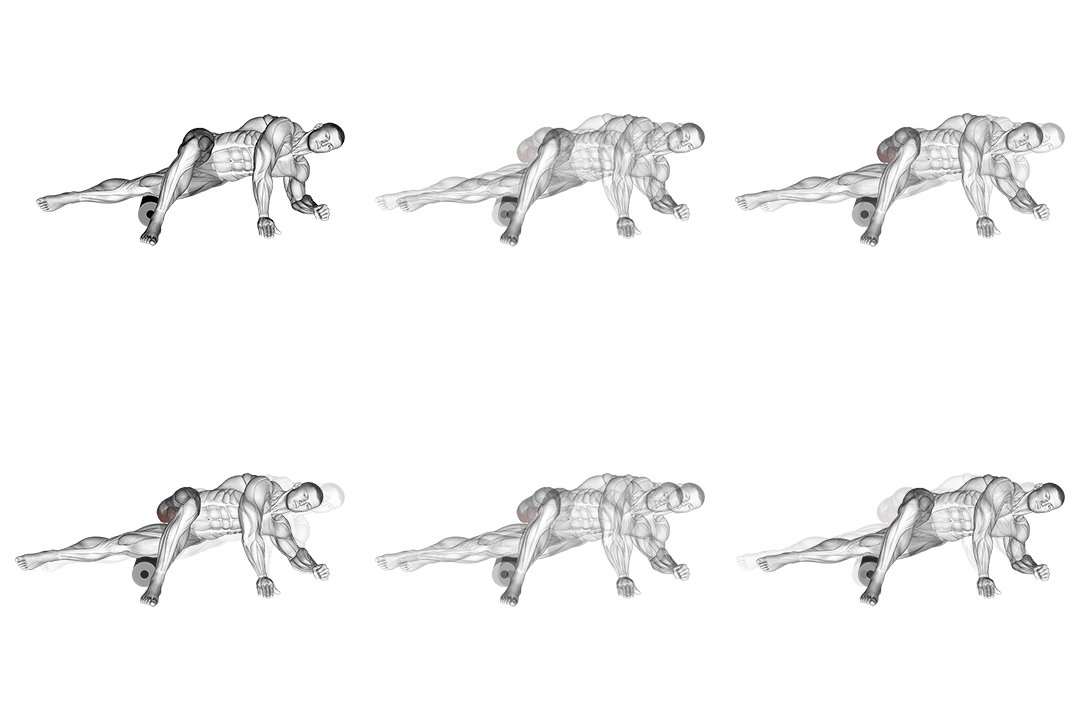
- Lay on your side, with the bottom leg placed onto a foam roller between the hip and the knee. The other leg can be crossed in front of you.
- Place as much of your weight as is tolerable onto your bottom leg; there is no need to keep your bottom leg in contact with the ground. Be sure to relax the muscles of the leg you are stretching.
- Roll your leg over the foam from you hip to your knee, pausing for 10-30 seconds at points of tension. Repeat with the opposite leg.
Sets and reps: Hold for 30 to 60 seconds and repeat 2 or 3 times.
Why this matches
- Primary muscle: abductors, the same as the Lying Crossover
- Equipment: bodyweight only, the same as the Lying Crossover
Progression
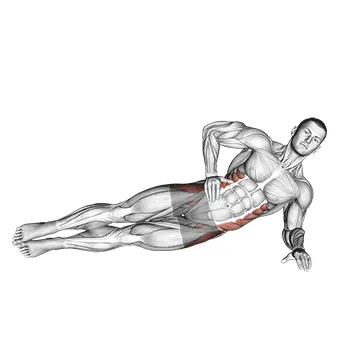
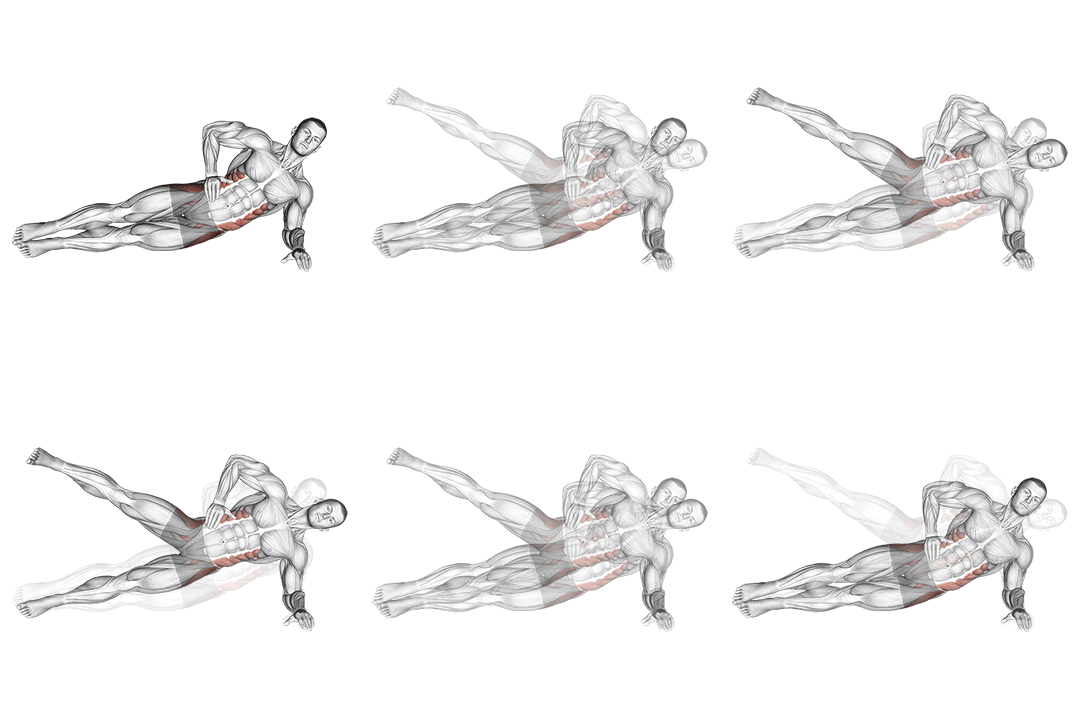
5. Side Bridge Hip Abduction
57% match- Abductors
- Bodyweight
- Intermediate
- Compound
How to perform this exercise
- Lie on your side with your legs extended and stacked on top of each other.
- Prop yourself up on your forearm, keeping your elbow directly below your shoulder.
- Engage your core and lift your hips off the ground, creating a straight line from your head to your feet.
- While keeping your core engaged, lift your top leg as high as possible without rotating your hips.
- Pause for a moment at the top, then lower your leg back down.
- Repeat for the desired number of repetitions, then switch sides.
Sets and reps: 3 or 4 sets of 6 to 10 reps on each side.
Why this matches
- Primary muscle: abductors, the same as the Lying Crossover
- Equipment: bodyweight only, the same as the Lying Crossover
6. Hip Circles (Prone)
55% match- Abductors
- Bodyweight
- Beginner
- Isolation
It still works the abductors, through a different movement.
How to perform this exercise
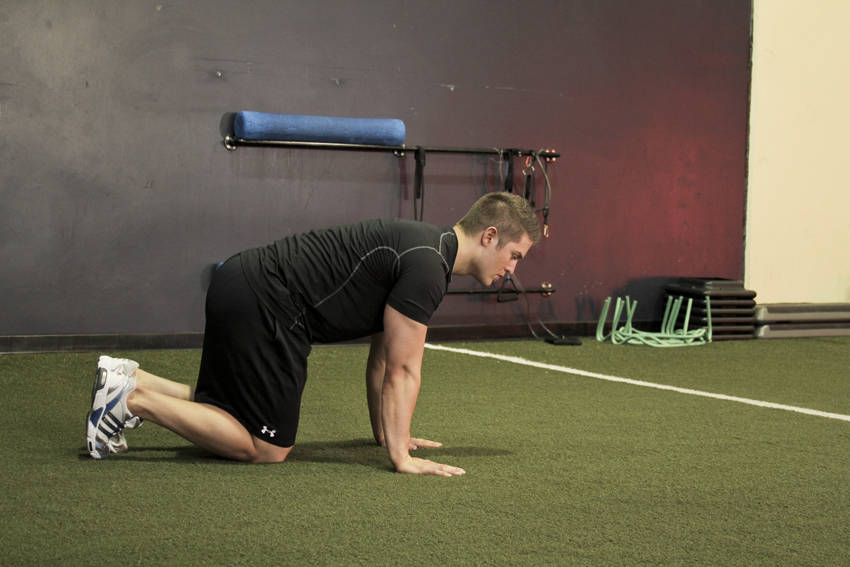
- Position yourself on your hands and knees on the ground. Maintaining good posture, raise one bent knee off of the ground. This will be your starting position.
- Keeping the knee in a bent position, rotate the femur in an arc, attempting to make a big circle with your knee.
- Perform this slowly for a number of repetitions, and repeat on the other side.
Sets and reps: 3 sets of 8 to 12 reps on each side, and add reps before you add load.
Why this matches
- Primary muscle: abductors, the same as the Lying Crossover
- Equipment: bodyweight only, the same as the Lying Crossover
- Body position: lying face down, not lying on your back
- Balance: easier to stay steady on than the Lying Crossover
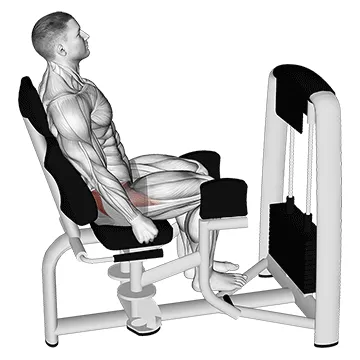
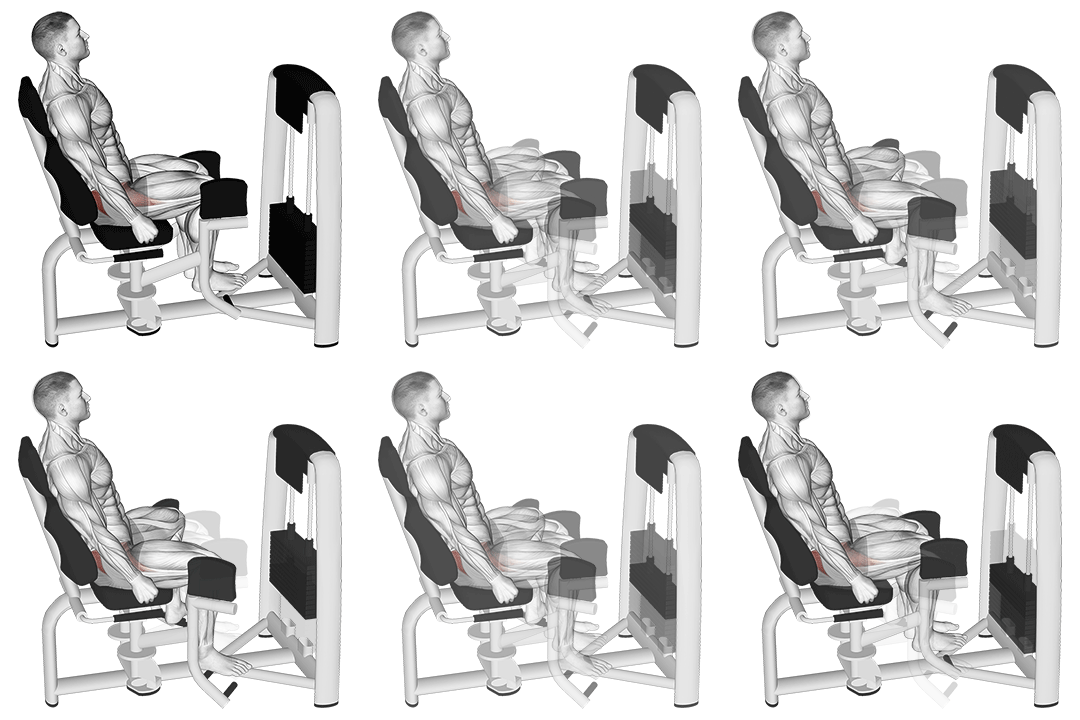
7. Lever Seated Hip Abduction
53% match- Abductors
- Lever
- Beginner
- Isolation
A good swap when you have a lever machine to work with, and it still works the abductors.
How to perform this exercise
- Adjust the seat height so that your knees are at a 90-degree angle.
- Sit on the machine with your back against the backrest and your feet on the footrests.
- Place your hands on the side handles for stability.
- Engage your abductors and slowly push your legs apart, away from the midline of your body.
- Pause for a moment at the end of the movement, then slowly bring your legs back together to the starting position.
- Repeat for the desired number of repetitions.
Sets and reps: 3 sets of 10 to 15 reps.
Why this matches
- Primary muscle: abductors, the same as the Lying Crossover
- Equipment: a machine, not bodyweight only
- Body position: seated, not lying on your back
- Balance: easier to stay steady on than the Lying Crossover
8. Roller Hip Lat Stretch
52% match- Glutes
- Foam-roll
- Beginner
- Isolation
How to perform this exercise
- Start by kneeling on the ground with the roller positioned under your hips.
- Place your hands on the roller for support.
- Slowly roll the roller forward, extending your hips and stretching your glutes.
- Hold the stretch for a few seconds, then roll back to the starting position.
- Repeat for the desired number of repetitions.
Sets and reps: Hold for 30 to 60 seconds and repeat 2 or 3 times.
Why this matches
- Primary muscle: glutes, not abductors
- Equipment: bodyweight only, the same as the Lying Crossover
- Body position: lying on your back, the same as the Lying Crossover
- Balance: easier to stay steady on than the Lying Crossover
9. Standing Hip Circles
49% match- Abductors
- Bodyweight
- Beginner
- Isolation
How to perform this exercise
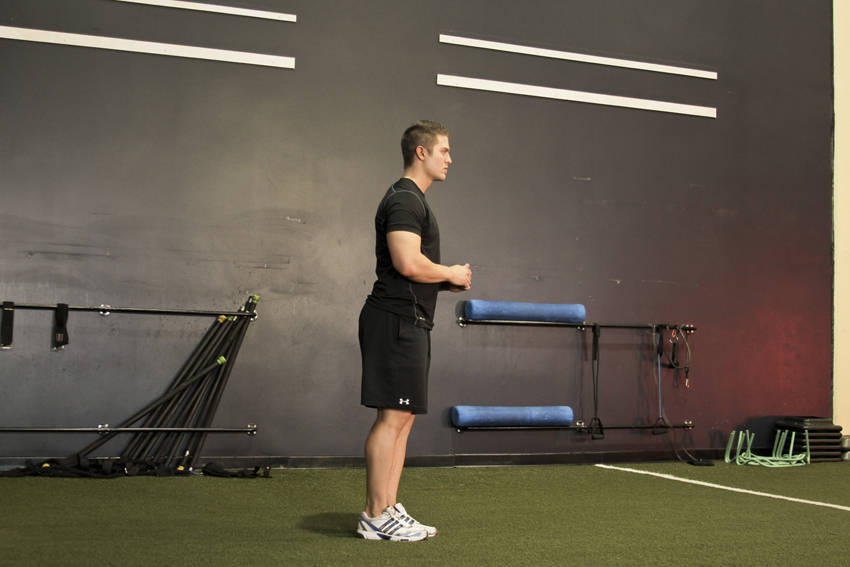
- Begin standing on one leg, holding to a vertical support.
- Raise the unsupported knee to 90 degrees. This will be your starting position.
- Open the hip as far as possible, attempting to make a big circle with your knee.
- Perform this movement slowly for a number of repetitions, and repeat on the other side.
Sets and reps: 3 sets of 8 to 12 reps, and add reps before you add load.
Why this matches
- Primary muscle: abductors, the same as the Lying Crossover
- Equipment: bodyweight only, the same as the Lying Crossover
- Body position: standing, not lying on your back
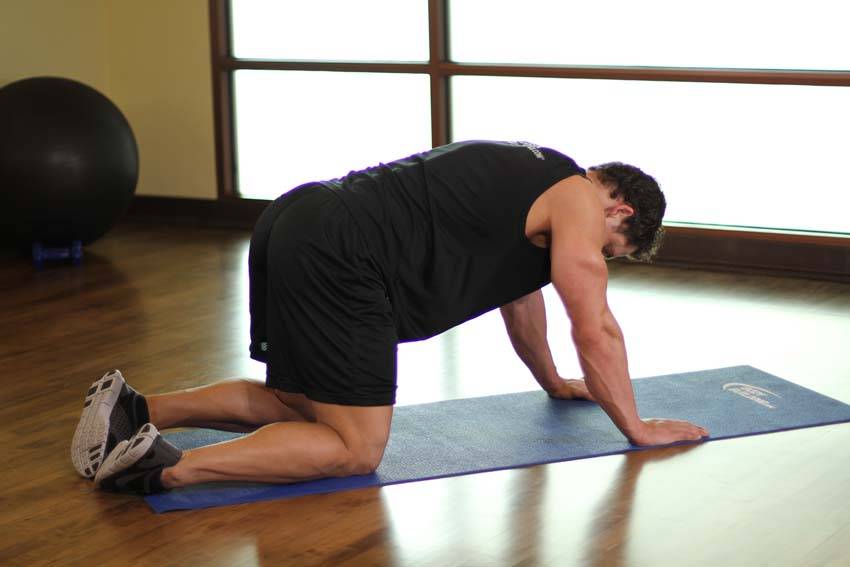
10. Rear Leg Raises
48% match- Glutes
- Bodyweight
- Beginner
- Isolation
How to perform this exercise
- Place yourself on your hands knees on an exercise mat. Your head should be looking forward and the bend of the knees should create a 90-degree angle between the hamstrings and the calves. This will be your starting position.
- Extend one leg up and behind you. The knee and hip should both extend. Repeat for 5-10 repetitions, and then switch sides.
Sets and reps: 3 sets of 8 to 12 reps on each side, and add reps before you add load.
Why this matches
- Primary muscle: glutes, not abductors
- Equipment: bodyweight only, the same as the Lying Crossover
- Body position: kneeling, not lying on your back
Lying Crossover FAQ
What muscles does Lying Crossover work?
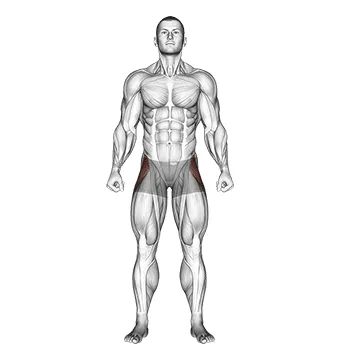
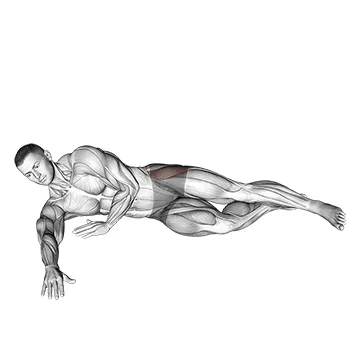
Lying Crossover primarily targets the hip abductors, gluteus medius and minimus, with secondary activation of the tensor fasciae latae for frontal-plane control. It also challenges pelvic stabilizers; keep the pelvis squared to maximize gluteus medius recruitment.
What is the best bodyweight alternative to Lying Crossover?
The side-lying hip abduction is the best bodyweight substitute because it isolates the gluteus medius with a similar movement pattern. Cue a straight line from hip to toe, lift the leg by driving the heel upward, and lower slowly to emphasize eccentric control.
Find Alternatives for Any Exercise
Search the exercise database and filter the ranked substitutes by the equipment you own.
Similarity scores compare exercise metadata such as movement pattern, muscles, equipment and body position. They are not a safety rating or a check that you own the equipment. Learn about our methodology