

10 Best Lever Lying Leg Curl Alternatives
The Lever Lying Leg Curl is done lying face down with a lever machine. Ranked closest by our scoring: the Self Assisted Inverse Leg Curl, the Self Assisted Inverse Leg Curl (On Floor) and the Inverse Leg Curl (Bench Support).
Updated Ranked by our 12-factor similarity model How it works
Original Exercise: Lever Lying Leg Curl
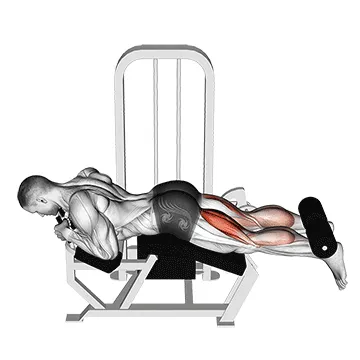
- Primary muscle
- Hamstrings
- Equipment
- Lever
- Difficulty
- Intermediate
- Type
- Isolation
Secondary muscles: Calves
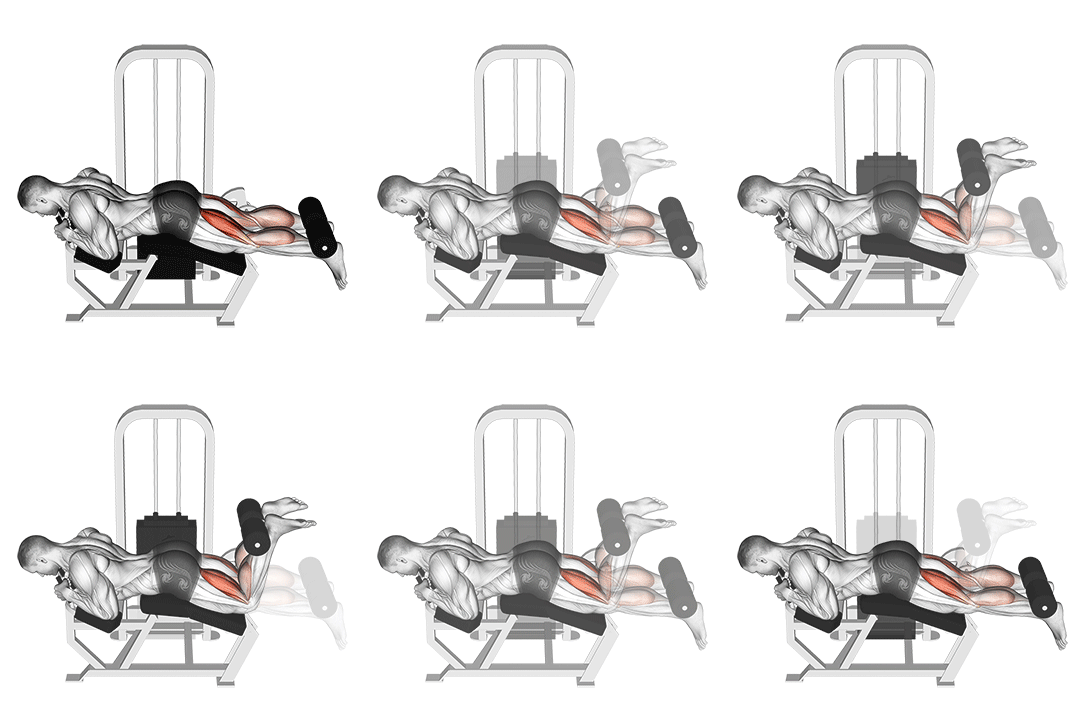
How to perform Lever Lying Leg Curl
- Adjust the machine to fit your body and select the desired weight.
- Lie face down on the machine with your legs straight and your heels against the padded lever.
- Grasp the handles or the sides of the machine for stability.
- Keeping your upper body stationary, exhale and curl your legs up as far as possible without lifting your hips off the pad.
- Hold the contracted position for a brief pause as you squeeze your hamstrings.
- Inhale and slowly lower the lever back to the starting position.
- Repeat for the desired number of repetitions.
Ranked Lever Lying Leg Curl Alternatives
10 substitutes, ranked by how closely each one matches the Lever Lying Leg Curl on movement pattern, muscles worked, equipment and body position. The higher the score, the less you change. Open "How to perform this exercise" on a card for the steps; every card title links to that exercise's own alternatives page.
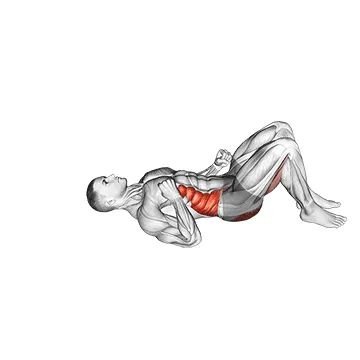
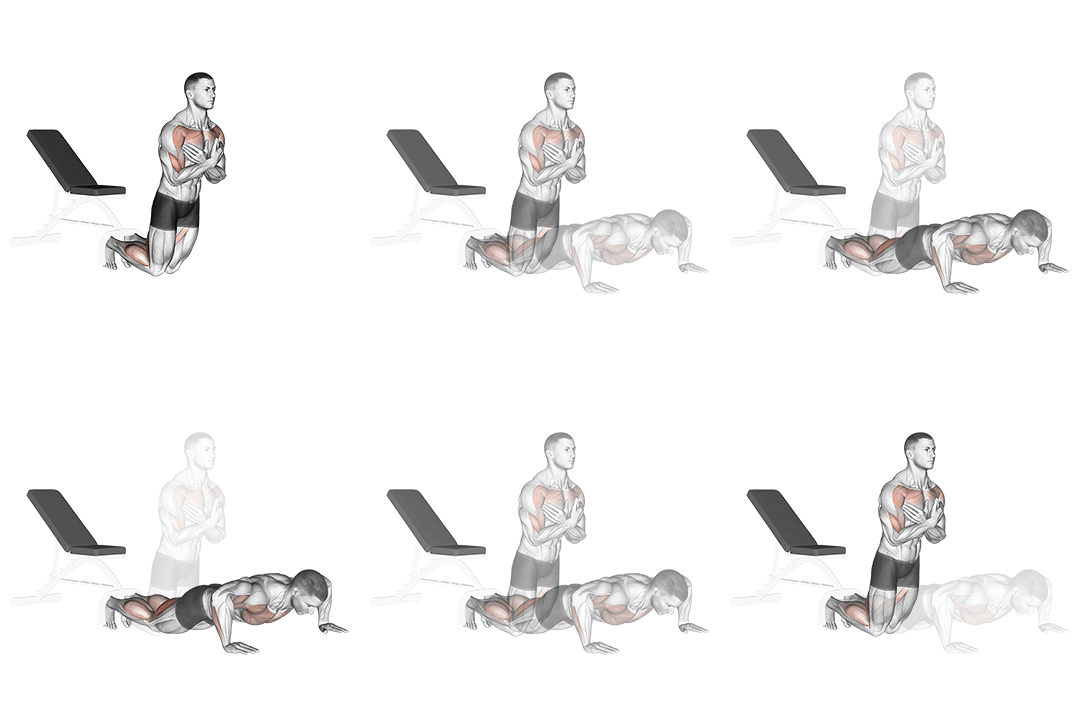
Best match 1. Self Assisted Inverse Leg Curl
73% match- Hamstrings
- Bodyweight
- Intermediate
- Isolation
Use this when you have nothing to train with, because it works the hamstrings with bodyweight alone.
How to perform this exercise
- Lie flat on your back on a mat or bench with your legs extended.
- Place your hands by your sides or under your glutes for support.
- Bend your knees and lift your feet off the ground, bringing your thighs towards your chest.
- Pause for a moment at the top, then slowly lower your legs back to the starting position.
- Repeat for the desired number of repetitions.
Sets and reps: 3 sets of 10 to 15 reps.
Why this matches
- Primary muscle: hamstrings, the same as the Lever Lying Leg Curl
- Equipment: bodyweight only, not a machine
- Body position: kneeling, not lying face down
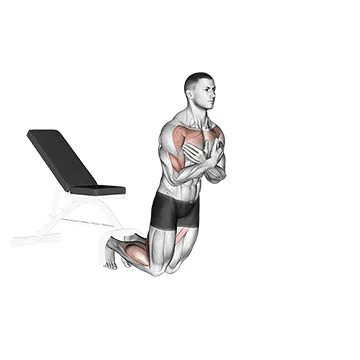
- Hamstrings
- Bodyweight
- Beginner
- Isolation
How to perform this exercise
- Lie flat on your back with your legs extended and your arms by your sides.
- Bend your knees and place your feet flat on the ground, hip-width apart.
- Lift your hips off the ground, engaging your glutes and hamstrings.
- Slowly curl your legs towards your glutes, keeping your hips lifted.
- Pause for a moment at the top, then slowly extend your legs back to the starting position.
- Lower your hips back down to the ground.
- Repeat for the desired number of repetitions.
Sets and reps: 3 sets of 8 to 12 reps, and add reps before you add load.
Why this matches
- Primary muscle: hamstrings, the same as the Lever Lying Leg Curl
- Equipment: bodyweight only, not a machine
- Body position: kneeling, not lying face down
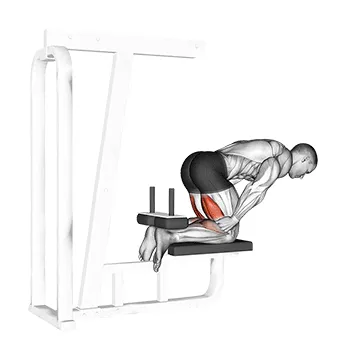
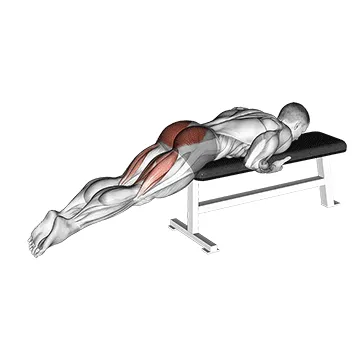
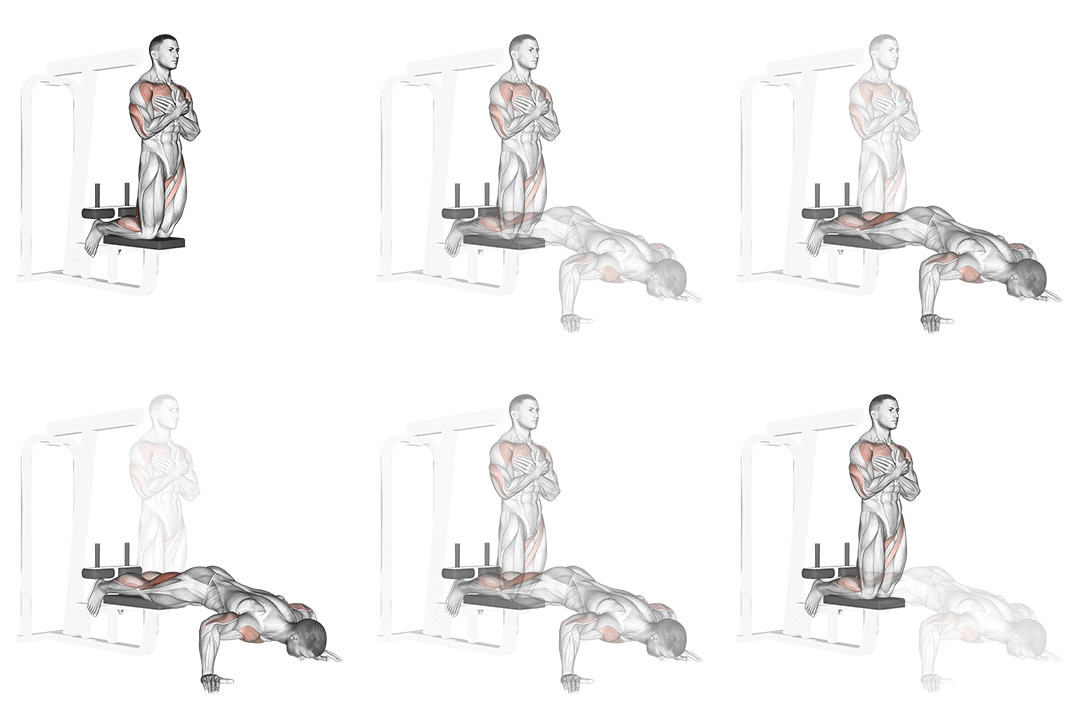
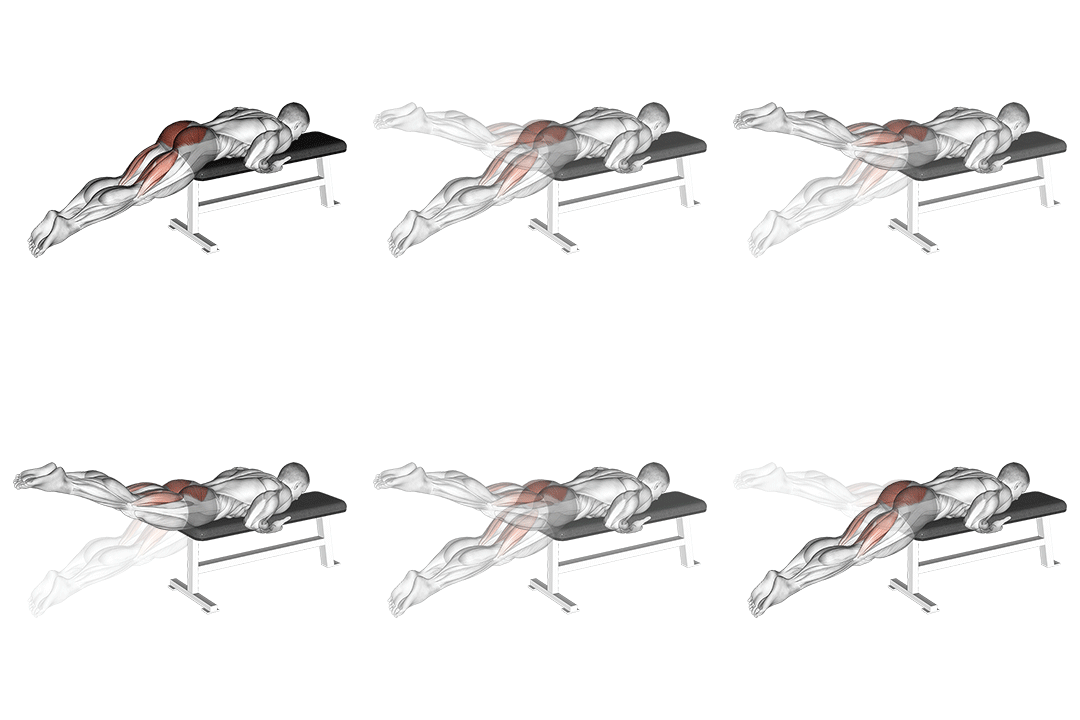
3. Inverse Leg Curl (Bench Support)
69% match- Hamstrings
- Bodyweight
- Intermediate
- Isolation
How to perform this exercise
- Lie face down on a bench with your hips at the edge and your legs extended straight behind you.
- Hold onto the bench for support.
- Keeping your upper body still, bend your knees and curl your legs towards your glutes.
- Pause for a moment at the top, then slowly extend your legs back to the starting position.
- Repeat for the desired number of repetitions.
Sets and reps: 3 sets of 10 to 15 reps.
Why this matches
- Primary muscle: hamstrings, the same as the Lever Lying Leg Curl
- Equipment: bodyweight only, not a machine
- Body position: lying face down, the same as the Lever Lying Leg Curl
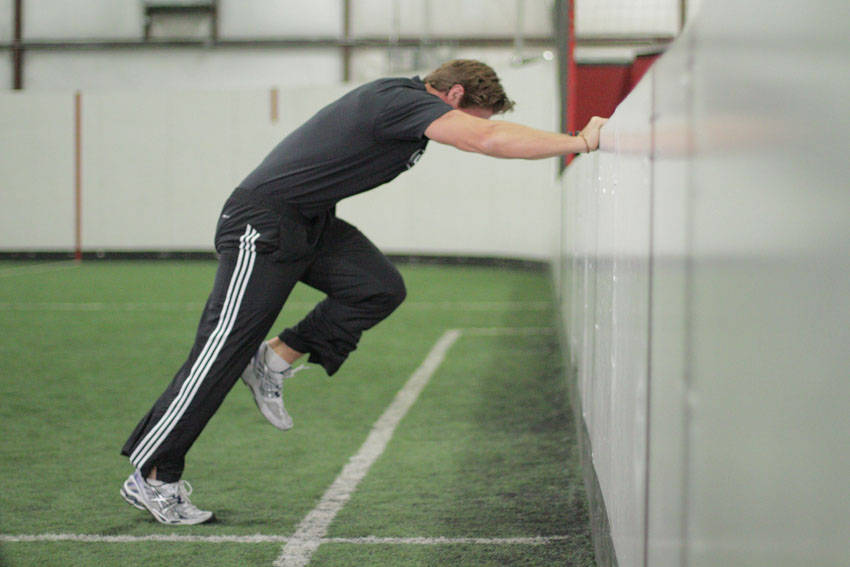
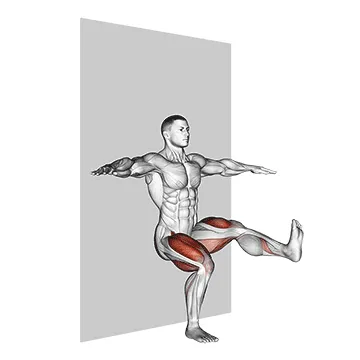
4. Linear Acceleration Wall Drill
61% match- Hamstrings
- Bodyweight
- Intermediate
- Compound
Pick this when you want to work the hamstrings one side at a time.
How to perform this exercise
- Lean at around 45 degrees against a wall. Your feet should be together, glutes contracted.
- Begin by lifting your right knee quickly, pausing, and then driving it straight down into the ground.
- Switch legs, raising the opposite knee, and then attacking the ground straight down.
- Repeat once more with your right leg, and as soon as the right foot strikes the ground hammer them out rapidly, alternating left and right as fast as you can.
Sets and reps: 3 or 4 sets of 6 to 10 reps on each side.
Why this matches
- Primary muscle: hamstrings, the same as the Lever Lying Leg Curl
- Equipment: bodyweight only, not a machine
- Body position: standing, not lying face down
- Balance: harder to stay steady on than the Lever Lying Leg Curl
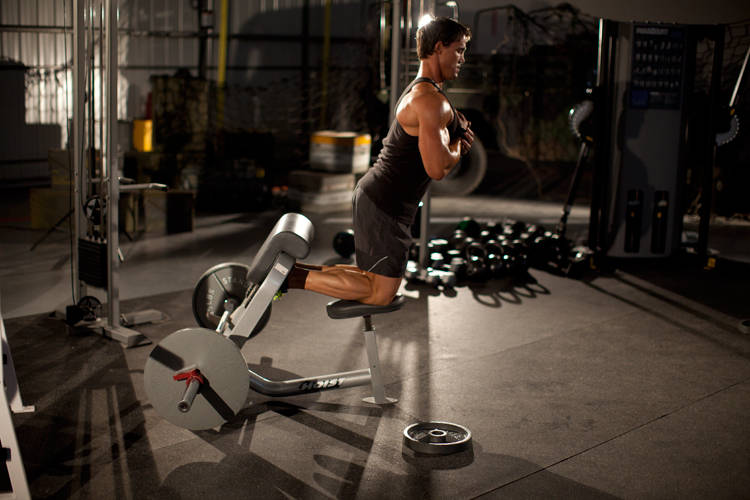
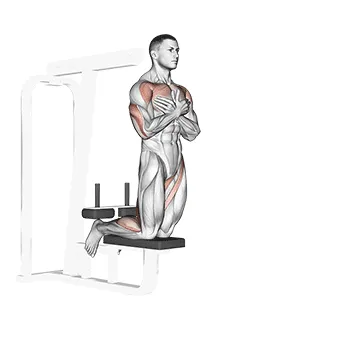
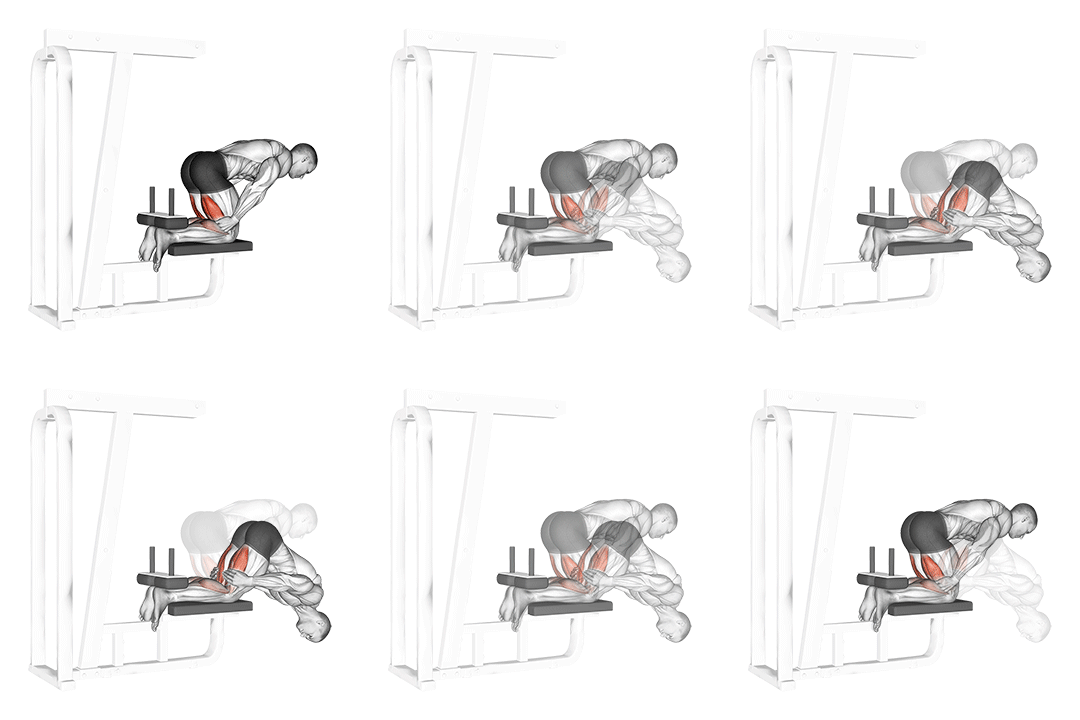
5. Natural Glute Ham Raise
56% match- Hamstrings
- Bodyweight
- Advanced
- Compound
How to perform this exercise
- Using the leg pad of a lat pulldown machine or a preacher bench, position yourself so that your ankles are under the pads, knees on the seat, and you are facing away from the machine. You should be upright and maintaining good posture.
- This will be your starting position. Lower yourself under control until your knees are almost completely straight.
- Remaining in control, raise yourself back up to the starting position.
- If you are unable to complete a rep, use a band, a partner, or push off of a box to aid in completing a repetition.
Sets and reps: 3 or 4 sets of 6 to 10 reps.
Why this matches
- Primary muscle: hamstrings, the same as the Lever Lying Leg Curl
- Equipment: bodyweight only, not a machine
- Body position: kneeling, not lying face down
- Balance: harder to stay steady on than the Lever Lying Leg Curl
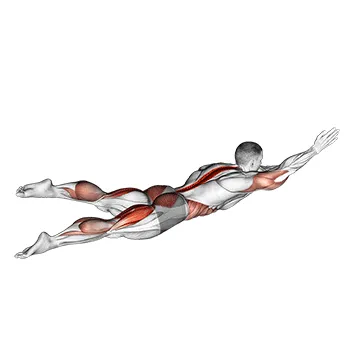
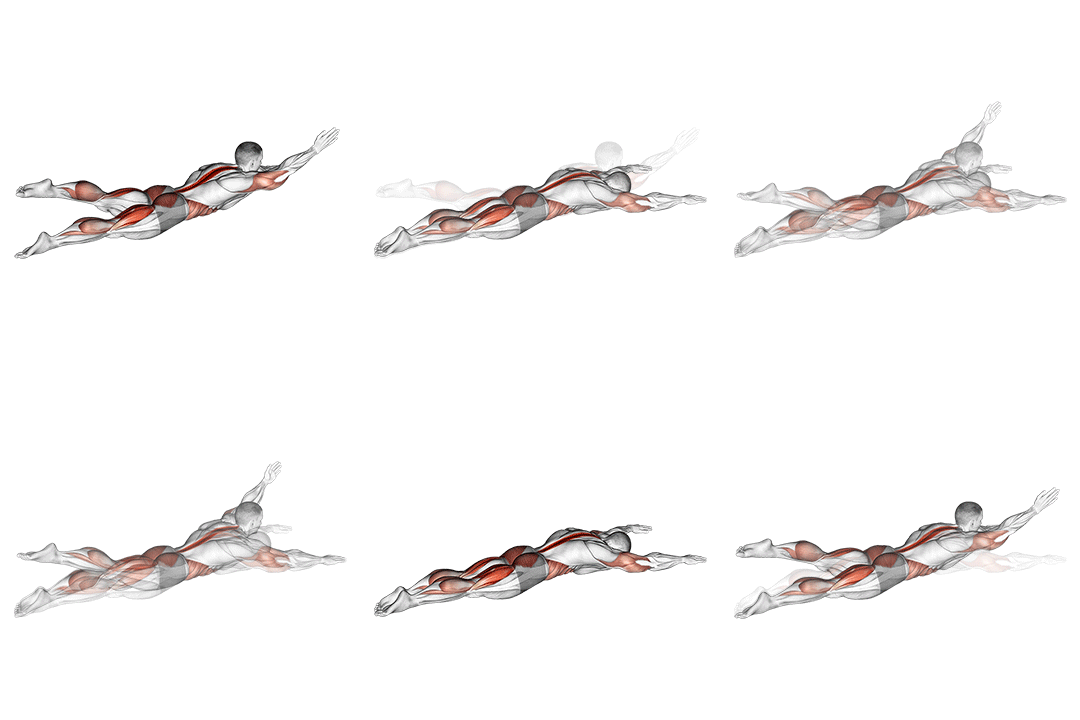
6. Swimmer Kicks V. 2
53% match- Glutes
- Bodyweight
- Beginner
- Isolation
A looser match: it works the glutes rather than the hamstrings.
How to perform this exercise
- Lie face down on a mat with your arms extended overhead.
- Engage your core and lift your chest and legs off the ground simultaneously.
- Kick your legs up and down in a fluttering motion, as if you were swimming.
- Continue kicking for the desired number of repetitions.
- Lower your chest and legs back down to the starting position.
Sets and reps: 3 sets of 8 to 12 reps on each side, and add reps before you add load.
Why this matches
- Primary muscle: glutes, not hamstrings
- Equipment: bodyweight only, not a machine
- Body position: lying face down, the same as the Lever Lying Leg Curl
7. Reverse Hyper On Flat Bench
50% match- Glutes
- Bodyweight
- Intermediate
- Compound
How to perform this exercise
- Lie face down on a flat bench with your hips at the edge and your legs hanging off the bench.
- Hold onto the bench for stability.
- Keeping your legs straight, raise them up towards the ceiling as high as you can.
- Squeeze your glutes at the top of the movement.
- Slowly lower your legs back down to the starting position.
- Repeat for the desired number of repetitions.
Sets and reps: 3 or 4 sets of 6 to 10 reps.
Why this matches
- Primary muscle: glutes, not hamstrings
- Equipment: bodyweight only, not a machine
- Body position: lying face down, the same as the Lever Lying Leg Curl
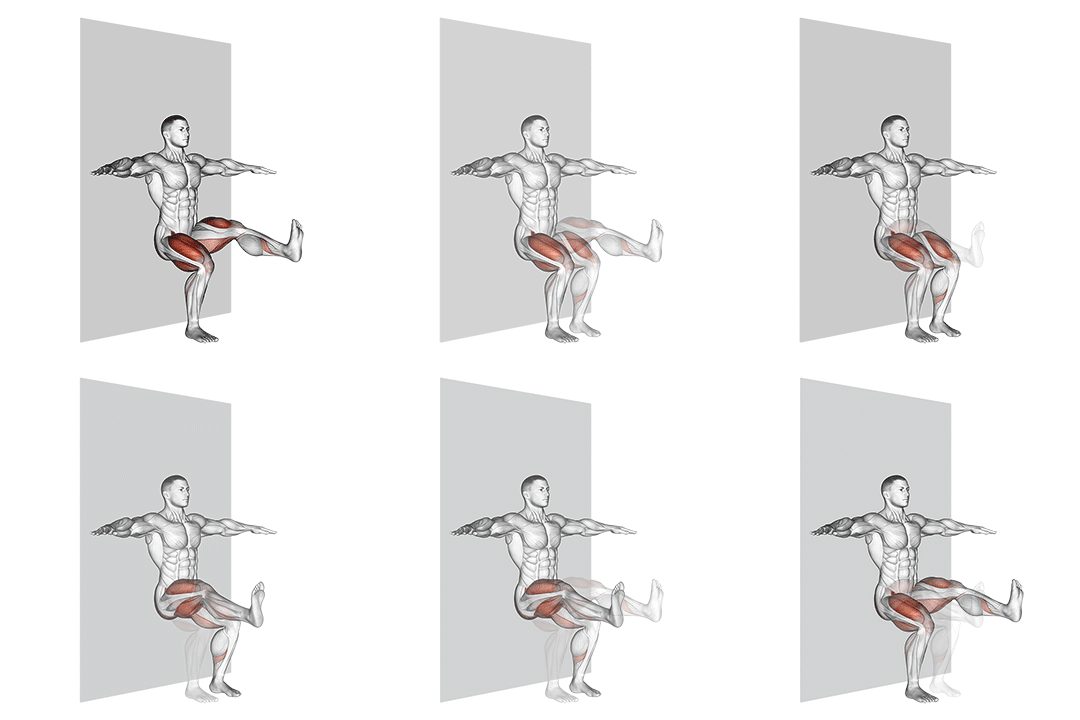
8. Kick Out Sit
50% match- Hamstrings
- Bodyweight
- Intermediate
- Compound
How to perform this exercise
- Sit on the edge of a bench or chair with your feet flat on the ground and your knees bent at a 90-degree angle.
- Lean back slightly and place your hands on the edge of the bench or chair for support.
- Engaging your hamstrings, lift your feet off the ground and extend your legs straight out in front of you.
- Pause for a moment at the top, then slowly bend your knees and bring your feet back towards your body.
- Repeat for the desired number of repetitions.
Sets and reps: 3 or 4 sets of 6 to 10 reps on each side.
Why this matches
- Primary muscle: hamstrings, the same as the Lever Lying Leg Curl
- Equipment: bodyweight only, not a machine
- Body position: standing, not lying face down
- Balance: harder to stay steady on than the Lever Lying Leg Curl
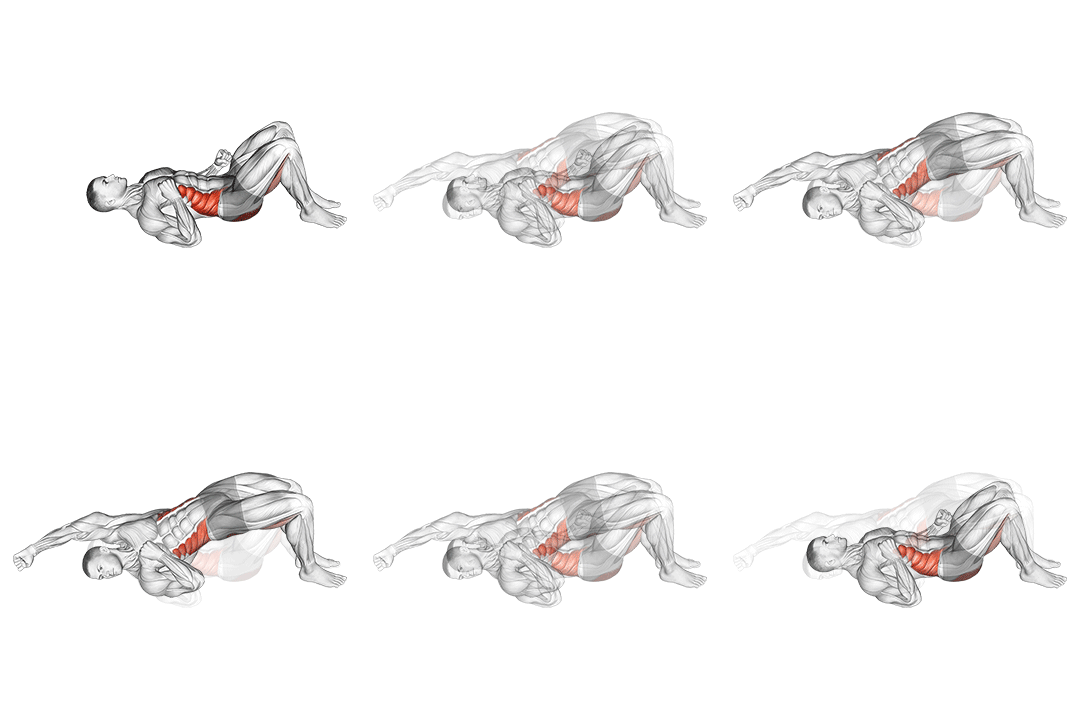
9. Twist Hip Lift
50% match- Glutes
- Bodyweight
- Beginner
- Isolation
How to perform this exercise
- Lie on your back with your knees bent and feet flat on the ground.
- Place your hands by your sides for support.
- Engage your glutes and lift your hips off the ground, forming a straight line from your knees to your shoulders.
- While keeping your hips lifted, twist your lower body to the right side, bringing your knees towards the ground.
- Return to the starting position and repeat the twist to the left side.
- Continue alternating twists for the desired number of repetitions.
Sets and reps: 3 sets of 8 to 12 reps, and add reps before you add load.
Why this matches
- Primary muscle: glutes, not hamstrings
- Equipment: bodyweight only, not a machine
- Body position: lying on your back, not lying face down
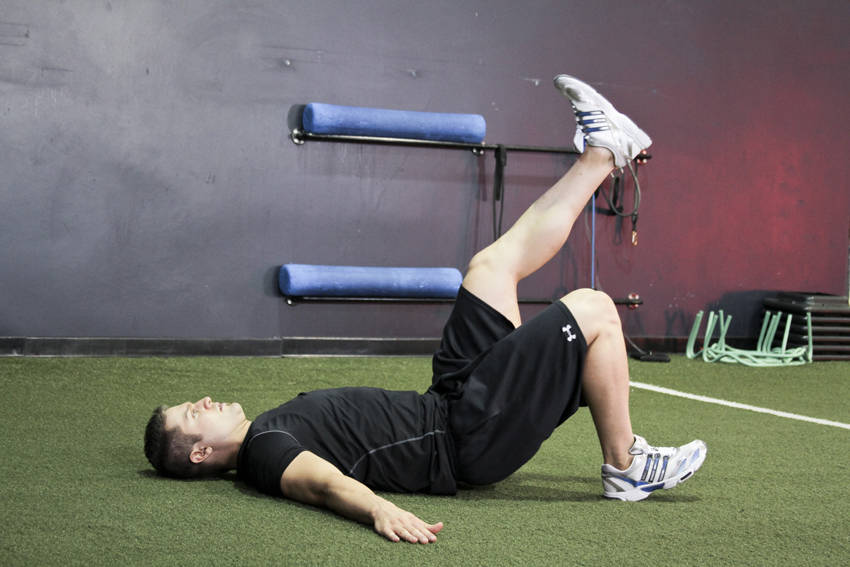
10. Single Leg Glute Bridge
49% match- Glutes
- Bodyweight
- Intermediate
- Isolation
How to perform this exercise
- Lay on the floor with your feet flat and knees bent.
- Raise one leg off of the ground, pulling the knee to your chest. This will be your starting position.
- Execute the movement by driving through the heel, extending your hip upward and raising your glutes off of the ground.
- Extend as far as possible, pause and then return to the starting position.
Sets and reps: 3 sets of 10 to 15 reps on each side.
Why this matches
- Primary muscle: glutes, not hamstrings
- Equipment: bodyweight only, not a machine
- Body position: lying on your back, not lying face down
- Balance: harder to stay steady on than the Lever Lying Leg Curl
Lever Lying Leg Curl FAQ
What muscles does Lever Lying Leg Curl work?
The Lever Lying Leg Curl primarily targets the hamstrings, the biceps femoris, semitendinosus, and semimembranosus, by producing knee flexion. It also recruits the gastrocnemius and stabilizers, but it provides minimal hip-extension loading compared with hinge movements.
What is the best bodyweight alternative to Lever Lying Leg Curl?
The Nordic hamstring curl is the best bodyweight alternative. Anchor your ankles, keep the hips extended, and lower under control, this delivers strong eccentric loading to the hamstrings and closely replicates knee-flexion emphasis.
Find Alternatives for Any Exercise
Search the exercise database and filter the ranked substitutes by the equipment you own.
Similarity scores compare exercise metadata such as movement pattern, muscles, equipment and body position. They are not a safety rating or a check that you own the equipment. Learn about our methodology