

10 Best One-arm Kettlebell Swings Alternatives for Limited Equipment
One-arm Kettlebell Swings are done standing with a kettlebell. Ranked closest by our scoring: the Kettlebell One-legged Deadlift, the Kick Out Sit and the Romanian Deadlift. A harder version, the Kettlebell Dead Clean, is listed below as a progression rather than a swap.
Updated Ranked by our 12-factor similarity model How it works
Original Exercise: One-arm Kettlebell Swings
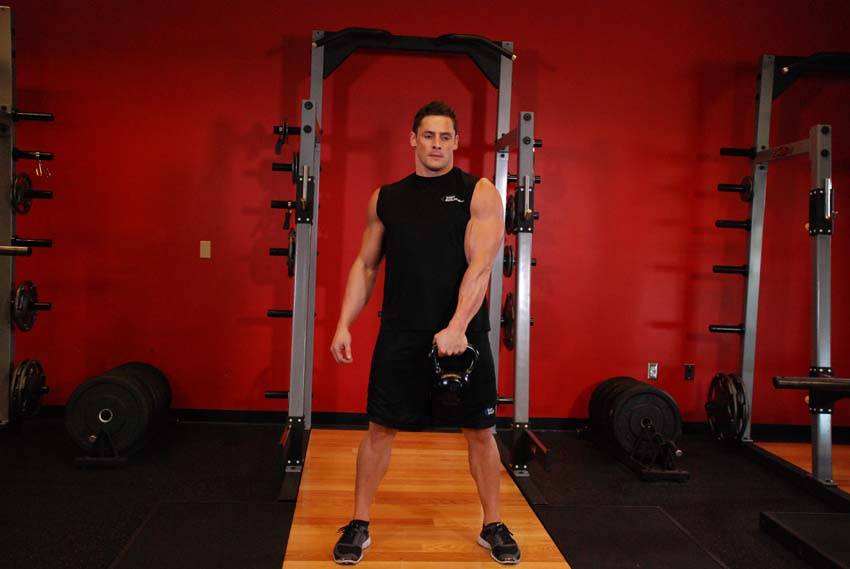
- Primary muscle
- Hamstrings
- Equipment
- Kettlebell
- Difficulty
- Intermediate
- Type
- Compound
Secondary muscles: Calves, Glutes, Lower Back, Shoulders
Ranked One-arm Kettlebell Swings Alternatives
10 substitutes, ranked by how closely each one matches One-arm Kettlebell Swings on movement pattern, muscles worked, equipment and body position. The higher the score, the less you change. Open "How to perform this exercise" on a card for the steps; every card title links to that exercise's own alternatives page. Harder versions are tagged as progressions and kept out of the top spot even when they score higher.
Best match 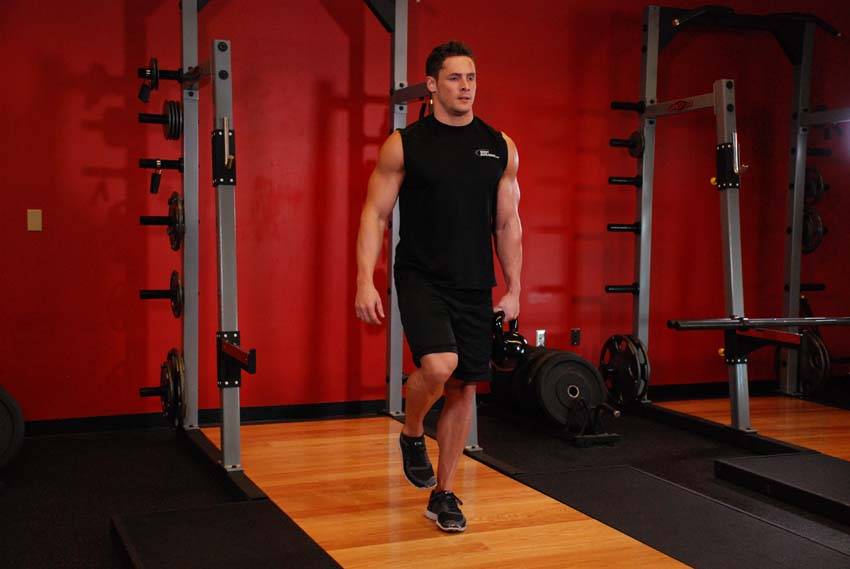
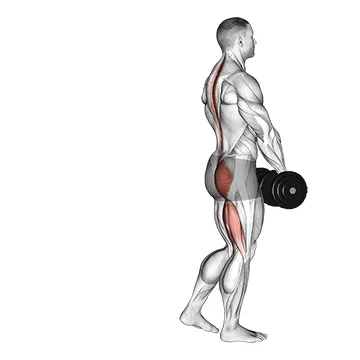
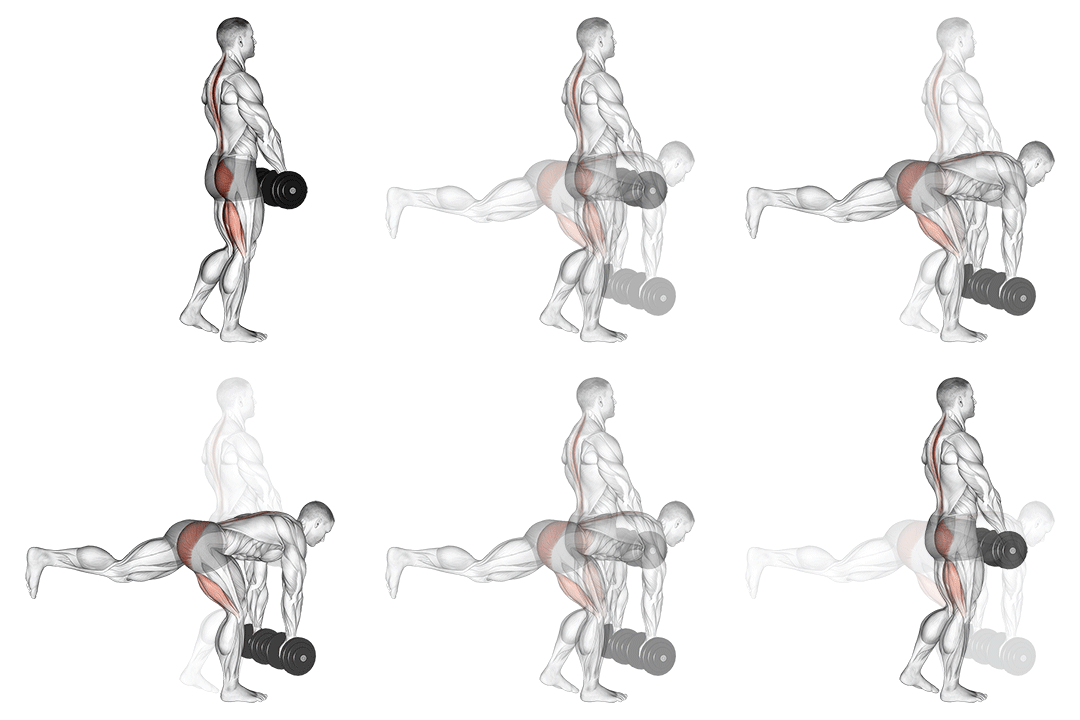
1. Kettlebell One-legged Deadlift
94% match- Hamstrings
- Kettlebell
- Intermediate
- Compound
Pick this when you want to work the hamstrings with more balance to manage.
How to perform this exercise
- Hold a kettlebell by the handle in one hand. Stand on one leg, on the same side that you hold the kettlebell.
- Keeping that knee slightly bent, perform a stiff legged deadlift by bending at the hip, extending your free leg behind you for balance.
- Continue lowering the kettlebell until you are parallel to the ground, and then return to the upright position.
Sets and reps: 3 or 4 sets of 6 to 10 reps on each side.
Why this matches
- Primary muscle: hamstrings, the same as One-arm Kettlebell Swings
- Equipment: free weights, the same as One-arm Kettlebell Swings
- Body position: standing, the same as One-arm Kettlebell Swings
- Balance: harder to stay steady on than One-arm Kettlebell Swings
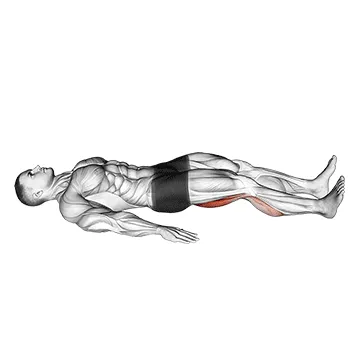
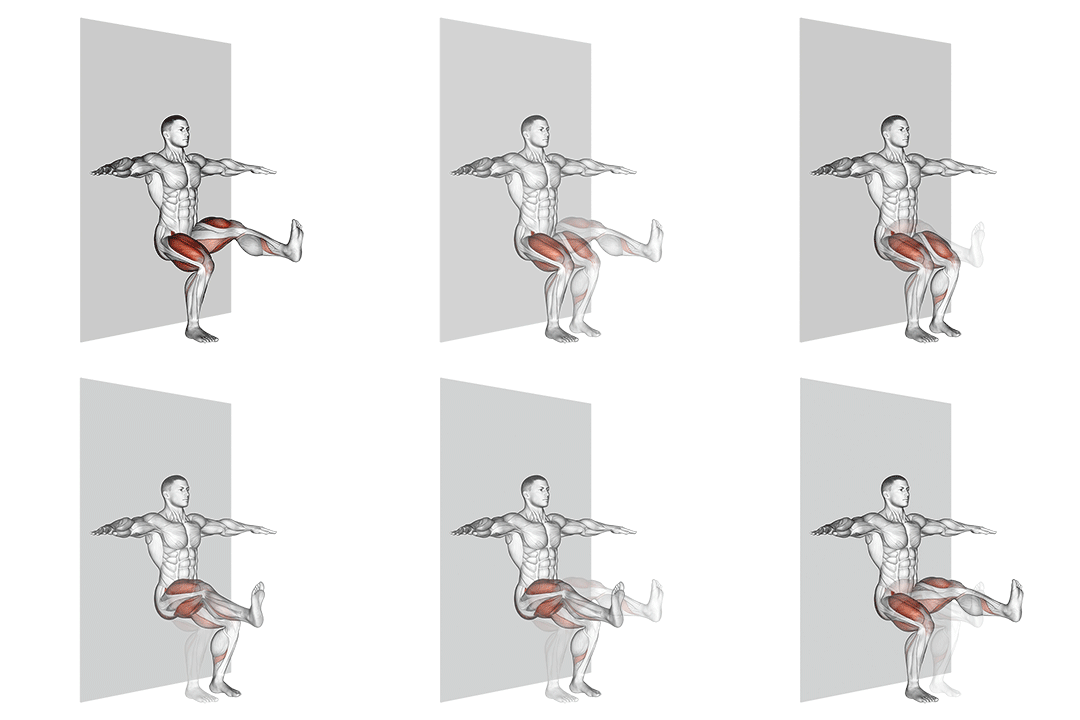
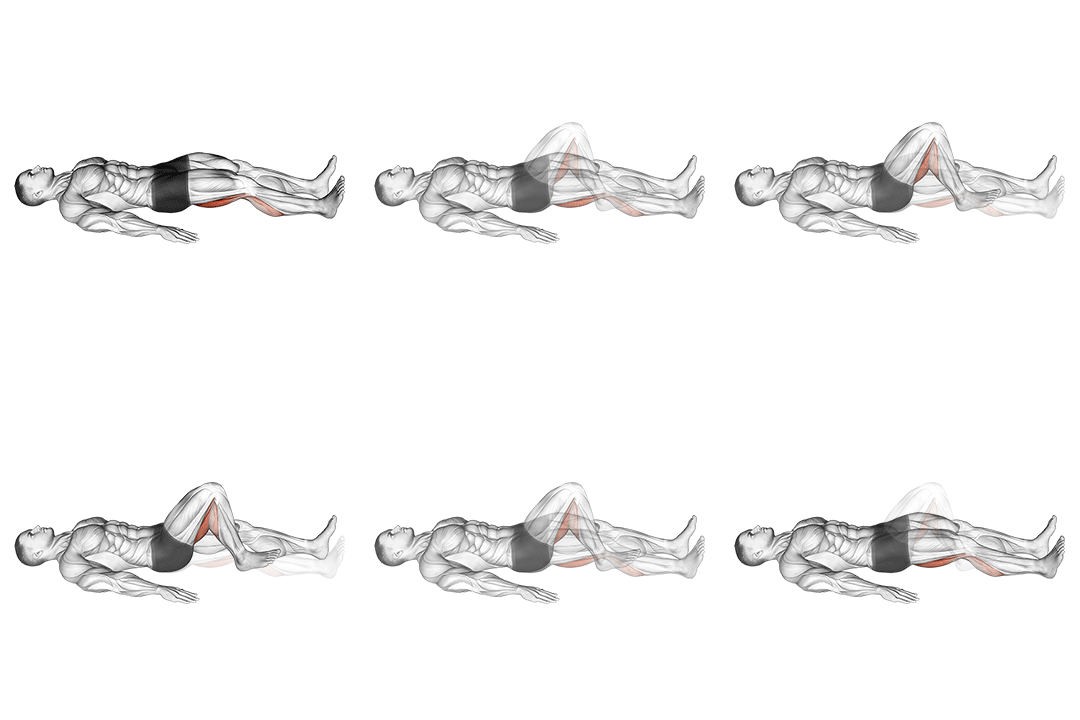
2. Kick Out Sit
86% match- Hamstrings
- Bodyweight
- Intermediate
- Compound
Use this when you have nothing to train with, because it works the hamstrings with bodyweight alone.
How to perform this exercise
- Sit on the edge of a bench or chair with your feet flat on the ground and your knees bent at a 90-degree angle.
- Lean back slightly and place your hands on the edge of the bench or chair for support.
- Engaging your hamstrings, lift your feet off the ground and extend your legs straight out in front of you.
- Pause for a moment at the top, then slowly bend your knees and bring your feet back towards your body.
- Repeat for the desired number of repetitions.
Sets and reps: 3 or 4 sets of 6 to 10 reps on each side.
Why this matches
- Primary muscle: hamstrings, the same as One-arm Kettlebell Swings
- Equipment: bodyweight only, not free weights
- Body position: standing, the same as One-arm Kettlebell Swings
Progression
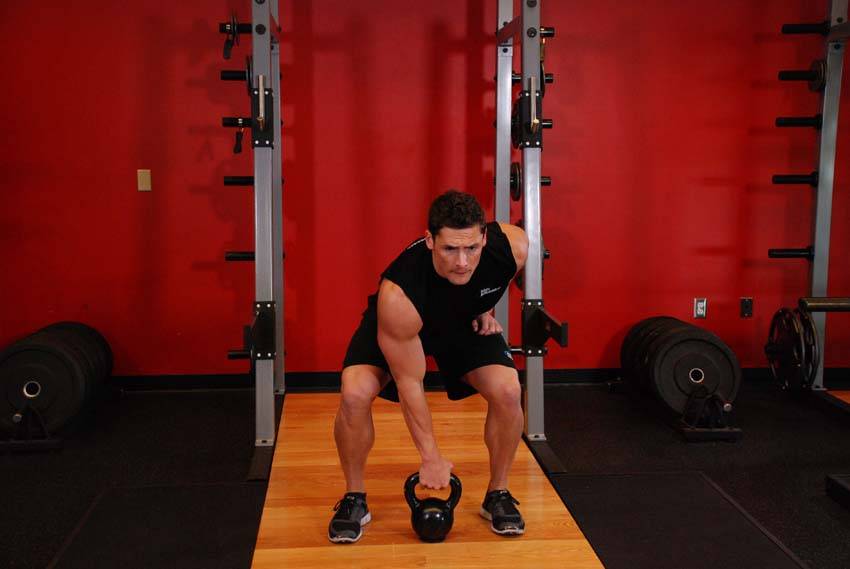
3. Kettlebell Dead Clean
84% match- Hamstrings
- Kettlebell
- Advanced
- Compound
Pick this when you want a harder version that still works the hamstrings.
How to perform this exercise
- Place kettlebell between your feet. To get in the starting position, push your butt back and look straight ahead.
- Clean the kettlebell to your shoulder. Clean the kettlebell to your shoulders by extending through the legs and hips as you raise the kettlebell towards your shoulder. The wrist should rotate as you do so.
- Lower the kettlebell, keeping the hamstrings loaded by keeping your back straight and your butt out.
Sets and reps: 3 to 5 sets of 5 to 8 reps on each side.
Why this matches
- Primary muscle: hamstrings, the same as One-arm Kettlebell Swings
- Equipment: free weights, the same as One-arm Kettlebell Swings
- Body position: standing, the same as One-arm Kettlebell Swings
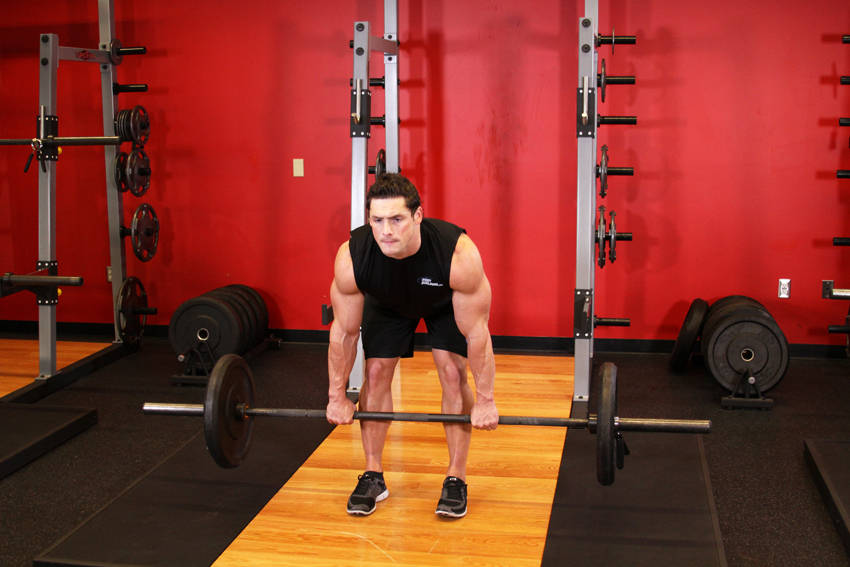
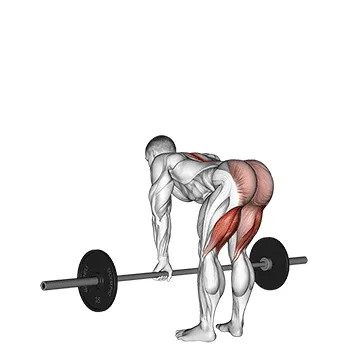
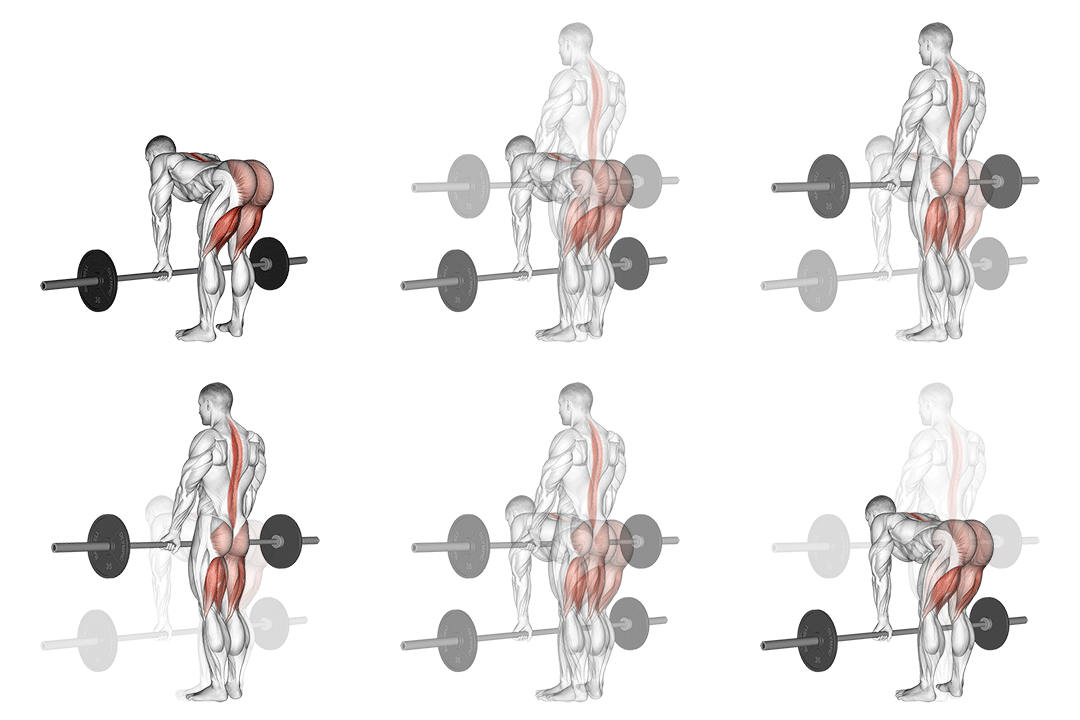
4. Romanian Deadlift
84% match- Hamstrings
- Barbell
- Intermediate
- Compound
A good swap when you have a barbell to work with, and it still works the hamstrings.
How to perform this exercise
- Put a barbell in front of you on the ground and grab it using a pronated (palms facing down) grip that a little wider than shoulder width. Tip: Depending on the weight used, you may need wrist wraps to perform the exercise and also a raised platform in order to allow for better range of motion.
- Bend the knees slightly and keep the shins vertical, hips back and back straight. This will be your starting position.
- Keeping your back and arms completely straight at all times, use your hips to lift the bar as you exhale. Tip: The movement should not be fast but steady and under control.
- Once you are standing completely straight up, lower the bar by pushing the hips back, only slightly bending the knees, unlike when squatting. Tip: Take a deep breath at the start of the movement and keep your chest up. Hold your breath as you lower and exhale as you complete the movement.
- Repeat for the recommended amount of repetitions.
Sets and reps: 3 or 4 sets of 6 to 10 reps.
Why this matches
- Primary muscle: hamstrings, the same as One-arm Kettlebell Swings
- Equipment: free weights, the same as One-arm Kettlebell Swings
- Body position: standing, the same as One-arm Kettlebell Swings
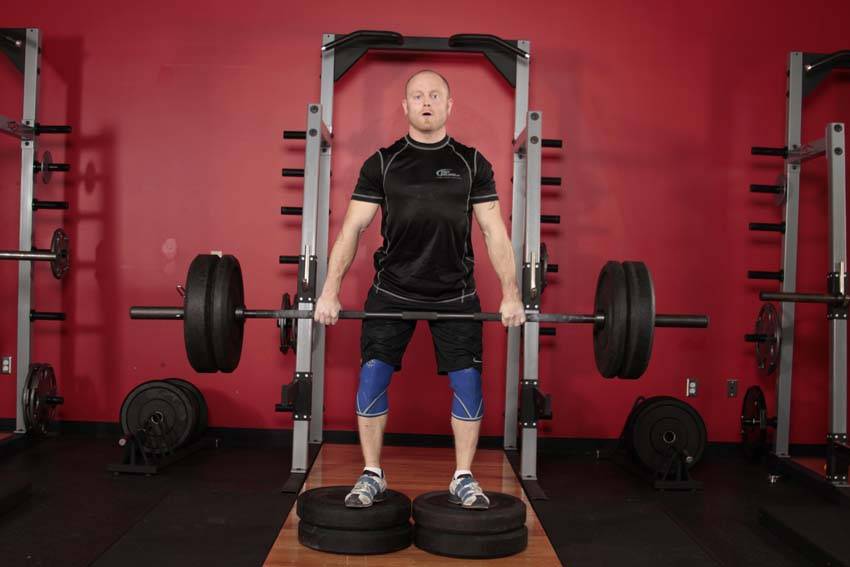
5. Romanian Deadlift From Deficit
83% match- Hamstrings
- Barbell
- Advanced
- Compound
How to perform this exercise
- Begin standing while holding a bar at arm's length in front of you. You can stand on a raised platform to increase the range of motion.
- Begin by flexing the knees slightly, and then flex at the hip, moving your butt back as far as possible, lowering the torso as far as flexibility allows. The back should remain in absolute extension at all times, and the bar should remain in contact with the legs. If done properly, there should be heavy tension felt in the hamstrings.
- Reverse the motion to return to the starting position.
Sets and reps: 3 to 5 sets of 5 to 8 reps.
Why this matches
- Primary muscle: hamstrings, the same as One-arm Kettlebell Swings
- Equipment: free weights, the same as One-arm Kettlebell Swings
- Body position: standing, the same as One-arm Kettlebell Swings
6. Dumbbell Single Leg Deadlift
80% match- Glutes
- Dumbbell
- Intermediate
- Compound
A looser match: it works the glutes rather than the hamstrings.
How to perform this exercise
- Stand with your feet hip-width apart, holding a dumbbell in your right hand.
- Shift your weight onto your left leg and lift your right foot slightly off the ground.
- Keeping your back straight, hinge forward at the hips and lower the dumbbell towards the ground.
- At the same time, extend your right leg straight behind you, maintaining a slight bend in your left knee.
- Lower the dumbbell until your torso and right leg are parallel to the ground.
- Pause for a moment, then engage your glutes and hamstrings to return to the starting position.
- Repeat for the desired number of repetitions, then switch sides.
Sets and reps: 3 or 4 sets of 6 to 10 reps on each side.
Why this matches
- Primary muscle: glutes, not hamstrings
- Equipment: free weights, the same as One-arm Kettlebell Swings
- Body position: standing, the same as One-arm Kettlebell Swings
7. Single Leg Platform Slide
79% match- Hamstrings
- Bodyweight
- Intermediate
- Compound
How to perform this exercise
- Start by standing with one foot on a platform or slide board.
- Bend your knee slightly and slide the foot on the platform backward, extending your leg.
- Keep your core engaged and maintain a straight posture throughout the movement.
- Slowly return to the starting position by sliding your foot back to the initial position.
- Repeat the movement for the desired number of repetitions, then switch legs.
Sets and reps: 3 or 4 sets of 6 to 10 reps on each side.
Why this matches
- Primary muscle: hamstrings, the same as One-arm Kettlebell Swings
- Equipment: bodyweight only, not free weights
- Body position: standing, the same as One-arm Kettlebell Swings
- Balance: harder to stay steady on than One-arm Kettlebell Swings
8. Barbell Straight Leg Deadlift
79% match- Hamstrings
- Barbell
- Intermediate
- Compound
How to perform this exercise
- Stand with your feet shoulder-width apart and your toes pointing forward.
- Hold the barbell with an overhand grip, hands slightly wider than shoulder-width apart.
- Bend at your hips and lower the barbell towards the ground, keeping your back straight and your knees slightly bent.
- Lower the barbell until you feel a stretch in your hamstrings.
- Engage your hamstrings and glutes to lift the barbell back up to the starting position.
- Repeat for the desired number of repetitions.
Sets and reps: 3 to 5 sets of 5 to 8 reps.
Why this matches
- Primary muscle: hamstrings, the same as One-arm Kettlebell Swings
- Equipment: free weights, the same as One-arm Kettlebell Swings
- Body position: standing, the same as One-arm Kettlebell Swings
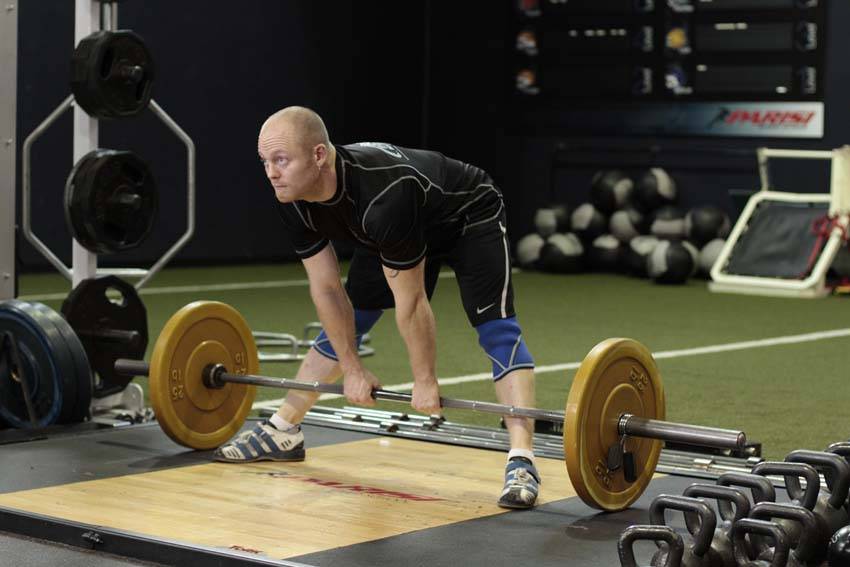
9. Wide Stance Stiff Legs
79% match- Hamstrings
- Barbell
- Intermediate
- Compound
How to perform this exercise
- Begin with a barbell loaded on the floor. Adopt a wide stance, and then bend at the hips to grab the bar. Your hips should be as far back as possible, and your legs nearly straight. Keep your back straight, and your head and chest up. This will be your starting position.
- Begin the movement be engaging the hips, driving them forward as you allow the arms to hang straight. Continue until you are standing straight up, and then slowly return the weight to the starting position. For successive reps, the weight need not touch the floor.
Sets and reps: 3 to 5 sets of 5 to 8 reps.
Why this matches
- Primary muscle: hamstrings, the same as One-arm Kettlebell Swings
- Equipment: free weights, the same as One-arm Kettlebell Swings
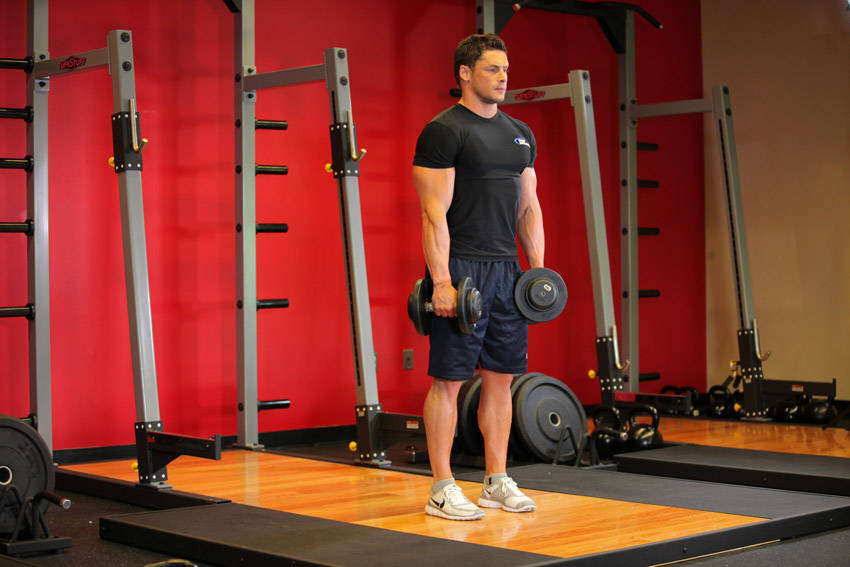
10. Stiff-legged Dumbbell Deadlift
78% match- Hamstrings
- Dumbbell
- Intermediate
- Compound
How to perform this exercise
- Grasp a couple of dumbbells holding them by your side at arm's length.
- Stand with your torso straight and your legs spaced using a shoulder width or narrower stance. The knees should be slightly bent. This is your starting position.
- Keeping the knees stationary, lower the dumbbells to over the top of your feet by bending at the waist while keeping your back straight. Keep moving forward as if you were going to pick something from the floor until you feel a stretch on the hamstrings. Exhale as you perform this movement
- Start bringing your torso up straight again by extending your hips and waist until you are back at the starting position. Inhale as you perform this movement.
- Repeat for the recommended amount of repetitions.
Sets and reps: 3 or 4 sets of 6 to 10 reps.
Why this matches
- Primary muscle: hamstrings, the same as One-arm Kettlebell Swings
- Equipment: free weights, the same as One-arm Kettlebell Swings
- Body position: standing, the same as One-arm Kettlebell Swings
Why You Might Need a One-arm Kettlebell Swings Alternative
You might swap one-arm kettlebell swings for many reasons: shoulder or lower-back pain, lack of a suitable kettlebell, grip limitations, or a need to emphasize different loading and balance demands. Substitutes let you maintain posterior-chain tension while reducing shear on the lumbar spine or stress on an injured shoulder. Pick movements that keep the hip-hinge motor pattern, push hips back, keep knees soft, neutral spine, so hamstrings and glutes remain the primary drivers. Choose options that let you control eccentric loading and progressive overload so you preserve power and hypertrophy without replicating the swing's ballistic forces.
One-arm Kettlebell Swings FAQ
What muscles does One-arm Kettlebell Swings work?
One-arm kettlebell swings primarily target the hamstrings and glutes through explosive hip extension. They also recruit the erector spinae, lats, and core for spinal stability and force transfer during the ballistic drive.
What is the best bodyweight alternative to One-arm Kettlebell Swings?
A single-leg Romanian deadlift (bodyweight) is the best bodyweight alternative because it preserves the hip-hinge and isolates hamstrings. Hinge at the hips with a neutral spine, push the rear leg back for balance, and feel the hamstring lengthen on the descent.
Can I build muscle without doing One-arm Kettlebell Swings?
Yes. You can build hamstring and glute muscle with controlled alternatives like Romanian deadlifts, hip thrusts, and heavy reverse lunges that allow progressive overload. Emphasize eccentric control, full hip extension, and incremental load increases to stimulate hypertrophy.
Find Alternatives for Any Exercise
Search the exercise database and filter the ranked substitutes by the equipment you own.
Similarity scores compare exercise metadata such as movement pattern, muscles, equipment and body position. They are not a safety rating or a check that you own the equipment. Learn about our methodology