

10 Best Open Palm Kettlebell Clean Alternatives for Hamstring Strength
The Open Palm Kettlebell Clean is done standing with a kettlebell. Ranked closest by our scoring: the Knee Tuck Jump, the Kick Out Sit and the Single Leg Platform Slide.
Updated Ranked by our 12-factor similarity model How it works
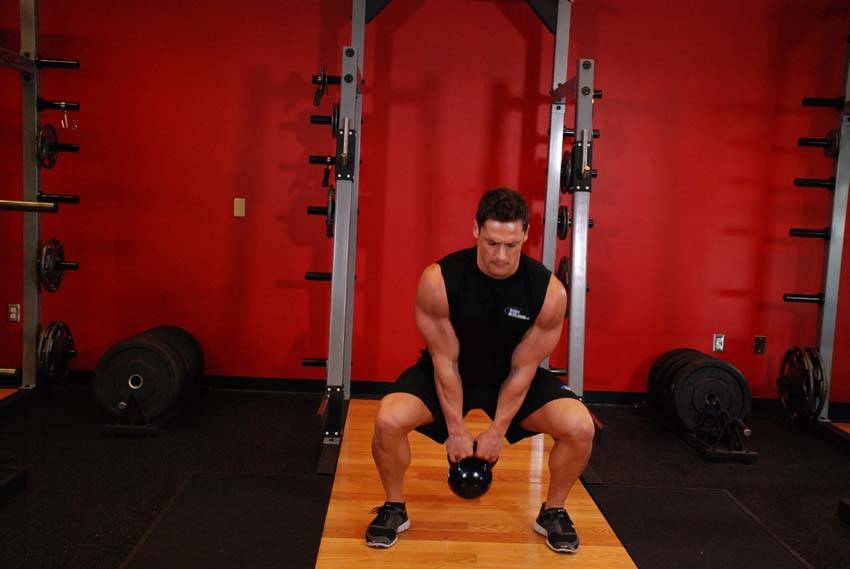
Original Exercise: Open Palm Kettlebell Clean
- Primary muscle
- Hamstrings
- Equipment
- Kettlebell
- Difficulty
- Intermediate
- Type
- Compound
Secondary muscles: Glutes, Lower Back, Quadriceps, Shoulders
How to perform Open Palm Kettlebell Clean
- Place one kettlebell between your feet. Clean the kettlebell by extending through the legs and hips as you raise the kettlebell towards your shoulders.
- Release the kettlebell as it comes up, and let it flip so that the ball of the kettlebell lands in the palms of your hands.
- Release the kettlebell out in front of you and catch the handle with both hands. Lower the kettlebell to the starting position and repeat.
Ranked Open Palm Kettlebell Clean Alternatives
10 substitutes, ranked by how closely each one matches the Open Palm Kettlebell Clean on movement pattern, muscles worked, equipment and body position. The higher the score, the less you change. Open "How to perform this exercise" on a card for the steps; every card title links to that exercise's own alternatives page.
Best match 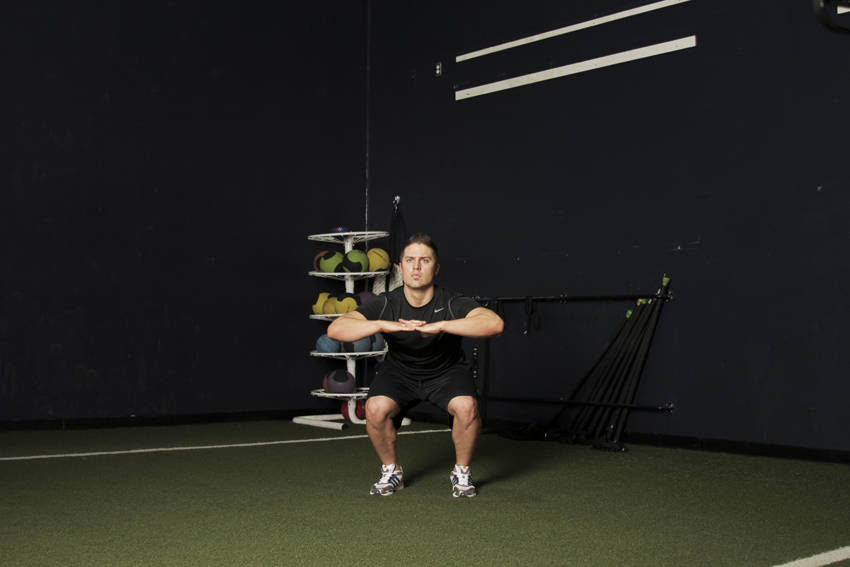
1. Knee Tuck Jump
51% match- Hamstrings
- Bodyweight
- Intermediate
- Compound
Use this when you have nothing to train with, because it works the hamstrings with bodyweight alone.
How to perform this exercise
- Begin in a comfortable standing position with your knees slightly bent. Hold your hands in front of you, palms down with your fingertips together at chest height. This will be your starting position.
- Rapidly dip down into a quarter squat and immediately explode upward. Drive the knees towards the chest, attempting to touch them to the palms of the hands.
- Jump as high as you can, raising your knees up, and then ensure a good land be re-extending your legs, absorbing impact through be allowing the knees to rebend.
Sets and reps: 3 or 4 sets of 6 to 10 reps.
Why this matches
- Primary muscle: hamstrings, the same as the Open Palm Kettlebell Clean
- Equipment: bodyweight only, not free weights
- Body position: standing, the same as the Open Palm Kettlebell Clean
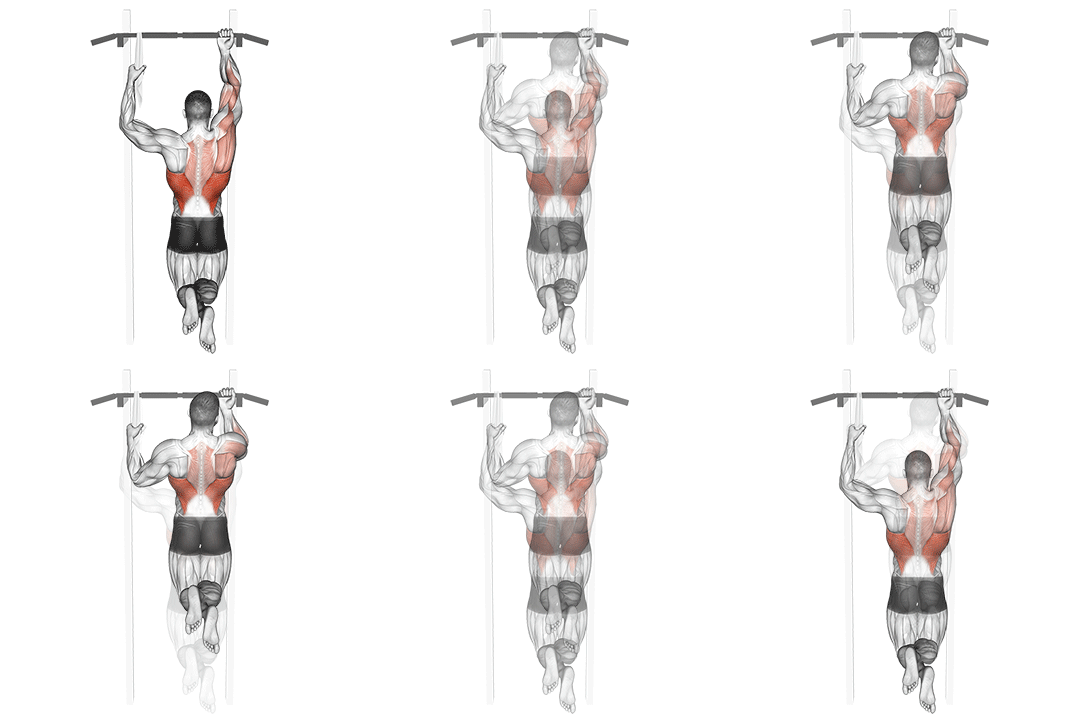
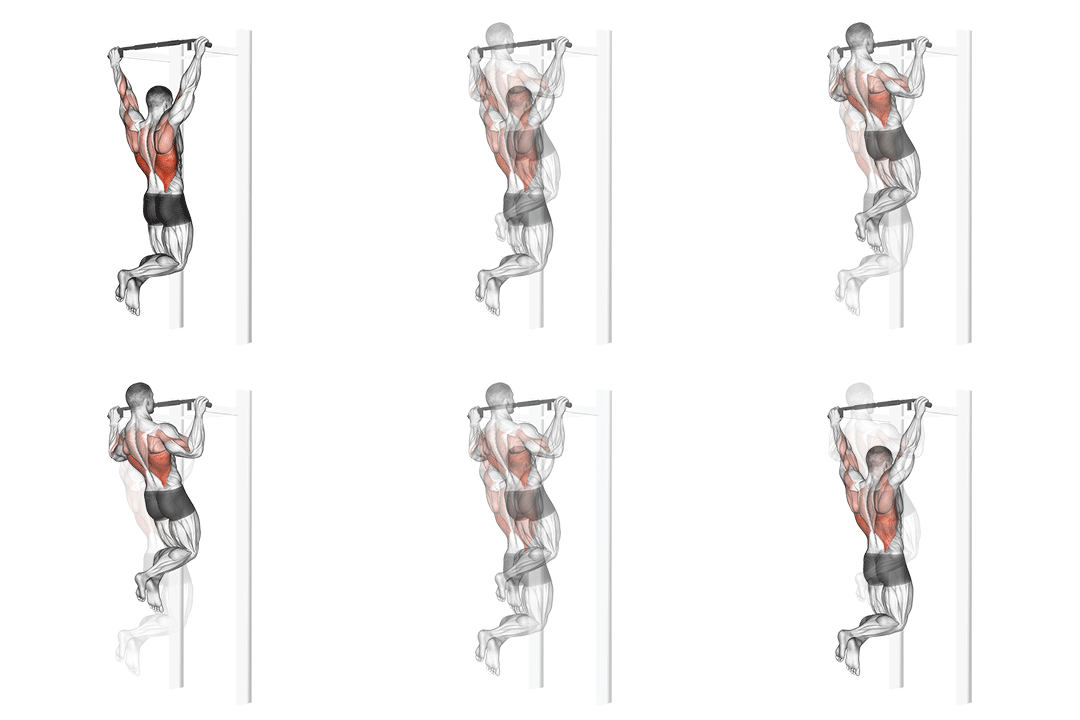
2. Pull Up (Neutral Grip)
50% match- Lats
- Bodyweight
- Advanced
- Compound
A looser match: it works the lats rather than the hamstrings.
How to perform this exercise
- Hang from a pull-up bar with a neutral grip (palms facing each other) and your arms fully extended.
- Engage your core and squeeze your shoulder blades together.
- Pull your body up towards the bar by bending your elbows and driving your elbows down towards your hips.
- Continue pulling until your chin is above the bar.
- Pause for a moment at the top, then slowly lower your body back down to the starting position with control.
- Repeat for the desired number of repetitions.
Sets and reps: 3 or 4 sets of 6 to 10 reps.
Why this matches
- Primary muscle: lats, not hamstrings
- Equipment: bodyweight only, not free weights
- Body position: hanging, not standing
3. One Arm Chin-up
50% match- Lats
- Bodyweight
- Advanced
- Compound
How to perform this exercise
- Stand facing a pull-up bar with your feet shoulder-width apart.
- Reach up and grab the bar with an underhand grip, with one hand gripping the bar and the other hand holding your wrist for support.
- Hang from the bar with your arm fully extended, keeping your body straight and your core engaged.
- Pull yourself up towards the bar by bending your elbow and squeezing your back muscles.
- Continue pulling until your chin is above the bar, then slowly lower yourself back down to the starting position.
- Repeat for the desired number of repetitions, then switch arms and repeat.
Sets and reps: 3 or 4 sets of 6 to 10 reps on each side.
Why this matches
- Primary muscle: lats, not hamstrings
- Equipment: bodyweight only, not free weights
- Body position: hanging, not standing
- Balance: harder to stay steady on than the Open Palm Kettlebell Clean
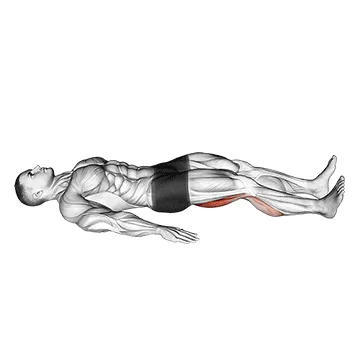
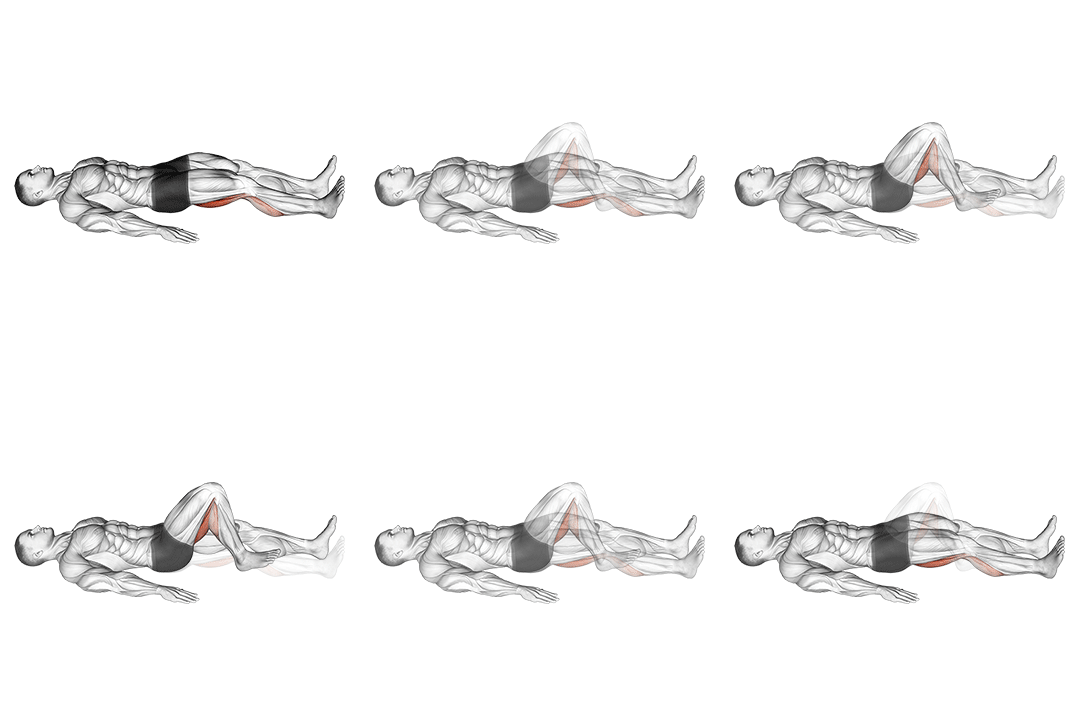
4. Kick Out Sit
50% match- Hamstrings
- Bodyweight
- Intermediate
- Compound
How to perform this exercise
- Sit on the edge of a bench or chair with your feet flat on the ground and your knees bent at a 90-degree angle.
- Lean back slightly and place your hands on the edge of the bench or chair for support.
- Engaging your hamstrings, lift your feet off the ground and extend your legs straight out in front of you.
- Pause for a moment at the top, then slowly bend your knees and bring your feet back towards your body.
- Repeat for the desired number of repetitions.
Sets and reps: 3 or 4 sets of 6 to 10 reps on each side.
Why this matches
- Primary muscle: hamstrings, the same as the Open Palm Kettlebell Clean
- Equipment: bodyweight only, not free weights
- Body position: standing, the same as the Open Palm Kettlebell Clean
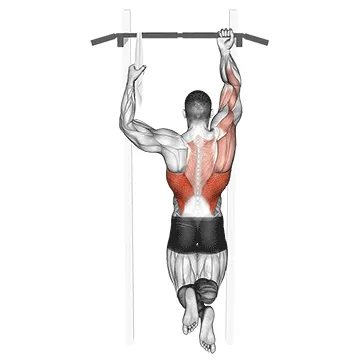
5. V-bar Pullup
49% match- Lats
- Bodyweight
- Intermediate
- Compound
How to perform this exercise
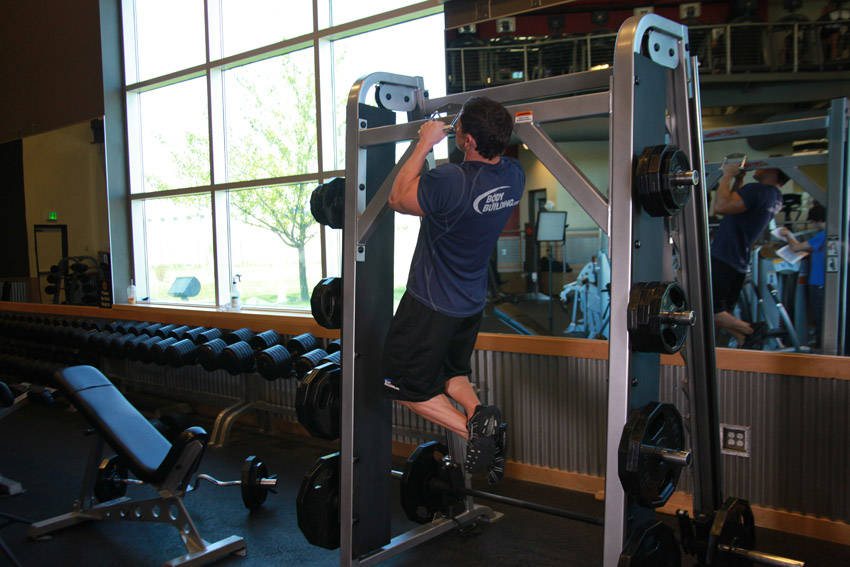
- Start by placing the middle of the V-bar in the middle of the pull-up bar (assuming that the pull-up station you are using does not have neutral grip handles). The V-Bar handles will be facing down so that you can hang from the pull-up bar through the use of the handles.
- Once you securely place the V-bar, take a hold of the bar from each side and hang from it. Stick your chest out and lean yourself back slightly in order to better engage the lats. This will be your starting position.
- Using your lats, pull your torso up while leaning your head back slightly so that you do not hit yourself with the chin-up bar. Continue until your chest nearly touches the V-bar. Exhale as you execute this motion.
- After a second hold on the contracted position, slowly lower your body back to the starting position as you breathe in.
- Repeat for the prescribed number of repetitions.
Sets and reps: 3 or 4 sets of 6 to 10 reps.
Why this matches
- Primary muscle: lats, not hamstrings
- Equipment: bodyweight only, not free weights
- Body position: hanging, not standing
- Balance: harder to stay steady on than the Open Palm Kettlebell Clean
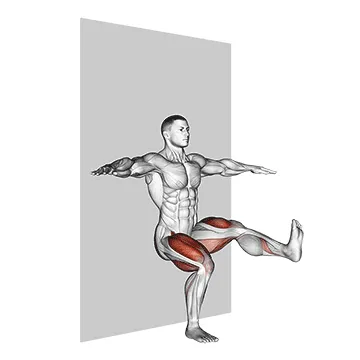
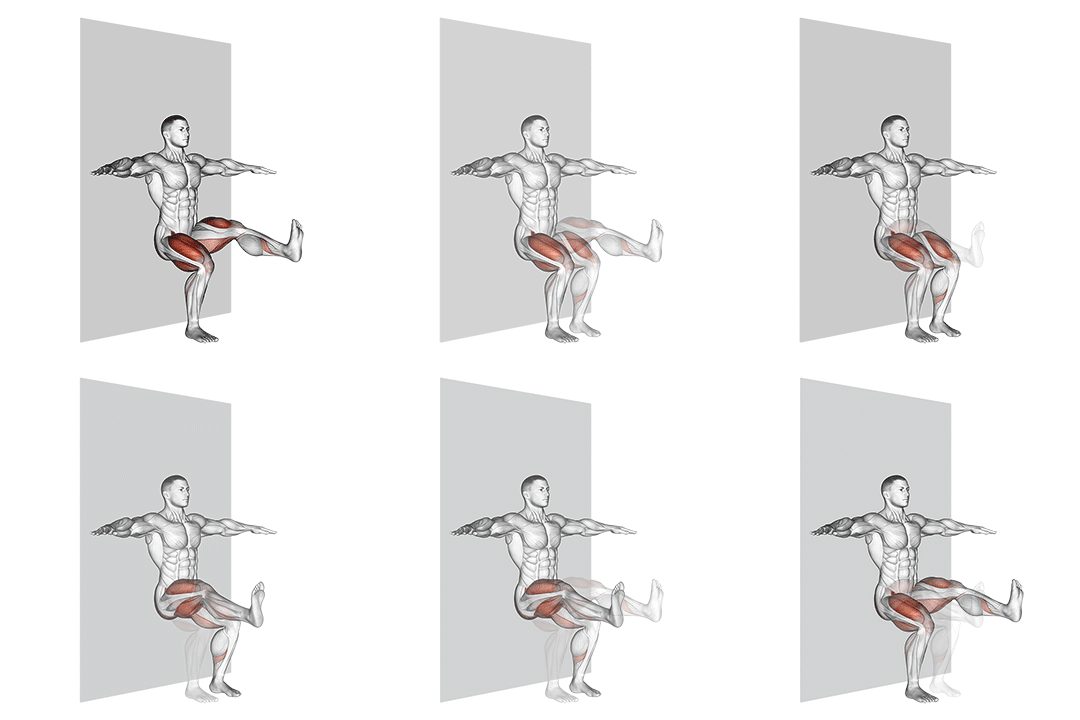
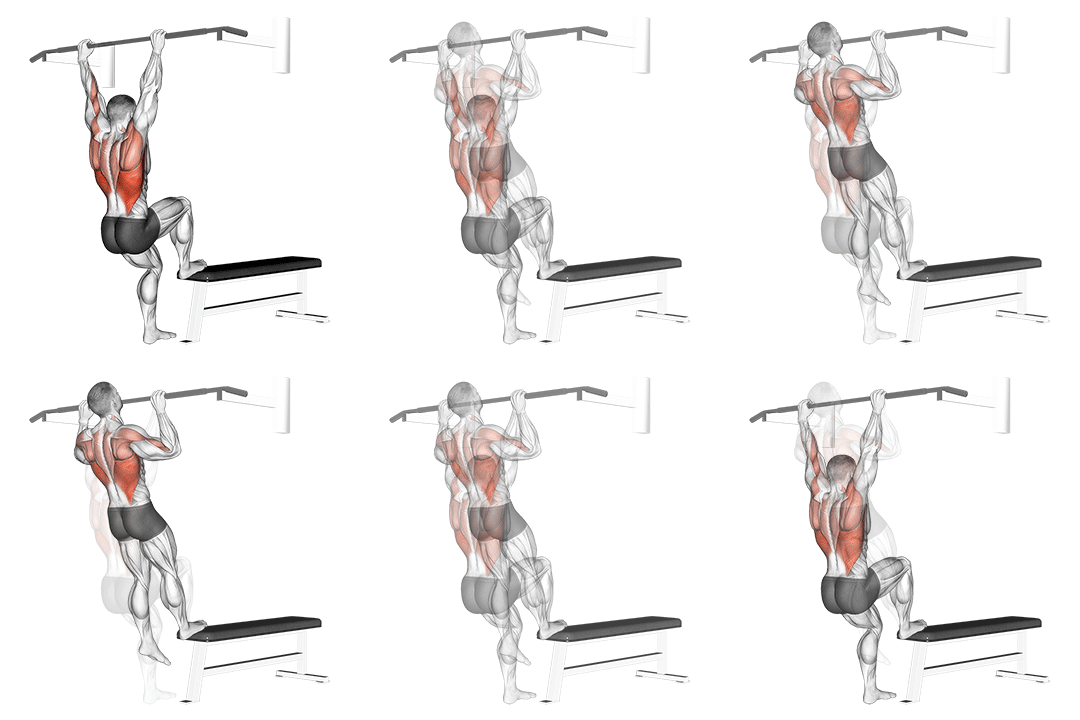
6. Single Leg Platform Slide
49% match- Hamstrings
- Bodyweight
- Intermediate
- Compound
How to perform this exercise
- Start by standing with one foot on a platform or slide board.
- Bend your knee slightly and slide the foot on the platform backward, extending your leg.
- Keep your core engaged and maintain a straight posture throughout the movement.
- Slowly return to the starting position by sliding your foot back to the initial position.
- Repeat the movement for the desired number of repetitions, then switch legs.
Sets and reps: 3 or 4 sets of 6 to 10 reps on each side.
Why this matches
- Primary muscle: hamstrings, the same as the Open Palm Kettlebell Clean
- Equipment: bodyweight only, not free weights
- Body position: standing, the same as the Open Palm Kettlebell Clean
- Balance: harder to stay steady on than the Open Palm Kettlebell Clean
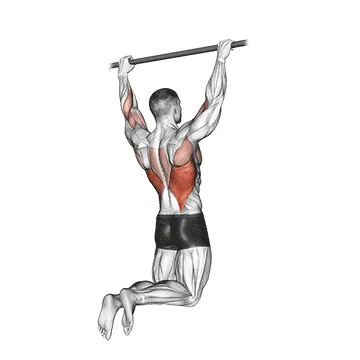
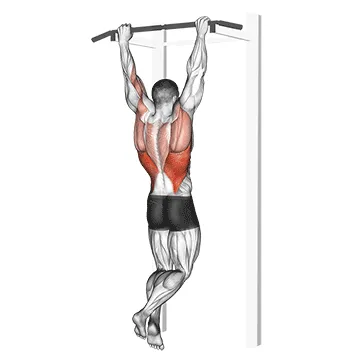
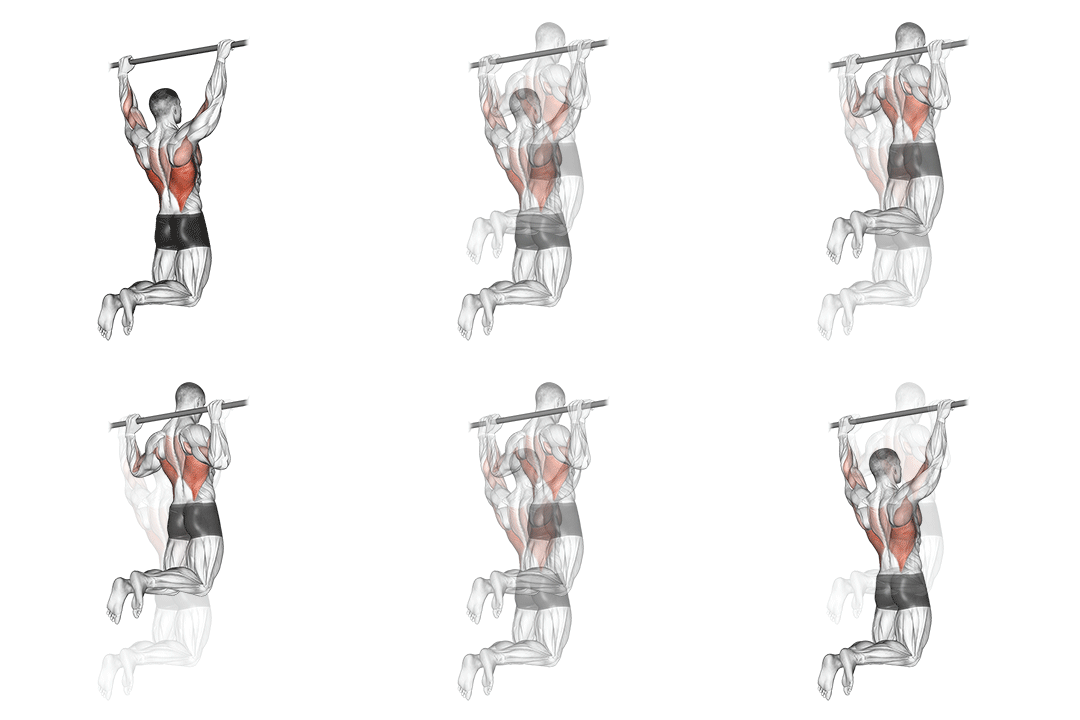
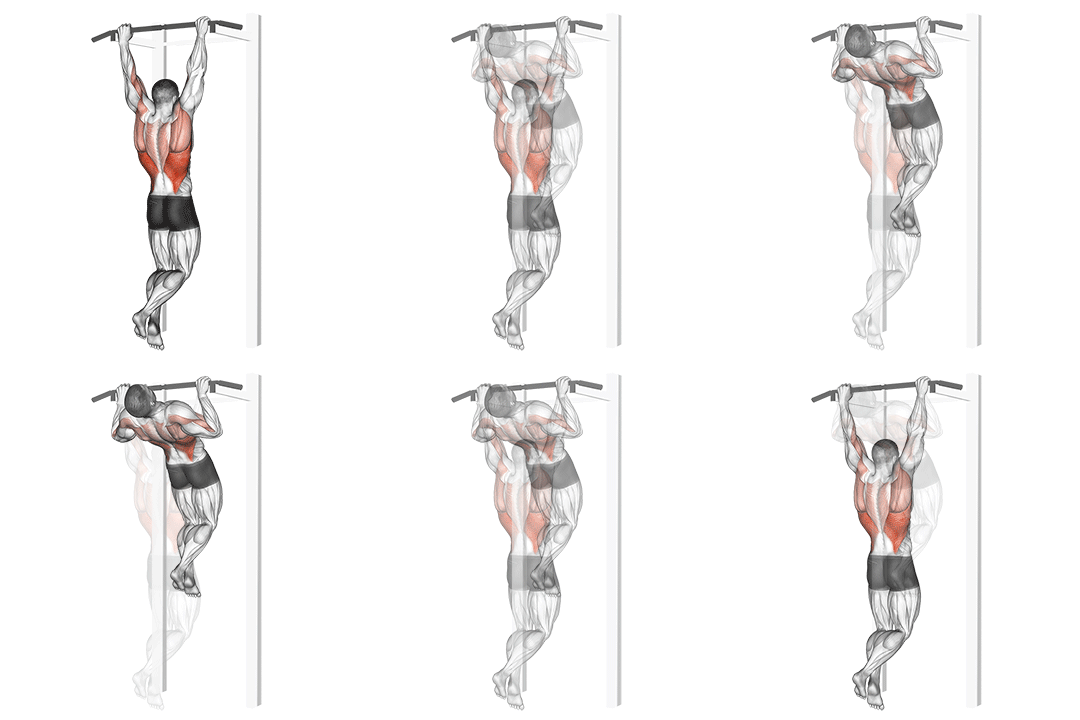
7. Rear Pull-up
47% match- Lats
- Bodyweight
- Intermediate
- Compound
How to perform this exercise
- Grab the pull-up bar with an overhand grip, slightly wider than shoulder-width apart.
- Hang from the bar with your arms fully extended and your body straight.
- Engage your back muscles and pull your body up towards the bar, keeping your elbows close to your body.
- Continue pulling until your chin is above the bar.
- Pause for a moment at the top, then slowly lower your body back down to the starting position.
- Repeat for the desired number of repetitions.
Sets and reps: 3 or 4 sets of 6 to 10 reps.
Why this matches
- Primary muscle: lats, not hamstrings
- Equipment: bodyweight only, not free weights
- Body position: hanging, not standing
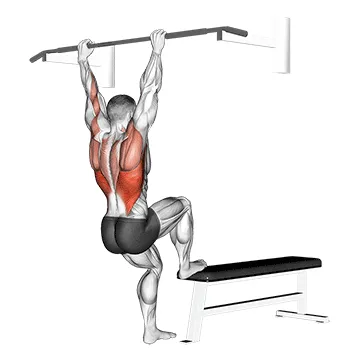
8. Bench Pull-ups
46% match- Lats
- Bodyweight
- Intermediate
- Compound
How to perform this exercise
- Position yourself under a bar or a sturdy horizontal surface that is at chest height.
- Grab the bar or surface with an overhand grip, slightly wider than shoulder-width apart.
- Hang with your arms fully extended and your body straight.
- Pull your chest towards the bar or surface by squeezing your shoulder blades together and bending your elbows.
- Continue pulling until your chin is above the bar or surface.
- Lower yourself back down to the starting position with control.
- Repeat for the desired number of repetitions.
Sets and reps: 3 or 4 sets of 6 to 10 reps.
Why this matches
- Primary muscle: lats, not hamstrings
- Equipment: bodyweight only, not free weights
- Body position: hanging, not standing
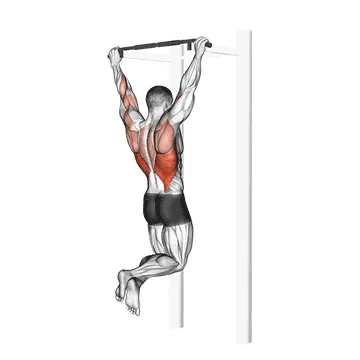
9. Pull-up
46% match- Lats
- Bodyweight
- Advanced
- Compound
How to perform this exercise
- Hang from a pull-up bar with your palms facing away from you and your arms fully extended.
- Engage your core and squeeze your shoulder blades together.
- Pull your body up towards the bar by bending your elbows and bringing your chest towards the bar.
- Pause at the top of the movement, then slowly lower your body back down to the starting position.
- Repeat for the desired number of repetitions.
Sets and reps: 3 or 4 sets of 6 to 10 reps.
Why this matches
- Primary muscle: lats, not hamstrings
- Equipment: bodyweight only, not free weights
- Body position: hanging, not standing
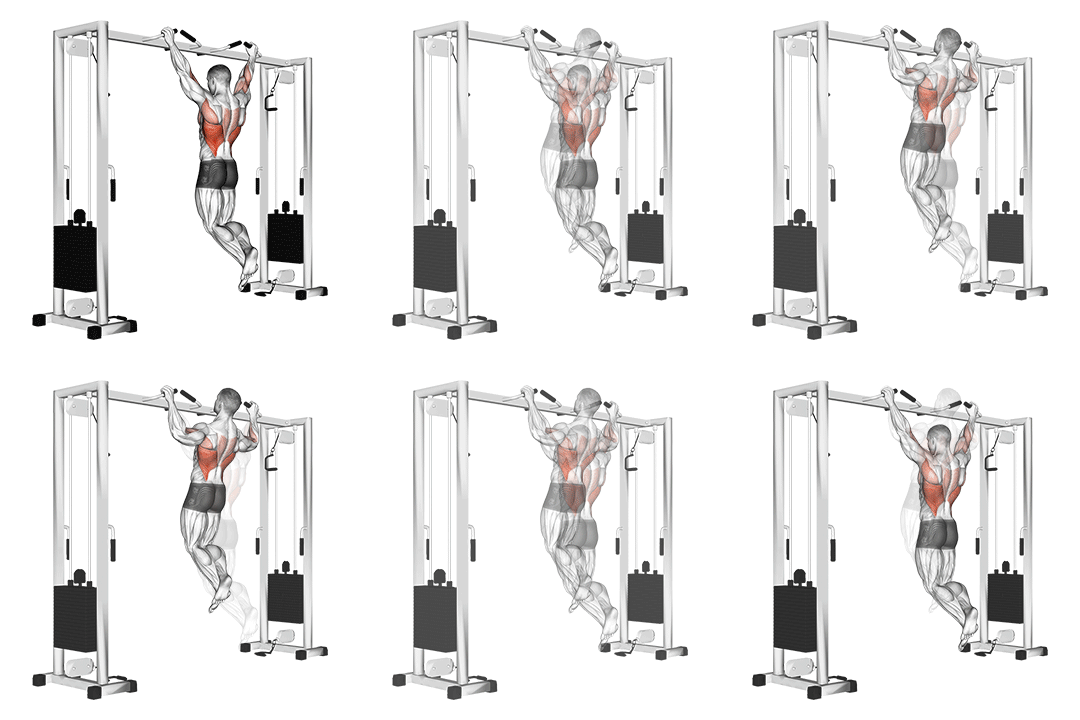
10. Rocky Pull-up Pulldown
46% match- Lats
- Bodyweight
- Advanced
- Compound
How to perform this exercise
- Stand in front of a pull-up bar with your feet shoulder-width apart.
- Reach up and grab the bar with an overhand grip, slightly wider than shoulder-width apart.
- Hang from the bar with your arms fully extended and your body straight.
- Engage your back muscles and pull your body up towards the bar, leading with your chest.
- Pause for a moment at the top, then slowly lower your body back down to the starting position.
- Repeat for the desired number of repetitions.
Sets and reps: 3 or 4 sets of 6 to 10 reps.
Why this matches
- Primary muscle: lats, not hamstrings
- Equipment: bodyweight only, not free weights
- Body position: hanging, not standing
Open Palm Kettlebell Clean FAQ
What muscles does Open Palm Kettlebell Clean work?
The clean primarily targets the hamstrings and glutes via a hip hinge and explosive hip extension. It also recruits the spinal erectors for trunk stability and the traps/shoulders in the rack phase; cue a fast hip drive to finish each rep and protect the lower back.
Find Alternatives for Any Exercise
Search the exercise database and filter the ranked substitutes by the equipment you own.
Similarity scores compare exercise metadata such as movement pattern, muscles, equipment and body position. They are not a safety rating or a check that you own the equipment. Learn about our methodology