

10 Best Power Snatch Alternatives for Posterior Chain Power
The Power Snatch is done standing with a barbell. Ranked closest by our scoring: the Knee Tuck Jump.
Updated Ranked by our 12-factor similarity model How it works
Original Exercise: Power Snatch
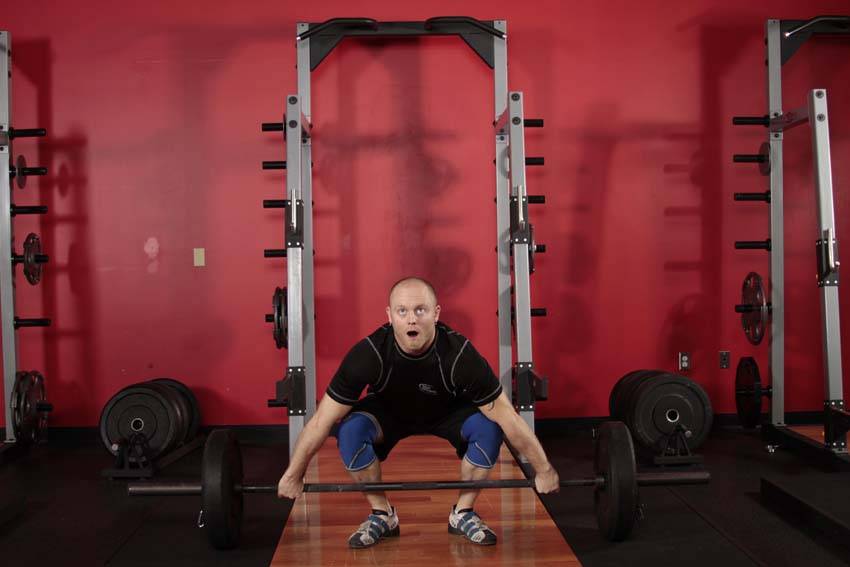
- Primary muscle
- Hamstrings
- Equipment
- Barbell
- Difficulty
- Advanced
- Type
- Compound
Secondary muscles: Calves, Glutes, Lower Back, Quadriceps, Shoulders, Traps, Triceps
How to perform Power Snatch
- Begin with a loaded barbell on the floor. The bar should be close to or touching the shins, and a wide grip should be taken on the bar. The feet should be directly below the hips, with the feet turned out as needed. Lower the hips, with the chest up and the head looking forward. The shoulders should be just in front of the bar. This will be the starting position.
- Begin the first pull by driving through the front of the heels, raising the bar from the ground. The back angle should stay the same until the bar passes the knees.
- Transition into the second pull by extending through the hips knees and ankles, driving the bar up as quickly as possible. The bar should be close to the body. At peak extension, shrug the shoulders and allow the elbows to flex to the side.
- As you move your feet into the receiving position, a slightly wider position, pull yourself below the bar as you elevate the bar overhead. The bar should be received in a partial squat. Continue raising the bar to the overhead position, receiving the bar locked out overhead.
- Return to a standing position with the weight over head.
Ranked Power Snatch Alternatives
10 substitutes, ranked by how closely each one matches the Power Snatch on movement pattern, muscles worked, equipment and body position. The higher the score, the less you change. Open "How to perform this exercise" on a card for the steps; every card title links to that exercise's own alternatives page.
Best match 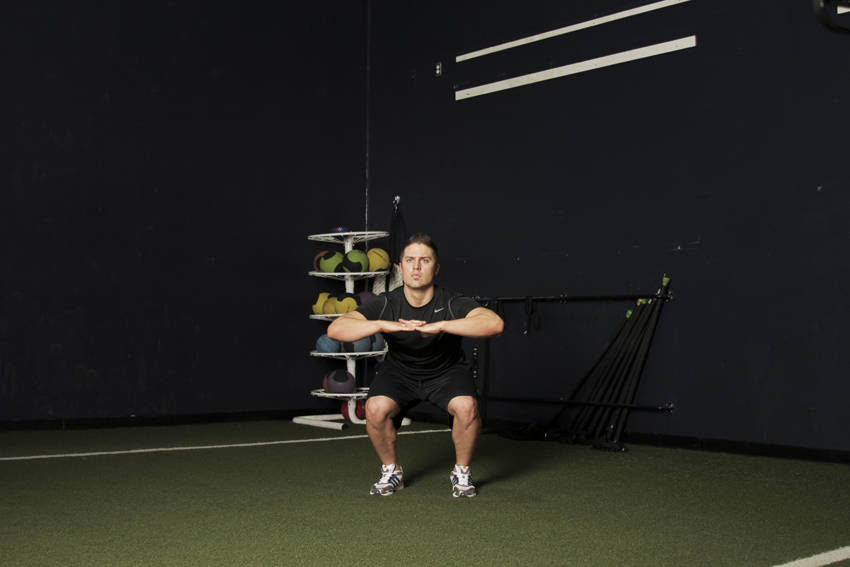
1. Knee Tuck Jump
52% match- Hamstrings
- Bodyweight
- Intermediate
- Compound
Use this when you have nothing to train with, because it works the hamstrings with bodyweight alone.
How to perform this exercise
- Begin in a comfortable standing position with your knees slightly bent. Hold your hands in front of you, palms down with your fingertips together at chest height. This will be your starting position.
- Rapidly dip down into a quarter squat and immediately explode upward. Drive the knees towards the chest, attempting to touch them to the palms of the hands.
- Jump as high as you can, raising your knees up, and then ensure a good land be re-extending your legs, absorbing impact through be allowing the knees to rebend.
Sets and reps: 3 or 4 sets of 6 to 10 reps.
Why this matches
- Primary muscle: hamstrings, the same as the Power Snatch
- Equipment: bodyweight only, not free weights
- Body position: standing, the same as the Power Snatch
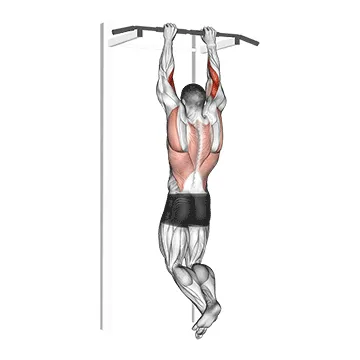
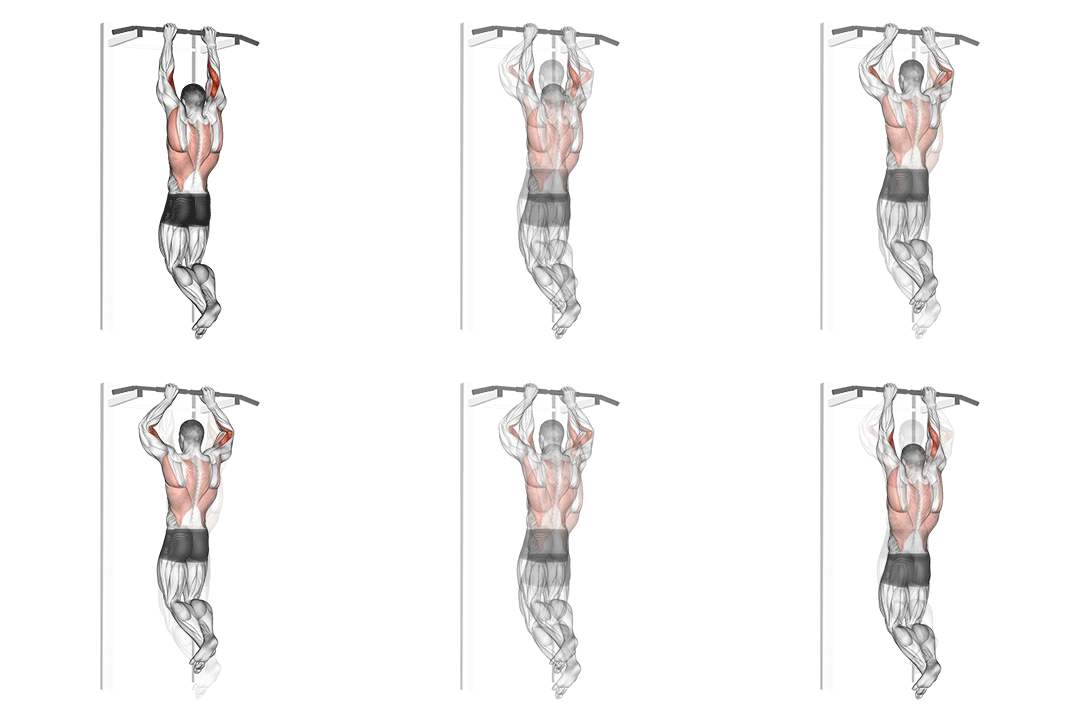
2. Biceps Narrow Pull-ups
47% match- Biceps
- Bodyweight
- Advanced
- Compound
A looser match: it works the biceps rather than the hamstrings.
How to perform this exercise
- Hang from a pull-up bar with your palms facing towards you and your hands shoulder-width apart.
- Engage your core and pull yourself up towards the bar, focusing on using your biceps to lift your body.
- Pause for a moment at the top, then slowly lower yourself back down to the starting position.
- Repeat for the desired number of repetitions.
Sets and reps: 3 or 4 sets of 6 to 10 reps.
Why this matches
- Primary muscle: biceps, not hamstrings
- Equipment: bodyweight only, not free weights
- Body position: hanging, not standing
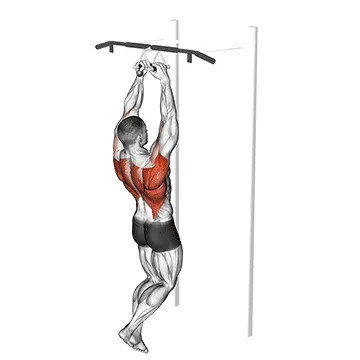
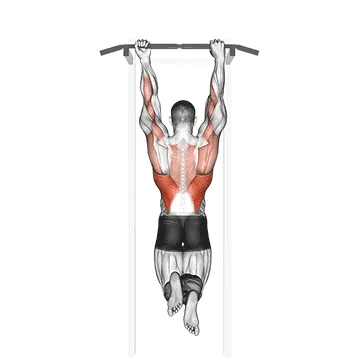
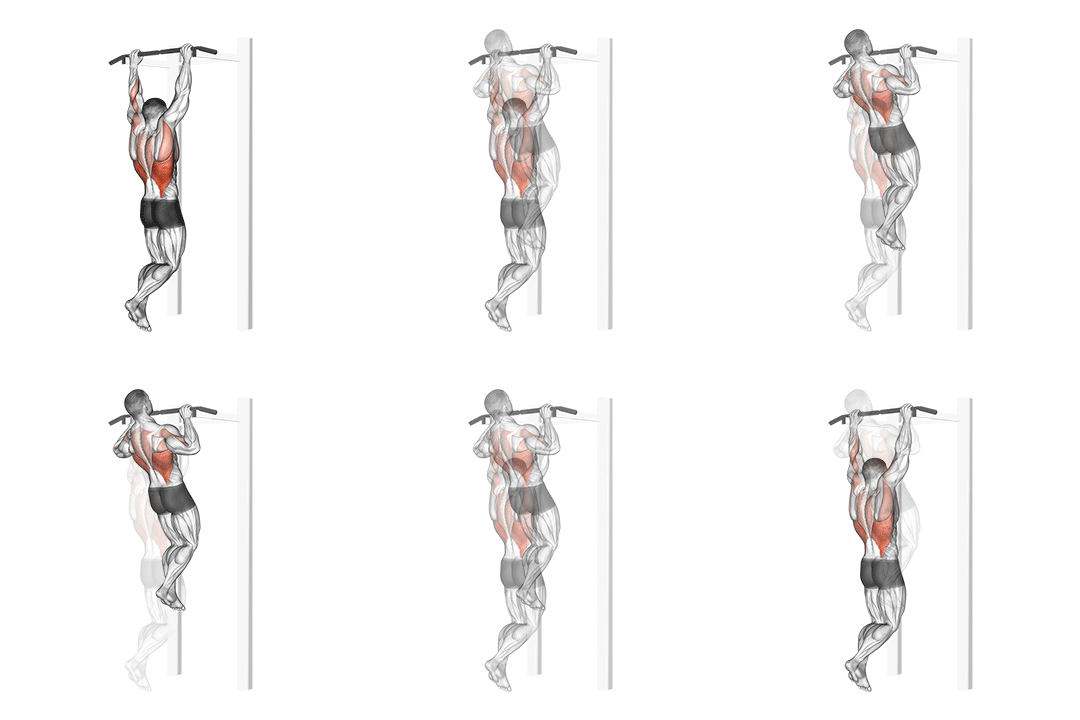
3. Biceps Pull-up
47% match- Biceps
- Bodyweight
- Advanced
- Compound
How to perform this exercise
- Hang from a pull-up bar with your palms facing away from you and your hands shoulder-width apart.
- Engage your core and pull yourself up by bending your elbows, bringing your chest towards the bar.
- Pause at the top of the movement, then slowly lower yourself back down to the starting position.
- Repeat for the desired number of repetitions.
Sets and reps: 3 or 4 sets of 6 to 10 reps.
Why this matches
- Primary muscle: biceps, not hamstrings
- Equipment: bodyweight only, not free weights
- Body position: hanging, not standing
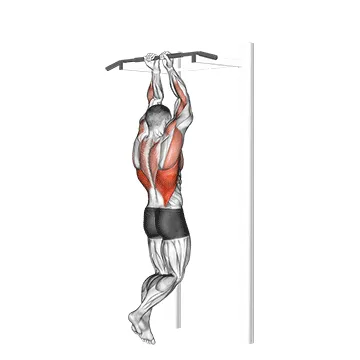
4. Chin-ups (Narrow Parallel Grip)
47% match- Upper Back
- Bodyweight
- Advanced
- Compound
A looser match: it works the upper back rather than the hamstrings.
How to perform this exercise
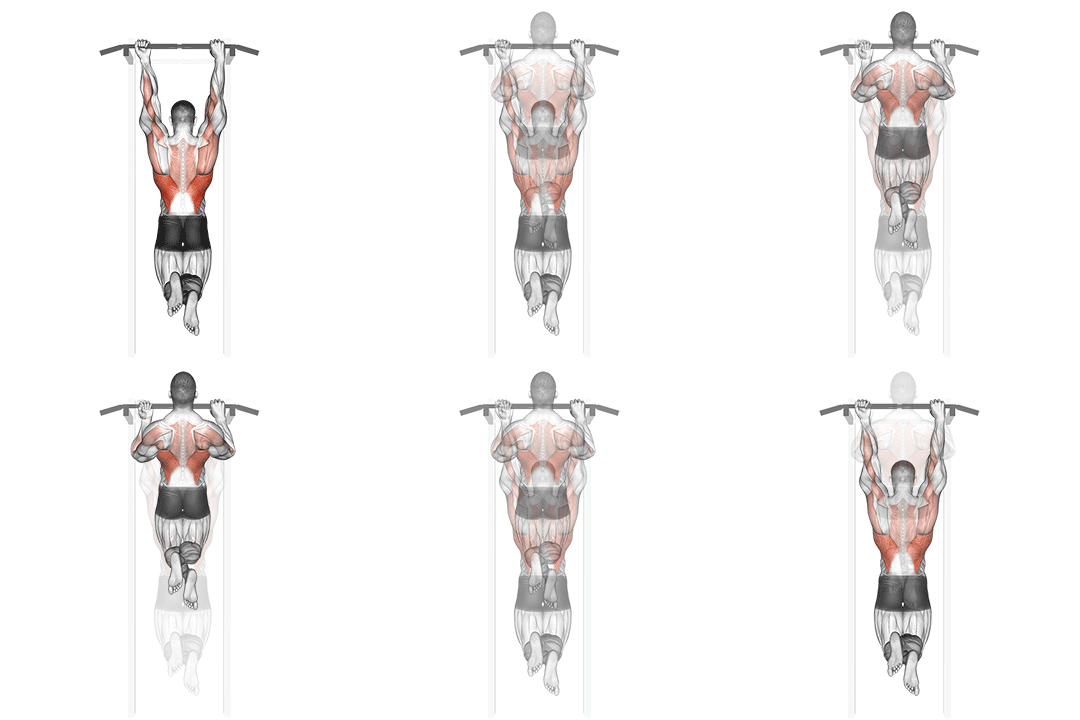
- Hang from a pull-up bar with a narrow parallel grip, palms facing towards you.
- Engage your back muscles and pull your body up towards the bar, keeping your elbows close to your body.
- Continue pulling until your chin is above the bar.
- Pause for a moment at the top, then slowly lower your body back down to the starting position.
- Repeat for the desired number of repetitions.
Sets and reps: 3 or 4 sets of 6 to 10 reps.
Why this matches
- Primary muscle: upper back, not hamstrings
- Equipment: bodyweight only, not free weights
- Body position: hanging, not standing
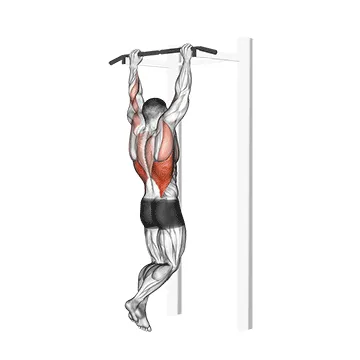
5. Close Grip Chin-up
43% match- Lats
- Bodyweight
- Advanced
- Compound
A looser match: it works the lats rather than the hamstrings.
How to perform this exercise
- Grab the pull-up bar with your palms facing towards you and your hands shoulder-width apart.
- Hang from the bar with your arms fully extended and your feet off the ground.
- Engage your back muscles and pull your body up towards the bar, keeping your elbows close to your body.
- Continue pulling until your chin is above the bar.
- Pause for a moment at the top, then slowly lower your body back down to the starting position.
- Repeat for the desired number of repetitions.
Sets and reps: 3 or 4 sets of 6 to 10 reps.
Why this matches
- Primary muscle: lats, not hamstrings
- Equipment: bodyweight only, not free weights
- Body position: hanging, not standing
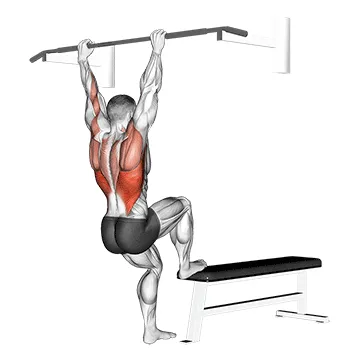
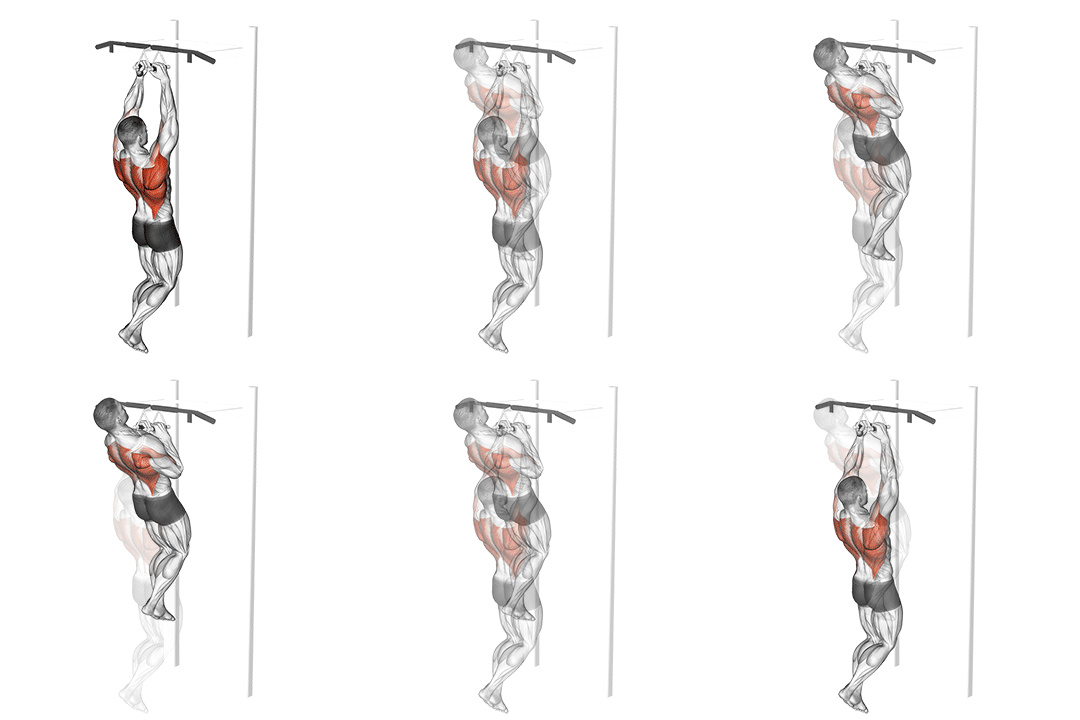
6. Gironda Sternum Chin
43% match- Lats
- Bodyweight
- Advanced
- Compound
How to perform this exercise
- Stand facing a high bar with your feet shoulder-width apart.
- Reach up and grab the bar with an overhand grip, slightly wider than shoulder-width apart.
- Hang from the bar with your arms fully extended and your body straight.
- Engage your lats and biceps to pull your chest up towards the bar, leading with your sternum.
- Pause for a moment at the top, then slowly lower yourself back down to the starting position.
- Repeat for the desired number of repetitions.
Sets and reps: 3 or 4 sets of 6 to 10 reps.
Why this matches
- Primary muscle: lats, not hamstrings
- Equipment: bodyweight only, not free weights
- Body position: hanging, not standing
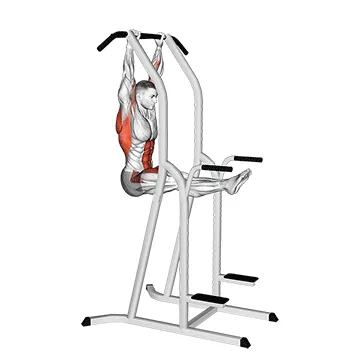
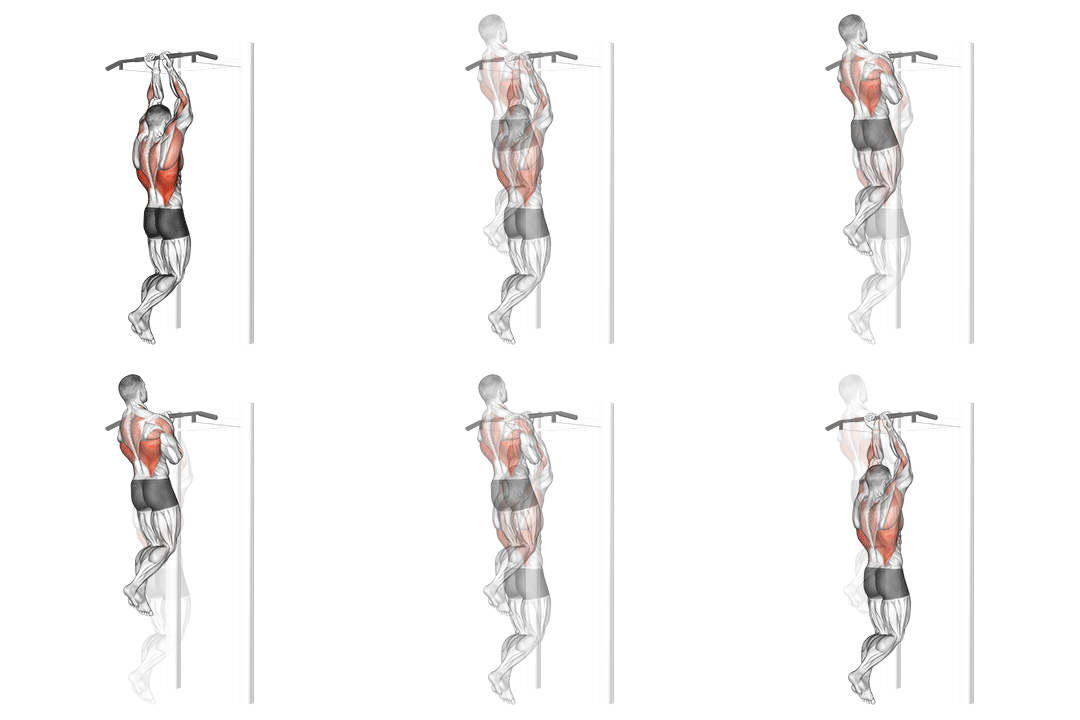
7. L-pull-up
43% match- Lats
- Bodyweight
- Intermediate
- Compound
How to perform this exercise
- Grab the pull-up bar with an overhand grip, slightly wider than shoulder-width apart.
- Hang with your arms fully extended and your body straight.
- Engage your lats and biceps to pull your body up towards the bar, keeping your elbows close to your body.
- Continue pulling until your chin is above the bar.
- Pause for a moment at the top, then slowly lower your body back down to the starting position.
- Repeat for the desired number of repetitions.
Sets and reps: 3 or 4 sets of 6 to 10 reps.
Why this matches
- Primary muscle: lats, not hamstrings
- Equipment: bodyweight only, not free weights
- Body position: hanging, not standing
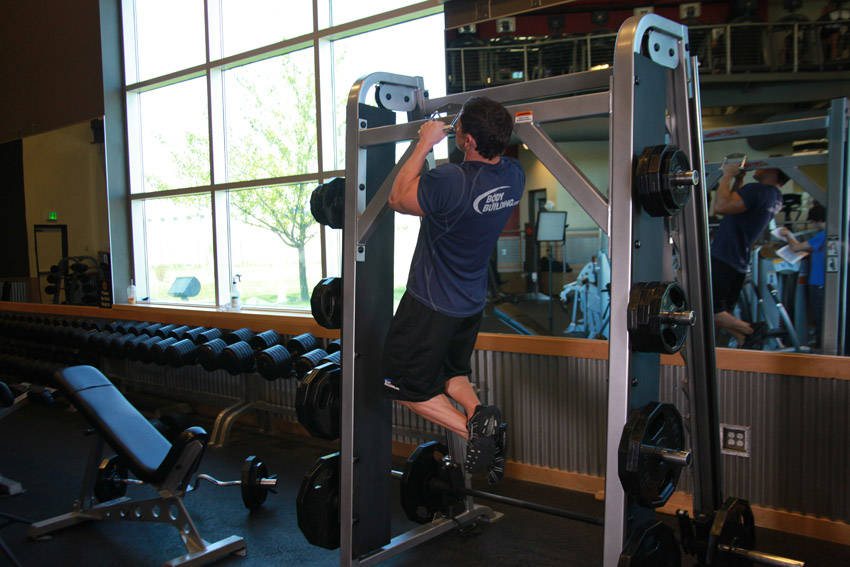
8. V-bar Pullup
42% match- Lats
- Bodyweight
- Intermediate
- Compound
How to perform this exercise
- Start by placing the middle of the V-bar in the middle of the pull-up bar (assuming that the pull-up station you are using does not have neutral grip handles). The V-Bar handles will be facing down so that you can hang from the pull-up bar through the use of the handles.
- Once you securely place the V-bar, take a hold of the bar from each side and hang from it. Stick your chest out and lean yourself back slightly in order to better engage the lats. This will be your starting position.
- Using your lats, pull your torso up while leaning your head back slightly so that you do not hit yourself with the chin-up bar. Continue until your chest nearly touches the V-bar. Exhale as you execute this motion.
- After a second hold on the contracted position, slowly lower your body back to the starting position as you breathe in.
- Repeat for the prescribed number of repetitions.
Sets and reps: 3 or 4 sets of 6 to 10 reps.
Why this matches
- Primary muscle: lats, not hamstrings
- Equipment: bodyweight only, not free weights
- Body position: hanging, not standing
9. Mixed Grip Chin-up
42% match- Lats
- Bodyweight
- Advanced
- Compound
How to perform this exercise
- Grab the pull-up bar with an underhand grip (palms facing towards you) and your hands slightly wider than shoulder-width apart.
- Hang from the bar with your arms fully extended and your feet off the ground.
- Engage your back muscles and pull your body up towards the bar, leading with your chest.
- Continue pulling until your chin is above the bar.
- Pause for a moment at the top, then slowly lower your body back down to the starting position with control.
- Repeat for the desired number of repetitions.
Sets and reps: 3 or 4 sets of 6 to 10 reps.
Why this matches
- Primary muscle: lats, not hamstrings
- Equipment: bodyweight only, not free weights
- Body position: hanging, not standing
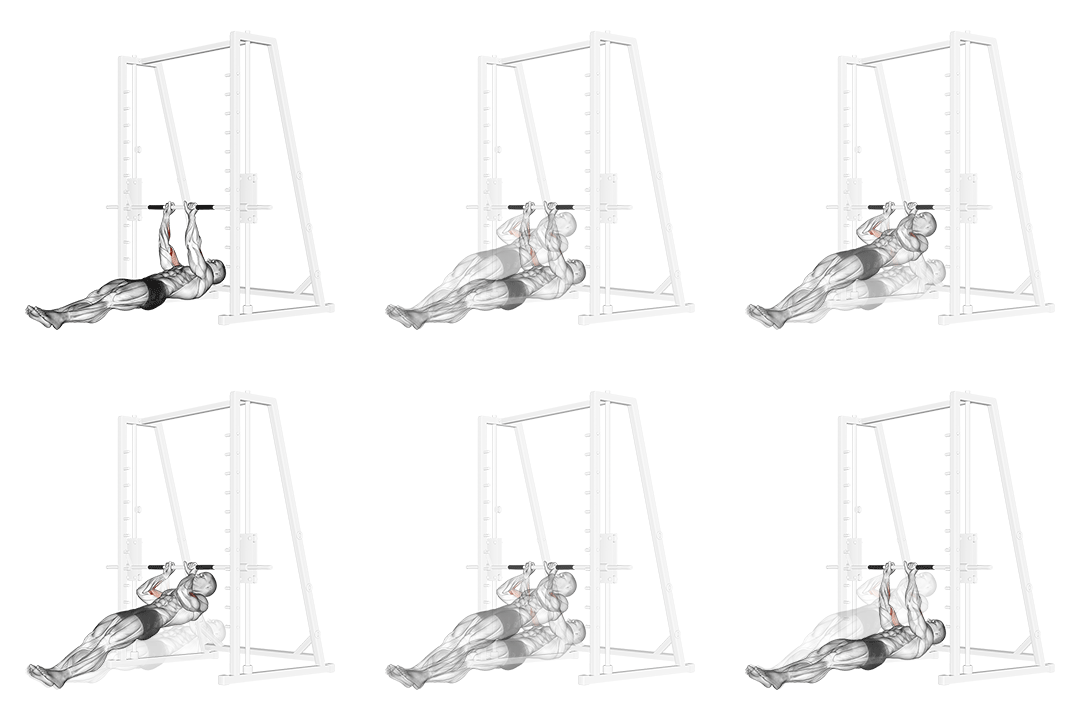
10. Bench Pull-ups
42% match- Lats
- Bodyweight
- Intermediate
- Compound
How to perform this exercise
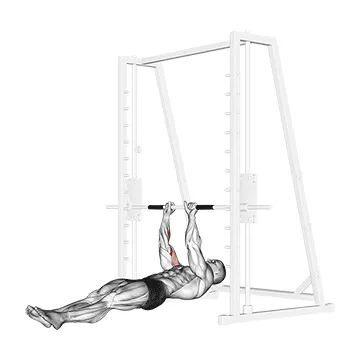
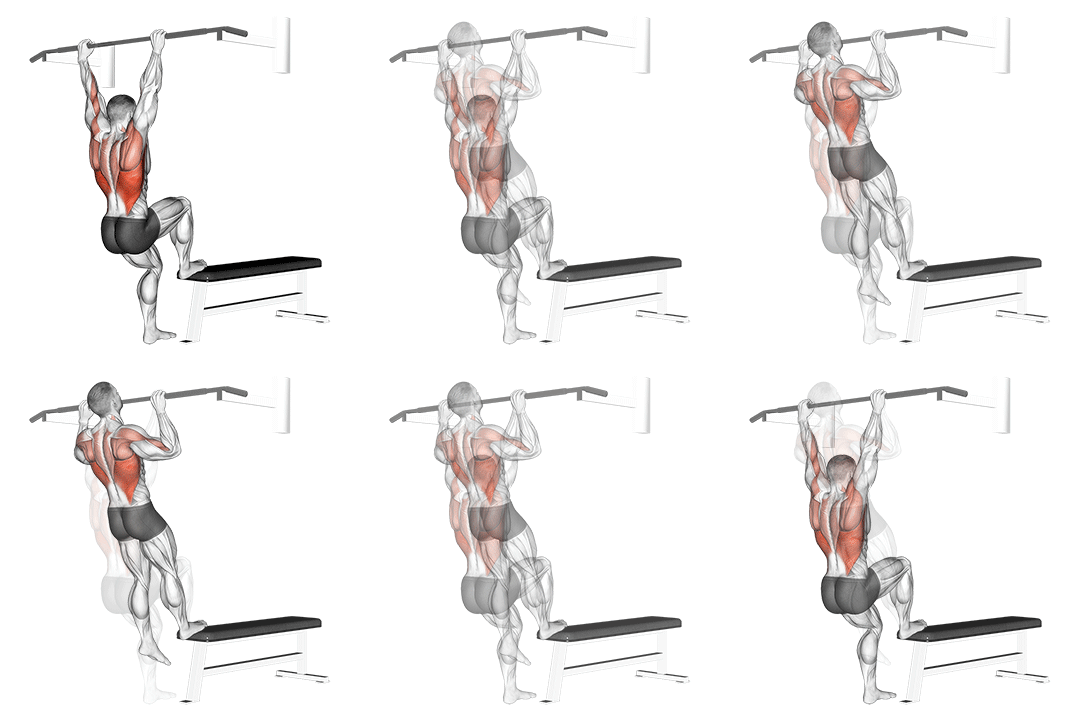
- Position yourself under a bar or a sturdy horizontal surface that is at chest height.
- Grab the bar or surface with an overhand grip, slightly wider than shoulder-width apart.
- Hang with your arms fully extended and your body straight.
- Pull your chest towards the bar or surface by squeezing your shoulder blades together and bending your elbows.
- Continue pulling until your chin is above the bar or surface.
- Lower yourself back down to the starting position with control.
- Repeat for the desired number of repetitions.
Sets and reps: 3 or 4 sets of 6 to 10 reps.
Why this matches
- Primary muscle: lats, not hamstrings
- Equipment: bodyweight only, not free weights
- Body position: hanging, not standing
Find Alternatives for Any Exercise
Search the exercise database and filter the ranked substitutes by the equipment you own.
Similarity scores compare exercise metadata such as movement pattern, muscles, equipment and body position. They are not a safety rating or a check that you own the equipment. Learn about our methodology