

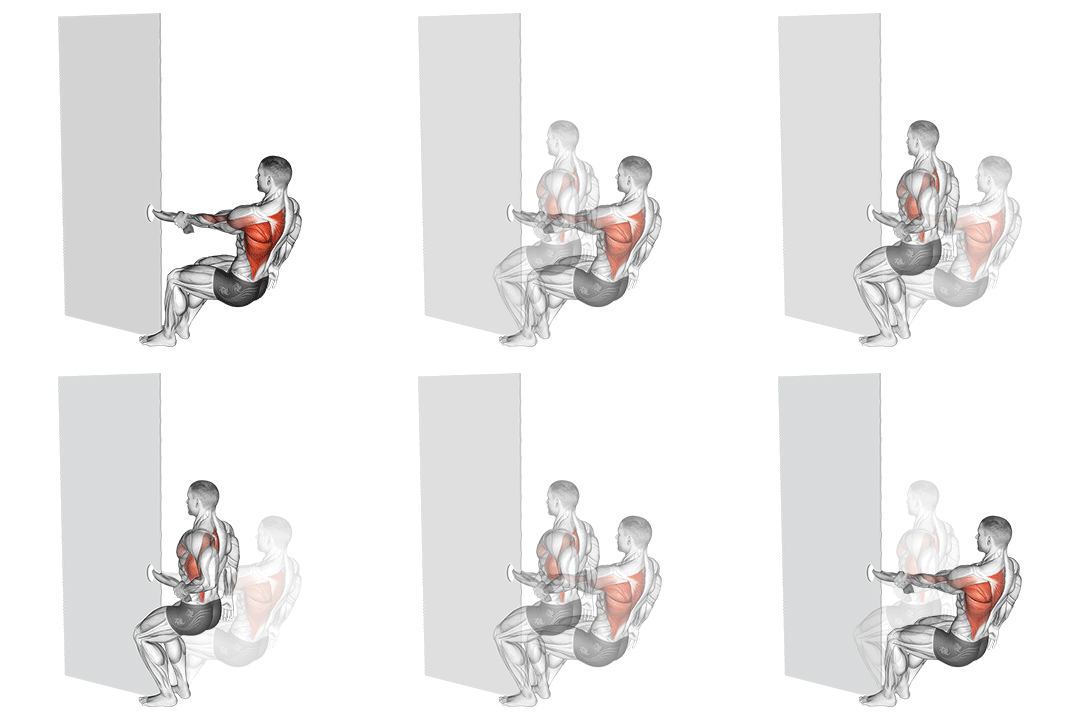
10 Best Resistance Band Seated Straight Back Row Alternatives
The Resistance Band Seated Straight Back Row is done seated with a band. Ranked closest by our scoring: the Elevator, the Inverted Row Bent Knees and the Elbow Lift - Reverse Push-up.
Updated Ranked by our 12-factor similarity model How it works
Original Exercise: Resistance Band Seated Straight Back Row
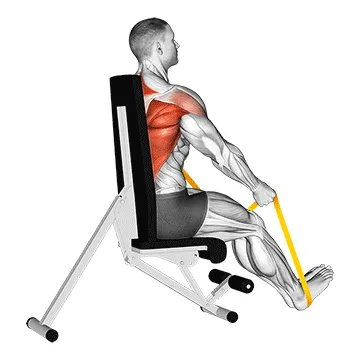
- Primary muscle
- Upper Back
- Equipment
- Band
- Difficulty
- Beginner
- Type
- Compound
Secondary muscles: Biceps, Shoulders
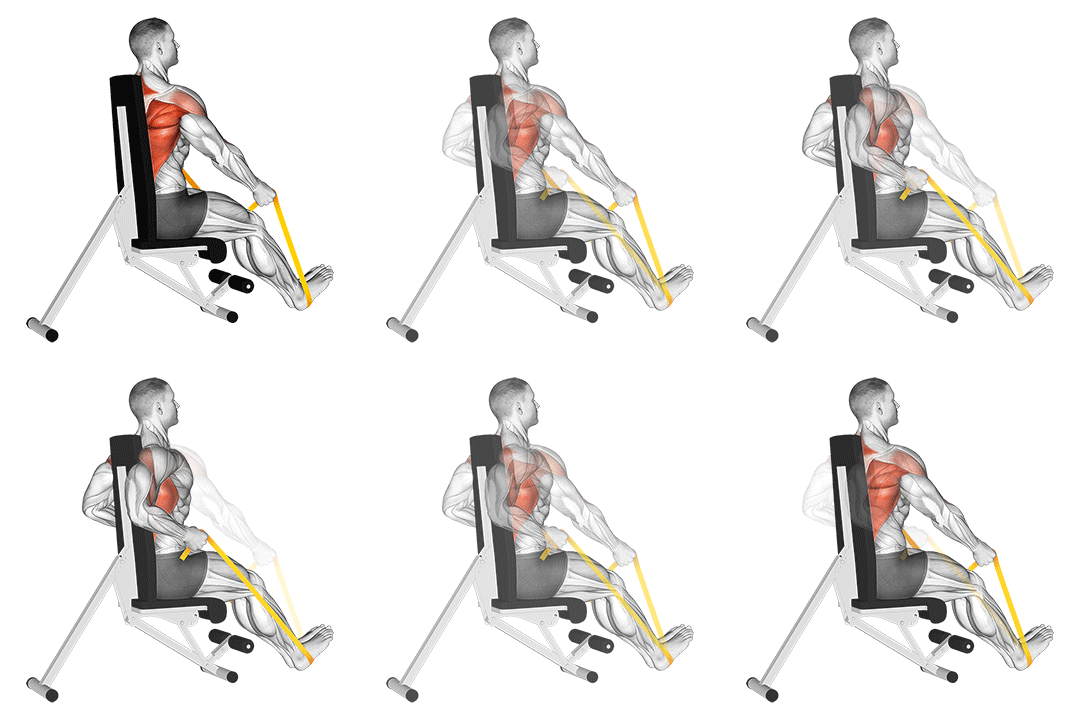
How to perform Resistance Band Seated Straight Back Row
- Sit on the floor with your legs extended and loop the resistance band around your feet.
- Hold the ends of the resistance band with your hands, palms facing each other.
- Keep your back straight and lean slightly back, engaging your core.
- Pull the resistance band towards your chest, squeezing your shoulder blades together.
- Pause for a moment at the top, then slowly release the tension and return to the starting position.
- Repeat for the desired number of repetitions.
Ranked Resistance Band Seated Straight Back Row Alternatives
10 substitutes, ranked by how closely each one matches the Resistance Band Seated Straight Back Row on movement pattern, muscles worked, equipment and body position. The higher the score, the less you change. Open "How to perform this exercise" on a card for the steps; every card title links to that exercise's own alternatives page.
Best match 1. Elevator
65% match- Upper Back
- Bodyweight
- Intermediate
- Compound
Use this when you have nothing to train with, because it works the upper back with bodyweight alone.
How to perform this exercise
- Stand with your feet shoulder-width apart and your knees slightly bent.
- Place your hands on your hips or cross them in front of your chest.
- Keeping your back straight, slowly bend forward at the waist, lowering your upper body towards the ground.
- Pause for a moment at the bottom, then slowly raise your upper body back up to the starting position.
- Repeat for the desired number of repetitions.
Sets and reps: 3 or 4 sets of 6 to 10 reps.
Why this matches
- Primary muscle: upper back, the same as the Resistance Band Seated Straight Back Row
- Equipment: bodyweight only, not a band
- Body position: standing, not seated
- Balance: harder to stay steady on than the Resistance Band Seated Straight Back Row
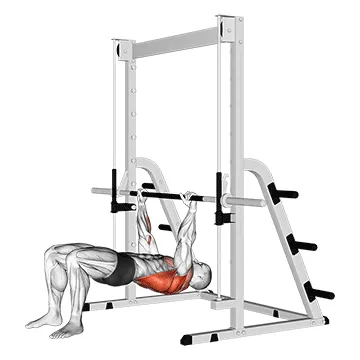
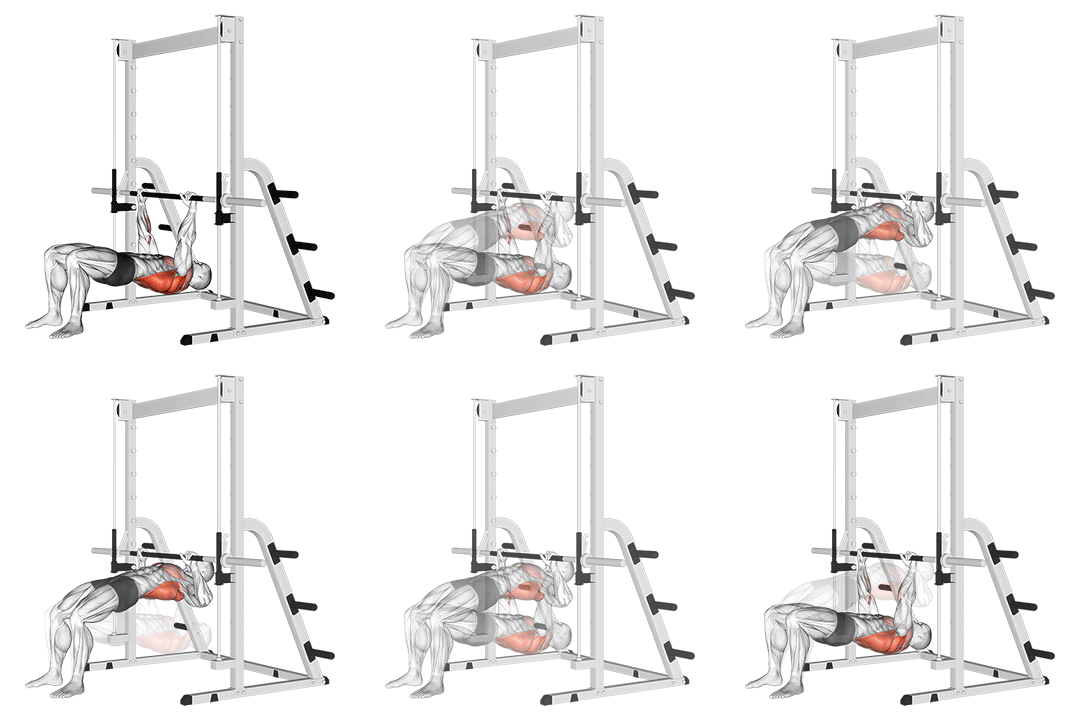
2. Inverted Row Bent Knees
65% match- Upper Back
- Bodyweight
- Beginner
- Compound
How to perform this exercise
- Set up a bar at waist height and lie underneath it.
- Grab the bar with an overhand grip, slightly wider than shoulder-width apart.
- Position your body so that your heels are on the ground and your body is straight.
- Pull your chest up towards the bar by squeezing your shoulder blades together.
- Pause for a moment at the top, then slowly lower your body back down to the starting position.
- Repeat for the desired number of repetitions.
Sets and reps: 3 sets of 8 to 12 reps, and add reps before you add load.
Why this matches
- Primary muscle: upper back, the same as the Resistance Band Seated Straight Back Row
- Equipment: bodyweight only, not a band
- Body position: hanging, not seated
- Balance: harder to stay steady on than the Resistance Band Seated Straight Back Row
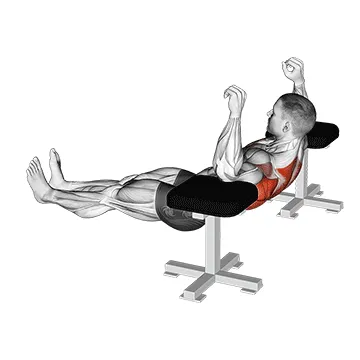
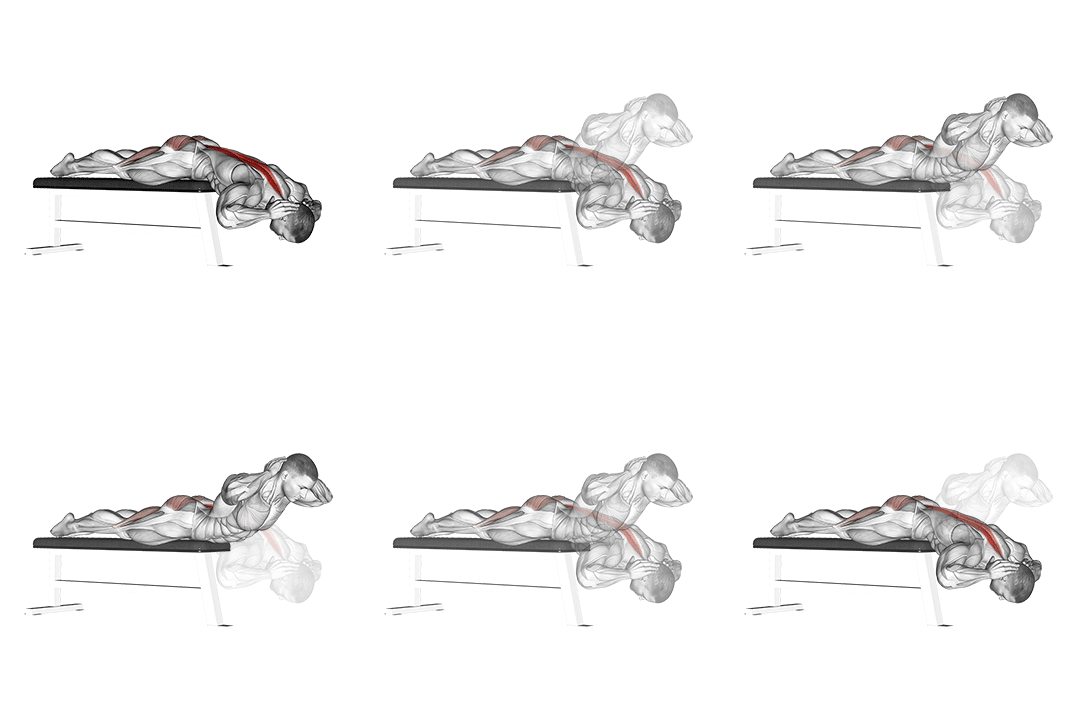
3. Elbow Lift - Reverse Push-up
64% match- Upper Back
- Bodyweight
- Intermediate
- Compound
How to perform this exercise
- Start by lying face down on the ground with your legs extended and your hands placed directly under your shoulders.
- Engage your core and press through your palms to lift your upper body off the ground, keeping your elbows close to your sides.
- Pause at the top for a moment, squeezing your upper back muscles.
- Slowly lower your body back down to the starting position.
- Repeat for the desired number of repetitions.
Sets and reps: 3 or 4 sets of 6 to 10 reps.
Why this matches
- Primary muscle: upper back, the same as the Resistance Band Seated Straight Back Row
- Equipment: bodyweight only, not a band
- Body position: lying on your back, not seated
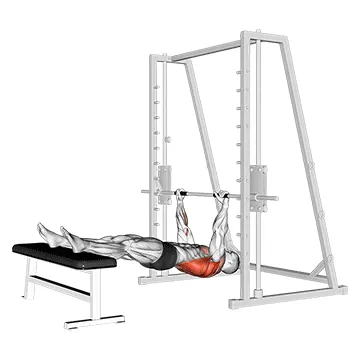
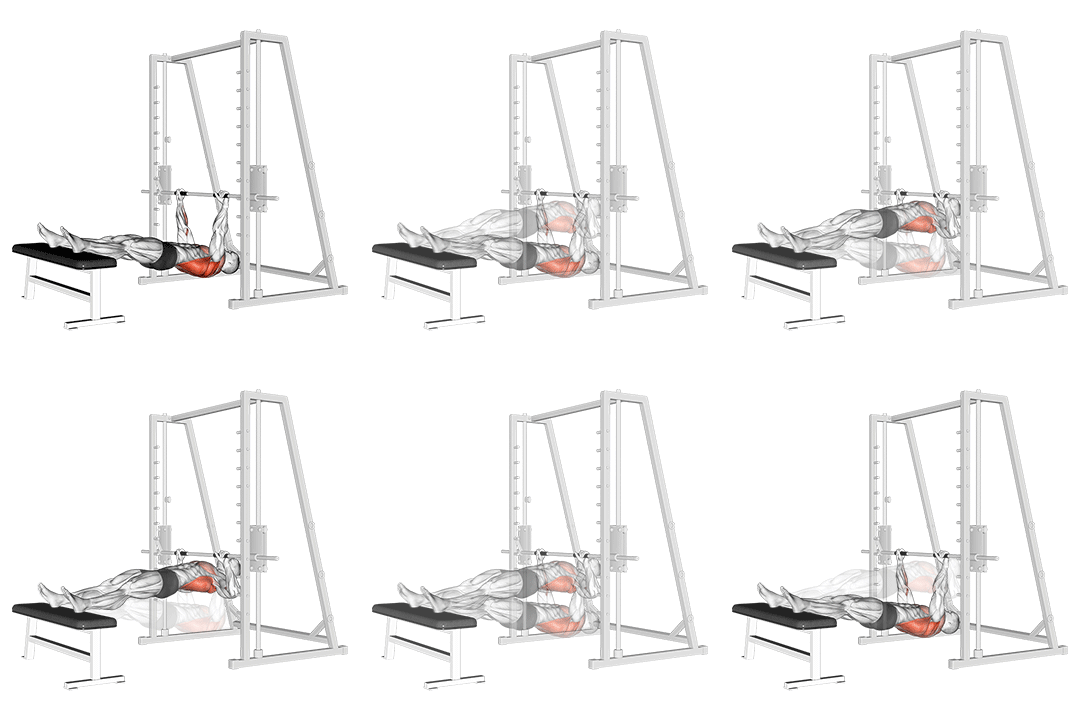
4. Inverted Row On Bench
64% match- Upper Back
- Bodyweight
- Intermediate
- Compound
How to perform this exercise
- Set up a bench at a height that allows your body to hang freely underneath it.
- Lie face up on the ground with your head towards the bench.
- Reach up and grab the bench with an overhand grip, slightly wider than shoulder-width apart.
- Position your body so that your heels are on the ground and your arms are fully extended.
- Engage your core and squeeze your shoulder blades together as you pull your chest up towards the bench.
- Pause for a moment at the top of the movement, then slowly lower your body back down to the starting position.
- Repeat for the desired number of repetitions.
Sets and reps: 3 or 4 sets of 6 to 10 reps.
Why this matches
- Primary muscle: upper back, the same as the Resistance Band Seated Straight Back Row
- Equipment: bodyweight only, not a band
- Body position: hanging, not seated
- Balance: harder to stay steady on than the Resistance Band Seated Straight Back Row
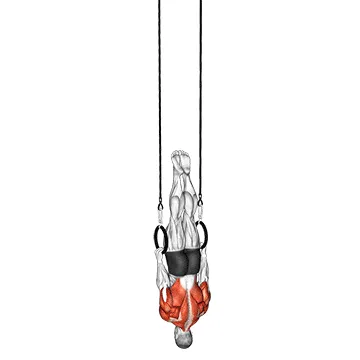
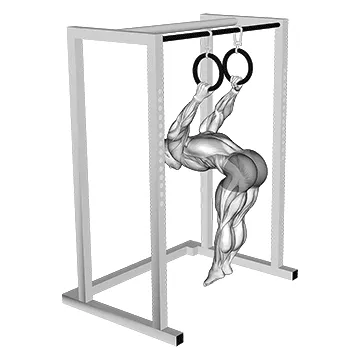
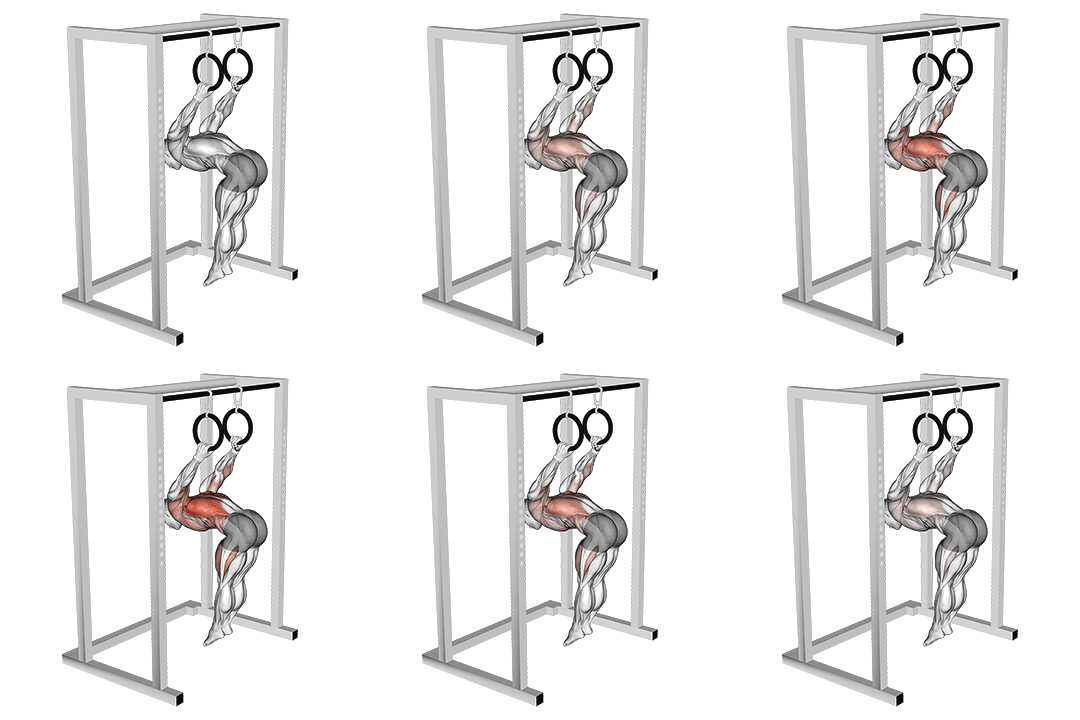
5. Skin The Cat
62% match- Upper Back
- Bodyweight
- Intermediate
- Compound
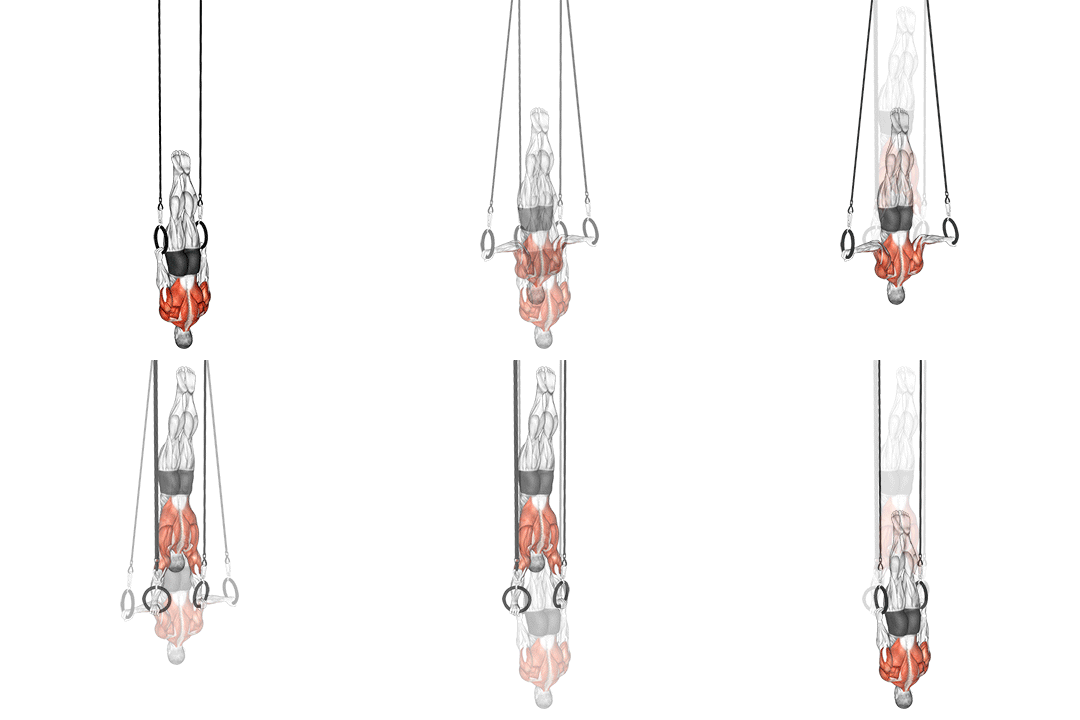
How to perform this exercise
- Start by hanging from a bar with your arms fully extended and your body relaxed.
- Engage your core and lift your legs up, bringing your knees towards your chest.
- Continue to lift your legs up and over your head, allowing your body to pass through the arms.
- Once your legs are fully extended over your head, begin to lower them back down towards the starting position.
- As you lower your legs, allow your body to pass back through the arms until you are hanging with your arms fully extended again.
- Repeat for the desired number of repetitions.
Sets and reps: 3 or 4 sets of 6 to 10 reps.
Why this matches
- Primary muscle: upper back, the same as the Resistance Band Seated Straight Back Row
- Equipment: bodyweight only, not a band
- Body position: hanging, not seated
- Balance: harder to stay steady on than the Resistance Band Seated Straight Back Row
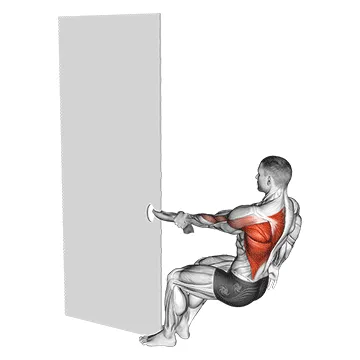
6. One Arm Towel Row
60% match- Upper Back
- Bodyweight
- Intermediate
- Compound
Pick this when you want a harder single-arm version that still works the upper back.
How to perform this exercise
- Stand with your feet shoulder-width apart, knees slightly bent, and hold a towel with one hand.
- Bend forward at the waist, keeping your back straight and your core engaged.
- Extend your arm fully, allowing the towel to hang in front of you.
- Pull the towel towards your chest, squeezing your shoulder blades together.
- Pause for a moment at the top, then slowly lower the towel back to the starting position.
- Repeat for the desired number of repetitions, then switch arms.
Sets and reps: 3 or 4 sets of 6 to 10 reps on each side.
Why this matches
- Primary muscle: upper back, the same as the Resistance Band Seated Straight Back Row
- Equipment: bodyweight only, not a band
- Body position: standing, not seated
- Balance: harder to stay steady on than the Resistance Band Seated Straight Back Row
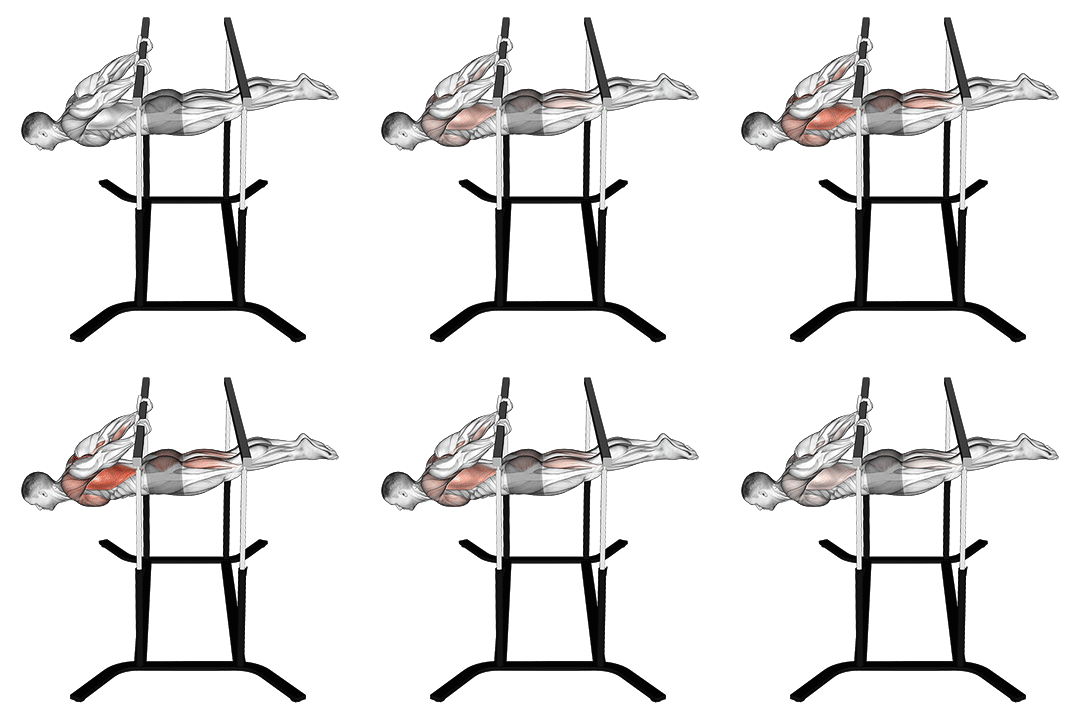
7. Front Lever Reps
57% match- Upper Back
- Bodyweight
- Advanced
- Compound
How to perform this exercise
- Hang from a pull-up bar with an overhand grip, palms facing away from you.
- Engage your core and pull your shoulder blades down and back.
- Keeping your body straight, lift your legs up until they are parallel to the ground.
- Hold this position for as long as you can, aiming for 10-20 seconds.
- Slowly lower your legs back down to the starting position.
- Repeat for the desired number of repetitions.
Sets and reps: 3 or 4 sets of 6 to 10 reps.
Why this matches
- Primary muscle: upper back, the same as the Resistance Band Seated Straight Back Row
- Equipment: bodyweight only, not a band
- Body position: hanging, not seated
- Balance: harder to stay steady on than the Resistance Band Seated Straight Back Row
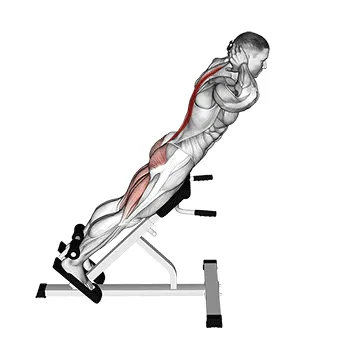
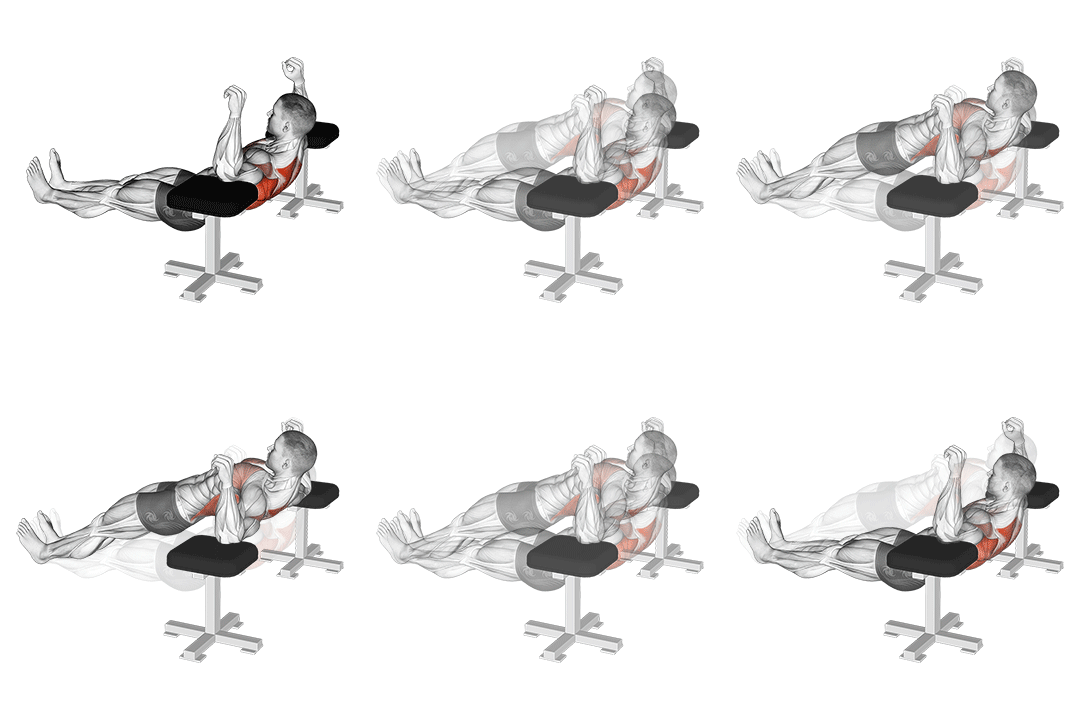
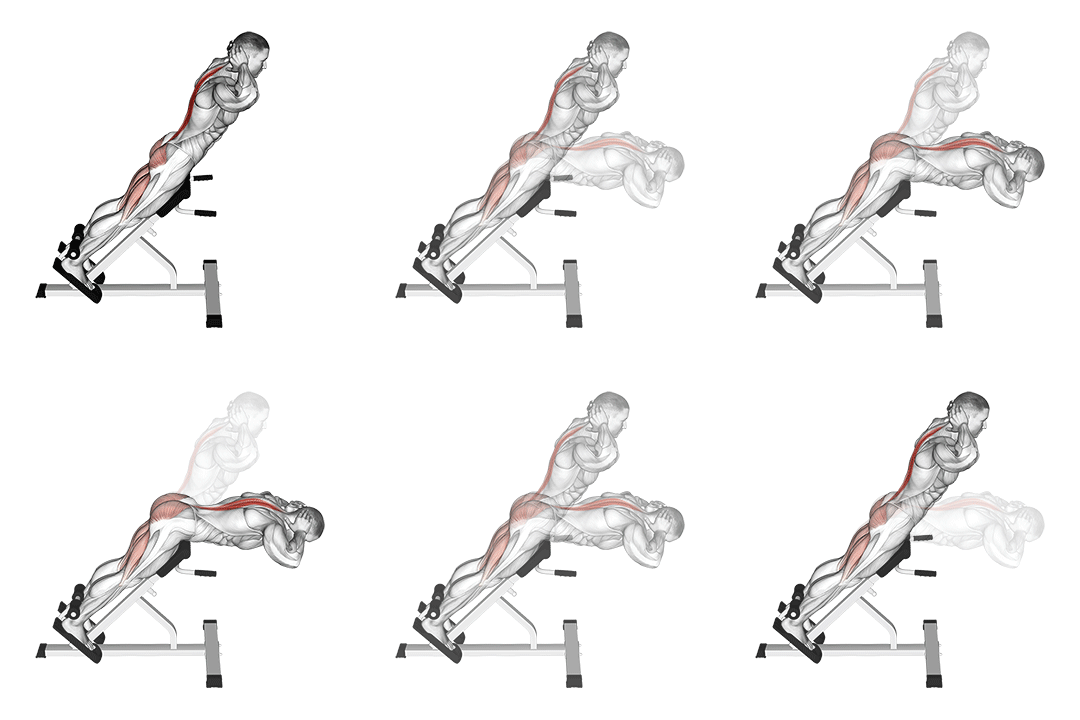
8. Hyperextension
57% match- Spine
- Bodyweight
- Intermediate
- Compound
How to perform this exercise
- Adjust the hyperextension bench so that your upper thighs are resting on the pad and your feet are secured.
- Cross your arms over your chest or place your hands behind your head.
- Lower your upper body towards the ground while keeping your back straight.
- Pause for a moment at the bottom, then raise your upper body back up until it is in line with your legs.
- Repeat for the desired number of repetitions.
Sets and reps: 3 or 4 sets of 6 to 10 reps.
Why this matches
- Primary muscle: spine, not upper back
- Equipment: bodyweight only, not a band
- Body position: lying face down, not seated
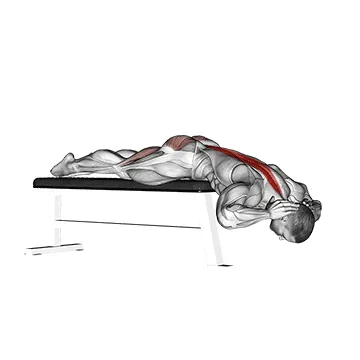
9. Hyperextension (On Bench)
57% match- Spine
- Bodyweight
- Intermediate
- Compound
How to perform this exercise
- Adjust the hyperextension bench so that your hips are resting comfortably on the pad and your feet are secured.
- Cross your arms over your chest or place your hands behind your head.
- Slowly lower your upper body towards the ground while keeping your back straight.
- Pause for a moment at the bottom, then raise your upper body back up until it is in line with your legs.
- Repeat for the desired number of repetitions.
Sets and reps: 3 or 4 sets of 6 to 10 reps.
Why this matches
- Primary muscle: spine, not upper back
- Equipment: bodyweight only, not a band
- Body position: lying face down, not seated
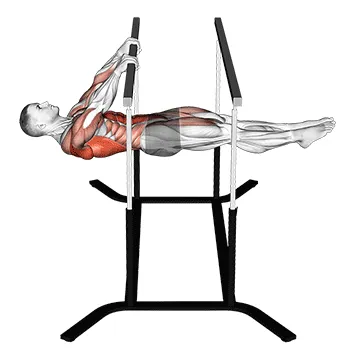
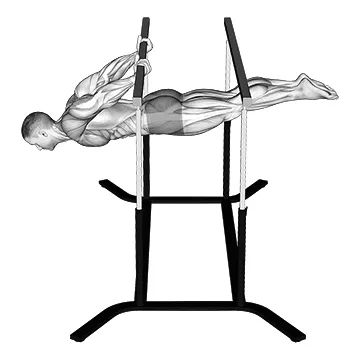
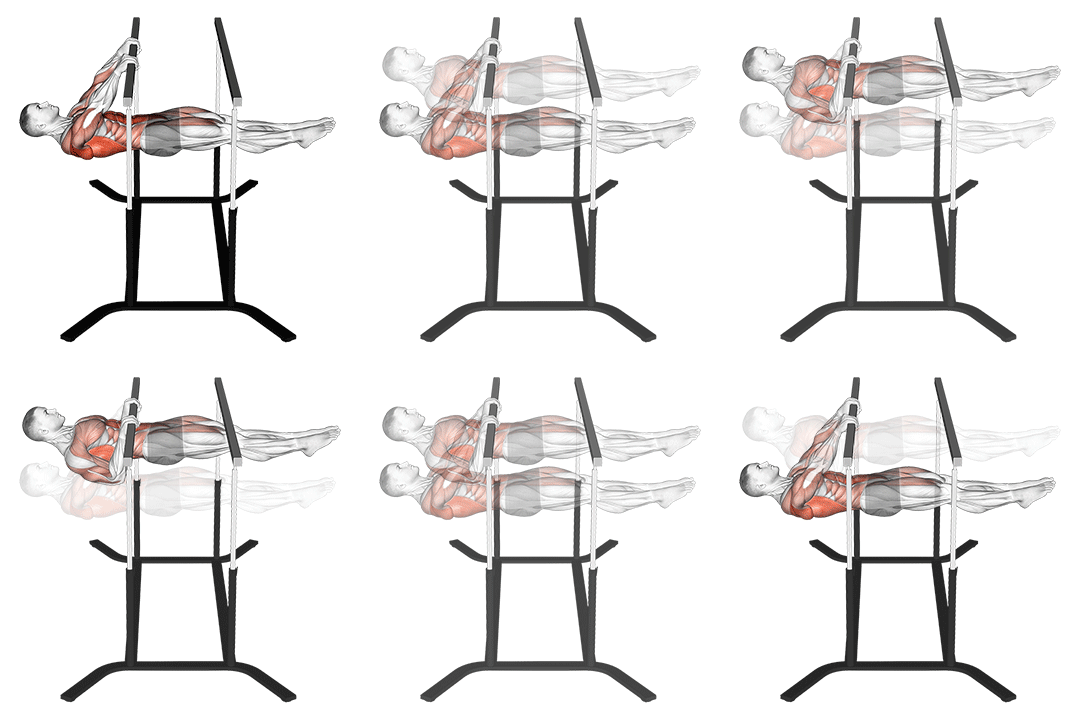
10. Back Lever
57% match- Upper Back
- Bodyweight
- Advanced
- Compound
How to perform this exercise
- Start by hanging from a pull-up bar with an overhand grip, hands slightly wider than shoulder-width apart.
- Engage your core and pull your shoulder blades down and back.
- Bend your knees and tuck them towards your chest.
- Slowly lift your legs up, keeping them straight, until your body is parallel to the ground.
- Hold this position for a few seconds, then slowly lower your legs back down to the starting position.
- Repeat for the desired number of repetitions.
Sets and reps: 3 or 4 sets of 6 to 10 reps.
Why this matches
- Primary muscle: upper back, the same as the Resistance Band Seated Straight Back Row
- Equipment: bodyweight only, not a band
- Body position: hanging, not seated
- Balance: harder to stay steady on than the Resistance Band Seated Straight Back Row
Why You Might Need a Resistance Band Seated Straight Back Row Alternative
Substitutes are useful when you lack a band, need more load, experience shoulder or wrist pain, or want unilateral training. Different variants change biomechanics: chest-supported rows remove spinal torque and isolate scapular retractors; bent-over rows increase torso angle and load the lats more via a longer lever arm. Choose alternatives to respect injury limits (use supported rows for low-back pain), to correct imbalances (single-arm rows), or to progress hypertrophy (add load or slow eccentrics). Always cue a tall thoracic position and a deliberate scapular squeeze at peak contraction to ensure correct muscle activation and protect the shoulder girdle.
Resistance Band Seated Straight Back Row FAQ
What muscles does Resistance Band Seated Straight Back Row work?
The exercise primarily targets the rhomboids, middle trapezius and posterior deltoids, with secondary activation of the lats and biceps. Cue a strong scapular retraction, pinch the shoulder blades, and pull the elbows straight back to maximize mid-back engagement.
Can I build muscle without doing Resistance Band Seated Straight Back Row?
Yes. You can build upper-back muscle with equivalent horizontal-pull variations and progressive overload. Use heavier loads, increase time under tension, and focus on full scapular retraction each rep to ensure the rhomboids, mid-traps and lats receive adequate stimulus.
Find Alternatives for Any Exercise
Search the exercise database and filter the ranked substitutes by the equipment you own.
Similarity scores compare exercise metadata such as movement pattern, muscles, equipment and body position. They are not a safety rating or a check that you own the equipment. Learn about our methodology