

10 Best Rope Jumping Alternatives for When You Can't Use a Rope
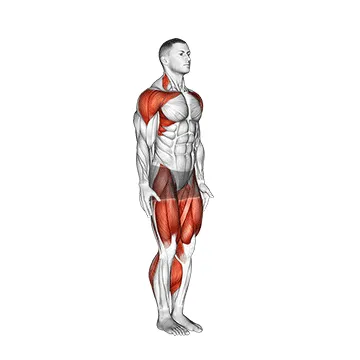
The Rope Jumping is done standing with a rope. Ranked closest by our scoring: the Quick Feet.
Updated Ranked by our 12-factor similarity model How it works
Original Exercise: Rope Jumping
- Primary muscle
- Calves
- Equipment
- Rope
- Difficulty
- Beginner
- Type
- Compound
Secondary muscles: Calves, Hamstrings
How to perform Rope Jumping
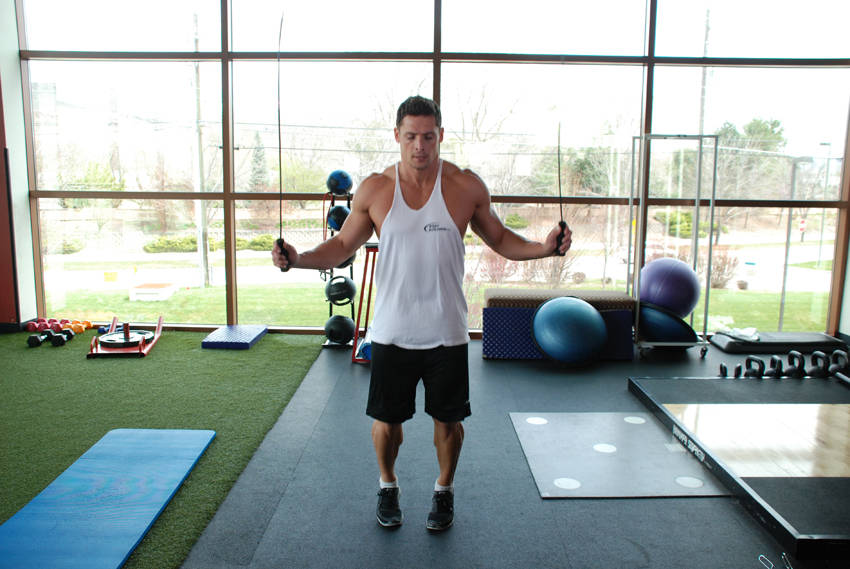
- Hold an end of the rope in each hand. Position the rope behind you on the ground. Raise your arms up and turn the rope over your head bringing it down in front of you. When it reaches the ground, jump over it. Find a good turning pace that can be maintained. Different speeds and techniques can be used to introduce variation.
- Rope jumping is exciting, challenges your coordination, and requires a lot of energy. A 150 lb person will burn about 350 calories jumping rope for 30 minutes, compared to over 450 calories running.
Ranked Rope Jumping Alternatives
10 substitutes, ranked by how closely each one matches the Rope Jumping on movement pattern, muscles worked, equipment and body position. The higher the score, the less you change. Open "How to perform this exercise" on a card for the steps; every card title links to that exercise's own alternatives page.
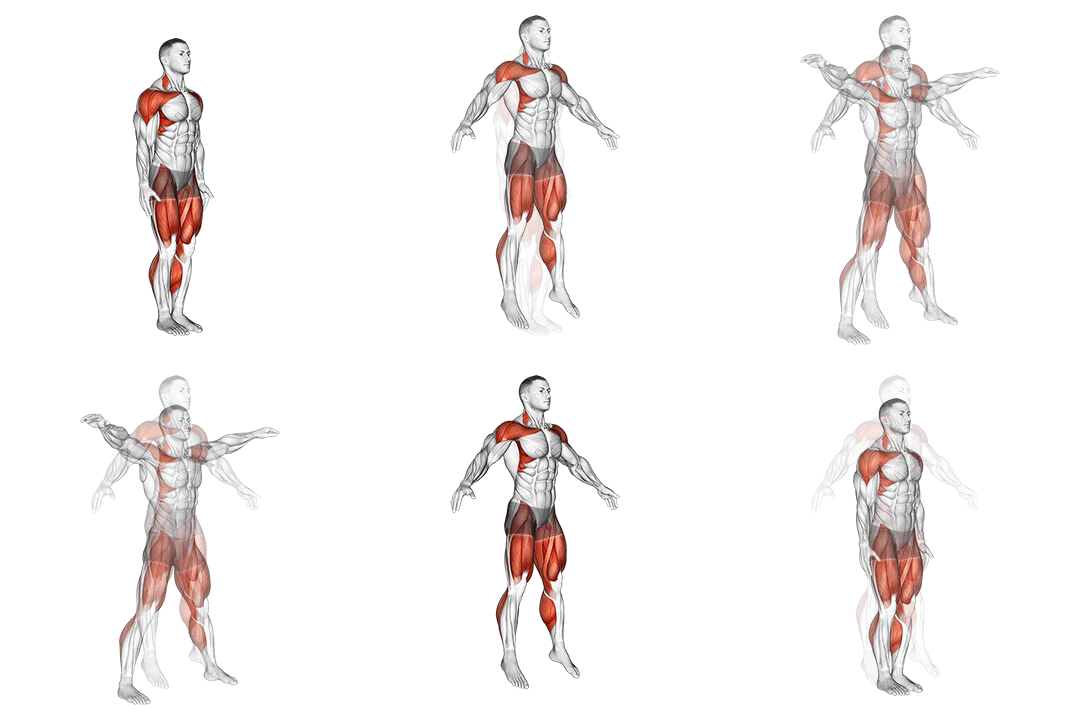
1. Star Jump
84% match- Quads
- Bodyweight
- Intermediate
- Compound
A looser match: it works the quads rather than the calves.
How to perform this exercise
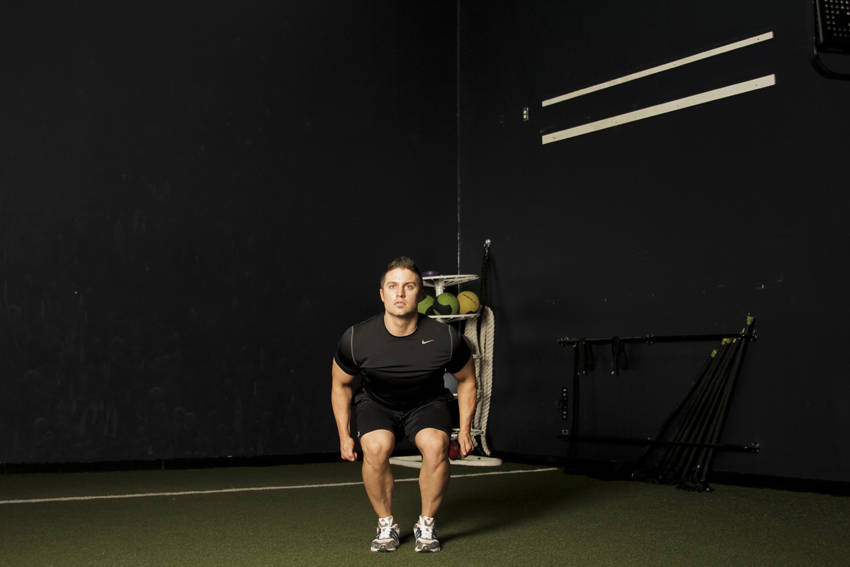
- Begin in a relaxed stance with your feet shoulder width apart and hold your arms close to the body.
- To initiate the move, squat down halfway and explode back up as high as possible. Fully extend your entire body, spreading your legs and arms away from the body.
- As you land, bring your limbs back in and absorb your impact through the legs.
Sets and reps: Work for 30 to 60 seconds, rest as long as you worked, and repeat 6 to 10 times.
Why this matches
- Primary muscle: quads, not calves
- Equipment: bodyweight only, the same as the Rope Jumping
- Body position: standing, the same as the Rope Jumping
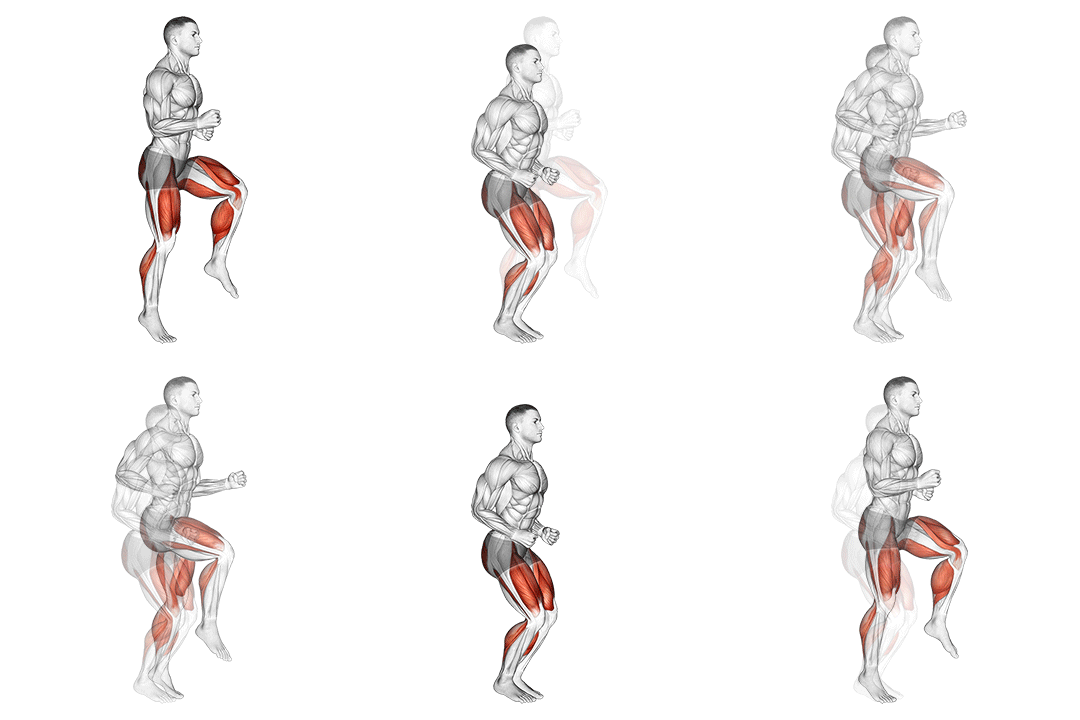
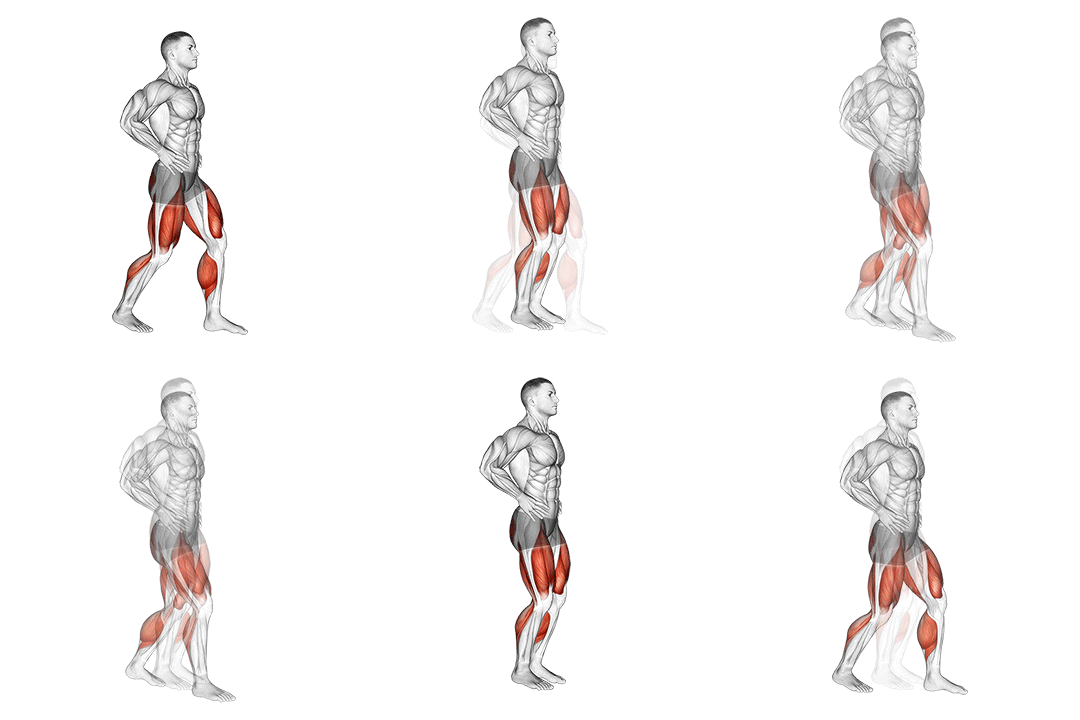
Best match 2. Quick Feet
84% match- Calves
- Bodyweight
- Beginner
- Isolation
Pick this when you want an easier version that works the calves one side at a time.
How to perform this exercise
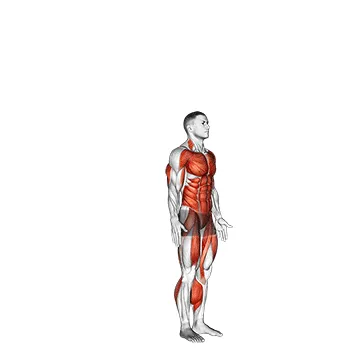
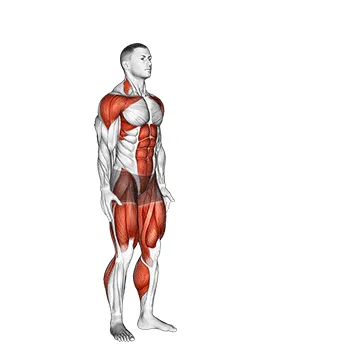
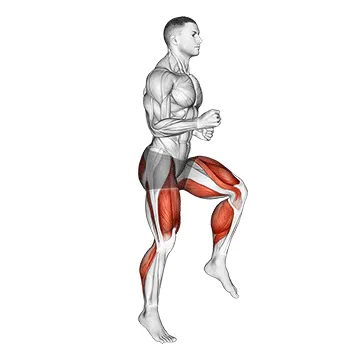
- Stand with your feet shoulder-width apart and your arms by your sides.
- Begin by rapidly moving your feet up and down, as if you were running in place.
- Keep your movements quick and light, focusing on staying on the balls of your feet.
- Continue for the desired duration or number of repetitions.
Sets and reps: Work for 30 to 60 seconds, rest as long as you worked, and repeat 6 to 10 times.
Why this matches
- Primary muscle: calves, the same as the Rope Jumping
- Equipment: bodyweight only, the same as the Rope Jumping
- Body position: standing, the same as the Rope Jumping
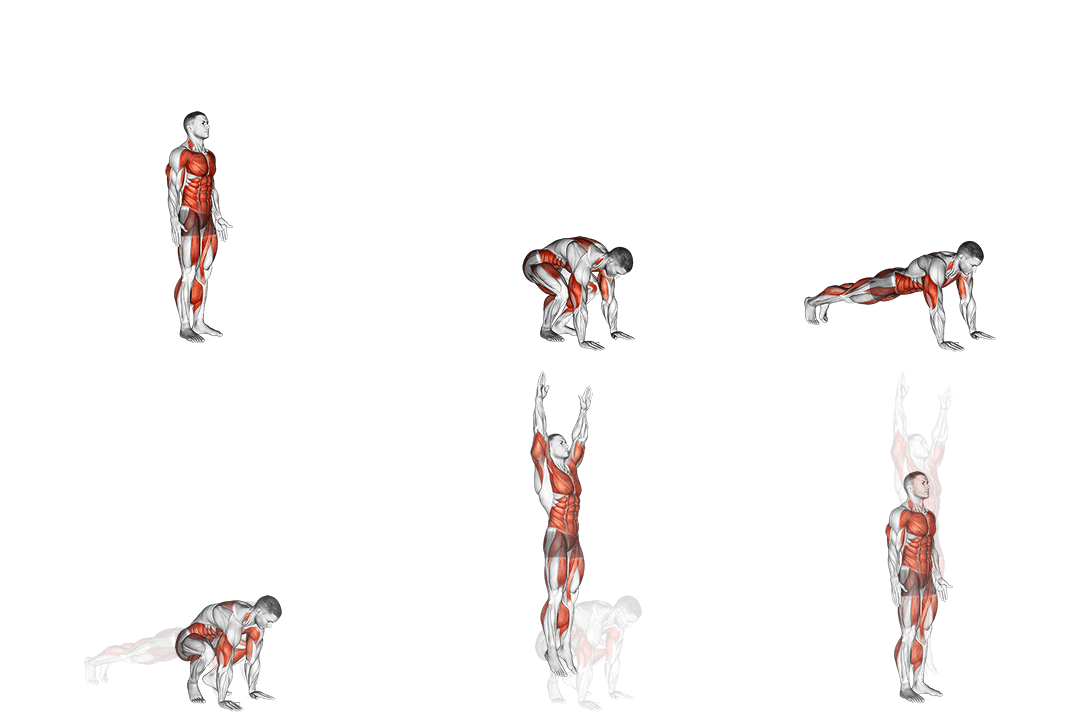
3. Jack Burpee
80% match- Cardio
- Bodyweight
- Intermediate
- Compound
A looser match: it works the cardiovascular rather than the calves.
How to perform this exercise
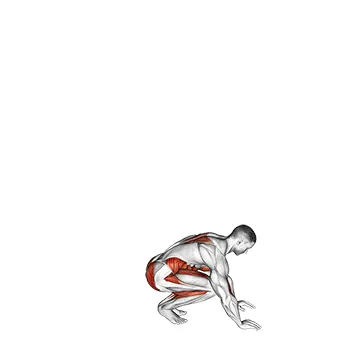
- Start in a standing position with your feet shoulder-width apart.
- Lower your body into a squat position, placing your hands on the ground in front of you.
- Kick your feet back, landing in a push-up position.
- Perform a push-up, lowering your chest to the ground and then pushing back up.
- Jump your feet forward, landing in a squat position.
- Jump up explosively, reaching your arms overhead.
- Land softly and immediately lower back into the squat position to begin the next repetition.
Sets and reps: Work for 30 to 60 seconds, rest as long as you worked, and repeat 6 to 10 times.
Why this matches
- Primary muscle: your heart and lungs, not calves
- Equipment: bodyweight only, the same as the Rope Jumping
- Body position: standing, the same as the Rope Jumping
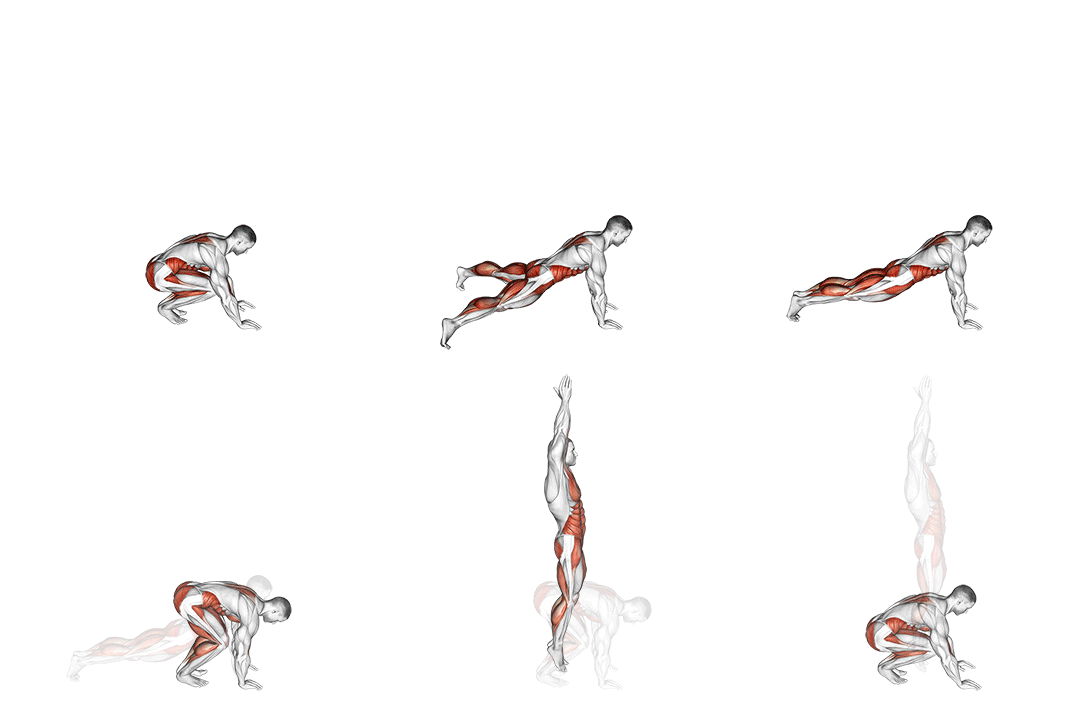
4. Burpee
80% match- Cardio
- Bodyweight
- Intermediate
- Compound
A looser match: it works the heart and lungs rather than the calves.
How to perform this exercise
- Start in a standing position with your feet shoulder-width apart.
- Lower your body into a squat position by bending your knees and placing your hands on the floor in front of you.
- Kick your feet back into a push-up position.
- Perform a push-up, keeping your body in a straight line.
- Jump your feet back into the squat position.
- Jump up explosively, reaching your arms overhead.
- Land softly and immediately lower back into a squat position to begin the next repetition.
Sets and reps: Work for 30 to 60 seconds, rest as long as you worked, and repeat 6 to 10 times.
Why this matches
- Primary muscle: your heart and lungs, not calves
- Equipment: bodyweight only, the same as the Rope Jumping
5. Jack Jump
79% match- Cardio
- Bodyweight
- Beginner
- Compound
How to perform this exercise
- Stand with your feet together and your arms by your sides.
- Jump up, spreading your feet apart and raising your arms above your head.
- As you land, quickly jump back to the starting position.
- Repeat for the desired number of repetitions.
Sets and reps: Work for 30 to 60 seconds, rest as long as you worked, and repeat 6 to 10 times.
Why this matches
- Primary muscle: your heart and lungs, not calves
- Equipment: bodyweight only, the same as the Rope Jumping
- Body position: standing, the same as the Rope Jumping
- Balance: easier to stay steady on than the Rope Jumping
6. Half Knee Bends
79% match- Cardio
- Bodyweight
- Beginner
- Compound
How to perform this exercise
- Stand with your feet shoulder-width apart.
- Bend your knees and lower your body down as if you were sitting back into a chair.
- Keep your chest up and your weight in your heels.
- Pause for a moment at the bottom, then push through your heels to return to the starting position.
- Repeat for the desired number of repetitions.
Sets and reps: Work for 30 to 60 seconds, rest as long as you worked, and repeat 6 to 10 times.
Why this matches
- Primary muscle: your heart and lungs, not calves
- Equipment: bodyweight only, the same as the Rope Jumping
- Body position: standing, the same as the Rope Jumping
- Balance: easier to stay steady on than the Rope Jumping
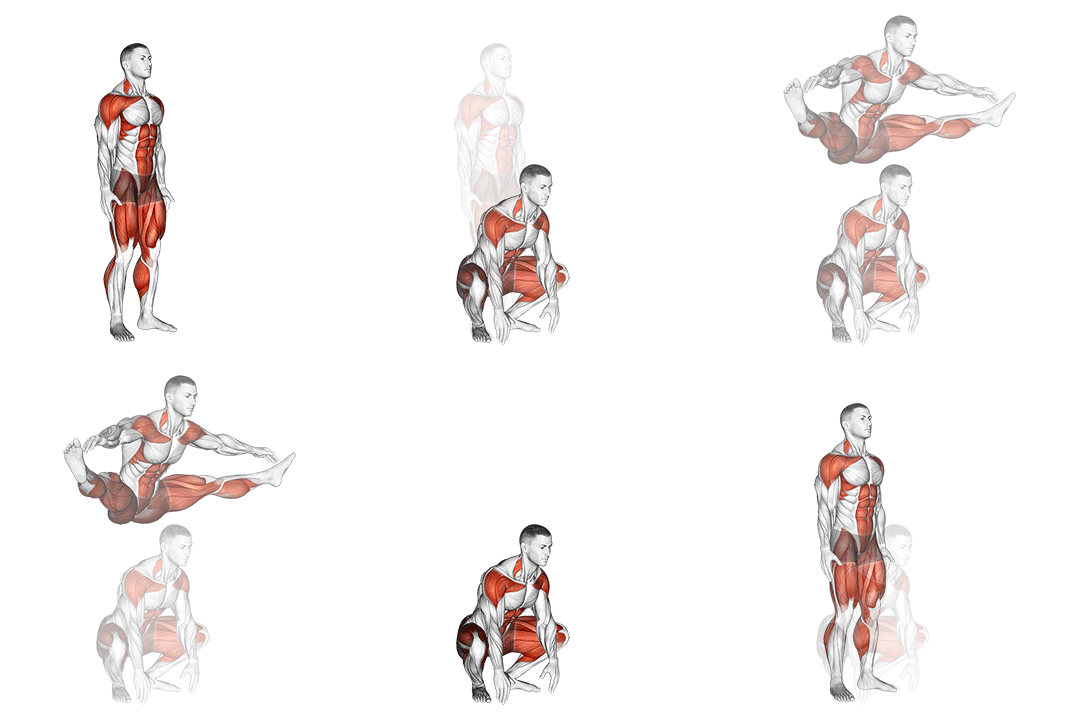
7. Astride Jumps
78% match- Cardio
- Bodyweight
- Intermediate
- Compound
How to perform this exercise
- Stand with your feet shoulder-width apart.
- Bend your knees and lower your body into a squat position.
- Jump explosively upwards, extending your legs and arms.
- While in the air, spread your legs apart and bring your arms out to the sides.
- Land softly with your feet shoulder-width apart, bending your knees to absorb the impact.
- Repeat for the desired number of repetitions.
Sets and reps: Work for 30 to 60 seconds, rest as long as you worked, and repeat 6 to 10 times.
Why this matches
- Primary muscle: your heart and lungs, not calves
- Equipment: bodyweight only, the same as the Rope Jumping
- Body position: standing, the same as the Rope Jumping
8. Side Standing Long Jump
78% match- Quadriceps
- Bodyweight
- Intermediate
- Compound
How to perform this exercise
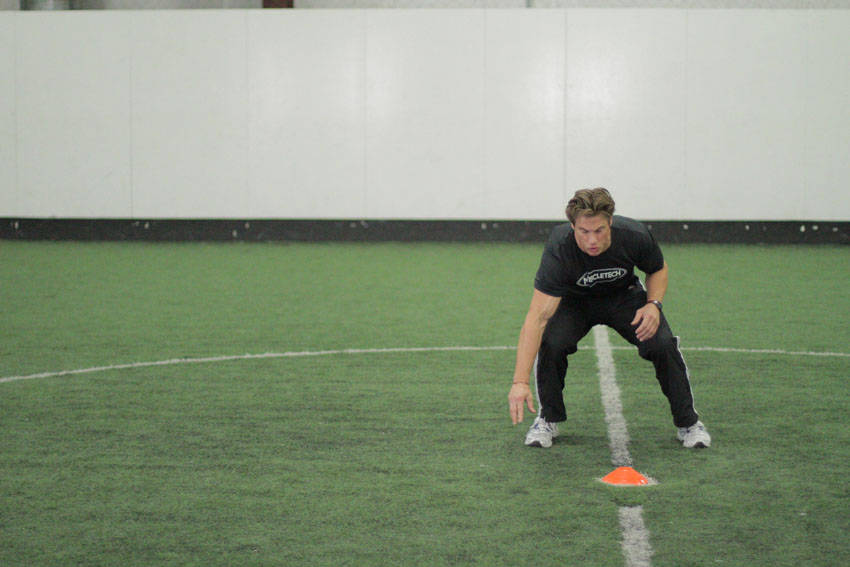
- Begin standing with your feet hip width apart in an athletic stance. Your head and chest should be up, knees and hips slightly bent. This will be your starting position.
- Leaning to your right, extend through your hips, knees, and ankles to jump into the air. Block with the arms to lead the movement, jumping as far to your right as you can.
- Land facing the same direction with your feet hip width apart, absorbing the impact through your lower body.
Sets and reps: Work for 30 to 60 seconds, rest as long as you worked, and repeat 6 to 10 times.
Why this matches
- Primary muscle: quadriceps, not calves
- Equipment: bodyweight only, the same as the Rope Jumping
- Body position: standing, the same as the Rope Jumping
9. Scissor Jumps
77% match- Cardio
- Bodyweight
- Intermediate
- Compound
How to perform this exercise
- Stand with your feet shoulder-width apart.
- Jump off the ground and simultaneously cross your right leg in front of your left leg.
- As you land, quickly switch legs, crossing your left leg in front of your right leg.
- Continue alternating legs and jumping as quickly as possible.
- Repeat for the desired number of repetitions.
Sets and reps: Work for 30 to 60 seconds, rest as long as you worked, and repeat 6 to 10 times.
Why this matches
- Primary muscle: your heart and lungs, not calves
- Equipment: bodyweight only, the same as the Rope Jumping
- Body position: standing, the same as the Rope Jumping
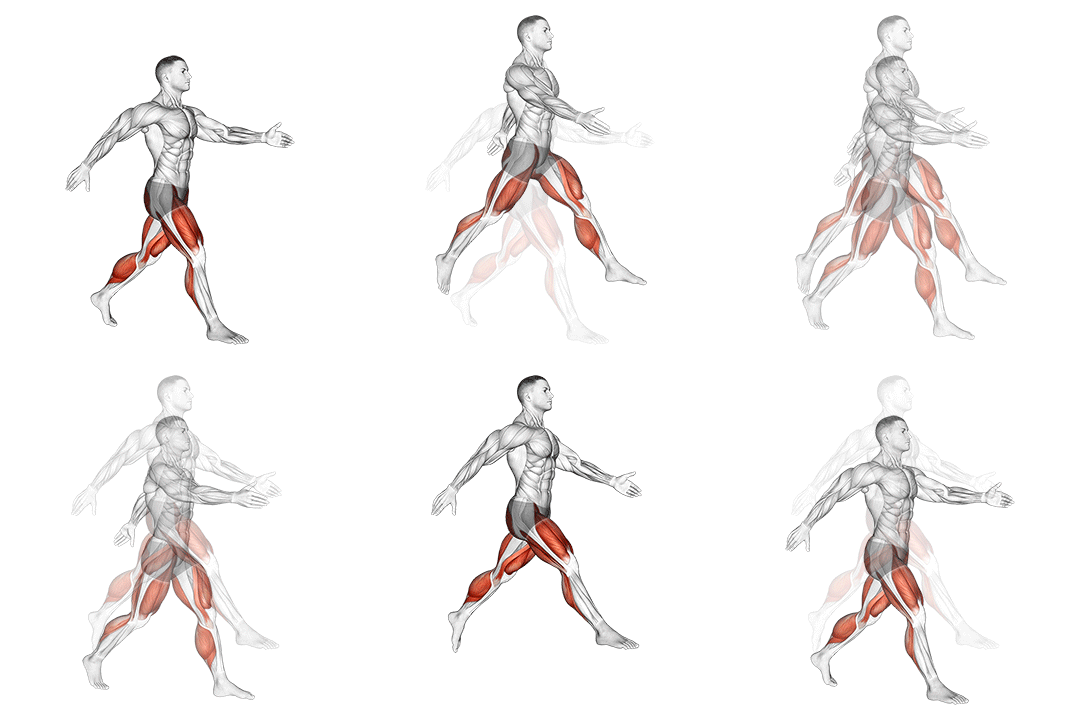
10. Ski Step
74% match- Cardio
- Bodyweight
- Beginner
- Compound
How to perform this exercise
- Stand with your feet shoulder-width apart.
- Bend your knees slightly and keep your back straight.
- Jump to the right, landing on your right foot while swinging your left leg behind your right leg.
- Immediately jump to the left, landing on your left foot while swinging your right leg behind your left leg.
- Continue alternating jumps from side to side, mimicking a skiing motion.
- Repeat for the desired number of repetitions.
Sets and reps: Work for 30 to 60 seconds, rest as long as you worked, and repeat 6 to 10 times.
Why this matches
- Primary muscle: your heart and lungs, not calves
- Equipment: bodyweight only, the same as the Rope Jumping
- Body position: standing, the same as the Rope Jumping
Why You Might Need a Rope Jumping Alternative
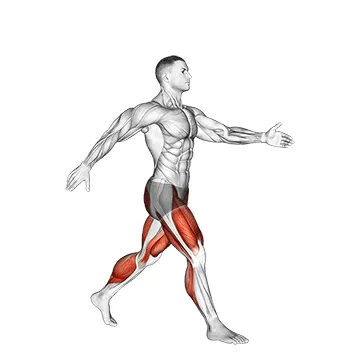
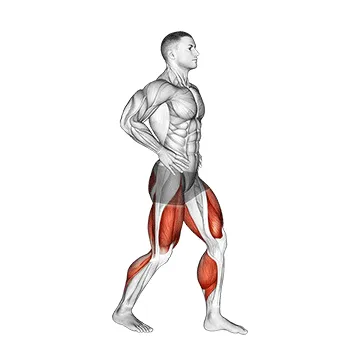
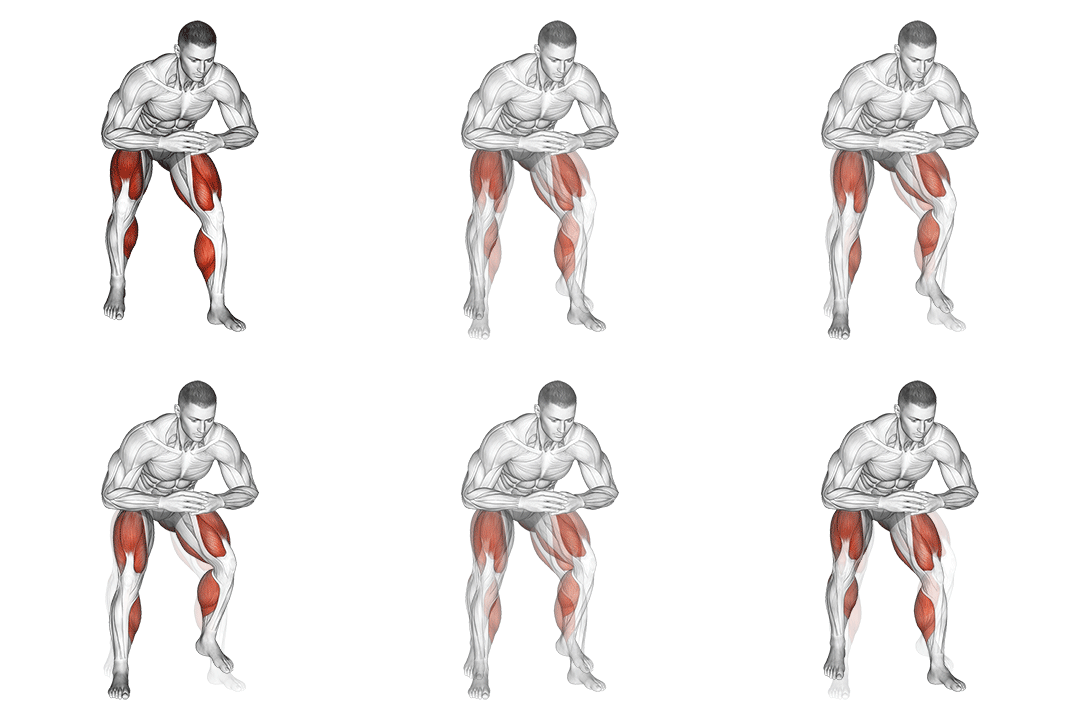
You might substitute rope jumping because you lack a rope, have limited space, or need lower-impact options for joint issues. Alternatives let you maintain calf and cardiovascular stimulus while changing loading patterns: stair sprints increase concentric calf work, pogo hops emphasize rapid ankle plantarflexion, and calf raises add isolated strength. Choose moves that replicate the ankle dorsiflexion-to-plantarflexion cycle to preserve the stretch-shortening reflex. Technique cue: when you switch to bounding or stairs, keep a quick ankle snap and avoid overextending the knee on landings to minimize shear forces.
Rope Jumping FAQ
What muscles does Rope Jumping work?
Rope jumping primarily targets the calf complex, gastrocnemius and soleus, through repeated plantarflexion. It also engages quads, hamstrings, glutes and the core for stabilization while loading the Achilles and using the stretch-shortening cycle; cue: land on the midfoot with slight knee flexion to optimize force transfer.
What is the best bodyweight alternative to Rope Jumping?
Pogo hops are the closest bodyweight substitute because they isolate rapid ankle plantarflexion and train the stretch-shortening reflex without a rope. Perform short, stiff-ankle hops with knees slightly bent and quick midfoot contact to replicate rope jumping mechanics.
Find Alternatives for Any Exercise
Search the exercise database and filter the ranked substitutes by the equipment you own.
Similarity scores compare exercise metadata such as movement pattern, muscles, equipment and body position. They are not a safety rating or a check that you own the equipment. Learn about our methodology