

10 Best Standing Pelvic Tilt Alternatives for Back Rehab
The Standing Pelvic Tilt is done standing. Ranked closest by our scoring: the Sphinx, the Spine Stretch and the Upward Facing Dog. Four harder versions, among them Scapula Dips and the Lower Back Curl, are listed below as progressions rather than swaps.
Updated Ranked by our 12-factor similarity model How it works
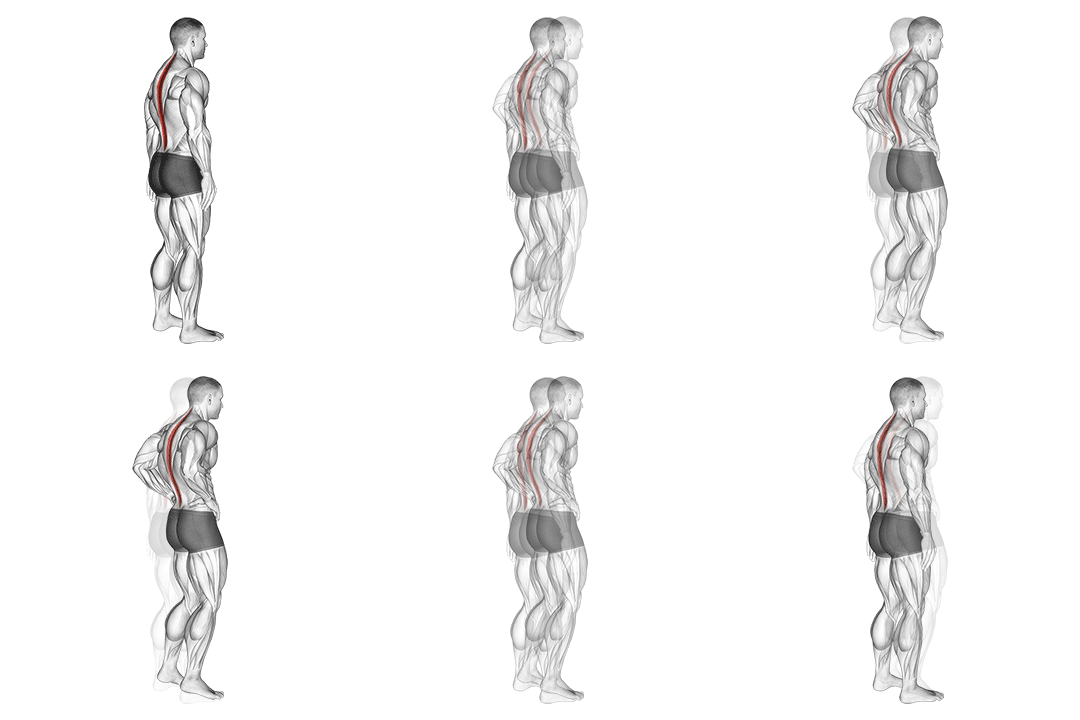
Original Exercise: Standing Pelvic Tilt
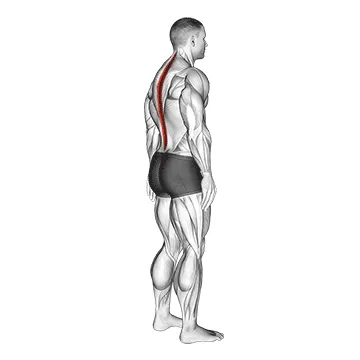
- Primary muscle
- Spine
- Equipment
- Bodyweight
- Difficulty
- Beginner
- Type
- Isolation
Secondary muscles: Abdominals
How to perform Standing Pelvic Tilt
- Stand with your feet shoulder-width apart and your knees slightly bent.
- Place your hands on your hips or let them hang by your sides.
- Engage your core muscles and tilt your pelvis forward, pushing your lower back towards the wall behind you.
- Hold the position for a few seconds, then release and return to the starting position.
- Repeat for the desired number of repetitions.
Ranked Standing Pelvic Tilt Alternatives
10 substitutes, ranked by how closely each one matches the Standing Pelvic Tilt on movement pattern, muscles worked, equipment and body position. The higher the score, the less you change. Open "How to perform this exercise" on a card for the steps; every card title links to that exercise's own alternatives page. Harder versions are tagged as progressions and kept out of the top spot even when they score higher.
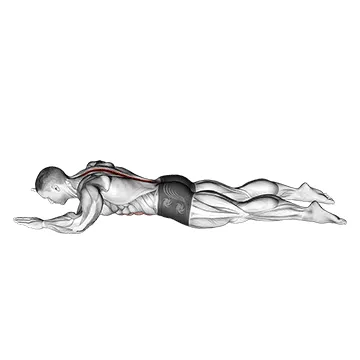
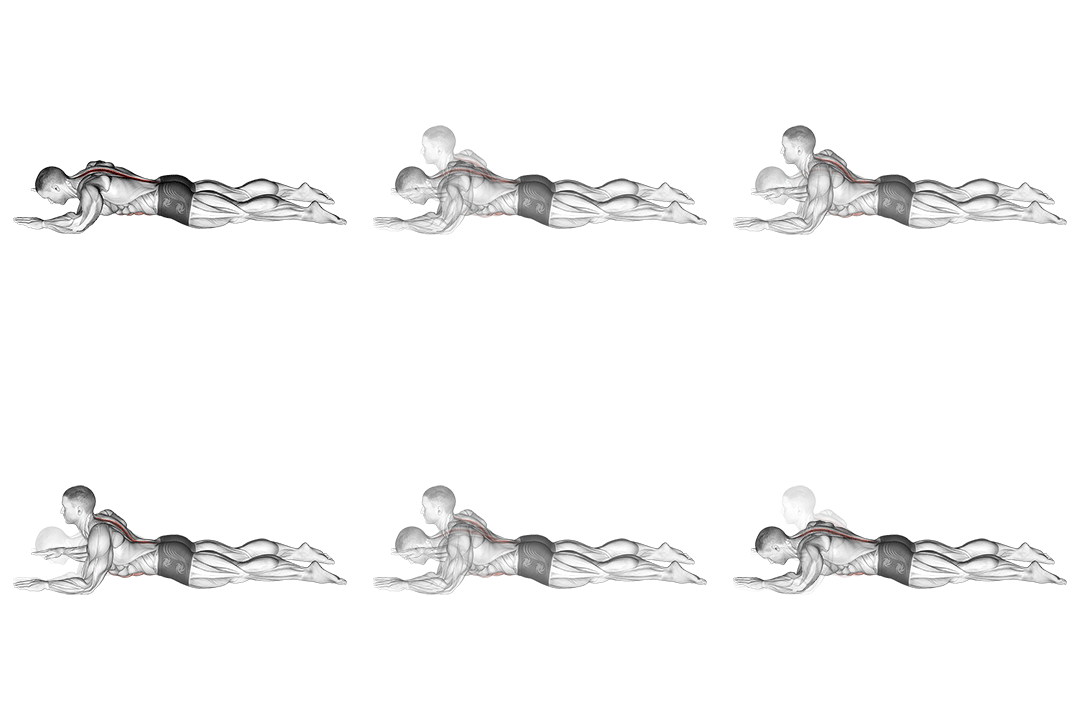
Best match 1. Sphinx
91% match- Spine
- Bodyweight
- Beginner
- Isolation
The same equipment, done lying face down instead.
How to perform this exercise
- Lie face down on the ground with your forearms flat on the floor, elbows directly under your shoulders.
- Engage your core and lift your chest off the ground, keeping your forearms and toes on the floor.
- Hold this position for a few seconds, making sure to keep your neck in a neutral position.
- Slowly lower your chest back down to the starting position.
- Repeat for the desired number of repetitions.
Sets and reps: 3 sets of 8 to 12 reps, and add reps before you add load.
Why this matches
- Primary muscle: spine, the same as the Standing Pelvic Tilt
- Equipment: bodyweight only, the same as the Standing Pelvic Tilt
- Body position: lying face down, not standing
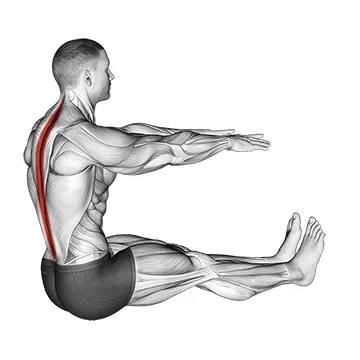
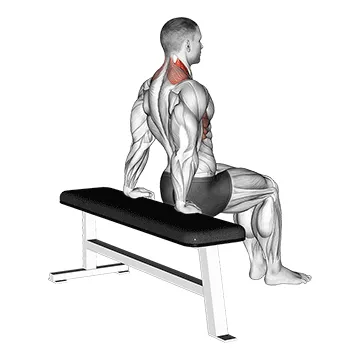
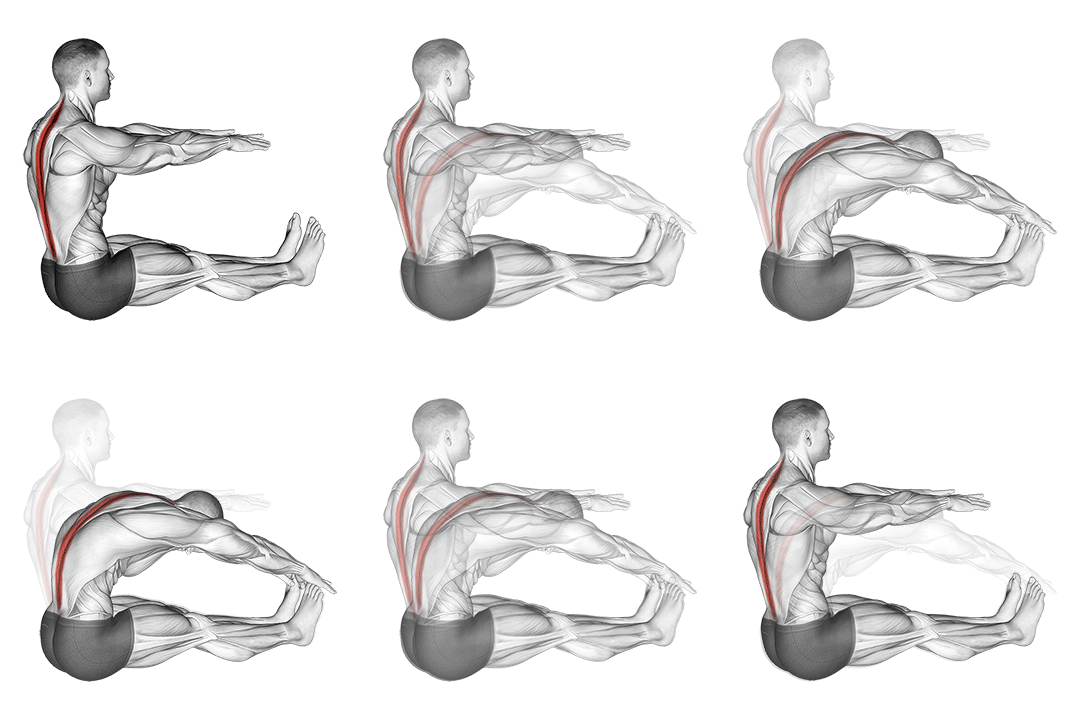
2. Spine Stretch
87% match- Spine
- Bodyweight
- Beginner
- Isolation
The same equipment, done seated instead.
How to perform this exercise
- Sit on the ground with your legs extended in front of you.
- Place your hands on the ground behind you, fingers pointing towards your body.
- Engage your core and slowly lean back, keeping your back straight.
- Continue leaning back until you feel a stretch in your spine.
- Hold the stretch for a few seconds, then slowly return to the starting position.
- Repeat for the desired number of repetitions.
Sets and reps: 3 sets of 8 to 12 reps, and add reps before you add load.
Why this matches
- Primary muscle: spine, the same as the Standing Pelvic Tilt
- Equipment: bodyweight only, the same as the Standing Pelvic Tilt
- Body position: seated, not standing
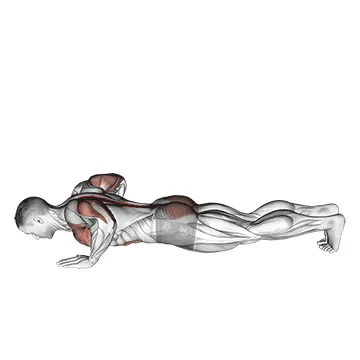
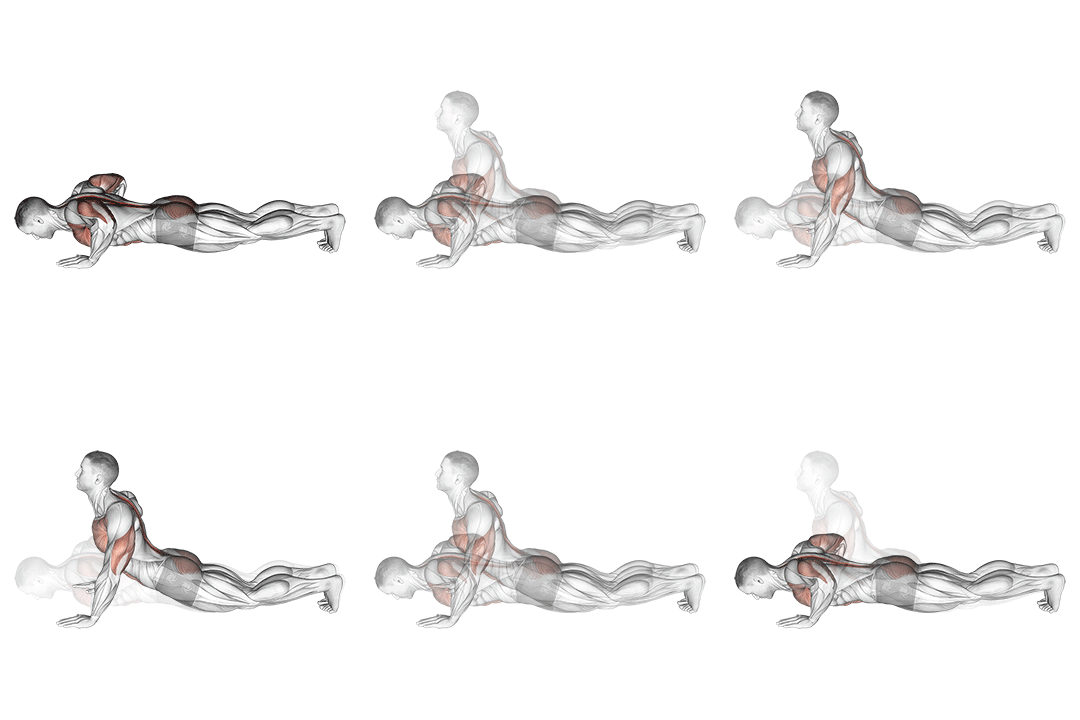
3. Upward Facing Dog
86% match- Spine
- Bodyweight
- Beginner
- Isolation
Pick this when you want to work the spinal erectors with more balance to manage.
How to perform this exercise
- Lie face down on the floor with your legs extended behind you.
- Place your hands on the floor next to your lower ribs, fingers pointing forward.
- Press your hands firmly into the floor and straighten your arms, lifting your torso and thighs off the ground.
- Roll your shoulders back and down, opening your chest and lifting your gaze towards the ceiling.
- Hold this position for a few breaths, then slowly lower your body back down to the starting position.
- Repeat for the desired number of repetitions.
Sets and reps: 3 sets of 8 to 12 reps, and add reps before you add load.
Why this matches
- Primary muscle: spine, the same as the Standing Pelvic Tilt
- Equipment: bodyweight only, the same as the Standing Pelvic Tilt
- Body position: lying face down, not standing
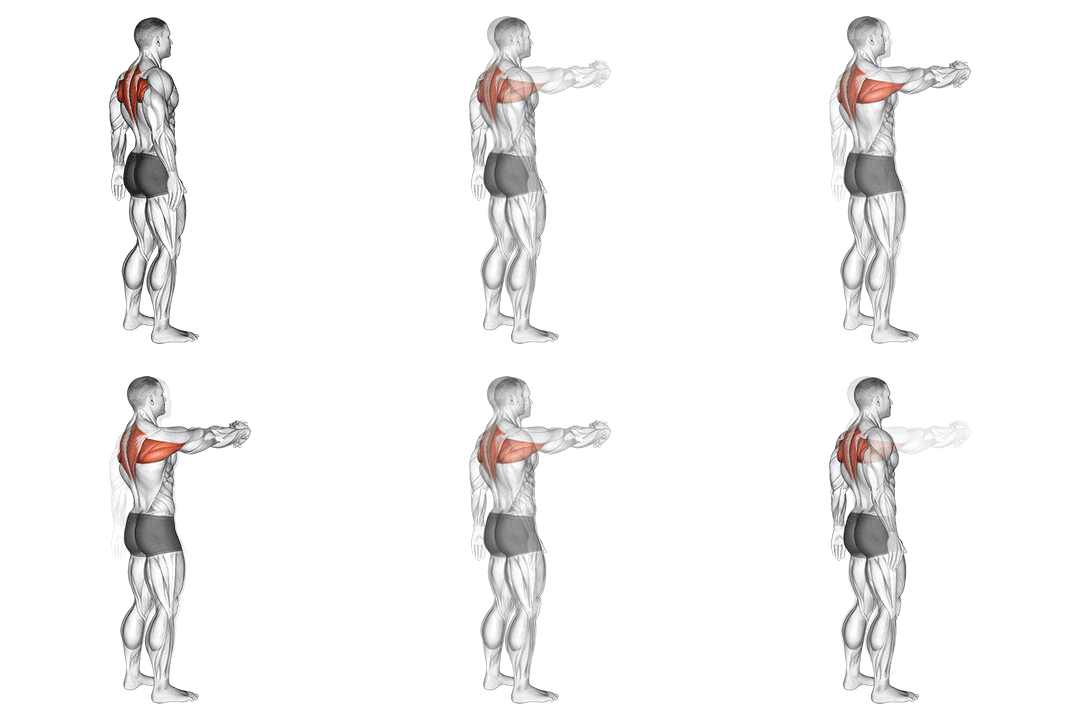
4. Upper Back Stretch
85% match- Upper Back
- Bodyweight
- Beginner
- Isolation
A looser match: it uses the same equipment, but it works the upper back rather than the spinal erectors.
How to perform this exercise
- Stand up straight with your feet shoulder-width apart.
- Extend your arms straight in front of you, parallel to the ground.
- Interlace your fingers and rotate your palms away from your body.
- Slowly raise your arms overhead, keeping them straight and parallel to each other.
- As you raise your arms, squeeze your shoulder blades together.
- Hold the stretch for 15-30 seconds, then release and repeat.
Sets and reps: Hold for 20 to 30 seconds, 3 sets.
Why this matches
- Primary muscle: upper back, not spine
- Equipment: bodyweight only, the same as the Standing Pelvic Tilt
- Body position: standing, the same as the Standing Pelvic Tilt
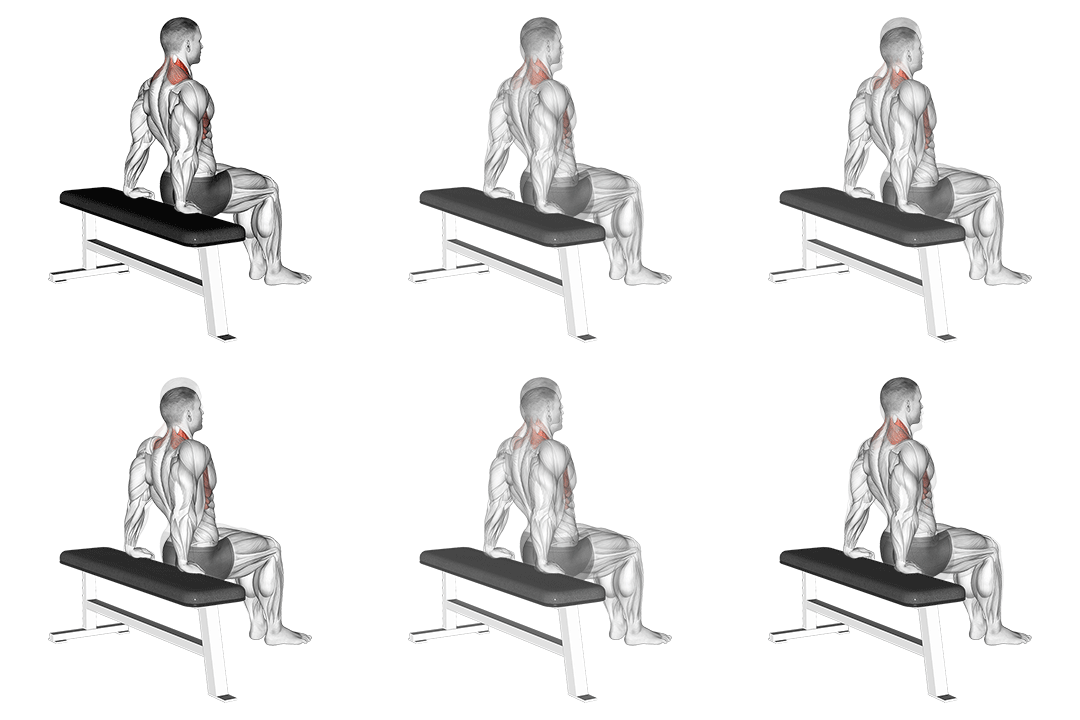
Progression
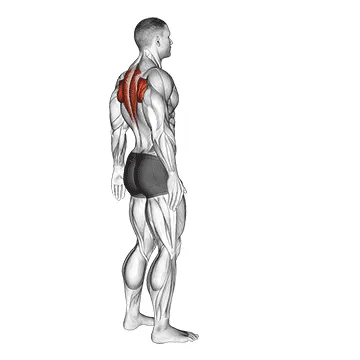
5. Scapula Dips
75% match- Traps
- Bodyweight
- Intermediate
- Isolation
A looser match: it uses the same equipment, but it works the traps rather than the spinal erectors.
How to perform this exercise
- Start by standing with your feet shoulder-width apart and your arms extended in front of you.
- Bend your knees slightly and hinge forward at the hips, keeping your back straight.
- Lower your body by bending your elbows and retracting your shoulder blades, as if you are trying to squeeze a pencil between them.
- Pause for a moment at the bottom, then push through your hands to extend your elbows and return to the starting position.
- Repeat for the desired number of repetitions.
Sets and reps: 3 sets of 10 to 15 reps.
Why this matches
- Primary muscle: traps, not spine
- Equipment: bodyweight only, the same as the Standing Pelvic Tilt
- Body position: standing, the same as the Standing Pelvic Tilt
- Balance: harder to stay steady on than the Standing Pelvic Tilt
Progression
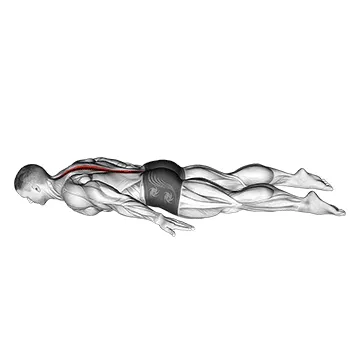
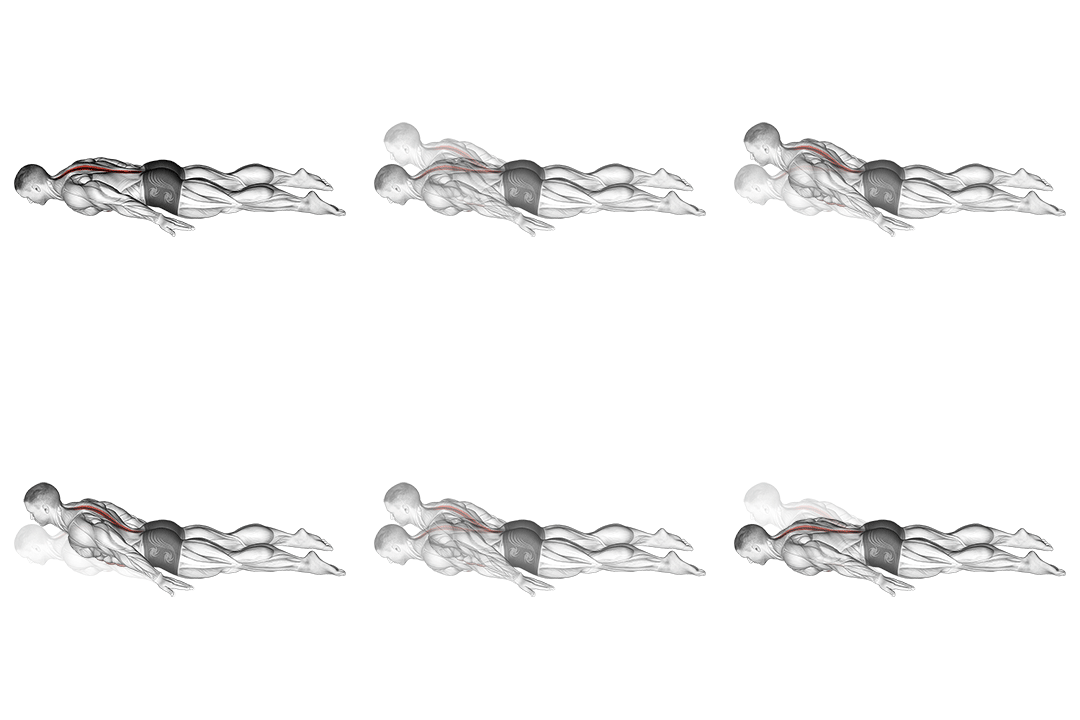
6. Lower Back Curl
75% match- Spine
- Bodyweight
- Intermediate
- Isolation
Pick this when you want a harder version that still works the spinal erectors.
How to perform this exercise
- Lie flat on your stomach with your legs extended and your arms by your sides.
- Engage your glutes and hamstrings, and slowly lift your upper body off the ground, curling your back upwards.
- Pause for a moment at the top, then slowly lower your upper body back down to the starting position.
- Repeat for the desired number of repetitions.
Sets and reps: 3 sets of 10 to 15 reps.
Why this matches
- Primary muscle: spine, the same as the Standing Pelvic Tilt
- Equipment: bodyweight only, the same as the Standing Pelvic Tilt
- Body position: lying face down, not standing
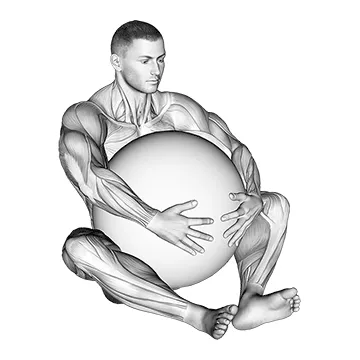
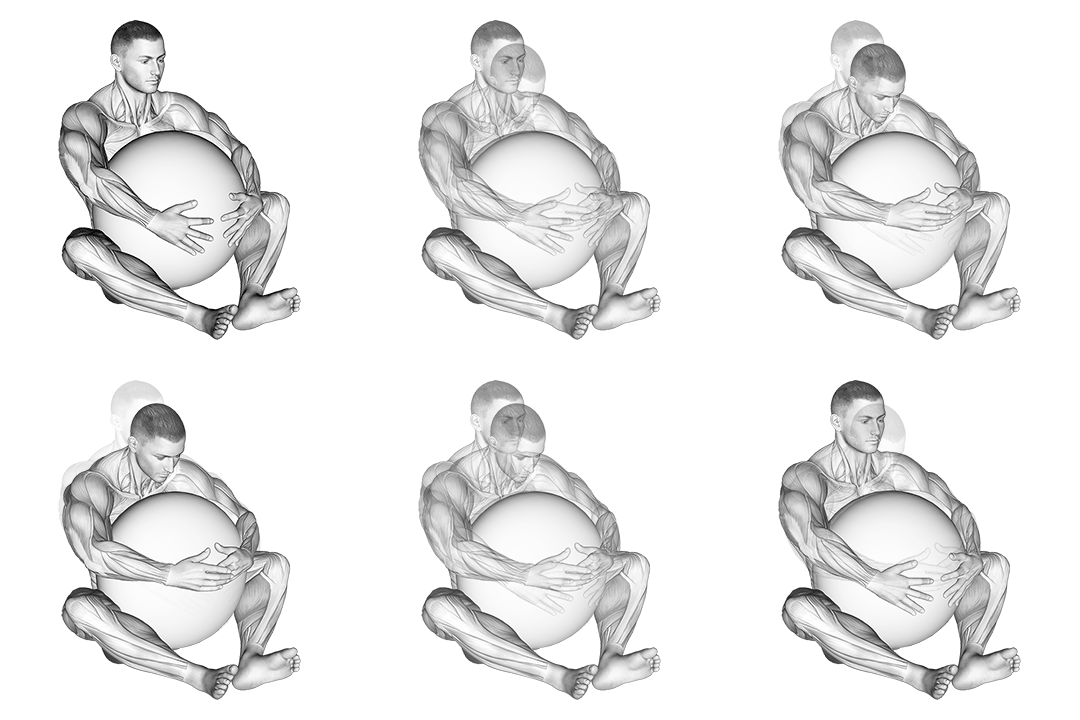
7. Exercise Ball Hug
72% match- Spine
- Stability-ball
- Beginner
- Isolation
A good swap when you have a stability ball to work with, and it still works the spinal erectors.
How to perform this exercise
- Sit on the stability ball with your feet flat on the ground and your back straight.
- Hold the stability ball with both hands, hugging it close to your chest.
- Engage your core muscles and slowly lean back, keeping your back straight and your feet planted on the ground.
- Continue leaning back until you feel a stretch in your back muscles.
- Hold the position for a few seconds, then slowly return to the starting position.
- Repeat for the desired number of repetitions.
Sets and reps: 3 sets of 8 to 12 reps, and add reps before you add load.
Why this matches
- Primary muscle: spine, the same as the Standing Pelvic Tilt
- Equipment: bodyweight only, the same as the Standing Pelvic Tilt
- Body position: seated, not standing
- Balance: harder to stay steady on than the Standing Pelvic Tilt
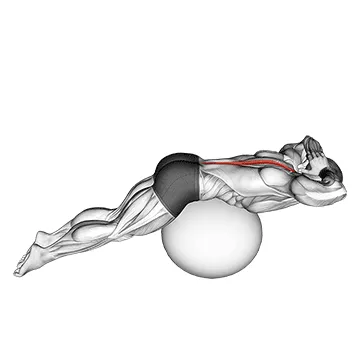
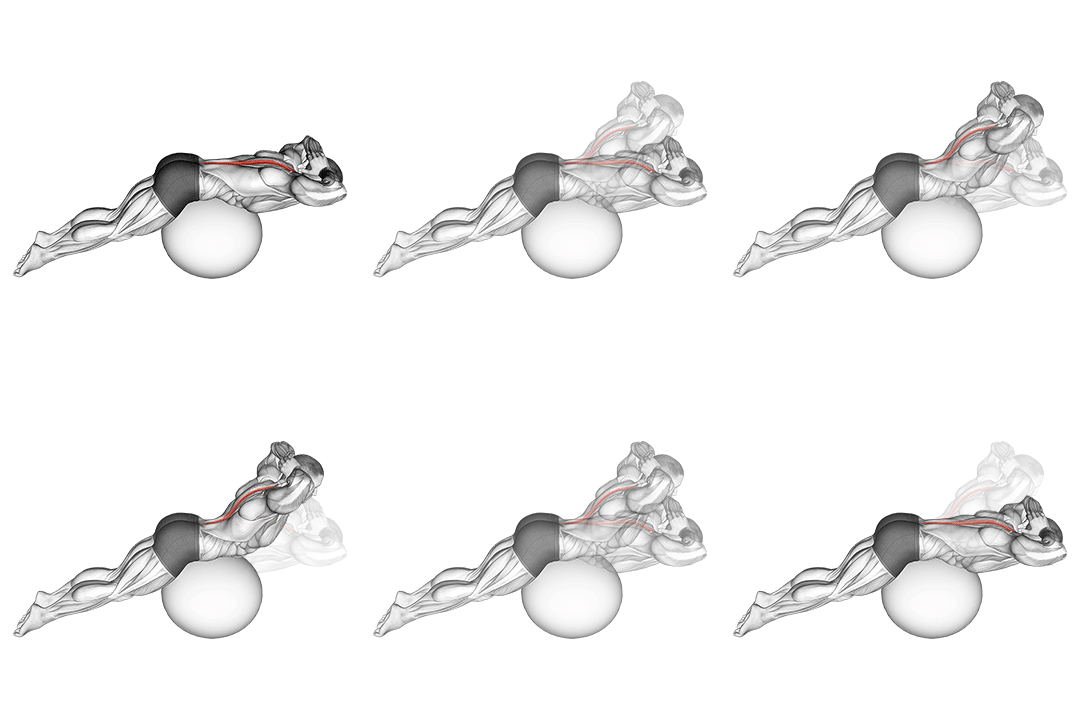
8. Back Extension On Exercise Ball
71% match- Spine
- Stability-ball
- Beginner
- Isolation
How to perform this exercise
- Place the stability ball on the ground and lie face down on top of it, with your hips resting on the ball and your feet against a wall or other stable surface.
- Position your hands behind your head or crossed over your chest.
- Engage your core and slowly lift your upper body off the ball, extending your back until your body forms a straight line from your head to your heels.
- Pause for a moment at the top, then slowly lower your upper body back down to the starting position.
- Repeat for the desired number of repetitions.
Sets and reps: 3 sets of 8 to 12 reps, and add reps before you add load.
Why this matches
- Primary muscle: spine, the same as the Standing Pelvic Tilt
- Equipment: bodyweight only, the same as the Standing Pelvic Tilt
- Body position: lying face down, not standing
Progression
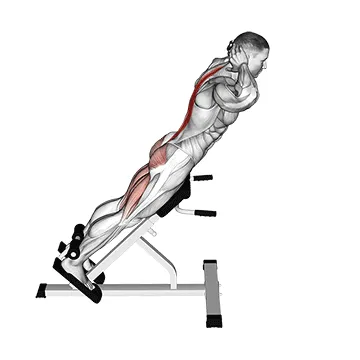
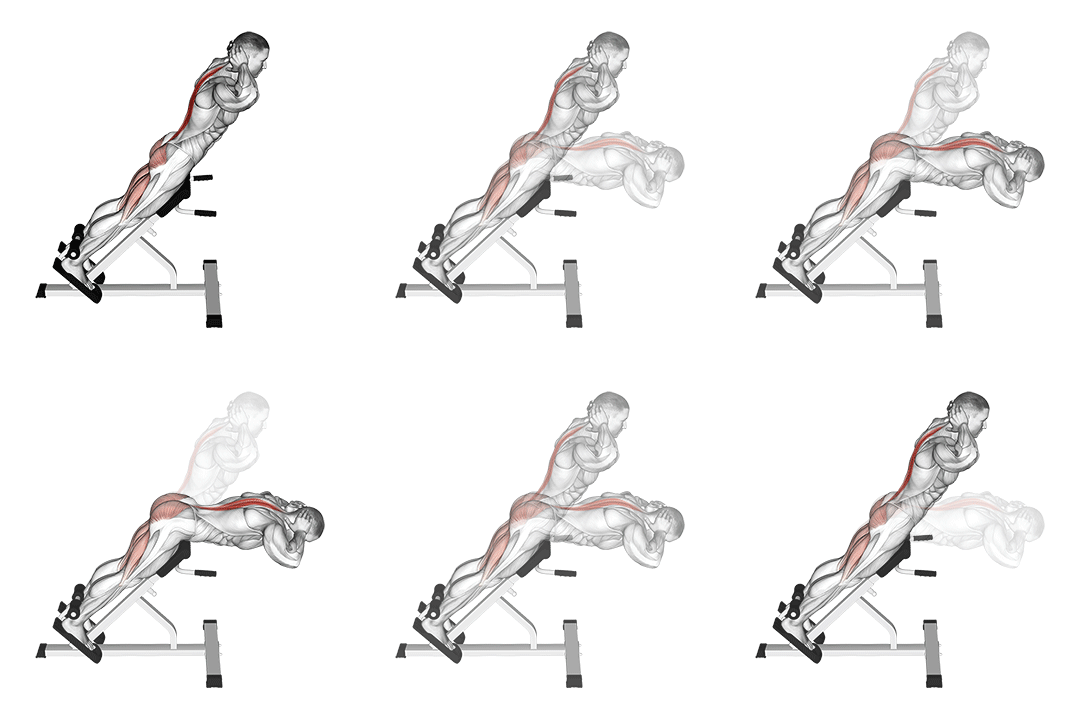
9. Hyperextension
70% match- Spine
- Bodyweight
- Intermediate
- Compound
How to perform this exercise
- Adjust the hyperextension bench so that your upper thighs are resting on the pad and your feet are secured.
- Cross your arms over your chest or place your hands behind your head.
- Lower your upper body towards the ground while keeping your back straight.
- Pause for a moment at the bottom, then raise your upper body back up until it is in line with your legs.
- Repeat for the desired number of repetitions.
Sets and reps: 3 or 4 sets of 6 to 10 reps.
Why this matches
- Primary muscle: spine, the same as the Standing Pelvic Tilt
- Equipment: bodyweight only, the same as the Standing Pelvic Tilt
- Body position: lying face down, not standing
- Balance: harder to stay steady on than the Standing Pelvic Tilt
Progression
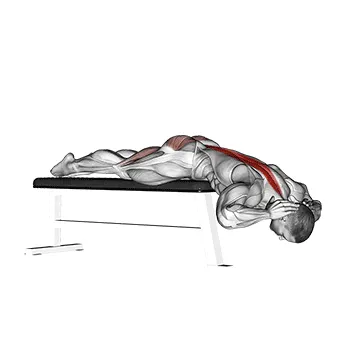
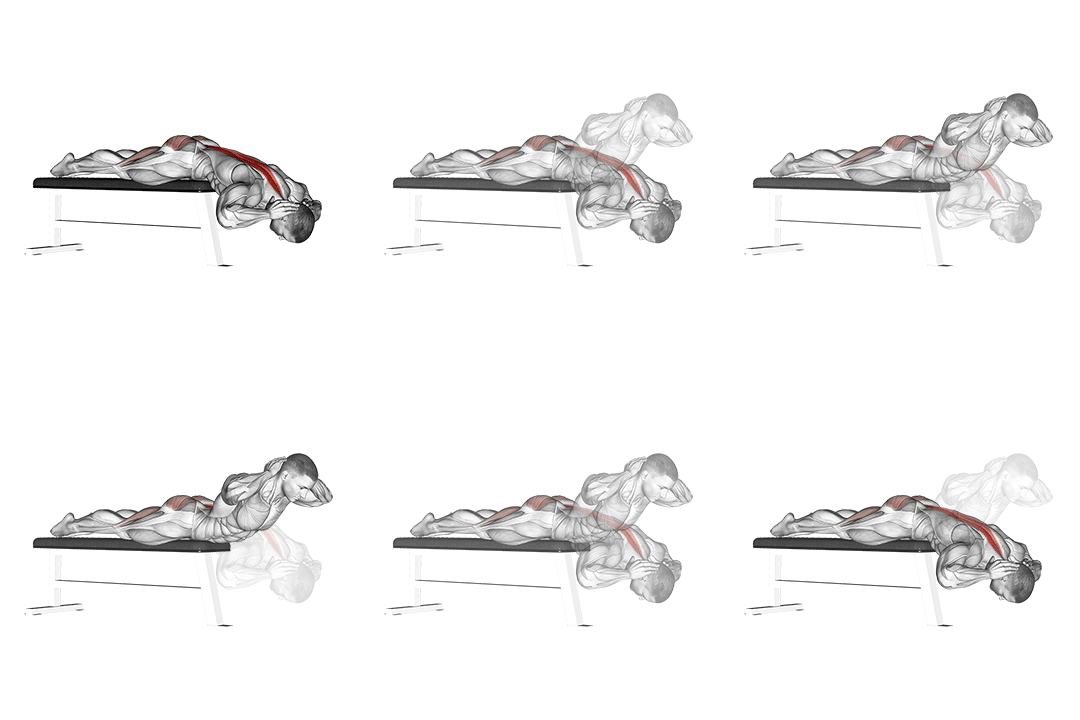
10. Hyperextension (On Bench)
70% match- Spine
- Bodyweight
- Intermediate
- Compound
How to perform this exercise
- Adjust the hyperextension bench so that your hips are resting comfortably on the pad and your feet are secured.
- Cross your arms over your chest or place your hands behind your head.
- Slowly lower your upper body towards the ground while keeping your back straight.
- Pause for a moment at the bottom, then raise your upper body back up until it is in line with your legs.
- Repeat for the desired number of repetitions.
Sets and reps: 3 or 4 sets of 6 to 10 reps.
Why this matches
- Primary muscle: spine, the same as the Standing Pelvic Tilt
- Equipment: bodyweight only, the same as the Standing Pelvic Tilt
- Body position: lying face down, not standing
- Balance: harder to stay steady on than the Standing Pelvic Tilt
Find Alternatives for Any Exercise
Search the exercise database and filter the ranked substitutes by the equipment you own.
Similarity scores compare exercise metadata such as movement pattern, muscles, equipment and body position. They are not a safety rating or a check that you own the equipment. Learn about our methodology