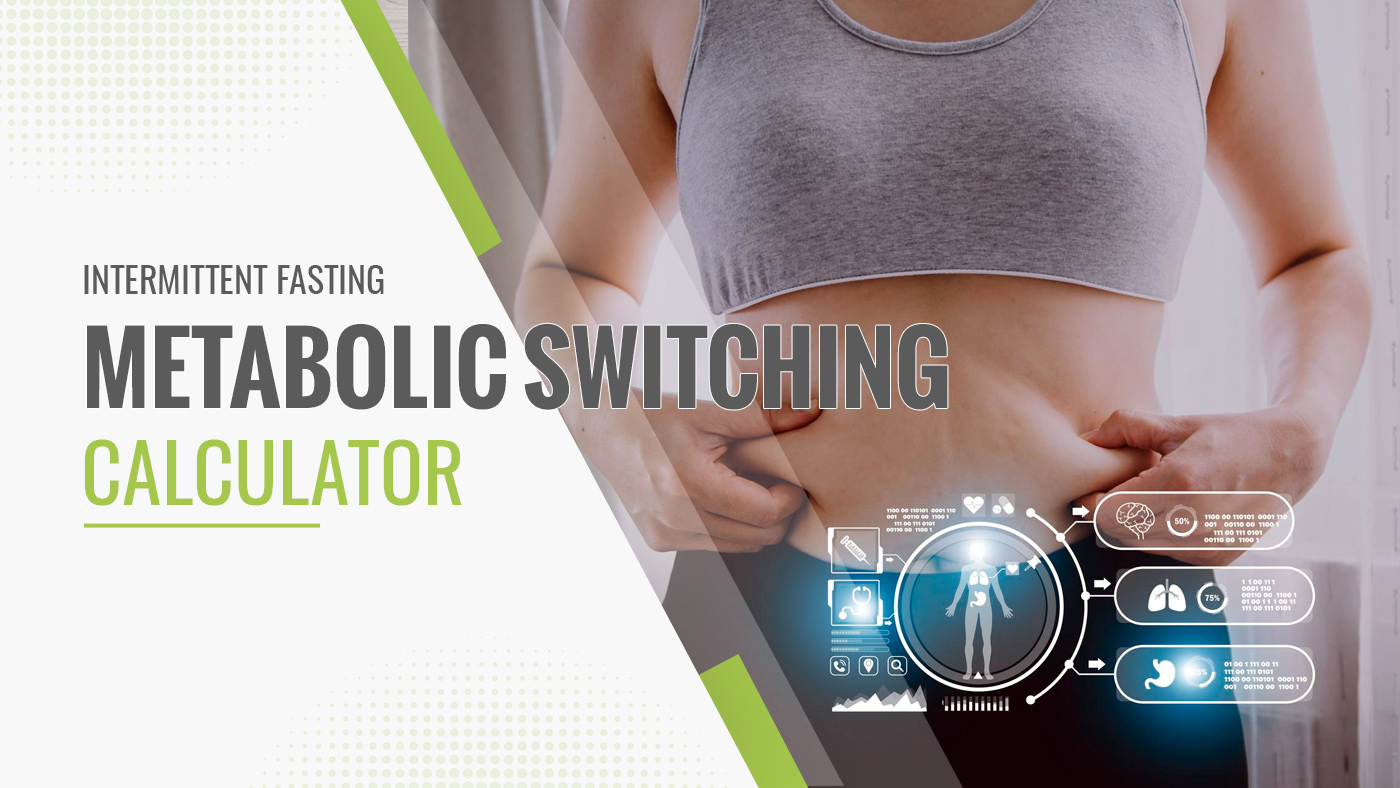
Metabolic Switching Calculator
Find out when your body switches from burning glucose to burning fat
Related Calculators
Medical Disclaimer: This calculator provides estimates for educational purposes only and does not constitute medical advice. Intermittent fasting is not appropriate for everyone. Do not fast if you are pregnant or breastfeeding, under 18 years of age, have a history of eating disorders, or have been diagnosed with Type 1 diabetes. If you take medications (especially insulin or blood pressure medication), have any chronic health conditions, or are recovering from surgery, consult your physician before beginning any fasting protocol. If you experience chest pain, fainting, persistent dizziness, or heart palpitations during a fast, stop immediately and seek medical attention.
How to Use the Metabolic Switching Calculator
- Enter your details — Input your weight, body fat percentage (if known), and activity level. These factors directly influence how quickly your body depletes glycogen stores.
- Select your fasting type — Choose whether you are doing a water fast, dry fast, or fasting after a low-carb meal. Your pre-fast diet significantly affects the timeline.
- Review your timeline — The calculator estimates when glycogen depletion begins, when fat oxidation ramps up, and when you reach peak fat-burning mode.
- Plan accordingly — Use the results to schedule workouts, manage energy expectations, and decide on your fasting window length.
Understanding Metabolic Switching
Metabolic switching refers to the body’s transition from using glucose as its primary fuel source to relying on fatty acids and ketone bodies. During fed states, your liver and muscles store roughly 1,600 to 2,400 calories of glycogen. Once fasting begins, the body draws down these reserves over approximately 12 to 36 hours, depending on individual factors like muscle mass, activity level, and pre-fast carbohydrate intake.
As glycogen stores decline, the liver begins converting fatty acids into ketone bodies through a process called beta-oxidation. This transition is not instantaneous — it occurs gradually, with fat oxidation increasing progressively. Research published in the New England Journal of Medicine (2019) highlights that this metabolic switch triggers cellular signaling pathways associated with improved metabolic health, including enhanced insulin sensitivity and reduced inflammation markers.
Physical activity accelerates this process by depleting glycogen faster. A person who exercises in a fasted state may begin significant fat oxidation several hours earlier than someone who remains sedentary. Similarly, individuals who regularly practice intermittent fasting tend to become more metabolically flexible over time, switching between fuel sources more efficiently.
Key Takeaways
- Most people begin the metabolic switch between 12 and 36 hours of fasting, depending on glycogen stores and activity levels.
- A low-carb meal before fasting can accelerate the transition by starting with partially depleted glycogen.
- Exercise during fasting speeds up glycogen depletion and promotes earlier fat oxidation.
- Regular fasting practice improves metabolic flexibility, making the switch faster and smoother over time.
- The transition is gradual — your body does not flip a switch but progressively shifts fuel sources.
Frequently Asked Questions
How do I know when the metabolic switch has occurred?
Common signs include a shift from hunger pangs to sustained energy, mild fruity breath (from acetone, a ketone byproduct), and reduced appetite. Blood ketone meters can confirm the transition when readings exceed 0.5 mmol/L.
Does the metabolic switch happen at the same time for everyone?
No. Factors like body composition, fitness level, pre-fast diet, and individual metabolic rate all influence timing. Athletes with lower body fat and higher muscle mass may switch faster due to lower glycogen reserves relative to energy demand.
Can I speed up the metabolic switch?
Yes. Eating a low-carb or ketogenic meal before your fast, engaging in moderate exercise during the early fasting hours, and staying well-hydrated can all accelerate glycogen depletion and the onset of fat oxidation.
Is the metabolic switch the same as being in ketosis?
They are related but distinct. The metabolic switch describes the broader transition to fat-based fuel. Ketosis specifically refers to elevated blood ketone levels (typically above 0.5 mmol/L) and represents a later stage of this process.
Does caffeine affect the metabolic switch?
Black coffee and plain tea may modestly enhance fat oxidation during fasting. Caffeine stimulates lipolysis (fat breakdown) and can support the transition, provided no calories or sweeteners are added.