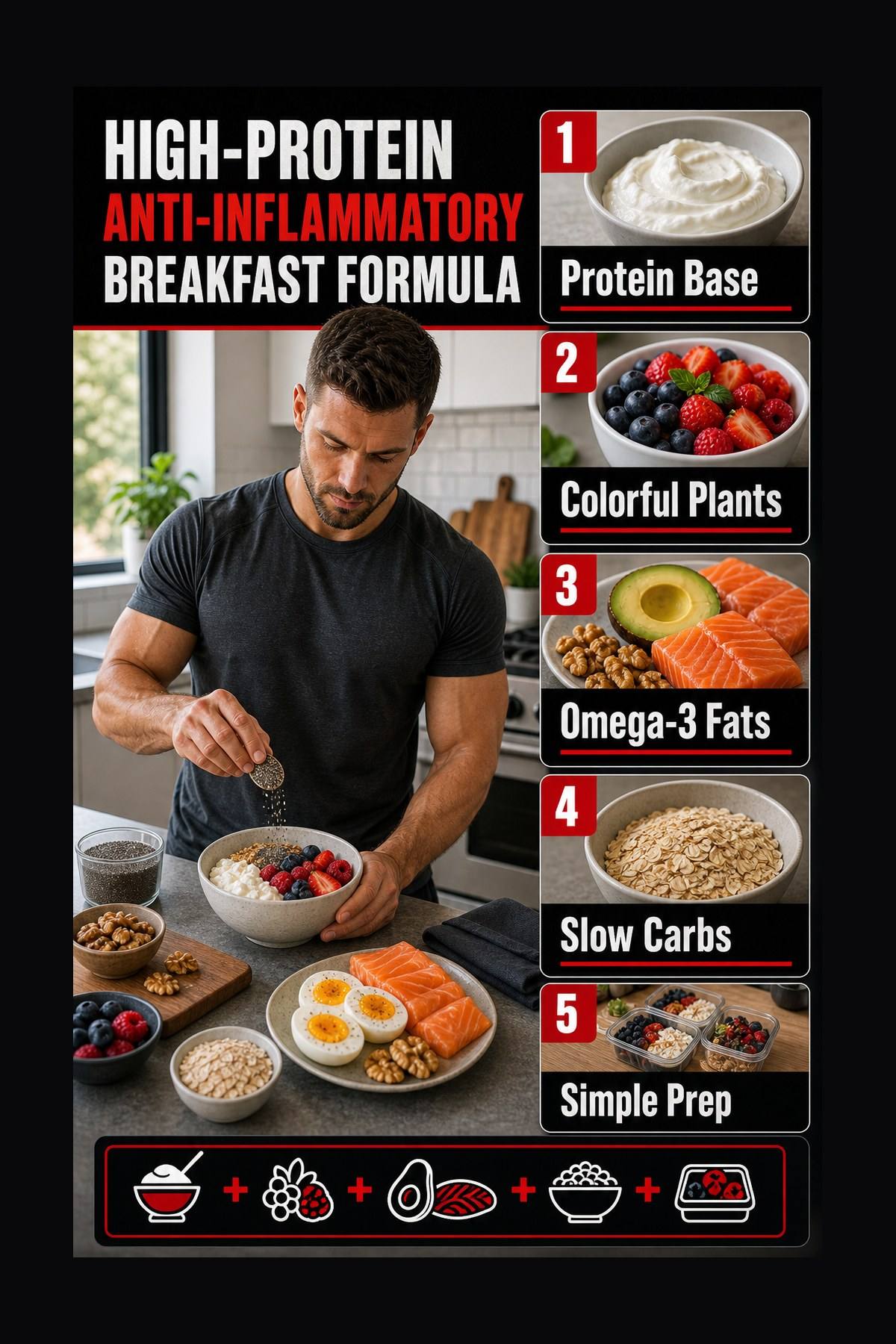
A high-protein anti-inflammatory breakfast does not need powders, 14 ingredients, or a wellness ritual. Build it around one protein anchor, one colorful plant food, one smart fat, and one carb you can train on. That structure gives lifters a breakfast that supports muscle, energy, and overall diet quality without turning breakfast into a project.
The internet often treats anti-inflammatory eating like a list of magical ingredients. Lifters need a more practical filter. Breakfast should help you hit protein, get fiber and micronutrients early, and leave enough energy for training. If it cannot do those three things, it is not useful no matter how many superfoods are on the plate.

The Four-Part Plate
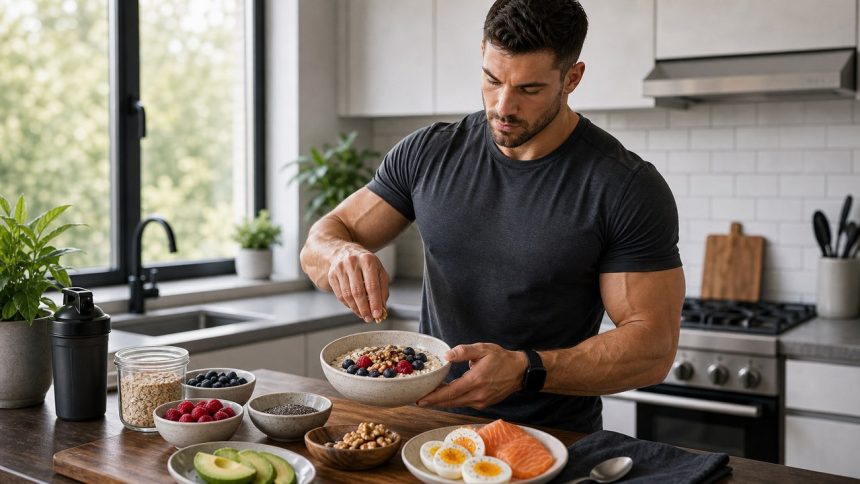
The simplest anti-inflammatory breakfast formula is protein plus color plus fat plus a training carb. That mirrors the parts of a Mediterranean-style eating pattern, but it keeps the lifter’s protein target in the center instead of treating protein like an afterthought.
| Part | Examples | Why It Matters |
|---|---|---|
| Protein anchor | Eggs, Greek yogurt, skyr, cottage cheese, tofu, salmon | Helps hit daily protein before the day gets busy |
| Color | Berries, tomatoes, spinach, peppers, citrus | Adds fiber, polyphenols, potassium, and volume |
| Smart fat | Avocado, olive oil, walnuts, chia, flax | Adds satiety and unsaturated fats |
| Training carb | Oats, potatoes, whole-grain toast, fruit, beans | Supports training energy and makes the meal repeatable |
That is the angle most recipe roundups miss. The goal is not to make the prettiest bowl. The goal is to build a breakfast you can repeat during a real training week.
Why Protein Comes First
Many anti-inflammatory breakfasts are nutrient dense but too light for lifters. Fruit, greens, seeds, spices, and tea can all belong in the meal, but they do not replace a protein anchor. If breakfast leaves you short on protein, the rest of the day turns into catch-up.
The ISSN position stand on protein and exercise gives most exercising people a daily range of 1.4 to 2.0 grams of protein per kilogram of body weight and describes 20 to 40 grams as a common per-serving target. That makes a 30-gram breakfast a practical standard, not a bodybuilding extreme.
FV has covered this idea directly in the 30-gram breakfast rule and a list of high-protein breakfasts that make 30 grams easier. This article narrows the lens: keep that protein base, then make the rest of the plate more anti-inflammatory.
Five Breakfast Builds
Use these as starting points. Exact calories and macros depend on brands and portions, so check your own labels or USDA FoodData Central when precision matters.
| Build | Protein Anchor | Color | Smart Fat | Training Carb |
|---|---|---|---|---|
| Greek yogurt bowl | Greek yogurt or skyr | Berries | Chia or walnuts | Oats or granola |
| Savory egg plate | Eggs plus egg whites | Spinach, tomatoes, peppers | Avocado or olive oil | Potatoes or toast |
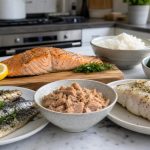
| Salmon toast | Smoked or canned salmon | Tomato, greens, onion | Olive oil or avocado | Whole-grain toast |
| Tofu scramble | Tofu | Peppers, mushrooms, greens | Olive oil | Beans or potatoes |
| Cottage cheese plate | Cottage cheese | Berries or tomatoes | Walnuts or avocado | Fruit or oats |
Training-Day vs Rest-Day Adjustments
Anti-inflammatory does not mean low-carb. Lifters should adjust the carb portion to the day. A hard lower-body session can use oats, potatoes, fruit, or toast. A low-activity rest day may need the same protein and plants with a smaller carb serving.
| Day Type | Breakfast Emphasis | Example |
|---|---|---|
| Hard training morning | Protein plus more carbs | Eggs, potatoes, berries, yogurt |
| Lift later in the day | Protein, fiber, moderate carbs | Greek yogurt, oats, berries, chia |
| Rest day | Protein, plants, fats, controlled carbs | Cottage cheese, avocado, tomatoes, fruit |
| Cutting phase | Protein and volume first | Egg-white scramble, vegetables, fruit, yogurt |
| Bulking phase | Protein plus denser carbs | Oats, Greek yogurt, banana, walnuts |
What The Evidence Supports
The strongest evidence is for eating patterns, not one magic breakfast. The American Heart Association describes a Mediterranean-style pattern as one that emphasizes vegetables, fruits, whole grains, beans, legumes, fish, poultry, low-fat or fat-free dairy, non-tropical oils, and nuts. Reviews also link Mediterranean-style diets with improvements in inflammatory markers such as CRP and IL-6.
That is why this breakfast formula uses a pattern. It does not claim blueberries or turmeric cancel out poor sleep, excess alcohol, or a chaotic diet. It uses foods that fit a better overall pattern and makes them practical for someone who trains.
The Two Default Breakfasts
To make this repeatable, keep one sweet default and one savory default. The sweet version can be Greek yogurt, berries, chia, oats, and walnuts. The savory version can be eggs or tofu, greens, tomatoes, olive oil, and potatoes or toast.
Rotate the details instead of redesigning breakfast every morning. Swap blueberries for raspberries, oats for granola, eggs for cottage cheese, potatoes for toast, or avocado for walnuts. The formula stays stable, which makes consistency easier.
Where Protein Coffee Fits
Protein coffee can help if your usual breakfast is only coffee. It should not be the whole meal unless appetite is low or you are using it as a bridge. Pair it with fruit, oats, yogurt, or eggs so breakfast has protein, fiber, and chew.
FV’s protein coffee recipe is useful for that bridge role. For a more complete breakfast, protein coffee should sit beside food rather than replace food every day.
Common Mistakes
- Building around spices instead of protein: Turmeric and cinnamon can fit, but they do not replace eggs, yogurt, tofu, fish, or cottage cheese.
- Going too low-carb on training days: Oats, potatoes, fruit, beans, and whole grains can support hard sessions.
- Using nuts without measuring: Walnuts and almonds are useful, but handfuls add up fast.
- Chasing novelty: A breakfast that needs 14 ingredients is less useful than two repeatable defaults.
- Ignoring total diet: One good breakfast cannot rescue a low-protein day or poor sleep.
A Simple Shopping List
Keep the shopping list small so the habit survives busy weeks. Buy two protein anchors, two fruit or vegetable options, one smart fat, and two carb options. That is enough variety without forcing a new recipe every morning.
| Category | Buy This | Backup |
|---|---|---|
| Protein | Greek yogurt, eggs, cottage cheese | Tofu, salmon, skyr |
| Color | Berries, spinach, tomatoes | Peppers, citrus, mushrooms |
| Smart fat | Walnuts, avocado, olive oil | Chia, flax, almonds |
| Training carb | Oats, potatoes, whole-grain toast | Fruit, beans, granola |
The 7-Day Rotation
A rotation prevents boredom without forcing perfection. Use sweet bowls on rushed mornings and savory plates when you have time to cook. The protein target stays the anchor each day.
| Day | Breakfast | Why It Works |
|---|---|---|
| Monday | Greek yogurt, berries, chia, oats | Fast, high protein, easy fiber |
| Tuesday | Eggs, spinach, potatoes, avocado | Better for a harder training morning |
| Wednesday | Cottage cheese, fruit, walnuts | No-cook, high protein |
| Thursday | Tofu scramble with toast | Plant-forward savory option |
| Friday | Protein oatmeal with berries | Carb-forward for training |
| Saturday | Salmon toast with tomatoes | Omega-3-forward and filling |
| Sunday | Egg plate or yogurt bowl | Repeat whichever default worked best |
Who Should Adjust the Formula
People with kidney disease, food allergies, diabetes, GI conditions, or prescribed medical diets should personalize the formula with a clinician. The article is a training-focused food framework, not medical nutrition therapy. The same breakfast that works for a healthy lifter may be wrong for someone managing a medical condition.
For everyone else, the most common adjustment is portion size. Cutting lifters usually reduce fats and denser carbs first. Bulking lifters usually add oats, potatoes, toast, granola, milk, or fruit before adding random snacks later.
FAQ
What is the easiest high-protein anti-inflammatory breakfast?
Greek yogurt with berries, chia, walnuts, and oats is the easiest sweet option. Eggs or tofu with spinach, tomatoes, olive oil, and potatoes is the easiest savory option. Both follow the same formula: protein, color, fat, and a training carb.
How much protein should breakfast have?
For lifters, 25 to 40 grams is a practical target. Bigger athletes or people eating fewer meals may need more. The key is that breakfast makes the daily protein goal easier, not harder.
Are eggs anti-inflammatory?
Eggs can fit an anti-inflammatory pattern when the rest of the plate is built well. Pair them with vegetables, fruit, whole-food carbs, and unsaturated fats instead of processed meat and refined pastries.
Is oatmeal enough protein for lifters?
Oatmeal alone is usually not enough. Add Greek yogurt, protein powder, cottage cheese, milk, eggs on the side, or a higher-protein topping if you want it to function as a lifter breakfast.
Can this breakfast work for fat loss?
Yes, if portions match your calorie target. Use leaner protein, more fruit and vegetables, measured fats, and a carb portion that matches training. The formula helps structure the meal, but calories still matter.
The 10-Minute Meal-Prep Flow
Prep breakfast components instead of full recipes. Wash fruit, cook potatoes or oats, keep boiled eggs or Greek yogurt ready, and portion walnuts or chia into small containers. That makes the anti-inflammatory plate faster without turning Sunday into a meal-prep marathon.
The fastest weekly setup is one cooked carb, one protein you do not need to cook, and one protein you can cook fresh. For example: cooked potatoes, Greek yogurt, and eggs. That gives you a sweet bowl or savory plate every morning with almost no decision fatigue.
Bottom Line
The best high-protein anti-inflammatory breakfast is not complicated. Start with protein, add colorful plants, include a smart fat, and choose a carb that matches your training day. Repeat that pattern, and breakfast becomes a useful system instead of another recipe hunt.
Sources
- Jager R, et al. International Society of Sports Nutrition Position Stand: protein and exercise. Journal of the International Society of Sports Nutrition. 2017.
- American Heart Association. What is the Mediterranean Diet? Updated 2024.
- Schwingshackl L, et al. Effects of Dietary Patterns on Biomarkers of Inflammation and Immune Responses. Advances in Nutrition. 2021.
- U.S. Department of Agriculture. FoodData Central. Accessed June 20, 2026.