

Band Alternating V-up vs Band Bicycle Crunch: Complete Comparison Guide
Band Alternating V-up vs Band Bicycle Crunch — you want a clear pick for core training. I’ll walk you through how each exercise loads the rectus abdominis, how much the hip flexors and obliques contribute, and which one fits your skill level, equipment limits, and goals. You’ll get exact technique cues (angles, band placement), rep ranges for muscle growth vs endurance, and decisive recommendations so you can pick the right move for hypertrophy, strength, or home workouts.
Exercise Comparison
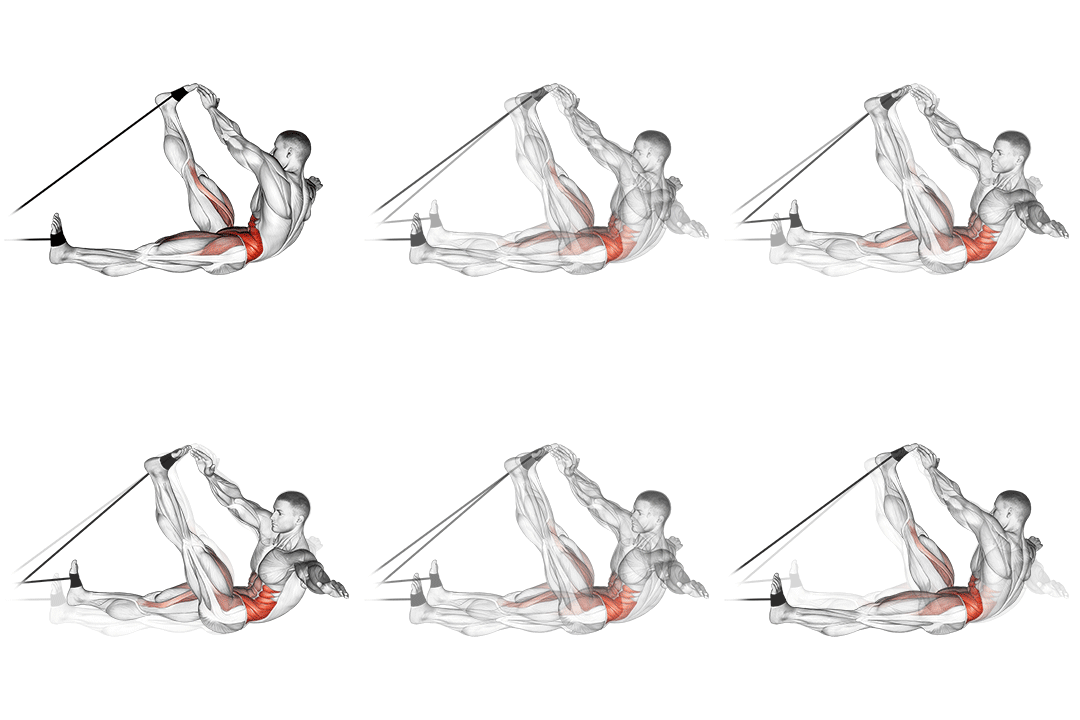
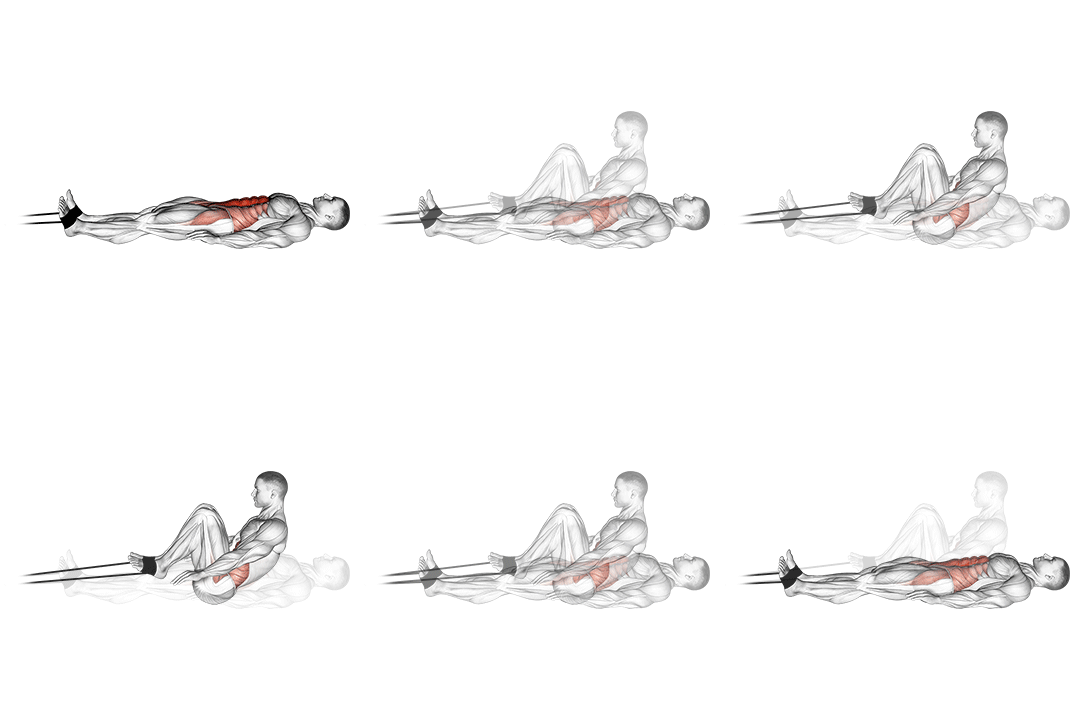
Band Alternating V-up
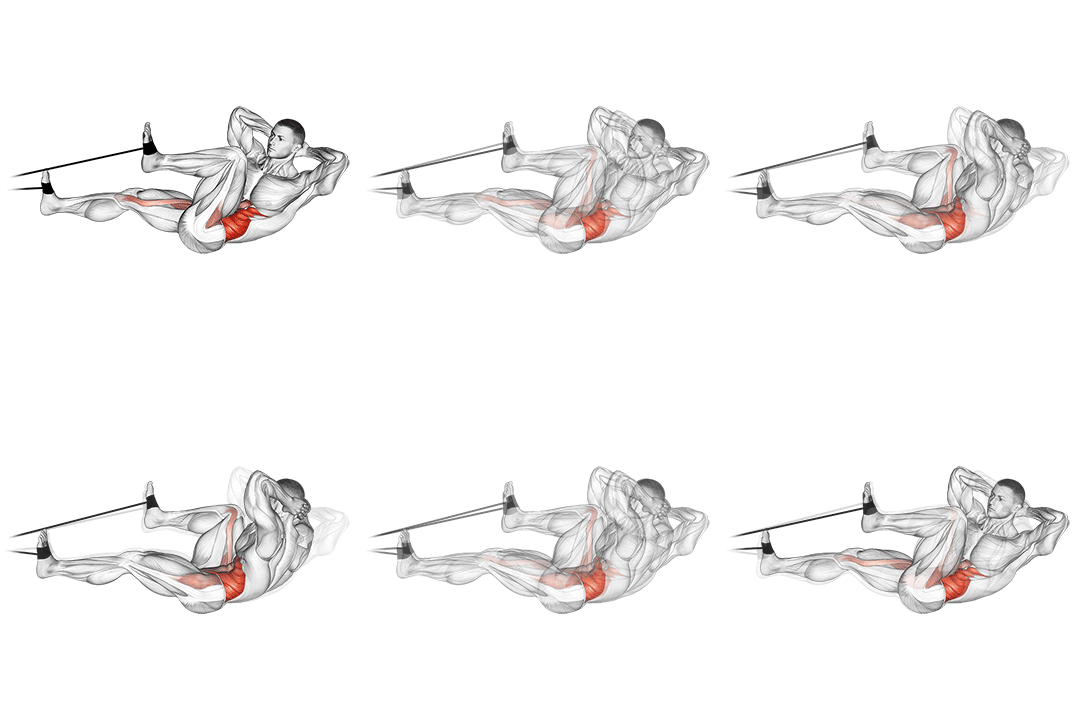
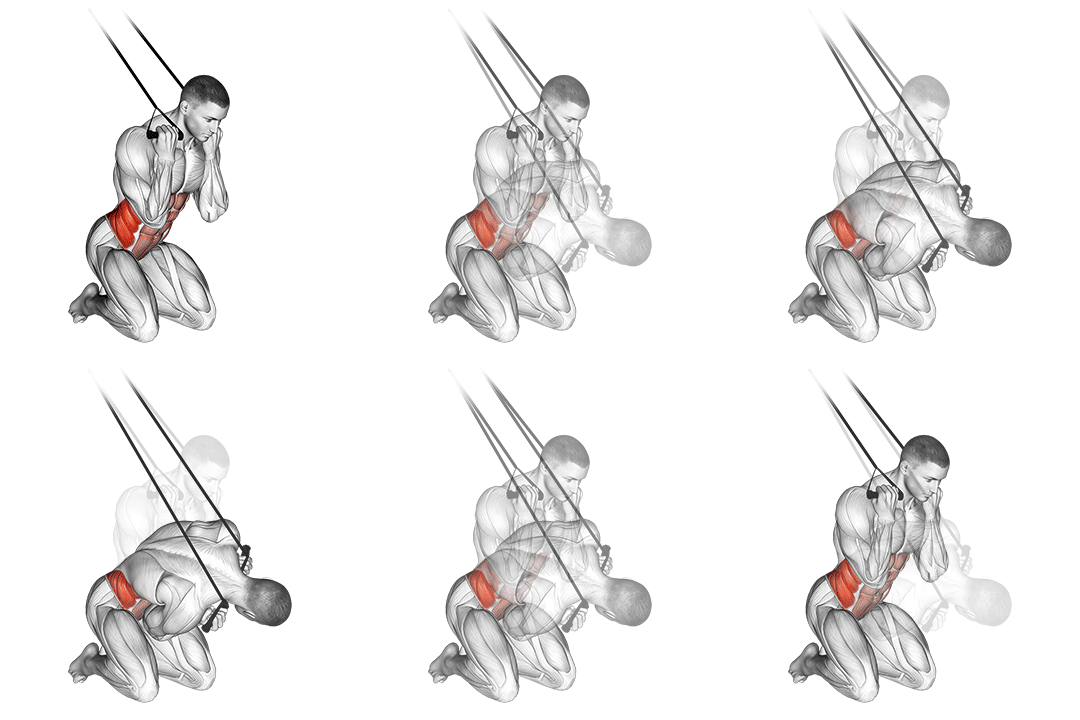
Band Bicycle Crunch
Head-to-Head Comparison
| Attribute | Band Alternating V-up | Band Bicycle Crunch |
|---|---|---|
| Target Muscle |
Abs
|
Abs
|
| Body Part |
Waist
|
Waist
|
| Equipment |
Band
|
Band
|
| Difficulty |
Advanced
|
Intermediate
|
| Movement Type |
Isolation
|
Isolation
|
| Secondary Muscles |
1
|
2
|
Secondary Muscles Activated
Band Alternating V-up
Band Bicycle Crunch
Visual Comparison
Overview
Band Alternating V-up vs Band Bicycle Crunch — you want a clear pick for core training. I’ll walk you through how each exercise loads the rectus abdominis, how much the hip flexors and obliques contribute, and which one fits your skill level, equipment limits, and goals. You’ll get exact technique cues (angles, band placement), rep ranges for muscle growth vs endurance, and decisive recommendations so you can pick the right move for hypertrophy, strength, or home workouts.
Key Differences
- Difficulty levels differ: Band Alternating V-up is advanced, while Band Bicycle Crunch is intermediate.
- Both exercises target the Abs using Band. The main differences are in their movement patterns and muscle activation angles.
Pros & Cons
Band Alternating V-up
+ Pros
- High peak rectus abdominis and hip flexor load for muscle growth and strength
- Large range of motion — torso and legs meet at ~45–60° to maximize shortening
- Easy to increase intensity by using heavier bands or slowing eccentrics
- Effective anti-extension challenge improving core stiffness under load
− Cons
- Advanced coordination required — steep learning curve
- Higher lumbar compression and shear risk if form breaks
- Requires heavier bands and more setup for meaningful resistance
Band Bicycle Crunch
+ Pros
- Stronger oblique and rotational recruitment from alternating twists
- Simple setup — light bands work well and it’s beginner-friendly
- Lower peak spine loading; suits higher-rep endurance work
- Easier to maintain tempo for 12–30 rep sets to build endurance
− Cons
- Lower maximal overload on rectus compared to V-ups
- Can encourage neck pulling if hands are used improperly
- Less progression for pure strength without adding extra equipment
When Each Exercise Wins
The V-up creates greater peak tension and a larger ROM for the rectus abdominis and hip flexors; aim for 3–5 sets of 8–15 slow-tempo reps with heavier band tension to stimulate muscle growth.
Simultaneous hip and trunk flexion under band load produces higher force demands and better transference to single-effort core strength. Use heavier bands, slow eccentrics (3–4s), and 4–6 rep builds for maximal strength.
Bicycle crunches are easier to pattern and control, let you train endurance and rotational control with light resistance, and reduce risk while teaching breathing and tension cues.
Requires minimal band tension and no anchoring; you can get effective core stimulus with a single light band and higher reps, making it the most accessible home option.
Frequently Asked Questions
Can I do both Band Alternating V-up and Band Bicycle Crunch in the same workout?
Yes. Sequence the V-ups earlier when you’re freshest to handle higher band tension and focus on strength, then finish with bicycle crunches for rotational volume and metabolic work. Keep total sets manageable — e.g., 3 V-up sets followed by 2–3 bicycle sets.
Which exercise is better for beginners?
Band Bicycle Crunch is better for beginners because it has a gentler learning curve, lower peak spinal load, and simpler band setups. Start with light bands and 12–20 controlled reps while you learn breathing and chin-tuck cues.
How do the muscle activation patterns differ?
V-ups produce simultaneous, high-amplitude rectus and hip flexor activation with a single concentric peak as torso and legs meet. Bicycle crunches produce alternating, rhythmic activation with increased oblique engagement on each rotation and lower peak force per rep.
Can Band Bicycle Crunch replace Band Alternating V-up?
It can replace V-ups if your goal is endurance or oblique work, but not if you want maximal rectus overload or hip flexor strength. For hypertrophy or heavy core strength, keep V-ups in your program or use additional resistance to the bicycle pattern.
Expert Verdict
Use the Band Alternating V-up when you want maximal rectus abdominis and hip flexor loading — it’s the go-to for building core strength and muscle when you can handle heavier bands and strict technique. Program it for 3–5 sets of 6–15 reps with controlled eccentrics. Choose the Band Bicycle Crunch when you need accessibility, oblique development, or higher-rep core endurance; it’s safer for beginners and home sessions and works well for 2–4 sets of 12–30 reps. If you train both, place V-ups earlier in sessions for strength work and bicycle crunches later for rotational endurance and quality volume.
Also Compare
More comparisons with Band Alternating V-up
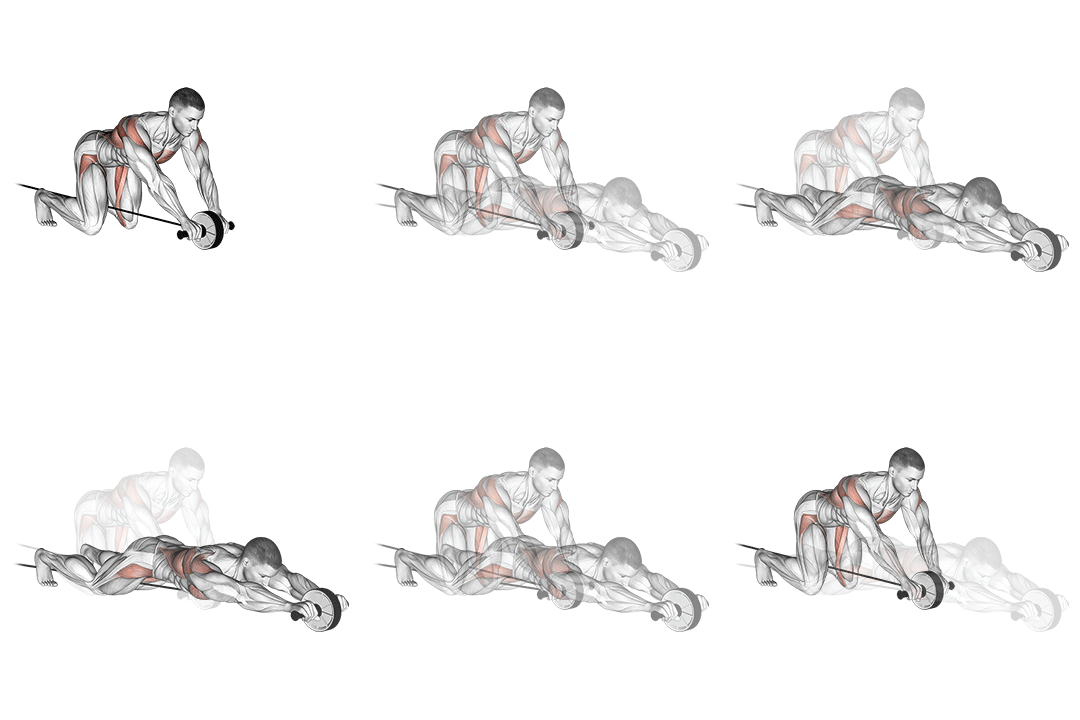
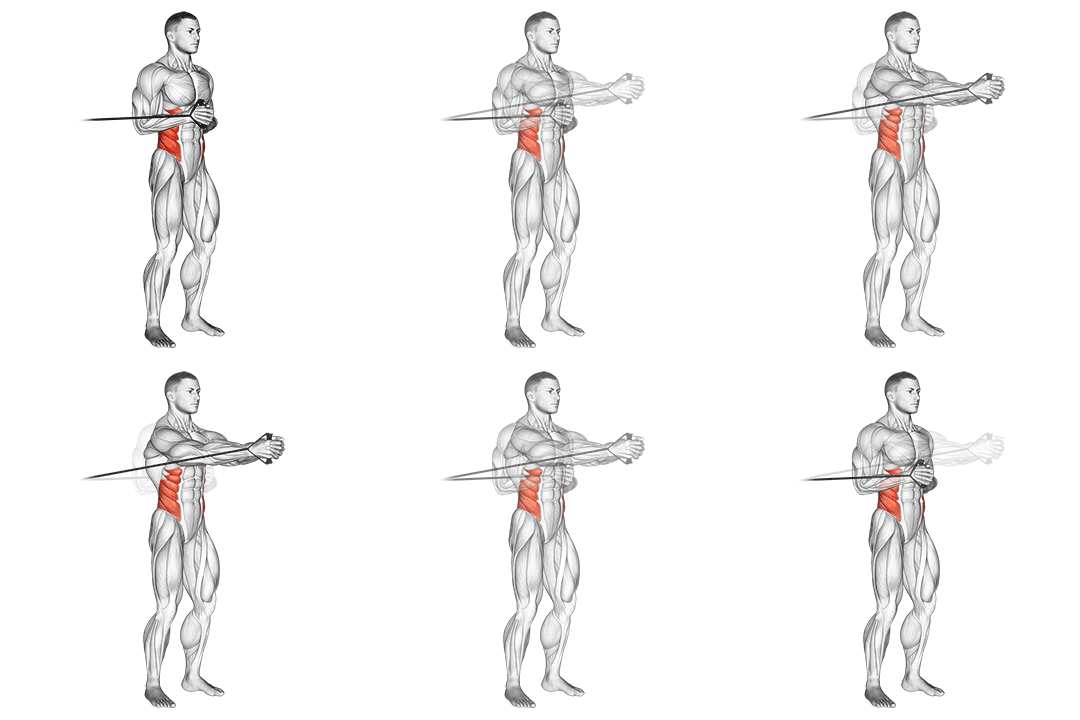
More comparisons with Band Bicycle Crunch
Compare More Exercises
Use our free comparison tool to analyze any two exercises head-to-head.
Compare Exercises