

Lever Incline Chest Press V. 2 vs Lever Seated Fly: Complete Comparison Guide
Lever Incline Chest Press V. 2 vs Lever Seated Fly — two lever-based chest moves that look similar but train your pecs differently. If you want clear choices for hypertrophy, strength, or beginner programming, this guide breaks down muscle activation, biomechanics, equipment needs, difficulty, pros and cons, and when to use each. You'll get specific technique cues (set angles, grip, and rep ranges), a side-by-side equipment and injury-risk comparison, and practical recommendations so you can pick the exercise that matches your goals and gym setup.
Exercise Comparison
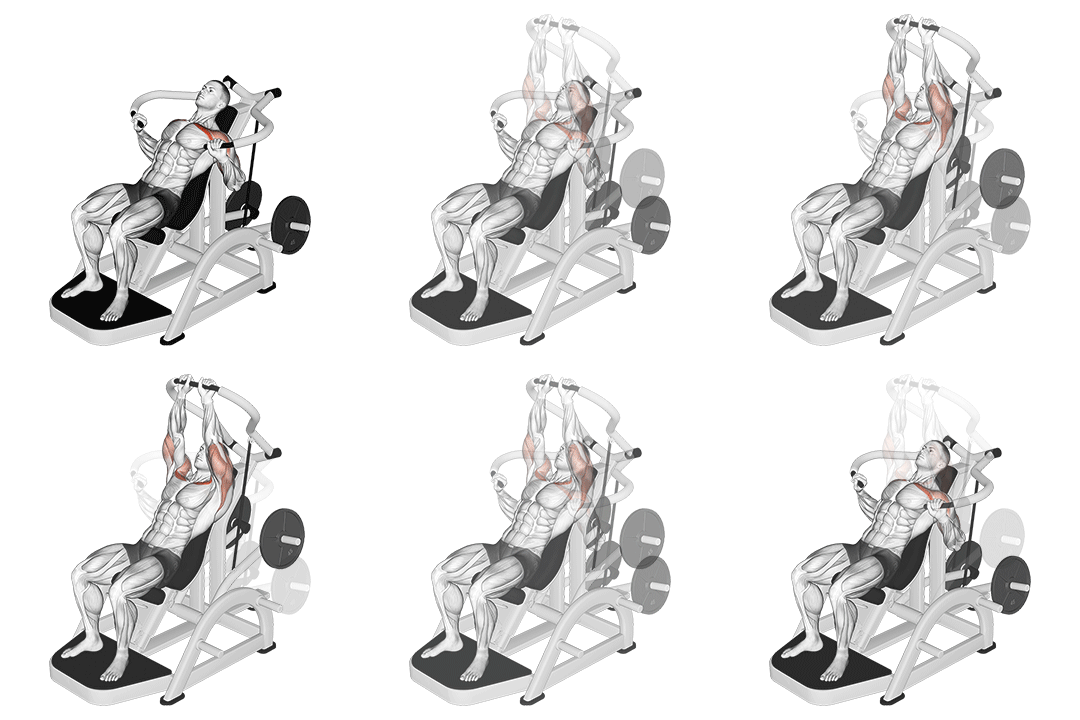
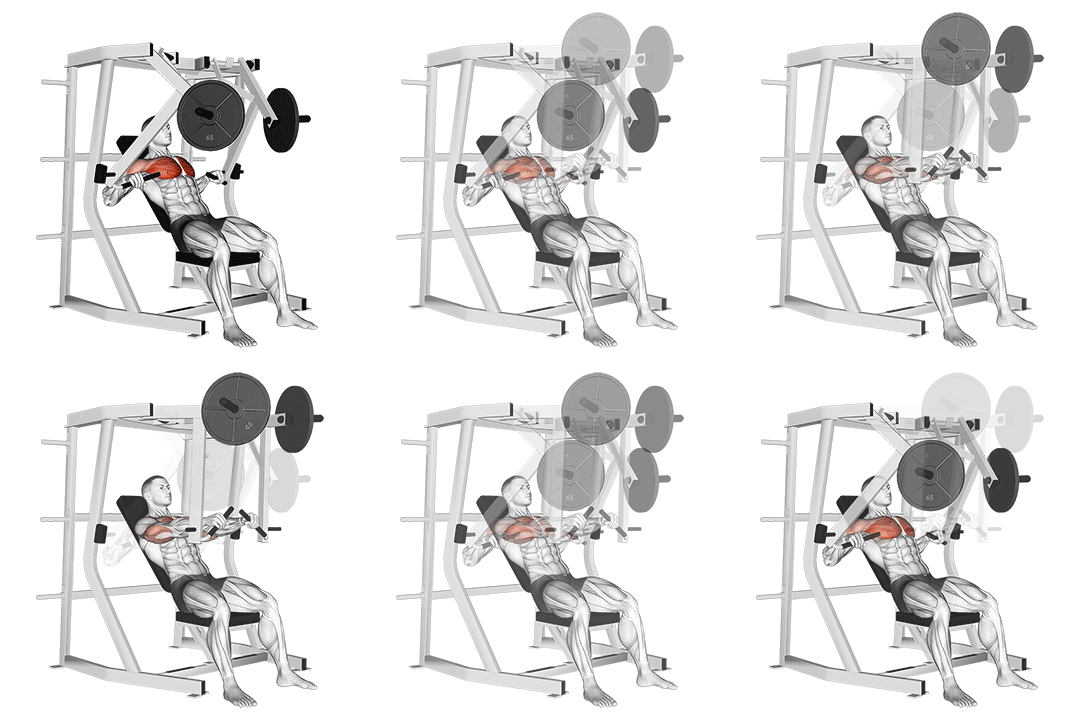
Lever Incline Chest Press V. 2
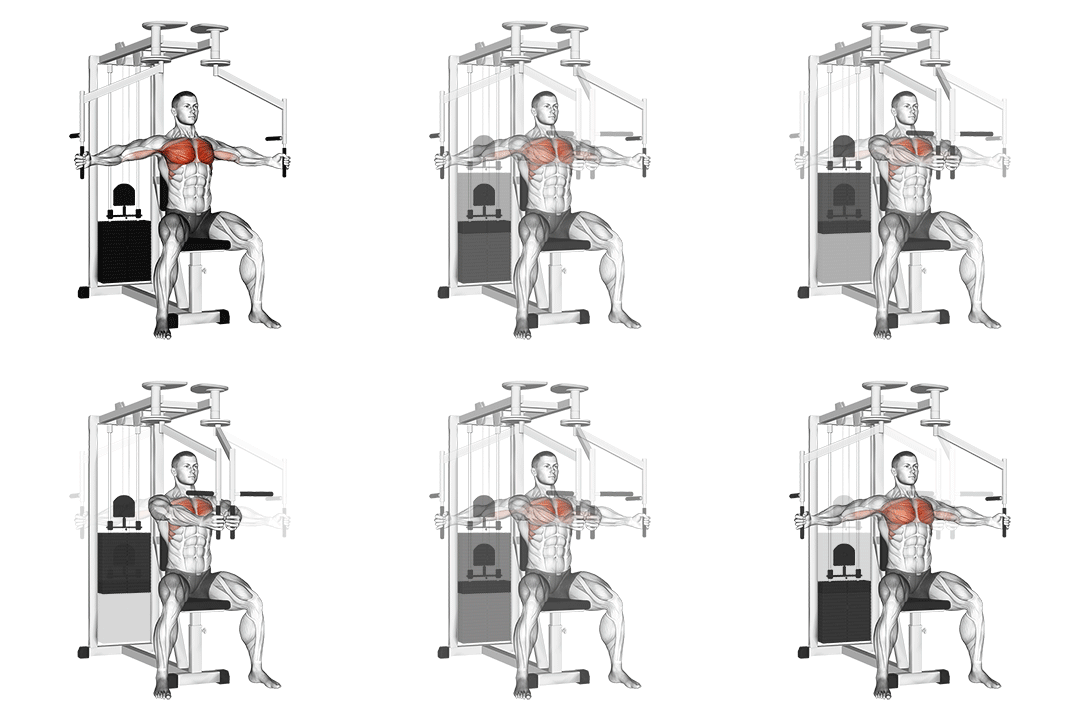
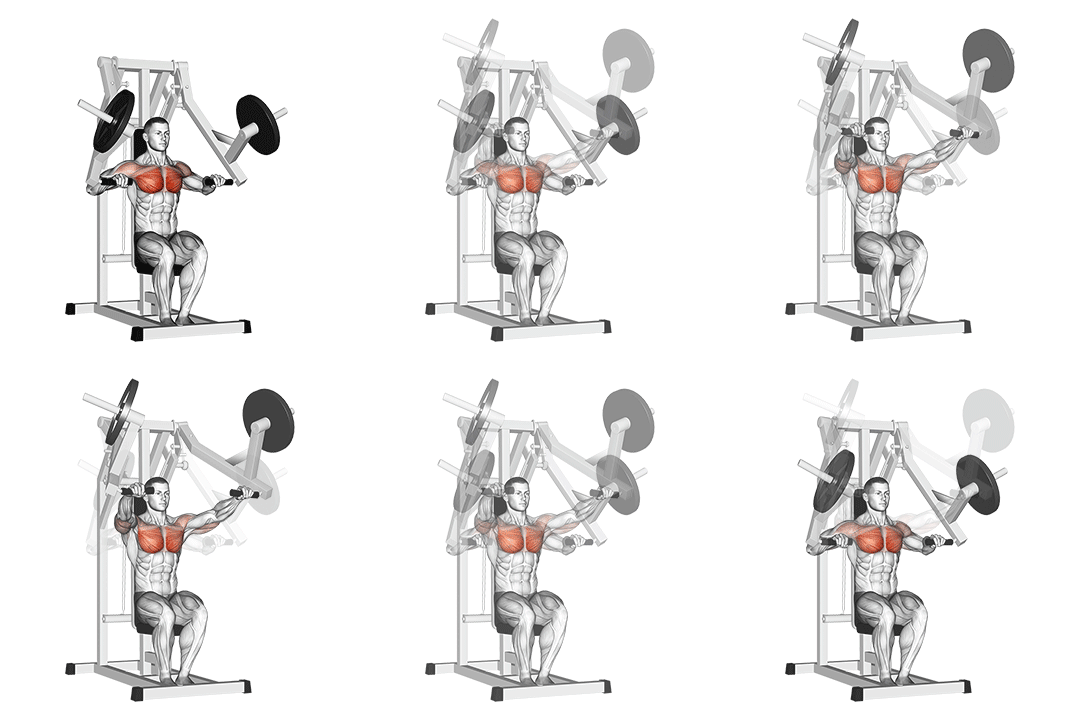
Lever Seated Fly
Head-to-Head Comparison
| Attribute | Lever Incline Chest Press V. 2 | Lever Seated Fly |
|---|---|---|
| Target Muscle |
Pectorals
|
Pectorals
|
| Body Part |
Chest
|
Chest
|
| Equipment |
Lever
|
Lever
|
| Difficulty |
Intermediate
|
Beginner
|
| Movement Type |
Compound
|
Isolation
|
| Secondary Muscles |
2
|
2
|
Secondary Muscles Activated
Lever Incline Chest Press V. 2
Lever Seated Fly
Visual Comparison
Overview
Lever Incline Chest Press V. 2 vs Lever Seated Fly — two lever-based chest moves that look similar but train your pecs differently. If you want clear choices for hypertrophy, strength, or beginner programming, this guide breaks down muscle activation, biomechanics, equipment needs, difficulty, pros and cons, and when to use each. You'll get specific technique cues (set angles, grip, and rep ranges), a side-by-side equipment and injury-risk comparison, and practical recommendations so you can pick the exercise that matches your goals and gym setup.
Key Differences
- Lever Incline Chest Press V. 2 is a compound movement, while Lever Seated Fly is an isolation exercise.
- Difficulty levels differ: Lever Incline Chest Press V. 2 is intermediate, while Lever Seated Fly is beginner.
- Both exercises target the Pectorals using Lever. The main differences are in their movement patterns and muscle activation angles.
Pros & Cons
Lever Incline Chest Press V. 2
+ Pros
- Better for lifting heavier loads and overall chest tension
- Engages triceps and anterior deltoids for compound strength
- Multiple progression pathways (incline angle, load, tempo)
- Useful for upper-chest emphasis at 30–45° incline
− Cons
- Requires more technical setup and cueing
- Higher spinal and shoulder stress when overloaded
- Less pure pec isolation compared with flies
Lever Seated Fly
+ Pros
- Easy to learn and set up on most machines
- Excellent for isolating the pectorals and feeling the muscle
- Lower overall systemic fatigue — good for finishers
- Simple to use for high-rep or time-under-tension work
− Cons
- Limited progression ceiling compared with compound presses
- Can stress anterior shoulder in deep stretch if overloaded
- Less carryover to pressing strength because it omits elbow extension
When Each Exercise Wins
The incline press allows heavier absolute loads and higher total tension across multiple muscles, so you can progressively overload over time. Use 6–12 rep ranges and adjust incline (30–45°) to bias upper-pec fibers for greater muscle growth.
Because it’s a compound pressing pattern, you can train lower reps (3–6) with heavier loads to increase force production and neuromuscular strength. The added triceps and deltoid involvement improves carryover to other pressing lifts.
The seated fly has a fixed path and simpler motor pattern, making it easier to learn proper pec activation without complex cueing. Start with 8–15 reps to build mind-muscle connection and shoulder stability.
Assuming limited equipment, fly-style movements are easier to replicate with resistance bands or single-arm dumbbells to mimic horizontal adduction. The press requires a specific lever press or sturdy bench and heavier loads for meaningful benefit.
Frequently Asked Questions
Can I do both Lever Incline Chest Press V. 2 and Lever Seated Fly in the same workout?
Yes. Start with the incline press as your primary compound movement (3–6 or 6–12 reps) to handle the heavy load, then follow with seated flies for 2–4 sets of 8–15 reps to increase time under tension and target the pecs in a more isolated way.
Which exercise is better for beginners?
The Lever Seated Fly is better for beginners due to its fixed path and simpler cueing. It teaches horizontal adduction and helps develop a mind-muscle connection before progressing to compound presses.
How do the muscle activation patterns differ?
Incline pressing combines shoulder flexion and elbow extension, recruiting triceps and anterior deltoids along with the pecs and producing mixed vertical-horizontal force vectors. Seated flies focus on shoulder horizontal adduction, keeping elbow position stable so the pecs work at longer lengths with less elbow torque.
Can Lever Seated Fly replace Lever Incline Chest Press V. 2?
Not entirely. If your goal is maximal load and pressing strength, flies cannot replace presses because they lack elbow extension and systemic overload. For isolation, hypertrophy detail, or rehab, flies can substitute, but include a compound press elsewhere in your program for balanced development.
Expert Verdict
Use the Lever Incline Chest Press V. 2 when your priority is adding load, improving pressing strength, or targeting the upper chest with compound tension — program it for 3–6 reps for strength or 6–12 for hypertrophy, and keep the back angle at 30–45°. Choose the Lever Seated Fly when you want pure pec isolation, teach beginners the horizontal adduction pattern, or finish workouts with higher reps (8–15) and slow eccentrics. Both have a role: press heavy to build overall chest and pressing capacity, then add flies to increase time under tension and refine muscle shape while minimizing elbow torque.
Also Compare
More comparisons with Lever Incline Chest Press V. 2
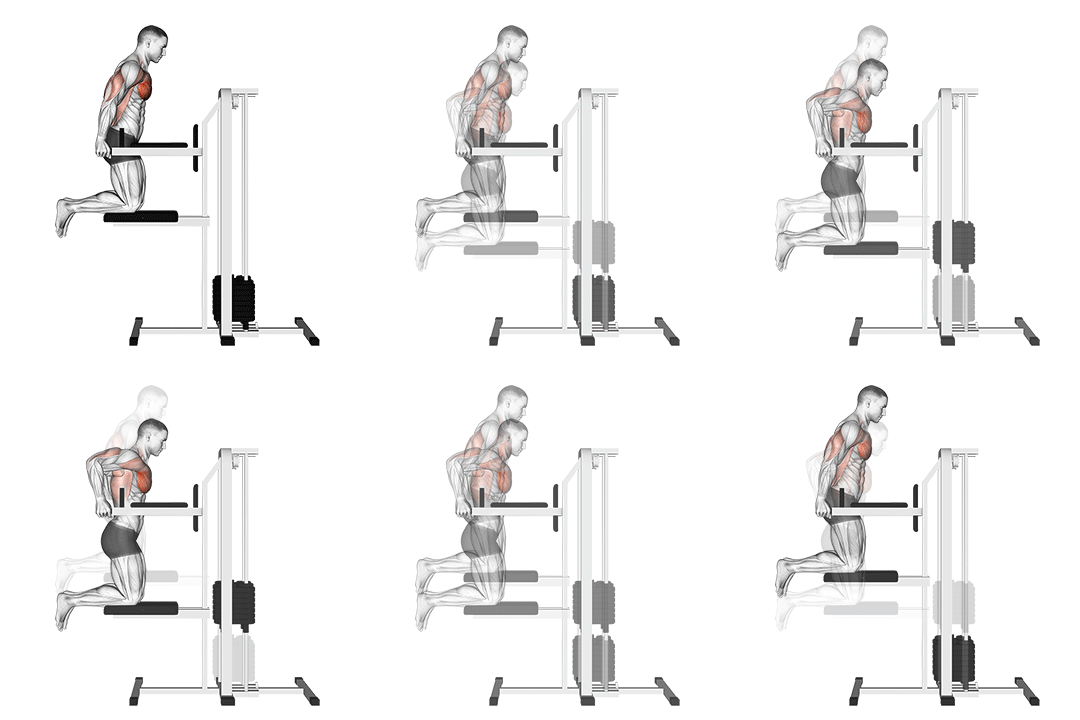
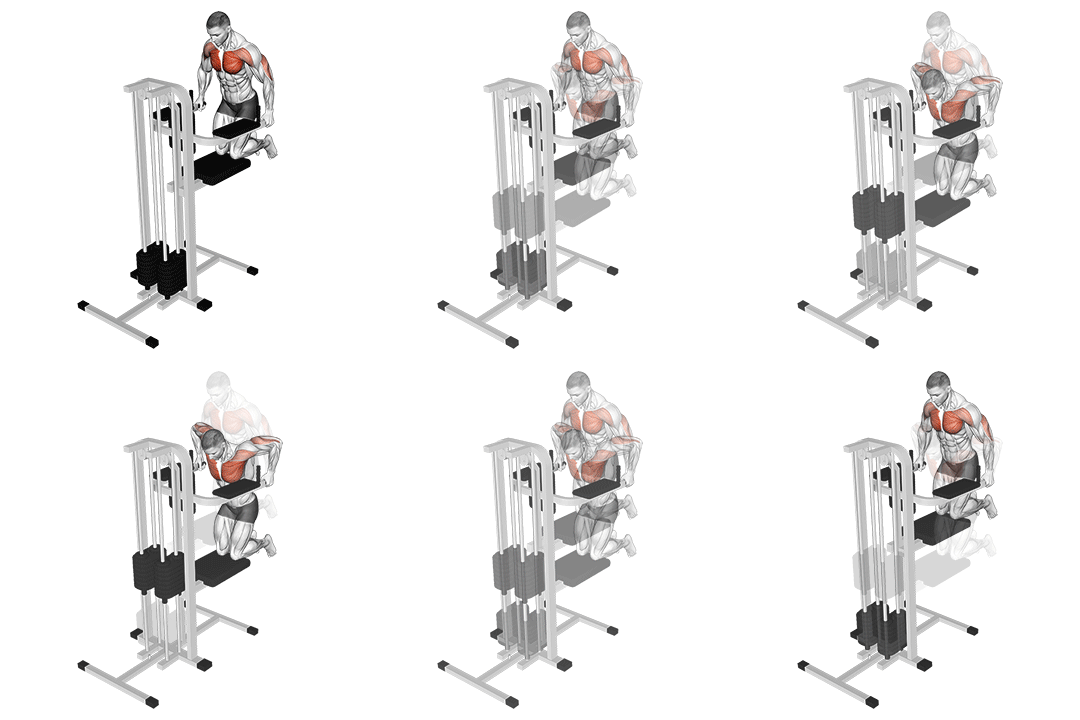
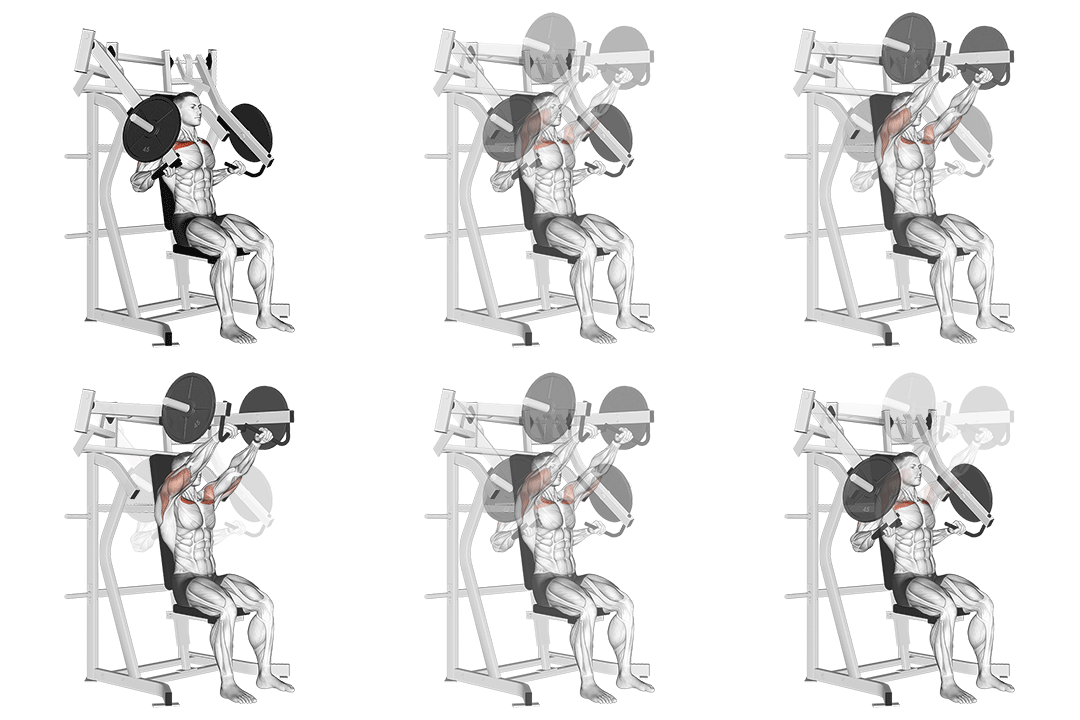
More comparisons with Lever Seated Fly
Compare More Exercises
Use our free comparison tool to analyze any two exercises head-to-head.
Compare Exercises