Pre-workout supplements have come a long way since I was a semi-pro triathlete in the early 1990s. Back then, my “secret sauce” was flat Coca-Cola, which provided an abundance of sugar and caffeine to power me through my workouts.
While this was a sickly-sweet concoction, it was as effective as it was cheap, and training twice a day meant I got through gallons of the stuff.
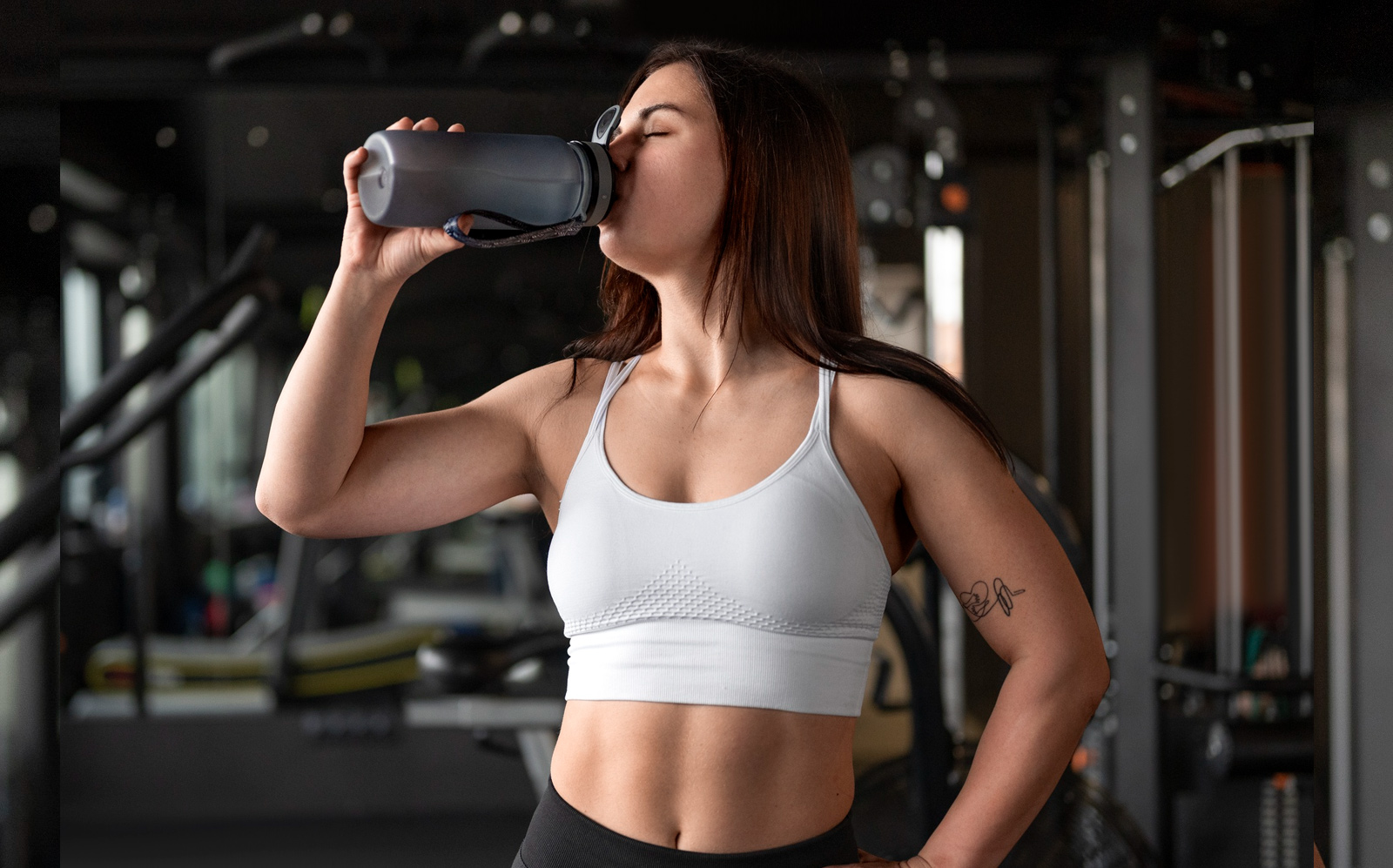
Today’s exercisers don’t have to waste time degassing soft drinks before training. Instead, they can use one of the many pre-workout supplements that promise to boost energy, improve focus, and deliver a skin-splitting pump.
However, in my opinion, a lot of people abuse pre-workouts and become so reliant on them that they won’t train without a shot of “Super-Duper Hyper Boost,” or whatever brand is currently biggest on social media.
There is no denying that pre-workout supplements work, but they do have a downside, and using them before every training session can ultimately hurt your progress and even your health.
After a few too many back-to-back shots of pre-workout, I decided it was time to stop using these supplements and explore alternative ways to boost my energy before training.
In this article, I share my concerns regarding the overuse of pre-workout supplements and what I use to boost my energy instead.
The Problem with Pre-Workouts: Short-Term Gains, Long-Term Drawbacks

Let me start this section by saying that pre-workout supplements are not inherently bad. In fact, when your energy has nose-dived and you need a quick pick-me-up, they can be very useful.
However, a lot of exercisers use these supplements before every workout, and that can be a problem.
How Pre-Workouts Work
Most pre-workout supplements are loaded with two main ingredients—caffeine and beta-alanine. The amounts and other ingredients vary depending on the brand, but these are the most common active components.
This makes sense given that caffeine is a proven mental and physical energy booster (1), and beta-alanine has been shown to help reduce fatigue and increase blood flow (2). The combination of these ingredients means that you’ll feel the effects of your pre-workout within 15-30 minutes, signaling that it’s time to train.
However, there is a fine line between use and abuse, and many exercisers are too reliant on pre-workout supplements. That’s not a judgment, just an observation, as I’ve been there and done it myself, so I know the harm that overusing pre-workouts can cause.
The downsides of overusing pre-workout supplements include:
Developing a Tolerance
The more often you use a pre-workout supplement, the more likely you are to get used to it and need a higher dose. At first, even 150-200mg of caffeine is enough to give you an energy boost. But use the same product too often, and you’ll soon find yourself double-dosing or switching to a more potent formula.
This helps explain why some pre-workouts are more concentrated than others and are aimed at experienced users who need a bigger caffeine hit.
Related: 12 Best Pre-Workouts For Beginners
Uncomfortable Skin Sensation

The other main ingredient in most pre-workouts—beta-alanine—is an amino acid. It delays fatigue and boosts blood flow through a process called vasodilation, which basically means opening up your blood vessels. Beta-alanine is responsible for the pump that many users get with pre-workout supplements.
However, beta-alanine also has a side-effect—skin tingling, which can become itchiness, redness, and may even result in hives.
While some exercisers welcome this sensation, as it signals their supplement is having an effect, others find it uncomfortable and distracting. Some pre-workouts contain mega-doses of beta-alanine just to make users feel like it’s working. That said, you don’t need a lot of beta-alanine for it to boost your exercise performance.
Caffeine Overdose
According to the FDA, most adults should limit their caffeine intake to about 400mg per day (3). Given that the average cup of coffee contains about 100-150mg, that amount seems reasonable.
Some pre-workouts contain as much as 400mg of caffeine, which means that just a single additional Coke, coffee, tea, or bar of chocolate could tip you over the edge and exceed the FDA’s recommendation.
An occasional “caffeine overdose” probably won’t do you any harm, other than a bout of the jitters and difficulty falling asleep.
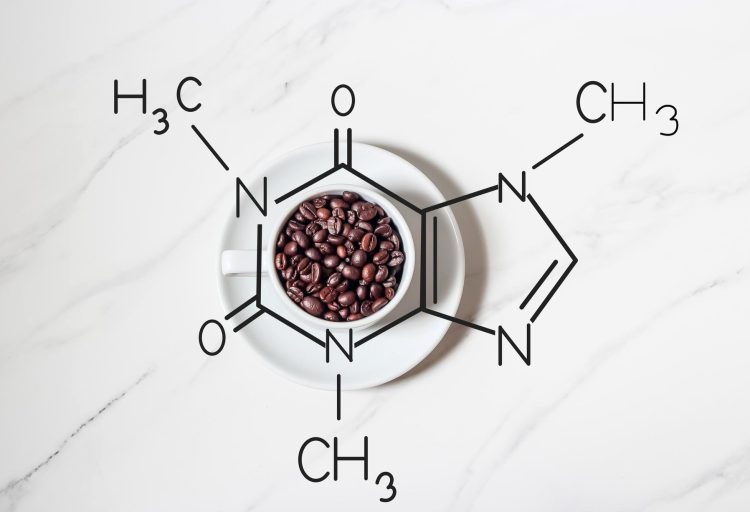
However, chronic caffeine abuse can lead to (3):
- Poor sleep quality and insomnia
- Anxiety and nervousness
- Restlessness and jitters
- Headache
- Rapid heart rate and heart palpitations
- Elevated blood pressure
- Digestive issues
- Physical and psychological dependence
- Increased frequency and urgency of urination
- Fatigue and rebound tiredness after caffeine wears off
- Increased risk of hypertension, prediabetes, kidney disease, and heart disease in some individuals
- Thinning of bones and increased fracture risk
- Potential negative effects during pregnancy
Now, I don’t know about you, but I like coffee, tea, and chocolate, and would hate to give these things up just so I can have a daily dose of pre-workout!
Unwanted Post-Workout Side Effects
The effects of pre-workouts are very welcome in the gym, but can be a real problem out in the real world.
For example, some pre-workouts increase aggression and focus, which are useful when you’re battling the weights, but less helpful when you’re sitting in traffic on your way home from the gym or trying to gently coax your kids into eating their veggies. These situations demand calm, not force.
When I was a fitness lecturer, I used to train before teaching class, and my students knew when I’d had pre-workout. They told me my lectures were much more intense and delivered so fast they had trouble keeping up! Unfortunately, pre-workout effects can last several hours, meaning they can potentially affect large chunks of your life outside the gym.
Similarly, using pre-workouts later in the day can stop you from sleeping. That’s ironic given that a lack of sleep is probably why you need a pre-workout in the first place.
So, while the occasional shot of pre-workout, e.g., before leg day and after a poor night’s sleep, probably won’t hurt you, using these supplements all the time can cause more harm than good.
Thankfully, there are plenty of alternative ways to boost your energy that won’t turn you into a jittery insomniac!
Trainer-Approved Pre-Workout Alternatives
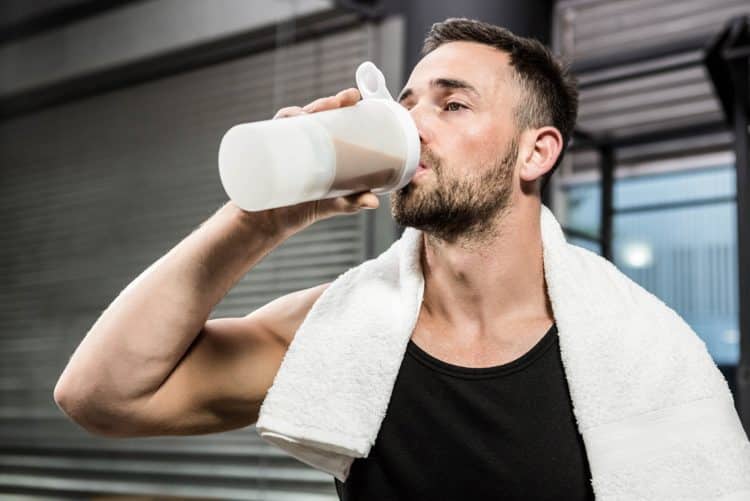
Now, I’m not saying you should never use a pre-workout supplement, but I do suggest saving it for when you really need it. Instead, boost your energy with these effective pre-workout alternatives.
1. Get More (and Better) Sleep
Most adults need 7-9 hours of sleep per night. That’s every night, not just on weekends. Prioritizing sleep improves focus, performance, recovery, and mood. So, if you’re always reaching for pre-workout, the real fix might be going to bed earlier.
2. Drink Espresso or Black Coffee
There is no denying that caffeine is an effective energy booster. That’s why most pre-workouts contain so much. However, they tend to use caffeine anhydrous, which is a very harsh, processed form. A cup of coffee or espresso is less processed and easier to dose. One strong shot can give you the edge without overloading your system like pre-workouts can.
3. Breathe with Purpose
A few rounds of focused breath work (like box breathing or Wim Hof-style energizing breaths) can wake up your nervous system and enhance focus. But, unlike most pre-workout supplements, breath work won’t make you jittery, anxious, or unable to sleep.
Related: The ONLY 4 Breathing Exercises You Need for Better Athletic Performance
4. Try Beet Juice or Powder
Beets and beet juice are rich in nitrates, which support blood flow, endurance, and oxygen delivery. As such, they’re great for cardio-heavy or high-rep workouts. However, unlike beta-alanine, they don’t cause uncomfortable skin tingling, redness, or any other negative side effects. But, time your dose carefully as it needs about 2 to 3 hours to kick in.

5. Play Energizing Music
Research suggests that the right music can improve workout performance (4). It stimulates the brain, elevates mood, and increases energy. It’s even more effective if it has personal meaning or an emotional impact. So, curate a workout playlist and start listening to it on the way to the gym to get in the mood to train.
6. Do a Muscle-Activating Warm-Up
Use resistance bands or bodyweight drills to “wake up” key muscle groups and increase blood flow. Glute bridges, plank jacks, and squat jumps work well. This primes your nervous system and builds intensity naturally.
7. Get Some Sunlight and Fresh Air
Natural light stimulates alertness and regulates your circadian rhythm. A 5-minute walk outdoors can lift energy and help shift you into “training mode.” Breathe deeply and visualize your coming workout—imagine your batteries recharging.
8. Use Cold Exposure
Nothing wakes you up like a splash of cold water on your face, a cold shower, or a few minutes outside in the cool air. While this might be uncomfortable, the subsequent jolt of adrenaline and energy will power you through your workout.
9. Hydrate Properly
Even mild dehydration can leave you feeling sluggish. Starting your session well-hydrated supports energy, focus, and endurance. Sip cool water in the lead-up to your training session to ensure you start with your hydration tanks full. A pinch of sea salt or a low-sugar electrolyte tab in water can boost hydration and nerve function without sugar or stimulants.

10. Mentally Rehearse Your Workout
Visualization helps with focus and intent. Run through your plan, imagining your strongest lifts or recalling your best performances. It can help replace the “hype” normally supplied by pre-workouts. Additionally, seeing yourself succeed in your mind means you are more likely to succeed in your workouts. As the saying goes, conceive, believe, achieve!
11. Eat a Light, Balanced Snack
While a heavy meal will slow you down and rob you of energy, a small, carb-rich snack with a bit of protein, such as a banana with peanut butter or Greek yogurt with berries, can boost energy without a crash later.
Closing Thoughts
Pre-workout supplements can serve a purpose, but they shouldn’t be your only solution for low energy or lack of motivation. Relying on them too often can come at a cost to your health, focus, and recovery.
As a fitness coach and athlete, I’ve learned that true energy comes from daily habits, not a scoop of something artificially colored, flavored, and sweetened.
Next time you’re tempted to hit the pre-workout tub, ask yourself, “Do I really need it today, or is there a better way to fire myself up?”
Try building a solid sleep routine, hydrating properly, or simply getting outside for some sunlight and movement. The more tools you have in your pre-training toolbox, the less you’ll need to rely on stimulants.
Your body and your nervous system will thank you!
References:
- Delleli S, Ouergui I, Messaoudi H, Trabelsi K, Ammar A, Glenn JM, Chtourou H. Acute Effects of Caffeine Supplementation on Physical Performance, Physiological Responses, Perceived Exertion, and Technical-Tactical Skills in Combat Sports: A Systematic Review and Meta-Analysis. Nutrients. 2022 Jul 21;14(14):2996. doi: 10.3390/nu14142996. PMID: 35889953; PMCID: PMC9315598.
- Georgiou GD, Antoniou K, Antoniou S, Michelekaki EA, Zare R, Ali Redha A, Prokopidis K, Christodoulides E, Clifford T. Effect of Beta-Alanine Supplementation on Maximal Intensity Exercise in Trained Young Male Individuals: A Systematic Review and Meta-Analysis. Int J Sport Nutr Exerc Metab. 2024 Jul 19;34(6):397-412. doi: 10.1123/ijsnem.2024-0027. PMID: 39032921.
- U.S. Food and Drug Administration. Spilling the Beans: How Much Caffeine is Too Much? FDA Consumer Updates. 2024 Aug 28. Available from: https://www.fda.gov/consumers/consumer-updates/spilling-beans-how-much-caffeine-too-much
- Delleli S, Ouergui I, Ballmann CG, Messaoudi H, Trabelsi K, Ardigò LP, Chtourou H. The effects of pre-task music on exercise performance and associated psycho-physiological responses: a systematic review with multilevel meta-analysis of controlled studies. Front Psychol. 2023 Nov 23;14:1293783. doi: 10.3389/fpsyg.2023.1293783. PMID: 38078229; PMCID: PMC10701429.
 You can also follow us on Twitter, Facebook, Instagram, and
YouTube for even more content.
You can also follow us on Twitter, Facebook, Instagram, and
YouTube for even more content.Tip: If you're signed in to Google, tap Follow.